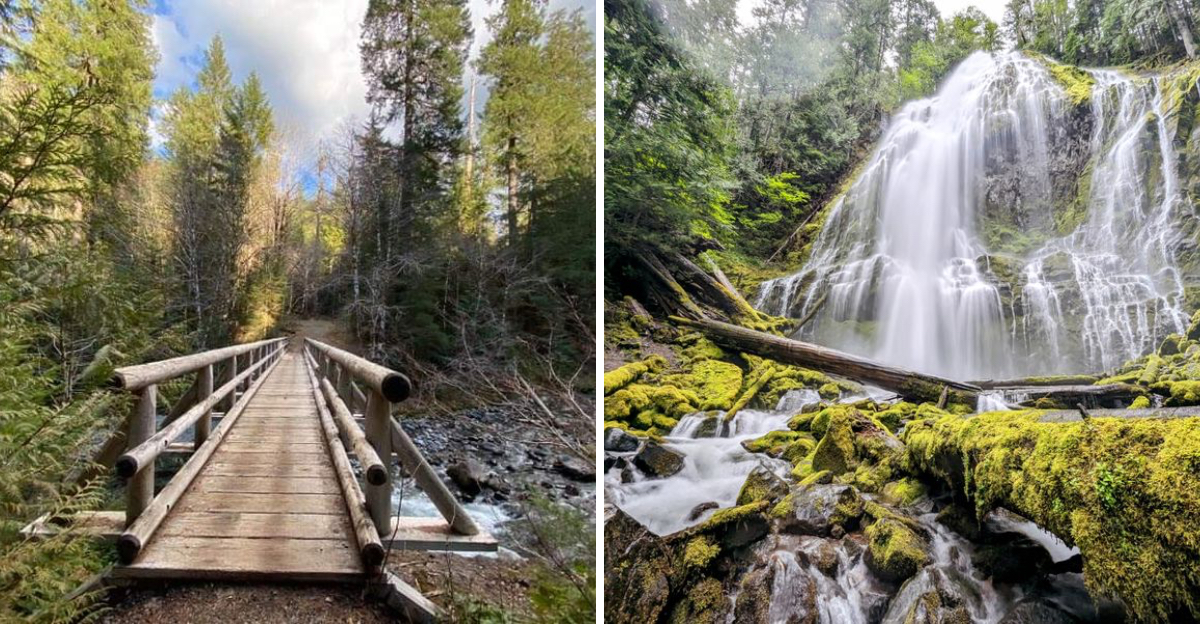
Oregon’s forests hold secrets that locals guard carefully, saving the quietest trails for weekends when they need a true escape.
These paths wind through old-growth groves, past hidden waterfalls, and along ridgelines where the only sounds are birdsong and rustling leaves.
While popular trails fill with crowds, these eight hikes offer solitude and natural beauty without the noise.
Each one reveals a different side of Oregon’s wilderness, from coastal rainforests to mountain meadows blanketed in wildflowers.
1. Bagby Hot Springs Trail

Weathered cedar structures sit at the end of a forest walk, marking one of Oregon’s most well-known hot spring destinations.
The hike is approximately three miles round trip through second-growth forest.
Douglas firs and hemlocks create a green tunnel overhead, filtering sunlight into dappled patterns on the needle-strewn path.
What draws locals back repeatedly is the combination of peaceful hiking and the reward of soaking sore muscles in private tubs afterward.
Each bathhouse contains several wooden soaking tubs, some large enough for groups, others perfectly sized for solo contemplation.
The hot springs water flows constantly, allowing you to adjust temperatures by mixing in cold creek water through a separate spout.
Midweek visits offer the best chance for solitude, while weekends are typically busy, with waits common during peak hours..
Moss clings to every surface around the springs, creating an almost fairy-tale atmosphere enhanced by the constant sound of flowing water.
The trail itself stays relatively level with only minor elevation changes, making it approachable for most fitness levels.
Autumn brings vibrant vine maple colors that contrast beautifully against the evergreen backdrop.
Remember to bring a headlamp for the bathhouses, as natural light barely penetrates the thick log walls.
Respect for other visitors is essential since the space is shared, with an unspoken etiquette about time limits during busy periods.
The entire experience feels like stepping back in time to when wilderness bathing was the only option.
2. Drift Creek Falls Trail
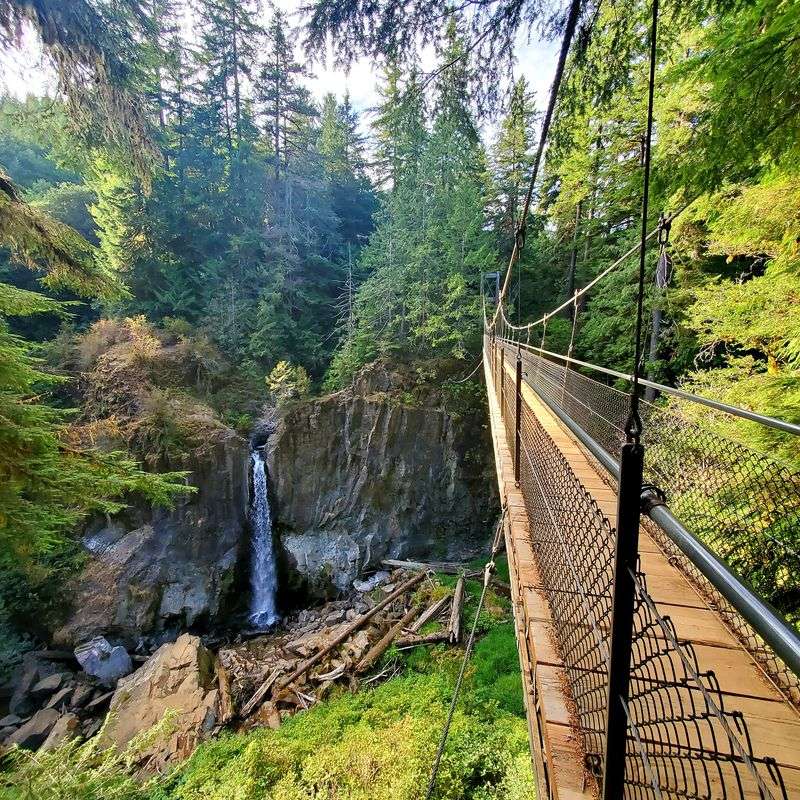
A swaying suspension bridge offers a bird’s-eye view of a 75-foot waterfall plunging into a moss-lined canyon below.
This coastal forest hike covers about three miles round trip, descending through a mixture of old and new growth before reaching the bridge.
The path winds through a recovering forest where stumps from past logging operations now serve as nurse logs for the next generation of trees.
Salmonberry bushes line sections of the trail, their bright orange berries providing snacks for both hikers and wildlife in early summer.
The real highlight comes when you step onto the bridge, feeling it gently move beneath your feet as you take in the waterfall’s power.
Photographers love the unique perspective, shooting through the bridge’s cables to capture the falls framed by towering Sitka spruce.
Mist from the falls reaches the bridge on windy days, adding a refreshing coolness to the air and creating temporary rainbows.
The surrounding canyon walls drip with moisture year-round, supporting an incredible diversity of ferns, mosses, and lichens.
Locals appreciate how quickly you can reach this destination from the coast, making it perfect for a morning hike before beach time.
The trail’s moderate grade means you’ll feel the climb on the return journey, but switchbacks make it manageable.
Benches near the bridge provide spots to sit and listen to the water’s constant roar echoing off canyon walls.
Winter storms bring the falls to their most dramatic state, with water volume increasing significantly after heavy rains.
The trailhead sits in the Siuslaw National Forest, where towering trees immediately immerse you in coastal Oregon’s signature temperate rainforest atmosphere.
3. Elk Meadows Trail
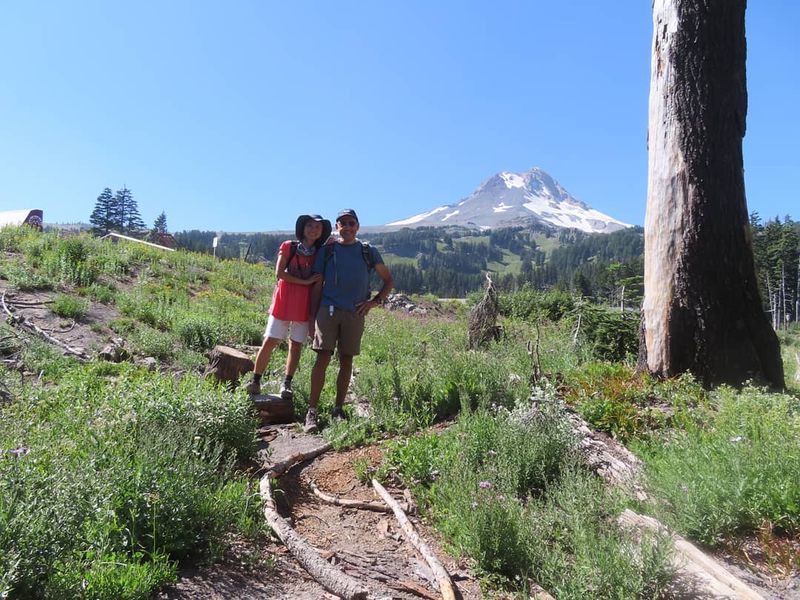
Wildflower explosions transform subalpine meadows into living paintings each July, with Mount Hood standing sentinel in the background.
The trail climbs steadily for about six miles round trip, gaining elevation through forest before breaking into open meadows.
Lupine, paintbrush, and avalanche lilies create waves of purple, red, and white that shift with the season’s progression.
Elk frequently graze here during early morning and late evening hours, their presence giving the meadow its name.
Mountain hemlocks frame views of the mountain, their twisted forms shaped by harsh winter winds and heavy snow loads.
Locals time their visits to coincide with peak bloom, usually mid-July through early August depending on snowmelt.
Small streams meander through the meadows, their banks lined with monkey flowers and marsh marigolds.
The sound of water is constant, whether from nearby creeks or distant waterfalls cascading down Mount Hood’s slopes.
Butterflies and bees work the flowers constantly, creating a gentle buzz that blends with wind rustling through the trees.
The meadows offer multiple spots to spread out a blanket and enjoy lunch with possibly the best mountain views in Oregon.
Afternoon clouds often build around the peak, creating dramatic photography opportunities as light and shadow play across the glaciers.
The return hike feels easier as you descend back into the forest, though knees might protest the downhill grade.
Fall transforms the meadows again, with huckleberry bushes turning crimson and grasses fading to gold.
Snow lingers in shaded areas well into summer, so waterproof boots help navigate occasional muddy or icy sections.
4. Shellburg Falls Loop
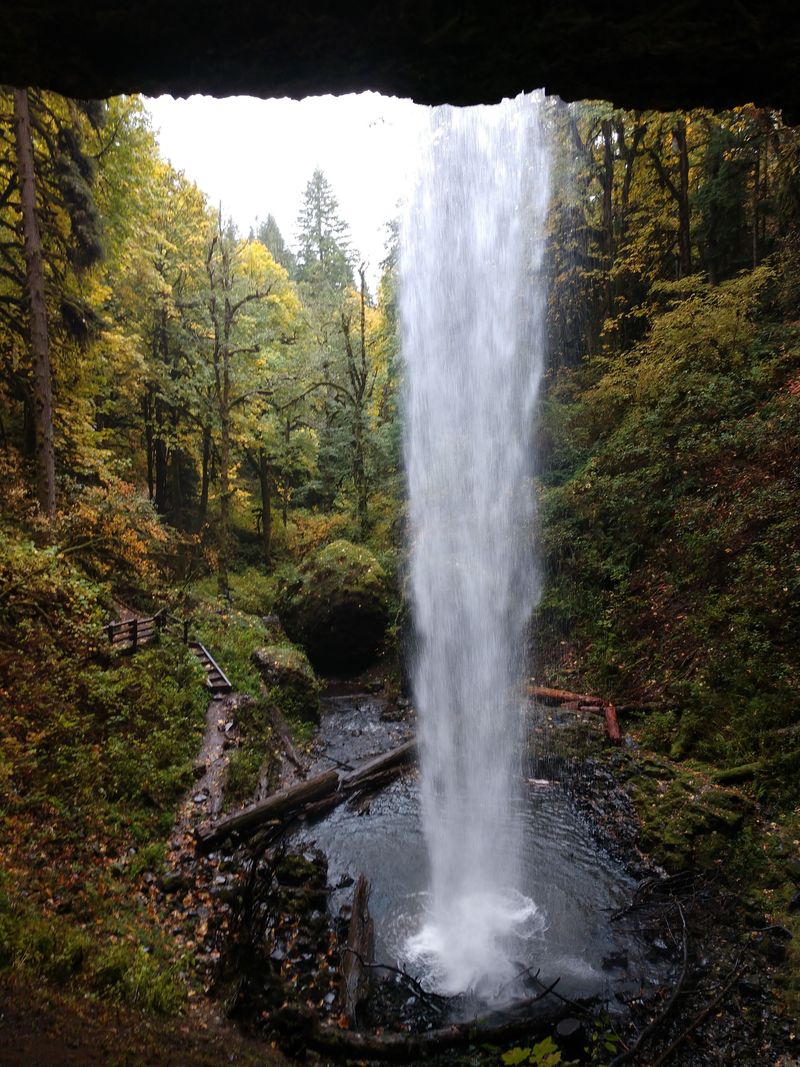
Two distinct waterfalls reward hikers on this out-and-back trail, each offering its own character within a recovering forest landscape.
The trail follows a roughly four-mile out-and-back route through Santiam State Forest.
Lower Shellburg Falls drops in a single curtain of water, while the upper falls tumble in multiple tiers down a rocky face.
Old-growth stumps scattered throughout tell stories of the area’s logging history, now softened by decades of regrowth.
Sword ferns grow in enormous clumps, their fronds reaching waist-high along the trail’s wetter sections.
The path crosses several small streams on wooden bridges, each crossing offering a moment to pause and watch water rush beneath.
Spring brings the highest water volume, making both falls particularly impressive as winter snowmelt swells the creeks.
The loop’s moderate difficulty means you’ll encounter families, but the trail rarely feels crowded compared to more famous Oregon waterfalls.
Bigleaf maples create a golden canopy in October, their massive leaves carpeting the trail in yellow.
Locals often combine this hike with nearby trails in the area, creating longer adventures through interconnected forest paths.
The sound of falling water reaches your ears well before the falls come into view, building anticipation with each step.
Mist from the lower falls creates a microclimate that supports moisture-loving plants rarely seen elsewhere in the forest.
Benches positioned near both falls provide perfect spots for snacking while watching water dance over stone.
The trail stays well-maintained year-round, though winter can bring muddy conditions that require careful footing.
5. Proxy Falls Loop
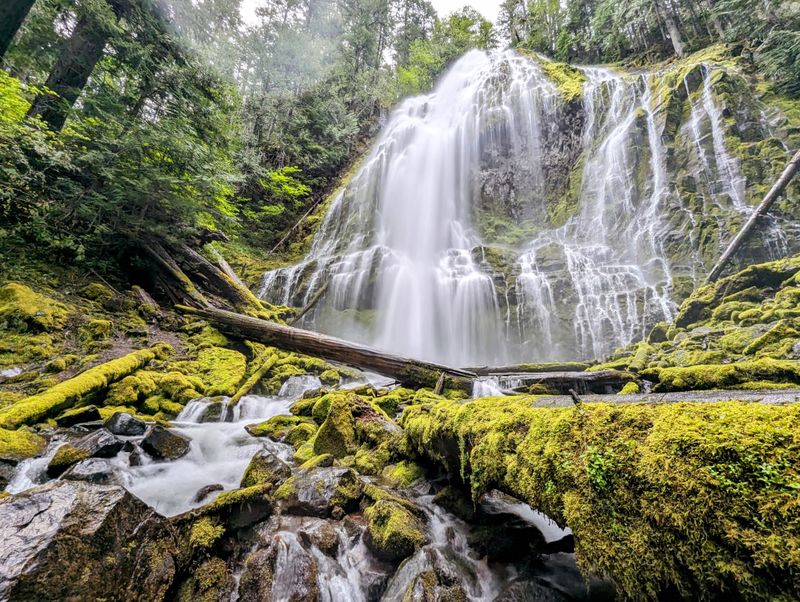
Lava rock formations create an otherworldly setting where waterfalls seemingly vanish into porous stone instead of forming pools below.
This short loop covers roughly 1.5 miles round trip.
Two separate falls await discovery, each fed by snowmelt from the Three Sisters Wilderness high above.
The lower falls spread across a wide lava face, water finding hundreds of paths down the textured surface.
Moss covers every available surface in shades ranging from bright lime to deep forest green, thriving in the constant moisture.
The upper falls drop in a more traditional curtain, but the water quickly disappears into the porous volcanic rock below.
Ancient Douglas firs and western hemlocks tower overhead, their roots somehow finding purchase in the rocky soil.
The trail’s brevity makes it perfect for families or as a quick stop during a longer drive along the scenic McKenzie Pass.
Photographers arrive early to catch morning light filtering through the trees and illuminating the falls’ spray.
The volcanic landscape gives the entire area a unique feel, different from typical Oregon forest hikes.
Fallen logs nurse new growth, creating natural sculptures where young trees sprout from decomposing giants.
The trail stays relatively flat with only gentle elevation changes, making it accessible despite the rocky terrain.
Wildflowers bloom in surprising numbers considering the volcanic soil, with beargrass sending up tall white spikes in early summer.
Snow closes the access road typically from November through June, making this a summer and fall destination.
6. Iron Mountain Trail
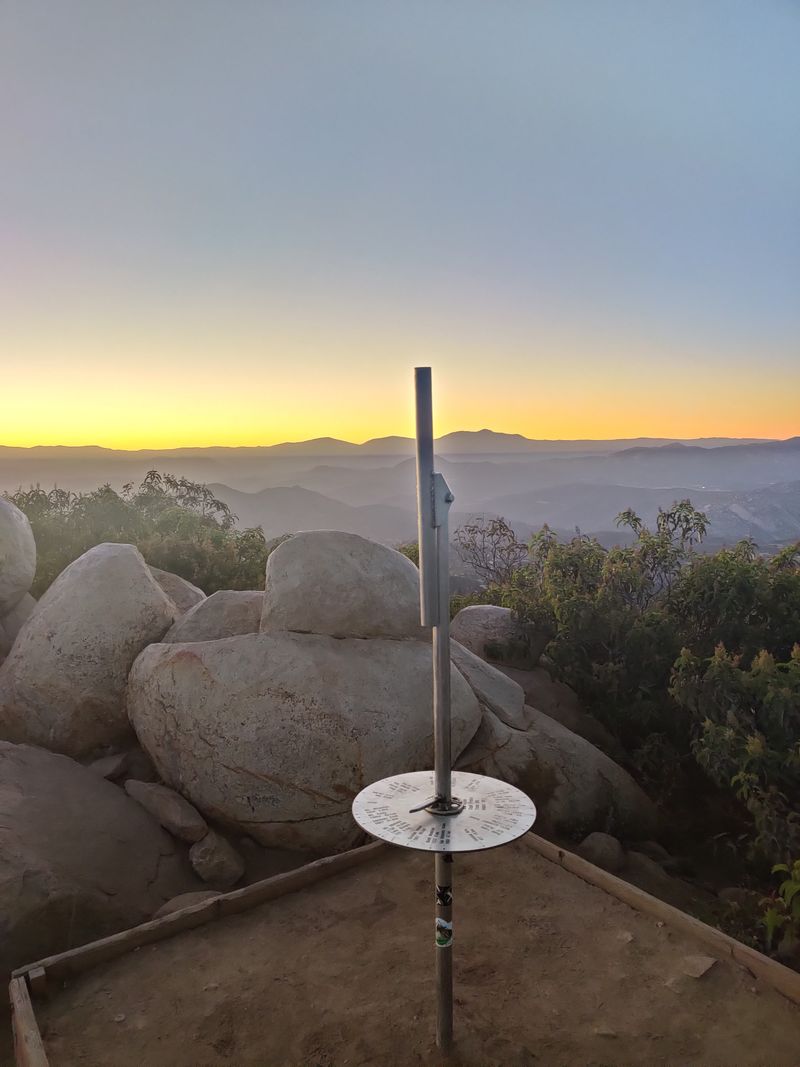
Panoramic views from a former lookout site reveal a sea of Cascade peaks stretching in every direction, earned through a steady climb.
The trail ascends roughly three miles to the summit, gaining significant elevation through forest before emerging into wildflower meadows.
Beargrass dominates the upper slopes in good years, creating white waves that ripple in mountain breezes.
The summit itself offers 360-degree views taking in Mount Jefferson, Three Sisters, and countless other peaks marching to the horizon.
Locals consider this one of the best bang-for-your-buck hikes in the Willamette National Forest, with rewards far exceeding the effort.
Morning starts often mean hiking through clouds that burn off by midday, revealing the views in dramatic fashion.
The trail’s popularity has increased in recent years, but weekday visits still offer relative solitude.
Rocky outcrops near the summit provide natural seating for lunch while you scan the landscape below.
Wildflower diversity amazes botanists and casual hikers alike, with species changing as you gain elevation.
The upper meadows turn golden in fall, contrasting beautifully with the dark evergreen forests below.
Hawks and eagles ride thermals around the summit, occasionally diving toward the meadows in pursuit of small rodents.
Snow lingers on north-facing slopes well into summer, sometimes creating small patches to navigate near the top.
The descent can be tough on knees, so trekking poles help on the downhill sections through loose rock.
Sunset hikes are magical when conditions allow, painting the peaks in alpenglow before darkness falls.
7. Salmon River Trail
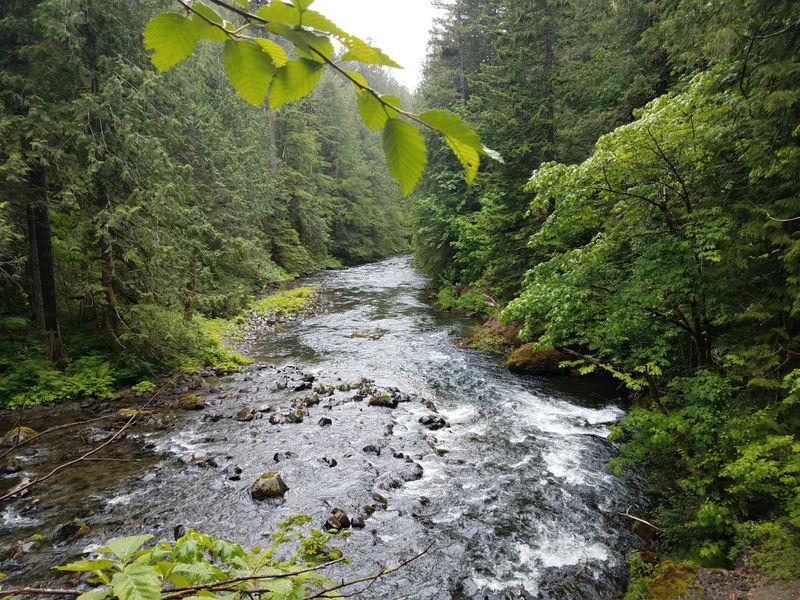
Crystal-clear water rushes alongside this riverside path, winding through some of the finest old-growth forest remaining in Oregon.
The trail extends for miles, allowing you to choose your distance while following the river upstream through increasingly wild terrain.
Massive old-growth cedars and Douglas firs create a sense of timelessness, their centuries of growth evident in enormous girths.
The river itself runs remarkably clear, revealing colorful stones on the bottom and occasional fish holding in deeper pools.
Multiple access points mean you can start from different trailheads, with locals having favorite sections they return to repeatedly.
The lower sections stay relatively flat, perfect for easy walking while still surrounded by impressive forest.
Further upstream, the trail climbs and descends more dramatically, following the river’s twists through narrow canyons.
Moss-covered boulders dot the river, some as large as cars, tumbled down from cliffs above during ancient floods.
The sound of rushing water provides constant companionship, sometimes roaring through rapids, other times murmuring over gravel bars.
Vine maples arch over the trail in places, creating natural tunnels that glow brilliant red and orange each October.
Swimming holes appear regularly, with locals knowing the best spots for summer dips in the refreshingly cold water.
The trail sees moderate use but rarely feels crowded due to its length and multiple access points spreading people out.
Wildlife includes everything from tiny Pacific wrens to black bears, with tracks often visible in muddy sections.
Winter hiking is possible in lower sections, though high water and slippery conditions require extra caution.
8. Opal Creek Trail
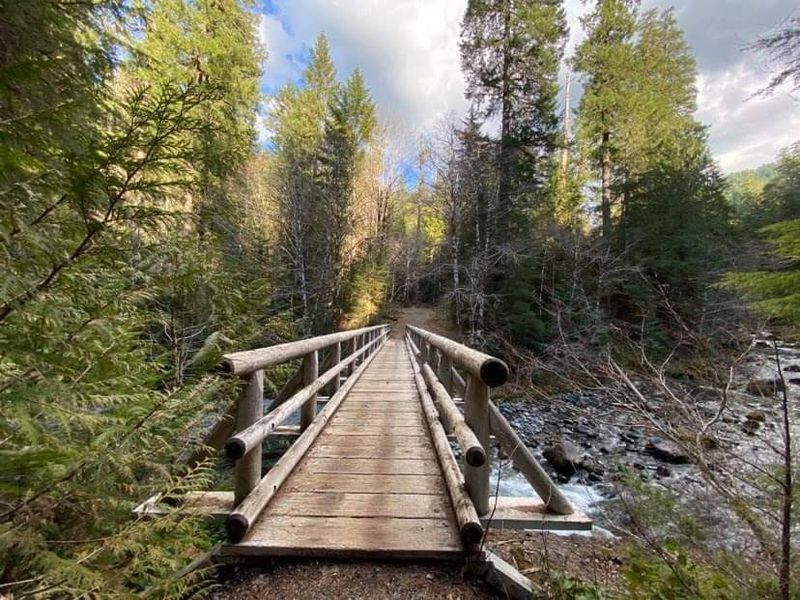
Opal Creek remains one of Oregon’s most storied old-growth landscapes, though access is currently restricted due to wildfire damage and long-term road closures.
For generations, this remote drainage in the western Cascades represented a rare window into ancient forest ecosystems that escaped widespread logging.
Towering cedars and Douglas firs, some estimated to be more than a thousand years old, once formed a living cathedral along the creek’s course.
The forest floor held a layered green world of moss, ferns, and fallen giants slowly returning to soil, creating an atmosphere that felt untouched by time.
Crystal-clear pools lined the creek, their emerald depths revealing smooth stones and submerged logs shaped by centuries of flowing water.
Historic mining remnants from the early twentieth century added quiet context, with rusted equipment and weathered foundations slowly dissolving back into the landscape.
Seasonal changes defined the experience when access was open, as spring runoff filled the air with mist and sound, while summer brought shaded relief and cold water along the creek’s edge.
Wooden footbridges once crossed side streams, allowing hikers to move deeper into the forest while water traced its own paths below.
The trail itself followed a gentle grade for several miles, making it approachable while still immersive, especially beneath the dense canopy that muted sound and light.
Wildlife thrived in the corridor, with black-tailed deer, owls, and smaller forest species finding refuge among the old growth.
As distance from the trailhead increased, the modern world seemed to recede, replaced by the steady rhythm of water, wind, and birdsong.
Even in memory, the area carries a sense of quiet weight, a reminder of how rare intact forest systems have become.
Today, Opal Creek stands as a symbol of both resilience and vulnerability within Oregon’s public lands.
Restoration and safety assessments continue, and future access will depend on long-term recovery efforts.
Travelers should consult current USFS updates before planning any visit, as conditions remain subject to change.
Whether experienced in the past or anticipated in the future, Opal Creek holds a lasting place in Oregon’s forest story.
Dear Reader: This page may contain affiliate links which may earn a commission if you click through and make a purchase. Our independent journalism is not influenced by any advertiser or commercial initiative unless it is clearly marked as sponsored content. As travel products change, please be sure to reconfirm all details and stay up to date with current events to ensure a safe and successful trip.
