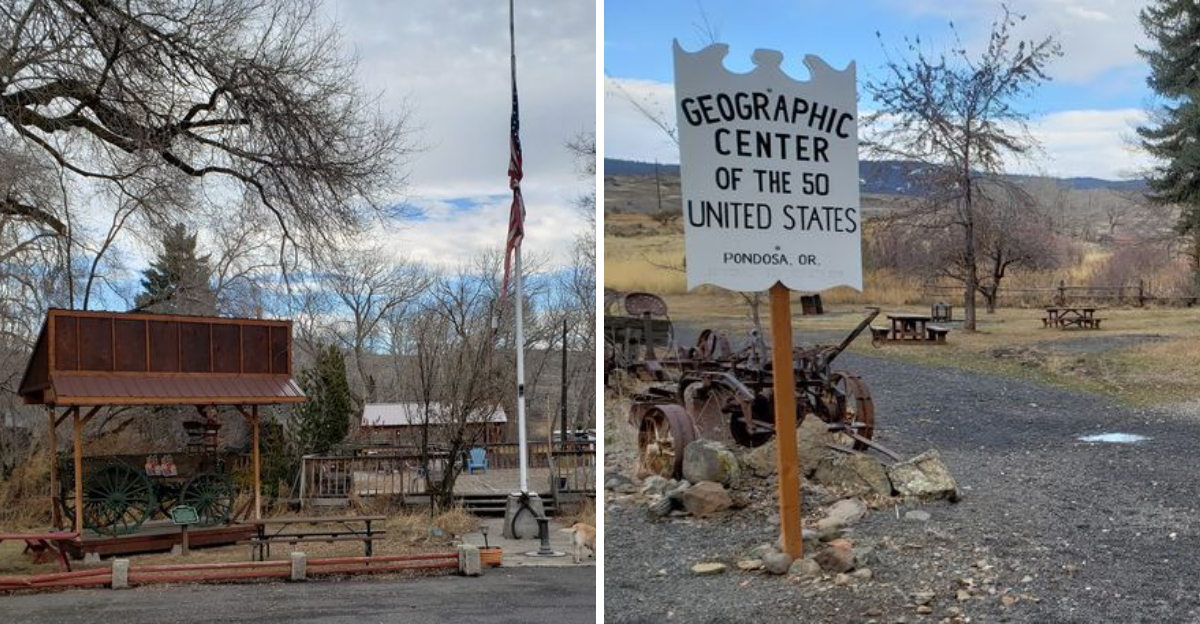
A ghost town that once claimed to be the geographic center of all fifty states sounds like a joke. But this Oregon place actually made that bold statement back when it was still a living community.
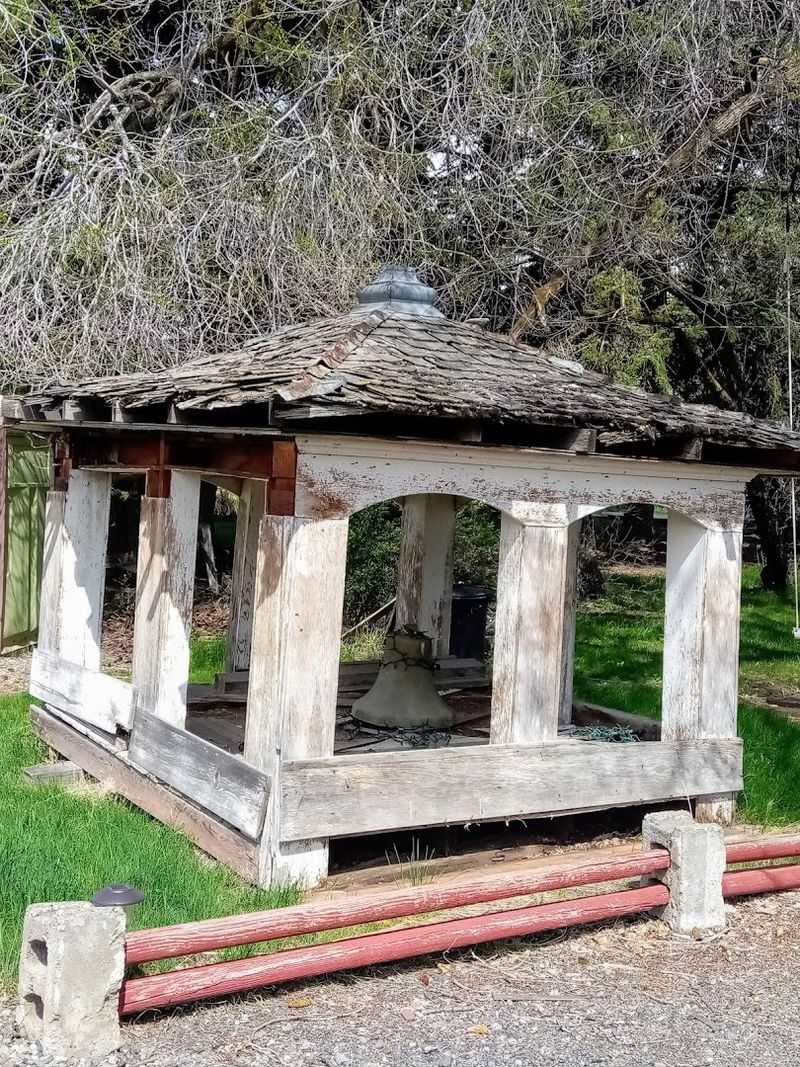
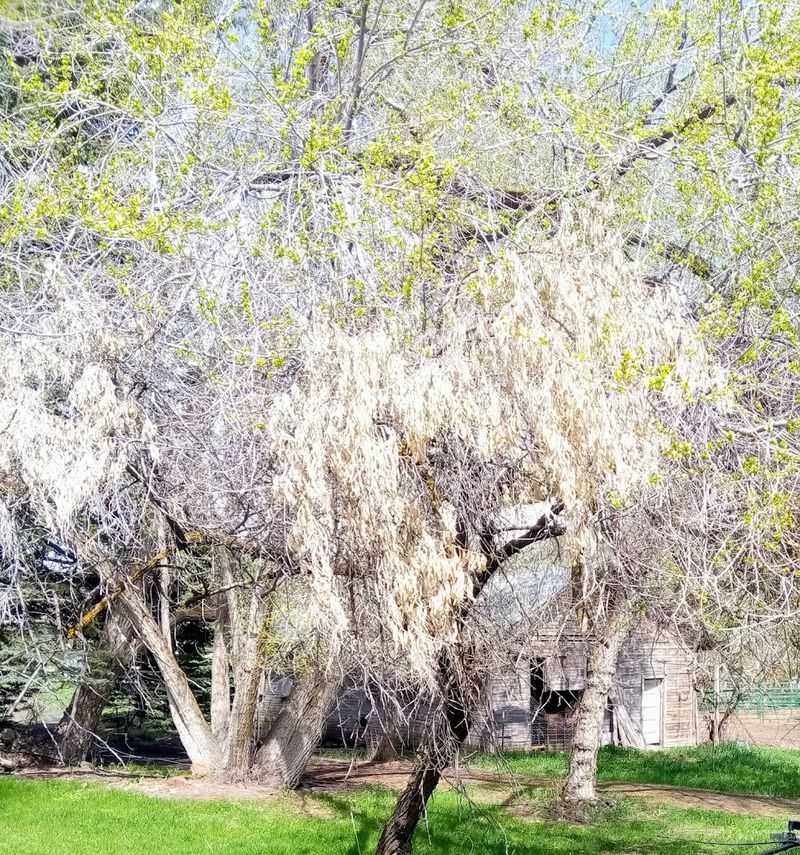
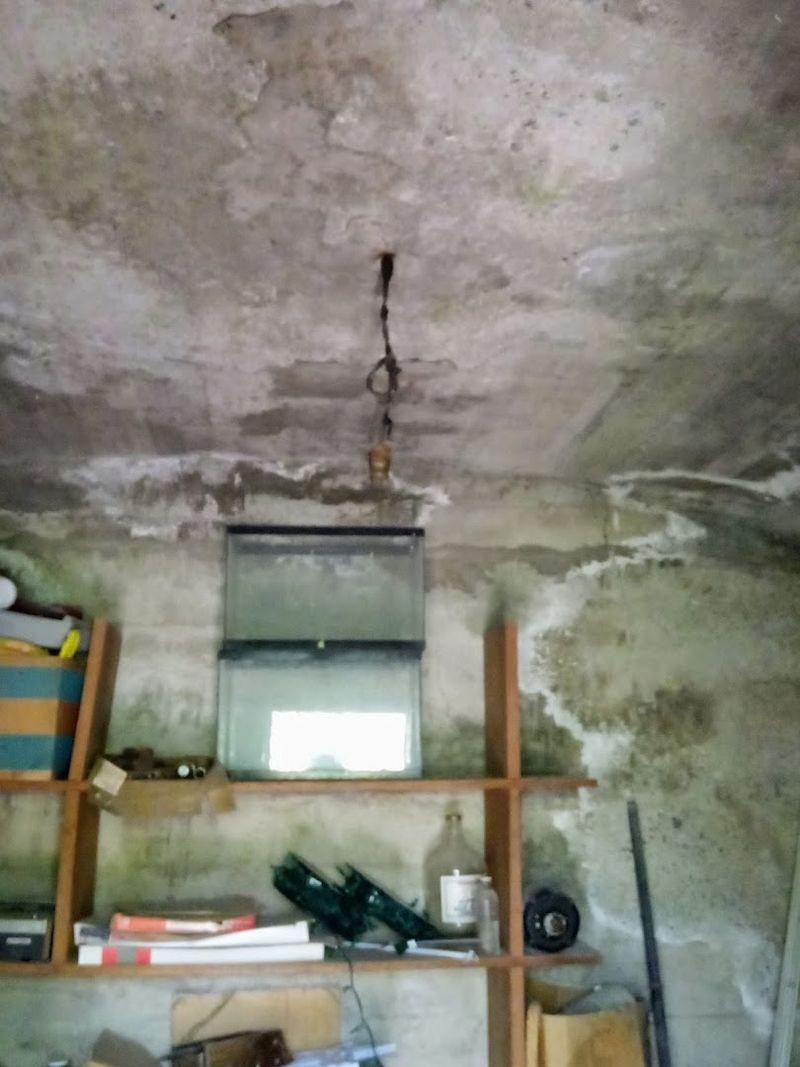
Today, not much remains. A few crumbling buildings, some rusted equipment, and a whole lot of silence where families used to live and work.
The town had a post office, a school, and enough residents to support a small store. Then the timber industry faded and people moved away one by one.
The last folks left decades ago and nature has been slowly reclaiming the land ever since. You can walk through what is left and try to imagine children playing in dusty streets.
The claim about being the center of America was probably never accurate, but the ambition behind it was charming. Oregon has several ghost towns worth exploring, but this one feels particularly forgotten.
No interpretive signs, no gift shop. Just you, the wind, and the faint outlines of a dream that did not work out.
Bring water because there are no services nearby. Bring a sense of respect for the people who once called this empty place home.
The Bold Claim That Put Pondosa on the Map
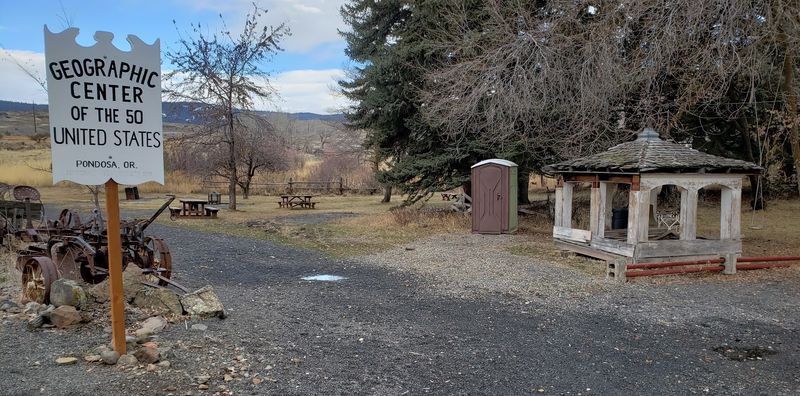
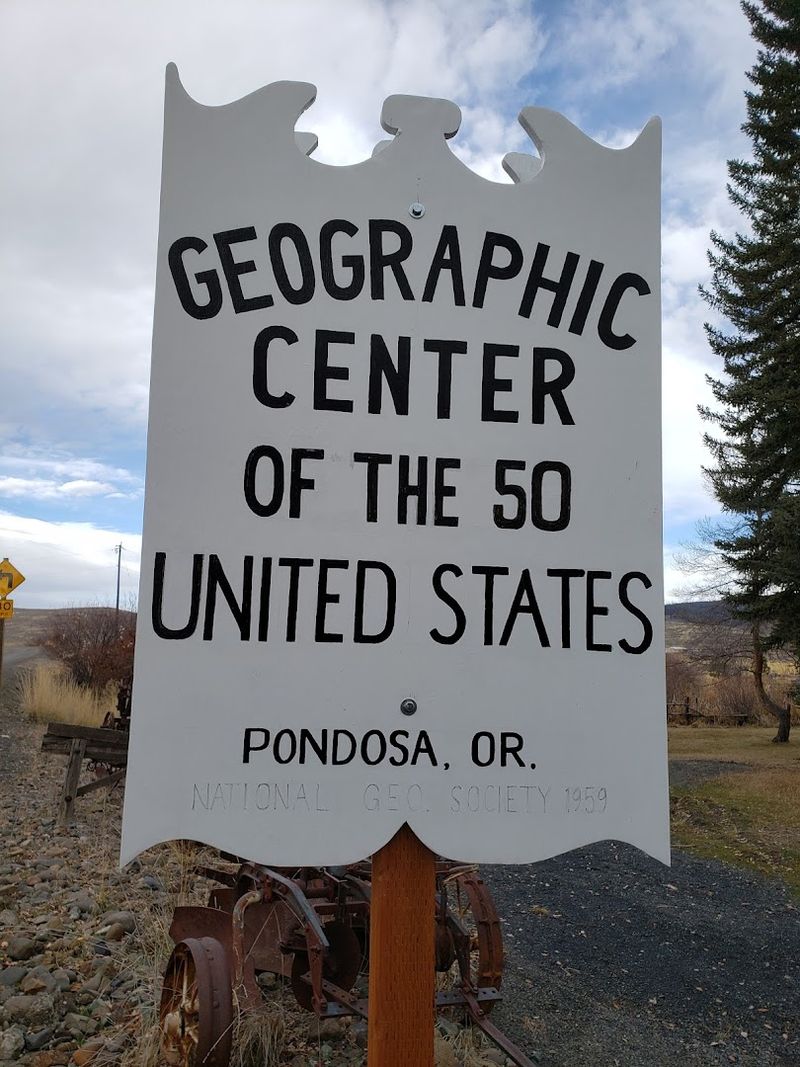
At some point in Pondosa’s history, a remarkable claim started circulating. Locals and boosters declared that Pondosa, Oregon sat at the geographic center of all 50 United States.
That is not a small thing to say about a tiny timber town in the hills of Union County.
The claim was tied to mathematical calculations that factored in the addition of Alaska and Hawaii to the union. When those two states joined in 1959, the geographic center of the country shifted dramatically northward and westward.
Some calculations placed that new center point somewhere in the general region of eastern Oregon. Pondosa happened to be in the right place at the right time, and someone decided to plant a flag on that idea.
Whether the math was perfectly precise is another question entirely.
Still, the claim gave Pondosa a moment of national curiosity. It was the kind of quirky local pride that small towns hold onto tightly.
And honestly, it is hard not to smile at the audacity of it.
What Life Looked Like in a Timber Town
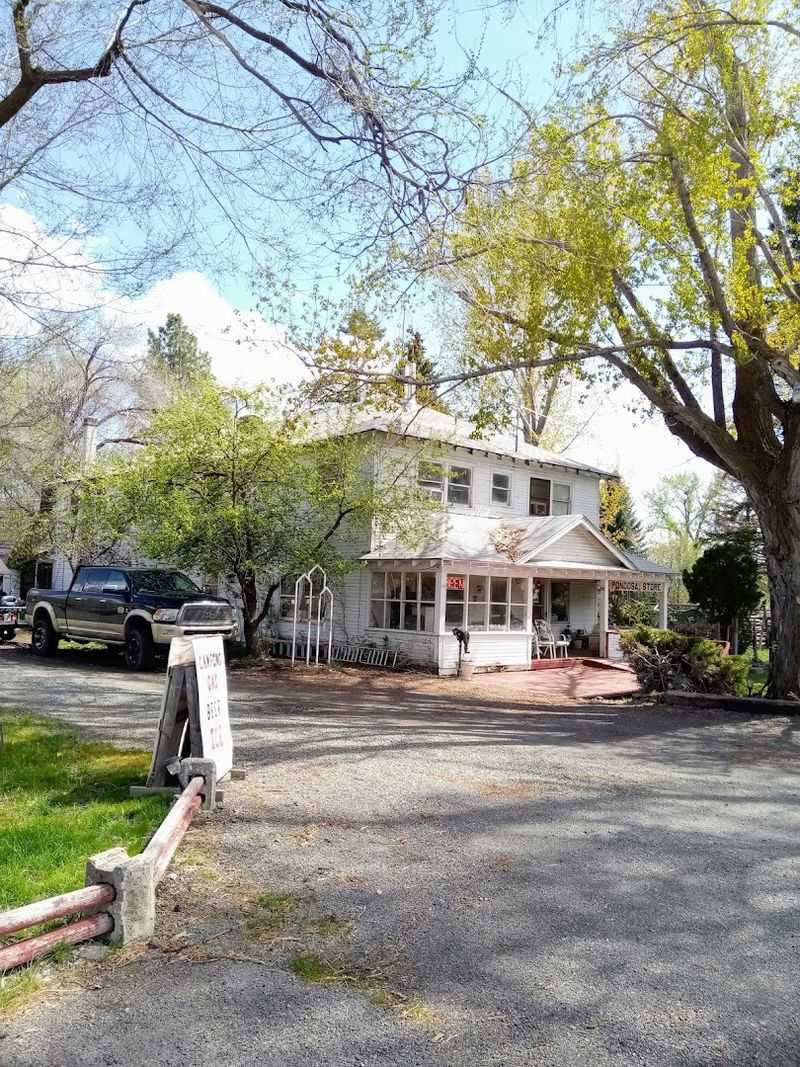
Life in Pondosa revolved almost entirely around the mill. Workers woke early, put in long hours, and came home covered in sawdust.
The rhythm of the town matched the rhythm of the machines.
Families built routines around mill shifts. Children played in the shadow of log piles.
The community was tight-knit in that way that only happens when everyone shares the same livelihood and the same patch of land.
Company towns like Pondosa had their own particular culture. The lumber company often provided housing, which meant the town’s fate was tied directly to the company’s decisions.
When the mill did well, the town thrived. When it struggled, everyone felt it.
There was a real sense of pride in that kind of work. Timber workers in the Pacific Northwest carried themselves with quiet confidence.
They were building something, literally and figuratively, and Pondosa felt like proof of what a group of determined people could create from scratch in the Oregon wilderness.
The Forests That Shaped Everything
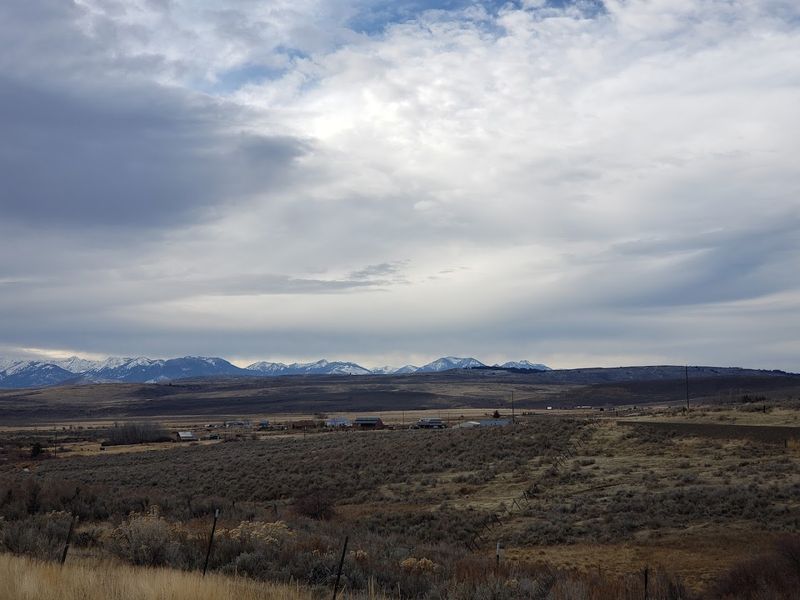
Standing in the area around Pondosa today, the trees are the first thing you notice. Tall ponderosa pines stretch upward with that distinctive reddish bark that almost seems to glow in afternoon light.
The forest here feels ancient and unhurried.
Ponderosa pines are remarkable trees. They can live for hundreds of years.
Their bark smells faintly of vanilla on warm days, which is one of those small sensory surprises that stops you mid-step on a trail.
These forests were the reason Pondosa existed at all. Without the timber, there was no mill.
Without the mill, there was no town. The trees were the foundation of everything that happened here, and in a way, they outlasted all of it.
Eastern Oregon’s forests look and feel different from the wet, mossy woodlands of the Cascades. There is more space between the trees.
The air is drier. The light hits differently.
It is a landscape that feels wide open even when you are surrounded by timber on all sides.
The Stoddard Brothers and the Birth of Pondosa
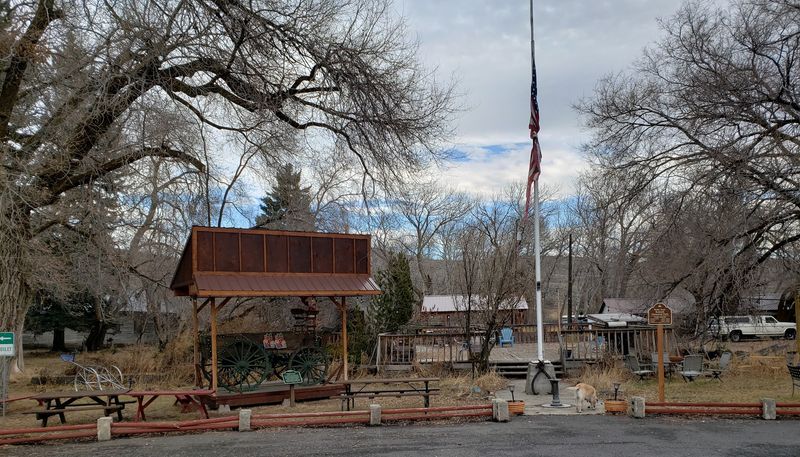
Back in 1927, four brothers changed the course of one quiet Oregon valley forever. The Stoddard brothers of La Grande bought land in what would become Pondosa.
They relocated the sawmill operations of the Grande Ronde Lumber Company from the nearby town of Perry to this new site.
That single decision gave birth to an entire community. Workers followed the mill.
Families settled in. A town started taking shape around the hum of machinery and the smell of fresh-cut timber.
The name Pondosa itself is believed to be a nod to the ponderosa pine, the towering tree that dominated the surrounding landscape. It was a fitting name for a place built entirely around the timber industry.
The Stoddard brothers were practical men with a clear vision, and for a time, that vision worked beautifully.
Pondosa grew fast. It had purpose, energy, and people who believed in its future.
Few towns in eastern Oregon had such a deliberate and organized beginning.
Union County’s Hidden History
Union County does not always get the attention it deserves. Most visitors pass through on their way to somewhere else.
But the county has layers of history that reward anyone willing to slow down and look.
The Grande Ronde Valley, which Union County cradles, was a major stop on the Oregon Trail. Thousands of pioneers rolled through here in covered wagons.
They saw the same mountain ridges that frame the landscape today.
Pondosa fits into that larger story of settlement and industry in eastern Oregon. The county has seen mining booms, agricultural growth, and the rise and fall of timber operations.
Each era left something behind, sometimes a building, sometimes just a name on a map.
La Grande serves as the county seat and still feels like a real working town. But the smaller communities scattered around the county, places like Pondosa, carry the quieter, stranger chapters of the region’s past.
Those are often the most interesting chapters of all.
Ghost Town Geography: Why Pondosa Faded
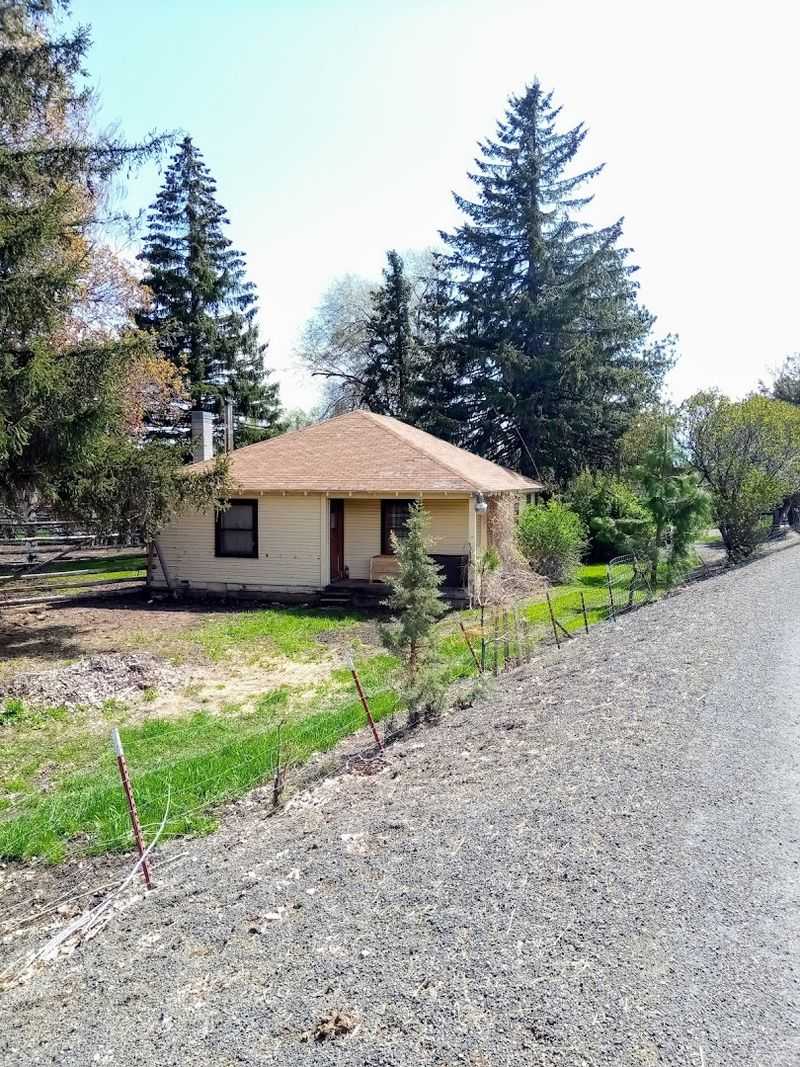
Ghost towns do not usually disappear overnight. They fade slowly, like a photograph left in the sun.
Pondosa followed that familiar pattern, with the decline tied directly to the end of viable timber operations in the area.
When the lumber ran out or became too costly to harvest, the mill shut down. Jobs vanished.
Families packed up and moved on to wherever the next opportunity was waiting. The buildings stayed behind, at least for a while.
Pondosa is now classified as an unincorporated community and ghost town. That official label carries a certain melancholy.
It means the post office is gone, the school is gone, and the daily noise of a working community has long since faded into silence.
What remains is mostly the land itself. The forest has been reclaiming the space steadily.
Nature is patient. It does not rush, but it is thorough.
Visiting a place like Pondosa feels like reading the last few pages of a book that was never quite finished by its authors.
Getting to Pondosa: The Road Less Traveled
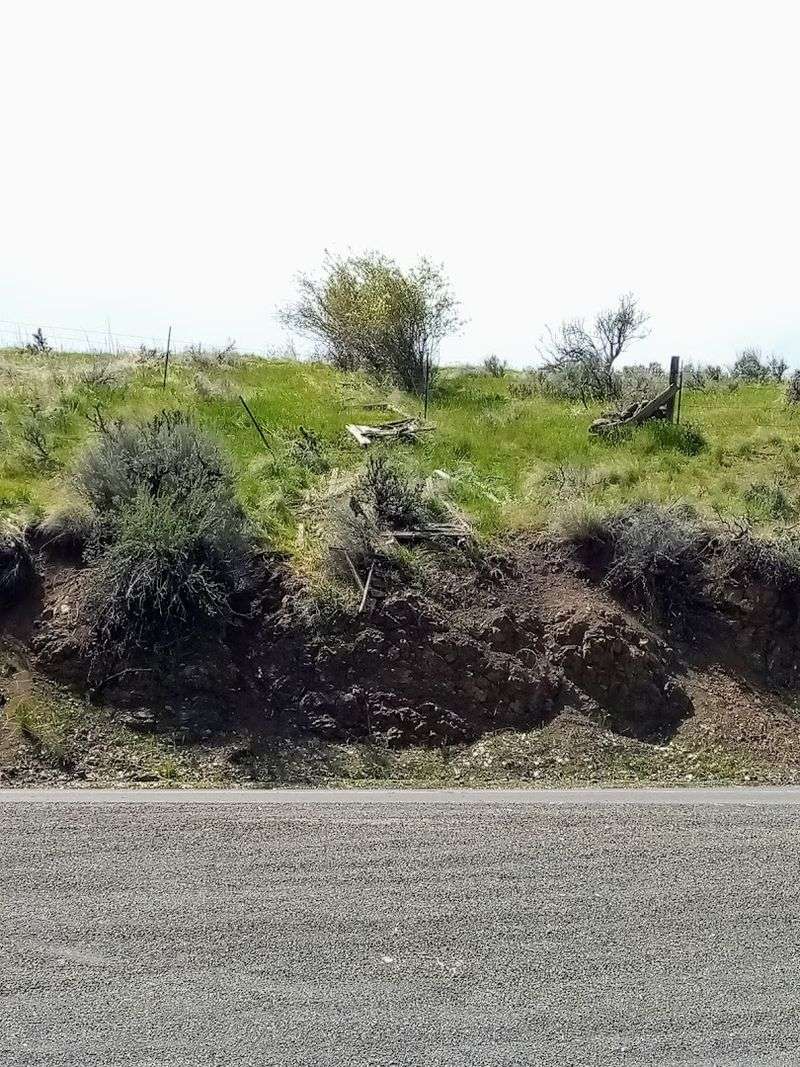
Reaching Pondosa is part of the experience. The roads leading into this corner of Union County are not the kind you rush down.
They wind through forest and open range, asking you to pay attention.
Eastern Oregon road trips have their own pace. You start noticing things you would miss on a highway: a hawk on a fence post, the way the light shifts when clouds move across the valley, the smell of pine coming through an open window.
The area sits near the coordinates 45.0079 north and 117.6427 west, deep in the forested hills of the county. Getting there requires some planning.
A reliable vehicle helps, especially if you are exploring unpaved routes around the site.
The drive itself is worth the effort. Eastern Oregon has a raw, unpolished beauty that is hard to find elsewhere in the state.
Pondosa may be a ghost town, but the road to it passes through scenery that is very much alive and worth every slow, winding mile.
The Grande Ronde Lumber Company’s Legacy
The Grande Ronde Lumber Company played a central role in shaping the landscape and communities of eastern Oregon. Moving operations from Perry to Pondosa was a significant logistical undertaking for its time.
It showed how seriously the company took this region’s timber potential.
Lumber companies of that era were not just businesses. They were town builders.
They brought infrastructure, workers, and economic energy to places that had very little of any of it before their arrival.
The company’s decision to invest in Pondosa created jobs and drew families into the area. For a period, it worked.
The mill hummed, the logs moved, and the community held together around the shared purpose of production.
When operations eventually wound down, the company’s legacy became bittersweet. The jobs were gone, but the footprint remained.
Old-growth decisions made in boardrooms echoed for generations in the lives of the people who had built their lives around the mill’s steady output and the promise of steady work.
What a Geographic Center Claim Really Means
The idea of a geographic center sounds simple. It is not.
Calculating the center of a country that includes non-contiguous states like Alaska and Hawaii involves serious mathematical complexity. Different methods produce different results.
When Alaska and Hawaii joined the union in 1959, the old geographic center near Lebanon, Kansas, was no longer accurate. The new calculations had to account for two massive, distant landmasses pulling the center point in new directions.
Some of those calculations pointed toward the Pacific Northwest. The exact pinpoint varies depending on the methodology used.
That ambiguity left room for communities to make claims, and Pondosa was apparently one of them.
It is the kind of claim that sounds outlandish until you start looking at the math. Then it becomes genuinely interesting.
Whether Pondosa had the strongest case is debatable. But the fact that a tiny Oregon ghost town threw its name into that conversation says something wonderful about local pride and the human love of being at the center of something big.
Why Pondosa Still Deserves a Visit Today
There is something deeply satisfying about visiting a place that history forgot to keep up with. Pondosa is not a tourist destination with a gift shop.
It is a quiet, honest piece of Oregon’s past sitting in the middle of beautiful forest country.
The surrounding landscape alone justifies the trip. The forests of Union County are gorgeous in every season.
Spring brings wildflowers along the roadsides. Summer turns the pines golden in the late afternoon.
Autumn adds warmth and color to the hillsides.
Coming here means stepping outside the usual Oregon travel circuit. Most people head for Crater Lake or the coast.
Fewer make it to the eastern hills where ghost towns like Pondosa sit in comfortable obscurity.
The place carries a mood that is hard to manufacture. It is genuinely still.
Genuinely old. And connected to a strange, specific chapter of American geographic trivia that almost nobody knows about.
That combination makes Pondosa one of Oregon’s most quietly fascinating stops for curious travelers.
