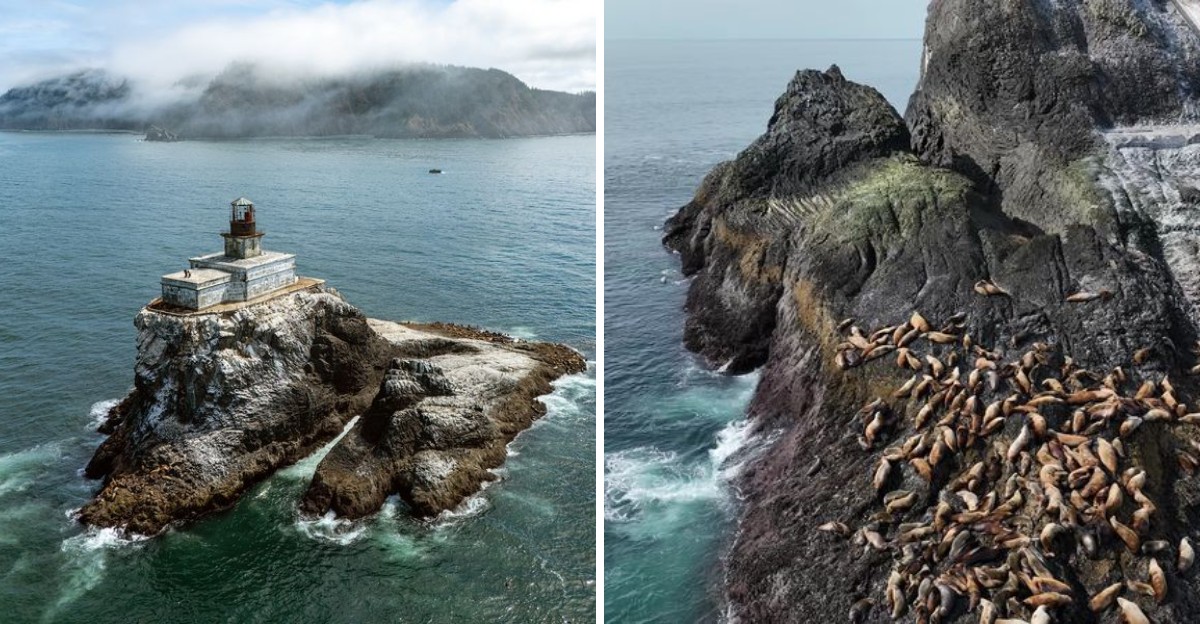
Lighthouses usually guide the living safely home. This one took on a very different purpose instead, becoming a resting place for the dead rather than a beacon for ships passing by along the Oregon coast.
Waves crash violently against the rock it sits on, isolation making the location feel almost otherworldly even before learning its history. Remains were interred here decades ago, transforming an active lighthouse into something closer to a mausoleum surrounded entirely by open ocean.
Reaching it isn’t simple either. No easy path connects the mainland to this rock, keeping the site distant and largely inaccessible except by boat or occasional aerial view from above.
Few landmarks blend function and finality quite this dramatically. Oregon’s coastline holds onto that unusual history quietly, waiting for curious visitors to learn the story behind the isolation.
A Rock in the Ocean That Nobody Wanted to Build On
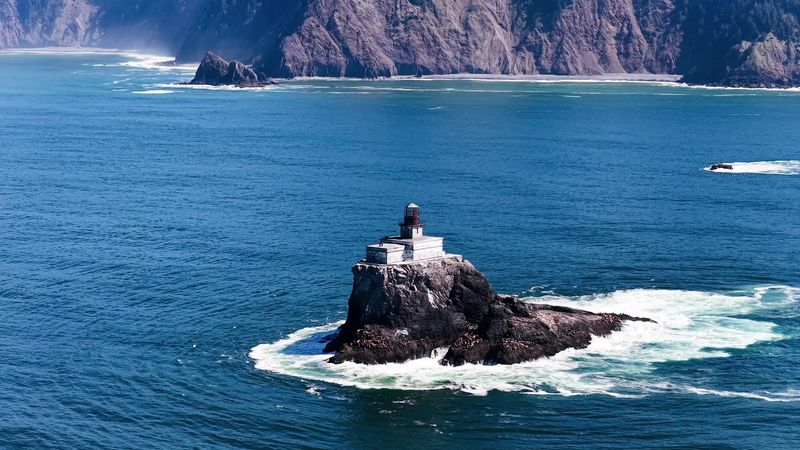
Engineers in the late 1870s needed a light near the mouth of the Columbia River, and the basalt rock offshore from Tillamook Head was the only option available. Sheer sides, no beach, no landing spot.
Crews had to be swung onto the rock from boats using ropes, which gives some idea of how rough the conditions were. The first surveyor sent to examine the site lost his life attempting to reach it, before a single stone was cut.
Workers blasted the top of the rock flat, roughly thirty feet down, just to create a level surface for the tower and keeper’s quarters. Supplies arrived by boat whenever the sea allowed, which was not often.
Construction stretched to 575 days, more than double the original estimate. Standing on the bluff and looking out at that tiny grey outline, the effort involved feels almost impossible to imagine.
The light finally shone on January 21, 1881, and the Oregon coast gained one of its earliest and most stubborn navigational aids.
Why Keepers Called It Terrible Tilly
Nicknames usually come from affection. Not this one.
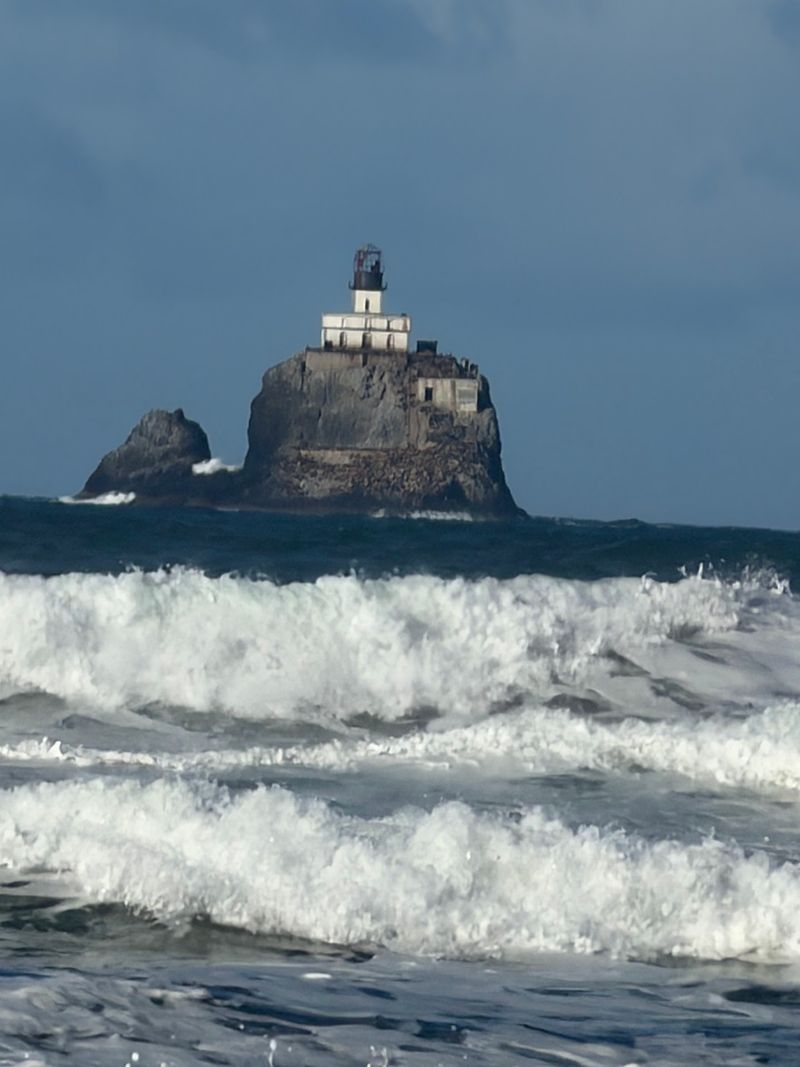
Keepers stationed on the rock lived with wind that shook the walls and waves that threw seawater straight over the tower. During the worst storms, chunks of rock were torn loose and hurled upward, shattering the lantern room glass and soaking everything inside.
Repairs had to wait until the sea calmed enough for a boat to approach, sometimes weeks later. Food supplies occasionally went overboard during transfers, and mail deliveries failed regularly.
Duty rotations were short because the isolation wore people down fast. Imagine being surrounded by nothing but grey water and noise, with the nearest beach a mile away and unreachable.
Watching the swell from the safety of Ecola State Park, the contrast hit me hard. The view is gorgeous from land and was a nightmare from the rock itself.
Terrible Tilly earned every syllable of that name, and the surviving stories of its weather remain some of the roughest on the entire Pacific coast.
The Day the Light Went Dark in 1957
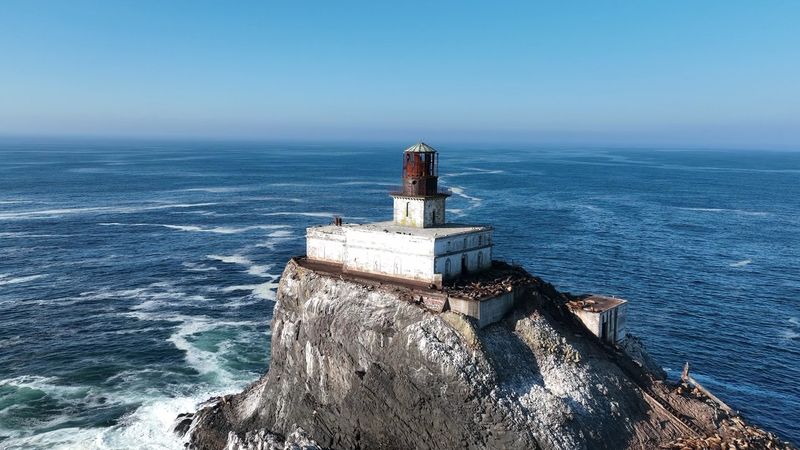
Maintaining a lighthouse that tried to destroy itself every winter turned out to be wildly expensive. By the 1950s, better navigation technology existed, and the Coast Guard made the call.
September 1957 marked the end of Tillamook Rock’s service life. Keepers left, equipment was removed, and the tower was sealed up and abandoned to the weather.
Seventy six years of continuous operation ended quietly, with no ceremony visible from shore. What remained was a hollow concrete and stone structure perched on a rock, slowly rusting.
Seabirds moved in almost immediately, and sea lions claimed the lower ledges. Nature reclaimed the place faster than anyone expected.
Several private owners bought the property over the following decades, each with different plans that mostly went nowhere. The lighthouse still shows its age clearly, and visitors often mention through binoculars that windows are gone and paint has long since surrendered.
Decommissioning did not end its story though. The strangest chapter was still ahead.
How a Lighthouse Turned Into a Columbarium
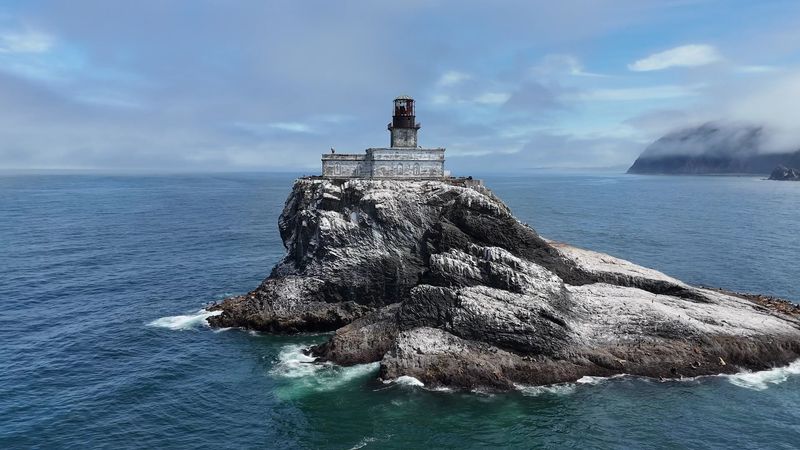
Here is where the history takes a genuinely unusual turn. In the 1980s, owners registered the abandoned lighthouse as a columbarium, a place where urns holding cremated remains are stored.
The idea was simple enough on paper. Families could choose a final resting place surrounded by ocean, unreachable and permanent, with the Pacific as the only neighbour.
Urns were transported out to the rock by helicopter, since boats cannot safely land there. A number of remains were placed inside the old keeper’s quarters before the operation ran into trouble.
State authorities eventually revoked the licence, partly over record keeping and storage conditions. The building simply was not suited to the job, and the weather did not help.
Some urns reportedly remain inside to this day, which gives that little grey shape on the horizon an entirely different weight when you look at it. Whatever your view, it makes Tillamook Rock one of the most unusual burial sites in the United States.
Ecola State Park, the Easiest Viewpoint of All
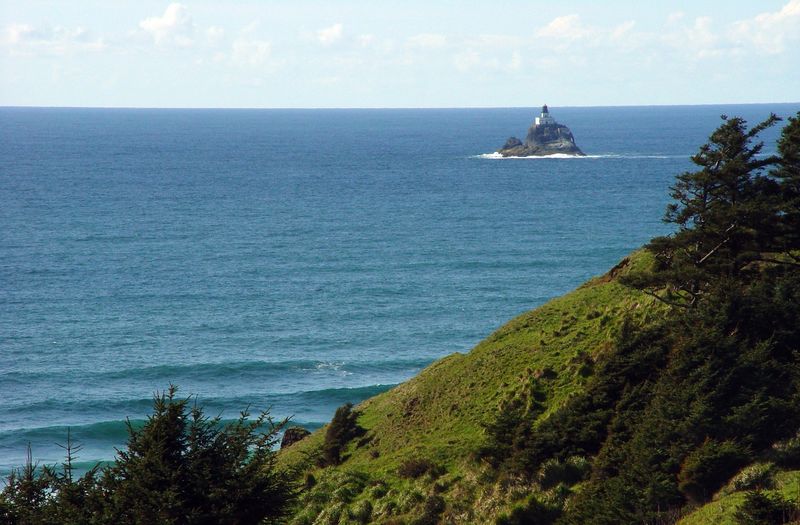
Not everyone wants a long hike, and the good news is that a great view sits only a short stroll from the pavement. Drive into Ecola State Park, follow the road as far as it goes, park, then walk out onto the grass toward the point.
Tilly appears offshore, small but unmistakable, with waves working around its base. Visitors with limited mobility or sore ankles can still get a solid look here.
Picnic tables sit among the trees, and the grassy areas make a comfortable spot to spread out a blanket. Bring food and stay a while, because the coastline just keeps performing.
Elk often graze in the meadow near the parking area, completely unbothered by cars and cameras. Give them plenty of space and enjoy the moment.
Clear days offer the longest sightlines down the coast, though even soft grey weather gives the lighthouse an atmosphere that photographs beautifully. The park sits just north of Cannon Beach off Ecola State Park Road.
Hiking the Trail Above Indian Beach
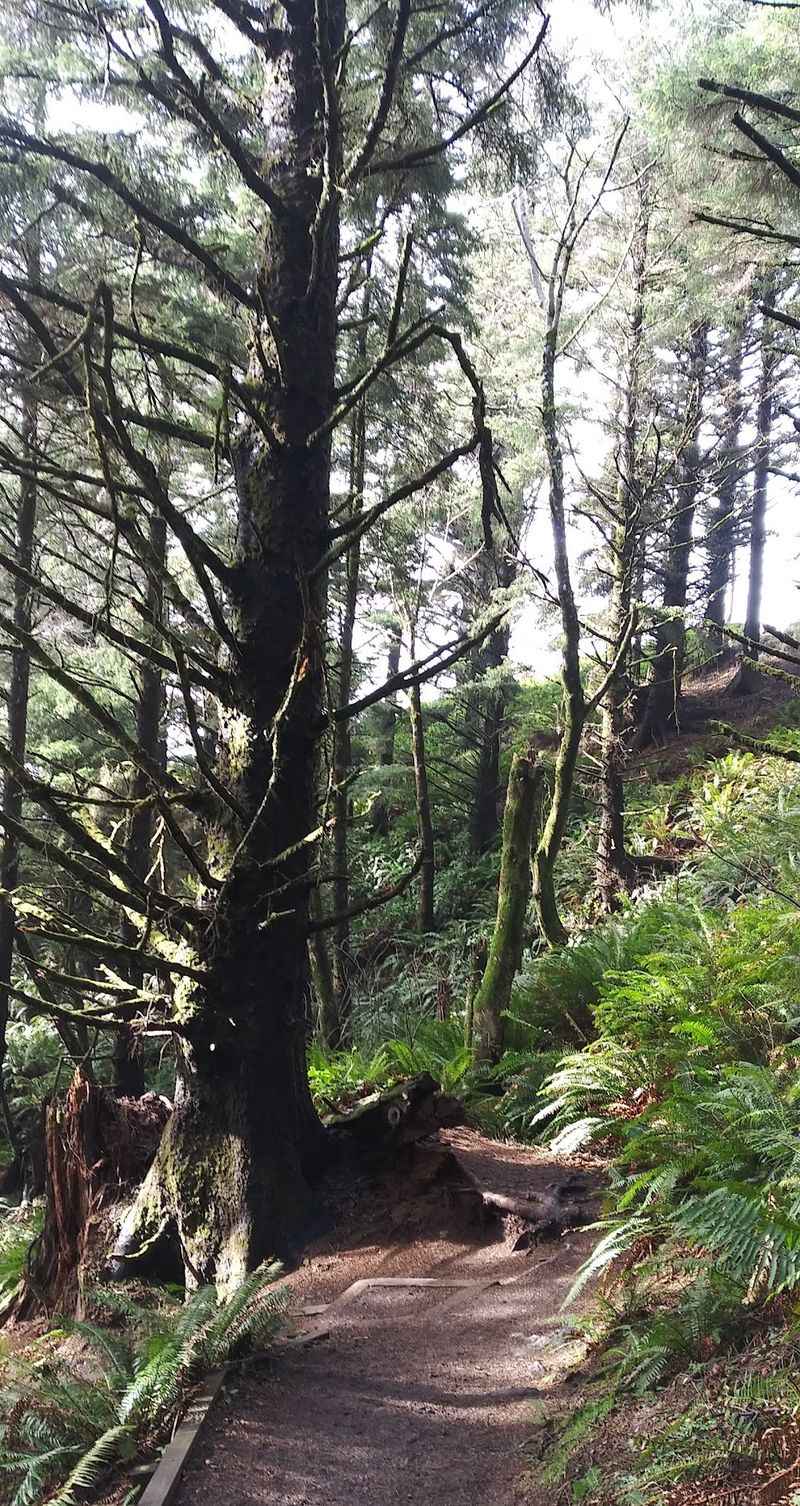
Anyone wanting to earn the view should lace up properly, because the trail climbs more than expected. From the southern side, the round trip runs roughly three miles, though signage suggests slightly less.
Taking the left-hand trail on the way up makes for a gentler grade, and it offers early glimpses of the lighthouse before reaching the main overlook. The right-hand path is steeper and used for vehicle access.
Several lookout points appear along the way, each framing Tilly differently between spruce branches and open cliff edges. Moss hangs everywhere, and ferns crowd the path.
Starting from Seaside instead means a much longer day, around eight miles return, often through mud. Worth knowing before setting off. Hiking shoes and water are genuinely necessary here, not optional extras. The uphill sections come one after another.
Indian Beach below rewards the effort afterwards, with sand dollars, shells, and tide pools worth poking around in once your legs have had enough.
Spotting Tilly Straight From Cannon Beach Sand
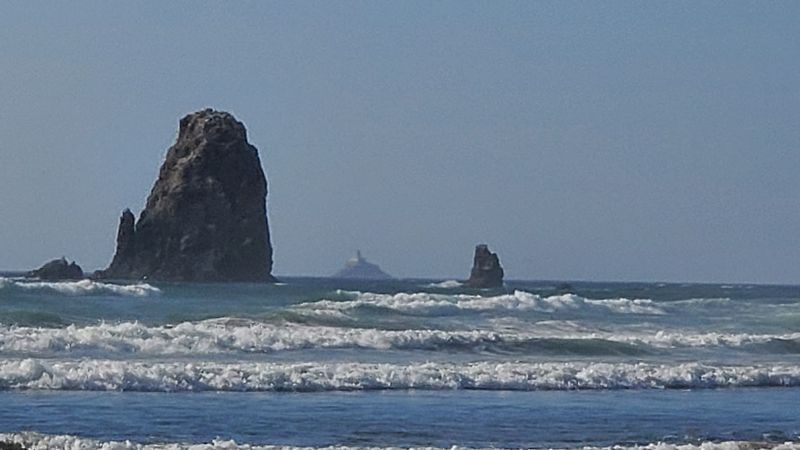
Plenty of people assume a hike is mandatory. It really is not. From the long stretch of sand at Cannon Beach, looking north on a clear day reveals the lighthouse as a small marker on the horizon. Distance flattens it, but the outline is there.
Low tide works best because you can walk further out and get cleaner sightlines. Head down to the beach, cross the first shallow creek channel, then turn and look right toward the headland.
Binoculars change the experience completely, turning a speck into a recognisable tower with railings and a lantern room. A zoom lens does the same job for photographers.
Mornings tend to be calmer, and evening light turns the whole seascape gold behind the rock. Golden hour here is something special.
Barefoot beach walking plus a bit of lighthouse hunting makes for a relaxed afternoon, no elevation gain required. Sea lions sometimes bark from the offshore rocks, which adds a soundtrack you will not forget quickly.
Wildlife That Shares the Rock and the Bluffs
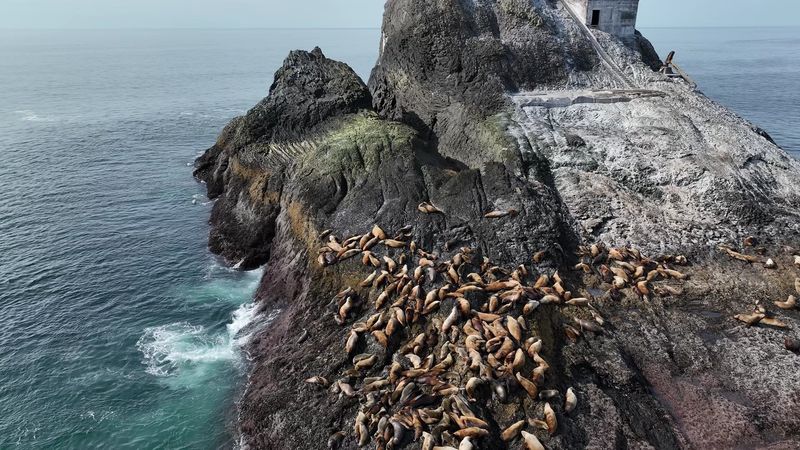
Abandonment had one clear winner: the animals. Seabirds took over the ledges of Tillamook Rock, nesting in spots no human would willingly reach.
Sea lions haul out on the lower rocks and can sometimes be heard from the headland trails when the wind cooperates. Their calls carry surprisingly far across open water.
On land, Roosevelt elk are the stars. Herds wander the meadows near the Ecola parking areas, grazing calmly while people watch from a respectful distance.
Bald eagles and turkey vultures ride the updrafts along the cliffs, and grey whales pass offshore during migration seasons in spring and late autumn. Tide pools at Indian Beach hide sea stars, anemones, and tiny crabs when the water pulls back. Kids love this part.
Bring binoculars for double duty, wildlife and lighthouse in one go. Keep food packed away though, since ravens and jays around the picnic areas have learned exactly where snacks live.
The Movie Connection Fans Keep Chasing
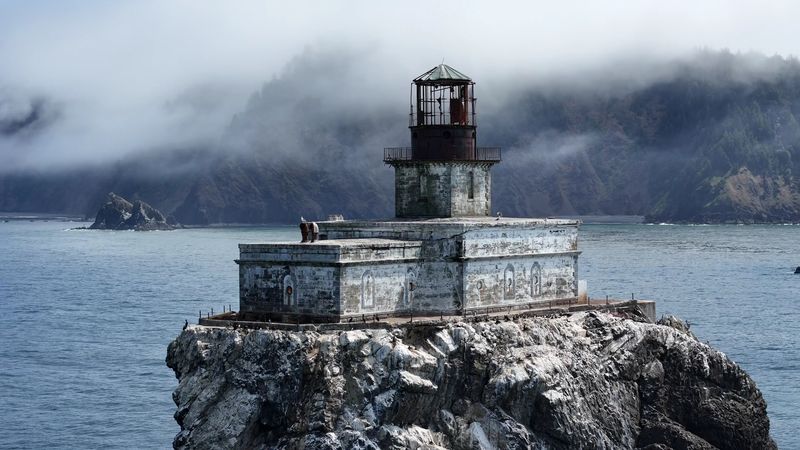
Film buffs have a second reason to visit this headland. The coastline around Ecola State Park appears in The Goonies, and the famous sea stack nearby is widely known among fans who make the trip specifically to see it.
Tillamook Rock Lighthouse has also drawn filmmakers thanks to its brooding silhouette, showing up in horror-related imagery over the years. Isolation plus decay makes for a striking set piece.
Looking out at that tower from a windswept bluff, the cinematic quality is obvious without any special effects. It genuinely resembles something invented for a movie.
Drone pilots love the location too, although flight rules and wildlife protections apply, so check current regulations before launching anything. Standing at the overlook felt like a childhood flashback, which I was not expecting from a history stop.
Pair the film spotting with the lighthouse viewpoints and you get a half day that satisfies both the nostalgia crowd and the maritime history crowd at once.
Practical Tips Before Making the Trip
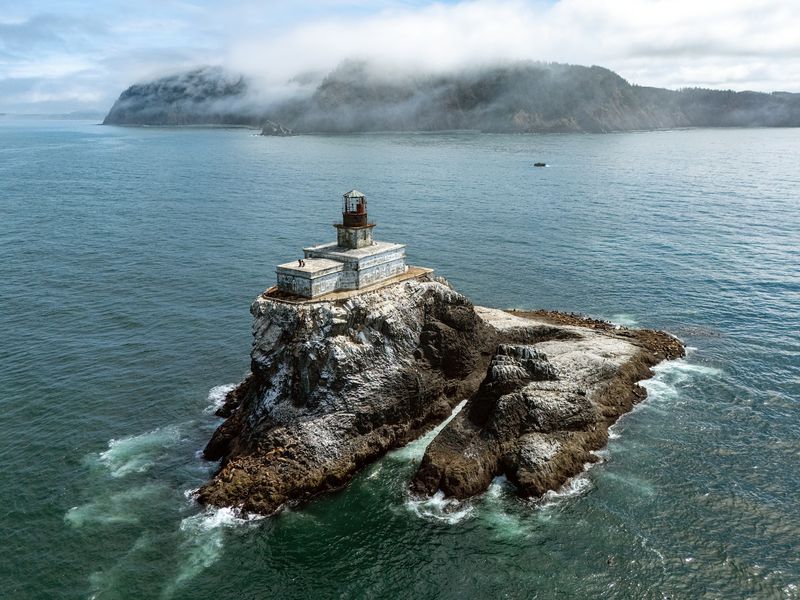
Timing matters more than anything else here. Summer weekends fill the parking lots early, lines form at the restrooms, and overflow parking means a longer walk than planned.
Shoulder seasons are the sweet spot. Spring and autumn bring fewer people, and clear winter days can be spectacular between storm systems.
Pack layers because the wind off the water cuts through thin jackets, and add binoculars or a zoom lens since the lighthouse sits over a mile offshore. Without them, expectations should stay realistic.
Trails can be muddy after rain, especially on the Seaside side, so proper footwear saves a lot of frustration. Carry water for the climbs.
A picnic upgrades the whole outing, and the grassy bluff areas are made for it. Park day use fees apply, so check current requirements before arriving.
Remember that reaching the rock itself is not possible, since it is private property with no safe landing. Viewing from shore is the experience, and honestly it is enough. Find Tillamook Lighthouse offshore from Cannon Beach, OR, United States.
