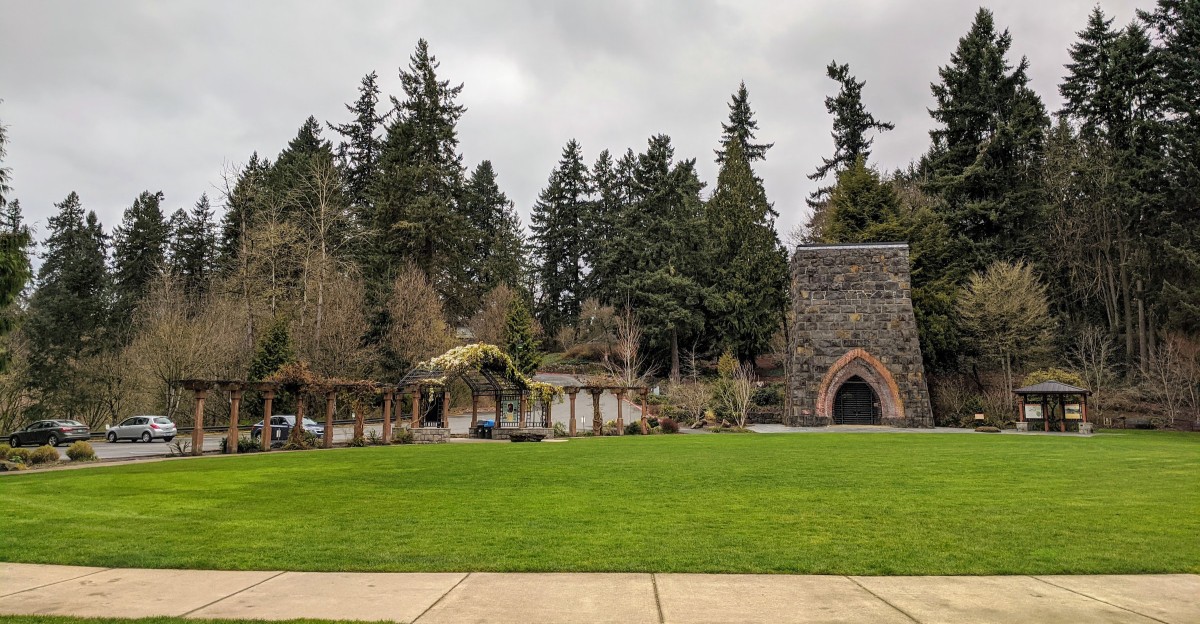
The first iron ever made on the West Coast came out of a stone tower that still stands beside a river beach. Yes, a beach. You can spread a towel within sight of a piece of industrial history.
The tower rose in the 1860s, when a young Oregon was hungry for metal. Workers stacked heavy stone into a chimney built to handle blazing heat. Today, grass, trails and picnic spots surround it instead of smoke and soot.
I like how the scene flipped completely. A spot once ruled by fire now sits where a creek meets a big river, full of birds and fish. I believe that contrast is the real story here.
So how did a roaring ironworks turn into one of the calmest riverside hangouts around? The answer is layered, just like that old stone.
The West Coast Got Its First Iron Right Here
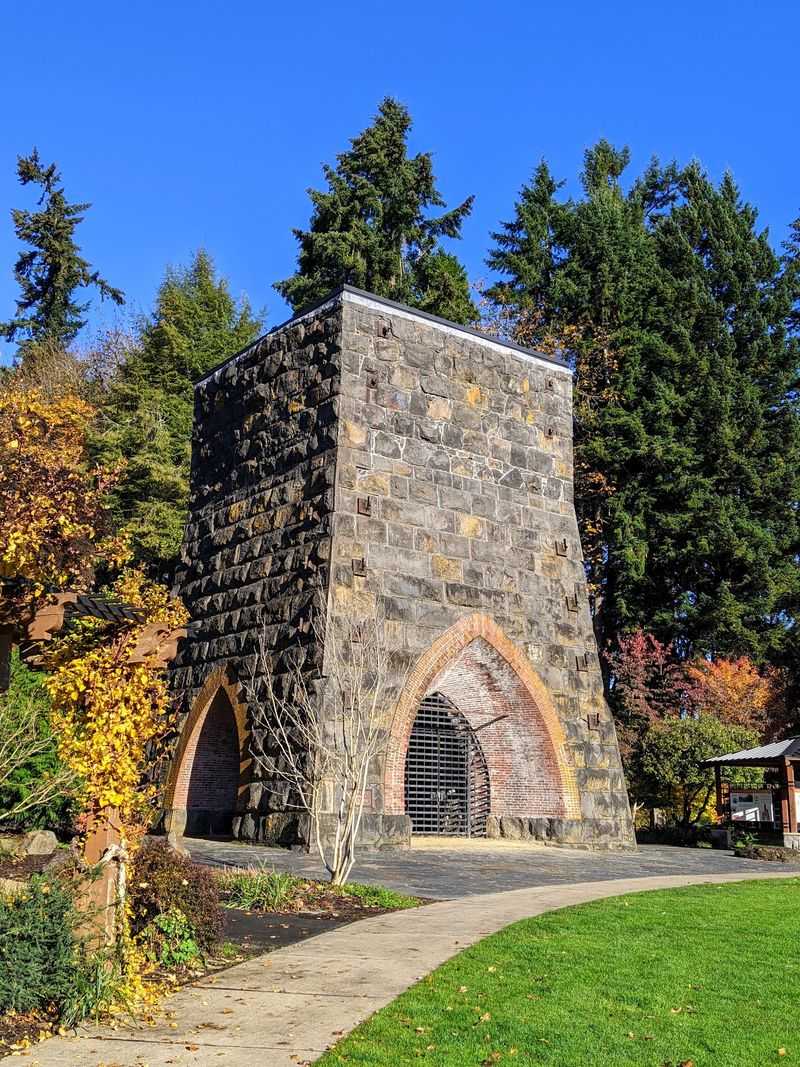
Bragging rights don’t get much bigger than this. The Oswego Iron Furnace produced the first pig iron made anywhere on the Pacific Coast.
The Oregon Iron Company built the stone stack in the mid-1860s. Its first iron poured in 1867, a huge moment for a region that shipped in nearly all its metal.
Think about how hard life was without local iron. Tools, stoves and rail parts had to travel enormous distances by ship before reaching Oregon homes and shops.
A homegrown furnace promised to change that equation. Investors believed nearby iron ore, thick forests and river transport made this spot a natural fit.
The furnace worked on and off for years, through good times and rough patches. Business swings and competition kept the operation from ever running smoothly for long.
Still, the achievement stuck. The structure earned a place on the National Register of Historic Places, which protects its story for future visitors.
Standing near it today, you’re looking at the starting line for West Coast iron. Not bad for a stack of stones beside a quiet creek.
Heavy Stone Built To Survive Serious Heat
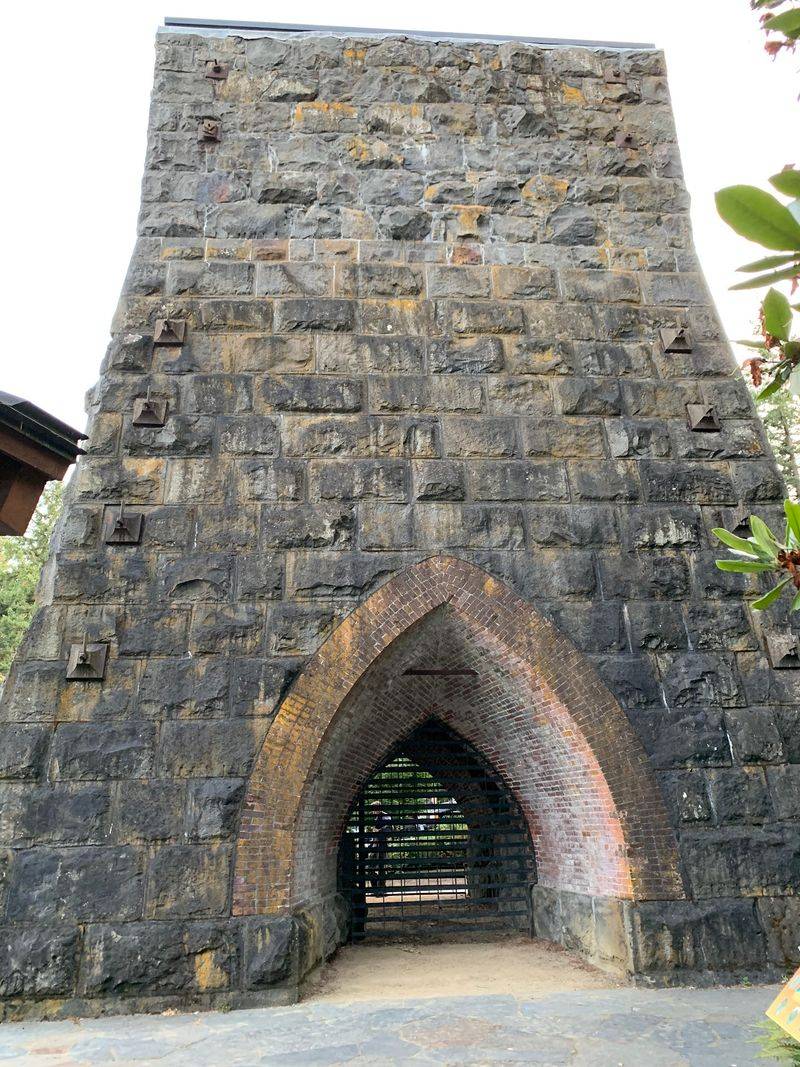
Fire hot enough to melt rock needs a tough container. Builders answered with thick walls of hand-placed stone that still look sturdy over 150 years later.
Iron furnaces like this one worked by layering ore, fuel and limestone inside a tall chimney. Intense heat separated the metal, which collected near the bottom.
Workers then tapped the molten iron out through openings at the base. The glowing liquid cooled into bars called pig iron, ready for shipping and further shaping.
Here’s a fun detail about that odd name. The cooling bars branched off a main channel, and someone thought they looked like piglets lined up for lunch.
Take a slow lap around the base when you visit. The arched openings give you a clear sense of where the real action once happened.
Notice how the stones fit together without fancy modern tools. Every block was lifted and set by people who knew this tower had to handle punishment.
It’s a strong reminder that early engineering relied on muscle, skill and patience. The stack’s survival proves those workers knew exactly what they were doing.
Where A Creek Meets A River, Wildlife Moves In
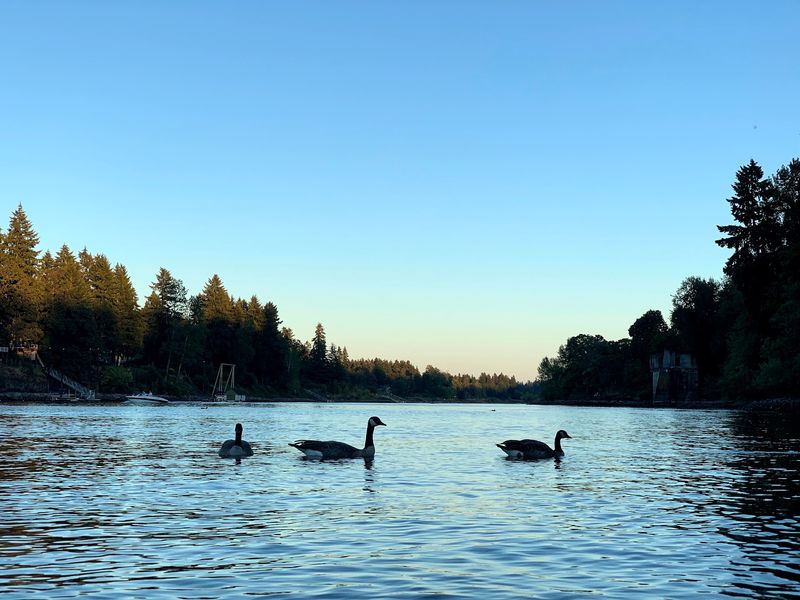
Smoke once poured from this spot, yet today the neighbors have feathers and fins. The furnace sits where Oswego Creek empties into the Willamette River.
Spots where creeks join rivers tend to attract wildlife. Moving water, shady banks and shallow edges create good places for birds to hunt and fish to travel.
The Willamette is a well-known route for salmon and steelhead heading upstream. That makes the riverfront here part of a much larger natural highway through Oregon.
Keep an eye on the water’s edge and the treetops. Herons and ospreys are common sights along the Willamette, so binoculars are a smart thing to pack.
Here’s the twist that makes the place memorable. The same river that once floated iron toward market now carries a living current of creatures instead.
Give animals plenty of space if you spot them. Quiet voices and slow movements increase your chances of a longer look anyway.
Honestly, it’s hard to beat watching a bird glide past an 1860s ironworks. History and nature share the same view, and neither one seems to mind.
Sand Between Your Toes, Iron History Behind You
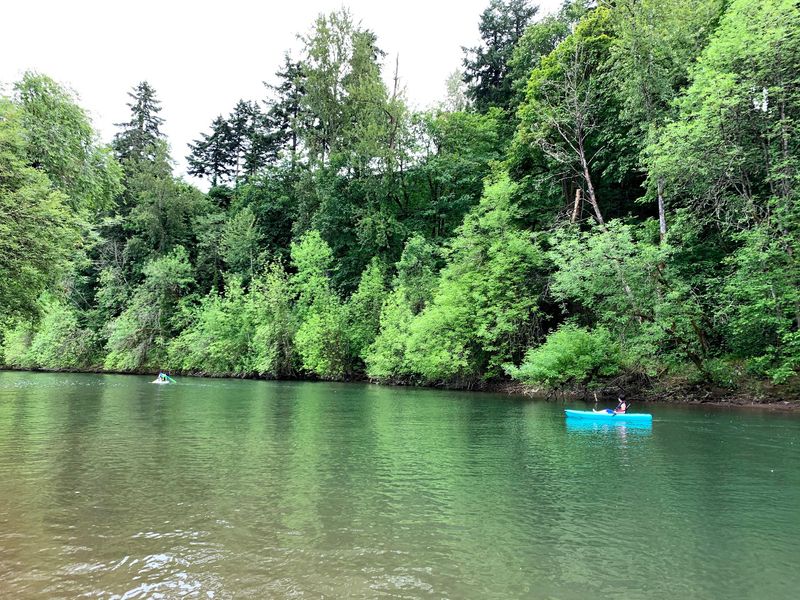
Most historic sites don’t come with a beach. George Rogers Park offers a sandy stretch along the Willamette River just a short walk from the furnace.
On warm days, the shoreline becomes a favorite spot for cooling off. Wading, skipping rocks and lounging in the sun all fit the mood perfectly.
River water deserves real respect, though. Currents can be stronger than they look, so keep kids close and consider life jackets for young swimmers.
Water shoes are a smart addition to your bag. Rocks and uneven spots along the riverbed can surprise bare feet pretty quickly.
The beach also offers a great angle back toward the trees and creek mouth. It’s a nice place to pause and picture barges loading iron long ago.
Sunscreen and plenty of drinking water make the day far more pleasant. Summer sun along open water can sneak up on you.
So you can learn about 1860s industry and wiggle your toes in sand within minutes. That’s a combo most museums can only dream about offering.
A Careful Restoration Saved The Old Stack
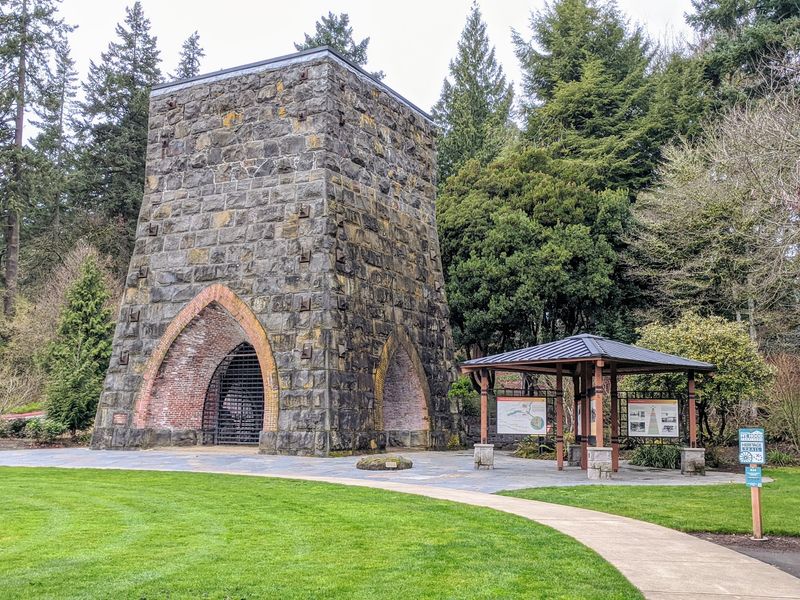
Old stone doesn’t stay standing by luck alone. The City of Lake Oswego led a restoration project around 2010 to stabilize and protect the furnace.
Crews worked to repair weakened areas and keep the structure safe for visitors. The goal was preserving the original character rather than making it look brand new.
That approach matters more than you might expect. Historic sites lose their value fast when too much original material gets replaced.
The area around the furnace also received attention. Paths and informational displays now help visitors understand what happened here long ago.
Respect the work by staying off the structure itself. Climbing can damage fragile stones that have already survived well over a century.
Photos are always welcome, and the stack looks great from several angles. Try shooting from a lower position to show off its height against the sky.
Without that preservation effort, this landmark could have crumbled away. Instead, it’s ready to teach and impress Oregon families for many more years.
Read The Signs And Become The Family Expert
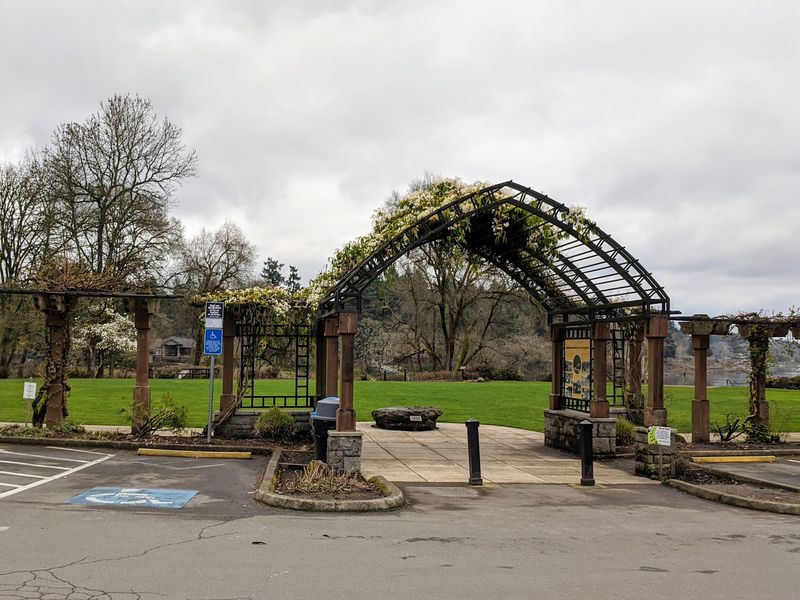
Twenty minutes is all it takes to sound impressively smart at dinner. Interpretive displays near the Oswego Iron Furnace explain how the operation worked and why it mattered.
You’ll learn about ore, fuel and the people who kept the fires going. The signs connect the furnace to the bigger story of the town’s early growth.
Here’s a tip for families with kids. Turn the signs into a scavenger hunt by asking each child to find one surprising fact. Another fun idea is snapping a photo of each display. Later, you can quiz each other on the drive home and crown a history champion.
Iron work shaped the community so much that the town was once nicknamed for it. Early boosters dreamed of a Pittsburgh of the West right here.
That dream never fully came true, but the effort left lasting marks. The furnace is the most visible reminder of those big ambitions. Reading carefully turns a pretty park stop into a real lesson. Plus, you’ll understand exactly why that old tower deserves a spot on every visit list.
Your Picnic Blanket Gets A Historic Backdrop
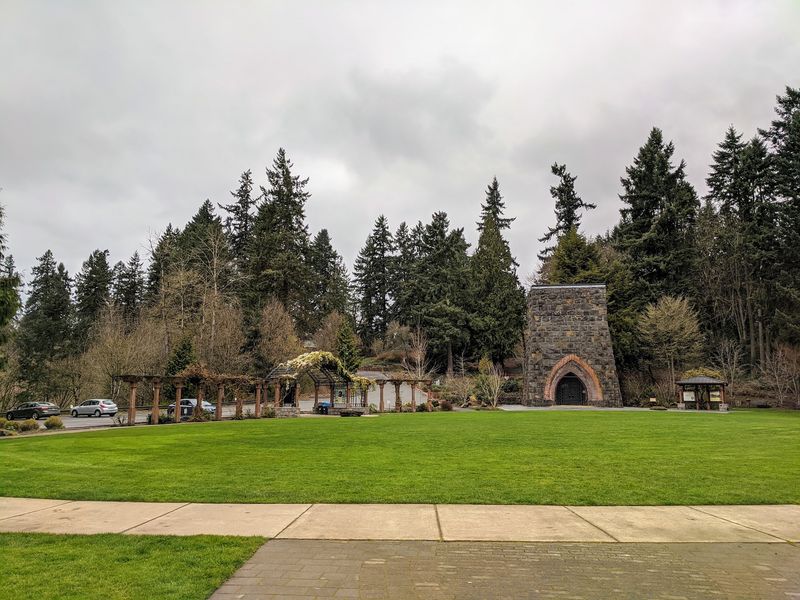
Lunch with a landmark sounds fancy, but it costs nothing. The furnace stands inside George Rogers Park, a city park with grassy space and picnic areas.
You’ll find it at 611 N State St, Lake Oswego, OR 97034. The park stretches from the road down toward the riverbank, so wandering comes easily.
Bring sandwiches, a frisbee and maybe a book. The open lawn near the furnace makes a relaxed place to sit and soak up the scenery.
Kids usually love having something unusual to explore between snacks. A giant stone tower beats a plain playground slide for sparking questions.
Summer weekends can get lively here, especially on sunny days. Arriving earlier gives you better odds of grabbing a shady patch and easier parking.
Pack out everything you bring in to keep the lawn tidy. A small trash bag in your picnic basket makes that simple. Few picnic spots in Oregon pair fresh air with this much backstory. You might come for the food and leave knowing way more about pig iron.
Trails Invite You To Keep Wandering
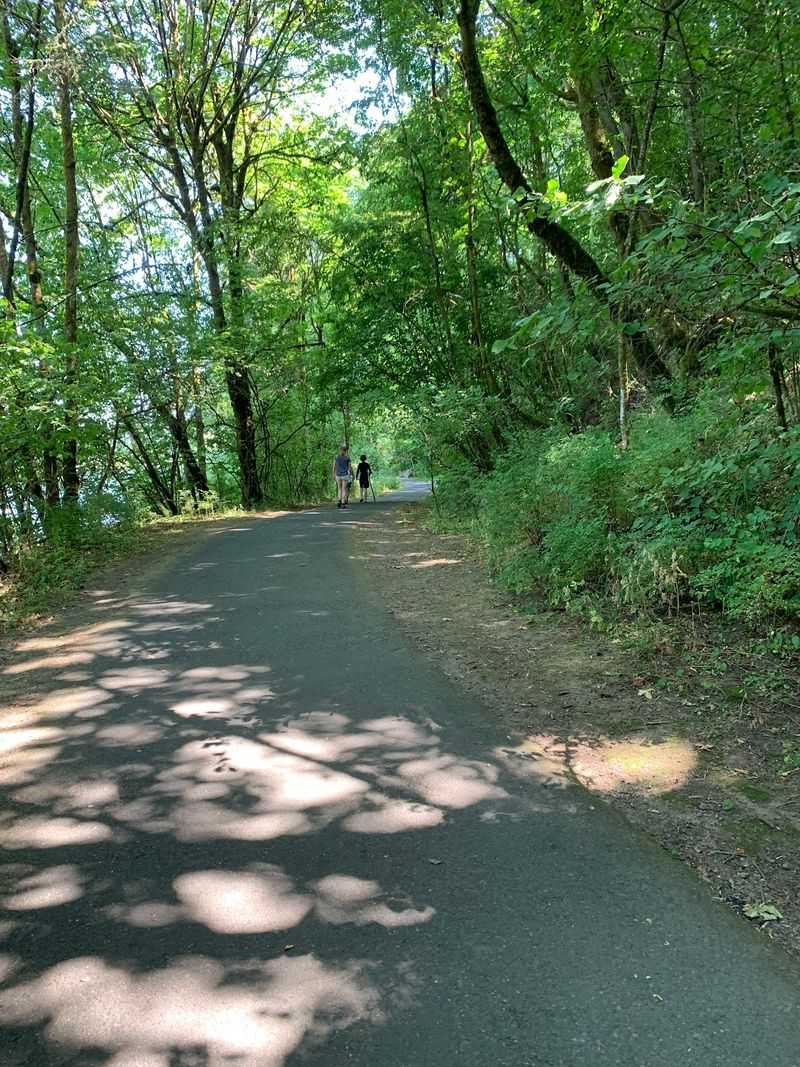
Curiosity rarely stops at one stone tower. Walking paths wind through George Rogers Park, so you can stretch your legs after admiring the furnace.
Trails pass through green areas near the creek and river. Tall trees and shaded stretches make the walk pleasant, especially when summer heat builds.
Comfortable shoes are your best friend here. Some sections may feel uneven or slippery after rain, which happens often in Oregon. Slow down and listen while you walk. Running water and birdsong often replace traffic noise surprisingly fast once you leave the parking area.
Leashed dogs can make great walking buddies, as long as you follow posted park rules. Bring bags and water so everyone stays happy. A short loop works well for little legs. Longer wanderers can explore more of the park and still circle back to the furnace for one last look.
Walking the grounds helps you see how nature reclaimed an industrial site. Every step reveals a little more green where smoke once hung in the air.
Plan A Smart Visit And Make It Count
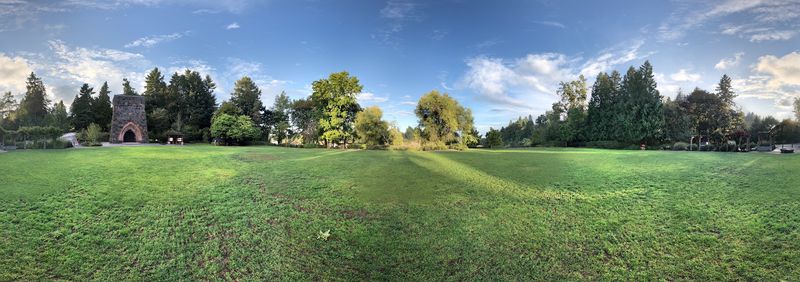
Good news for budget planners first. Visiting the furnace is free, since it sits inside a public city park. Map listings show the site as open around the clock. Park rules still apply, so check posted hours at the entrance before planning an evening stop.
Parking can fill up quickly on sunny weekends. Coming on a weekday or earlier in the morning usually makes finding a space much easier. Pack layers, because riverside air can turn cool even after a warm afternoon. A light jacket earns its spot in your bag more often than not.
Downtown Lake Oswego sits close by for anyone wanting extra exploring. Shops and eateries make it easy to turn a quick history stop into a full outing. Visit in different seasons for a fresh experience each time. Spring greenery and fall colors frame the stone stack in totally different ways.
However you plan it, the Oswego Iron Furnace rewards a little curiosity. Few places let you touch the past and watch a heron fly past in the same afternoon.
