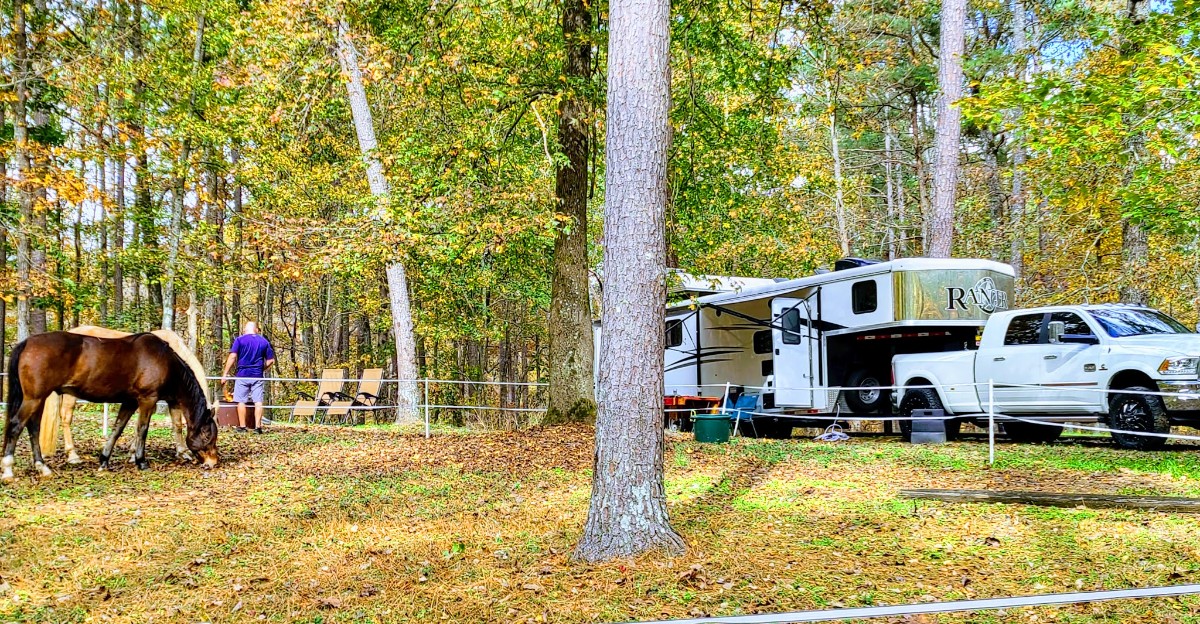
There is a moment when the phone becomes useless. No signal.
No notifications. No reason to keep checking the screen.
That is when this Alabama horse camp starts making sense. Riders bring their horses in, unload the tack, and can head straight onto more than 30 miles of marked trails without hitching up again.
The campground itself keeps things wonderfully basic, with fire rings, vault toilets, open grass, and plenty of pine trees. The quiet is the real amenity.
By evening, the important decisions are probably whether to light another fire and which trail to ride tomorrow. Neither requires Wi-Fi.
Trails That Start Right Outside the Tent Flap
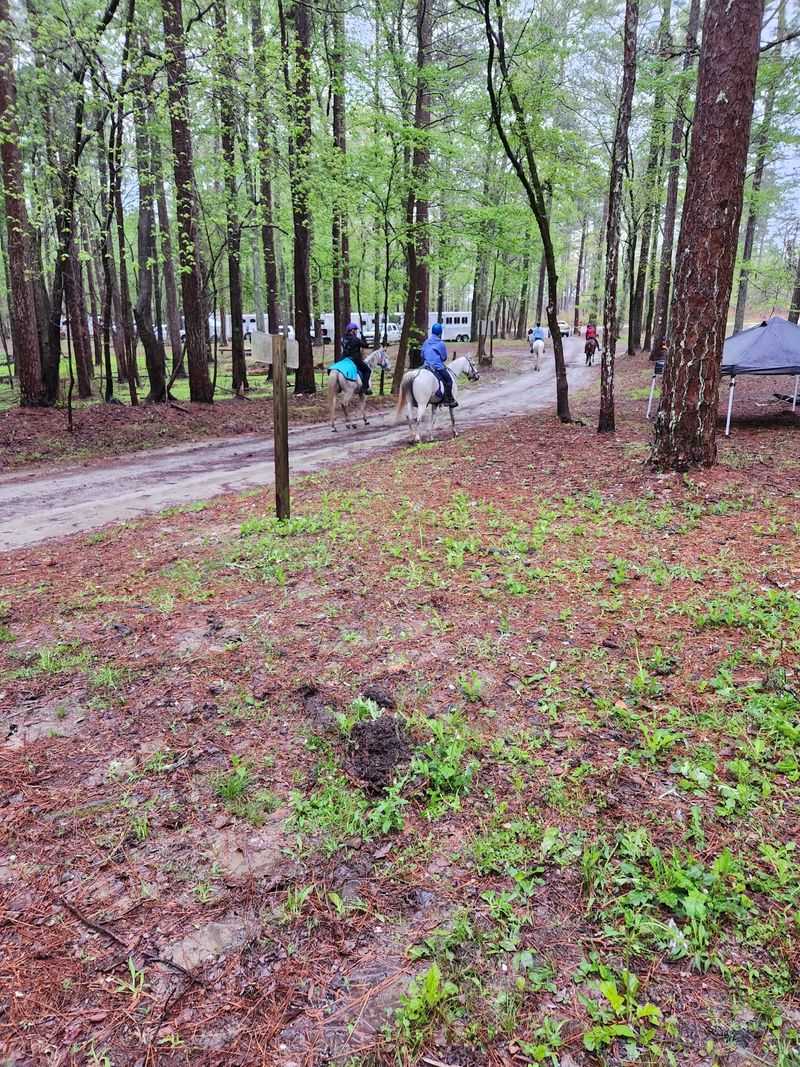
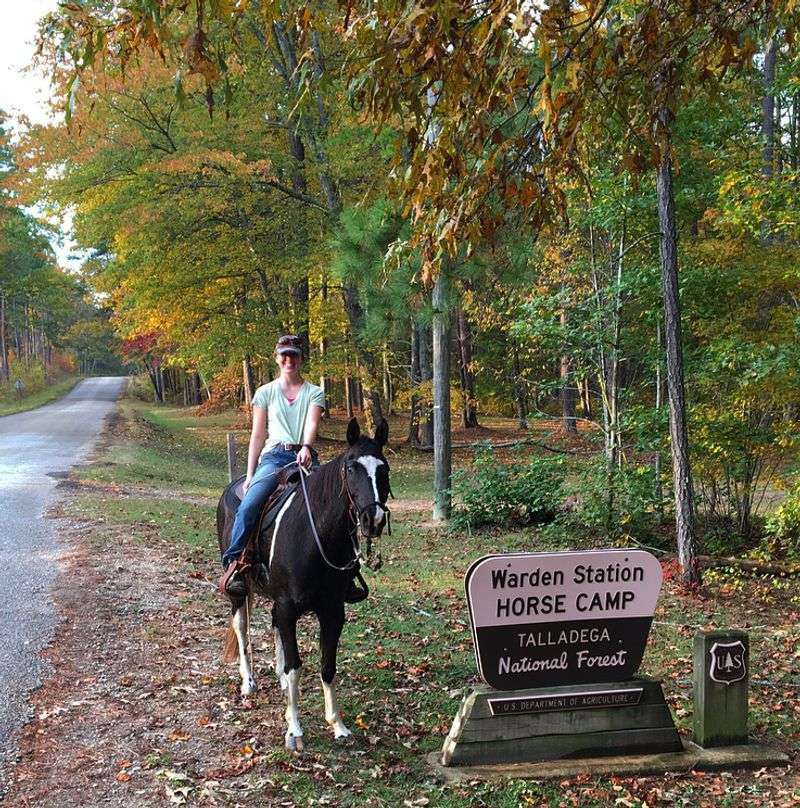
Few things beat saddling up and riding off without loading a single horse back into a trailer. At Warden Station, located at Forest Service Road 500, Fruithurst, AL 36262, the trailheads sit right at the edge of the camping area, so the morning routine goes from coffee to hoofbeats in a matter of minutes.
Four color-coded loops spread out across the forest. The Blue Trail stretches around 18 miles for riders who want a full day out, while the Yellow runs roughly 16.
Shorter options include the Red and White loops, each close to 4 miles, which work well for green horses or an easy afternoon spin.
Paths wander through thick woodland, cross open pockets of grass, and dip toward creeks where horses can splash and cool their legs. Bridges handle several of the water crossings, which keeps footing predictable after rain.
Markings are clear, a detail repeat visitors mention often, and the rolling hills never feel punishing. Shade covers a good portion of the route, a real gift during warmer months.
Mountain bikers and hikers share these same multi-use paths, so a friendly call-out around blind corners goes a long way. Gravel cyclists also use the surrounding forest roads.
Pack a paper map. Cell service disappears out here, and screenshots of a trail app will not reload once the bars vanish.
Where the Signal Drops and the Weekend Actually Starts
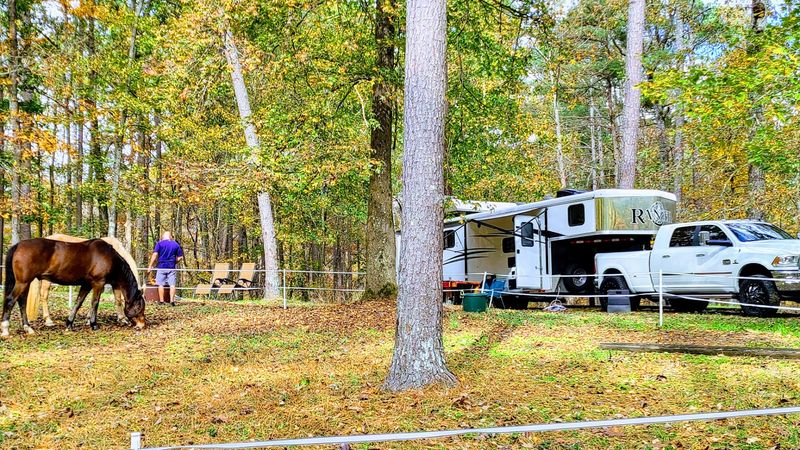
The moment the bars vanish somewhere along the gravel approach, plans change shape. No calls, no scrolling, no refreshing anything.
Campers note the total lack of cell service in the equestrian area, and most of them list it as a feature rather than a flaw.
Conversations stretch longer around the fire ring. Meals get cooked slowly because nobody is in a rush to be anywhere.
Evening chores with the horses turn into a kind of unhurried ritual, buckets filled, hooves picked, blankets shaken out.
Darkness arrives in full here. Away from town lights, the sky above the pines fills in with stars, and the soundtrack shifts to owls, crickets, and the occasional shuffle of a horse rearranging itself.
Plan ahead because there is no quick run to look something up. Download nothing, write things down instead.
Directions, emergency contacts, and a weather forecast checked before leaving the highway all help.
A paper book, a deck of cards, and a headlamp cover most evening entertainment needs. Some campers bring an instrument.
What surprises first-timers is how quickly the quiet stops feeling strange. By the second morning, reaching for a phone out of habit just seems silly, and the forest has already filled the gap.
Forty-Five Simple Campsites and Not Much Else
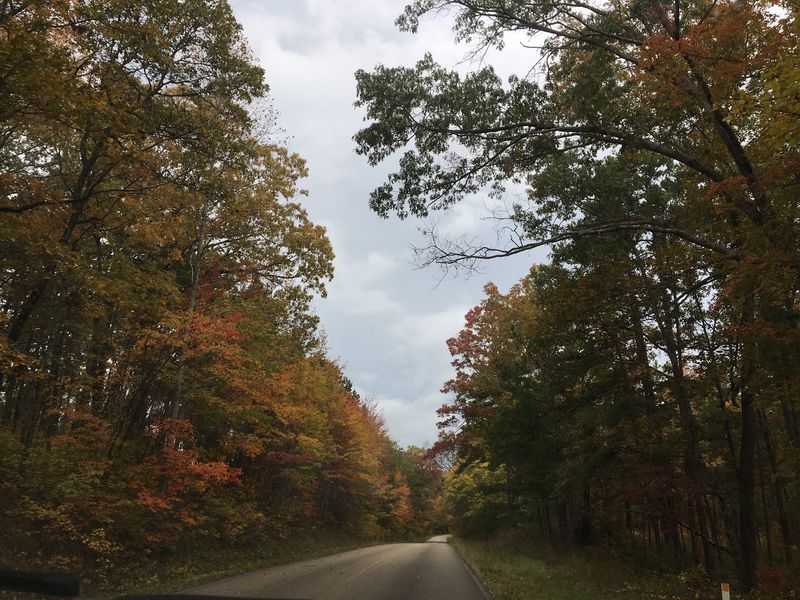
Expectations should be set to rustic, and that turns out to be the charm. Roughly 45 primitive sites spread across the clearing, sized for tents and smaller rigs, with fire rings and plenty of elbow room between neighbors.
Hookups do not exist here. No electricity, no sewer, and nothing resembling a full-service RV pad.
Vault toilets handle the basics and campers consistently describe them as kept clean, which counts for a lot in a forest campground.
Water deserves careful planning. A couple of faucets exist on the property, mainly intended for livestock, and they may be shut off during freezing months, so hauling in drinking water is the safe move.
Ground can be a little uneven in spots. Leveling blocks help for trailers with living quarters, and a quick walk around a site before backing in saves frustration.
Grass gets mowed, trash cans are provided, and firewood has been available at times. Packing out every scrap still matters since Forest Service resources are stretched thin.
Stays cap at 14 consecutive days, and the campground stays open year-round. The whole setup rewards people who enjoy the mechanics of camping, the tarp lines, the coffee pot on the coals, the gear that earns its keep.
Built With Horses in Mind From the Ground Up
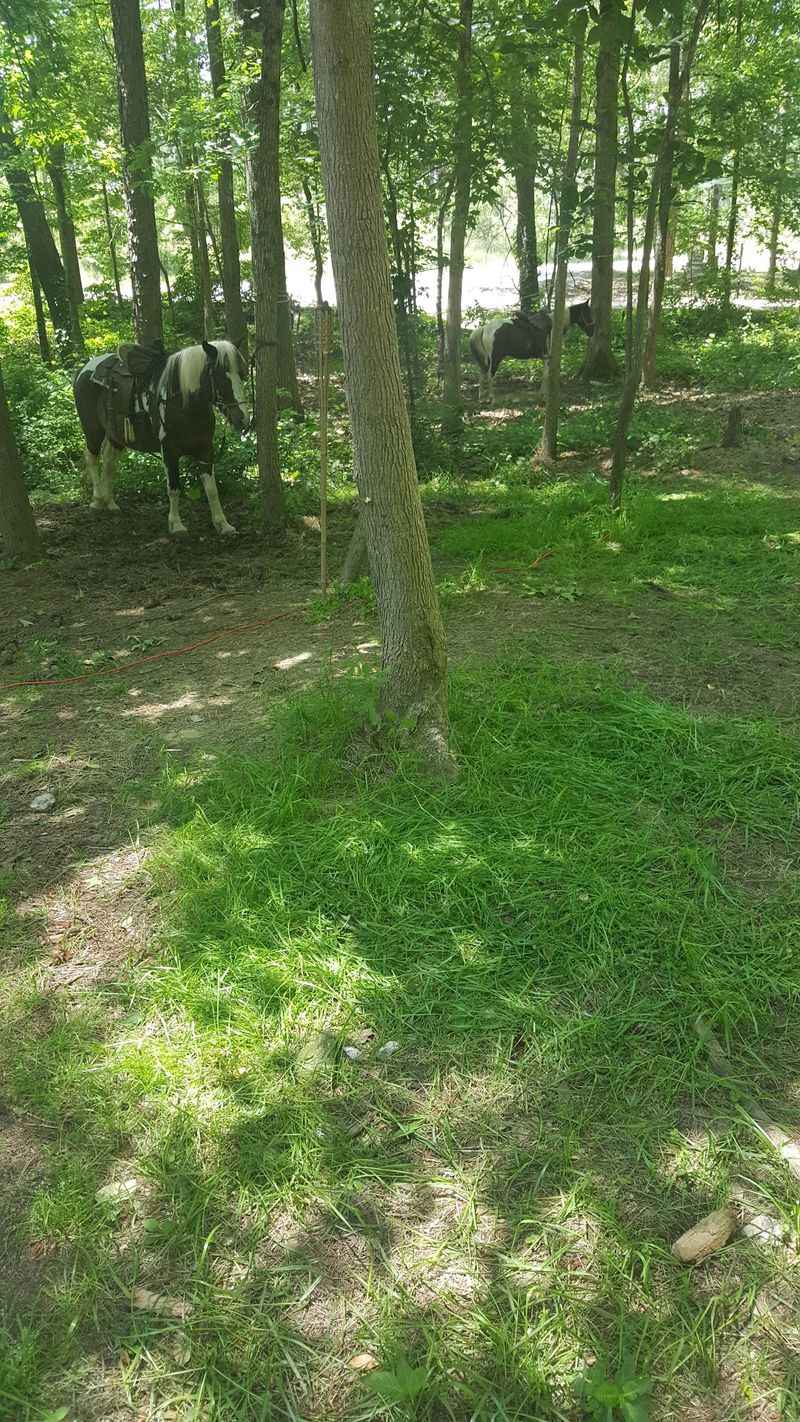
Horse campers can spot a camp that was designed by people who actually ride. Warden Station reads that way.
Wide turnarounds, generous parking for trailers, tie areas, and seasonal water stations for stock all point toward function over frills.
Because the trail network connects directly to the campground, a rig can stay parked all weekend. That single detail changes the pace of a trip, since mornings begin with riding instead of hauling.
Horses settle in quickly when a routine forms. Feed, ride, graze, repeat.
Terrain includes gentle rolling hills and shaded stretches, which is easier on legs than long flat gravel pounding.
Bring proof of a current negative Coggins test, a standard requirement for equine travel in Alabama. Keeping paperwork in the truck glovebox saves hunting for it later.
Deer flies can get feisty in warmer months, so fly spray and a fly mask belong in the tack box. A few riders mention them as the only real annoyance out here.
Dogs are welcome but need to stay leashed, both for their safety and for the comfort of horses tied nearby.
Everything here nudges riders toward longer, slower days in the saddle, the kind where lunch happens on a log beside a creek.
November Light and the Case for Shoulder Season
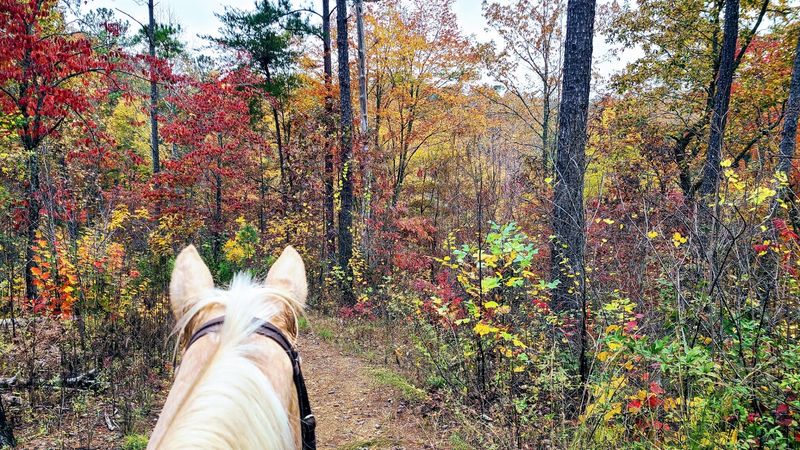
Ask longtime visitors about timing and autumn comes up again and again. November in particular earns praise, when the hardwoods mixed among the pines turn red, orange, and copper, and the air finally loses its humidity.
Cooler temperatures make a noticeable difference for horses working through long loops. Sweat dries faster, water lasts longer, and riders can cover more ground before the light fades.
Spring brings its own appeal. Creeks run higher, dogwoods flash white through the understory, and the forest floor greens up almost overnight.
Summer is not off the table, though it does require strategy. Ride early, lean on the shaded sections, and let horses stand in the creek crossings for a few minutes.
Winter turns the place spare and silent. Bare branches open up longer views across the ridges, and a camper might genuinely have the whole clearing to themselves, though water access can be limited when temperatures drop.
Hunting seasons overlap with parts of the year in the surrounding Choccolocco Wildlife Management Area, so blaze orange is a smart addition for both rider and horse.
Each visit reveals something slightly different. Same trails, different forest.
Side Trips Worth the Short Drive
Not every hour has to be spent in the saddle. Coleman Lake Recreation Area sits a short drive from camp and offers swimming, fishing, and a bathhouse, which feels borderline luxurious after two nights of primitive camping.
Pine Glen Recreation Area makes another easy detour, quiet and shaded, good for stretching legs or eating lunch at a picnic table.
Hikers in the group can pick up sections of the Pinhoti National Recreation Trail, the long-distance route that threads through this part of the forest and eventually links north toward the Appalachians.
Shoal Creek Church, a historic hand-built log structure nearby, adds a small dose of local history to an afternoon drive. It is modest and weathered, and that is precisely the appeal.
The Choccolocco Wildlife Management Area surrounds much of the region, where deer, turkey, and hawks are common sightings from a quiet gravel road.
Fuel up and stock groceries before heading in, since stores are far from the campground and gravel roads slow down travel more than a map suggests.
Warden Station itself sits on an unnamed forest road near Fruithurst, AL 36262, so having written directions matters once navigation apps stop cooperating out in the pines.
A Campground Kept Good by the People Who Use It
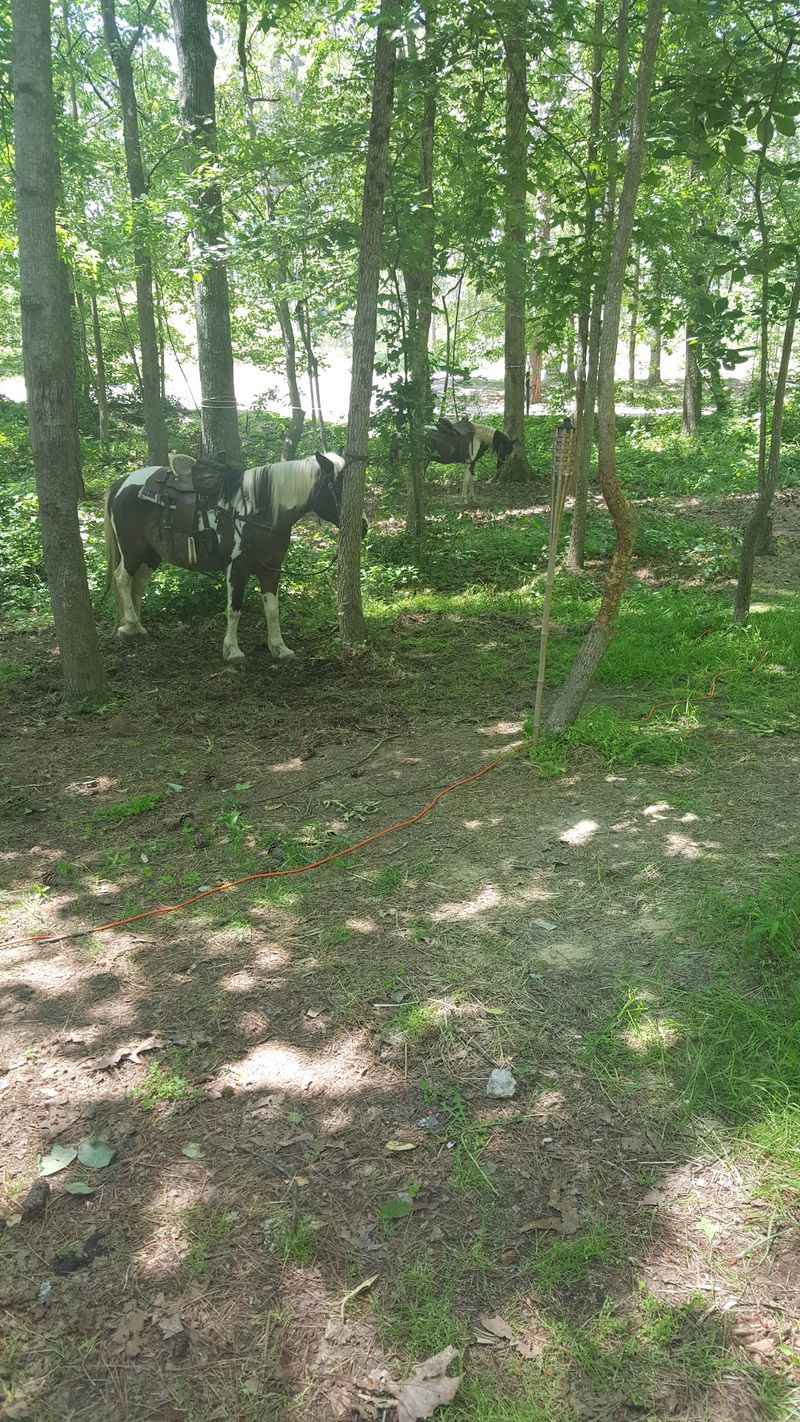
Something nice happens at small forest campgrounds where everyone arrived for the same reason. Riders help each other back trailers into tight spots.
Somebody always has a spare hoof pick.
Conversations start over horses and drift toward trail conditions, favorite loops, and where the creek crossings sit lowest. Newcomers pick up more useful information in one evening than any website could offer.
Stewardship runs strong here too. Regular visitors have been known to pick up litter left behind by others, and the general feeling is that a place this affordable and this pretty deserves protection.
Forest Service budgets are limited, so the simplest rule carries real weight. Leave the site cleaner than it was found, haul out trash, and keep fire rings free of cans and foil.
Manure gets scattered or hauled out rather than piled at the site, a courtesy that keeps flies down for whoever camps there next.
Quiet hours are unofficial but widely respected, mostly because everyone plans to be up early and riding.
