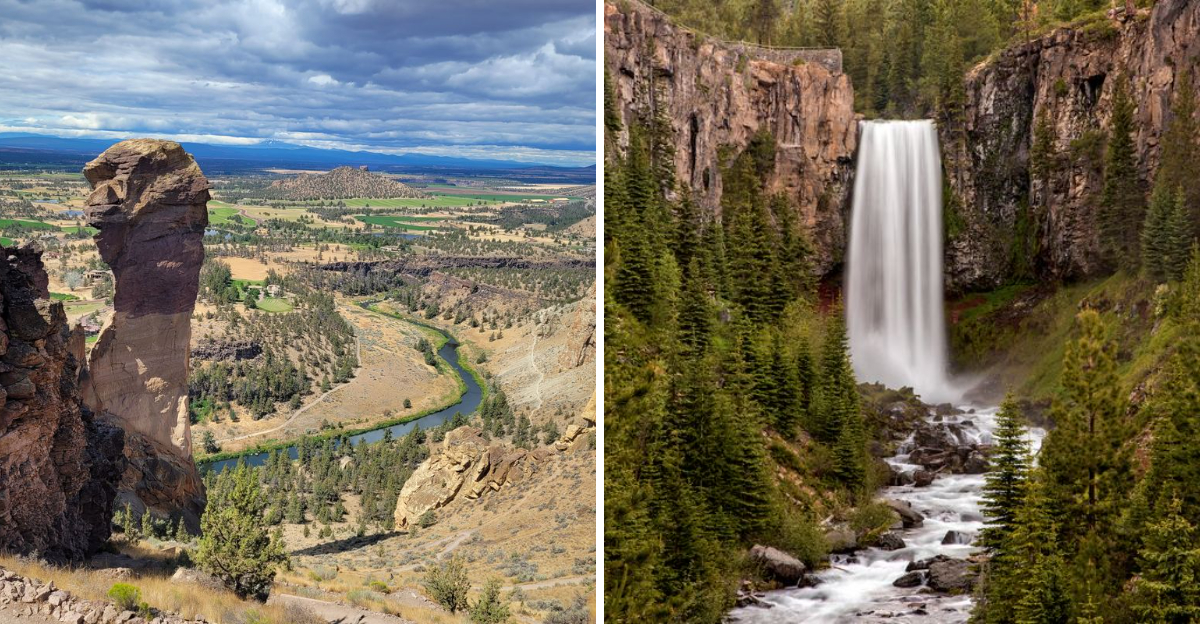
Oregon stands out as a paradise for hikers who crave variety without the commitment of multi-day backpacking trips.
From the misty waterfalls cascading through ancient forests to the rugged coastline where waves crash against towering cliffs, this state offers an incredible range of landscapes within easy reach.
Whether you live near Portland, Bend, or the southern regions, you can wake up early, hit the trail, and still make it home for dinner.
The beauty of Oregon hiking lies not just in the stunning scenery but in the accessibility of these natural wonders for locals who know where to look.
Each trail tells its own story, whether through volcanic rock formations, serene river corridors, or panoramic mountain vistas that stretch for miles.
These hikes don’t require expert skills or specialized gear, just a sense of adventure and a few hours to spare.
For Oregonians looking to escape the everyday routine, these ten trails represent the best single-day adventures the state has to offer, each one delivering unforgettable experiences without eating up your entire weekend.
1. Wahclella Falls Trail
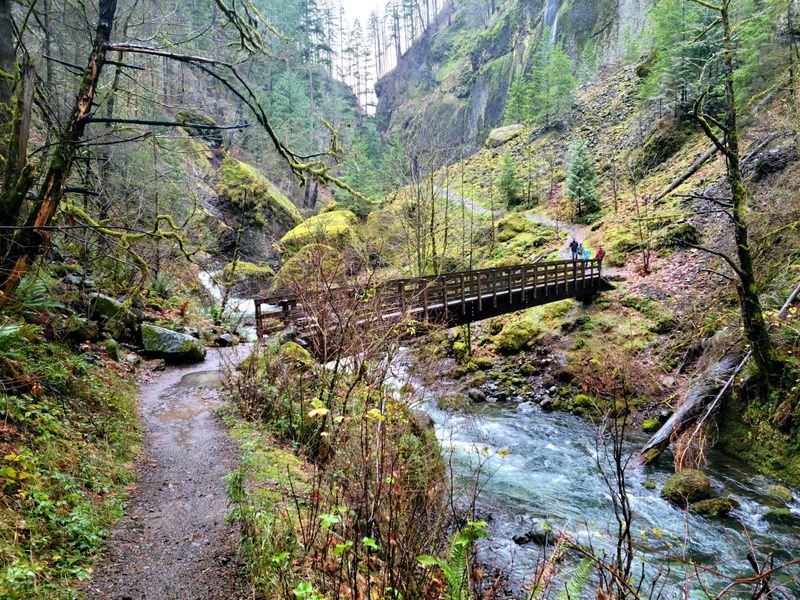
Located in the heart of the Columbia River Gorge, this trail delivers waterfall magic without demanding serious elevation gain.
The path winds through lush forest where moss drapes every surface, creating an otherworldly atmosphere that feels like stepping into a fairy tale.
Within just a couple of miles, hikers reach a spectacular two-tiered waterfall that thunders into a rocky basin below.
The address is 48888 I-84, Cascade Locks, OR 97014, making it incredibly convenient for Portland-area locals seeking a quick nature fix.
Spring brings the highest water flow, when snowmelt sends torrents over the rocky ledges, but autumn offers brilliant foliage that frames the falls in gold and crimson.
The trail follows Wahclella Creek upstream, crossing wooden bridges that offer perfect photo opportunities.
Families with children appreciate the manageable distance and well-maintained path that rarely feels too challenging.
Dogs are welcome on leashes, adding to the trail’s appeal for locals who want to bring their four-legged companions along.
The final viewing area sits right at the base of the falls, where mist drifts over visitors on warm days.
Weekends draw considerable crowds, so early morning arrivals secure better parking and more solitude on the trail.
The surrounding forest showcases classic Pacific Northwest vegetation, with towering Douglas firs and western hemlocks creating a dense canopy overhead.
Creek crossings and small cascades appear throughout the hike, building anticipation for the main attraction.
This trail perfectly represents what makes Columbia Gorge hiking so special, combining accessibility with genuine natural beauty.
The relatively short distance means hikers of varying fitness levels can enjoy the experience without feeling exhausted.
For locals seeking a reliable, rewarding adventure that fits into a busy schedule, Wahclella Falls consistently delivers.
2. Tamanawas Falls Trail
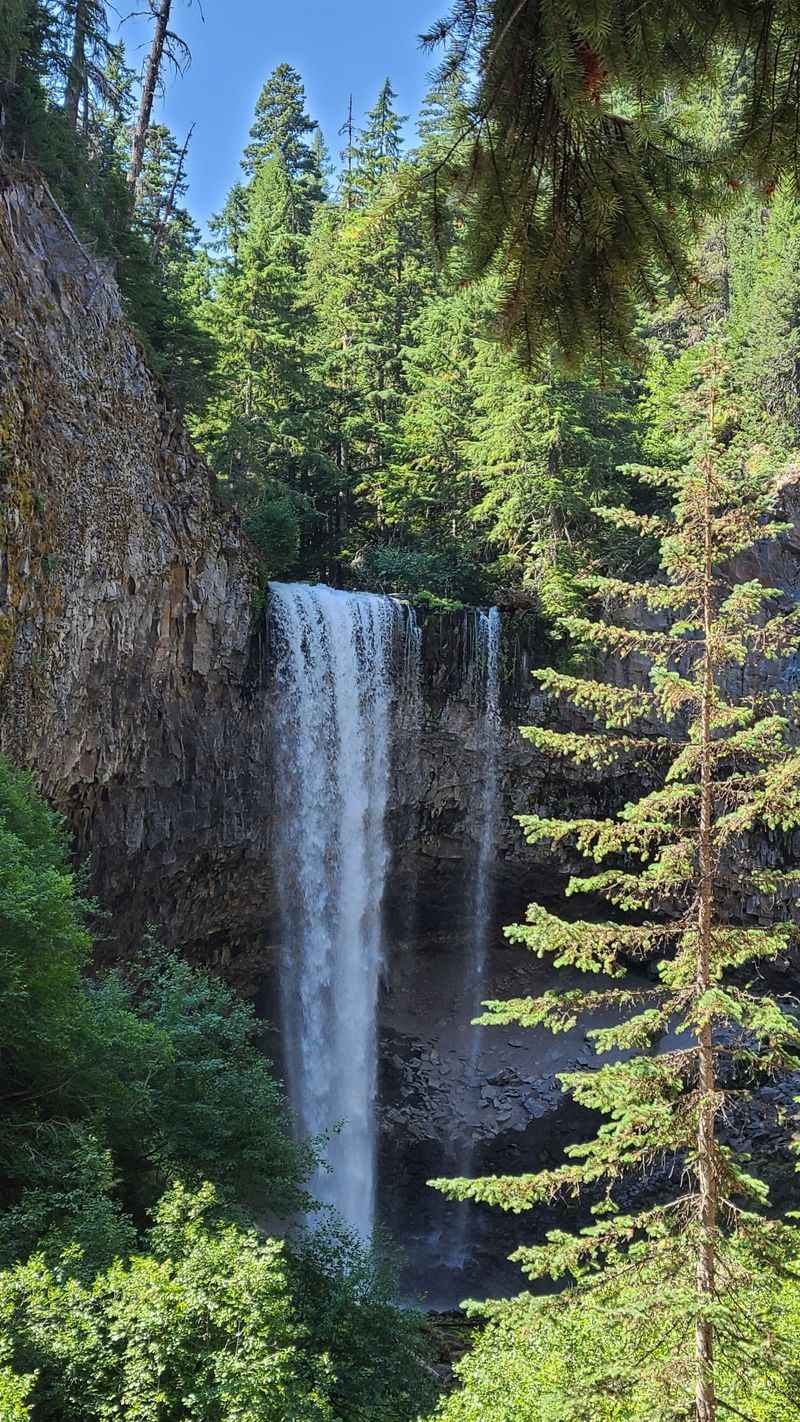
Cold Spring Creek guides hikers through a magnificent forest corridor on this Mount Hood area gem that showcases Oregon’s waterfall splendor in every season.
The journey begins with a gentle climb through old-growth forest where sunlight filters through the canopy in golden shafts.
Creek crossings add adventure to the experience, with sturdy bridges spanning the rushing water below.
Find this trailhead at 3900 OR-35, Mount Hood, OR 97041, positioned perfectly for locals exploring the mountain’s eastern slopes.
Winter transforms the falls into a frozen sculpture of ice and snow, while summer reveals the full power of glacial melt cascading over the cliff face.
The trail maintains a steady but manageable grade, making it accessible for most fitness levels.
Tamanawas Falls drops over a hundred feet into a rocky amphitheater that echoes with the constant roar of falling water.
Hikers can approach remarkably close to the base, feeling the cool spray on their faces during warmer months.
The surrounding forest features classic Cascade vegetation, with ferns carpeting the forest floor and wildflowers blooming in spring.
Dog owners frequently choose this trail for its pet-friendly policy and engaging scenery that keeps both humans and animals interested throughout.
The creek itself becomes a character in the hike, sometimes visible from the trail, other times hidden behind dense vegetation.
Fallen logs and rocky outcrops create natural rest stops where hikers can pause and absorb the forest atmosphere.
Autumn brings spectacular color changes to the maple and vine maple trees scattered through the conifer forest.
The trail receives moderate use compared to some Columbia Gorge options, offering a bit more solitude for those seeking peaceful communion with nature.
This hike exemplifies the perfect balance between effort and reward that locals crave for their limited free time.
3. Misery Ridge & Summit Trail Loop
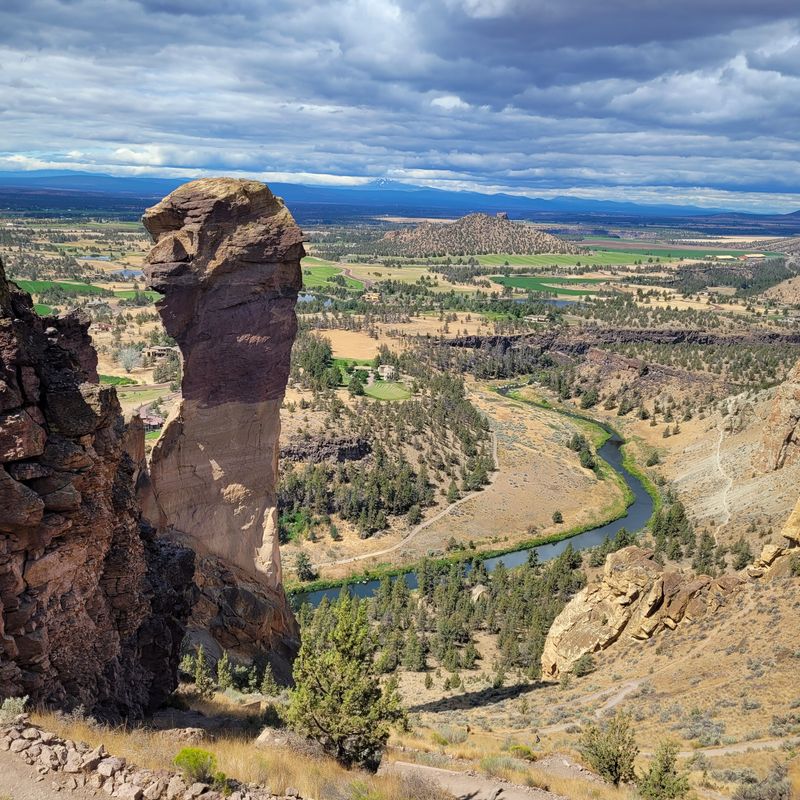
Smith Rock State Park presents a completely different Oregon landscape where red and orange volcanic rock towers over the Crooked River far below.
This loop trail climbs steeply from the canyon floor, challenging hikers with switchbacks that gain elevation quickly.
The name might sound intimidating, but the panoramic views from the ridge make every step worthwhile.
The park entrance is at 9241 NE Crooked River Drive, Terrebonne, OR 97760, just outside Bend and easily accessible for Central Oregon residents.
Unlike the wet western slopes of the Cascades, this high desert environment offers hiking opportunities even during winter months when snow closes mountain trails.
Rock climbers dot the cliff faces below, adding human drama to the already spectacular scenery.
Sunrise and sunset paint the rock formations in brilliant shades of gold, pink, and crimson that photographers dream about capturing.
The summit section provides 360-degree views encompassing the Cascade peaks to the west and endless high desert to the east.
Juniper trees and sagebrush replace the lush forests found elsewhere in Oregon, creating an entirely different hiking experience.
Locals appreciate the loop format that eliminates retracing steps and maximizes scenic variety throughout the journey.
Spring wildflowers add unexpected color to the rocky landscape, with balsamroot and lupine blooming among the volcanic formations.
The Crooked River winds through the canyon below, a ribbon of green vegetation contrasting sharply with the surrounding desert.
Summer heat can be intense, so early morning starts become essential for comfortable hiking during warmer months.
The trail surface alternates between packed dirt, rocky sections, and occasional scrambles over boulders that add excitement.
This hike delivers a distinctly Oregon experience that differs dramatically from the state’s more famous forested trails, proving the incredible diversity available to local adventurers.
4. Cape Falcon Trail
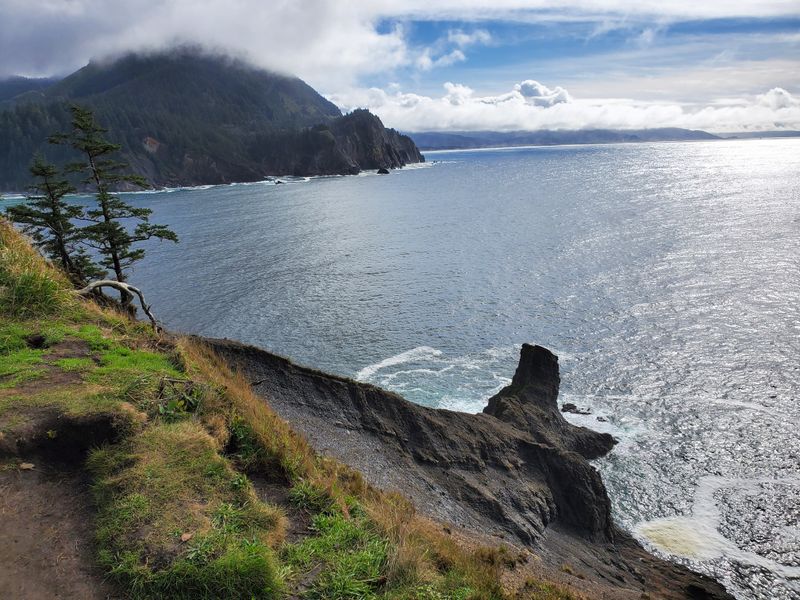
Oswald West State Park hides one of Oregon’s most spectacular coastal hikes where dense Sitka spruce forest meets dramatic ocean cliffs.
The trail meanders through ancient trees before emerging onto exposed headlands where the Pacific Ocean crashes hundreds of feet below.
Sea stacks rise from the waves like sentinels, and on clear days, the views stretch for miles along the rugged coastline.
Access this trail from the Oswald West State Park parking area at U.S.
Route 101, Arch Cape, OR 97102, situated between Cannon Beach and Manzanita.
Winter storms create the most dramatic ocean conditions, with massive waves exploding against the rocks in spectacular displays of natural power.
The forest sections provide shelter from coastal winds, creating a pleasant contrast to the exposed headland views.
Cape Falcon itself juts into the ocean, offering perspectives both north and south along the Oregon coast.
Wildflowers bloom in spring meadows near the cape, adding color to the already stunning scenery.
The trail surface remains well-maintained but includes some root-covered sections and moderate elevation changes that keep things interesting.
Locals love this hike for its combination of forest atmosphere and ocean drama, two quintessential Oregon experiences in one adventure.
Whale watching opportunities present themselves during migration seasons when gray whales travel along the coast.
The sound of surf becomes a constant companion, sometimes distant through the trees, other times thunderous from the cliff edges.
Salal, huckleberry, and ferns create a lush understory beneath the towering spruce and hemlock trees that characterize this coastal forest.
The trail receives moderate use, but its length and varied terrain spread hikers out effectively, preventing crowded conditions.
For those seeking the classic Oregon coast experience without tourist crowds, Cape Falcon delivers perfectly, offering raw natural beauty that captures the essence of Pacific Northwest coastal hiking.
5. Tumalo Falls via Tumalo Creek Trail
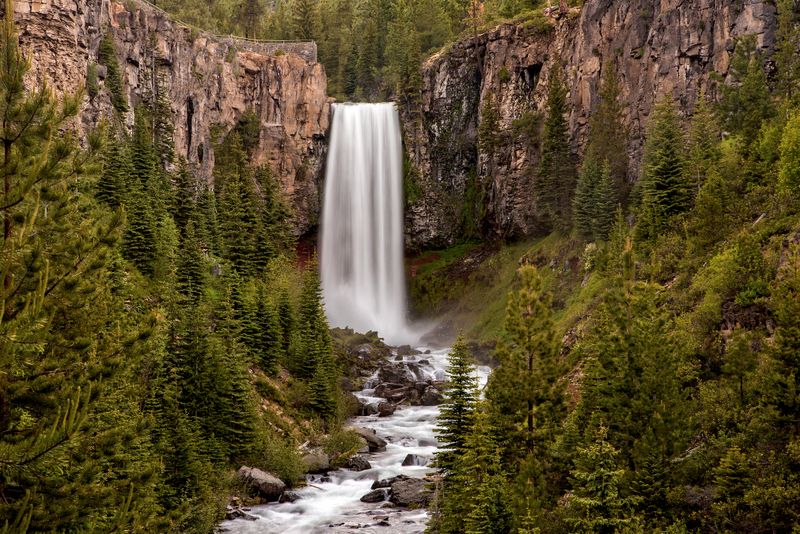
Just west of Bend, this trail follows Tumalo Creek through ponderosa pine forest to a stunning waterfall that plunges over a volcanic cliff.
The path stays relatively level for most of its length, making it accessible for families and those seeking a gentler hiking experience.
Creek views accompany hikers throughout, with the water rushing over rocks and creating small cascades that preview the main attraction.
The trailhead is located at Tumalo Falls Road, Bend, OR 97701, making it incredibly convenient for Bend residents and Central Oregon locals.
Summer brings the highest visitation, but the falls maintain impressive flow through most seasons thanks to snowmelt from the Cascade peaks above.
A viewing platform near the falls base provides safe vantage points for photos and contemplation.
Tumalo Falls drops dramatically into a rocky bowl, sending mist into the air that creates rainbows on sunny days.
The surrounding forest features classic Central Oregon vegetation, with ponderosa pines dominating the landscape and their distinctive vanilla-scented bark delighting observant hikers.
The trail continues beyond the falls for those wanting to extend their adventure and explore additional cascades upstream.
Dog-friendly policies make this a popular choice for locals who consider their pets essential hiking companions.
The well-maintained path sees regular use but rarely feels overcrowded due to its length and the dispersal effect of multiple viewing areas.
Volcanic rock formations appear throughout, reminding hikers of the powerful geological forces that shaped this landscape.
Autumn brings golden aspens to the area, adding seasonal color to the predominantly evergreen forest.
The creek itself provides a cooling presence during warm summer months, and some hikers enjoy wading in shallow sections away from the falls.
This trail represents the perfect Bend-area day hike, combining easy accessibility with genuine natural beauty that showcases the unique character of Oregon’s High Desert region.
6. South Falls & Maple Ridge Loop
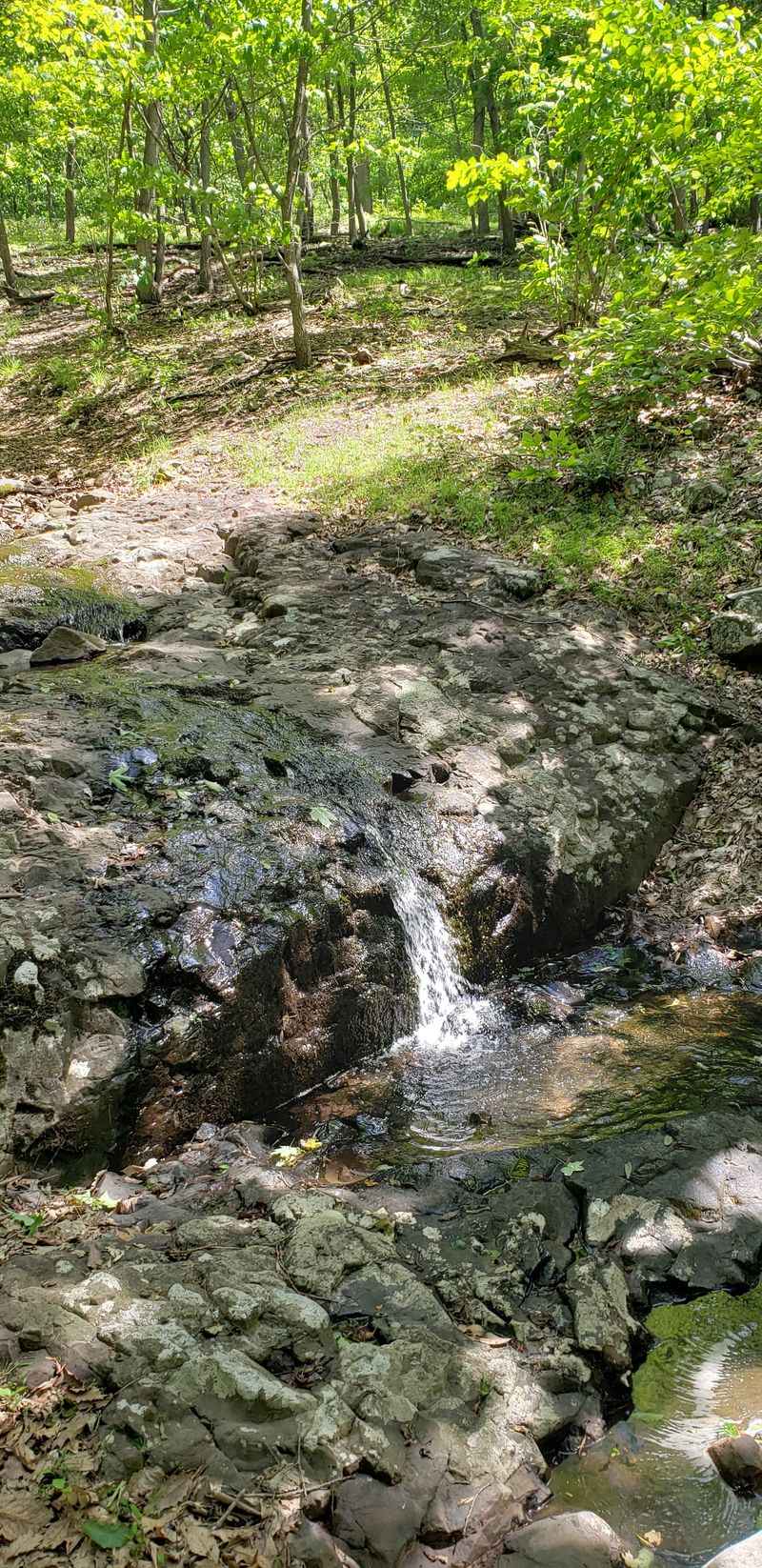
Silver Falls State Park earns its reputation as the crown jewel of Oregon state parks through this remarkable loop that passes multiple waterfalls, including several you can walk behind.
South Falls serves as the dramatic introduction, plunging over a basalt cliff into a misty amphitheater where hikers can walk behind the curtain of water.
The experience of standing behind a waterfall, looking out through the falling water, creates memories that last a lifetime.
Find the park at 20024 Silver Falls Highway SE, Sublimity, OR 97385, positioned perfectly for locals from Salem, Portland, and the Willamette Valley.
The loop trail connects ten waterfalls of varying sizes, each with its own character and appeal.
Dense forest surrounds the path, with western hemlock, Douglas fir, and bigleaf maple creating a lush canopy overhead.
Spring brings the highest water volumes, transforming the falls into roaring torrents that showcase nature’s raw power.
The trail descends into a canyon carved by Silver Creek over thousands of years, with basalt cliffs revealing the volcanic history of the region.
Wooden bridges cross the creek multiple times, offering perfect vantage points for waterfall photography.
Maple Ridge provides an alternative return route with different perspectives and slightly higher elevation, adding variety to the loop experience.
Locals appreciate the well-maintained trail system that allows for multiple route options depending on time and energy levels.
The park’s popularity means weekends bring crowds, but the trail’s length distributes people effectively.
Autumn transforms the bigleaf maples into golden masterpieces that glow against the dark evergreen backdrop.
Winter hiking remains possible, though ice can make some sections treacherous, requiring careful footing.
This trail delivers an unmatched waterfall experience that showcases Oregon’s incredible natural wealth, offering locals a world-class hiking adventure without traveling far from home.
7. Ramona Falls Trail
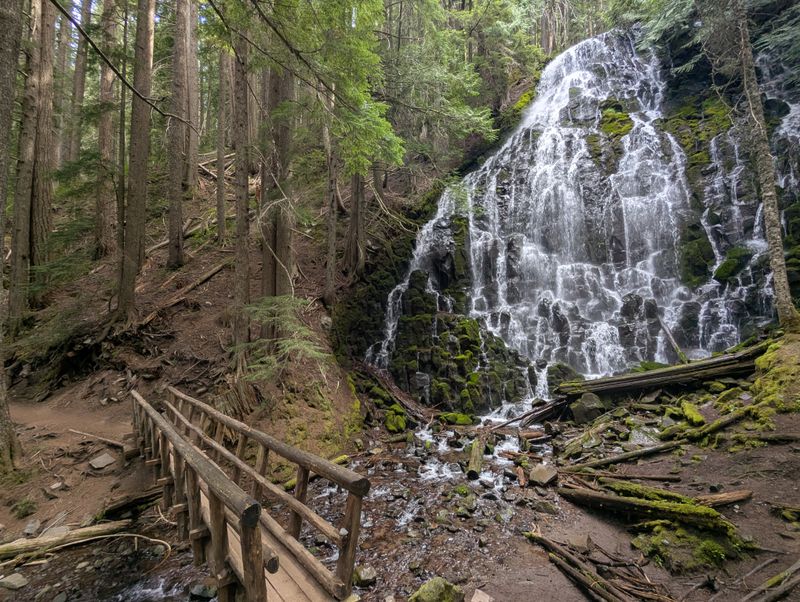
Mount Hood’s western slopes harbor this enchanting trail that leads to one of Oregon’s most photogenic waterfalls, where water cascades over columnar basalt in a delicate fan pattern.
The journey begins with a memorable crossing of the Sandy River, typically via a seasonal bridge installed after spring runoff subsides.
Old-growth forest surrounds the path, creating a cathedral-like atmosphere where sunlight filters through the canopy in ethereal beams.
Access the trailhead at Ramona Falls Trailhead, Zigzag, OR 97049, making it reachable for Portland-area locals seeking mountain adventures.
The trail gains elevation gradually, allowing hikers to settle into a comfortable rhythm while enjoying the surrounding forest beauty.
Ramona Creek accompanies the route for portions, adding the pleasant soundtrack of flowing water to the hiking experience.
The falls themselves spread across a wide basalt cliff face, creating a unique appearance that differs dramatically from the narrow plunge waterfalls found elsewhere.
Moss and ferns cling to the rock face, adding vibrant green to the scene and creating a living tapestry behind the falling water.
A viewing area at the base allows hikers to rest and absorb the beauty while enjoying snacks or lunch.
Loop options exist for those wanting to extend their adventure and experience different forest environments on the return journey.
The trail sees moderate to heavy use during summer months, but its length and the dispersing effect of loop alternatives prevent overcrowding.
Wildflowers bloom in forest clearings during spring and early summer, adding unexpected color to the predominantly green landscape.
Mount Hood looms above, though forest cover limits views until reaching more open areas near the falls.
The Sandy River crossing adds an element of adventure that makes this hike feel more remote than it actually is.
For locals seeking a classic Mount Hood hiking experience that combines forest atmosphere with waterfall beauty, Ramona Falls consistently delivers memorable adventures within a single day’s timeframe.
8. Garfield Peak Trail
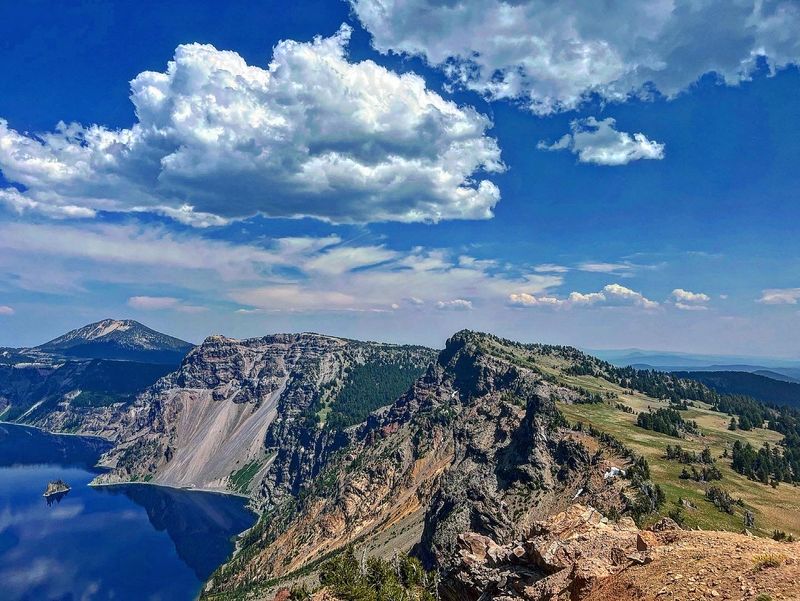
Crater Lake National Park offers this challenging but incredibly rewarding climb to one of the best vantage points overlooking the impossibly blue waters of America’s deepest lake.
The trail ascends steadily from the rim, gaining substantial elevation through switchbacks carved into the volcanic mountainside.
Every upward step brings increasingly spectacular views of Crater Lake far below, its blue waters contrasting sharply with the surrounding volcanic rock.
Start this adventure at Crater Lake Lodge, Crater Lake, OR 97604, where the trailhead begins right at the rim.
Summer represents the only practical season for this hike, as snow closes the park road and buries the trail for most of the year.
Wildflowers explode across the mountainside during July and August, painting the volcanic slopes in vibrant colors that seem impossible in such harsh conditions.
The summit of Garfield Peak provides 360-degree panoramas encompassing not just Crater Lake but also distant Cascade peaks including Mount Shasta to the south.
Wizard Island rises from the lake’s blue waters like a miniature volcano within the larger caldera, a reminder of the powerful forces that created this landscape.
The air at this elevation feels thin and pure, carrying the scent of mountain hemlocks and whitebark pines.
Locals from Southern Oregon treasure this trail for its unmatched views and the sense of accomplishment that comes with reaching the summit.
The exposed nature of the trail means sun protection becomes essential, as shade is virtually nonexistent above treeline.
Marmots and pikas inhabit the rocky slopes, their whistles and chirps adding wildlife interest to the botanical displays.
The return journey offers entirely different perspectives, with views shifting as the descent progresses.
This trail represents the pinnacle of Oregon day hiking, combining physical challenge with visual rewards that justify every labored breath in the thin mountain air.
9. Upper Deschutes River Trail
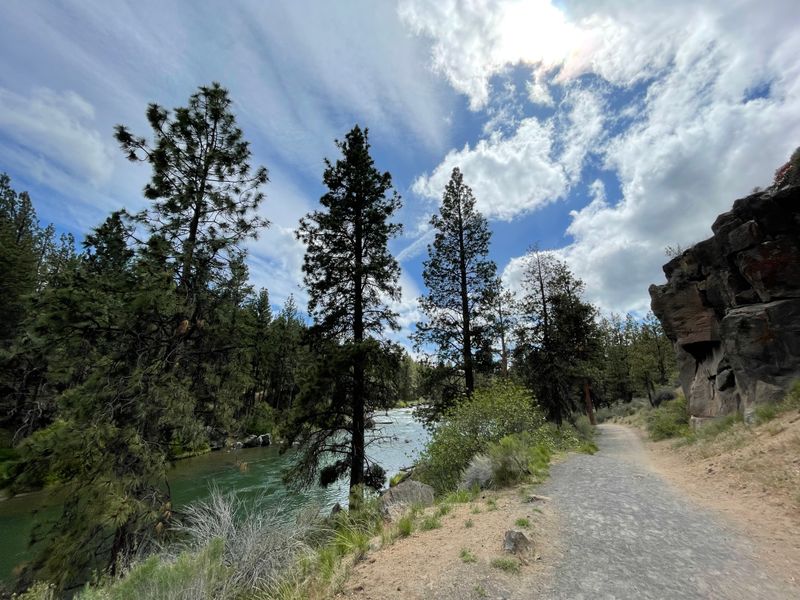
Central Oregon’s volcanic landscape reveals itself beautifully along this riverside trail where the Deschutes River flows through ancient lava fields south of Bend.
The trail allows hikers to choose their distance, from short strolls to longer adventures, all while following the river through a landscape unlike anywhere else in Oregon.
Black volcanic rock contrasts sharply with the blue-green river water and the ponderosa pines that somehow thrive in this harsh environment.
Access points exist along Century Drive near Bend, with coordinates near Bend, OR 97702, offering multiple options for starting your adventure.
The relatively flat terrain makes this trail accessible for most fitness levels, though the volcanic rock surface requires attention to foot placement.
Lava formations create interesting geological features throughout, telling the story of volcanic eruptions that shaped this region thousands of years ago.
The river itself provides constant interest, sometimes rushing through narrow channels, other times spreading wide across rocky shallows.
Fly fishers often work the waters, adding human interest to the natural scenery.
The high desert environment means less humidity and different vegetation than western Oregon trails, with juniper, sagebrush, and ponderosa pine replacing the dense forests found elsewhere.
Wildlife sightings include deer, various bird species, and occasionally river otters playing in the water.
The trail’s flexibility regarding distance makes it perfect for locals who want to customize their hike based on available time and energy.
Sunrise and sunset paint the volcanic rock in warm tones that enhance the already striking landscape.
Summer heat can be intense, so morning hikes become preferable during warmer months, though the river’s presence provides psychological cooling.
Winter hiking remains possible when snow closes higher elevation trails, giving Bend-area locals year-round options.
This trail showcases the unique character of Central Oregon, offering experiences distinctly different from the state’s more famous forested and coastal hikes while remaining easily accessible for satisfying single-day adventures.
Dear Reader: This page may contain affiliate links which may earn a commission if you click through and make a purchase. Our independent journalism is not influenced by any advertiser or commercial initiative unless it is clearly marked as sponsored content. As travel products change, please be sure to reconfirm all details and stay up to date with current events to ensure a safe and successful trip.
