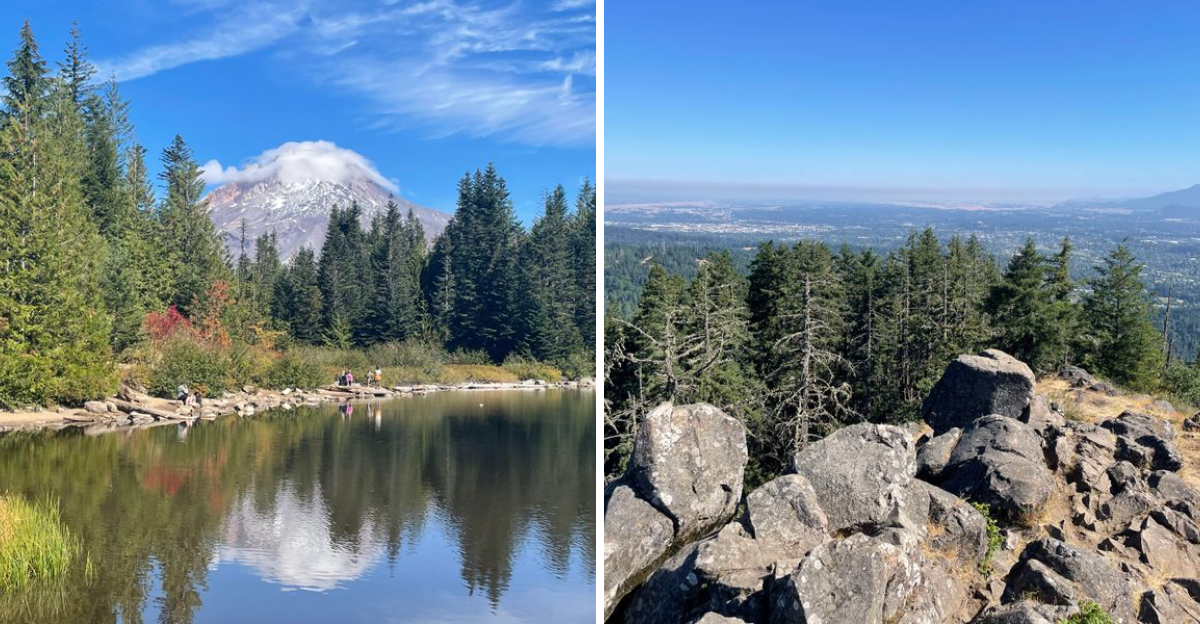
Oregon’s wilderness has always drawn adventurers seeking towering peaks, dense forests, and rugged coastlines that feel untouched by time.
Yet as word spread about these natural treasures, popularity surged, bringing both new visitors and unexpected challenges to beloved trails.
From erosion and overcrowding to wildfires and infrastructure strain, many of Oregon’s most iconic hiking paths have transformed in ways hikers could never have predicted.
Understanding these changes helps us appreciate the delicate balance between exploration and preservation.
1. Timberline Trail
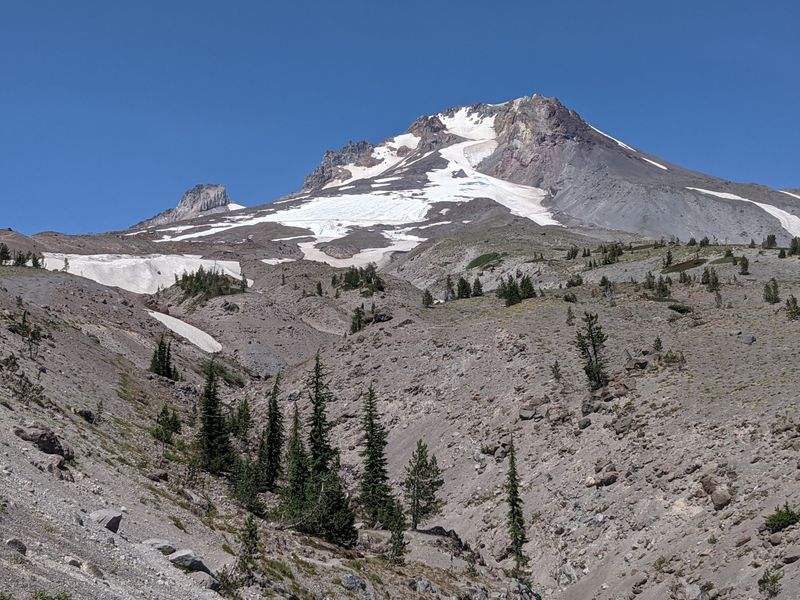
Circling the majestic slopes of Mount Hood, the Timberline Trail once offered an uninterrupted 40-mile loop through some of Oregon’s most dramatic alpine scenery.
Glacial rivers, wildflower meadows, and sweeping views made this route a bucket-list adventure for serious backpackers.
However, nature had other plans.
In 2007, a massive washout at Eliot Creek turned a straightforward crossing into a dangerous scramble across steep, unstable slopes.
Hikers now face hazardous conditions where the trail once flowed smoothly, forcing many to seek alternate routes or abandon the loop altogether.
Landslides and erosion have continued to reshape the landscape, making sections unpredictable from season to season.
Increased foot traffic has only compounded the problem, as more boots wear down fragile alpine soil and vegetation struggles to recover.
Trail managers have discussed rerouting sections below the washout and even constructing a suspension bridge to restore safe passage.
Yet funding and logistical challenges have stalled these plans, leaving the trail in a state of limbo.
What was once a seamless circumnavigation now requires careful planning, route-finding skills, and a willingness to adapt.
The Timberline Trail’s transformation reminds us that popularity and natural forces together can reshape even the most established paths.
For those who still venture out, the experience remains awe-inspiring, but it demands respect for the mountain’s power and patience with its evolving terrain.
2. Spencer Butte
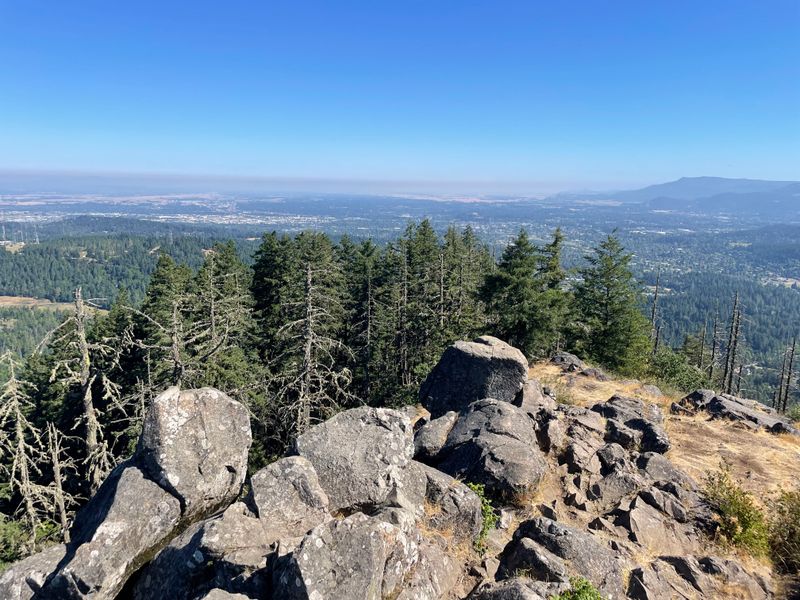
Rising above the city of Eugene, Spencer Butte has long been a favorite quick escape for locals craving fresh air and panoramic views.
The short but steep climb rewards hikers with vistas stretching across the Willamette Valley and the distant Cascade peaks.
As Eugene’s population grew, so did the number of visitors trekking up the butte every weekend.
Unfortunately, this surge in foot traffic began to take a visible toll on the landscape.
Erosion carved deep ruts into the hillside, and delicate native plants were trampled as hikers strayed off the main path seeking shortcuts or photo spots.
The natural beauty that drew people to Spencer Butte in the first place was slowly being worn away.
Recognizing the damage, the city launched the Summit Trail renovation project in 2015 to address the growing problem.
Crews constructed a well-defined, sustainable trail designed to guide hikers along a route that minimizes environmental impact.
Rock steps, drainage features, and clear signage now help keep visitors on track and protect sensitive areas from further degradation.
The renovation has been largely successful, restoring much of the butte’s natural charm while accommodating the steady stream of hikers.
Yet the changes also serve as a reminder that even small, beloved trails require active management when popularity soars.
Spencer Butte’s story illustrates how thoughtful intervention can balance public access with conservation, ensuring future generations can enjoy the same sweeping views and forested slopes that make this spot so special.
3. North Umpqua Trail
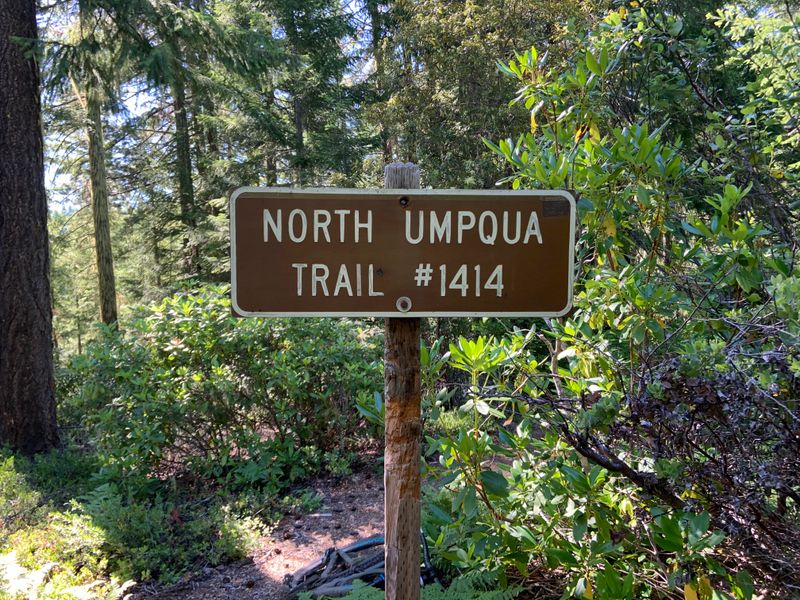
Stretching 79 miles along the North Umpqua River, this trail once provided an unbroken journey through old-growth forests, past thundering waterfalls, and alongside crystal-clear pools.
It was a paradise for backpackers seeking solitude and natural beauty far from crowded tourist spots.
Then came the fires.
The Archie Creek Fire in 2020 and the Jack Fire in 2021 tore through vast sections of the trail corridor, leaving behind charred landscapes and damaged infrastructure.
Bridges burned, landslides blocked passages, and entire segments became impassable or unsafe.
What was once a continuous route is now fragmented, with closures and detours forcing hikers to rethink their plans.
The fires didn’t just alter the physical trail but also changed the entire experience of hiking here.
Where dense canopy once provided cool shade, hikers now walk through exposed, blackened hillsides where the sun beats down relentlessly.
The river still flows, but the scenery along its banks has been transformed, and the sense of wilderness feels different in the wake of such destruction.
Rehabilitation efforts are underway, but rebuilding a trail of this scale takes years, not months.
Volunteers and land managers are working to clear debris, repair bridges, and stabilize eroded slopes, but progress is slow and dependent on funding and weather conditions.
For now, the North Umpqua Trail remains a patchwork of open and closed sections, a testament to the vulnerability of even well-loved trails when nature strikes with force.
4. Oregon Coast Trail
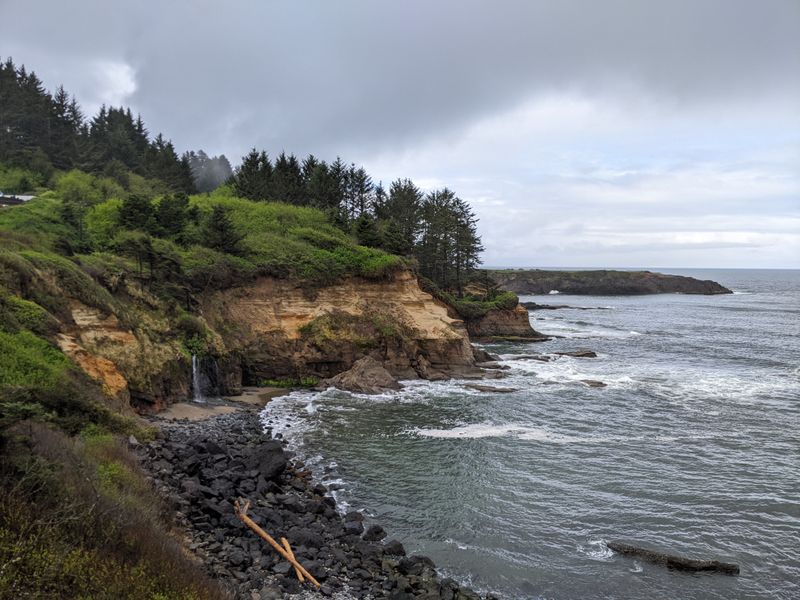
Few trails offer the variety and drama of the Oregon Coast Trail, which winds along the entire 363-mile coastline from the Columbia River to the California border.
Hikers traverse sandy beaches, rocky headlands, coastal forests, and charming seaside towns, all while soaking in the endless rhythm of the Pacific.
It’s a journey that feels both epic and intimate, connecting travelers to the raw power of the ocean.
As more people discovered this coastal gem, the trail began to show signs of strain.
Heavy foot traffic eroded dunes, disturbed nesting bird habitats, and created social trails that scarred sensitive ecosystems.
Gaps in the trail where hikers had to navigate busy highways or private property became increasingly problematic as visitor numbers climbed.
Recognizing these challenges, Oregon State Parks developed an action plan to address gaps, improve infrastructure, and enhance the overall hiking experience.
The plan focuses on creating continuous, well-marked routes that reduce conflicts with private landowners and protect fragile coastal environments.
New signage, trailhead improvements, and partnerships with local communities aim to make the trail more accessible while preserving its wild character.
Yet implementing these changes takes time, coordination, and significant funding.
Some sections have seen noticeable improvements, while others remain rough and undefined.
The Oregon Coast Trail’s evolution reflects the ongoing tension between welcoming visitors and safeguarding the landscapes that make the journey worthwhile.
For those willing to embrace its imperfections, the trail still offers an unforgettable adventure along one of the most beautiful coastlines in the world.
5. Salmonberry Trail
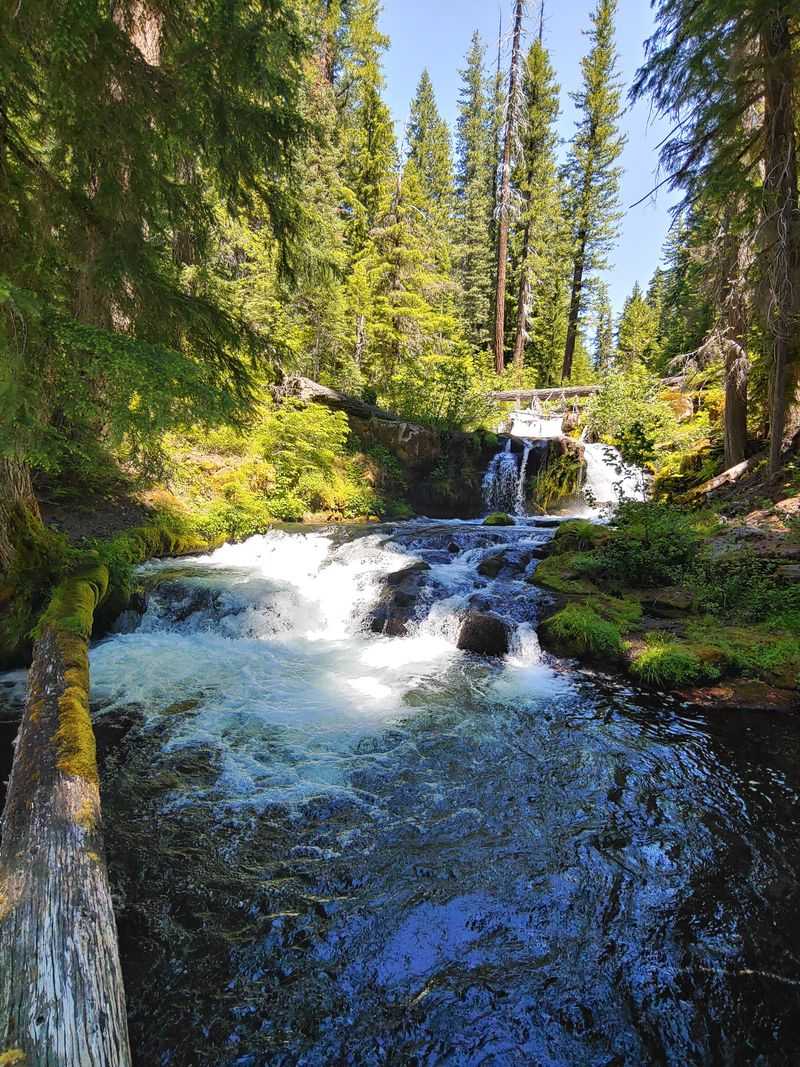
Imagine an 84-mile trail winding through the heart of the Oregon Coast Range, following an abandoned railroad corridor through tunnels, over trestle bridges, and past waterfalls few people have ever seen.
That’s the vision behind the Salmonberry Trail, a project that has captured the imagination of hikers and outdoor enthusiasts for years.
Yet despite widespread excitement, the trail remains largely closed to the public, stuck in a frustrating cycle of planning, funding delays, and environmental concerns.
The railroad itself fell into disrepair decades ago, and reclaiming it for recreational use has proven far more complicated than anyone anticipated.
Crumbling infrastructure, landslides, and the need to protect sensitive fish habitats have slowed progress to a crawl.
While sections of the trail are technically under development, there’s no clear timeline for when hikers will be able to experience the full route.
The growing anticipation has created a paradox where the trail is famous for its potential rather than its reality.
Social media posts and articles hype the Salmonberry as a must-do adventure, yet most people can’t legally access it.
This has led some adventurous souls to explore the route unofficially, raising safety and liability concerns.
Advocacy groups continue to push for completion, arguing that the trail could become one of Oregon’s premier long-distance routes.
But until funding materializes and environmental hurdles are cleared, the Salmonberry Trail remains a dream deferred, a reminder that not every trail project can keep pace with the enthusiasm it inspires.
6. Eagle Creek Trail
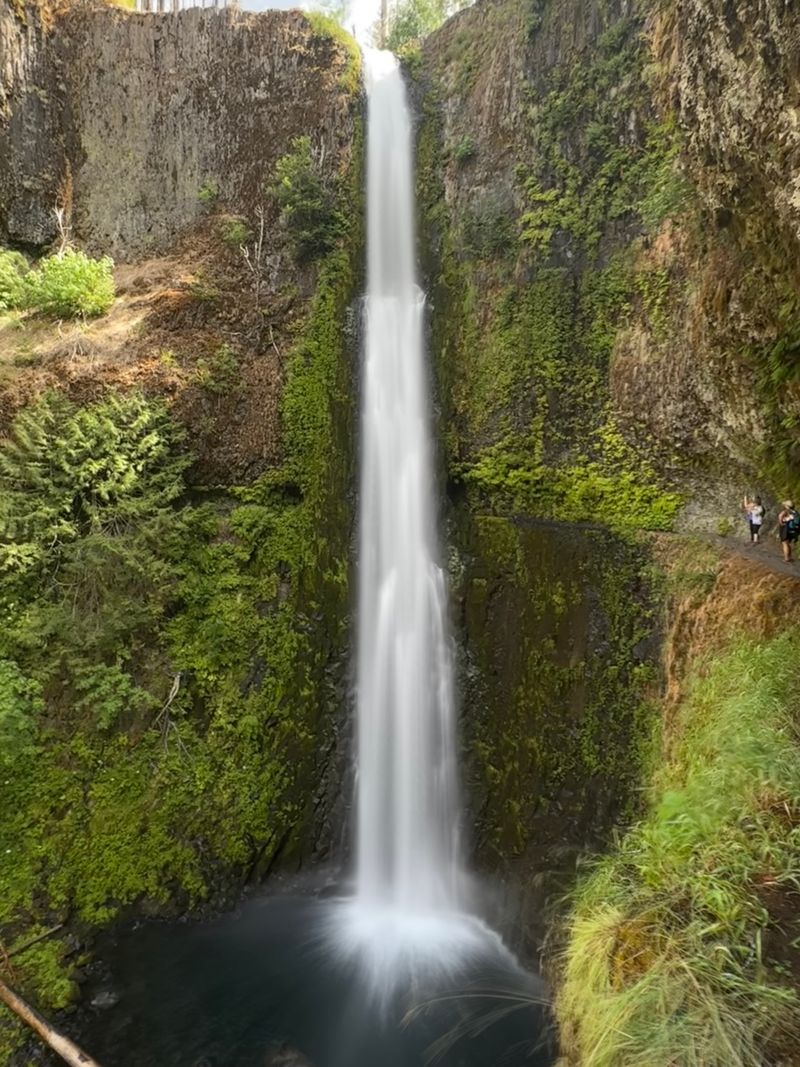
Once considered one of the most spectacular day hikes in the Pacific Northwest, Eagle Creek Trail lured visitors with its cliffside paths, tunnels blasted through rock, and a series of stunning waterfalls culminating in the breathtaking Punch Bowl Falls.
The trail’s proximity to Portland made it a weekend favorite, drawing thousands of hikers eager to experience its dramatic beauty.
Then, in September 2017, disaster struck.
A teenager tossing fireworks ignited a wildfire that raged through the Columbia River Gorge, scorching over 48,000 acres and closing the trail indefinitely.
The fire didn’t just burn vegetation but also destabilized slopes, destroyed bridges, and left behind hazardous conditions that made reopening the trail a monumental challenge.
Years of restoration work followed, with crews rebuilding infrastructure, clearing debris, and assessing ongoing safety risks.
When portions of the trail finally reopened in 2022, hikers returned to find a landscape forever changed.
The lush forest canopy had been replaced by charred trunks and new growth struggling to reclaim the hillsides.
The waterfalls still flowed, but the experience felt different, tinged with the memory of what was lost.
Visitor management also changed, with permit systems and seasonal closures now in place to prevent overcrowding and protect the recovering ecosystem.
Eagle Creek’s transformation serves as a stark reminder of how quickly human actions and natural forces can alter even the most beloved trails.
The trail is slowly healing, but it will take decades for the forest to fully recover, and the scars of the fire will remain visible for generations.
7. Mirror Lake Trail
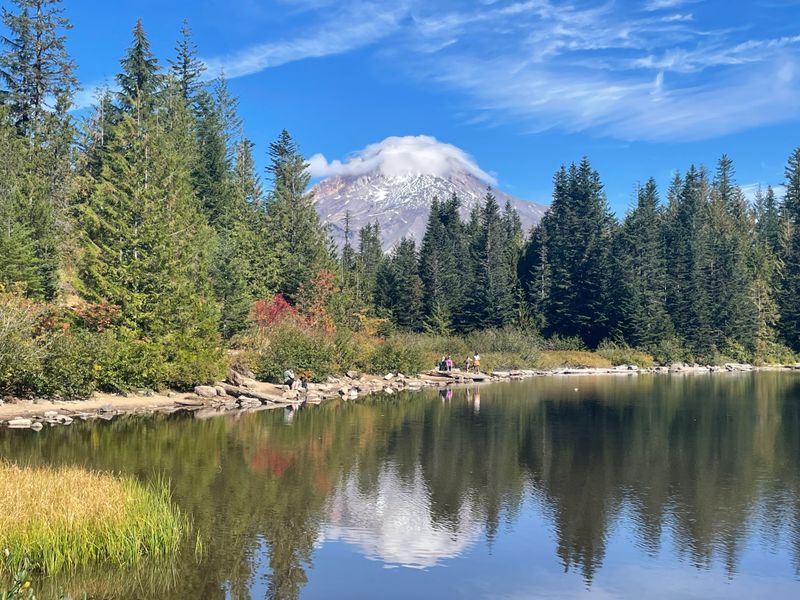
Nestled on the flanks of Mount Hood, Mirror Lake offers a relatively easy hike that rewards visitors with postcard-perfect views of the mountain reflected in the still waters of an alpine lake.
The trail’s accessibility and stunning scenery made it a magnet for families, photographers, and casual hikers looking for a taste of the high country without the grueling effort.
But popularity has a price.
On summer weekends, the trailhead parking lot overflows, with cars lining the highway for a quarter mile in both directions.
The trail itself becomes a congested highway of hikers, with little room for solitude or quiet reflection.
Erosion has widened the path, and social trails have sprouted as people seek less crowded routes or better photo angles.
The lakeshore, once pristine, now shows signs of heavy use, with trampled vegetation and litter becoming more common despite volunteer cleanup efforts.
Forest Service officials have implemented measures to manage the crowds, including expanded parking areas and increased ranger patrols to educate visitors about Leave No Trace principles.
Yet the fundamental challenge remains that too many people want to visit a relatively small, fragile area.
Some longtime hikers now avoid Mirror Lake entirely, seeking out lesser-known trails where they can still find the peace and beauty that originally drew them to the mountains.
The trail’s transformation highlights the difficult question of how to share natural wonders without loving them to death.
Mirror Lake is still beautiful, but the experience has shifted from serene wilderness escape to popular outdoor attraction.
8. Tom McCall Preserve Trail
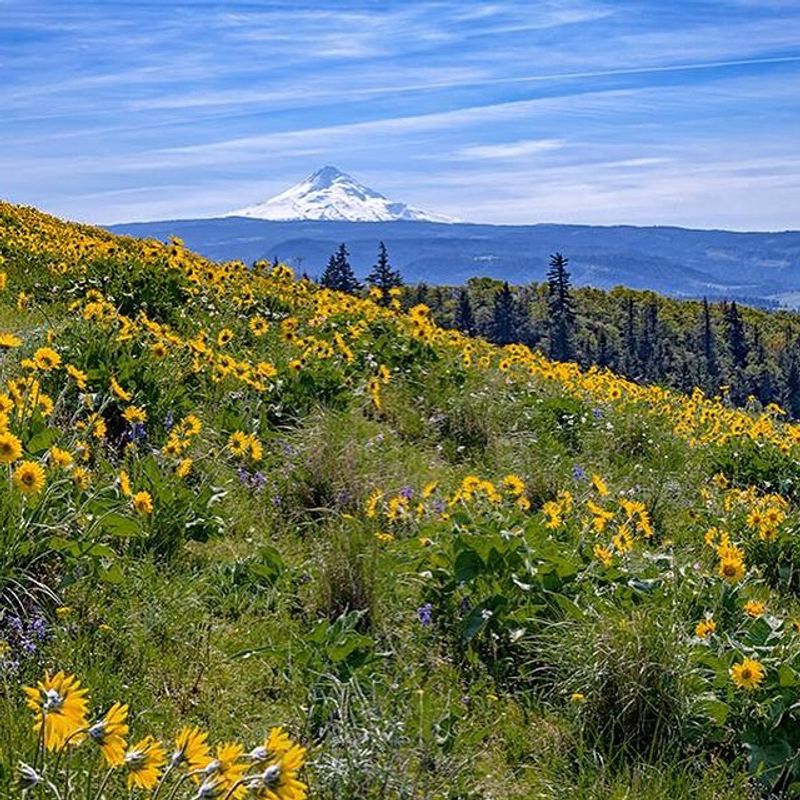
When spring arrives in the Columbia River Gorge, few places rival the wildflower display at Tom McCall Preserve.
Hillsides explode with color as lupine, balsamroot, and paintbrush blanket the slopes above the Columbia River.
The relatively short trail climbs through oak woodlands and open meadows, offering sweeping views that make the steep ascent worthwhile.
Word of this floral spectacle spread quickly, and soon the preserve was overwhelmed by visitors.
Instagram posts and travel blogs turned Tom McCall into a must-see destination, drawing crowds that far exceeded what the trail and parking area could handle.
Cars blocked roads, hikers trampled rare plants to get the perfect photo, and the delicate ecosystem began to suffer.
The Nature Conservancy, which manages the preserve, faced a difficult decision about how to protect the land while still allowing public access.
In response, they implemented seasonal closures during peak bloom times when visitor pressure was most intense.
Shuttle services and timed entry permits were introduced to control the flow of people and reduce environmental damage.
These measures have helped, but they’ve also changed the nature of visiting the preserve.
What was once a spontaneous wildflower walk now requires advance planning and sometimes a reservation.
Some visitors appreciate the structure, knowing it protects the very beauty they came to see.
Others lament the loss of freedom and spontaneity that once defined exploring Oregon’s wild places.
Tom McCall Preserve’s story illustrates the complex trade-offs involved in managing popular natural areas in the age of social media and mass tourism.
Dear Reader: This page may contain affiliate links which may earn a commission if you click through and make a purchase. Our independent journalism is not influenced by any advertiser or commercial initiative unless it is clearly marked as sponsored content. As travel products change, please be sure to reconfirm all details and stay up to date with current events to ensure a safe and successful trip.
