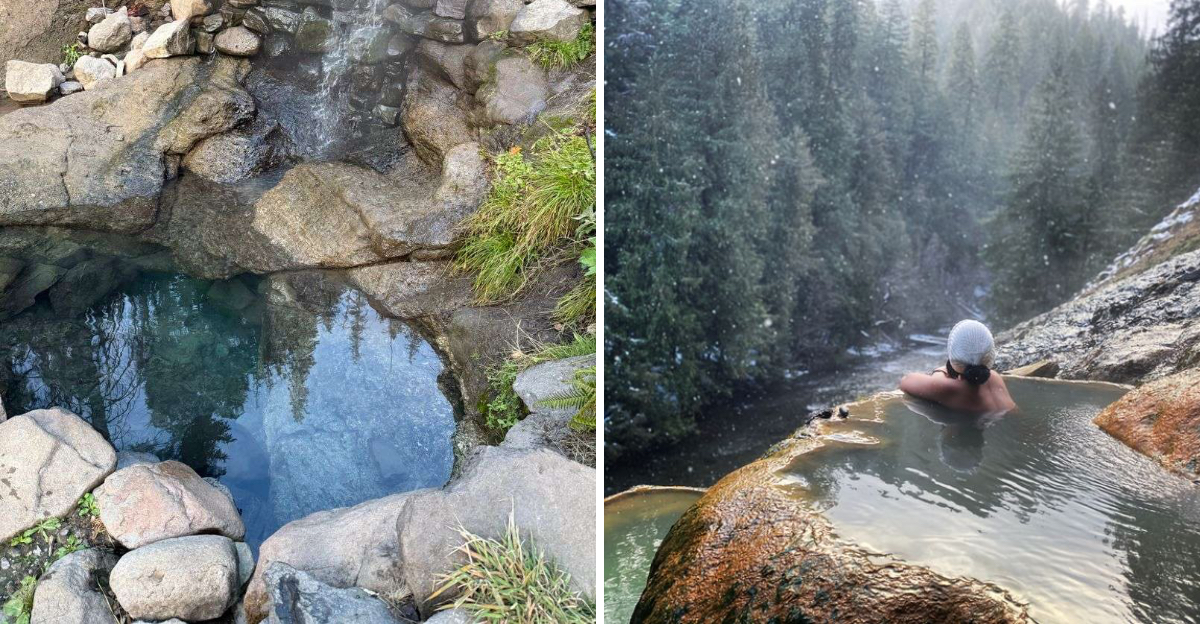
Oregon’s volcanic landscape creates a natural network of geothermal springs scattered across forests, deserts, and mountain ranges.
These springs range from developed resorts with modern amenities to rustic pools carved into hillsides, offering travelers a chance to unwind in mineral-rich waters while surrounded by stunning scenery.
Whether you’re hiking through old-growth forests or stargazing under vast desert skies, Oregon’s hot springs provide memorable experiences that blend relaxation with outdoor adventure.
This guide highlights 11 popular destinations where visitors can soak away stress and reconnect with nature.
1. Bagby Hot Springs
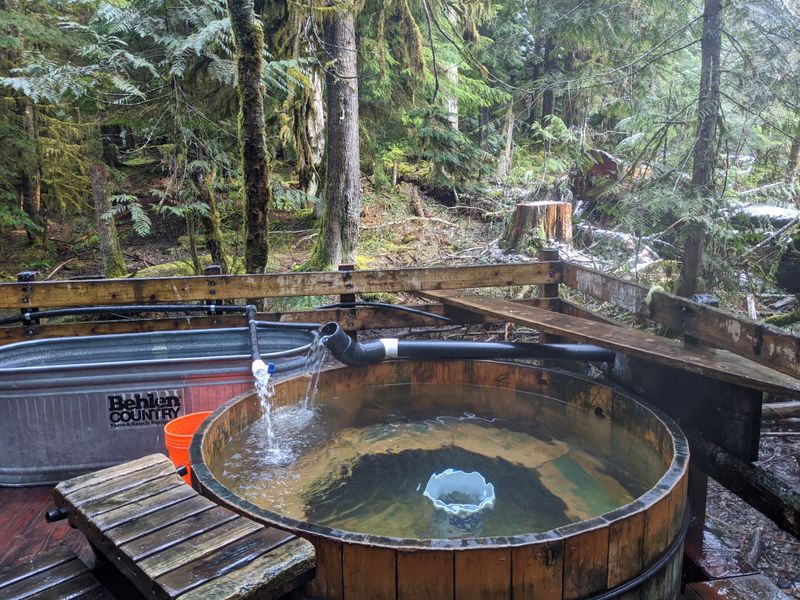
Stories circulate among frequent hikers about the cedar-scented steam rising from Bagby’s rustic tubs on cold mornings.
Hidden within Mount Hood National Forest, these historic bathhouses offer a tangible link to the early 20th-century homesteaders who first built them.
Visitors reach the springs after a 1.5-mile walk through old-growth forest, with the sound of a nearby creek never far.
The wooden bathhouses provide both private and communal soaking options, each crafted from hand-hewn logs that have weathered decades of use.
Steam rises through gaps in the cedar planks, creating an atmosphere that feels both timeless and intimate.
The site is managed by a non-profit organization dedicated to preserving its rustic character while ensuring visitor safety.
A modest day-use fee supports ongoing maintenance, trail upkeep, and the volunteer stewards who monitor the facilities.
Minimal amenities mean visitors should arrive prepared with drinking water, snacks, and a towel.
The absence of electricity and modern conveniences enhances the sense of stepping back in time.
Weekdays tend to be quieter, allowing for a more contemplative soak without the weekend crowds.
Daylight hours are safest for walking the forested trail, which can become slippery during wet weather.
The combination of natural beauty, historic architecture, and the soothing warmth of mineral water makes Bagby a favorite among those seeking authentic wilderness relaxation in Oregon.
2. Belknap Hot Springs
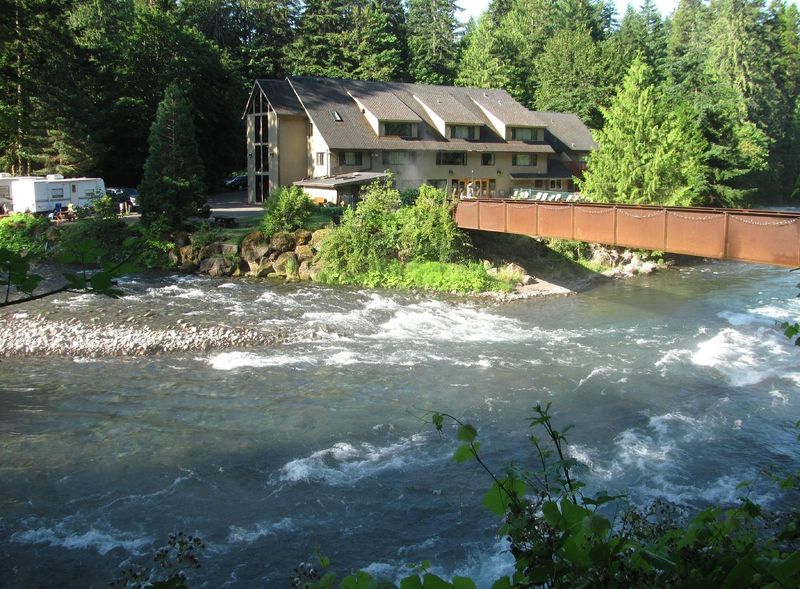
A stroll through Belknap Hot Springs’ manicured gardens often reveals blooming rhododendrons and footbridges over the McKenzie River.
At this lodge resort, visitors find two large outdoor pools kept at comfortable temperatures between 92 and 102 degrees Fahrenheit.
The setting feels cultivated but not crowded, especially on weekday mornings when the pools offer peaceful sanctuary.
Overnight guests enjoy priority access, but day visitors can also reserve pool time in advance.
The resort’s grounds blend natural beauty with thoughtful landscaping, creating spaces that invite leisurely exploration between soaks.
Garden paths wind past native plantings and benches positioned to capture river views.
Belknap’s proximity to the McKenzie River Trail appeals to hikers who want to combine outdoor adventure with therapeutic soaking.
The trail system offers everything from gentle riverside walks to challenging climbs through volcanic landscapes.
Accommodations include lodge rooms, private cabins, and RV sites with full hookups, suiting different travel styles and budgets.
Camping options provide a more rustic experience while still offering access to the resort’s amenities.
The on-site restaurant serves meals that emphasize regional ingredients and comfort food favorites.
Reservations are recommended during peak season for both lodging and pool use, as word has spread about this peaceful retreat.
The combination of developed facilities and natural surroundings makes Belknap an accessible choice for families and first-time hot spring visitors.
3. Umpqua Hot Springs
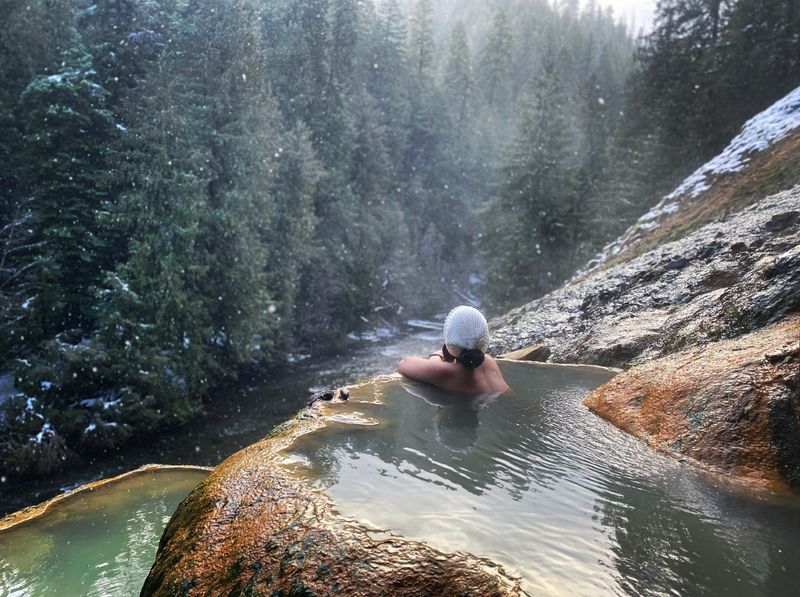
Perched above the North Umpqua River, these springs invite a soak with panoramic forest views that stretch across the canyon.
The travertine pools are carved directly into the hillside, each holding water of varying temperatures.
Natural mineral deposits have created terraced basins that cascade down the slope, with the hottest water at the top gradually cooling as it flows downward.
Access requires a 0.3-mile steep walk from the parking area, which can be muddy or icy depending on the season.
Proper footwear with good traction is essential for navigating the trail safely.
The compact parking area fills quickly, particularly on weekends and warm summer afternoons.
More secluded during weekday mornings, the springs offer a quieter atmosphere for those willing to time their visit strategically.
The site operates under a clothing-optional policy, which visitors should be aware of before arriving.
Minimal facilities mean there are no changing rooms, restrooms, or trash receptacles.
Visitors should bring their own supplies and pack out all trash to preserve the natural environment.
Early and off-peak visits tend to offer a more contemplative atmosphere, with fewer people competing for space in the pools.
The dramatic river views and the sound of rushing water below create a sensory experience that goes beyond the physical warmth of the springs.
This remains one of Oregon’s most photographed hot spring locations.
4. Cougar (Terwilliger) Hot Springs
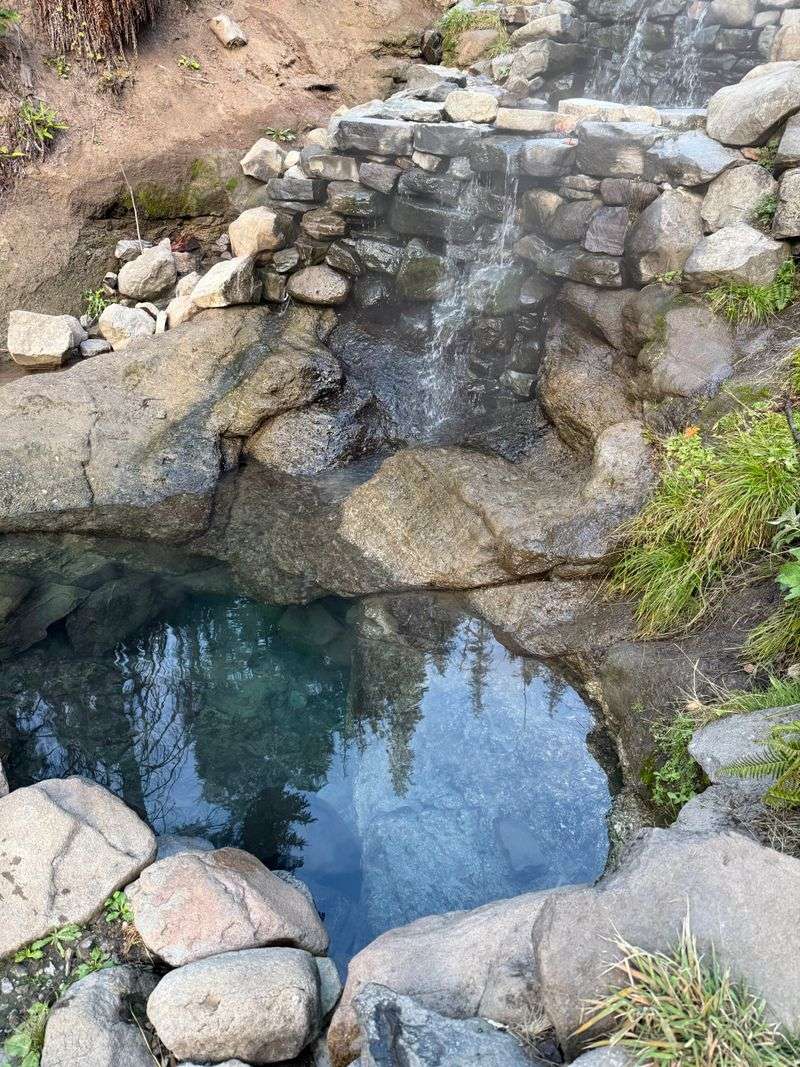
Locals sometimes refer to Cougar Hot Springs as a well-kept secret, even though word has traveled far beyond the Blue River area.
Nestled in a forested canyon, these six terraced pools range in temperature from 85 to 112 degrees Fahrenheit.
The variety allows visitors to find their preferred warmth or move between pools as they acclimate.
A short half-mile trail passes through old-growth forest, setting the mood for relaxation before arrival.
Towering Douglas firs and western hemlocks create a cathedral-like canopy that filters sunlight into soft green light.
The site is managed by the U.S. Forest Service, which enforces a day-use fee and strict visitor limits to protect the delicate ecosystem.
Seasonal closures can occur for safety or maintenance, so checking current conditions before making the drive is sensible.
The springs operate on a clothing-optional policy, reflecting the counter-culture ethos that has long surrounded this location.
The capacity limit helps preserve a calm, respectful atmosphere for all guests regardless of their background.
Rangers occasionally patrol to ensure compliance with rules and to educate visitors about Leave No Trace principles.
The pools themselves are lined with smooth river rocks and fed by springs that emerge from the hillside above.
Water clarity varies depending on recent rainfall and the number of visitors, but the mineral content remains consistent.
This combination of accessibility and natural beauty continues to draw both Oregon residents and out-of-state travelers.
5. Alvord Hot Springs
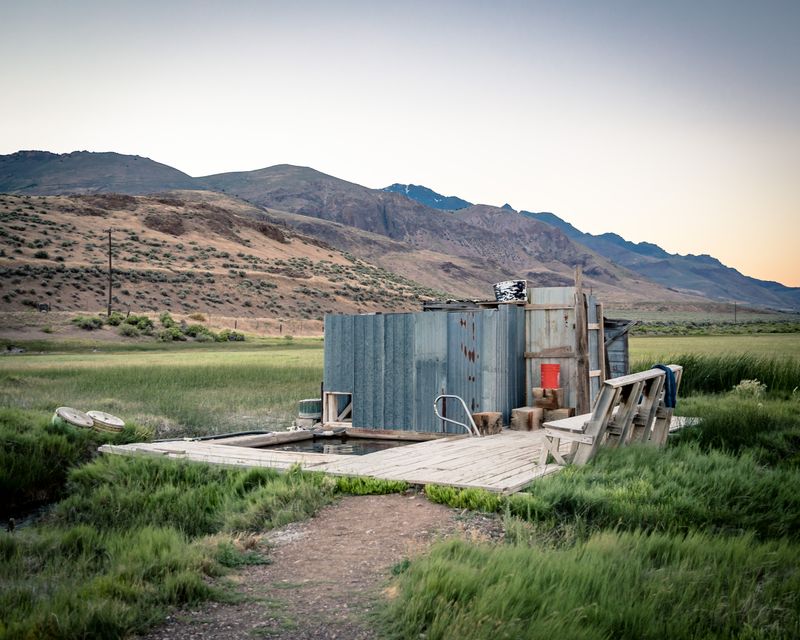
Stark desert silence greets visitors at Alvord Hot Springs, where open views stretch toward Steens Mountain across the alkaline playa.
These pools, built on private land, hold geothermally heated water between 100 and 110 degrees Fahrenheit.
Basic facilities include two concrete soaking pools and a simple bathhouse with minimal amenities.
The remote location in Oregon’s southeastern corner means visitors should arrive well-prepared, bringing food, water, and other essentials.
The nearest services are miles away, and cell phone coverage is nonexistent.
Cabins and campsites are available for overnight stays, allowing guests to experience the desert’s dramatic temperature shifts from day to night.
Stargazing is especially rewarding on clear nights, given the lack of nearby city lights and the elevation’s thin, dry air.
The Milky Way appears as a dense band of light overhead, and meteor showers are visible without interference.
Day visitors and overnight guests both pay a fee that supports ongoing maintenance of the pools and facilities.
The property operates on an honor system, with payment collected in a drop box near the entrance.
The contrast between the hot water and the cool desert air creates a unique sensory experience.
Wind often sweeps across the playa, carrying the scent of sagebrush and dust.
This extreme environment appeals to adventurous travelers who appreciate solitude and dramatic landscapes over creature comforts.
6. Crystal Crane Hot Springs
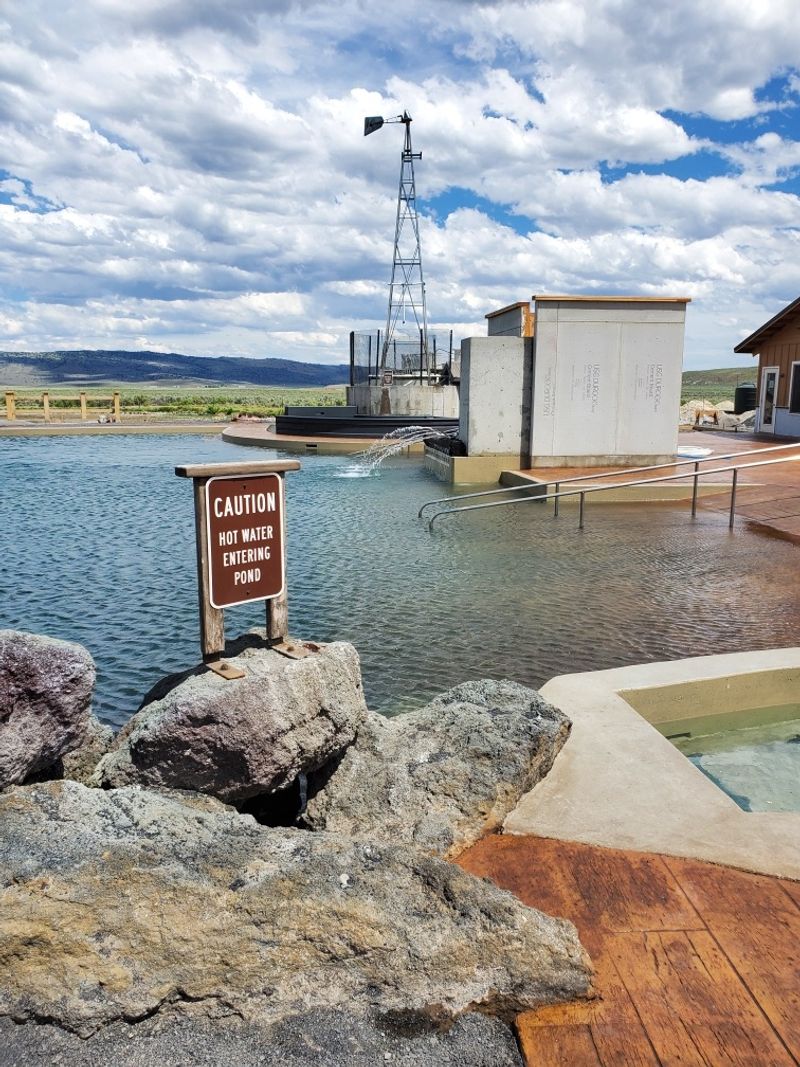
Eastern Oregon’s wide skies frame the experience at Crystal Crane Hot Springs, where the horizon seems to extend forever in all directions.
The focal point is a large, geothermal outdoor pond held at a pleasant 101 degrees Fahrenheit year-round.
Private bathhouses offer a quieter soak for those seeking solitude, with individual tubs fed by the same geothermal source.
The pond remains open in all weather, creating memorable experiences during winter snowfalls and summer sunsets alike.
Accommodations range from cabins and tepees to RV sites with full hookups, catering to different traveler preferences and budgets.
The tepees provide a unique lodging option that connects guests to the region’s indigenous heritage.
Guests frequently mention the serenity of soaking under a star-filled sky, with the only sounds being the gentle movement of water and occasional birdcalls.
Birdwatching is possible around the pond’s edge, where migratory species stop to rest and feed.
The property’s location along a flyway makes it a seasonal hotspot for avian diversity.
Advance booking is encouraged, especially during busy travel seasons when the limited number of accommodations fills quickly.
The on-site facilities include a small store with basic supplies and snacks for guests who forgot essentials.
The combination of affordable rates, diverse lodging options, and consistently warm water makes Crystal Crane a practical choice for road trippers exploring Oregon’s remote eastern region.
7. Breitenbush Hot Springs
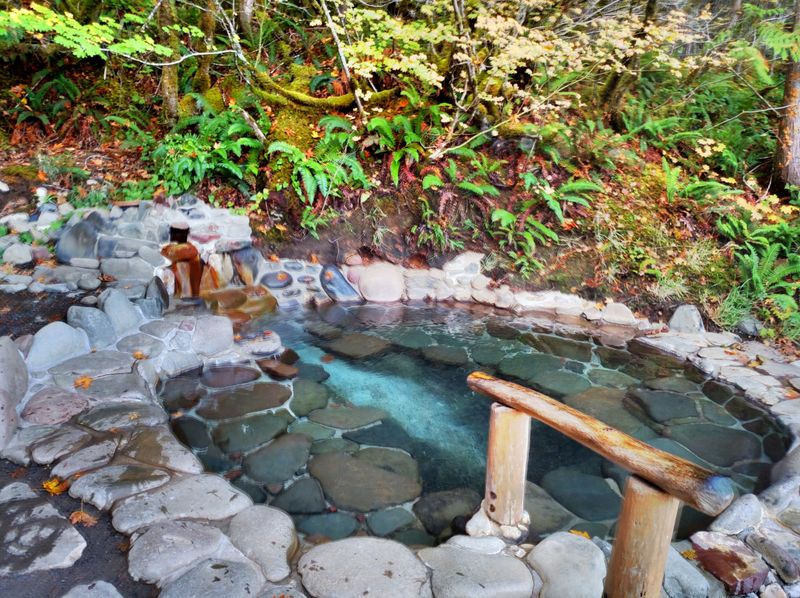
Breitenbush Hot Springs has drawn visitors for decades, with geothermal pools and a focus on holistic wellness that permeates the entire property.
Located in the Cascade Range, the retreat center was rebuilt after regional wildfires, blending new facilities with established traditions.
Soaking pools range in temperature from warm to very hot, positioned along the river and throughout the forested grounds.
Each pool offers a different atmosphere, from communal gathering spaces to quiet meditation spots.
The site operates as clothing-optional and emphasizes quiet reflection, with signs reminding guests to respect the contemplative environment.
Access is limited to overnight guests with advance reservations only, ensuring the retreat maintains its peaceful character.
A range of wellness programs, including yoga classes, massage therapy, and meditation sessions, complement the soaking experience.
Workshop offerings change seasonally, covering topics from forest bathing to sound healing.
Meals are provided as part of the stay, featuring vegetarian cuisine prepared with organic and local ingredients whenever possible.
The communal dining experience encourages connection among guests while supporting the center’s sustainability values.
Digital detox is encouraged, as there’s no cell service or Wi-Fi available on the property.
This intentional disconnection allows visitors to be fully present in the natural surroundings.
The site is run cooperatively, with staff and long-term residents sharing decision-making and prioritizing environmental stewardship throughout operations in this corner of Oregon.
8. Hart Mountain Hot Springs
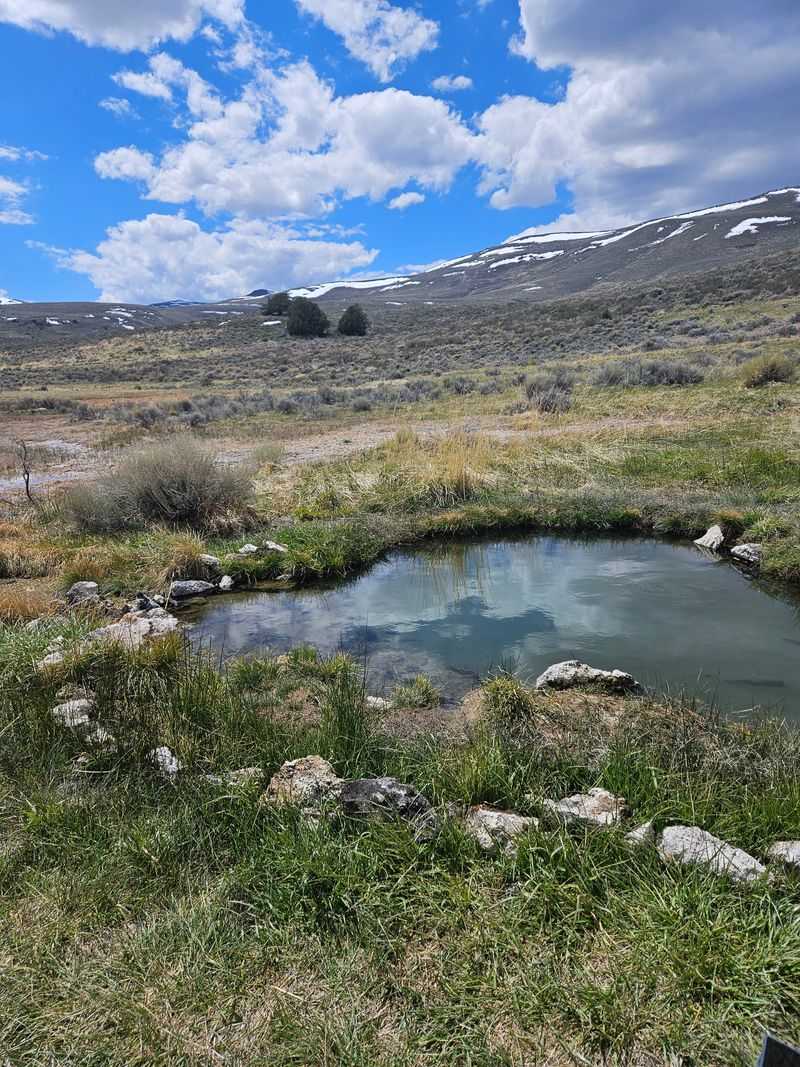
Hart Mountain Hot Springs offers a solitary experience amid the vast National Antelope Refuge in Oregon’s remote southeast.
The pool is formed by simple stonework, surrounded by the region’s signature sagebrush and open skies that seem to swallow the horizon.
Wildlife sightings are frequent, with pronghorn antelope grazing nearby during early morning hours.
Bighorn sheep occasionally appear on the rocky slopes above the spring, and golden eagles circle overhead.
Minimal infrastructure means visitors should bring water and supplies, as services are not available on-site or anywhere nearby.
The spring is accessible by gravel road, often requiring high-clearance vehicles during wet weather when mud can make the final approach challenging.
The sense of isolation and connection to the natural landscape draws those seeking a quieter retreat far from crowds.
The pool itself is basic, with water temperatures that can vary depending on weather and flow rates.
A simple changing shelter provides minimal privacy, but most visitors come prepared for primitive conditions.
The surrounding refuge protects critical habitat for pronghorn and other species adapted to the harsh high desert environment.
Camping is permitted in designated areas nearby, allowing visitors to extend their stay and fully experience the refuge’s solitude.
Sunrise and sunset transform the landscape with dramatic color shifts that photographers particularly appreciate.
This spring appeals to self-sufficient travelers who value authenticity and wilderness over convenience.
9. Summer Lake Hot Springs
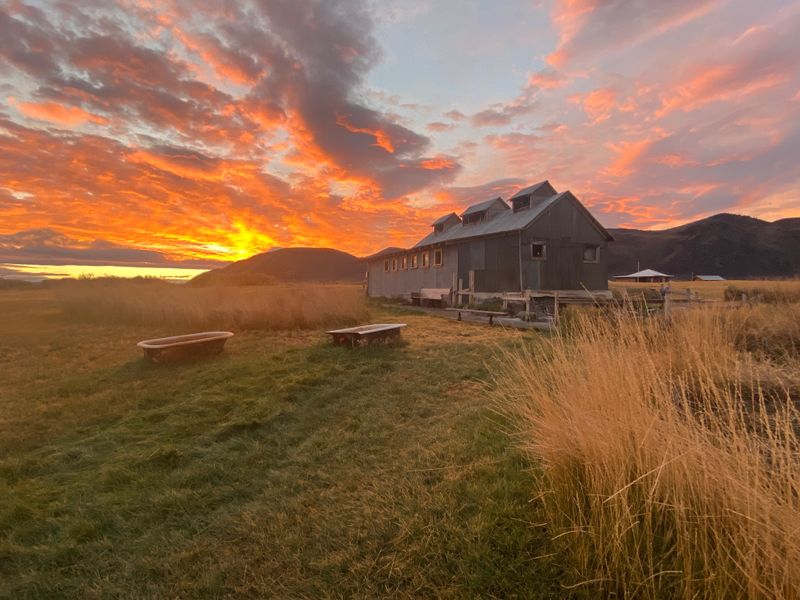
Travelers driving through south-central Oregon often pause at Summer Lake Hot Springs, recognized for its historic bathhouses and high desert surroundings.
The property’s outdoor and indoor pools are geothermally heated, offering a welcoming soak year-round regardless of weather conditions.
Lodging includes restored cabins, guest houses, and RV sites, making it accessible for different travel styles and budgets.
The cabins retain their vintage character while providing modern comforts like heating and comfortable beds.
The quiet setting provides opportunities for birdwatching, with the nearby lake attracting waterfowl and shorebirds throughout the year.
Sunrise views over the lake are particularly spectacular, painting the water and sky in shades of pink and gold.
Facilities are modest but well-maintained, with a focus on preserving the site’s historic character dating back to the early 1900s.
The pools’ mineral-rich waters are a draw for road trippers seeking a break from long drives through Oregon’s expansive interior.
The property has changed hands several times over the decades but has retained its essential character as a rustic desert oasis.
A small store on-site offers snacks, beverages, and basic supplies for guests who arrive unprepared.
The combination of affordability, historic ambiance, and natural beauty makes Summer Lake a popular stopover for those exploring the region.
The remoteness that once made it difficult to reach now adds to its appeal as an escape from urban life.
10. Austin Hot Springs
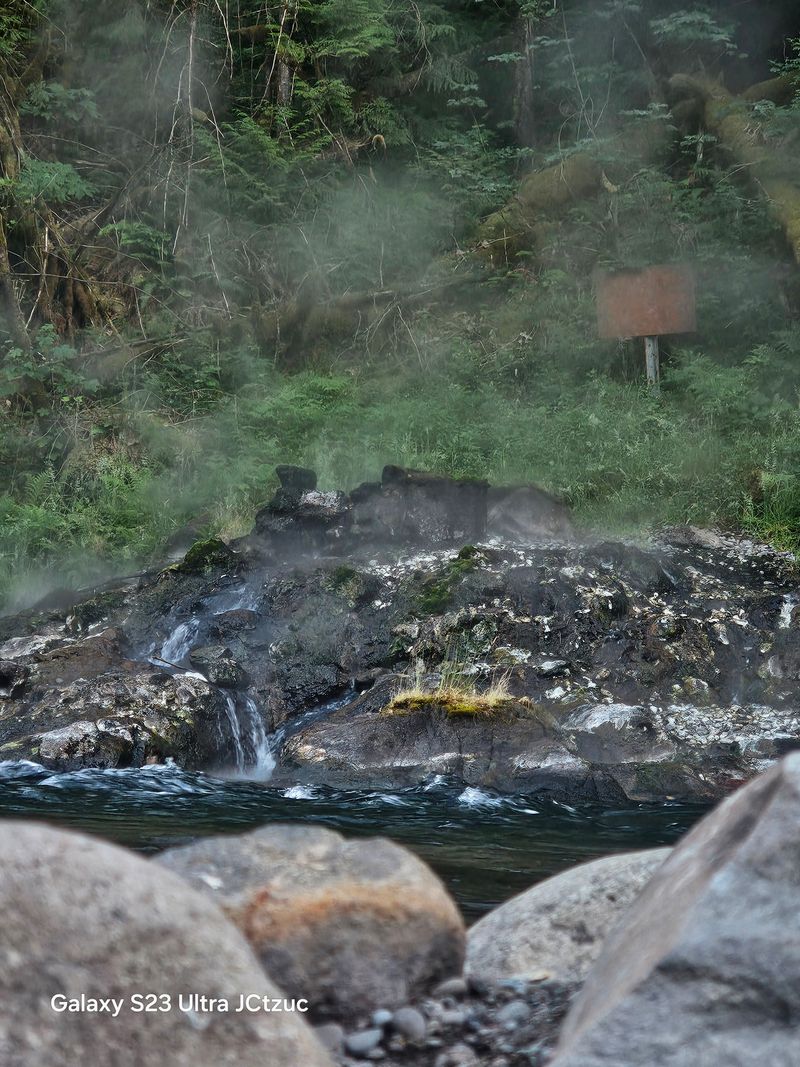
Rumors often swirl about the unpredictable temperatures at Austin Hot Springs, located along the Clackamas River in Oregon.
These springs sit on private property, and official visitor access is currently restricted due to safety concerns.
The water temperatures can fluctuate rapidly, sometimes reaching dangerously high levels that pose scalding risks.
Geothermal activity in the area is unstable, with sudden surges that can turn a comfortable soak into a hazardous situation within minutes.
For these reasons, guides and authorities strongly advise caution and respect for posted regulations.
While once a popular spot among adventurous soakers who didn’t mind the rustic conditions, its status is now uncertain.
Legal issues regarding land ownership and liability have complicated access, leaving the future of public use in question.
Those interested should research current access rules before considering a visit, as trespassing violations can result in fines.
Scenic views of the river and surrounding forest remain visible from the road, offering a glimpse of what once attracted visitors.
The Clackamas River corridor itself provides numerous other recreational opportunities, from fishing to hiking.
Alternative hot springs in the region offer safer, legal access for those seeking thermal soaking experiences.
The story of Austin Hot Springs serves as a reminder that not all natural features can or should be developed for public use.
Safety and property rights sometimes outweigh recreational desires in wilderness management.
11. Deer Creek (McCredie) Hot Springs
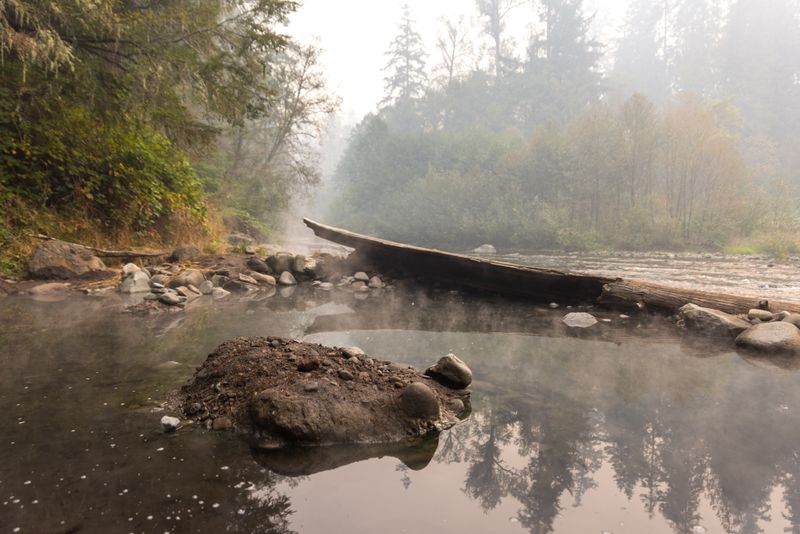
McCredie Hot Springs, also known as Deer Creek Hot Springs, occupies a tranquil riverside spot near Oakridge in Oregon.
The pools, carved by hand and shaped by river flow, can shift in shape and temperature depending on seasonal conditions.
Visitors access the springs directly from a parking area along Highway 58, making it one of the more easily reached natural springs in the state.
The site is undeveloped, without amenities like restrooms or changing facilities, so preparation is essential for comfort and safety.
Seasonal changes in river levels dramatically impact the springs’ depth and warmth, with high water sometimes flooding the pools entirely.
Late summer and fall typically offer the best conditions, when river flows drop and the pools become more defined.
Early morning or weekday visits tend to be less crowded, allowing for a more peaceful experience.
The springs attract a mix of locals and travelers passing through the Cascade foothills.
This spot appeals to those who value simplicity and a close connection to Oregon’s natural surroundings over developed facilities.
The sound of rushing water and the forest canopy overhead create an immersive natural environment.
Some visitors bring camping chairs or blankets to relax between soaks, turning a quick stop into an extended afternoon.
The clothing-optional nature of the springs reflects the relaxed, informal atmosphere that has developed over decades of use.
Respect for other visitors and the environment remains essential in these shared natural spaces.
Dear Reader: This page may contain affiliate links which may earn a commission if you click through and make a purchase. Our independent journalism is not influenced by any advertiser or commercial initiative unless it is clearly marked as sponsored content. As travel products change, please be sure to reconfirm all details and stay up to date with current events to ensure a safe and successful trip.
