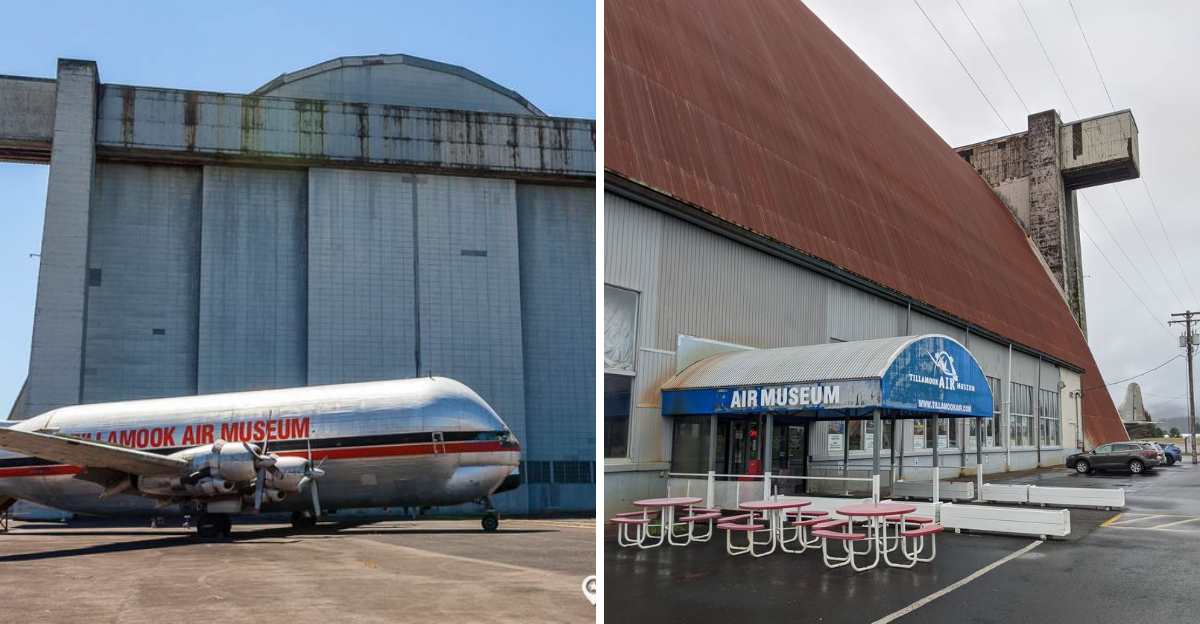
I still remember the first time I saw Hangar B rising from the Oregon coast like some colossal wooden giant. My jaw dropped.
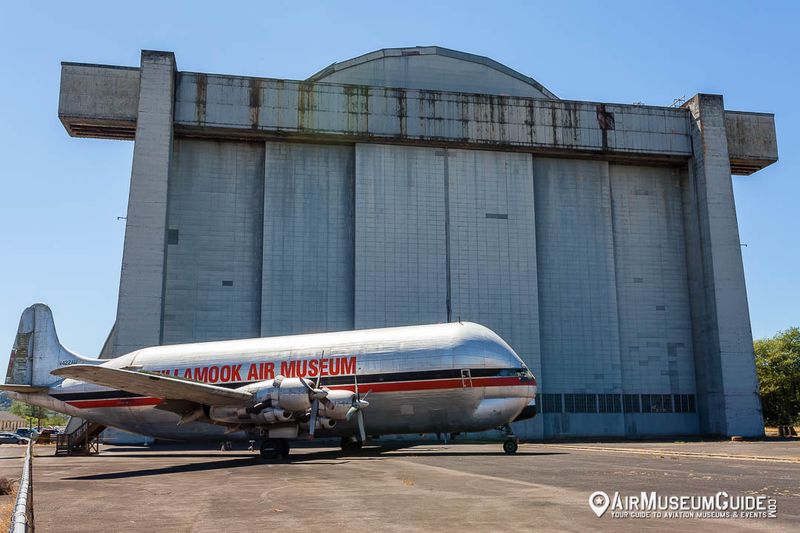
This place is absolutely massive, and calling it just a museum feels like calling the Grand Canyon just a ditch. Built in 1943 to house Navy blimps during WWII, this engineering marvel stretches over 1,000 feet long and towers nearly 200 feet high.
It’s one of the largest wooden structures on Earth, and trust me, photos don’t do it justice.
Walking inside feels like stepping into a time capsule filled with vintage warbirds, interactive cockpits, and enough military history to keep any aviation geek buzzing for hours. I’ve dragged friends, family, and even skeptical cousins here, and every single one left grinning ear to ear.
Located at 6030 Hangar Rd, Tillamook, OR 97141, this spot is pure gold for anyone exploring Oregon’s coastal treasures. Honestly, skipping this place should be illegal.
Pack your curiosity and comfy shoes because you’re about to have the time of your life. Ready to explore what makes this hangar so legendary?
Let’s go.
The Hangar Itself Is an Engineering Marvel
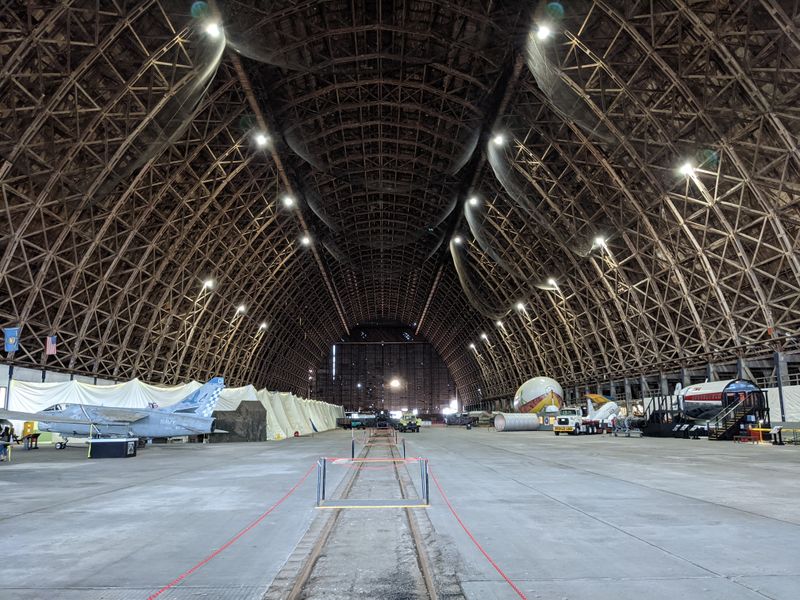
Hangar B isn’t just big. It’s absolutely staggering in scale.
Constructed in 1943 using roughly 33 million board feet of lumber, this structure was built without a single interior support pillar. That means you’re standing under a clear-span wooden roof that covers more than seven acres.
I walked in and immediately felt tiny, like an ant in a cathedral.
The dimensions alone are mind-blowing. Over 1,000 feet long, nearly 300 feet wide, and towering at 190-plus feet tall, this hangar was designed to house eight massive K-class blimps used for anti-submarine patrols during World War II.
The engineering genius required to pull this off in the 1940s is nothing short of legendary.
Originally, there were two identical hangars here. Tragically, Hangar A burned down in 1992, making Hangar B the sole survivor and an irreplaceable piece of history.
Standing inside, you can almost hear the echoes of flight crews prepping for missions. The sheer size forces you to crane your neck and spin around just to take it all in.
Honestly, the hangar itself is worth the admission price alone.
Climb Into Real Fighter Jet Cockpits
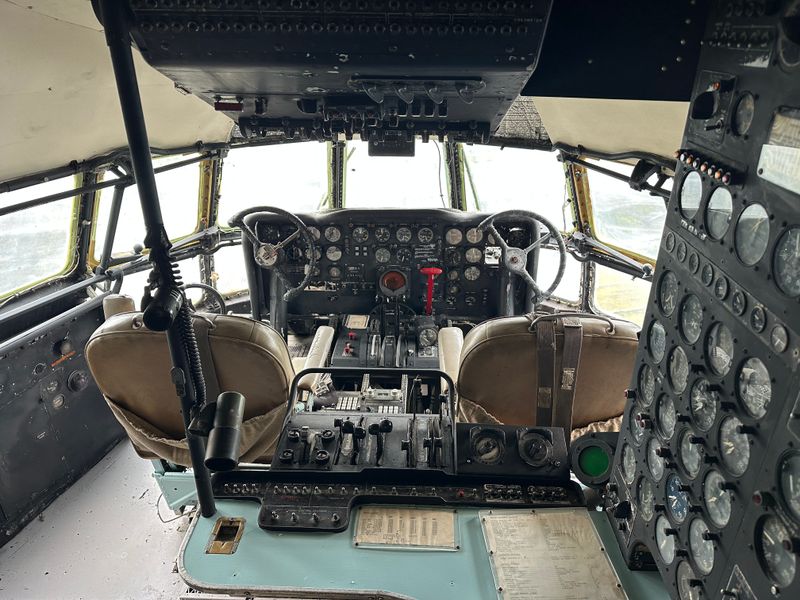
Ever dreamed of sitting where a fighter pilot once sat, hands on the controls, imagining the roar of engines beneath you? At Tillamook Air Museum, that dream becomes reality.
Several aircraft here let you climb right into the cockpit and get a genuine pilot’s-eye view. I’m talking about legendary planes like the F-4 Phantom and even a B-52 Stratofortress bomber.
My nephew practically lost his mind when he got to sit in the cockpit of an actual fighter jet. He pressed every button, flipped every switch, and pretended to dogfight imaginary enemies for a solid 20 minutes.
The museum staff are super chill about letting visitors explore, which makes the experience feel personal and hands-on rather than stuffy and untouchable.
These aren’t replicas or mockups. They’re real aircraft with real history, and being able to touch and sit in them brings that history to life in a way no textbook ever could.
You’ll leave with a newfound respect for the pilots who flew these machines into combat. Seriously, bring your camera because you’ll want proof you sat in a legendary warbird.
The F-14 Tomcat From Top Gun Fame
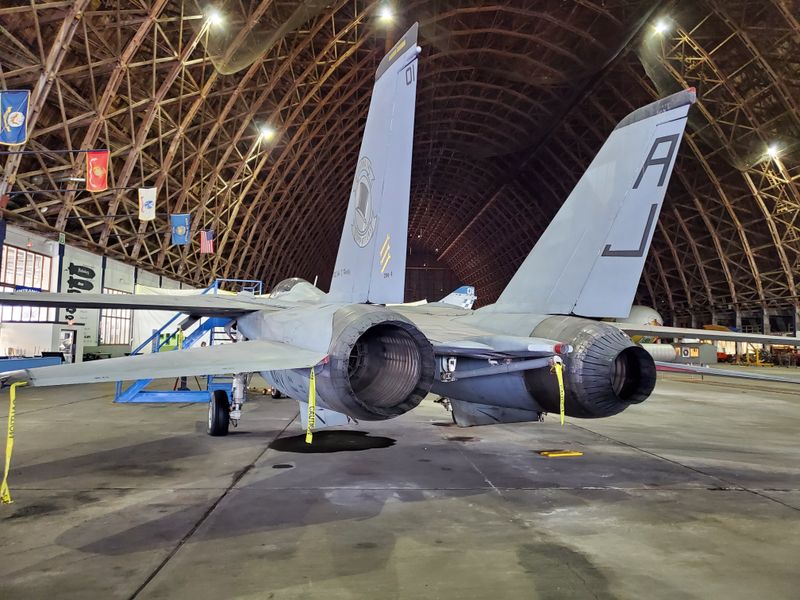
Top Gun fans, this one’s for you. Tillamook Air Museum houses one of the actual F-14 Tomcats used in the iconic 1986 film.
I’m not exaggerating when I say people literally squeal when they spot it. This sleek, powerful jet sits proudly on display, and you can get up close to admire every rivet and panel.
The F-14 Tomcat was the Navy’s go-to fighter for decades, known for its swing-wing design and blistering speed. Seeing one in person, especially one with Hollywood pedigree, feels surreal.
I circled it about five times, snapping photos from every angle and geeking out over the twin tail fins and cockpit design.
Even if you’re not a military aviation buff, the sheer presence of this jet commands attention. It’s a piece of cinematic and military history rolled into one, and the museum does a fantastic job presenting it with context and care.
You’ll walk away humming “Danger Zone” and feeling like Maverick for at least a day. Trust me, it’s a highlight you won’t forget anytime soon.
Explore the Aero-Spacelines Mini-Guppy
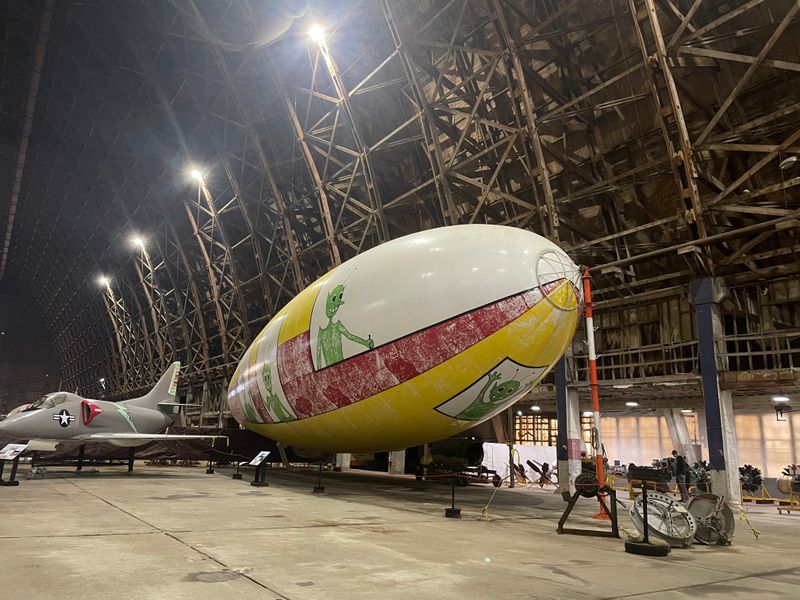
Okay, let’s talk about the weirdest, coolest plane in the hangar. The Aero-Spacelines Mini-Guppy looks like someone inflated a regular aircraft with a bicycle pump and forgot to stop.
This bulbous, oddly-shaped cargo plane was designed to haul oversized aerospace components, and it’s absolutely bizarre in the best possible way.
I couldn’t stop staring at it. The fuselage is so comically swollen that it almost doesn’t look real.
But this quirky bird played a crucial role in transporting rocket parts and other massive equipment during the space race era. Walking around it, you can appreciate the ingenuity required to make something so ungainly actually fly.
The Mini-Guppy is a conversation starter, and kids especially love it because it looks like a cartoon character come to life. The museum provides detailed information about its history and missions, which adds depth to the visual spectacle.
It’s one of those exhibits where you snap a photo, laugh a little, and then realize you’re looking at a legitimate piece of aerospace engineering history. Totally worth the visit.
Handcrafted WWII Battle Dioramas
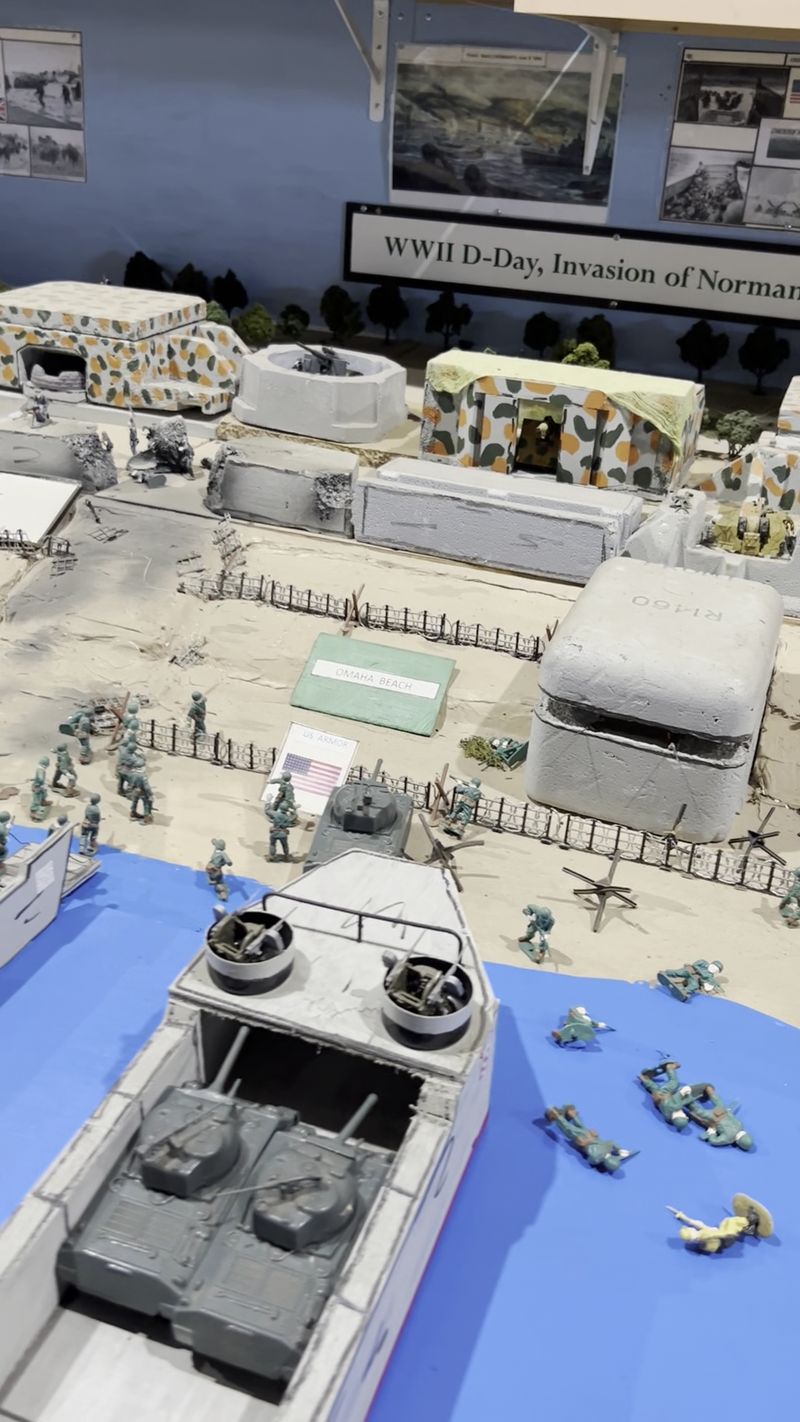
Tucked inside the museum is a collection of incredibly detailed, handcrafted model dioramas depicting major WWII battles. These aren’t your average hobby-shop models.
They’re intricate, painstakingly accurate recreations made by a dedicated artist over the course of decades. I spent way longer than expected crouched down, studying tiny ships, soldiers, and landscapes.
Each diorama captures a specific moment in history, from Pacific naval battles to European land campaigns. The level of detail is astonishing.
You can see individual sailors on deck, smoke rising from guns, and terrain features that transport you right into the scene. My son, who usually zones out at museums, was glued to these displays, asking questions and pointing out details I’d missed.
What makes these dioramas special is the obvious love and dedication poured into them. They’re a gift to the museum and to visitors, offering a tangible, visual way to understand the scope and complexity of WWII battles.
It’s educational, moving, and surprisingly engaging for all ages. Don’t rush past this exhibit because it’s truly a hidden gem within the hangar.
Walk Through a Vintage TWA Passenger Plane
Step aboard a genuine 1970s TWA passenger plane segment and experience air travel from a bygone era. This isn’t just a static display.
You actually walk through the cabin, sit in the seats, and soak up the retro vibes. I half-expected a flight attendant in a polyester uniform to offer me a complimentary soda and peanuts.
The interior is a time capsule. The seats, overhead bins, carpeting, and even the color schemes scream vintage glamour.
Air travel back then felt more like an event, and this exhibit captures that nostalgia beautifully. My mom got misty-eyed reminiscing about her first flight, and I couldn’t stop snapping photos of the groovy design details.
It’s a fun, lighthearted contrast to the military aircraft dominating the rest of the hangar. Plus, it’s a great spot for kids to pretend they’re jetting off to some exotic destination.
The museum does a wonderful job mixing different aviation eras and purposes, and this TWA segment is a delightful surprise. Seriously, don’t skip it even if you’re here mainly for the warbirds.
Interactive Play Area for Little Aviators
Traveling with toddlers or young kids? The museum has you covered with a dedicated interactive play area designed specifically for the littlest visitors.
I watched my friend’s two-year-old daughter spend a solid half-hour here, completely entertained while the adults caught their breath and explored nearby exhibits.
The play zone includes kid-sized cockpit simulators, aviation-themed toys, and safe climbing structures. It’s thoughtfully designed to keep young children engaged without overwhelming them.
Parents can relax knowing their kids are having fun in a secure, age-appropriate space. Honestly, this feature alone makes the museum incredibly family-friendly.
Too often, museums cater exclusively to older kids and adults, leaving toddlers bored and cranky. Tillamook Air Museum breaks that mold by recognizing that families come in all ages and stages.
The play area is clean, well-maintained, and strategically located so parents can supervise while still enjoying the museum. It’s a small touch that makes a huge difference, especially on a long day of exploring Oregon’s coast.
Kudos to the museum for thinking ahead.
Vintage Tractors and Locomotives on Display
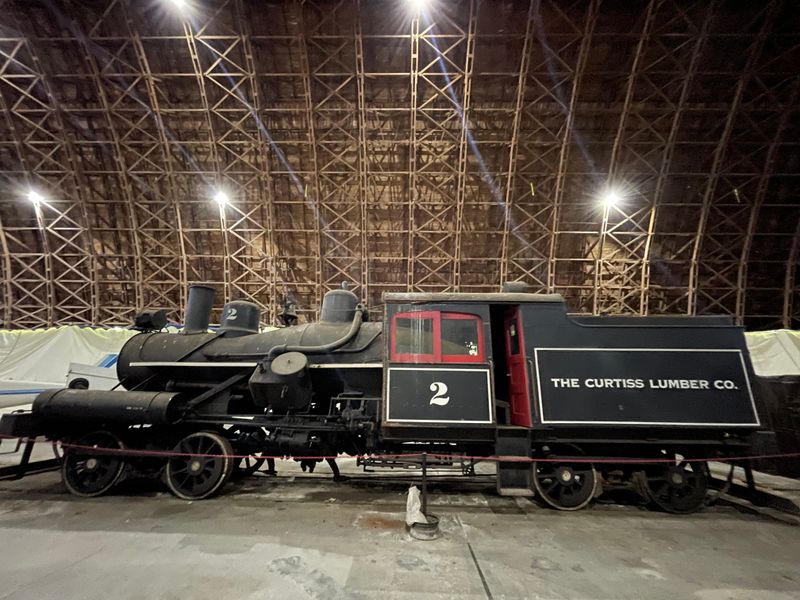
Aviation isn’t the only story here. Scattered throughout the hangar, you’ll find vintage tractors and even old locomotives that once served the naval air station.
These machines provide a fascinating glimpse into the ground operations and logistics that kept the base running during WWII and beyond.
I’m a sucker for old machinery, and these tractors are beautifully preserved. Their paint, decals, and mechanical details tell stories of hard work and ingenuity.
The locomotives, too, are impressive relics from an era when rail transport was critical to military operations. Walking around them, you get a fuller picture of what daily life was like at this massive facility.
These exhibits might not grab headlines like the fighter jets, but they add depth and context to the overall experience. They remind you that war efforts involved countless people and machines working behind the scenes.
Plus, they’re just plain cool to look at, especially if you appreciate industrial design and history. Take a few minutes to explore these underrated gems because they’re worth your attention.
Watch the Hangar History Film
Before you dive into exploring the aircraft and exhibits, make time to watch the short documentary film about the hangar’s history. Trust me on this one.
The film is well-produced, engaging, and provides crucial context that enriches everything else you’ll see. I almost skipped it because I was eager to see the planes, but I’m so glad I didn’t.
The documentary covers the construction of both Hangar A and Hangar B, their role during WWII, and the tragic fire that destroyed Hangar A in 1992. Hearing firsthand accounts and seeing archival footage brings the hangar’s story to life in a powerful way.
You’ll understand the scale of the engineering challenge, the urgency of the wartime mission, and the community’s efforts to preserve this landmark.
Watching the film first gives you a deeper appreciation for the space you’re standing in. Suddenly, the hangar isn’t just a big building.
It’s a survivor, a monument, and a testament to human ingenuity and perseverance. The theater is comfortable, and the film runs about 15 minutes, so it’s a quick but valuable investment of your time.
Grab a Bite at the Hangar Café
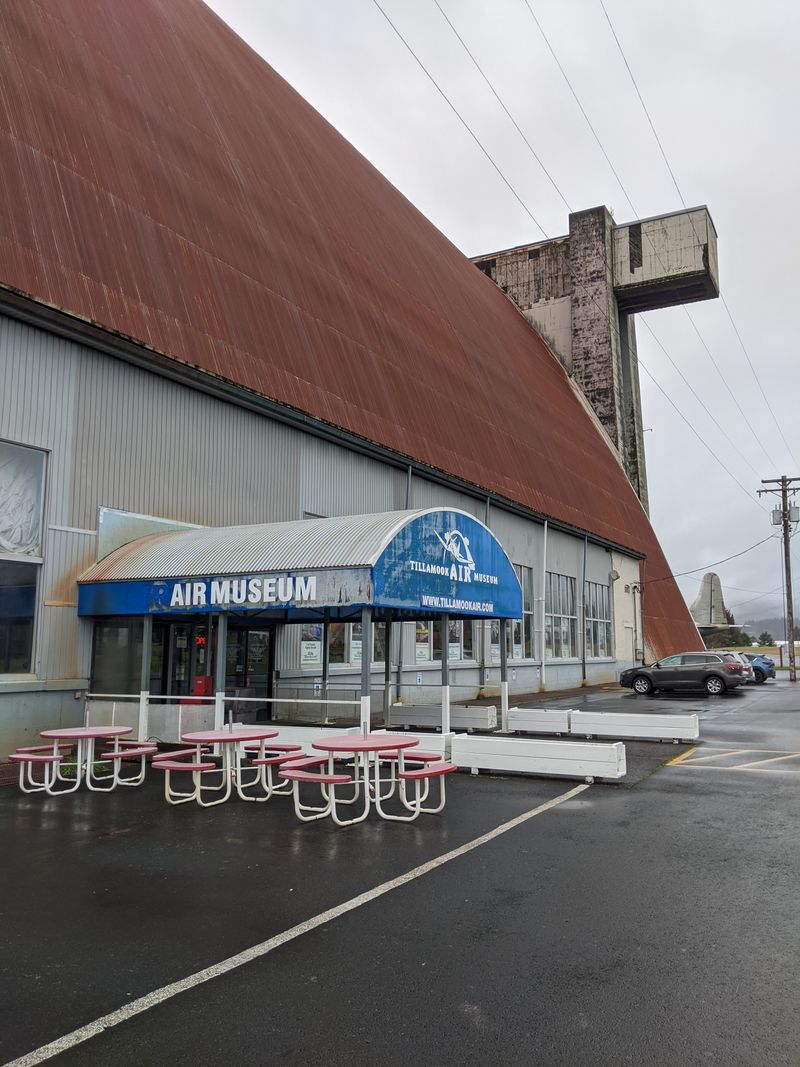
After hours of exploring, you’ll probably need a snack or a full meal. Lucky for you, the museum has an on-site café right inside the hangar.
Eating lunch surrounded by vintage warbirds and towering wooden beams is an experience you won’t get anywhere else. I grabbed a sandwich and sat near the F-14, feeling like the coolest person alive.
The café menu is straightforward: sandwiches, snacks, drinks, and a few kid-friendly options. Nothing fancy, but everything is fresh and reasonably priced.
The staff are friendly, and the seating area is comfortable with great views of the aircraft. It’s the perfect spot to recharge before tackling the rest of the exhibits.
There’s also a well-stocked gift shop adjacent to the café where you can pick up aviation-themed souvenirs, books, model kits, and apparel. I snagged a vintage-style poster and a model F-14 for my nephew.
Supporting the museum through purchases feels good, and the merchandise is actually cool, not cheesy tourist junk. Fuel up, shop a bit, and then get back to exploring this incredible place.
Dear Reader: This page may contain affiliate links which may earn a commission if you click through and make a purchase. Our independent journalism is not influenced by any advertiser or commercial initiative unless it is clearly marked as sponsored content. As travel products change, please be sure to reconfirm all details and stay up to date with current events to ensure a safe and successful trip.
