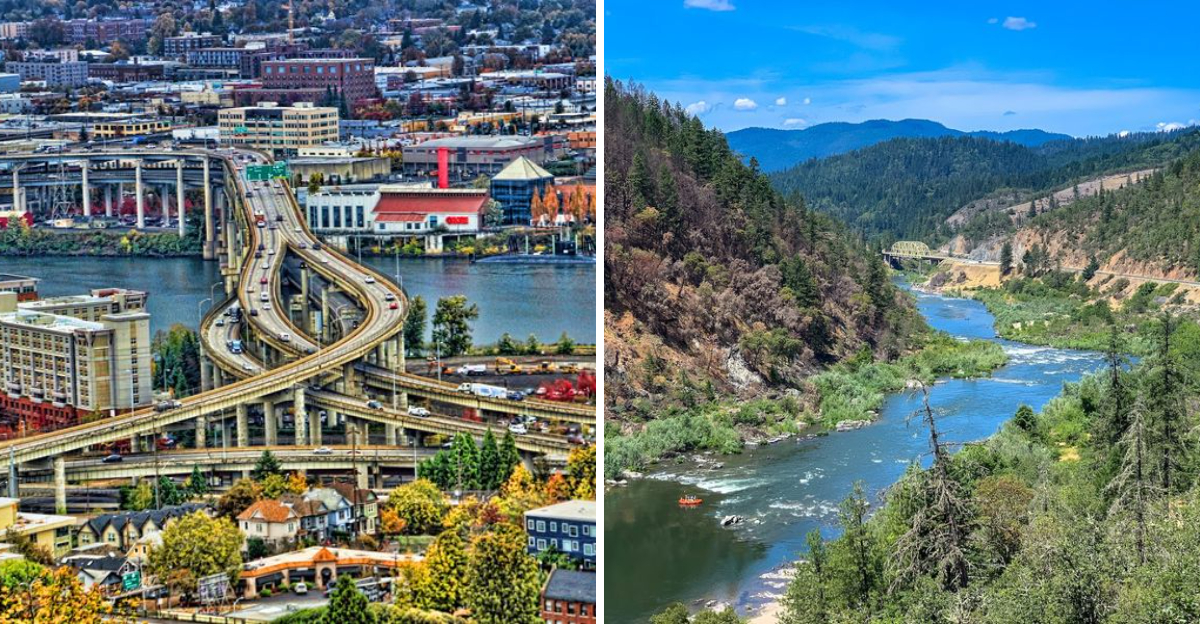
The welcome mat is still there, but fewer people are stepping through the front door. The biggest culprit is the skyrocketing cost of living that has turned homeownership into a financial challenge, with housing costs now eating up nearly twenty percent of the median income.
The issues do not stop at affordability. The report also points to higher crime rates and sluggish job growth, with unemployment sitting at nearly five percent and job growth lagging since 2019.
For many families, the math simply does not add up anymore. Oregon is still breathtakingly beautiful, but the fantasy of a cozy cabin collides with the reality of rising rent and utility bills.
The suburbs are becoming unaffordable too, with home prices climbing year after year. It is a tough cycle, and for many, the only option is to pack up and head for cheaper pastures.
Oregon may be stunning, but for those trying to build a future, the cost has become too high.
The High Cost of Living Is Hitting Hard

Grocery runs in Oregon have started feeling like a small financial event. Prices on everyday items have climbed steadily over the past few years.
Many residents are noticing the squeeze more than ever before.
Housing costs have pushed many working families further from city centers. Portland, in particular, has seen rental prices rise to levels that feel out of reach for average earners.
Even smaller towns like Bend and Eugene are not immune to this pressure.
ConsumerAffairs, which ranked Oregon near the bottom for 2026 moves, pointed to affordability as a major concern. Cost of living was one of the heaviest factors pulling Oregon’s score down.
For anyone thinking about relocating here, budgeting carefully is not optional. Utilities, groceries, and transportation add up fast in this state.
The financial picture is something every potential mover should look at honestly.
Oregon’s Housing Market Remains Fiercely Competitive
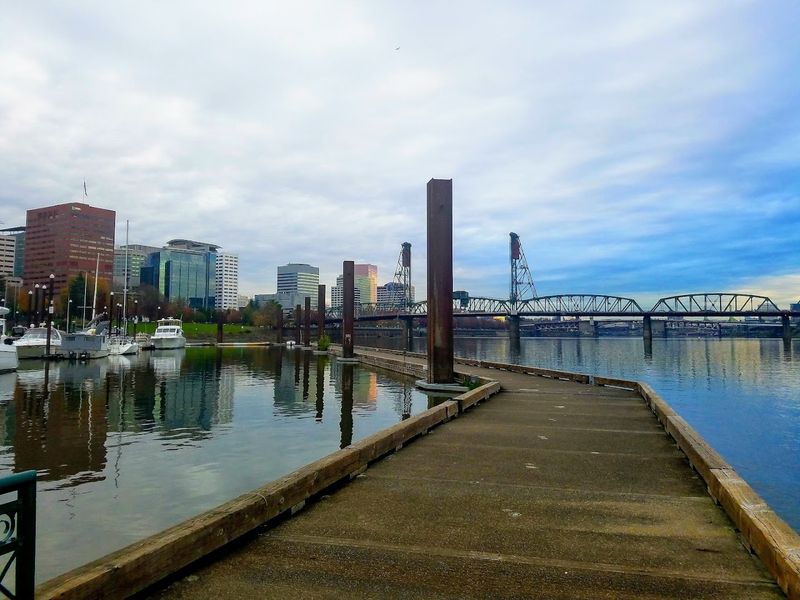
Finding a home in Oregon right now feels like running a race with no clear finish line. Inventory stays low while demand keeps pushing prices upward.
Buyers often find themselves outbid before they even get comfortable with a listing.
Portland’s metro area has some of the tightest housing conditions in the Pacific Northwest. Even fixer-uppers in outer neighborhoods carry price tags that surprise newcomers.
The gap between what people earn and what homes cost has widened significantly.
Renters are not having an easier time either. Vacancy rates in many Oregon cities hover at frustratingly low levels.
Landlords have little pressure to keep rents reasonable when demand stays this strong.
ConsumerAffairs flagged housing availability as one of Oregon’s weak points in its 2026 state rankings. The data paints a picture that is hard to ignore for anyone planning a move.
Researching neighborhoods thoroughly before committing to Oregon is genuinely important right now.
Property Taxes and State Income Tax Add Up
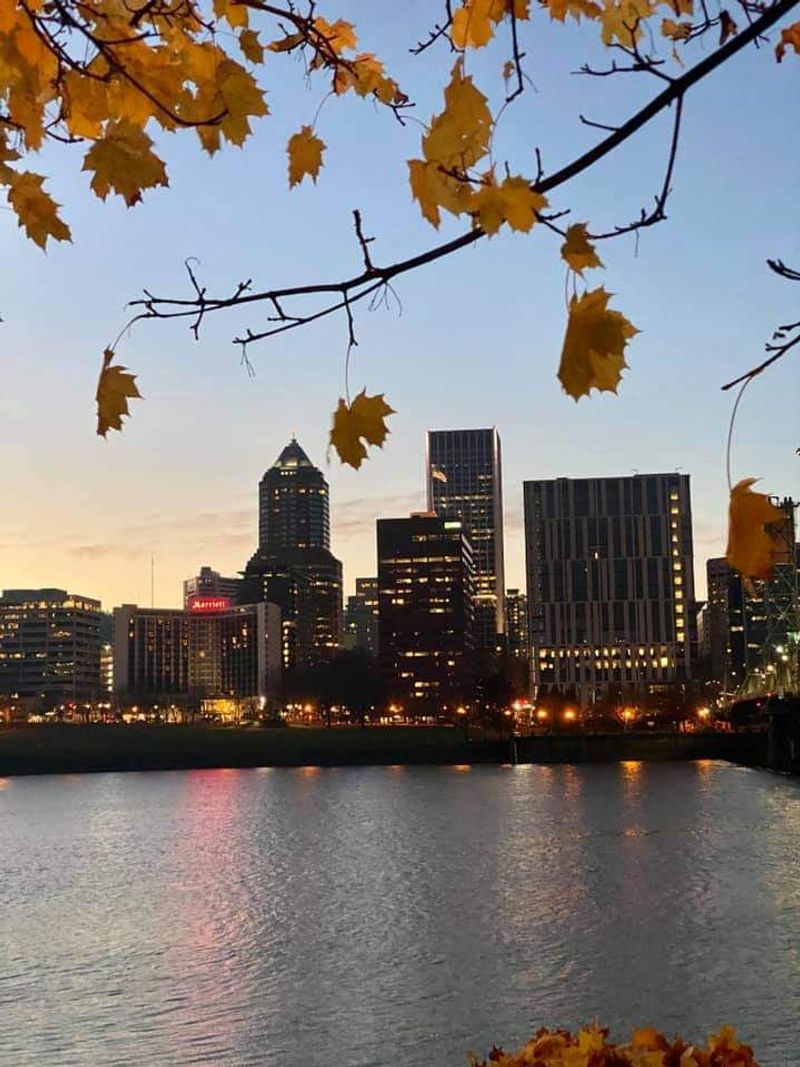
Oregon operates without a sales tax, which sounds great at first glance. But the state makes up for it in other ways that residents feel deeply.
Income taxes here rank among the highest in the entire country.
The top marginal income tax rate in Oregon sits at a level that surprises many newcomers. Middle-income earners are not spared either, as the brackets kick in at relatively modest income levels.
This is something worth calculating carefully before signing any lease or purchase agreement.
Property taxes vary by county but can still add meaningful pressure to a household budget. Homeowners in the Portland metro area often report tax bills that feel steep compared to neighboring states.
Combined with high housing costs, the tax burden becomes a real conversation.
The ConsumerAffairs ranking at https://www.consumeraffairs.com/movers/#editorial factored in tax environment when scoring states. Oregon’s overall tax picture contributed to its lower placement in the 2026 results.
Running the numbers before moving here is genuinely worth your time.
Homelessness and Urban Challenges Are Visible
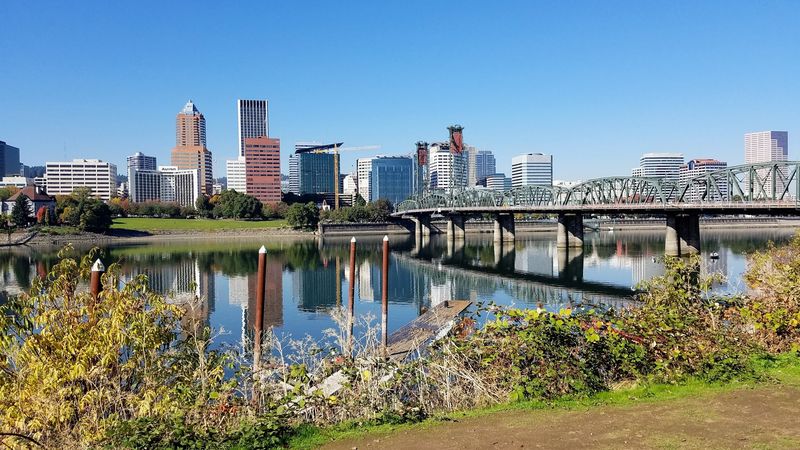
Walking through parts of Portland, the scale of homelessness becomes immediately clear. Tent encampments appear near overpasses, parks, and commercial corridors throughout the city.
It is one of the most visible signs of a broader social challenge Oregon has been wrestling with for years.
Oregon made national headlines when it decriminalized small amounts of certain substances in 2020. The policy aimed to shift focus toward treatment rather than punishment.
Results have been mixed, and the conversation around it has grown complicated in the years since.
City leaders have been working on new approaches to address street-level challenges. Shelters, housing programs, and outreach teams are active across multiple Oregon cities.
Progress is happening, but it moves slowly against the scale of the problem.
For potential movers, especially families, this is something worth understanding before arrival. Certain neighborhoods feel very different from others within the same city.
Doing neighborhood-level research gives a much clearer picture than city-wide statistics alone can offer.
The Job Market Has Become Increasingly Unpredictable
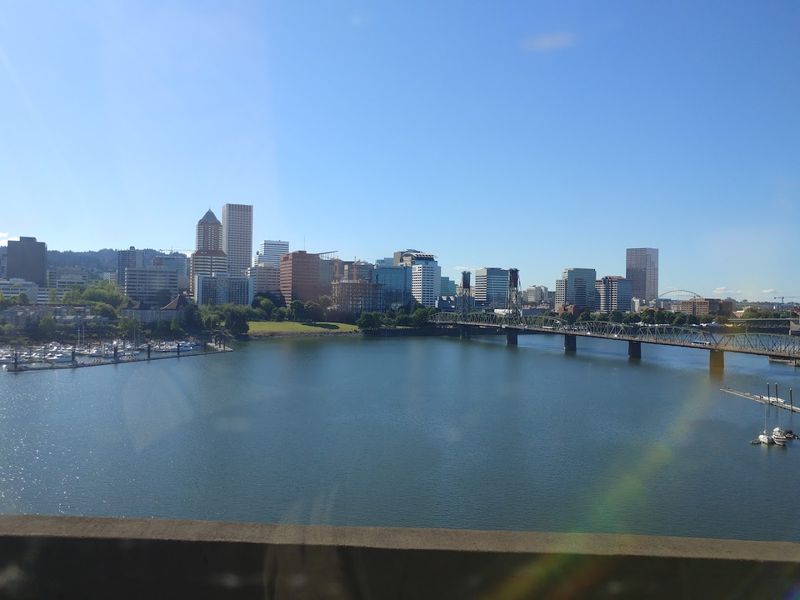
Oregon’s economy has historically leaned on timber, agriculture, and technology sectors. But shifts in those industries have created an uneven job landscape in recent years.
Tech layoffs that rippled through the Pacific Northwest hit Oregon workers noticeably hard.
Portland once attracted a wave of remote workers and startup founders seeking affordability relative to San Francisco. That gap has narrowed considerably, making the value proposition less obvious.
Some companies that set up operations here have since scaled back or relocated.
Rural Oregon faces a different version of the same challenge. Timber-dependent communities have seen decades of economic restructuring.
Younger residents often leave for cities, which creates a cycle that is hard for small towns to break.
ConsumerAffairs weighed employment opportunity and economic stability when building its 2026 rankings. Oregon’s job market inconsistency was part of what pushed its score lower.
Anyone job-hunting in Oregon should research specific industries and regions carefully before making the move.
Wildfire Risk Is a Year-Round Reality
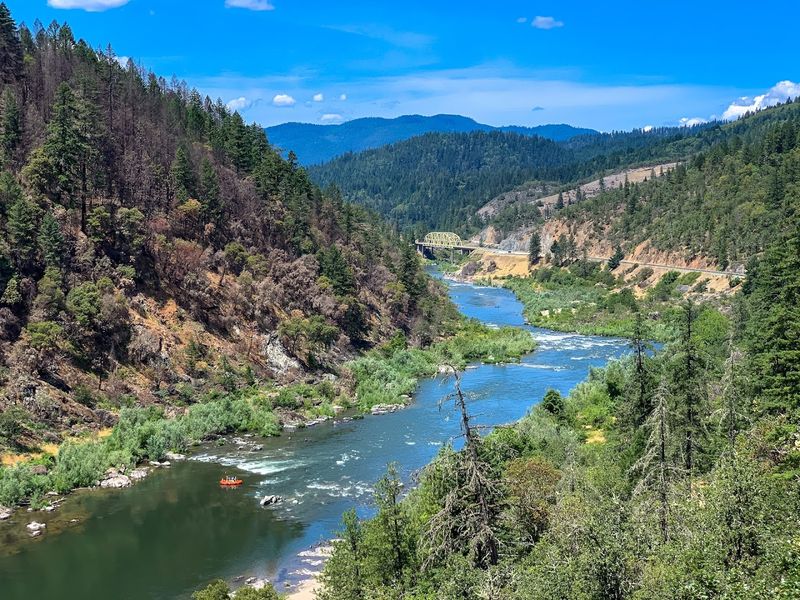
Oregon’s forests are breathtaking until they are not. Wildfire season has extended well beyond the traditional summer months in recent years.
Smoke fills valleys, air quality plummets, and evacuation orders have become a familiar headline.
The 2020 Labor Day fires were among the most destructive in Oregon’s recorded history. Entire communities were displaced in a matter of hours.
The emotional and financial toll on affected families was enormous and lasting.
Insurance companies have started reassessing coverage in high-risk fire zones across the state. Some homeowners have found policies canceled or premiums raised dramatically.
This adds another layer of financial uncertainty to an already complicated housing situation.
Outdoor enthusiasts who love Oregon’s landscapes need to factor in this reality. Smoke season can make hiking, camping, and outdoor recreation uncomfortable or even unsafe.
Planning around air quality forecasts has become a routine part of Oregon life for many residents who live here year-round.
Oregon’s Infrastructure Needs Serious Attention
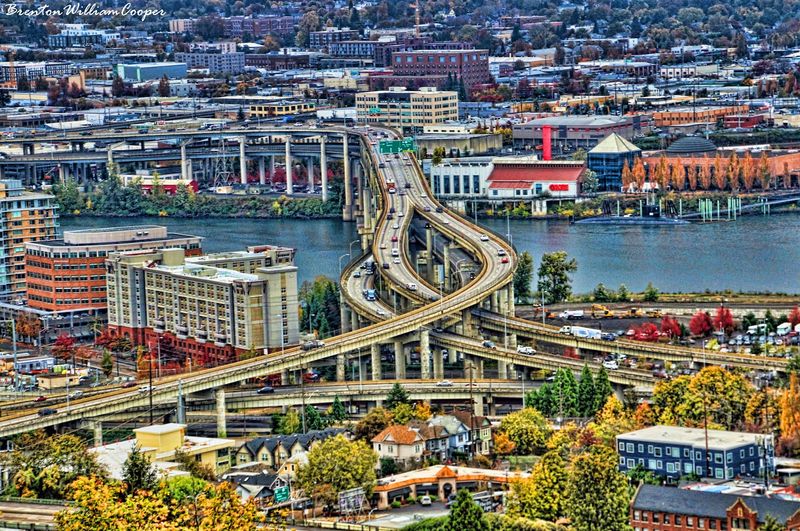
Driving through some Oregon neighborhoods, you notice the roads before anything else. Potholes, cracked pavement, and aging bridges are common across many parts of the state.
It is not exactly the polished Pacific Northwest picture that relocation brochures tend to show.
Public transportation outside of Portland is limited in ways that surprise newcomers. Car ownership is essentially mandatory in most Oregon cities and rural areas.
Even in Portland, the MAX light rail system has faced challenges related to ridership and safety perception.
Internet connectivity is another infrastructure gap worth noting. Rural Oregon communities often deal with slow or unreliable broadband service.
For remote workers who assumed Oregon would be seamlessly connected, this can be a frustrating discovery.
The ConsumerAffairs ranking at https://www.consumeraffairs.com/movers/#editorial considered infrastructure quality as part of its state-by-state evaluation. Oregon’s scores in this category reflected real gaps that residents experience daily.
Understanding what the infrastructure actually looks like in your target city matters before committing to a move.
Education Rankings Leave Room for Improvement
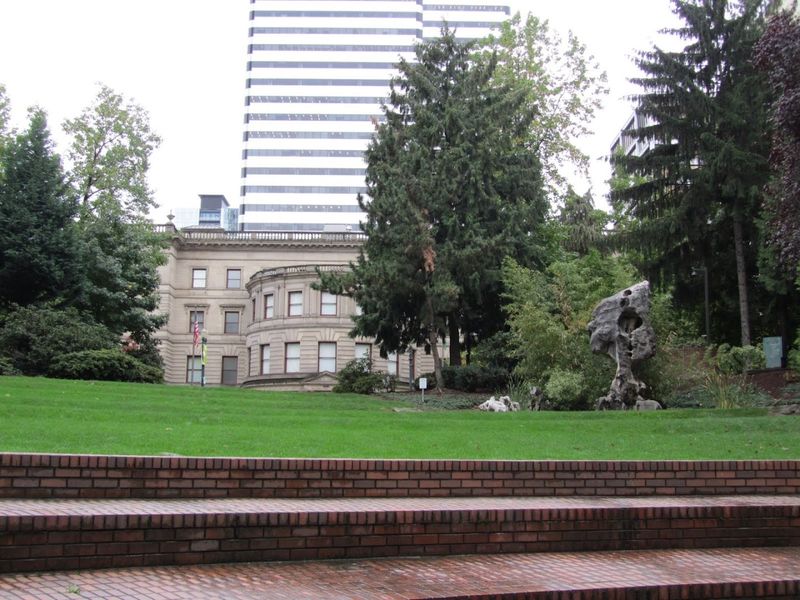
Oregon’s public education system carries a complicated reputation. The state has historically struggled with graduation rates that fall below the national average.
That gap has been a concern for families with school-age children considering a move here.
Funding disparities between wealthier and lower-income school districts create uneven experiences for students. Some districts offer strong programs and well-maintained facilities.
Others operate with tight budgets that limit what teachers can realistically provide.
Higher education in Oregon tells a brighter story in certain areas. The University of Oregon and Oregon State University are respected institutions with strong programs.
Community college options are also accessible across many parts of the state.
Still, for families prioritizing K-12 quality, doing careful research by district is essential. School performance data varies widely depending on the city and neighborhood you are considering.
ConsumerAffairs factored education outcomes into its 2026 state rankings, and Oregon’s numbers reflected areas where improvement is still needed and ongoing.
Mental Health and Healthcare Access Are Strained
Oregon has one of the highest rates of mental health need in the United States. At the same time, access to mental health professionals has not kept pace with that demand.
The gap between need and availability is something residents talk about openly and often.
Rural communities face the sharpest shortage of healthcare providers. Some counties have very few primary care physicians relative to their populations.
Driving long distances for routine medical appointments is a common experience outside of major cities.
Even in Portland, wait times for specialists and mental health providers can stretch for weeks. The healthcare system here is working under significant pressure.
Advocates and state officials have been pushing for expanded access, but change takes time to reach people who need it.
For movers with ongoing medical needs or families with children requiring specialized care, this is a practical consideration. Verifying what services are available in your target Oregon location before moving is a smart step.
Healthcare access quality varies enormously depending on where you land in the state.
Oregon Still Has Real Magic Worth Knowing About

After everything on this list, it feels important to say something honest about what Oregon actually gets right. Crater Lake is one of the most visually stunning places I have ever seen.
The deep blue water sitting inside that ancient volcanic caldera does not look real at first glance.
The Oregon Coast stretches for nearly 363 miles of publicly accessible shoreline. Tide pools, sea stacks, and dramatic cliffs make it genuinely unlike anywhere else on the West Coast.
Towns like Cannon Beach and Astoria carry a character that feels earned rather than manufactured.
Portland’s food scene, independent bookstores, and creative neighborhoods still attract people who value that kind of culture. The city has real energy and personality that is hard to replicate.
Powell’s Books alone is worth a visit just to understand what makes Oregon different.
Oregon’s challenges are real and documented, but so is its beauty and its spirit. Anyone considering a move here deserves the full picture, not just the ranking number.
