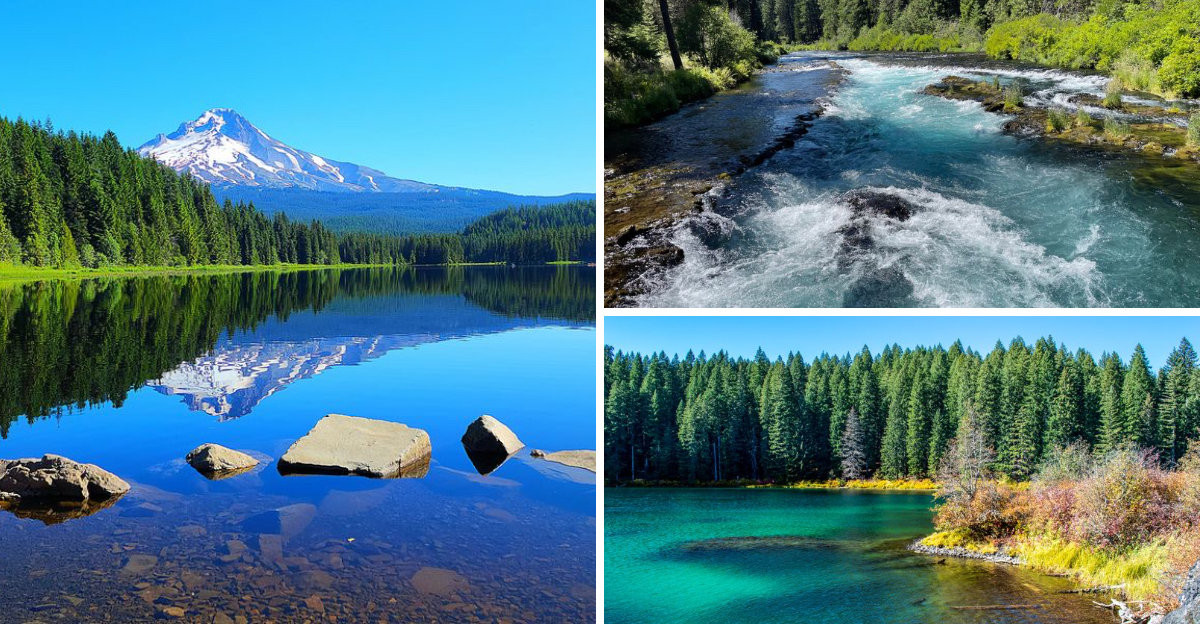
Oregon holds some of the most serene waterways in the Pacific Northwest, where calm surfaces reflect towering pines and rugged cliffs frame quiet shorelines.
From alpine lakes nestled in volcanic craters to winding rivers that carve through ancient forests, these destinations offer a refuge from the noise of everyday life.
Whether you arrive by kayak, hiking trail, or scenic pullout, each spot provides a chance to reconnect with nature in a setting that feels untouched and timeless.
Here are ten Oregon lakes and rivers that draw visitors seeking tranquility and natural beauty.
1. Crater Lake
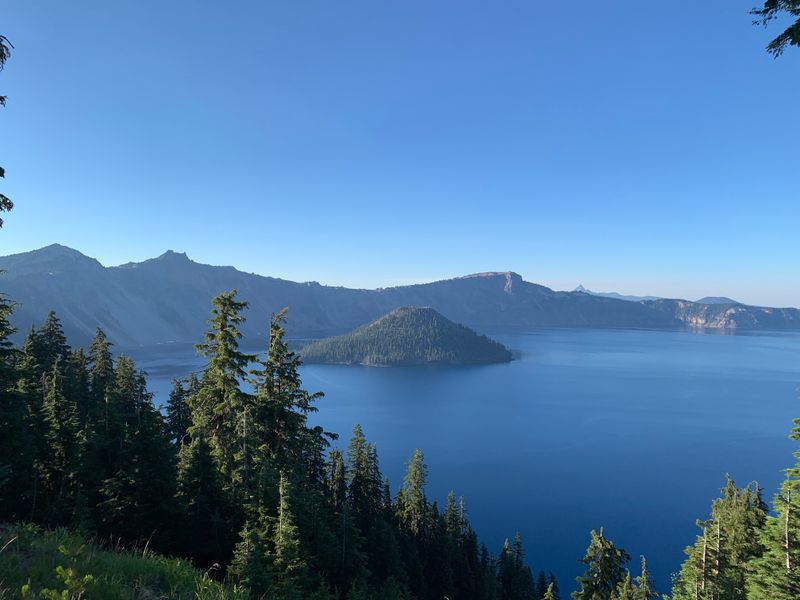
Formed nearly eight thousand years ago after a volcanic eruption, Crater Lake sits within the caldera of Mount Mazama and holds the title of deepest lake in the United States.
Its water reaches depths of nearly two thousand feet, creating a shade of blue so vivid it seems almost unreal.
The lake receives no inflow from streams or rivers, relying entirely on rain and snowmelt, which keeps the water exceptionally pure and clear.
Visitors can walk along the Rim Drive, a scenic route that circles the entire lake and offers overlooks at nearly every turn.
Wizard Island rises from the center of the lake, a volcanic cinder cone that can be reached by boat tour during summer months.
Hiking trails wind through old-growth forests and open meadows filled with wildflowers in late spring.
Snow blankets the area from late fall through early summer, transforming the landscape into a winter wonderland popular with cross-country skiers.
The park remains open year-round, though access to certain areas depends on weather and road conditions.
Photographers flock here for sunrise and sunset, when light paints the cliffs in shades of gold and crimson.
Wildlife sightings include eagles, deer, and marmots along the trails.
The stillness of the water and the absence of development around the rim create an atmosphere of quiet reflection.
Few places in Oregon offer such a combination of dramatic geology and peaceful solitude.
Whether gazing from the rim or joining a permitted boat tour on the lake, the experience feels both humbling and restorative.
2. Sparks Lake
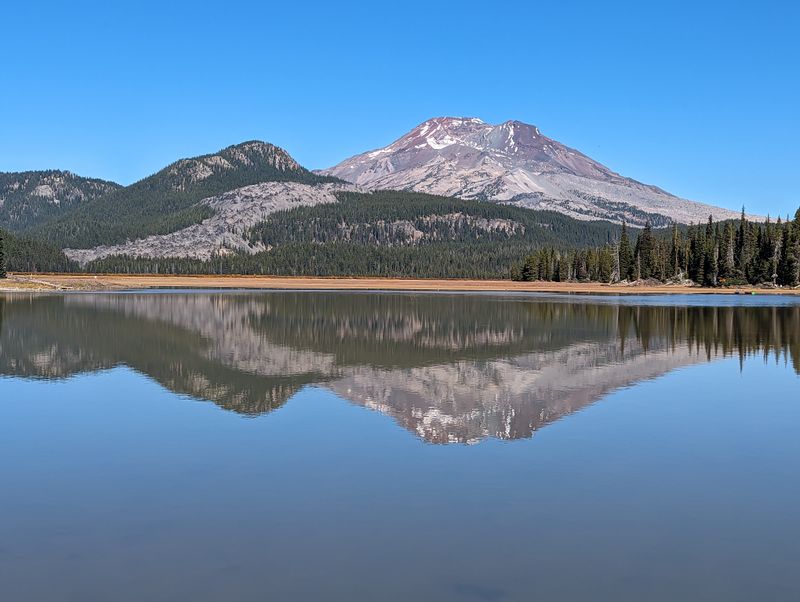
Nestled in the Central Oregon Cascades, Sparks Lake spreads across a landscape shaped by ancient lava flows that give the shoreline a rugged, otherworldly appearance.
The lake remains relatively shallow, with water levels rising and falling throughout the year depending on snowmelt.
South Sister towers above the western shore, and on windless mornings, the mountain mirrors perfectly across the glassy surface.
Paddlers favor this spot for its calm conditions and easy access from the Cascade Lakes Scenic Byway.
Canoes and kayaks glide over submerged lava formations visible just beneath the water, creating a surreal paddling experience.
The surrounding forest consists of lodgepole pine and mountain hemlock, with open meadows dotted with lupine and paintbrush in summer.
Because the lake sits at higher elevation, snow lingers into late spring, and the season for water activities runs shorter than at lower elevations.
Anglers visit for brook trout, though fishing remains catch and release only.
The area sees fewer crowds than nearby lakes, making it ideal for those seeking solitude.
Sunrise brings a soft pink glow to the peaks, while sunset casts long shadows across the lava fields.
Campsites near the lake fill quickly on summer weekends, so early arrival increases the chance of securing a spot.
Trails around the lake connect to longer routes leading deeper into the Three Sisters Wilderness.
The combination of volcanic terrain and alpine beauty makes Sparks Lake a distinctive destination in Oregon.
3. Metolius River
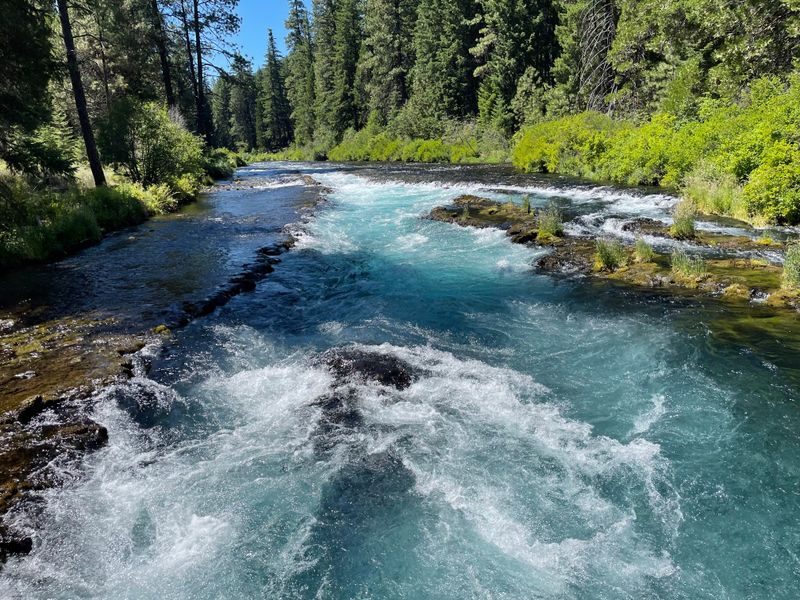
Emerging fully formed from underground springs at the base of Black Butte, the Metolius River flows cold and clear through Central Oregon without the gradual buildup most rivers experience.
The water maintains a constant temperature year-round, creating ideal conditions for rainbow and bull trout.
Ponderosa pines line the banks, their orange bark glowing in afternoon light, while the river runs a brilliant turquoise that contrasts sharply with the surrounding forest.
Anglers wade into the current with fly rods, practicing catch and release in waters protected by strict conservation regulations.
The river corridor remains roadless in many sections, preserving a sense of wilderness despite its proximity to campgrounds and resorts.
Hiking trails follow the river for miles, offering views of rapids, deep pools, and quiet stretches where the water barely seems to move.
Wildlife includes ospreys diving for fish, deer grazing in riverside meadows, and occasional black bears foraging near the water.
Camping options range from developed sites with amenities to more primitive spots tucked into the forest.
The area attracts photographers drawn to the interplay of light, water, and forest, especially during golden hour.
Floating the river is limited and discouraged in many sections, and visitors should be aware of submerged logs and shallow areas where boating is unsafe.
The sound of rushing water fills the air, creating a natural soundtrack that drowns out all other noise.
Families gather along the banks for picnics, while solo visitors find quiet spots to read or simply watch the current.
The Metolius offers a rare combination of accessibility and pristine beauty in the state of Oregon.
4. Wallowa Lake
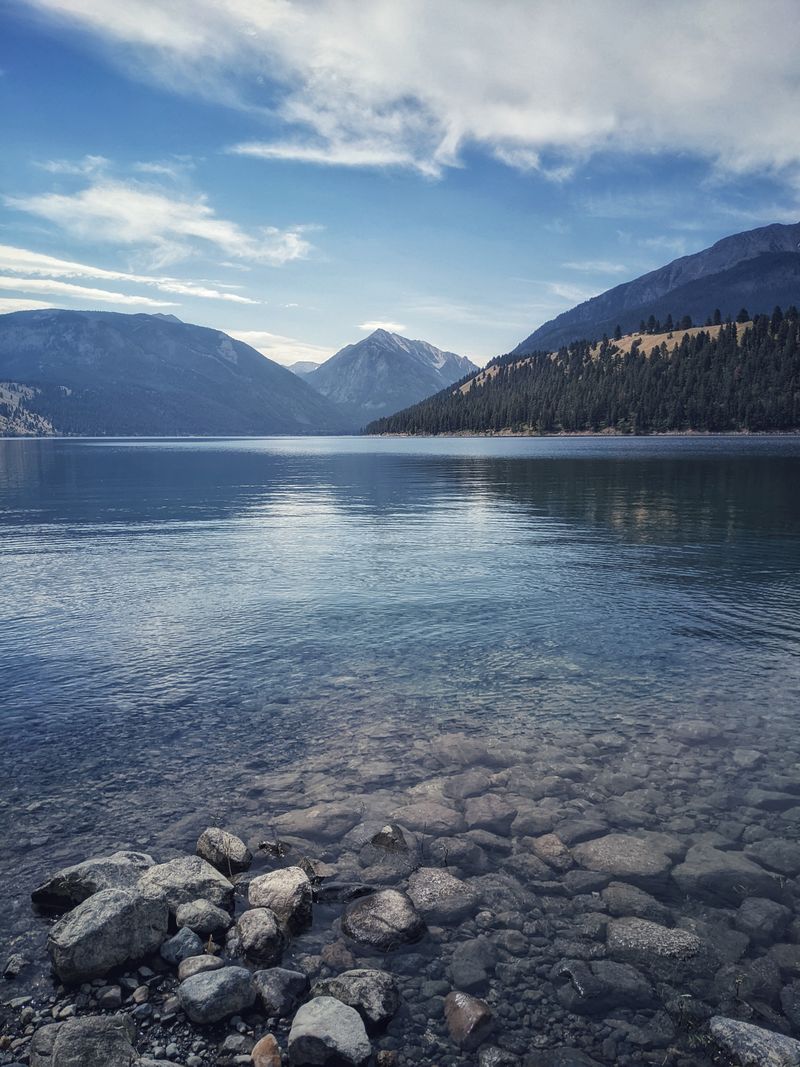
Carved by glaciers thousands of years ago, Wallowa Lake stretches for four miles at the base of the Wallowa Mountains in northeastern Oregon.
The lake sits at the end of a narrow valley, with peaks rising steeply on three sides and creating a dramatic backdrop visible from nearly every vantage point.
Glacial sediment gives the water a distinctive milky hue in spring, but by midsummer it clears to reveal depths exceeding three hundred feet.
A tramway carries visitors from the south shore to the summit of Mount Howard, where panoramic views extend across the Eagle Cap Wilderness.
The town of Joseph sits a few miles north, known for bronze sculptures and galleries featuring Western art.
Boating, fishing, and swimming draw crowds during summer, while the surrounding trails offer access to alpine meadows and mountain lakes.
The lake freezes partially in winter, and the valley transforms into a snowy retreat popular with cross-country skiers.
Campgrounds along the shore provide easy access to the water, and cabins offer more comfortable lodging options.
Mornings bring a stillness to the lake, with mist rising from the surface and the mountains reflected in near-perfect symmetry.
Wildlife sightings include elk, bighorn sheep, and a variety of waterfowl.
The area holds cultural significance for the Nez Perce Tribe, whose history is woven into the landscape.
Visitors often describe the setting as one of the most beautiful in the Pacific Northwest.
The combination of glacial history, towering peaks, and clear water makes Wallowa Lake a standout destination.
5. McKenzie River
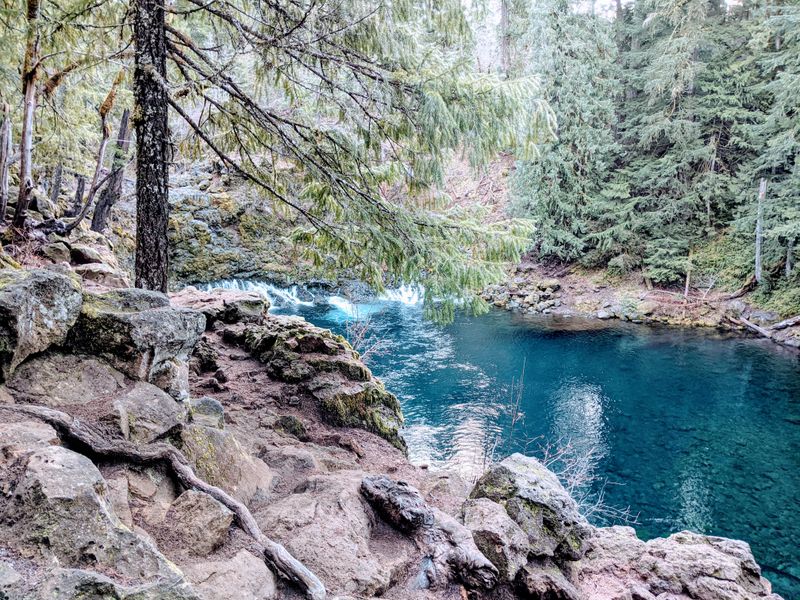
Flowing westward from the High Cascades, the McKenzie River cuts through dense forests and volcanic rock formations, creating a landscape defined by waterfalls, deep pools, and vibrant blue water.
The river originates from springs fed by snowmelt and underground aquifers, maintaining clarity and a distinctive color throughout the year.
Tamolitch Blue Pool, also known as the Blue Pool, sits along the upper McKenzie, where the river vanishes underground for several miles before reemerging in a sapphire basin surrounded by moss-covered cliffs.
Hiking trails follow the river for over twenty miles, passing Sahalie and Koosah Falls, two powerful cascades that thunder over ancient lava flows.
The McKenzie River Trail ranks among the most popular in Oregon, attracting hikers and mountain bikers who navigate the route through old-growth forests and across footbridges spanning side creeks.
Fly fishing remains a major draw, with the river supporting native rainbow trout and summer steelhead runs.
Hot springs dot the corridor, offering natural soaking spots after a day of hiking or paddling.
Rafting and kayaking provide adrenaline-filled ways to experience the river, with guided trips available for those unfamiliar with the rapids.
The surrounding area includes campgrounds, rustic lodges, and vacation rentals catering to visitors seeking longer stays.
Autumn brings brilliant foliage, with vine maples turning scarlet and bigleaf maples glowing gold against the evergreen backdrop.
The river remains accessible year-round, though winter storms occasionally close sections of the highway.
The combination of waterfalls, clear water, and forested trails creates an immersive natural experience.
6. Trillium Lake
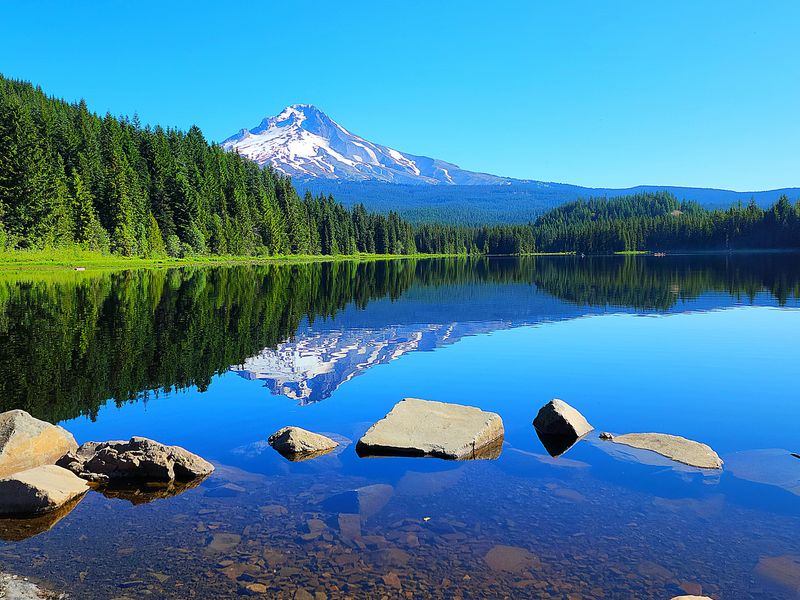
Mount Hood rises directly south of Trillium Lake, creating one of the most photographed scenes in the Pacific Northwest.
The lake sits just off Highway 26, making it easily accessible for day trips from Portland or longer stays at nearby campgrounds.
A paved loop trail circles the lake, offering views of the mountain from multiple angles and passing through forests of Douglas fir and western hemlock.
Families gather along the shore for picnics, while anglers cast lines for stocked rainbow trout from the bank or small boats.
The lake freezes in winter, transforming into a popular destination for snowshoeing and cross-country skiing.
Sunrise draws photographers who arrive in darkness to capture the alpenglow illuminating the peak and reflecting in the still water.
Wildflowers bloom in meadows around the lake during late spring, adding splashes of color to the landscape.
The area sees heavy use during summer weekends, but weekdays offer quieter conditions and easier parking.
Paddlers bring kayaks and canoes to explore the lake, which remains calm most days due to its sheltered location.
The surrounding forest provides habitat for deer, elk, and a variety of bird species.
Campgrounds near the lake fill quickly, so reservations are recommended for those planning overnight stays.
The short distance from Portland makes Trillium Lake a convenient escape for city dwellers seeking mountain scenery.
Whether visiting for a few hours or several days, the view of Mount Hood from the lake never loses its impact.
7. Smith Rock State Park and Crooked River
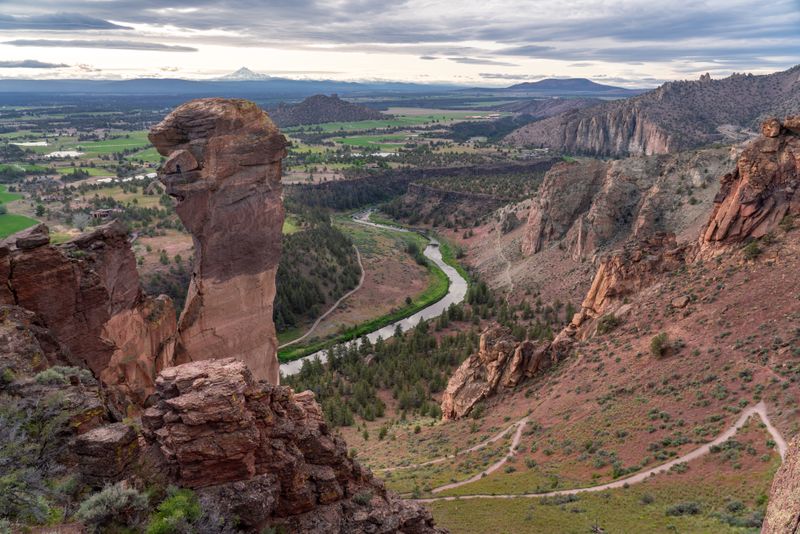
Cutting through the high desert of Central Oregon, the Crooked River winds past the towering rock formations of Smith Rock State Park, creating a striking contrast between the green ribbon of water and the arid landscape.
Rock climbers travel from around the world to scale the park’s vertical cliffs, while hikers follow trails that loop along the riverbank and climb to viewpoints overlooking the canyon.
The river supports a population of wild rainbow trout, and anglers wade into the current below the cliffs, casting to fish holding in deep pools and behind boulders.
The area receives far less rainfall than the western side of the state, resulting in sunny days and clear skies most of the year.
Sagebrush and juniper cover the hillsides, and wildflowers bloom briefly in spring before the heat of summer sets in.
Mountain biking is popular in surrounding areas outside the park, while Smith Rock itself is reserved for hiking, climbing, and river access.
Sunrise and sunset bring dramatic color shifts to the rock walls, with shades of orange, red, and gold intensifying as the light changes.
The river remains relatively shallow, making it accessible for wading and cooling off during hot summer afternoons.
Wildlife includes golden eagles, prairie falcons, and river otters that occasionally appear along the water.
Camping is available at nearby state parks, and the town of Terrebonne offers additional lodging and dining options.
The combination of desert scenery, rock formations, and flowing water creates a landscape unlike any other in Oregon.
Visitors often return repeatedly, drawn by the unique beauty and endless recreational opportunities.
8. Clear Lake
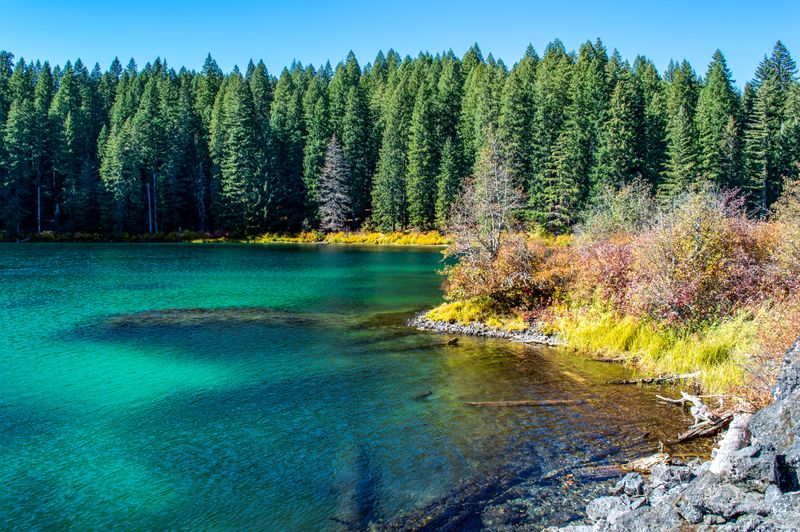
Fed entirely by springs that maintain a constant temperature of thirty-eight degrees, Clear Lake lives up to its name with water so transparent that submerged trees from an ancient forest remain visible on the lakebed.
These trees, preserved for thousands of years by the cold water, create an eerie and fascinating sight for paddlers who glide over them in canoes and kayaks.
The lake sits along the McKenzie River, serving as the headwaters for one of Oregon’s most scenic waterways.
A trail circles the lake, offering views through old-growth forest and across the water to the surrounding peaks.
The cold temperature discourages swimming, but the clarity makes it a favorite spot for photography and nature observation.
Rainbow trout thrive in the lake, and fly fishing from float tubes or small boats remains a popular activity.
The area stays relatively quiet even during peak summer months, as the lake’s size and remote location limit visitor numbers.
A historic resort on the shore provides cabins and boat rentals for those wanting to spend more time exploring.
Snow covers the area from late fall through spring, and the lake freezes partially, creating a serene winter landscape.
Wildlife includes ospreys, bald eagles, and deer that come to the water’s edge.
The submerged forest gives Clear Lake a unique character not found at other alpine lakes in the state.
Visitors often describe the experience as otherworldly, especially when peering down into the depths and seeing the ghostly shapes of ancient trees.
The combination of crystal-clear water, geological history, and peaceful surroundings makes this lake unforgettable.
9. Hosmer Lake
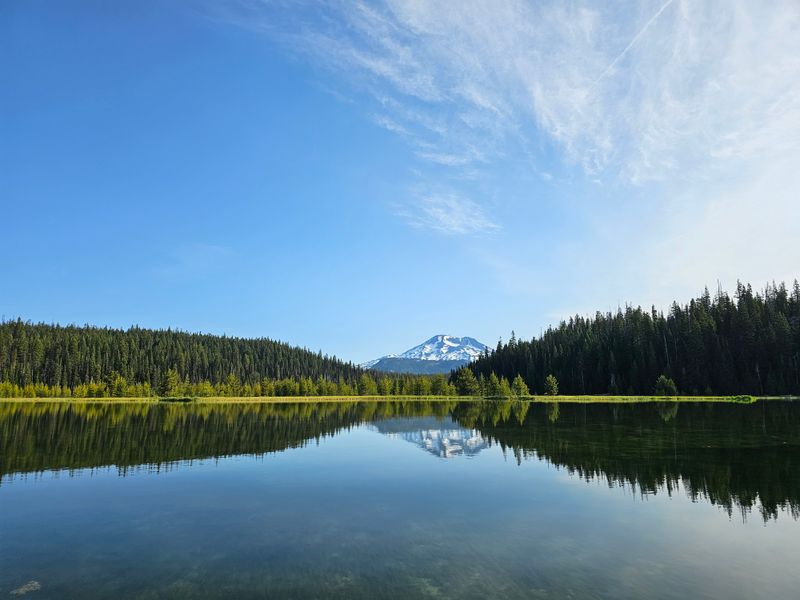
Tucked into the Cascade Lakes region, Hosmer Lake spreads across a shallow basin surrounded by lodgepole pine and mountain hemlock, with Mount Bachelor rising prominently to the west.
The lake remains closed to motorized boats, preserving a quiet atmosphere that appeals to paddlers and anglers seeking solitude.
Atlantic salmon, introduced decades ago, thrive in the lake’s cool waters and provide a unique catch-and-release fishery popular with fly fishers.
Lily pads cover portions of the lake, creating habitat for waterfowl and adding visual interest to the landscape.
The water stays calm most days, making it ideal for canoes and stand-up paddleboards.
Trails around the lake connect to longer routes leading into the wilderness, and the area serves as a gateway for backpackers heading deeper into the mountains.
Campsites near the shore offer basic amenities and easy access to the water, though facilities remain minimal to preserve the natural setting.
The lake sits at higher elevation, so the season for water activities runs shorter than at lower lakes, with snow lingering into June some years.
Sunrise brings mist rising from the water, and the stillness is broken only by the occasional splash of a fish or the call of a loon.
Photographers visit for the reflections of Mount Bachelor on the water, especially during early morning when wind is minimal.
The absence of motorized noise allows visitors to hear the natural sounds of the forest and water.
Wildlife sightings include beavers, otters, and a variety of bird species.
Hosmer Lake offers a peaceful escape for those willing to venture beyond the more crowded destinations in Oregon.
10. Deschutes River
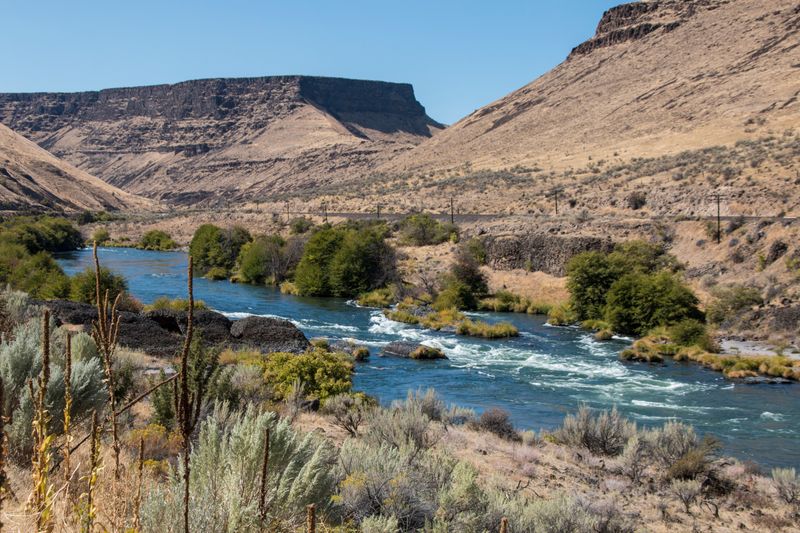
Stretching from the Cascade crest to the Columbia River, the Deschutes River flows through diverse landscapes ranging from alpine meadows to deep desert canyons.
The lower river, accessible from multiple state parks, cuts through basalt cliffs and sagebrush-covered hills, creating a dramatic setting for rafting, fishing, and camping.
Wild rainbow trout and summer steelhead runs draw anglers from across the country, and the river’s reputation as a premier fly-fishing destination remains well deserved.
Rafting trips range from mellow floats to challenging whitewater sections, with outfitters offering guided excursions for all skill levels.
The river corridor provides habitat for golden eagles, mule deer, and rattlesnakes, so visitors should stay alert while hiking along the banks.
Campgrounds line the river, offering both developed sites and more primitive options for those seeking fewer amenities.
The area receives abundant sunshine, making it a popular destination during spring and fall when western Oregon experiences frequent rain.
Trails follow the river for miles, passing through canyons and across open ridges with expansive views.
The upper Deschutes, near Bend, flows through forests and meadows, offering a gentler experience for families and paddlers seeking calm water.
The river remains accessible year-round, though winter brings cold temperatures and occasional snow to higher elevations.
The combination of desert scenery, clear water, and abundant wildlife creates a landscape that feels remote despite its proximity to towns and highways.
Whether casting a line, navigating rapids, or simply watching the current flow past, the Deschutes offers endless ways to connect with nature.
Dear Reader: This page may contain affiliate links which may earn a commission if you click through and make a purchase. Our independent journalism is not influenced by any advertiser or commercial initiative unless it is clearly marked as sponsored content. As travel products change, please be sure to reconfirm all details and stay up to date with current events to ensure a safe and successful trip.
