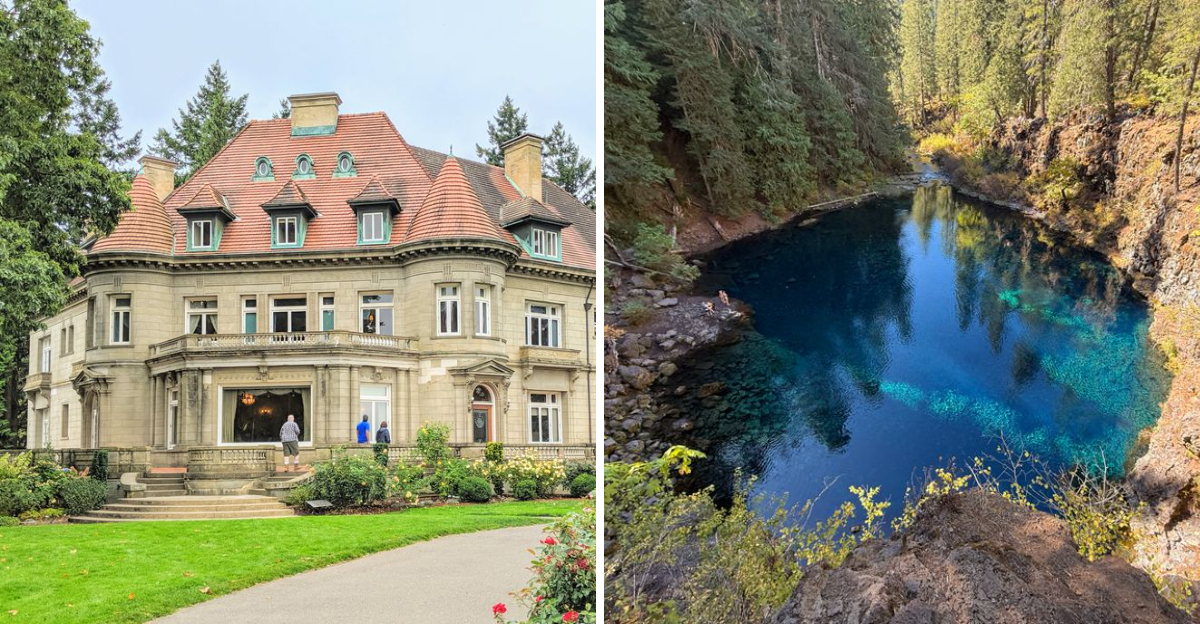
Oregon holds a special kind of magic that keeps locals coming back to the same cherished places year after year, and it’s not about following tourist brochures or chasing viral Instagram spots. Instead, residents of this Pacific Northwest state have discovered hidden corners and beloved destinations where authenticity thrives, crowds thin out, and the true spirit of Oregon reveals itself in all its raw, natural glory.
From coastal cliffs that few outsiders know about to tucked-away waterfalls in the Columbia River Gorge, these places offer something far more valuable than photo opportunities: they provide genuine connection to the landscape, community, and the slower rhythms that make life in Oregon so deeply satisfying.
While visitors flock to the same handful of famous landmarks, locals slip away to spots that feel like secrets shared among friends, places where you can breathe deeply without jostling for elbow room or waiting in line.
These are the destinations that embody what Oregonians love most about their home state: unspoiled beauty, quirky local character, and spaces that invite you to linger rather than simply check off a list.
Whether it’s a coastal town with artistic soul, a lavender farm in a sun-drenched valley, or a trail that leads behind a thundering waterfall, these ten places represent the Oregon that locals treasure and protect.
1. Ecola State Park (Cannon Beach Area)
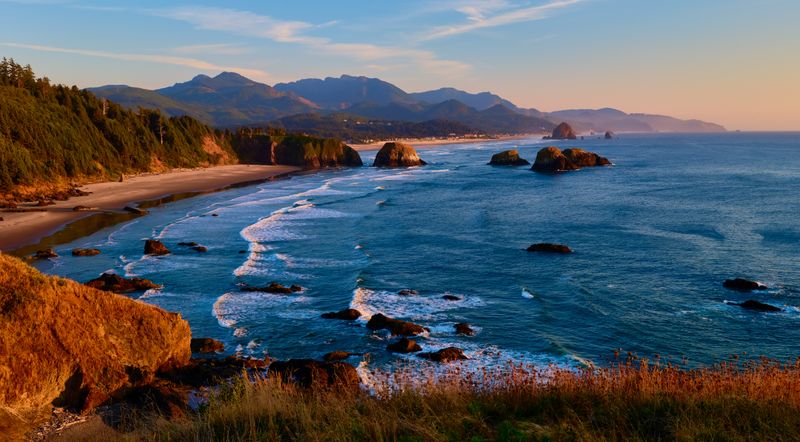
Perched on dramatic headlands just north of Cannon Beach, Ecola State Park offers some of the most breathtaking coastal scenery in Oregon without the overwhelming crowds that pack the main beach area below.
Located at 84318 Ecola State Park Road in Cannon Beach, this gem provides sweeping views of Haystack Rock, Tillamook Rock Lighthouse, and miles of rugged Pacific coastline that seem to stretch into eternity.
Locals appreciate the park’s network of hiking trails that wind through old-growth Sitka spruce forests before emerging onto clifftop viewpoints where the full majesty of the Oregon coast unfolds. The trails here feel quieter and more contemplative than the bustling beach scene just minutes away, offering space to actually hear the waves crashing below and watch seabirds wheel overhead without fighting for position.
Crescent Beach, accessible via a steep trail from the main parking area, rewards the descent with a secluded stretch of sand where tide pools teem with colorful sea stars and anemones. Families who know about this spot come prepared with sturdy shoes and a sense of adventure, understanding that the effort to reach it keeps the casual tourists away.
The park also serves as a launch point for longer coastal hikes, including sections of the Oregon Coast Trail that connect to Indian Beach and beyond.
During gray whale migration seasons, the high vantage points become prime viewing platforms where patient observers can spot the telltale spouts of these magnificent creatures passing close to shore.
What draws locals back repeatedly is the feeling of discovery that never quite fades, even after dozens of visits. Each season brings different light, different weather, and different moods to these ancient cliffs.
2. Yachats
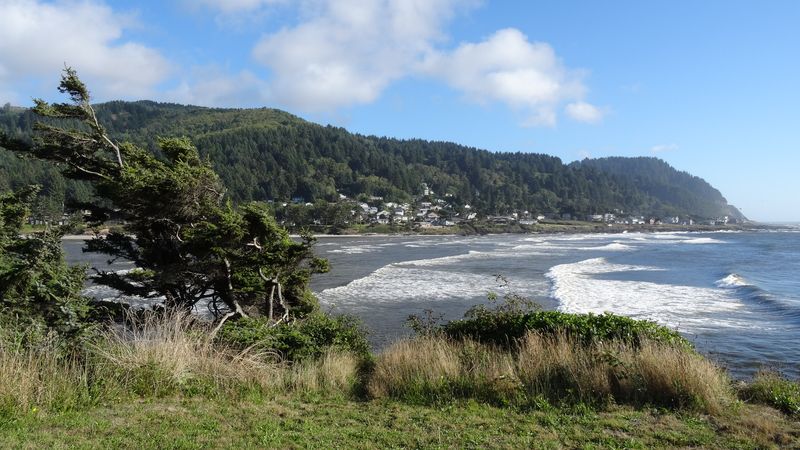
Tucked along Highway 101 where the Coast Range mountains tumble directly into the Pacific Ocean, Yachats has cultivated a reputation as one of Oregon’s most artistically vibrant and authentically charming coastal communities.
This small town, whose name comes from a Native American word meaning “dark water at the foot of the mountain,” has resisted the commercial overdevelopment that has changed the character of other coastal destinations.
Artists, writers, and musicians have long been drawn to Yachats for its inspiring natural setting and welcoming creative community. Galleries showcasing local work line the compact downtown area at 441 Highway 101 North, while the town’s calendar fills with music festivals, art walks, and community gatherings that reflect genuine local culture rather than tourist-focused entertainment.
The 804 Trail, a paved walking path that hugs the rocky shoreline through town, provides front-row seats to the Pacific’s ever-changing moods.
Locals stroll this route during all seasons, watching storm waves explode against basalt formations in winter and scanning tide pools for marine life during summer’s low tides.
Cape Perpetua, just south of town, adds even more natural drama with its ancient lava flows, spouting horns, and hiking trails through old-growth forest. Yet Yachats itself maintains an intimate, village-like atmosphere where independent coffee shops, quirky bookstores, and family-run restaurants create gathering places that feel genuinely local.
What keeps residents and regular visitors returning is the sense that Yachats has preserved something precious: a coastal town that values creativity, community, and connection to the natural world over rapid growth and mass tourism. It’s a place where you can still find quiet beaches just steps from town.
3. Cape Lookout State Park
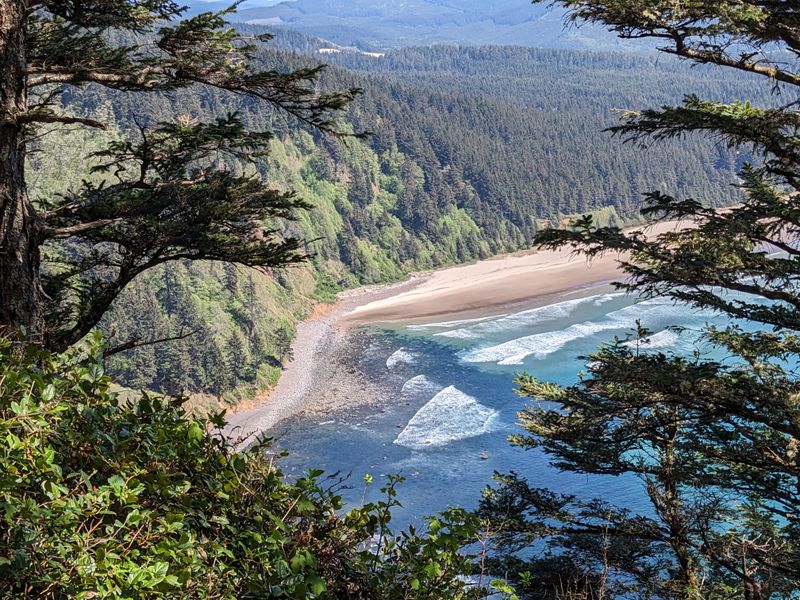
Jutting nearly two miles into the Pacific Ocean like a massive finger pointing westward, Cape Lookout offers one of the most spectacular coastal hiking experiences in Oregon, yet it remains refreshingly less congested than more famous destinations.
Located at 13000 Whiskey Creek Road West in Tillamook, this state park delivers the kind of dramatic ocean scenery that defines the Oregon coast at its finest.
The main trail to the cape’s tip traverses dense coastal forest before emerging onto the narrow headland where the Pacific spreads out on three sides in an almost overwhelming display of blue water meeting endless sky. During whale migration seasons, this promontory becomes one of the best viewing spots on the entire coast, with gray whales often passing close enough to shore that their barnacled backs become clearly visible.
Locals who return regularly know to time their visits for weekday mornings or shoulder seasons when the trail feels almost private.
The five-mile round trip hike requires moderate effort but rewards every step with changing perspectives on the coastline, opportunities to spot bald eagles soaring overhead, and the meditative rhythm of walking through old-growth forest.
The park also includes a beautiful campground and beach access at the base of the cape, though many regular visitors come specifically for the cape trail itself. Something about standing at the very tip of this headland, surrounded by ocean on three sides, creates a powerful sense of being at the edge of the continent.
Fog often wraps the cape in mystery, creating an entirely different but equally compelling experience.
Whether under brilliant sunshine or moody gray skies, Cape Lookout delivers the kind of coastal grandeur that reminds Oregonians why they love their state’s shoreline.
4. Metlako Falls (Columbia River Gorge)
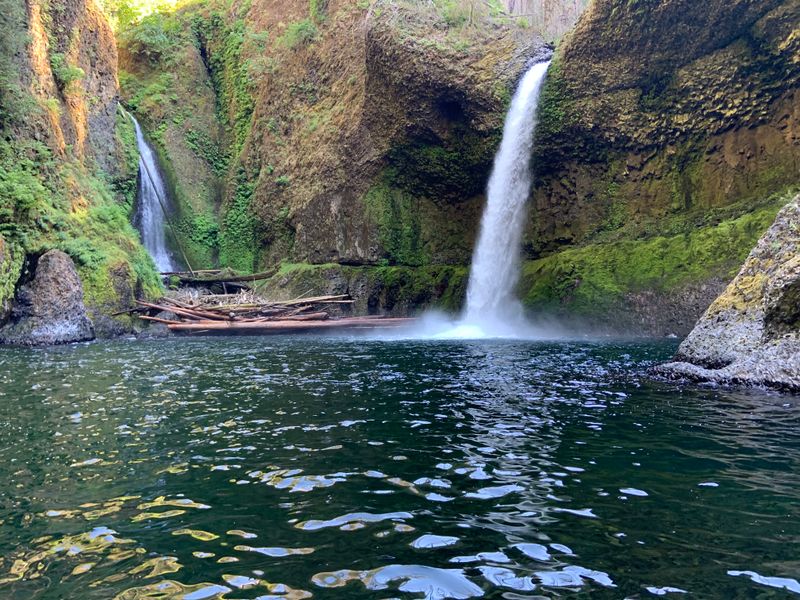
Hidden along a less-traveled section of the Eagle Creek Trail in the Columbia River Gorge, Metlako Falls thunders over a massive basalt cliff with raw power that few waterfalls in Oregon can match.
This stunning cascade, located off Forest Road 2400 near Cascade Locks, remains relatively unknown compared to the Gorge’s more accessible falls, which is precisely why locals treasure it.
The hike to Metlako Falls requires commitment and sure footing, following the Eagle Creek Trail as it clings to cliffsides high above the rushing creek below. Recent trail restoration efforts have made the route safer while maintaining its wild character, though this is still a hike that demands attention and respect for the terrain.
When you finally reach the viewpoint for Metlako Falls, the sight stops you in your tracks.
Water plunges over a hundred feet into a churning pool surrounded by moss-covered rock walls and lush forest, creating a scene that feels primal and untouched by human hands.
Unlike Multnomah Falls where crowds gather at a paved viewing area, experiencing Metlako requires earning your view through effort and careful hiking. This natural barrier keeps visitor numbers manageable and preserves the sense of discovery that makes finding this waterfall feel like uncovering a secret.
Locals who return to Metlako Falls often speak of its energy and presence, the way the thundering water and narrow canyon create an almost sacred atmosphere.
Spring runoff transforms the falls into an even more powerful display, though the hike becomes more challenging with increased water flow making creek crossings trickier.
The surrounding Eagle Creek area offers multiple waterfalls and pristine wilderness, but Metlako holds a special place in the hearts of those who seek out Oregon’s more remote natural wonders.
5. Tamolitch Blue Pool (Willamette National Forest)
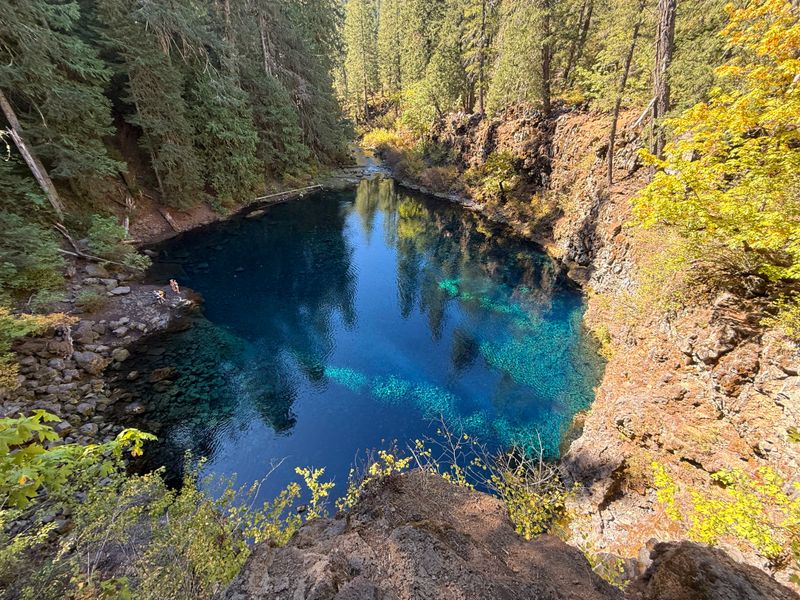
Deep in the Willamette National Forest along the McKenzie River, an otherworldly pool of impossibly blue water appears where the river suddenly resurfaces after flowing underground for miles. Known as Tamolitch Blue Pool or the Blue Pool, this natural wonder sits at the end of a relatively easy trail accessed from Trail Bridge Reservoir, about an hour east of Eugene.
The water’s surreal turquoise color comes from its glacial source and the way light interacts with minerals and fine sediment suspended in the crystal-clear depths.
Standing at the pool’s edge feels like gazing into a giant sapphire set in a frame of volcanic rock and evergreen forest, a sight so vivid it hardly seems real.
What makes this spot particularly appealing to locals is its accessibility combined with a still-manageable visitor load compared to other Instagram-famous locations. The two-mile hike follows an old road bed along the dry riverbed where lava flows once pushed the McKenzie River underground, creating fascinating geological features alongside the trail.
The pool itself remains cold year-round, fed by underground springs that maintain a constant temperature regardless of season.
While swimming is technically possible, most visitors content themselves with simply marveling at the color and clarity of the water from the rocky banks.
Visiting during weekdays or off-season months offers the best chance of experiencing the Blue Pool without crowds. Early morning light creates especially magical conditions when mist sometimes rises from the water’s surface and the surrounding forest glows in golden light filtered through the canopy.
Oregonians who return regularly appreciate how the Blue Pool represents the state’s volcanic geology in such a visually stunning way, a reminder that the landscape here continues to be shaped by forces far beyond human control.
6. Silver Falls State Park (Less-Traveled Trails)
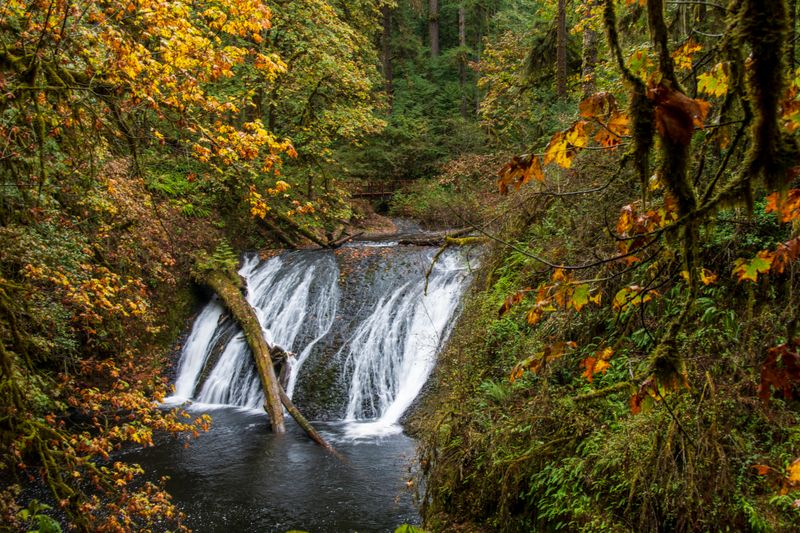
While most visitors to Silver Falls State Park stick to the famous Trail of Ten Falls loop, locals know that venturing onto the park’s less-traveled paths reveals equally beautiful experiences without the steady stream of hikers. Located at 20024 Silver Falls Highway Southeast near Silverton, this Oregon gem offers far more than its popular main attraction.
The quieter trails that branch off from the main loop wind through cathedral-like groves of Douglas fir and western hemlock, following smaller creeks that tumble over mossy boulders and create intimate waterfall scenes of their own.
These paths see a fraction of the foot traffic, allowing for the kind of solitary forest walking that restores the soul.
Even on the main loop, locals have learned which waterfalls to visit first and which times of day offer the most solitude. South Falls, the park’s tallest at over two hundred feet, features a trail that passes directly behind the curtain of water, but arriving early means experiencing this magical walk-behind without waiting in line or dodging selfie-takers.
The park’s northern section contains additional trails that explore the upper reaches of Silver Creek and connect to quieter waterfalls that most casual visitors never see.
These routes require reading trail maps carefully and being willing to add miles to your hike, but the reward is having entire sections of old-growth forest essentially to yourself.
Throughout the year, the park transforms with the seasons. Spring brings wildflowers and maximum water flow over the falls, while autumn paints the maple trees in brilliant yellows and oranges that glow against the evergreen backdrop.
What keeps locals returning is the ability to find peace and natural beauty even in a park that sees heavy visitation, simply by knowing where to go and when.
7. Hood River Lavender Farms
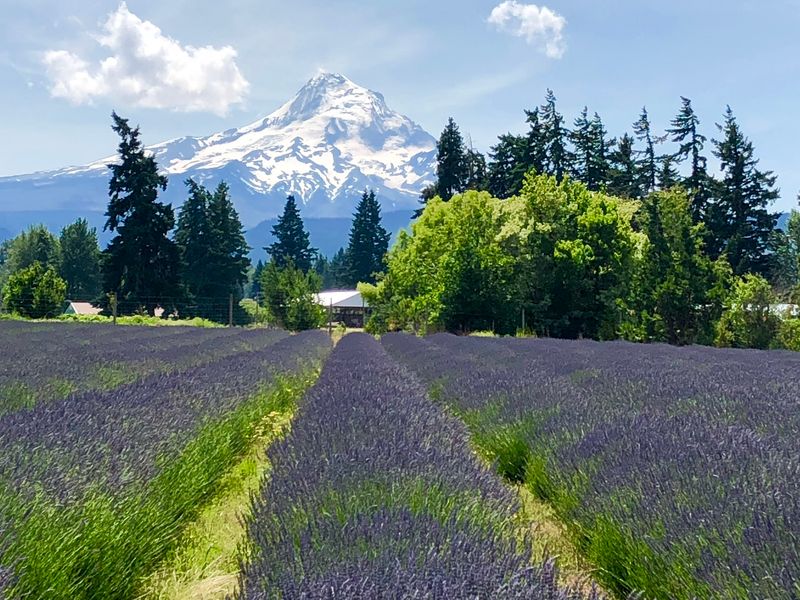
When summer arrives in the Hood River Valley, rolling hillsides transform into fragrant purple waves as lavender farms reach peak bloom, creating scenes that feel transported from the French countryside.
Located along Highway 35 and surrounding roads south of Hood River, these working farms offer a sensory escape that locals cherish during the warm months.
The combination of volcanic soil, abundant sunshine, and cool evening breezes from the Columbia River Gorge creates ideal conditions for growing lavender. Several farms in the valley have embraced this crop, planting varieties that thrive in Oregon’s climate and bloom in spectacular profusion throughout June and July.
Visiting during bloom season means walking among rows of lavender plants humming with bees, breathing in the calming aroma that seems to slow time itself.
Many farms welcome visitors to stroll the fields, take photos, and purchase fresh-cut lavender bundles or handmade products like sachets, essential oils, and culinary lavender.
The farms also provide stunning views of Mount Hood rising above the valley, creating picture-perfect scenes where purple fields frame the snow-capped peak in the distance. This combination of agricultural beauty and mountain grandeur captures the essence of Hood River Valley’s appeal.
Locals often make an afternoon of visiting multiple farms, perhaps combining the trip with stops at the valley’s fruit stands, cideries, or scenic viewpoints. The lavender farms have become part of the valley’s agricultural tourism landscape without losing their working-farm authenticity.
Beyond the visual and aromatic pleasures, these farms represent the Hood River Valley’s ongoing evolution as a diverse agricultural region.
While the valley is famous for its orchards and vineyards, the lavender farms add another dimension to the landscape and another reason for locals to explore their own backyard throughout the seasons.
8. Garibaldi

Nestled along Tillamook Bay where the bay meets the Pacific Ocean, Garibaldi remains an authentic working fishing harbor that has resisted the boutique transformation that has changed many coastal towns. Located at the north end of the bay along Highway 101, this small community of commercial fishing boats, seafood processors, and maritime businesses offers a glimpse into Oregon’s coastal economy and heritage.
Walking the harbor docks in Garibaldi means seeing real fishing vessels being maintained and loaded with gear, seals lounging on floating platforms, and the daily rhythms of an industry that has sustained coastal communities for generations.
The town’s maritime museum preserves local fishing history and celebrates the people who have made their living from these waters.
Several charter fishing operations run out of Garibaldi, offering both locals and visitors the chance to head offshore for salmon, halibut, or bottom fish depending on the season. The harbor also serves as a launching point for crabbing excursions and bay explorations that reveal the rich marine ecosystem of Tillamook Bay.
Dining options in Garibaldi lean toward the straightforward and delicious, with seafood restaurants serving fish that was likely caught within sight of the windows.
There’s no pretension here, just honest food prepared well and served in settings where fishing nets and buoys provide the decoration.
What locals appreciate about Garibaldi is its lack of polish and its commitment to remaining a working harbor rather than a tourist attraction. The town feels genuine and unpretentious, a place where the ocean’s bounty still drives the local economy and shapes daily life.
Visiting Garibaldi offers perspective on where seafood actually comes from and the hard work required to bring it to market, lessons that feel increasingly important in an age of disconnection from food sources.
9. The Observatory at Pittock Mansion
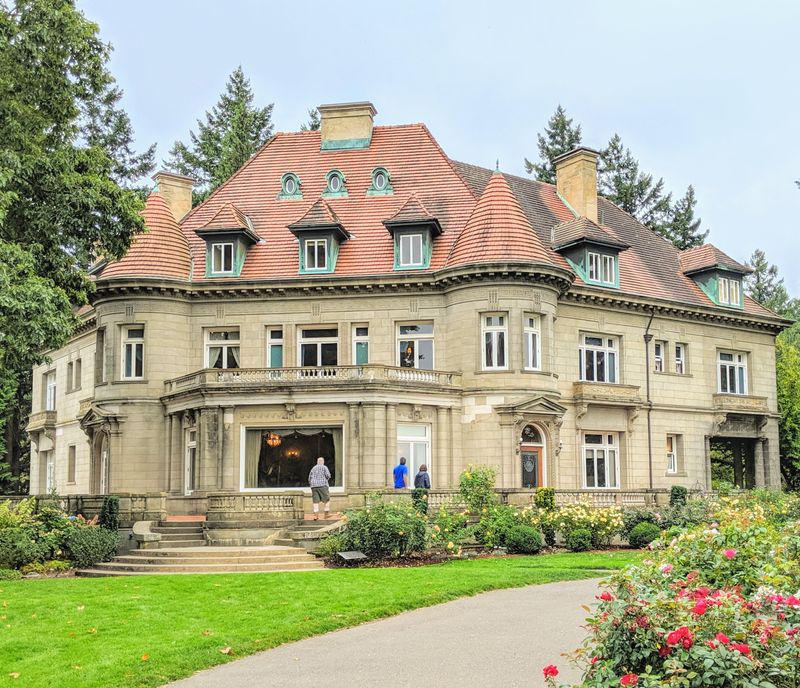
High in Portland’s West Hills, the grounds surrounding Pittock Mansion provide one of the most spectacular viewpoints over the city, with Mount Hood, Mount St. Helens, and the Willamette River all visible from this elevated perch.
Located at 3229 Northwest Pittock Drive, this historic estate has become a beloved spot for locals seeking perspective on their city and the surrounding landscape.
While the mansion itself draws visitors interested in Portland’s history and the story of the Pittock family who built their fortune in the newspaper business, many locals come specifically for the sweeping views from the mansion’s lawn and surrounding trails. Sunset transforms the scene into something magical as the city lights begin to twinkle and the western sky blazes with color.
The site sits within Forest Park, connected to miles of hiking trails that wind through the forest covering Portland’s West Hills. Many locals approach Pittock Mansion on foot via these trails, earning their views through an uphill hike that provides exercise and forest bathing before emerging at the viewpoint.
Throughout the year, the vantage point reveals Portland in different moods and seasons. Clear winter days offer the sharpest views of the Cascade peaks, while summer evenings bring warm light that bathes the city in golden tones.
When fog fills the valley, the mansion rises above a sea of white with only the tallest buildings and mountain peaks visible as islands.
Locals return to this spot during significant life moments, bringing visitors from out of town, celebrating milestones, or simply checking in with the city from above.
The view provides context and scale, a reminder of Portland’s setting between mountains and rivers, forest and farmland.
What makes Pittock Mansion special is its accessibility combined with the grandeur of the vista it provides, offering big views without requiring major expeditions into the wilderness.
10. Local Eateries in Portland

Portland’s food scene has earned national recognition, but locals know that the city’s true culinary soul lives in neighborhood spots that serve unique, quality food without pretension or inflated prices.
Scattered across the city’s diverse neighborhoods, these eateries have become gathering places that define Portland’s food-loving culture.
Pip’s Original Doughnuts on Northeast Fremont Street serves miniature doughnuts that arrive hot and fresh, dusted with creative toppings that range from classic cinnamon sugar to more adventurous combinations. The tiny size means you can sample multiple flavors, and the quality of the simple ingredients lets the doughnut itself shine through.
Por Qué No? operates locations on both sides of the river, serving tacos that have earned fierce loyalty from Portland taco lovers.
The fresh ingredients, house-made tortillas, and vibrant flavors represent the kind of attention to detail that turns simple food into something memorable.
Lines often stretch out the door, but locals consider the wait worthwhile.
Salt and Straw has expanded beyond Portland, but the original locations still draw crowds for ice cream flavors that push creative boundaries while maintaining exceptional quality. Seasonal flavors incorporate local ingredients and reflect the Pacific Northwest’s agricultural bounty, from marionberries to hazelnuts to craft beer collaborations.
What these spots share is a commitment to doing a few things exceptionally well rather than offering vast menus of mediocre options.
They’ve become woven into the fabric of their neighborhoods, places where locals run into friends and visitors discover what makes Portland’s food culture special.
Beyond these specific examples, Portland continues to nurture small, independent eateries that reflect the city’s values around local sourcing, creative expression, and community building. This ecosystem of neighborhood restaurants and food carts gives the city much of its distinctive character and keeps locals exploring their own backyard.
Dear Reader: This page may contain affiliate links which may earn a commission if you click through and make a purchase. Our independent journalism is not influenced by any advertiser or commercial initiative unless it is clearly marked as sponsored content. As travel products change, please be sure to reconfirm all details and stay up to date with current events to ensure a safe and successful trip.
