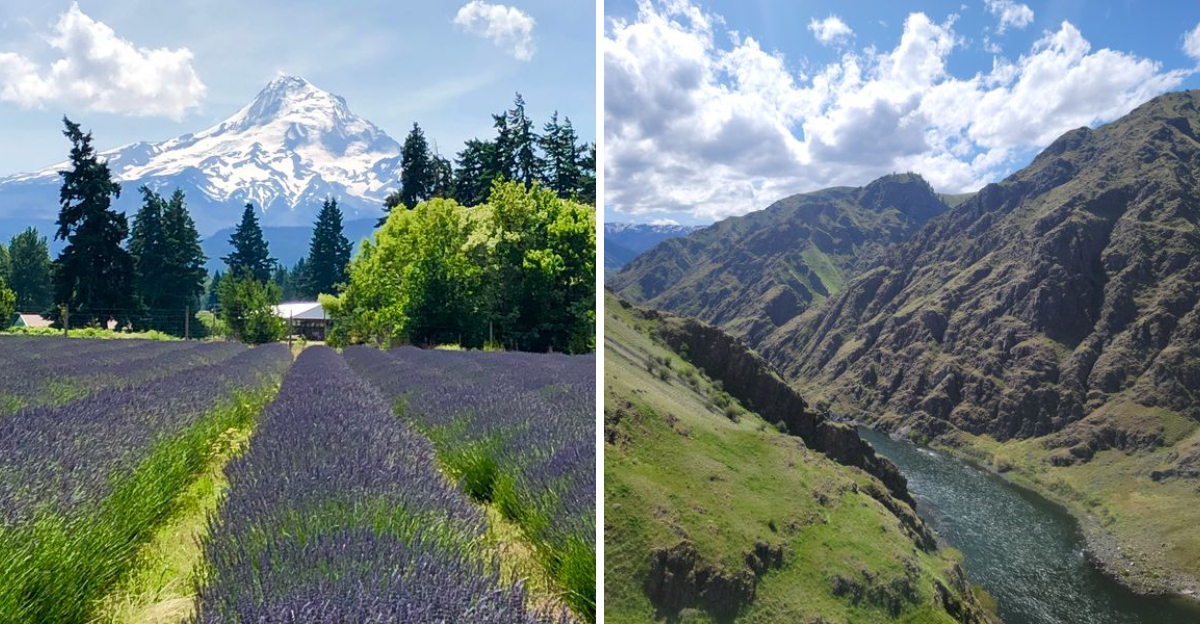
Oregon has so much more to offer than the usual tourist trail of Crater Lake and Cannon Beach. While visitors flock to the same handful of famous spots, locals quietly enjoy stunning places that rarely make it onto travel itineraries.
These hidden treasures range from dramatic desert landscapes and colorful fossil beds to charming mountain towns and serene coastal hideaways.
You won’t find tour buses clogging the roads or selfie sticks blocking your view at these locations.
Instead, you’ll discover authentic Oregon experiences where nature takes center stage and crowds are refreshingly absent. Many of these spots require a bit more effort to reach, which is exactly why they remain unspoiled and special to those who call Oregon home.
Whether you’re craving alpine adventure, high desert solitude, or coastal tranquility, these lesser-known destinations deliver unforgettable moments without the hassle of fighting through tourist hordes.
1. Leslie Gulch
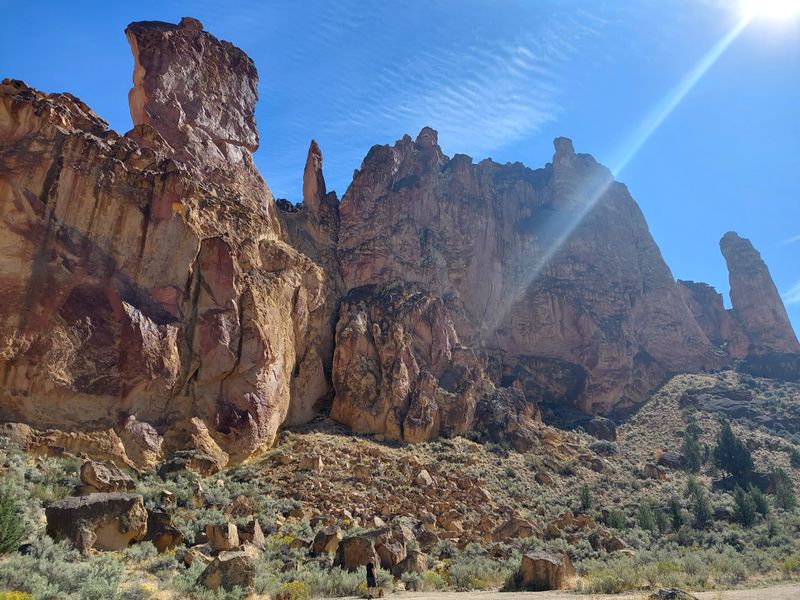
Way out in the Owyhee Canyonlands of Eastern Oregon, Leslie Gulch feels like you’ve accidentally wandered into the American Southwest. Towering volcanic spires in shades of orange, red, and gold rise dramatically from the desert floor, creating an otherworldly landscape that photographers dream about.
Address: Leslie Gulch Road, Jordan Valley, OR 97910.
The journey to reach this remote canyon involves driving along a winding dirt road, but every bumpy mile is worth it once you arrive. Bighorn sheep often graze along the cliffsides, and wildflowers carpet the canyon floor during spring months.
The formations here resulted from volcanic ash that hardened millions of years ago, then eroded into the spectacular honeycomb patterns you see today.
Unlike crowded state parks, you might have entire hiking trails to yourself here. The Juniper Gulch Trail offers an easy walk through the canyon, while more adventurous explorers can scramble up side canyons for stunning viewpoints.
Camping is available at primitive sites near Owyhee Reservoir, where you can fall asleep under brilliant stars.
Most tourists never venture this far east, sticking instead to the well-traveled routes along Interstate 5. That’s exactly what makes Leslie Gulch so special to Oregonians who appreciate solitude and raw natural beauty.
The colors shift throughout the day as sunlight plays across the rock faces, with sunrise and sunset offering particularly magical lighting. Bring plenty of water, as services are nonexistent in this remote corner of the state.
This is Oregon at its most rugged and untouched.
2. John Day Fossil Beds National Monument
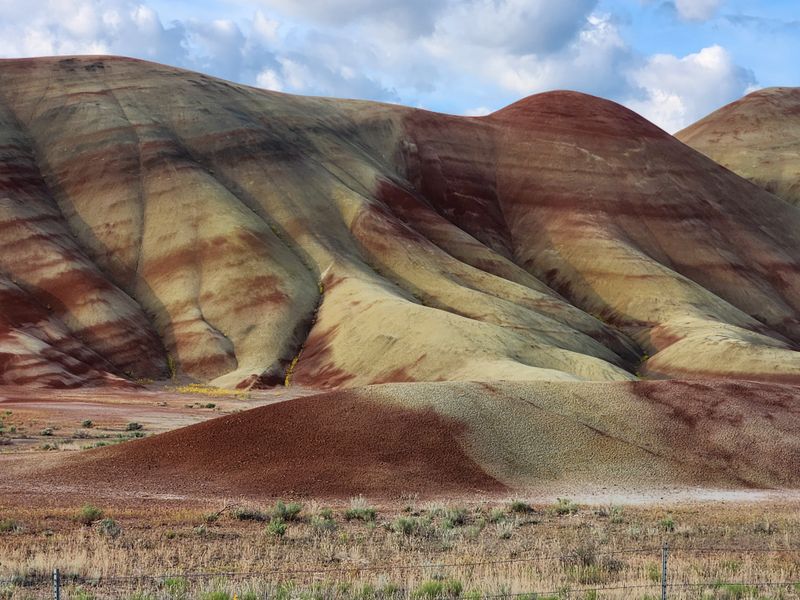
Ancient history comes alive in the high desert where layers of colored earth tell stories spanning millions of years. The Painted Hills unit showcases bands of red, gold, and black soil that shift in intensity depending on moisture and light conditions.
Address: 32651 Highway 19, Kimberly, OR 97848.
Three distinct units make up this national monument, each offering unique geological wonders. Sheep Rock features dramatic cliff formations and the Thomas Condon Paleontology Center, where you can see actual fossils being prepared by scientists.
Clarno presents towering mudflow formations studded with ancient plant fossils embedded directly in the rock.
Walking through these landscapes feels like time travel, as you’re literally treading on earth that preserves tropical forests, saber-toothed cats, and early horses. The colors at Painted Hills change dramatically after rain, when the claystones become almost impossibly vibrant.
Short trails wind through the hills, allowing close-up views without strenuous hiking.
Few tourists make the trek to this remote region, despite its designation as a national monument. The nearest towns are tiny, adding to the sense of isolation and discovery.
Spring brings wildflowers that contrast beautifully with the painted earth, while autumn offers crisp air and clear skies perfect for photography. Rangers lead informative talks during summer months, explaining the incredible paleontological significance of the area.
This is where Oregon’s deep past becomes tangible and awe-inspiring, offering perspectives that coastal forests and mountain peaks simply cannot provide.
3. Wallowa Mountains and Joseph
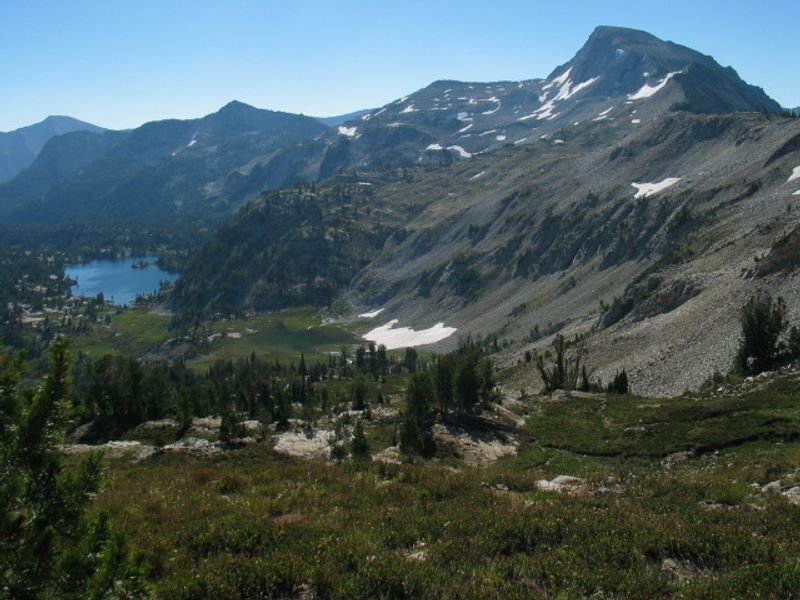
Locals call them the Swiss Alps of Oregon, and one glimpse of these jagged granite peaks explains why. Wallowa Lake sits at the base of the mountains, reflecting towering summits in its pristine waters.
Address for Joseph: Main Street, Joseph, OR 97846.
The small town of Joseph serves as the gateway to this alpine wonderland, offering art galleries, bronze foundries, and genuine small-town hospitality. Unlike resort towns that feel manufactured for tourists, Joseph maintains its authentic ranching heritage while welcoming visitors warmly.
The main street features Western storefronts and local businesses that have served the community for generations.
Hiking opportunities abound in the Eagle Cap Wilderness, where alpine lakes, wildflower meadows, and glacier-carved valleys await those willing to venture beyond the trailhead. The Lakes Basin area is particularly stunning, though it requires backpacking to fully appreciate.
Day hikers can enjoy shorter trails that still deliver impressive mountain views and chances to spot elk, mountain goats, or black bears.
A tramway carries visitors up Mount Howard for panoramic vistas without the strenuous climb. From the summit, you can see across northeastern Oregon into Idaho and Washington, with the Wallowas spreading out in all their glory below.
Wildflowers peak in July and August, painting the high country in purple, yellow, and red. Winter transforms the area into a backcountry skiing paradise, though most visitors come during warmer months.
This corner of Oregon remains blissfully uncrowded compared to the Cascades, offering authentic mountain experiences without the competition for campsites and trailhead parking.
4. Alvord Desert
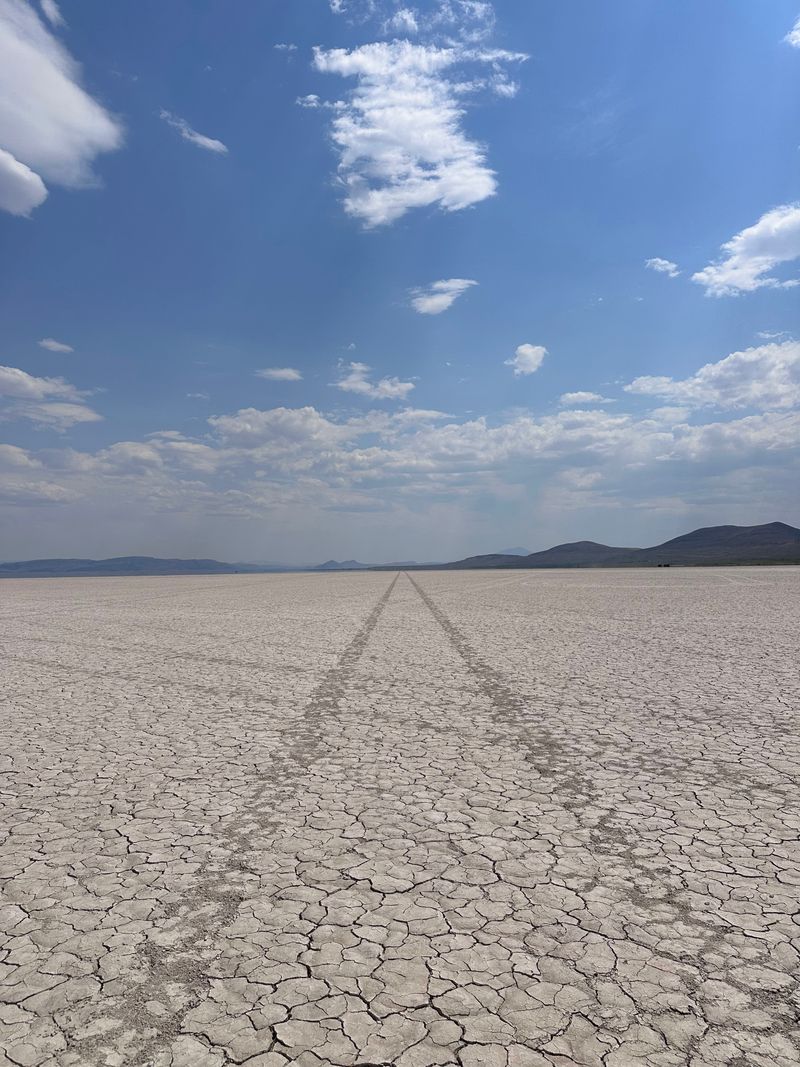
Endless flatness stretches to distant mountains in Oregon’s largest playa, a dry lakebed that becomes a mirror after rare rains. During dry periods, the hard-packed surface allows driving directly onto the desert floor, creating surreal photo opportunities.
Address: Alvord Desert, Fields, OR 97710.
This vast expanse sits in the rain shadow of Steens Mountain, receiving minimal precipitation and maintaining its stark beauty year-round. When water does collect on the playa, it creates temporary shallow lakes that perfectly reflect the sky and surrounding peaks.
As the water evaporates, intricate patterns form in the dried mud, adding texture to the otherwise featureless landscape.
Mickey Hot Springs bubbles up nearby, offering the chance to soak in natural geothermal pools beneath star-filled skies. The lack of light pollution makes this one of the best stargazing locations in the entire state.
On moonless nights, the Milky Way arcs overhead with stunning clarity, and meteor showers put on spectacular displays.
Camping is primitive and unrestricted on Bureau of Land Management land surrounding the playa. You’ll need to be completely self-sufficient, as the nearest services are in the tiny community of Fields, which has a small store and cafe.
Summer temperatures can be extreme, while winter brings cold winds and occasional snow. Spring and fall offer the most comfortable conditions for exploring this high desert environment.
The solitude here is profound, with only the wind and occasional bird call breaking the silence.
This is Oregon at its most stark and beautiful, a landscape that challenges typical notions of what the state looks like.
5. Yachats
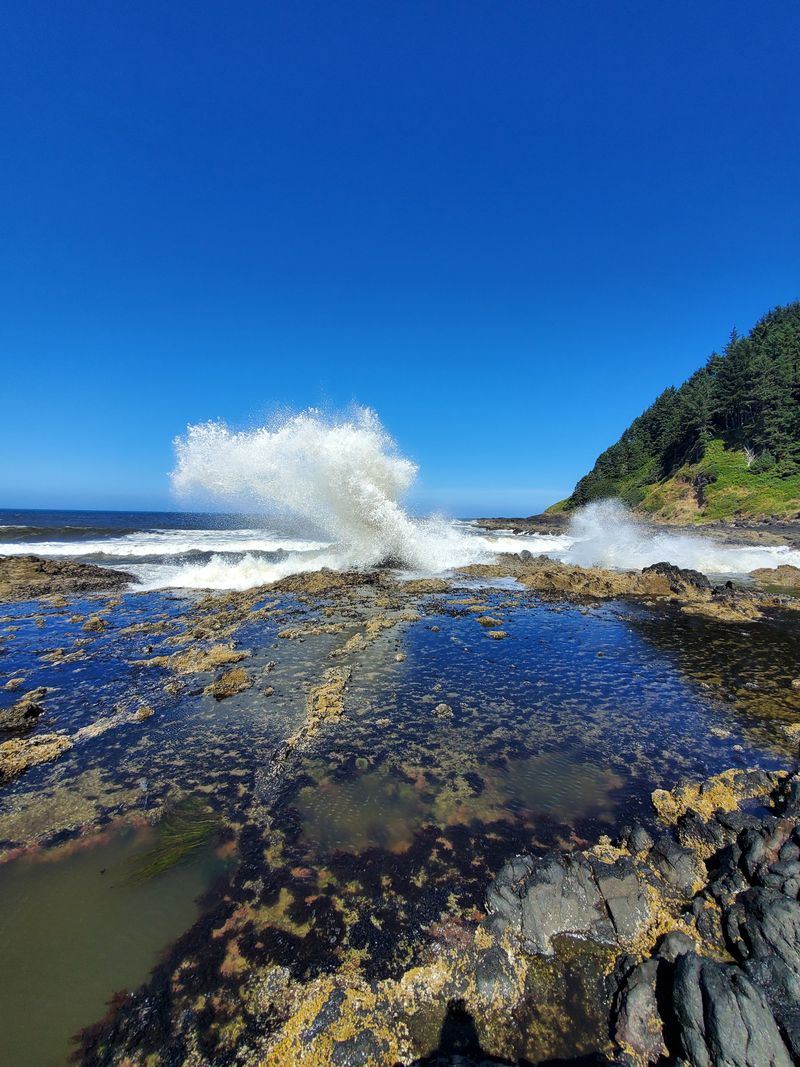
Rocky headlands and tide pools define this small coastal village where the forest meets the sea. Unlike the sandy beaches that attract summer crowds, Yachats offers dramatic basalt formations and crashing waves that feel wild and untamed.
Address: Yachats, OR 97498.
The 804 Trail hugs the coastline through town, providing easy walking access to spectacular ocean views and tide pool exploration. During low tide, colorful sea stars, anemones, and hermit crabs populate the rocky pools, delighting visitors of all ages.
Spouting horns send plumes of spray skyward when waves hit the rocks at the right angle, creating natural fountains.
Local restaurants serve fresh seafood in cozy settings, and the community maintains a laid-back vibe that feels authentic rather than touristy. Art galleries showcase work by regional artists, and small shops offer unique items you won’t find in chain stores.
The Yachats area is known for its excellent storm watching during winter months, when massive waves pound the shore with impressive force.
Cape Perpetua rises just south of town, offering hiking trails through old-growth forest and viewpoints high above the ocean. The Siuslaw National Forest surrounds Yachats, providing opportunities to explore temperate rainforest ecosystems filled with ferns, moss, and towering Sitka spruce.
Gray whales pass close to shore during their migration periods, and locals know the best spots for whale watching without the crowds found at more famous locations.
This stretch of Oregon coast remains relatively quiet even during peak summer months, making it a favorite retreat for those seeking peace and natural beauty without resort atmosphere or tourist congestion.
6. Hood River Lavender Farms
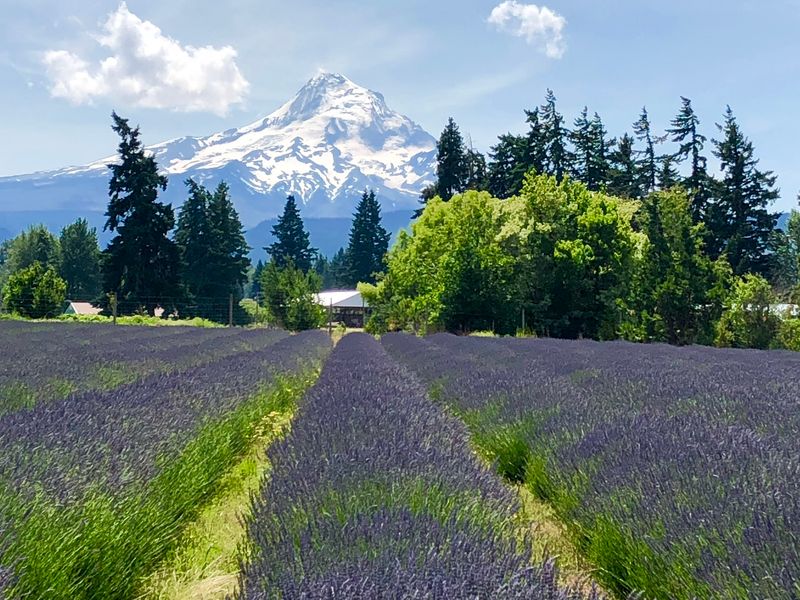
Purple rows stretch across hillsides with Mount Hood rising majestically in the background, creating postcard-perfect scenes during bloom season. Several lavender farms dot the Hood River Valley, offering you-pick experiences and handmade products.
Address: Hood River Lavender Farms, Hood River, OR 97031 (various locations along the Fruit Loop).
The famous Fruit Loop scenic drive connects orchards, farms, and wineries throughout the valley, with lavender farms providing fragrant stops along the route. Peak bloom typically occurs from late June through July, when the flowers reach their most vibrant purple and the scent fills the air.
Visitors can wander through the rows, cutting their own bundles to take home or simply enjoying the sensory experience.
Farm stands sell lavender products ranging from essential oils and sachets to culinary items like lavender honey and baked goods. The combination of agricultural beauty and mountain backdrop makes this area particularly photogenic.
Many farms welcome picnickers, providing tables where you can enjoy lunch surrounded by purple blooms and mountain views.
Beyond lavender, the Hood River Valley produces apples, pears, cherries, and wine grapes, making it a year-round destination for agricultural tourism. Spring brings orchard blossoms, summer offers berry picking, and fall features harvest activities and cider pressing.
The town of Hood River serves as a hub for outdoor recreation, with world-class windsurfing, mountain biking, and hiking nearby. Yet the quieter pleasures of wandering through lavender fields and sampling local products remain favorite activities for Oregonians who appreciate the valley’s agricultural heritage.
These farms offer peaceful respites from the more adventurous pursuits the region is known for, proving that Oregon’s appeal extends beyond extreme sports and wilderness.
7. Wolf Creek Inn
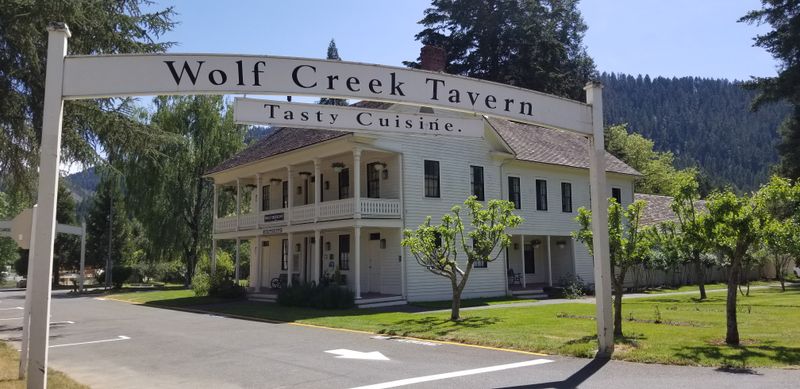
History whispers through the halls of Oregon’s oldest continuously operating hotel, where stagecoach travelers once rested during their journeys. Built in the mid-1800s, this charming inn maintains its historic character while providing comfortable accommodations.
Address: 100 Front Street, Wolf Creek, OR 97497.
The building itself tells stories of Oregon’s pioneer past, with original woodwork, period furnishings, and creaky floorboards that have welcomed guests for over a century and a half. Famous visitors including Jack London and Mary Pickford stayed here during the inn’s heyday.
Today, it operates as a state heritage site, carefully preserved to maintain its authentic atmosphere.
Rooms are simple but cozy, decorated in styles appropriate to the building’s era. The dining room serves hearty meals featuring regional ingredients, and the front porch invites guests to sit in rocking chairs and watch the world slow down.
Unlike modern hotels with their generic amenities, Wolf Creek Inn offers genuine character and a connection to Oregon’s past.
The surrounding area features beautiful Southern Oregon landscapes, with forests, rivers, and mountains providing outdoor recreation opportunities. The inn makes an excellent base for exploring less-visited parts of the state, far from the tourist corridors of the coast and Cascades.
Staying here feels like stepping back in time, offering a peaceful retreat from modern life’s constant stimulation. Many guests return year after year, drawn by the inn’s unique charm and the warm hospitality that has defined it for generations.
This is the kind of authentic Oregon experience that chain hotels and resort properties simply cannot replicate, no matter how hard they try.
8. Shaniko Ghost Town
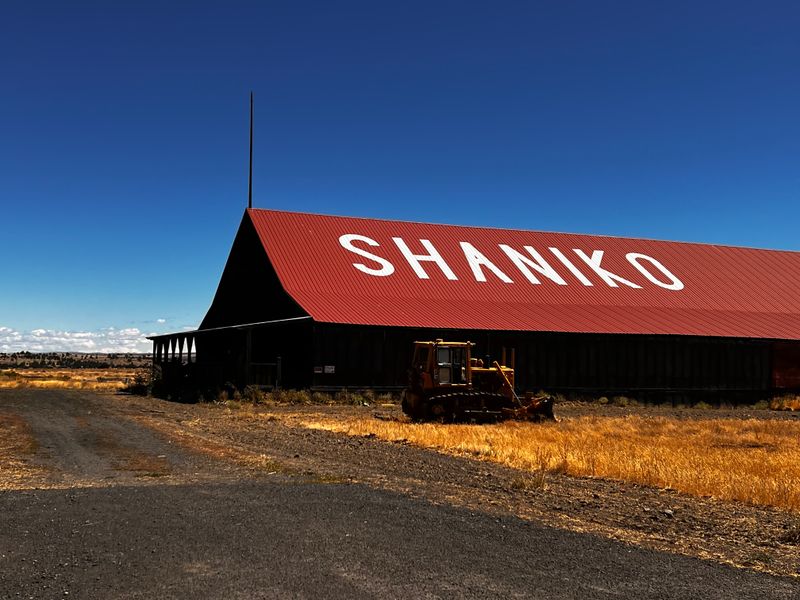
Weathered wooden buildings line dusty streets in what was once the wool shipping capital of the world. Shaniko thrived during the early 1900s before railroad changes bypassed the town, leaving it frozen in time.
Address: Shaniko, OR 97057.
Walking through this ghost town feels like entering a Western movie set, except everything is genuinely historic rather than constructed for entertainment. The old hotel, schoolhouse, and jail still stand, their faded paint and worn boards testifying to decades of high desert sun and wind.
A few residents maintain the remaining structures, and some buildings house small museums and antique shops.
The town’s remote location in Central Oregon’s high desert adds to its eerie charm. Sagebrush surrounds the settlement, and vast skies stretch overhead with little to interrupt the horizon.
Photographers love Shaniko for its authentic decay and the way golden hour light plays across the weathered wood and rusted metal.
Nearby Smith Rock State Park offers a dramatic contrast to the ghost town’s quiet desolation. Towering rock formations attract rock climbers from around the world, and hiking trails wind through the colorful canyon carved by the Crooked River.
The Misery Ridge Trail provides stunning views of the entire park, though the steep climb earns its name. Smith Rock’s distinctive orange and tan cliffs have made it one of Oregon’s most photographed landscapes, yet it remains less crowded than coastal attractions.
Combining a visit to Shaniko with Smith Rock exploration makes for a perfect day trip showcasing Central Oregon’s diverse landscapes.
This is the Oregon that locals treasure, where history and natural beauty intersect away from typical tourist routes.
9. The Oregon Garden
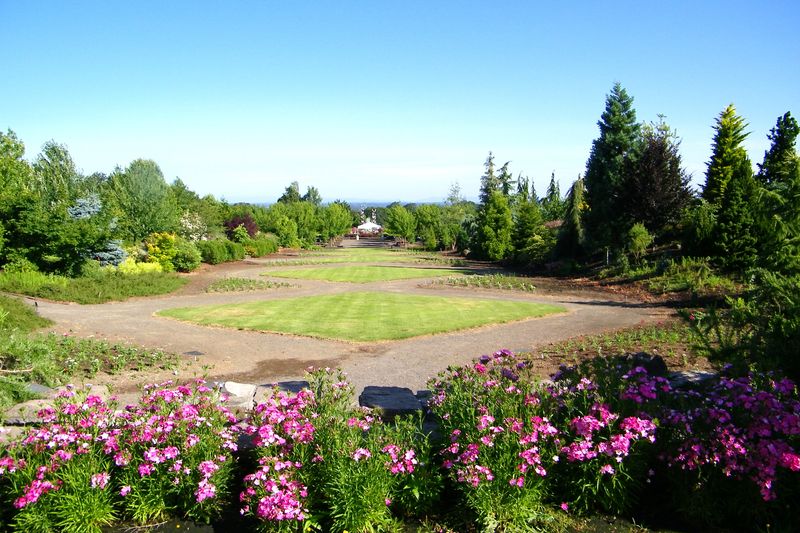
Eighty acres of meticulously maintained themed gardens create a living tapestry of colors, textures, and fragrances in the Willamette Valley. Twenty specialty gardens showcase different horticultural styles and plant collections, from formal rose gardens to native wetlands.
Address: 879 West Main Street, Silverton, OR 97381.
Each garden area offers distinct experiences, whether you’re wandering through the conifer collection, admiring water features in the aquatic garden, or enjoying seasonal displays in the children’s garden. The pet-friendly garden even welcomes leashed dogs, recognizing that many visitors want to share the experience with their four-legged companions.
A Frank Lloyd Wright house relocated to the property adds architectural interest to the botanical beauty.
Paths wind through the gardens, allowing visitors to explore at their own pace while discovering hidden benches and quiet corners perfect for reflection. Spring bulbs give way to summer perennials, which transition into autumn foliage and late-season blooms.
Even winter has its charms here, with structural plants and evergreens providing year-round interest.
The town of Silverton itself deserves exploration, with its historic downtown, local shops, and proximity to Silver Falls State Park. The Oregon Garden Resort offers accommodations and spa services for those wanting to extend their visit.
Many Oregonians visit the gardens repeatedly throughout the year, appreciating how the landscape transforms with the seasons. This is a gentler Oregon attraction than the dramatic natural wonders the state is famous for, but it offers equally rewarding experiences for those who appreciate cultivated beauty and horticultural artistry.
The gardens provide peaceful respites and inspiration for home gardeners while showcasing plants that thrive in the region’s climate.
10. Hells Canyon
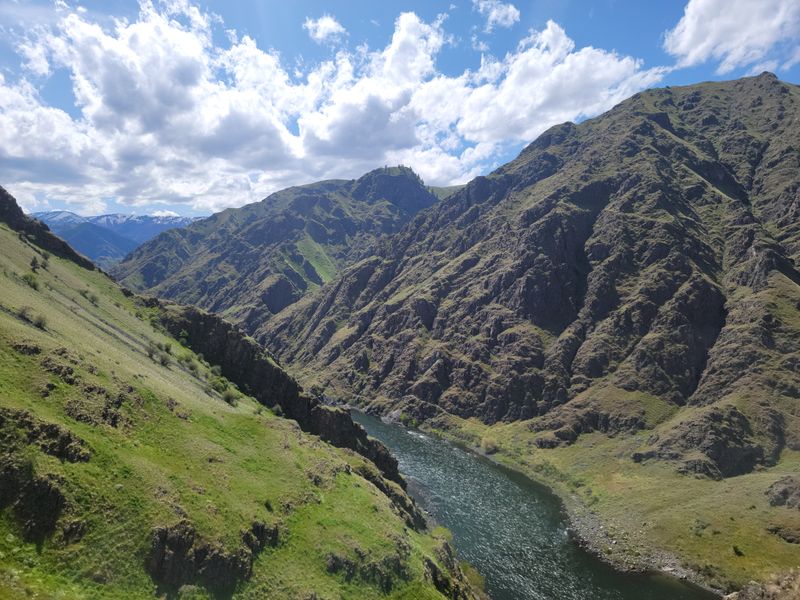
North America’s deepest river gorge plunges dramatically along the Oregon-Idaho border, where the Snake River carved through ancient basalt over millions of years. The canyon reaches depths exceeding those of the Grand Canyon, yet remains relatively unknown outside the region.
Address: Hells Canyon National Recreation Area, Oxbow, OR 97840.
Getting to viewpoints requires commitment, with winding roads climbing through mountains before revealing the canyon’s immense scale. The Hells Canyon Scenic Byway provides access from the Oregon side, offering pullouts where you can peer down into the abyss.
From certain vantage points, you can see into three states simultaneously, with Oregon, Idaho, and Washington all visible.
Rafting trips down the Snake River through the canyon offer the most immersive way to experience this geological wonder. Multi-day float trips camp on riverside beaches and navigate exciting rapids, while jet boat tours provide quicker access for those with limited time.
Bighorn sheep, black bears, and river otters inhabit the canyon, and spring wildflowers brighten the steep slopes.
Hiking trails range from easy riverside walks to strenuous climbs that gain thousands of feet in elevation. The contrast between the river’s desert environment and the alpine conditions on the canyon rim creates diverse ecosystems within a small area.
Summer brings intense heat to the canyon floor, while the high country remains pleasantly cool. This is rugged Oregon at its most extreme, where nature operates on a grand scale and human presence feels insignificant.
Locals cherish Hells Canyon for its wildness and the sense of discovery it still offers in an increasingly mapped and photographed world.
Dear Reader: This page may contain affiliate links which may earn a commission if you click through and make a purchase. Our independent journalism is not influenced by any advertiser or commercial initiative unless it is clearly marked as sponsored content. As travel products change, please be sure to reconfirm all details and stay up to date with current events to ensure a safe and successful trip.
