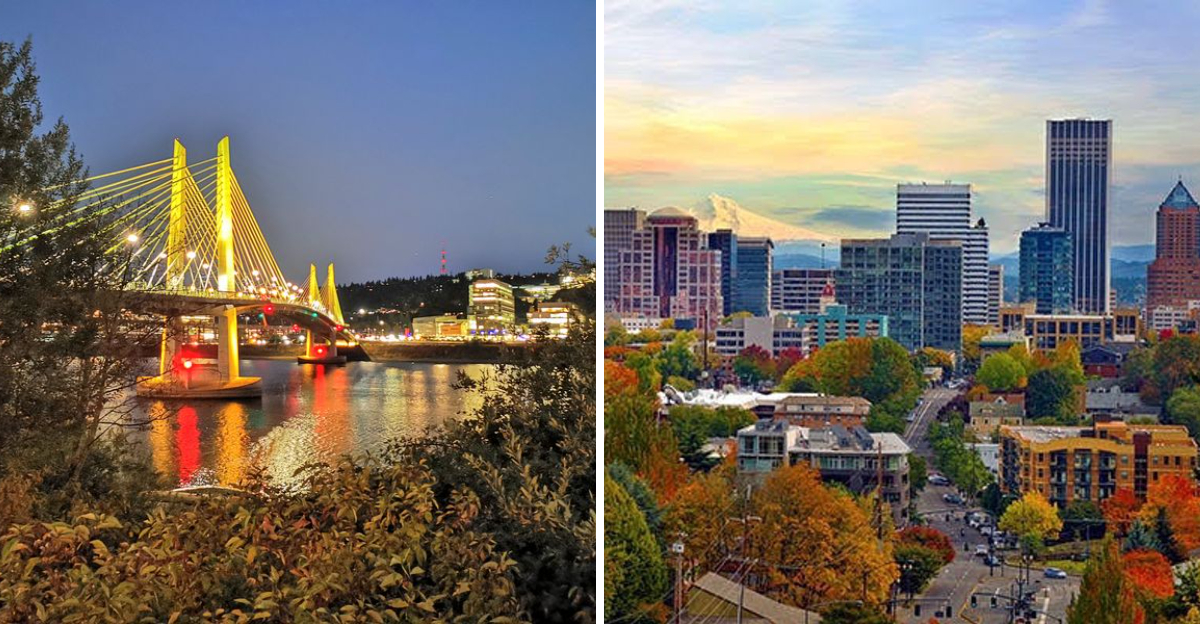
Portland, Oregon has always marched to the beat of its own drum, and locals will be the first to tell you that this city feels nothing like anywhere else. While other cities chase after the next big trend or skyscraper, Portland seems content to stay quirky, creative, and refreshingly human.
There’s something about the way people here value independent bookstores over chain retailers, bike lanes over highways, and a good cup of locally roasted coffee over just about anything else.
Oregon’s largest city has built its identity on being different, and that difference is woven into every neighborhood, every food cart, and every tree-lined street.
Residents describe a rhythm here that prioritizes quality of life over the relentless hustle found in other metropolitan areas. From the tech workers who spend their lunch breaks hiking in massive urban forests to the artists who can actually afford to live and create here, Portland offers a lifestyle that feels increasingly rare in modern America.
This is a place where you can grab world-class ramen, attend a poetry reading, and still make it home in time to watch the sunset over Mount Hood, all without ever feeling rushed or overwhelmed.
A Refreshingly Human Pace of Life
Walk down any Portland street and you’ll notice something unusual: people aren’t rushing. Locals have cultivated what many describe as an “analog” approach to living, where ambition and rest aren’t enemies but partners in creating a fulfilling life.
Recent cultural shifts have only strengthened this intentional way of being, with more residents choosing quality time over constant productivity.
Coffee shops fill with people actually reading books instead of staring at screens. Neighbors stop to chat on sidewalks without checking their watches every thirty seconds.
This slower rhythm doesn’t mean Portland lacks energy or drive, it simply means people here have redefined what success looks like.
The city’s approach to work-life balance stands in stark contrast to the burnout culture dominating other metropolitan areas. Many companies have embraced flexible schedules and remote work long before it became trendy elsewhere.
Portlanders prioritize mental health, outdoor recreation, and creative pursuits alongside their professional responsibilities.
This human-centered pace extends to how businesses operate too. Restaurants don’t rush diners out the door to maximize table turnover.
Retail workers actually have time to help customers find what they need. Even during busy periods, there’s an underlying understanding that everyone deserves to be treated with patience and respect.
Living in Portland means embracing the idea that life shouldn’t feel like a constant race. The city rewards those who take time to notice the cherry blossoms in spring, who linger over conversations, and who understand that sometimes the best use of time is simply being present in the moment.
The Thriving DIY and Creative Class Spirit
Portland earned its reputation as a haven for makers, artists, and musicians who choose passion projects over corporate ladders. The famous “Portlandia” sketch series may have exaggerated some quirks, but it accurately captured the city’s deep commitment to doing things yourself.
Workshops offering classes in everything from letterpress printing to bicycle repair stay packed with eager students year-round.
Artists here don’t just survive, they actually thrive. Affordable studio spaces still exist in certain neighborhoods, and the community actively supports local creators through markets, galleries, and pop-up events.
Musicians can play intimate venues throughout the week, building genuine followings without needing record label backing.
This creative ecosystem extends beyond traditional arts. Software developers build apps for fun on weekends.
Chefs experiment with food carts before opening restaurants. Designers collaborate on community projects that beautify neighborhoods rather than corporate brands.
The DIY ethos means people value handmade, locally produced goods over mass-manufactured alternatives.
Portland’s creative class has shaped the city’s identity in profound ways. You’ll find handcrafted everything, from soap to furniture to clothing, all made by neighbors who pour genuine care into their work.
Maker fairs and craft markets draw thousands of attendees who appreciate the skill and story behind each item.
What makes this truly different is how mainstream the creative lifestyle has become here. Being an artist or craftsperson isn’t seen as impractical or risky, it’s celebrated as a legitimate career path that contributes real value to the community and enriches everyone’s daily experience.
The Silicon Forest Tech Scene with Soul
Unlike the cutthroat competition defining Silicon Valley or Seattle’s tech boom, Portland has developed what locals affectionately call the Silicon Forest. Major companies like Intel, Nike, and Adidas maintain significant operations here, creating thousands of high-paying jobs without overwhelming the city’s character.
The tech scene thrives but remains nestled within a manageable urban environment where workers can actually enjoy their lives.
Tech employees here often choose Portland specifically because it offers career opportunities without requiring the sacrifices demanded elsewhere. Commutes stay reasonable, housing costs remain more accessible than coastal alternatives, and the culture doesn’t glorify working eighty-hour weeks.
Engineers and developers can pursue challenging projects during work hours, then disconnect completely to hike, bike, or simply relax.
The smaller scale creates unexpected benefits too. Networking happens organically at coffee shops and community events rather than through forced corporate mixers.
Collaboration between companies feels more genuine when everyone shares the same neighborhoods and values. Startups find support from established firms willing to mentor rather than crush potential competitors.
Portland’s tech workers tend to be more civically engaged than their counterparts in larger tech hubs. They volunteer for coding education programs, contribute to open-source projects, and use their skills to solve local problems.
Technology serves the community rather than the other way around.
This balanced approach attracts talent seeking meaningful work without sacrificing quality of life. The Silicon Forest proves you don’t need aggressive growth and venture capital pressure to build successful technology companies, sometimes a more human-scaled approach produces better results for everyone involved.
A True Fifteen-Minute City by Design
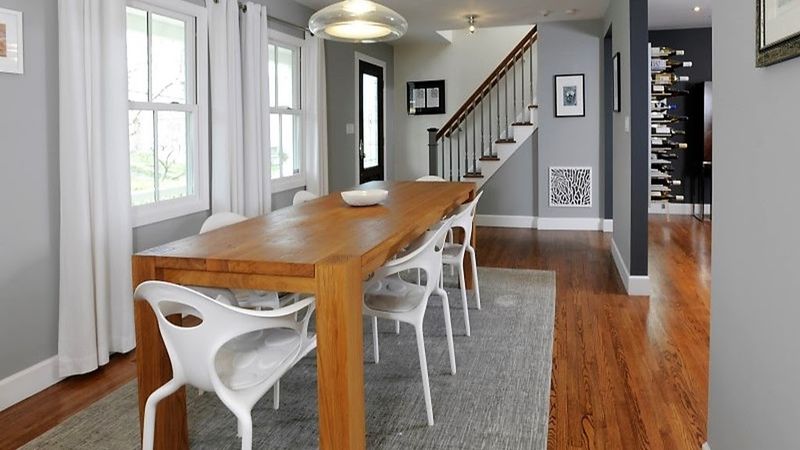
Long before urban planners made “fifteen-minute cities” trendy, Portland was quietly building exactly that through smart growth policies and an urban growth boundary. This intentional planning created neighborhoods where residents can meet most daily needs within a short walk.
Grocery stores, coffee shops, restaurants, parks, and services cluster together in accessible pockets throughout the city.
The urban growth boundary, established decades ago, prevented endless suburban sprawl and encouraged density in existing neighborhoods. While controversial at times, this policy created walkable communities that feel vibrant and complete rather than car-dependent and isolated.
People actually know their neighbors because they encounter them regularly at local businesses.
Neighborhood commercial districts offer everything from fresh produce to hardware supplies within blocks of residential areas. Parents can walk children to school, pick up dinner ingredients, and stop at the library all in one trip.
This convenience reduces car dependency while building stronger community connections.
Portland’s commitment to mixed-use development means apartments sit above retail spaces, keeping streets active throughout the day and evening. Ground-floor businesses benefit from consistent foot traffic, while residents enjoy immediate access to amenities.
The result feels organic rather than planned, like neighborhoods evolved naturally over time.
This walkable design improves quality of life in countless small ways. Exercise happens naturally through daily activities.
Carbon footprints shrink without conscious effort. Social isolation decreases when every errand involves friendly interactions.
Portland proves that thoughtful urban planning creates healthier, happier, more connected communities where people genuinely want to spend time outside their homes exploring their surroundings.
World-Class Food and Famous Coffee Crawls

Most cities have pub crawls, but Portland invented the coffee crawl, a uniquely local tradition that celebrates the city’s obsession with exceptional coffee. Neighborhoods boast multiple independent roasters within blocks of each other, each offering distinct roasting styles and brewing methods.
Enthusiasts spend entire afternoons sampling single-origin pour-overs, comparing espresso techniques, and debating the merits of different roast profiles.
The food scene rivals any major city but maintains Portland’s commitment to independence and creativity. Food carts serve everything from authentic Thai cuisine to inventive vegan comfort food, often at prices that won’t empty your wallet.
These mobile kitchens have launched countless successful restaurants, giving chefs a low-risk way to test concepts and build followings.
Restaurants here prioritize seasonal, locally sourced ingredients long before farm-to-table became a marketing buzzword. Chefs develop relationships with nearby farmers, foragers, and fishermen, creating menus that change with Oregon’s agricultural rhythms.
Diners taste the difference in every bite, from spring asparagus to fall mushrooms to winter root vegetables.
Portland’s food diversity reflects its welcoming culture. You’ll find authentic cuisines from around the world prepared by immigrants who brought their culinary traditions here.
Vietnamese pho shops, Mexican taquerias, Ethiopian restaurants, and Japanese ramen houses all maintain high standards while adding their flavors to the city’s gastronomic landscape.
What makes the food scene truly special is its accessibility. World-class meals don’t require reservations months in advance or dress codes.
The best food might come from a cart, a neighborhood joint, or a chef’s counter where you can watch your meal being prepared and chat with the person cooking it.
Extreme Proximity to Diverse Natural Wonders
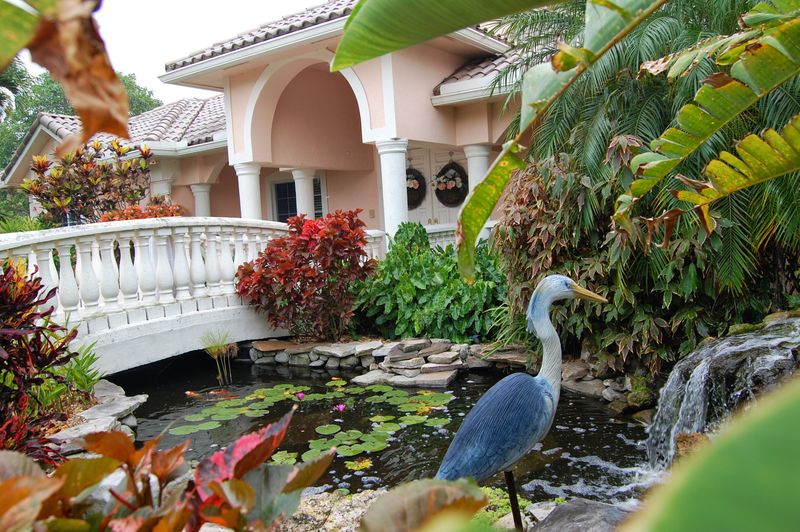
Portland sits at what locals call the perfect midway point, offering access to dramatically different landscapes within an hour’s drive. Head west and you’ll reach the rugged Oregon Coast with its dramatic cliffs and tide pools.
Drive east and snow-capped Mount Hood rises above alpine forests perfect for hiking in summer and skiing in winter. This variety means residents can choose their outdoor adventure based on mood rather than vacation schedule.
What truly sets Portland apart is having wilderness within city limits. Forest Park encompasses over five thousand acres of old-growth forest just minutes from downtown, making it one of the largest urban forests in the country.
Trails wind through towering Douglas firs where residents hike, run, and mountain bike before or after work without leaving the city.
The Willamette River runs through Portland’s heart, providing opportunities for kayaking, paddleboarding, and riverside cycling. Multiple bridges cross the water, each with pedestrian and bike paths offering different perspectives on the city and surrounding mountains.
River access feels democratic, available to everyone rather than privatized for luxury developments.
This proximity to nature shapes daily life in profound ways. Lunch breaks happen on forest trails.
Evening plans involve sunset hikes. Weekend trips explore new waterfalls, beaches, or mountain peaks.
Outdoor recreation isn’t a special occasion activity, it’s simply how people live.
Oregon’s natural diversity becomes part of Portland’s identity. Residents develop deep connections to specific trails, swimming holes, and viewpoints that feel personally meaningful.
The landscape isn’t just scenery, it’s an active participant in community life that influences everything from fashion choices to career decisions to why people choose to stay.
Independent Bookstore Culture and Powell’s Pride
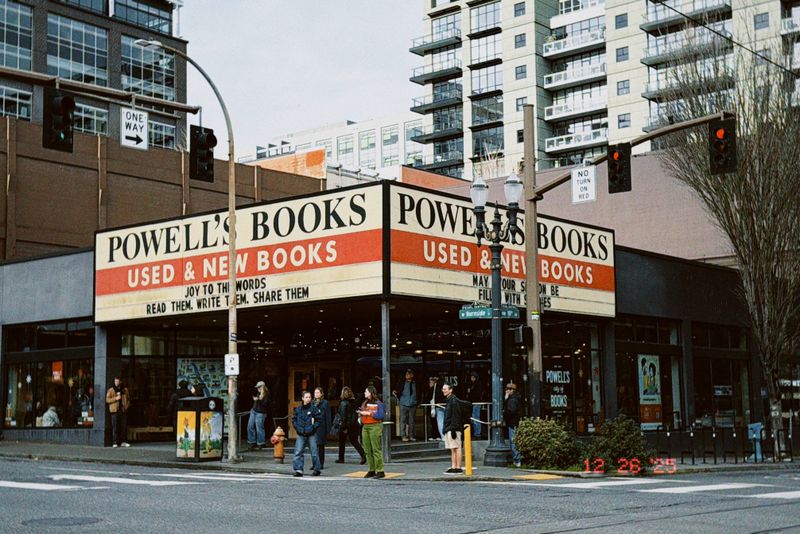
Powell’s City of Books occupies an entire city block at 1005 W Burnside Street, claiming the title of largest independent bookstore in the world. This isn’t just a bookstore, it’s a Portland institution where residents spend hours browsing multiple floors organized by color-coded rooms.
The smell of old paper mixes with fresh coffee as readers settle into corners with potential purchases, often staying so long they forget why they originally came.
Powell’s represents something larger than retail success. In an era when independent bookstores struggle against online giants, Powell’s thrives by creating an experience no website can replicate.
Knowledgeable staff offer genuine recommendations. Rare and used books sit alongside new releases.
Author events draw crowds eager to support writers and engage with ideas.
The bookstore’s success reflects Portland’s broader commitment to independent businesses. Residents actively choose local shops over chains, understanding that these choices shape their community’s character.
This isn’t performative, it’s genuine preference for the unique over the standardized, the curated over the algorithmic.
Portland supports numerous other independent bookstores beyond Powell’s, each serving specific neighborhoods and interests. Children’s bookstores, comic shops, poetry specialists, and general interest stores all find audiences willing to pay slightly more for personal service and community connection.
These businesses become gathering places where neighbors meet and ideas spread.
Book culture extends beyond retail too. Little Free Libraries dot residential streets.
Book clubs meet in coffee shops and living rooms. Literary festivals celebrate local and visiting authors.
Reading isn’t seen as solitary or elitist but as a shared activity that builds community and expands understanding. Portland proves that in a digital age, physical books and the spaces that sell them still matter deeply.
Robust Transit and Celebrated Bike Culture
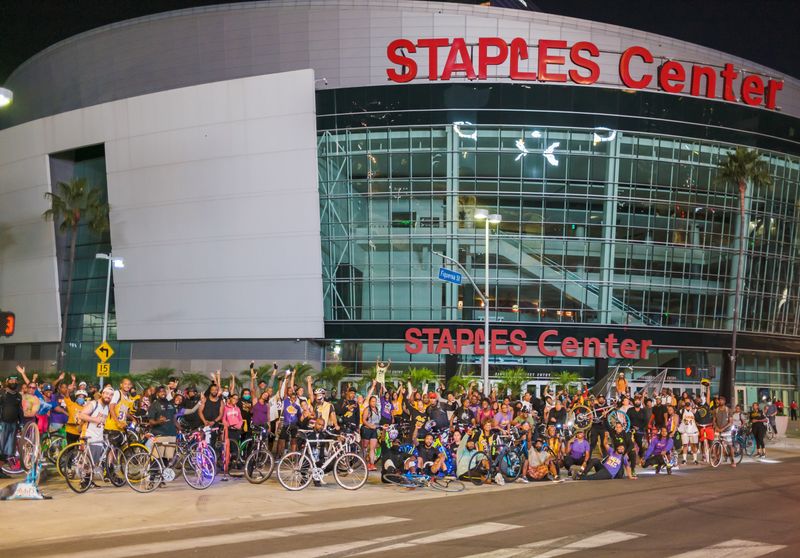
Portland consistently ranks among the most bicycle-friendly cities in America, with over three hundred eighty-five miles of bikeways connecting every neighborhood. Protected bike lanes, neighborhood greenways, and multi-use paths make cycling safe and practical for riders of all ages and abilities.
Commuters pedal to work in business attire, parents haul kids in cargo bikes, and recreational riders explore the city on weekends.
The city celebrates cycling culture through events that range from practical to playful. The World Naked Bike Ride draws thousands of participants annually, making a statement about vulnerability, body positivity, and alternative transportation.
While not everyone participates, the event symbolizes Portland’s willingness to embrace unconventional expressions of community values.
Public transit complements the bike infrastructure beautifully. Light rail lines and buses equipped with bike racks allow people to combine transportation modes seamlessly.
You can bike to the train, ride across town, then bike to your final destination without ever needing a car. This flexibility reduces the pressure to own vehicles, saving residents money while reducing traffic and emissions.
Bike shops outnumber car dealerships in many neighborhoods, offering everything from basic tune-ups to custom builds. Mechanics know customers by name and understand that bikes represent primary transportation rather than recreational toys.
This expertise and service quality keeps cyclists riding year-round, even through Portland’s famously rainy winters.
The bike culture extends beyond transportation into community identity. Group rides bring together diverse participants.
Bike advocacy organizations influence city planning. Cyclists look out for each other, offering help with flat tires or directions.
This shared experience creates bonds between strangers and reinforces the sense that Portland values people over cars.
Hyper-Local Neighborhood Identities and Village Vibes
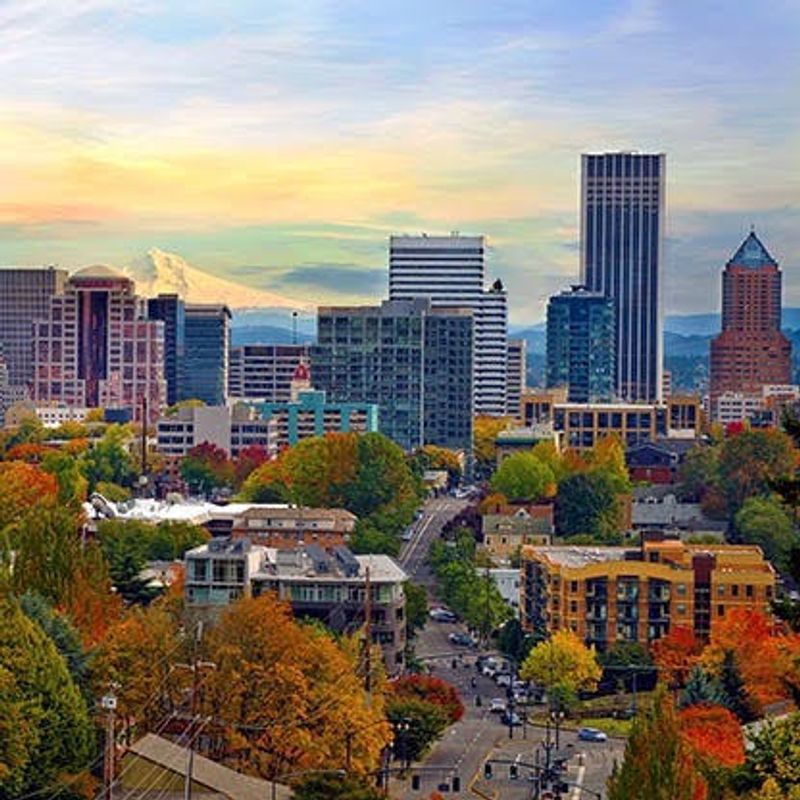
Portland divides into distinct sectors marked by compass directions: Northeast, Southeast, Northwest, Southwest, and North, with each containing multiple neighborhoods that feel like small villages. Alberta Arts District differs completely from Hawthorne Boulevard, which shares nothing with the Pearl District, despite all existing within the same city.
This fragmentation creates incredible diversity while maintaining intimate community feelings.
Each neighborhood develops its own personality through local businesses, architecture, and resident culture. Sellwood feels like a small town with antique shops and tree-lined streets.
Division Street buzzes with trendy restaurants and young professionals. Mississippi Avenue showcases independent boutiques and music venues.
Residents identify strongly with their specific neighborhood, often rarely venturing to other parts of the city.
This village-like structure means you can find your perfect fit within Portland’s larger ecosystem. Artists gravitate toward certain areas, families toward others, outdoor enthusiasts toward neighborhoods near trails.
People choose where to live based on values and lifestyle rather than just affordability or commute times.
Neighborhood associations wield real influence over local development and policy. Residents attend meetings, voice opinions, and shape how their areas evolve.
This grassroots engagement prevents top-down planning that ignores community needs and desires. People feel ownership over their neighborhoods because they actively participate in their creation.
The sector system can confuse newcomers trying to navigate addresses, but it reinforces the sense that Portland isn’t one monolithic city but rather a collection of distinct communities choosing to coexist. This structure preserves neighborhood character while allowing the overall city to grow and change.
You can experience Portland a hundred different ways depending on which village you call home.
Dear Reader: This page may contain affiliate links which may earn a commission if you click through and make a purchase. Our independent journalism is not influenced by any advertiser or commercial initiative unless it is clearly marked as sponsored content. As travel products change, please be sure to reconfirm all details and stay up to date with current events to ensure a safe and successful trip.
