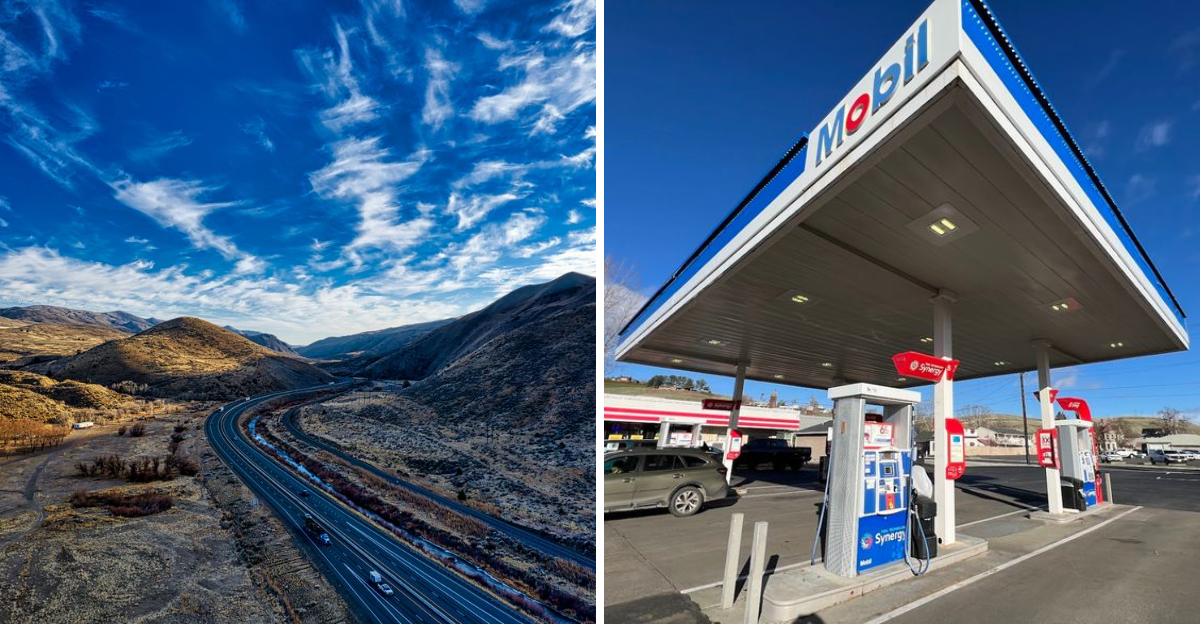
Oregon roads are full of adventures – but gas prices can turn even the best trip into a wallet workout. I chatted with locals and uncovered tips that make hitting the highway almost too easy on the budget.
From secret scenic routes to the best times to fill up, these hacks are like a cheat code for road trippers. Even tiny towns have tricks that make every mile feel like a win instead of a drain.
Locals glide through their trips like seasoned pros, while I scribbled notes like I’d just discovered treasure. Every tip comes with a side of Oregon charm, making saving money feel almost fun.
By the end, I was ready to hit the road with a full tank, a happy wallet, and a sense of adventure that wouldn’t quit.
1. Master the Urban Entry Rule
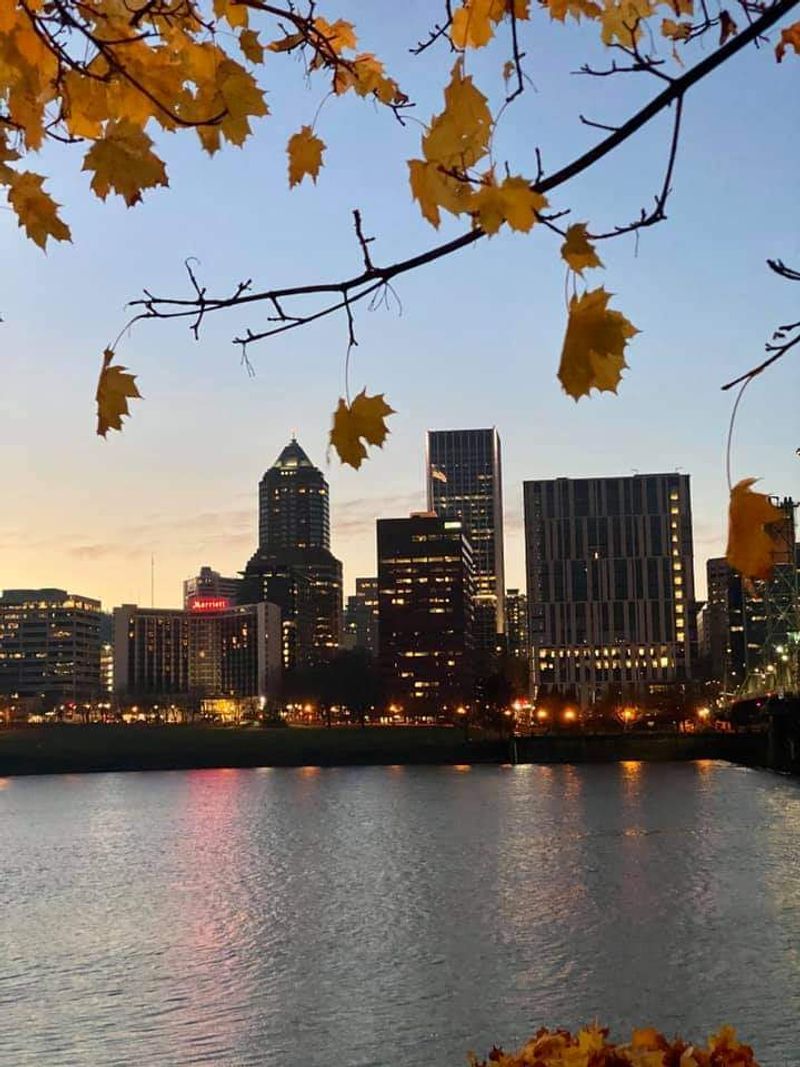
Highway robbery is real, and it happens right at the pump. Stations sitting directly next to I-5 or I-84 exits are often overpriced.
They frequently charge 20 to 50 cents more per gallon than stations just a short drive away.
The fix is simple: drive two to three miles into the nearest town. In Oregon, towns like Woodburn, Albany, and Roseburg have great neighborhood stations.
These spots serve locals at significantly lower prices than the ‘big brand’ stops visible from the interstate.
On a 15-gallon fill-up, a 25-cent difference puts nearly four dollars back in your pocket. Over a long road trip, those savings can easily pay for a meal.
Highway stations bank on your impatience and fear of navigating unfamiliar streets.
Resist the urge to pull over at the first sign you see. A quick check on a fuel-tracking app or Google Maps is all you need.
It can reveal much cheaper options less than five minutes away.
2. Leverage the Big Two Reward Systems
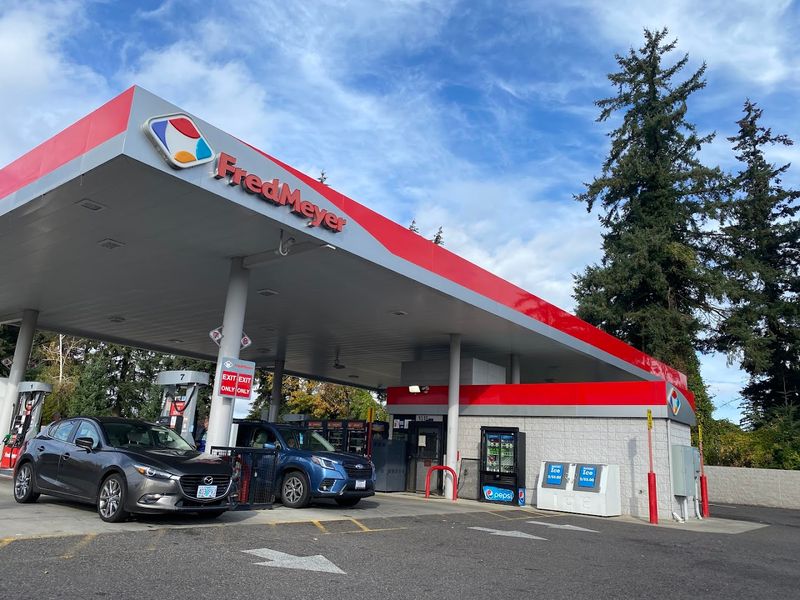
Your grocery loyalty card is likely the most underused financial tool in your wallet. Both Fred Meyer and Safeway run fuel reward programs.
If used strategically, these can slash pump prices by significant margins.
Fred Meyer, part of the Kroger family, awards one fuel point for every dollar spent. Every 100 points earns you 10 cents off per gallon.
This discount applies to a maximum of 35 gallons. To maximize this, look for ‘4x Points’ digital coupons in their app.
Buying a $100 gift card for a store you already frequent can instantly unlock a 40-cent-per-gallon discount.
Safeway’s ‘for U’ program works similarly but requires careful timing. Points accumulate into ‘Rewards.’ These expire at the end of the month following the month they were earned.
You can redeem smaller discounts at participating Chevron and Texaco stations. However, you can often stack points for up to one dollar off per gallon at Safeway’s own fuel centers.
Stacking these rewards across a month of normal grocery shopping can save Oregon locals $10 to $20 monthly. The key is consistently scanning your card.
Make sure to clip digital bonus coupons before you hit the checkout line. Watch those totals climb and time your fill-ups.
Be sure to use those points before they expire at the end of the month.
3. Use Oregon-Specific Apps

Two apps stand out as genuine money-savers for Oregon drivers in 2026: Upside and GasBuddy. Knowing the prices before you pull in removes the guesswork.
It prevents ‘pump shock’ in a state where fuel costs consistently rank fifth highest in the nation.
Upside is the top-rated tool for cash-back. It offers deals of up to 25 cents per gallon in hubs like Portland, Salem, and Eugene.
The process is seamless: you claim an offer in the app and pay with your linked card. The savings hit your account automatically.
You often won’t even need to scan a paper receipt thanks to digital ‘Check-in’ features.
GasBuddy remains the gold standard for real-time reporting. This is vital for rural Oregon.
On remote stretches like Hwy 395 between Burns and Lakeview, prices can fluctuate by 50 cents per gallon between stations. GasBuddy ensures you don’t accidentally pull into the most expensive pump in the county.
For maximum impact, use them together. GasBuddy finds the lowest base price.
Upside then adds a layer of cash-back on top. In 2026, Oregon’s average often nears $5.00 during peak season.
This five-minute habit can save you enough to fund your entire roadside lunch on a long trip.
4. Take Advantage of the Pump-Your-Own Pivot
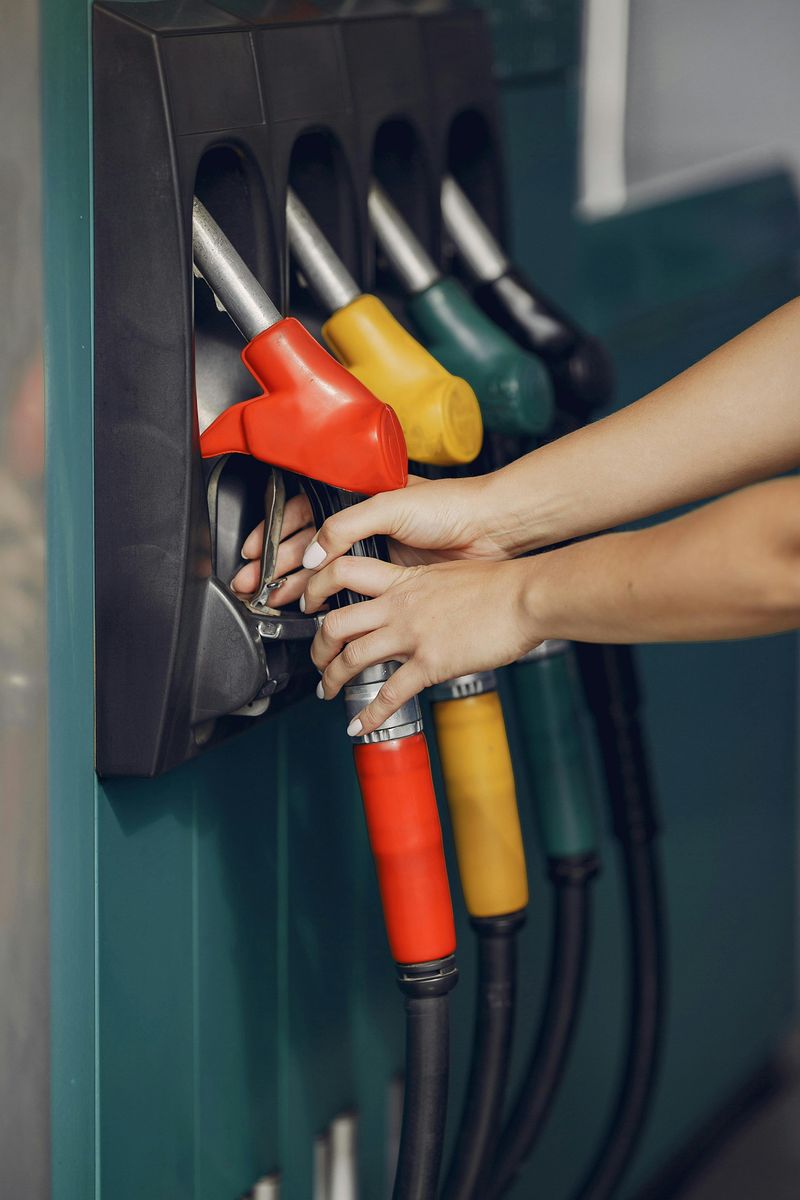
Oregon’s 72-year ban on self-service gas officially ended in 2023. This change has transformed the refueling landscape forever.
While many drivers still wait for an attendant out of habit, handling the pump yourself offers a hidden efficiency advantage.
In Oregon’s 16 most populous counties, law HB 2426 requires stations to keep at least 50% of their pumps as full-service. However, it’s crucial to know that stations are legally prohibited from charging a different price for self-service.
The price you see on the sign must be the price you pay in every lane.
The real ‘savings’ come from time and station choice. Independent stations that have embraced self-service often have lower overhead costs.
This allows them to post lower base prices than the massive travel centers. By choosing the self-serve lane, you bypass the long wait for an understaffed crew.
You get back on the road much faster.
For locals, the habit is now about control. You grab the nozzle and fill the tank yourself.
This helps you avoid the bottleneck of a busy station. You won’t see a ‘self-serve discount’ line item on your receipt.
However, choosing the faster lane at a budget-friendly station is the smart way to navigate Oregon’s new fueling reality in 2026.
5. Never Play Empty Light Roulette in Eastern Oregon
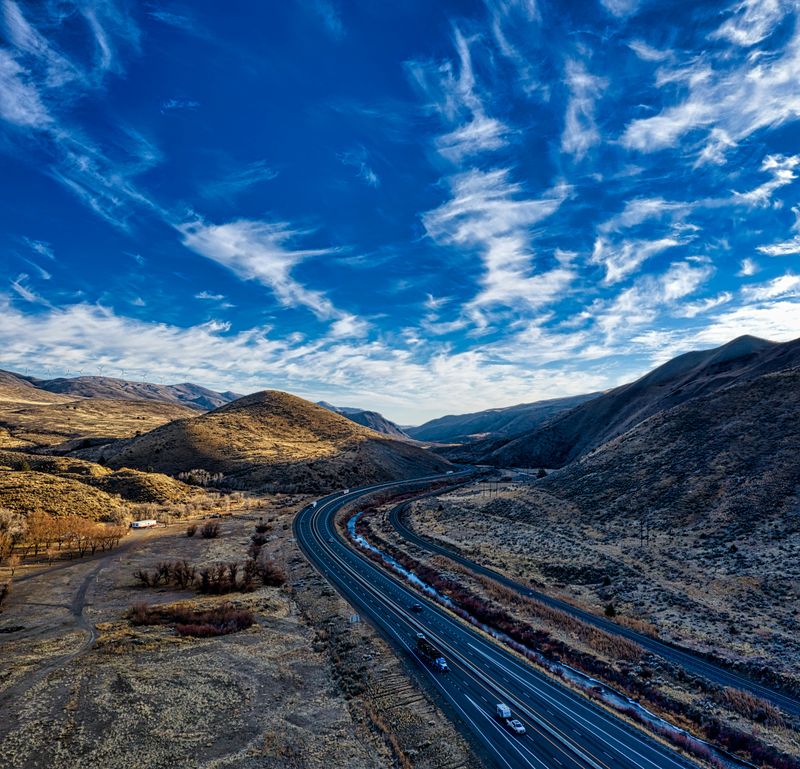
Eastern Oregon is stunning, wide open, and absolutely unforgiving. Distances between gas stations along the Oregon Outback (Hwy 31) and High Desert Discovery Byway (Hwy 205) can stretch over 80 miles.
There is often zero cell service in between.
Locals live by the ‘Quarter Tank Rule.’ When your gauge hits a quarter full, you stop at the next station. There are no exceptions.
Remote outposts like Fields and Frenchglen charge a significant premium. However, that cost is trivial compared to a $600+ tow bill from a dead zone.
Planning is the real secret. Crucially, check the operating hours of rural stations before you leave.
Many close at sunset. This can leave late-night travelers stranded even if they find a pump.
Always download offline maps of the region. Your GPS will fail you in the canyons.
Experienced desert travelers often carry a 2-gallon EPA-approved fuel container for emergencies. It’s a small weight to carry.
It provides immense peace of mind on the loneliest roads in the lower 48.
The high desert scenery is worth every mile, but only if you arrive prepared. Running dry out here isn’t just an inconvenience.
It’s an expensive, multi-hour ordeal. Most locals only experience it once before respecting the desert’s rules forever.
6. Maximize Drafting and Cruise Control Strategy
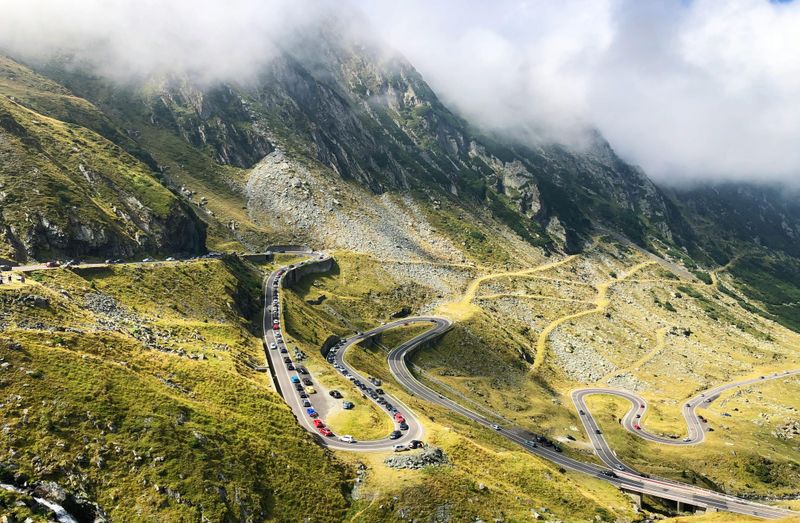
Oregon’s geography is gorgeous, but it demands respect from your fuel gauge. The rolling hills of the Willamette Valley and steep climbs over the Cascades can drain your tank faster than expected.
This is especially true on the 6% grade of Cabbage Hill (I-84) or the high-altitude Siskiyou Summit (I-5).
Cruise control is your best tool on the flat stretches of I-5. It eliminates the erratic foot movements that waste fuel.
This can improve efficiency by up to 10%. However, modern Adaptive Cruise Control can be counterproductive in traffic.
Sudden braking wastes the momentum you’ve already paid for in fuel.
The golden rule: Turn cruise control off on steep mountain passes. When a system fights to maintain speed uphill, it forces the transmission to downshift.
This pushes RPMs into the red and burns excessive fuel. Instead, keep a steady foot.
Allow your speed to drop naturally during the climb. You can then use gravity to regain that speed on the descent.
On long descents, remember to use engine braking rather than riding your brakes to maintain safety. Oregon drivers who treat their throttle like a precision tool consistently see better mileage.
They avoid the ‘set it and forget it’ mindset. Adapting to the terrain isn’t just safer.
It’s the smartest way to keep your fuel budget intact across the Cascades.
7. Lighten Your Load Before Leaving

Oregonians love their outdoor gear, but that adventurous spirit comes with a hidden fuel cost. Roof racks, cargo boxes, and bike carriers are essential for trips to Mt.
Hood or the Coast. However, they are brutal on fuel economy when left on unnecessarily.
A Yakima or Thule cargo box can reduce highway fuel efficiency by 10% to 20% due to wind drag. With Oregon gas prices hovering around $4.50 per gallon in 2026, an empty roof box is a waste of money.
It can cost you $3 to $5 every 100 miles. If you’re heading to Portland for a weekend without your boards, take the ten minutes to remove the rack.
Your savings start the moment you hit the on-ramp.
Weight inside the vehicle matters too. For every extra 100 pounds of gear in your trunk, your fuel economy drops by about 1%.
Clear out the sandbags from winter or the heavy recovery gear you don’t need for city driving.
For those looking to upgrade, hitch-mounted racks are a smarter long-term investment. They sit in the vehicle’s aerodynamic wake and cause significantly less drag.
Traveling lean is a mindset shift. A lighter, ‘cleaner’ car goes further on every tank.
This keeps your adventure budget in your pocket instead of letting it disappear into the wind.
8. Check Your Tire PSI for Coast Range Driving
The winding roads through Oregon’s Coast Range demand constant braking and acceleration. This pattern already taxes your fuel efficiency.
However, under-inflated tires make that toll even steeper. Drivers often don’t even notice the difference.
Every 1 PSI drop below your manufacturer’s recommendation increases rolling resistance. This lowers your mileage by about 0.2%.
Dashboard warning lights often don’t trigger until a tire is 25% low. Because of this, you could be losing significant money without ever seeing an alert.
The Golden Rule: Check your pressure when the tires are ‘cold.’ This is ideally done before you start your drive. Use the PSI numbers printed on the sticker inside the driver’s door frame.
Do not use the ‘max pressure’ listed on the tire itself.
Temperature swings in the Pacific Northwest play a huge role. Tires lose roughly 1 PSI for every 10-degree drop in temperature.
A tire that was perfect during a warm Willamette Valley afternoon could be dangerously low the next morning. This is especially true during a crisp start in the Coast Range.
Properly inflated tires don’t just save fuel. They are also critical for safety on the tight curves of Hwy 6 or Hwy 26.
They reduce ‘tire squirm’ and uneven wear. This ensures your trip to the coast is as cheap as it is smooth.
A three-minute PSI check before you leave is the easiest win you can have.
9. Avoid the Summer Blend Price Surge
Every spring in Oregon, fuel prices climb in a predictable cycle. As warmer months approach, gas stations switch from winter-grade fuel to summer-blend gasoline.
This transition directly impacts your wallet.
Summer-blend gasoline is designed with lower volatility to prevent evaporation. This process helps reduce smog and is better for air quality.
It actually provides about 1.7% more energy per gallon, which can improve your MPG. However, it is more expensive to refine.
These costs, combined with annual refinery maintenance, drive prices up across the state.
The window to save is in late March and early April. EPA regulations require the full switch by June 1st.
However, price hikes begin as stations cycle through their cheaper winter inventory in April. Filling up strategically before the mid-April surge can save you significantly.
This is a great move before your first big road trip of the season.
For Oregon drivers planning a spring break trip, timing your largest fuel purchases is a pro move. It’s not about hoarding.
It’s about understanding the RVP (Reid Vapor Pressure) cycle. By staying ahead of the annual ‘spring spike,’ locals keep more money in their pockets.
They also enjoy the slightly better mileage that summer-grade fuel provides.
10. Explore the OReGO Program for High-MPG Drivers
High-efficiency vehicle owners in Oregon have a powerful tool: the OReGO program. It is designed for vehicles getting 30+ MPG and all electric vehicles.
This program transforms how you pay for road maintenance.
As of 2026, the trade-off is simple. Instead of paying the standard state gas tax, you pay a flat per-mile fee.
This also applies to the high registration surcharges for EVs. For hybrid drivers, the magic happens at the pump.
You receive a fuel tax credit for every gallon you buy. This credit directly offsets your mileage charges.
If your car is exceptionally efficient, you may even end up with a net credit.
The biggest ‘hidden’ win is the registration discount. Enrolled drivers often pay a significantly lower fee compared to other high-MPG owners.
The program does require a small plug-in device or telematics connection to track miles. However, the financial offset is a major advantage during years of high fuel prices.
Local Pro Tip: If you’re near the eastern border, fill up in Ontario, Oregon. This is often smarter than crossing into Idaho.
Idaho’s fuel tax may be lower. However, Oregon’s lack of sales tax usually keeps the total ‘out-the-door’ cost lower on the Oregon side.
Signing up for OReGO is a strategic move for the modern driver. It’s about opting out of an outdated tax system.
It ensures your high-MPG choice pays you back every time you hit the road.
Dear Reader: This page may contain affiliate links which may earn a commission if you click through and make a purchase. Our independent journalism is not influenced by any advertiser or commercial initiative unless it is clearly marked as sponsored content. As travel products change, please be sure to reconfirm all details and stay up to date with current events to ensure a safe and successful trip.
