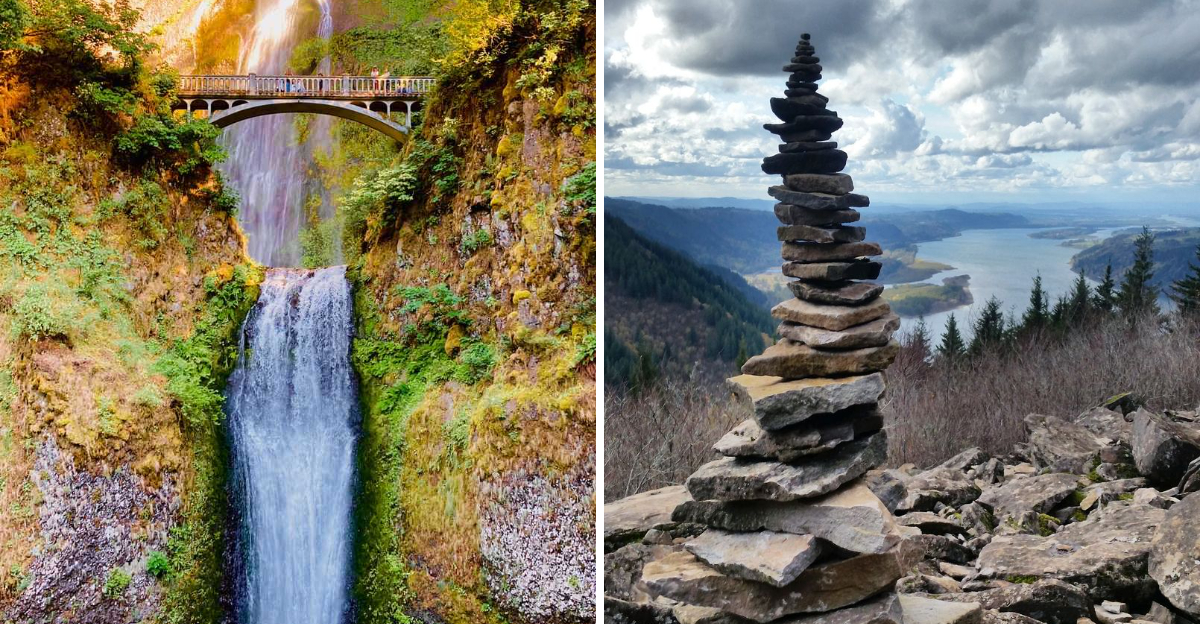
Oregon has always marched to its own beat, and locals know the best spots never really go out of style. While the rest of the world chases trends and viral hotspots, Oregonians keep returning to the same breathtaking waterfalls, charming small towns, and rugged coastlines they’ve loved for decades.
These places aren’t stuck in the past, they’re timeless, offering the kind of authentic Pacific Northwest magic that never needs an upgrade.
From misty mountain peaks to quirky Gold Rush villages, Oregon’s most beloved destinations have stayed true to their roots while the world around them keeps changing.
Sure, you could chase the latest Instagram sensation, but why bother when you’ve got Crater Lake’s impossible blue water waiting for you? Locals didn’t forget about these gems just because a new coffee shop opened downtown.
They’re still lacing up their hiking boots for Angel’s Rest and still road-tripping to Cannon Beach every summer like clockwork.
So grab your flannel, pack some snacks, and get ready to explore Oregon the way it was meant to be experienced: real, wild, and wonderfully unchanged.
1. Multnomah Falls
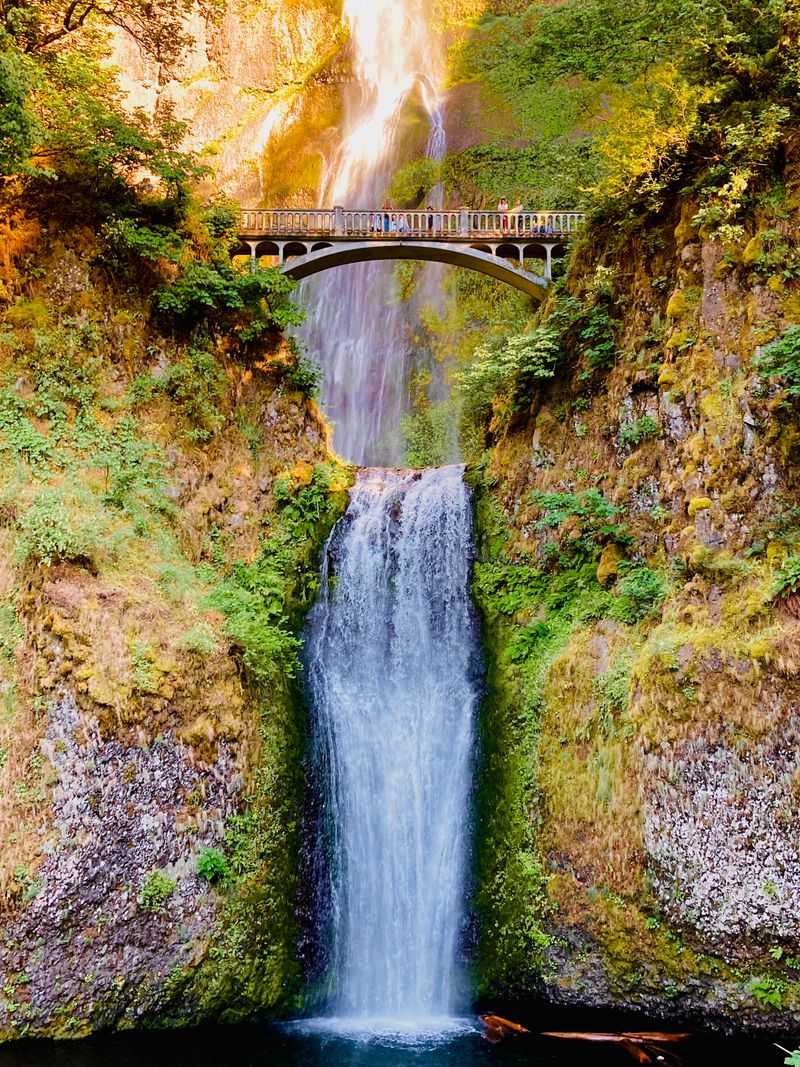
Standing tall at 620 feet, Multnomah Falls remains the crown jewel of the Columbia River Gorge, drawing locals year after year with its two-tiered cascade that seems to pour straight from the heavens.
Just thirty minutes east of Portland, this iconic waterfall has been a favorite Sunday drive destination since long before smartphones existed, and Oregonians still flock here to feel the cool mist on their faces and snap photos from the historic Benson Bridge.
The short paved trail to the bridge viewpoint makes it accessible for families, while the steeper mile-long hike to the top rewards adventurers with sweeping Gorge views that’ll make your heart skip a beat.
Locals love visiting during the quieter weekday mornings when the crowds thin out and the falls feel almost meditative in their power. The newly renovated Multnomah Falls Lodge, rebuilt after a devastating wildfire, serves as both a visitor center and a cozy spot to grab a warm drink before heading back down the trail.
Whether you’re introducing out-of-town friends to Oregon’s natural wonders or simply need a quick escape from city life, this waterfall delivers every single time.
Winter visits bring dramatic icicles clinging to the cliffside, while spring snowmelt turns the cascade into a thundering spectacle that echoes through the canyon. Summer offers lush greenery and longer daylight hours perfect for extended hikes, and fall paints the surrounding forest in brilliant golds and reds that frame the white water beautifully.
Multnomah Falls has earned its place in Oregon’s heart not through flashy marketing or trendy makeovers, but through decades of reliably stunning beauty that never gets old no matter how many times you visit.
2. Angel’s Rest Trail
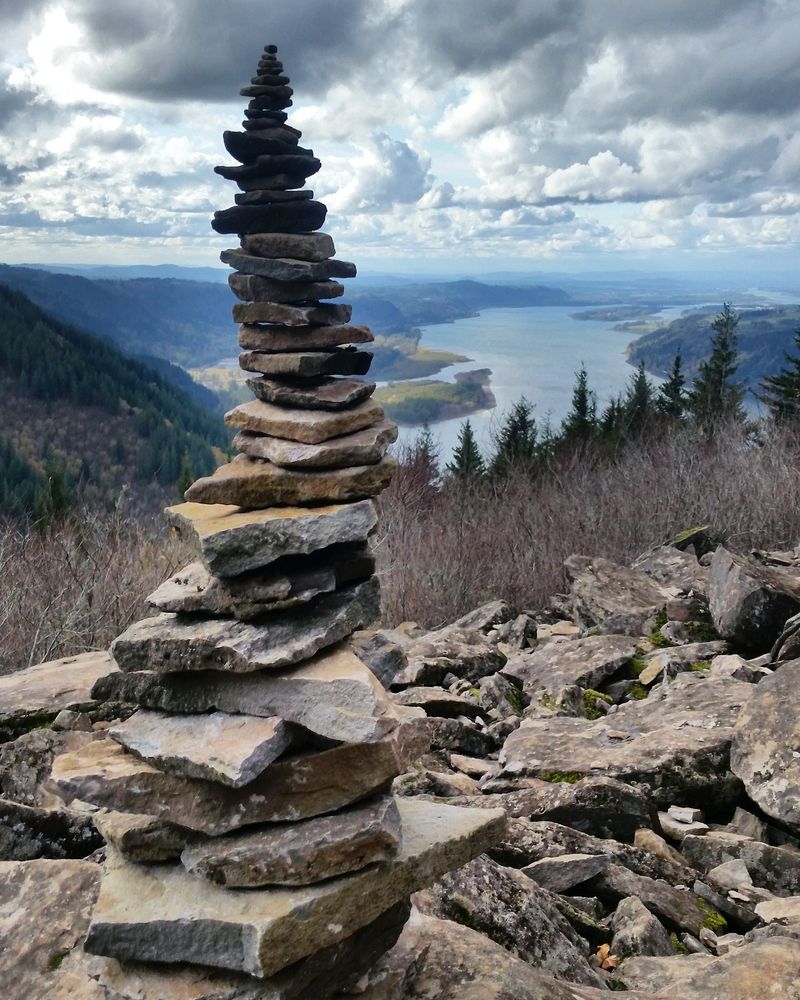
Perched high above the Columbia River Gorge, Angel’s Rest delivers one of the most rewarding payoffs for a relatively short hike that locals have been tackling since they were teenagers.
This 4.8-mile round trip trail climbs steeply through dense forest before opening up to a rocky clifftop viewpoint that stretches from Mount Hood to Mount St. Helens on clear days, with the mighty Columbia River snaking below like a silver ribbon.
The trailhead sits just off Historic Highway 30 near Bridal Veil, making it an easy add-on to any Gorge adventure or a standalone mission for hikers seeking that perfect blend of challenge and scenery.
What keeps Oregonians coming back isn’t just the views, it’s the sense of accomplishment that comes from conquering those 1,500 feet of elevation gain and earning your spot on that windswept summit. Locals know to bring layers since the exposed ridgetop can be chilly even on warm valley days, and they’ve learned that sunrise hikes offer the best light for photography plus smaller crowds.
The trail itself winds through recovering forest that shows nature’s resilience after the 2017 Eagle Creek Fire, with wildflowers now blooming where flames once raged.
Spring brings carpets of lupine and paintbrush along the upper sections, while autumn offers crisp air and stunning foliage that makes the climb feel almost effortless. Dog owners appreciate that their four-legged friends can join the adventure on-leash, and families with older kids find it challenging enough to feel like a real hike without being impossibly difficult.
Angel’s Rest has maintained its status as a local favorite because it delivers big mountain views without requiring an all-day commitment, proving that sometimes the best adventures are the ones closest to home.
3. Cannon Beach
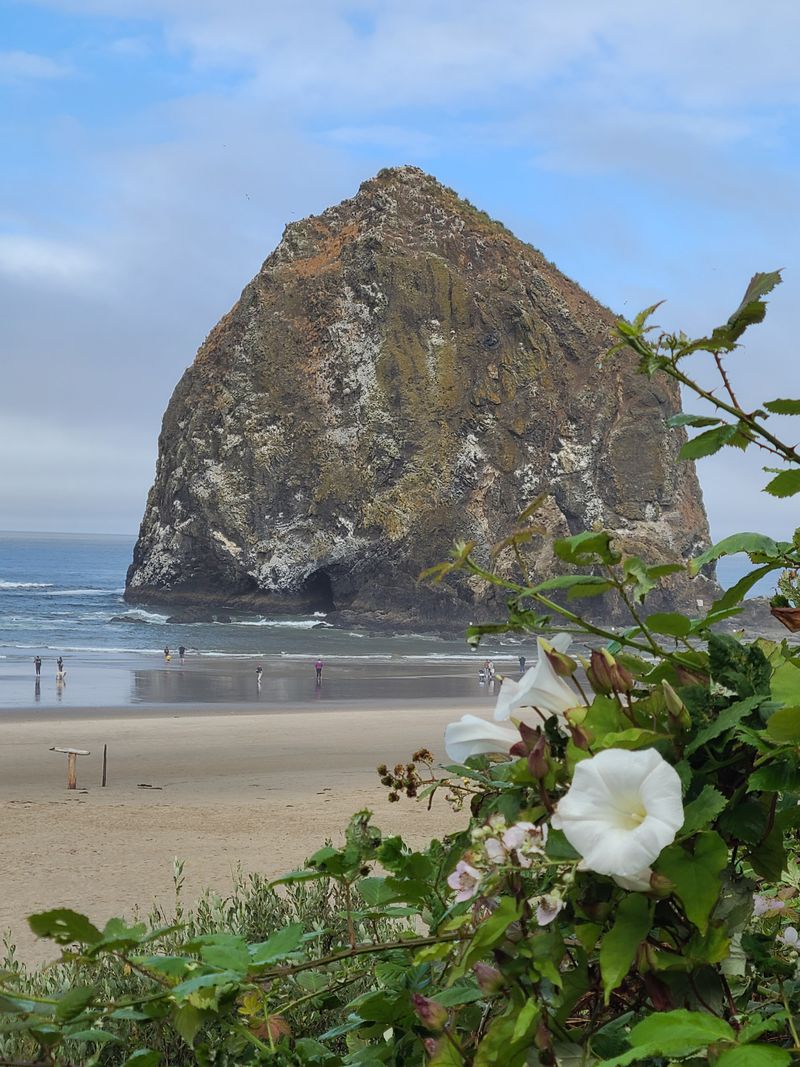
Haystack Rock rises 235 feet from the sand like a giant’s chess piece, anchoring Cannon Beach as one of Oregon’s most photographed and perpetually beloved coastal destinations. Locals from Portland and the Willamette Valley have been making the ninety-minute pilgrimage to this charming seaside town for generations, drawn by its perfect combination of natural drama and small-town walkability that feels refreshingly unchanged despite its fame.
The wide sandy beach stretches for miles in both directions, inviting long contemplative walks where the only sounds are crashing waves and calling seabirds, while the compact downtown offers art galleries, bookshops, and cafes that cater to locals and visitors alike.
Low tide transforms Haystack Rock into a living classroom where tidepools teem with bright orange starfish, green anemones, and tiny crabs scuttling between rocks, making it a favorite spot for families teaching kids about marine ecosystems. Oregonians know the best times to visit are the shoulder seasons of spring and fall when summer crowds disappear but the beach remains gloriously accessible and moody in that quintessentially Pacific Northwest way.
Foggy mornings add an ethereal quality to the landscape, with the massive rock formation appearing and disappearing through the mist like something from a dream.
The town itself maintains its artistic soul through events like the Sandcastle Contest each summer and the Stormy Weather Arts Festival each November, celebrating the coast’s wild beauty rather than trying to tame it. Local tip: park near Tolovana Beach Wayside on the south end for easier access and fewer parking headaches, then walk north toward Haystack for the classic postcard view.
Cannon Beach has stayed relevant not by reinventing itself but by staying true to what made it special in the first place, a rare stretch of Oregon coast where nature still takes center stage and time seems to slow down with every wave that rolls in.
4. Astoria
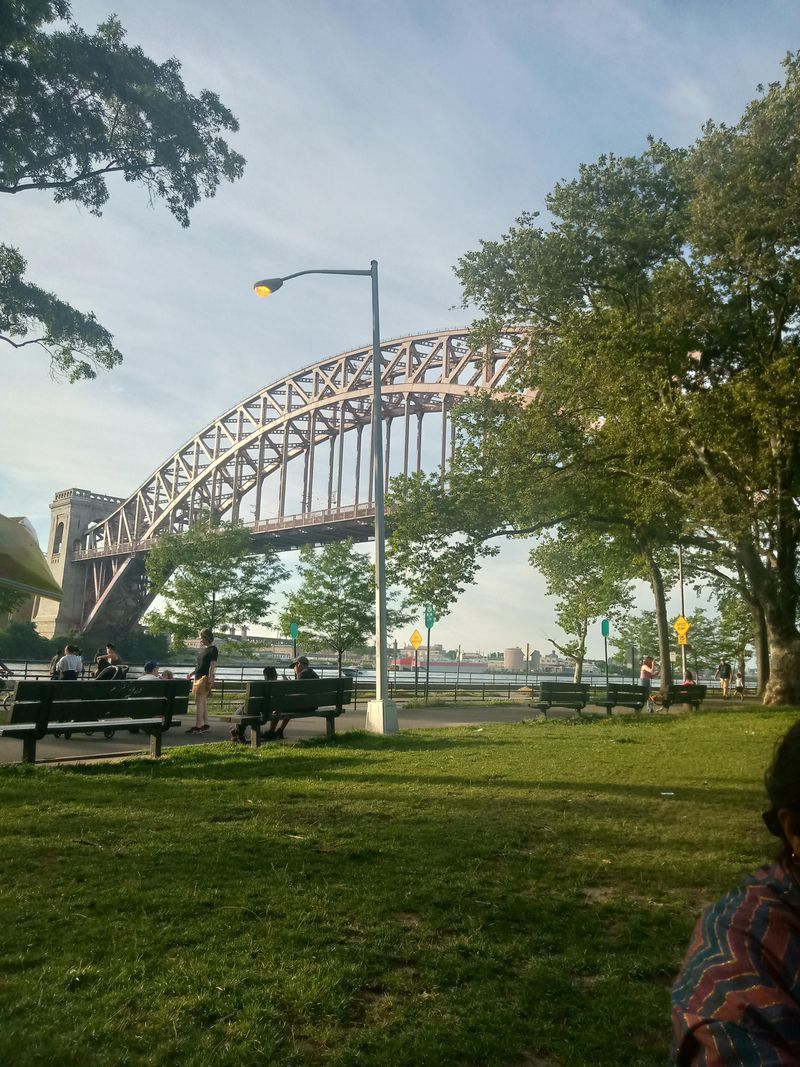
Perched where the mighty Columbia River finally surrenders to the Pacific Ocean, Astoria wears its history like a well-loved jacket, with Victorian homes climbing steep hillsides and fishing boats still working the waters below. This quirky port city served as Oregon’s first American settlement and has somehow managed to preserve its authentic maritime character while other coastal towns succumbed to tourist trap transformation.
Locals adore the Astoria Column, a 125-foot tower atop Coxcomb Hill that offers 360-degree views stretching from the river’s mouth to the Coast Range, reached by climbing 164 spiraling steps that’ll leave your legs burning but your camera roll full.
Downtown’s historic blocks feature brewpubs, vintage shops, and seafood joints that have fed fishermen and families for decades, creating a lived-in atmosphere that feels worlds away from sanitized tourist destinations. The Columbia River Maritime Museum at 1792 Marine Drive, Astoria, OR 97103, remains the Pacific Northwest’s premier maritime heritage center, housing everything from Coast Guard rescue boats to fishing industry artifacts that tell the story of those who’ve made their living from these dangerous waters.
Walking the Riverwalk Trail along the waterfront lets you watch massive cargo ships navigate the treacherous Columbia Bar while sea lions bark from nearby docks, a scene that’s played out here for over a century.
Film buffs still seek out Goonies house locations scattered through residential neighborhoods, though locals kindly ask visitors to respect private property while indulging their 1980s nostalgia. Foggy mornings give Astoria an almost haunted quality that perfectly suits its role as a working port city that’s seen boom times and hard times but never lost its gritty soul.
What keeps Oregonians returning to Astoria isn’t manufactured charm but genuine character built over generations of people making honest livings from the sea, creating a coastal town that feels refreshingly real in an increasingly polished world.
5. Mount Hood
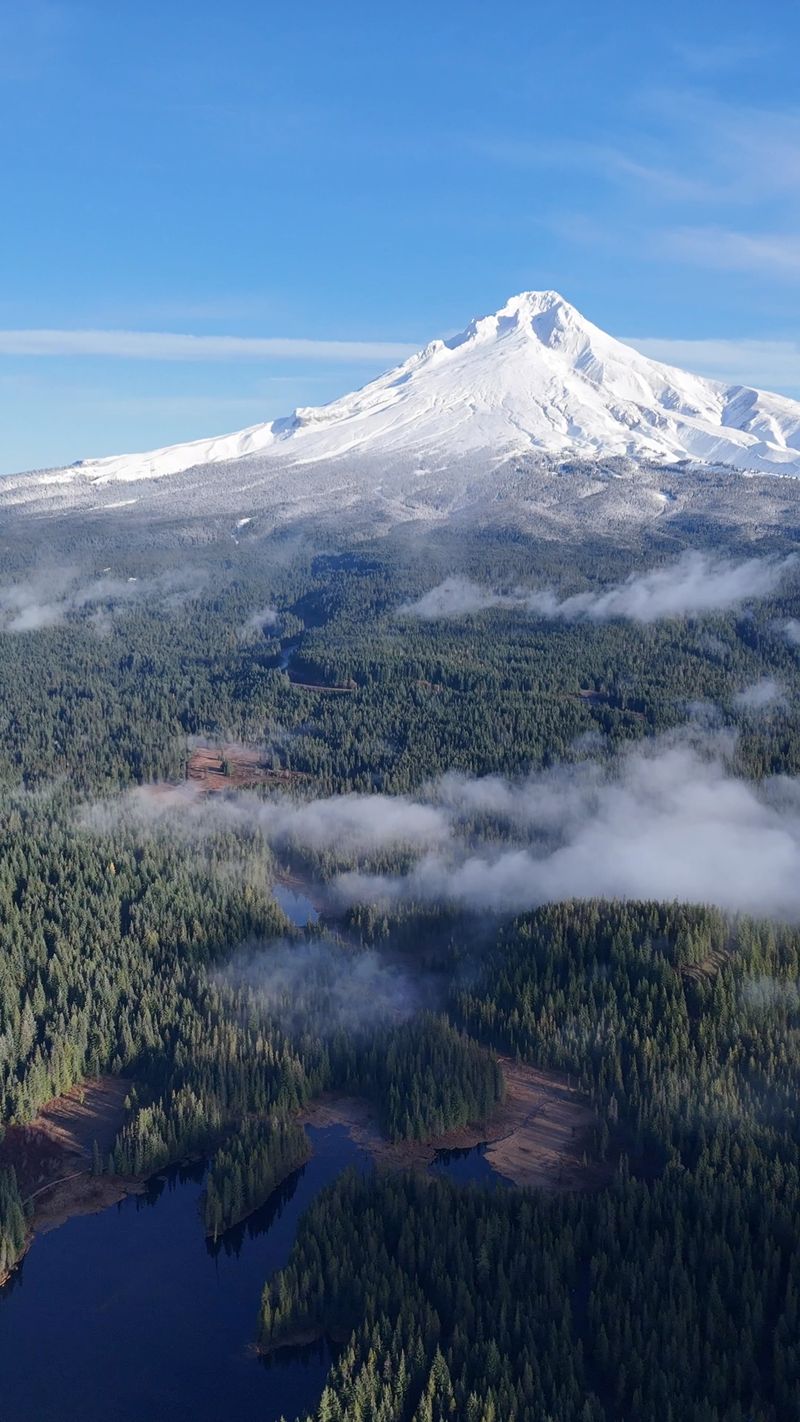
Oregon’s tallest peak dominates the horizon at 11,249 feet, serving as both the state’s most recognizable landmark and its year-round alpine playground that locals treat like their personal backyard mountain. Just sixty miles east of Portland, Mount Hood offers something for every season: world-class skiing and snowboarding at Timberline Lodge and Mount Hood Meadows in winter, wildflower-filled hiking trails in summer, and spectacular fall colors painting the surrounding forests in autumn.
Timberline Lodge itself stands at 6,000 feet as a Depression-era masterpiece of rustic architecture that’s welcomed visitors since 1937, its massive timber beams and stone fireplaces creating the ultimate mountain retreat vibe.
Locals know the mountain’s moods intimately, understanding which trails offer the best wildflower displays in July and which slopes hold powder longest after winter storms. The historic Timberline Trail circumnavigates the entire peak over forty miles, crossing wildflower meadows, glacial streams, and ancient forests that showcase the Pacific Northwest’s incredible biodiversity.
Summer visitors can actually ski the Palmer Snowfield year-round, making Mount Hood one of the few places in North America where you can legitimately hit the slopes in August if the urge strikes.
Government Camp, the small mountain village on Hood’s south side, serves as base camp for adventures with its ski shops, casual eateries, and that unmistakable mountain town energy where everyone seems to know everyone else. Mirror Lake Trail offers families an accessible hike to a pristine alpine lake that reflects Hood’s snowy peak like nature’s perfect postcard, while more ambitious hikers tackle the challenging summit climb that requires technical mountaineering skills and glacier travel experience.
What makes Mount Hood eternally beloved isn’t just its beauty or accessibility but the way it anchors Oregon’s identity, visible from Portland on clear days and reminding everyone that wilderness adventure is never more than an hour’s drive away.
6. Crater Lake
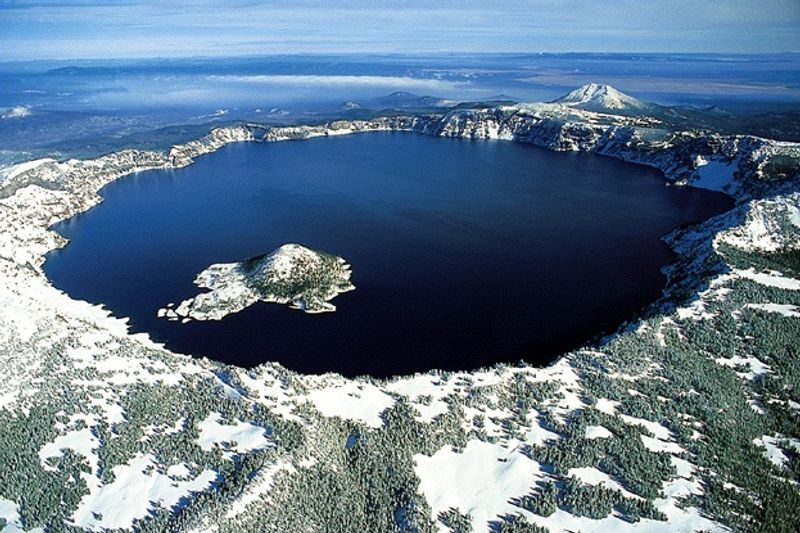
Formed nearly 8,000 years ago when Mount Mazama collapsed into itself after a catastrophic eruption, Crater Lake holds the title of deepest lake in the United States at 1,943 feet and arguably the bluest water on planet Earth. That impossibly vivid cobalt color comes from the lake’s remarkable purity and depth, with no rivers or streams feeding it, only rain and snowmelt filling the caldera over millennia.
Locals make the pilgrimage to Crater Lake National Park in southern Oregon knowing they’ll be rewarded with views that photographs simply cannot capture accurately, that electric blue seeming almost unnatural in its intensity against the surrounding volcanic cliffs.
The 33-mile Rim Drive circles the entire caldera, offering dozens of pullouts where you can stop and stare in wonder at this geological marvel that never stops amazing even longtime Oregonians. Wizard Island rises from the lake’s western side like a miniature volcano within the volcano, accessible by boat tour during summer months for those wanting to get down to water level and truly appreciate the caldera’s massive scale.
Winter transforms Crater Lake into a snowy wonderland where cross-country skiers and snowshoers have the rim trail mostly to themselves, with snowbanks often reaching fifteen feet or more well into June.
The historic Crater Lake Lodge perches on the caldera rim, offering guests the chance to wake up to that stunning blue view from their windows, though locals know booking requires planning months in advance. Rangers lead educational talks explaining the lake’s formation and unique ecosystem, including the fascinating story of the Old Man of the Lake, a hemlock log that’s been floating vertically in the water for over a century.
What keeps this place special isn’t just its spectacular beauty but its remoteness, sitting far enough from major cities that it requires intentional effort to visit, ensuring that everyone who makes the journey truly appreciates the reward of witnessing one of nature’s most extraordinary creations.
7. Hood River
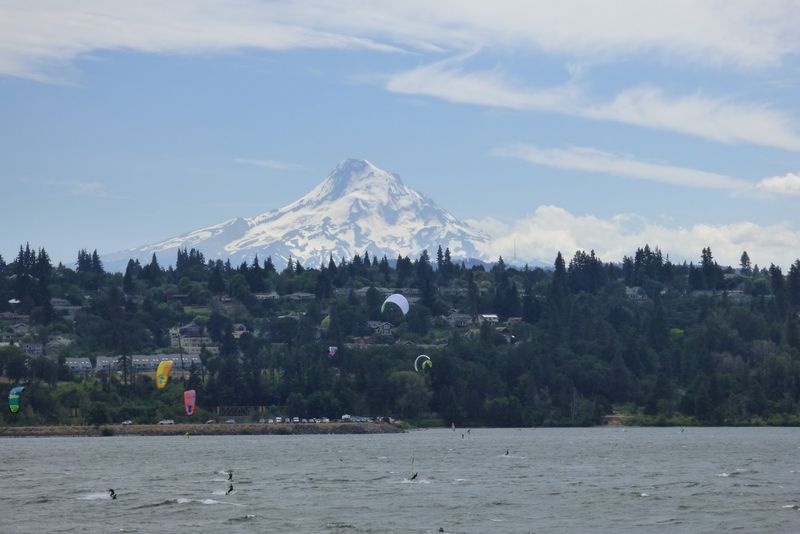
Where the Columbia River Gorge creates a natural wind tunnel between Oregon and Washington, Hood River has evolved into the Pacific Northwest’s adventure capital without losing its agricultural roots or small-town charm. Windsurfers and kiteboarders from around the world chase the Gorge’s legendary winds here, their colorful sails dotting the river like confetti on breezy afternoons, while locals balance outdoor pursuits with orchard work and tourism jobs that keep this town of 8,000 humming year-round.
Downtown Hood River stretches along a compact grid of streets filled with brewpubs, outdoor gear shops, and farm-to-table restaurants that showcase the valley’s incredible bounty of apples, pears, and cherries.
Mount Hood looms to the south providing a stunning backdrop and easy access to skiing just thirty minutes away, while Mount Adams rises across the river in Washington, giving Hood River possibly the best mountain views of any Oregon town. The Hood River Waterfront Park and Event Site serves as ground zero for wind sports, with a swimming beach, walking paths, and front-row seats to watch experts carve across whitecaps that would intimidate most sailors.
Spring brings the Fruit Loop, a scenic driving route through surrounding orchards where farm stands sell fresh produce, lavender products, and hard cider that tastes like bottled sunshine.
Locals appreciate how Hood River has grown into a destination without becoming pretentious, maintaining its working-class roots alongside the influx of outdoor enthusiasts and remote workers drawn by the lifestyle. Summer evenings find families at riverside parks watching the sunset paint Mount Hood pink while kiteboarders catch their last runs of the day, creating that perfect Pacific Northwest scene of recreation and natural beauty coexisting effortlessly.
Hood River’s enduring appeal comes from its refusal to choose between being an adventure town or an agricultural community, instead embracing both identities and creating something uniquely Oregon in the process.
8. Sisters
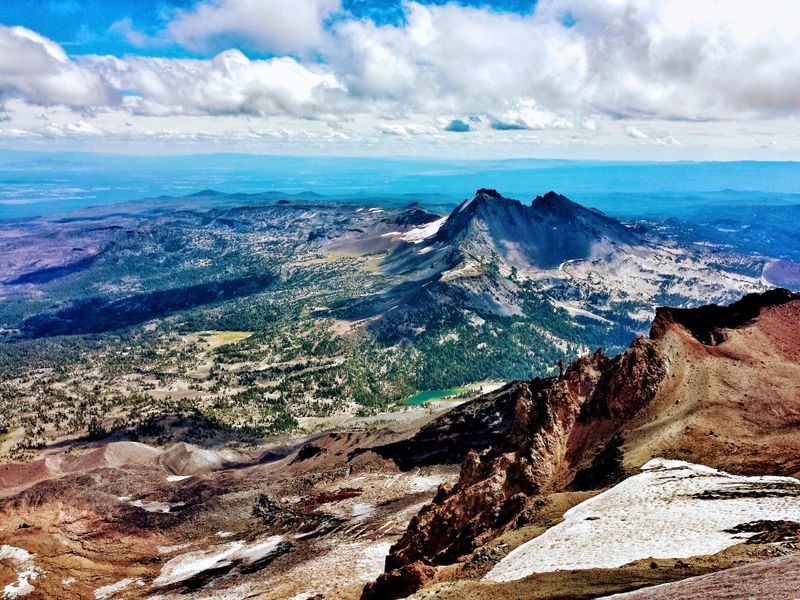
Named for the Three Sisters mountains that stand sentinel to the west, this Central Oregon town of barely 3,000 residents has perfected the art of Western charm without crossing into theme park territory. Sisters’ downtown stretches along a few blocks of Old West-style storefronts housing quilting shops, art galleries, and cafes that serve locals and tourists with equal friendliness, all backdropped by those stunning Cascade peaks that glow alpenglow pink at sunset.
The town maintains strict architectural guidelines requiring that Western aesthetic, creating visual cohesion that transports visitors to a simpler time while hiding the fact that many buildings are relatively modern.
Locals gather at Sisters Coffee Company at 273 W Hood Ave, Sisters, OR 97759, for morning caffeine and community gossip, the kind of place where baristas know your order and tourists blend seamlessly with ranchers and retirees. The annual Sisters Outdoor Quilt Show each July transforms the entire downtown into an open-air gallery with hundreds of quilts hanging from building facades, drawing fiber artists and admirers from across the country to this unlikely epicenter of textile art.
Just outside town, the McKenzie Pass-Santiam Pass Scenic Byway offers jaw-dropping mountain views and access to countless hiking trails through old-growth forests and lava fields that showcase Central Oregon’s volcanic past.
Black Butte Ranch nearby provides year-round recreation from golf to cross-country skiing, while the Metolius River just north offers some of Oregon’s finest fly fishing in crystal-clear spring-fed waters. What makes Sisters eternally appealing isn’t manufactured nostalgia but genuine small-town character that’s been carefully preserved even as tourism has grown, creating a place where you can browse Western wear shops in the morning and hike alpine meadows in the afternoon.
The town has figured out how to welcome visitors without losing its soul, maintaining that delicate balance between economic vitality and authentic community that so many small towns struggle to achieve.
9. Jacksonville
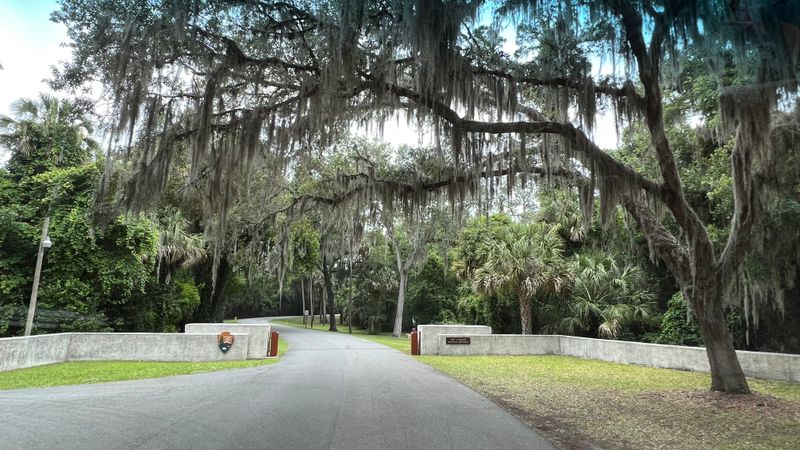
Gold fever brought thousands of prospectors to this southern Oregon valley in 1851, and while the gold eventually played out, Jacksonville somehow preserved its entire historic downtown as a living museum of frontier architecture and pioneer spirit. Walking these brick-lined streets feels like stepping into the 1880s, with nearly a hundred buildings on the National Register of Historic Places creating an authentic Western town that Hollywood set designers could only dream of replicating.
Locals fiercely protect Jacksonville’s heritage while keeping it a vibrant community rather than a ghost town, filling those historic storefronts with antique shops, wine tasting rooms, and restaurants serving contemporary cuisine in century-old dining rooms.
The Britt Music Festival transforms summer evenings into magical experiences, with concerts ranging from classical to contemporary held in a natural amphitheater on the hillside estate of 19th-century photographer Peter Britt. Picnicking on the lawn while listening to world-class musicians with stars emerging overhead has become a beloved Oregon tradition that draws music lovers from across the state each year.
Jacksonville Cemetery on the hill above town tells the community’s story through weathered headstones marking the graves of pioneers, merchants, and Chinese laborers who built this place, offering a contemplative walk through history with valley views as a bonus.
The Jacksonville Museum at 206 N 5th St, Jacksonville, OR 97530, occupies the old county courthouse and houses artifacts from the Gold Rush era, helping visitors understand what life was actually like when this was Oregon’s most important settlement. Autumn brings the town’s true colors to life, with massive old trees lining residential streets turning gold and red against white picket fences and Victorian homes.
Jacksonville has remained relevant not by chasing trends but by honoring its past while allowing the present to unfold naturally, creating a rare place where history feels alive rather than merely preserved behind velvet ropes.
Dear Reader: This page may contain affiliate links which may earn a commission if you click through and make a purchase. Our independent journalism is not influenced by any advertiser or commercial initiative unless it is clearly marked as sponsored content. As travel products change, please be sure to reconfirm all details and stay up to date with current events to ensure a safe and successful trip.
