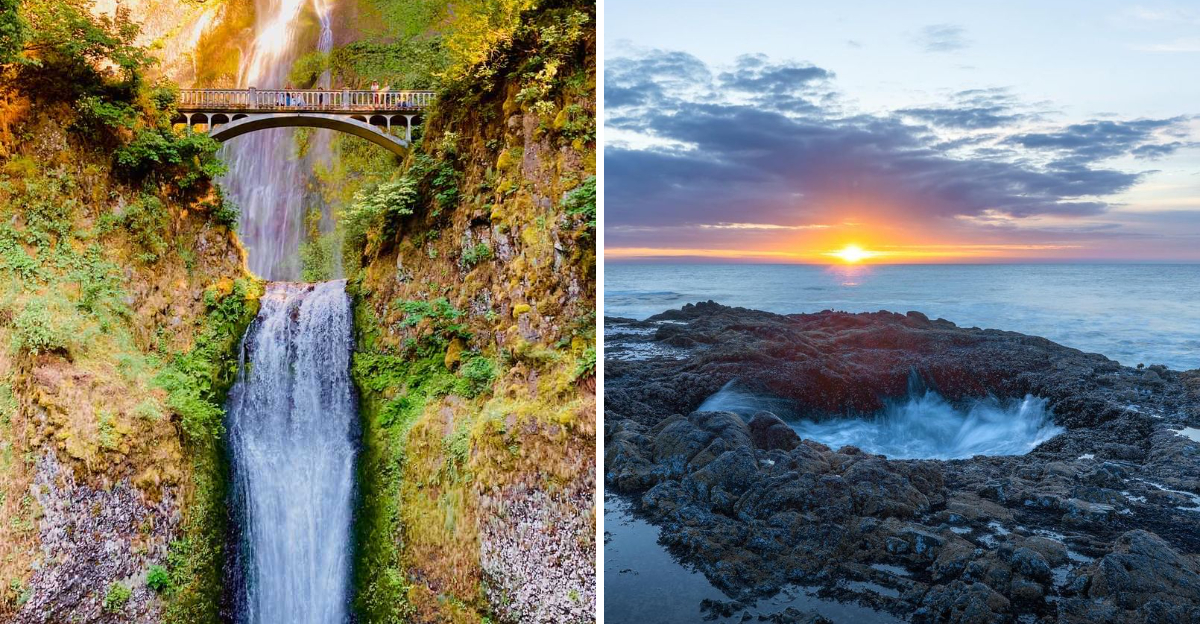
Oregon is the kind of place that gets under your skin, where the landscapes feel almost sacred and the people who call it home take fierce pride in protecting what makes their state extraordinary. From misty waterfalls that plunge into emerald pools to desert canyons that stretch endlessly toward the horizon, this corner of the Pacific Northwest holds treasures that locals guard with a passion bordering on devotion.
These aren’t just pretty places to snap a photo and move on; they’re sanctuaries that define the Oregon spirit, woven into the fabric of communities and cherished across generations.
When outsiders stumble upon these hidden gems, residents don’t just share them reluctantly, they actively work to preserve their magic through conservation efforts, Leave No Trace practices, and sometimes, a little strategic silence.
The connection runs deep here, rooted in a respect for nature that transcends tourism and taps into something more profound. Whether it’s a secret hot spring tucked into the Cascade foothills or a windswept stretch of coastline that few people know by name, these places represent the heart of what makes Oregon unforgettable.
Locals will defend them without hesitation, not out of selfishness, but out of love for the wild, untamed beauty that defines their home.
1. Crater Lake
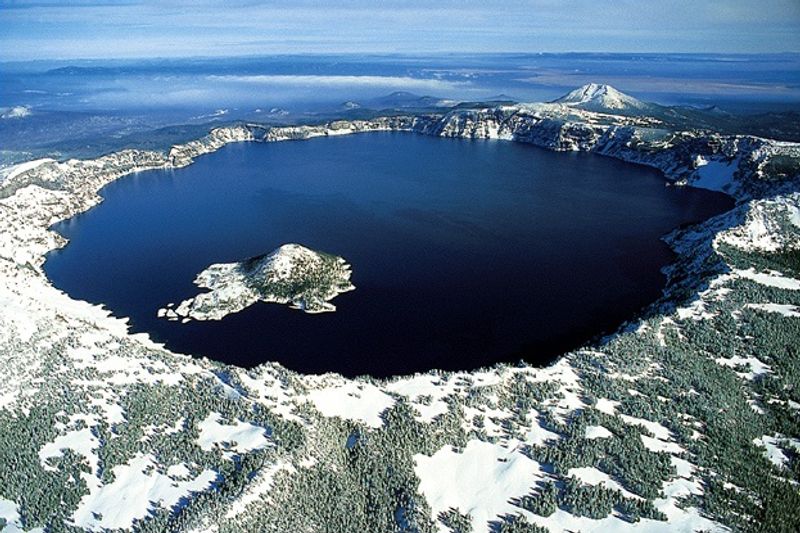
Brilliant blue water that seems almost unreal greets every visitor who makes the journey to this volcanic wonder, and locals consider it nothing short of sacred. Crater Lake formed thousands of years ago when Mount Mazama collapsed, creating a caldera that gradually filled with rain and snowmelt to become the deepest lake in the United States.
The water’s clarity and color are unmatched anywhere else on the planet, and Oregonians take immense pride in keeping it that way.
Preservation efforts here run deep, with strict regulations to protect the lake’s pristine condition. Locals actively support initiatives that limit pollution, manage visitor impact, and maintain the delicate ecosystem surrounding the crater.
They know that this place isn’t just a tourist attraction but a natural treasure that deserves respect and care.
Rim Drive offers breathtaking views from multiple vantage points, winding around the lake’s edge through old-growth forests and volcanic rock formations. Hiking trails lead adventurous souls down to the water’s edge, though the steep descent reminds everyone that this is wild terrain demanding caution.
Winter transforms the area into a snowy wonderland, accessible mainly to those willing to cross-country ski or snowshoe through deep powder.
The address is Crater Lake National Park, located off Highway 62 near the town of Klamath Falls. Oregonians will defend this place fiercely, ensuring that future generations can experience the same awe-inspiring beauty.
It’s a symbol of natural purity that residents refuse to see compromised, no matter how many visitors come seeking its magic.
2. Multnomah Falls
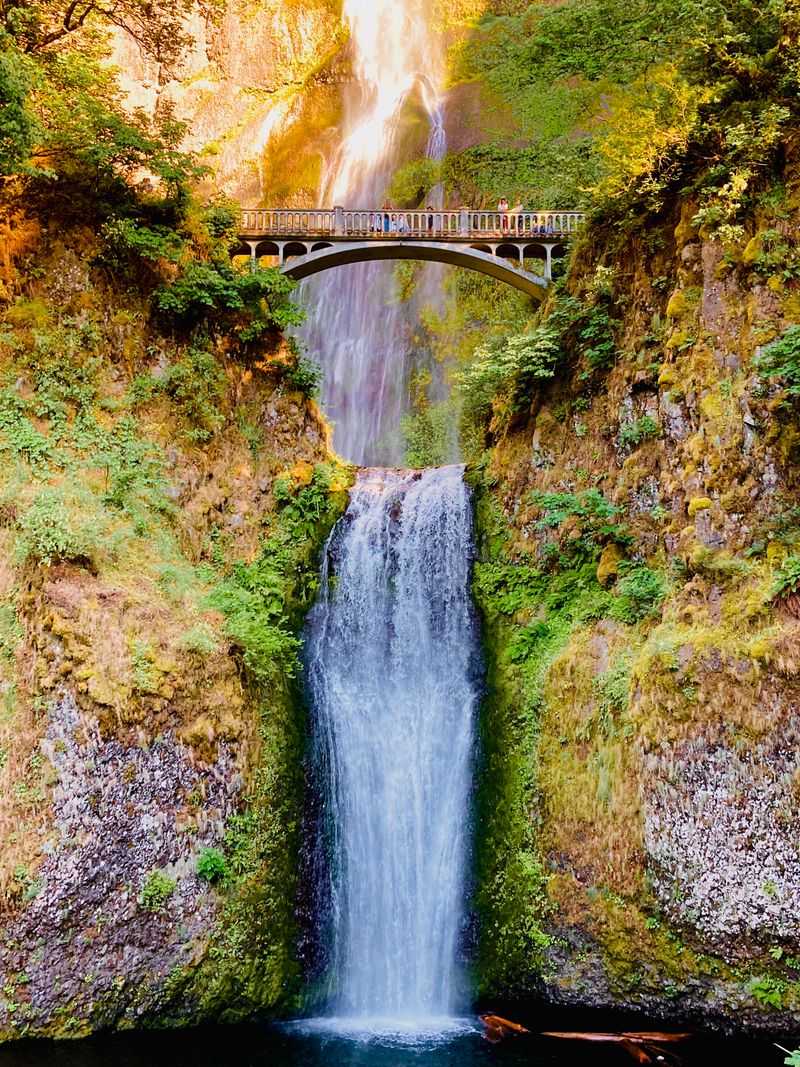
Water cascades down a towering cliff face in two dramatic tiers, creating one of the most photographed waterfalls in the entire Pacific Northwest. Multnomah Falls has become an icon of Oregon’s natural beauty, drawing visitors from around the globe who marvel at the sheer power and grace of the plummeting water.
Yet for locals, this place represents something deeper than a postcard image.
The surrounding Columbia River Gorge is a landscape of unparalleled diversity, where lush rainforest meets basalt cliffs carved by ancient floods. Residents have watched tourism surge over the years, bringing both economic benefits and environmental pressures that require constant vigilance.
They advocate tirelessly for trail maintenance, erosion control, and visitor education to ensure the falls remain accessible without being loved to death.
A stone footbridge spans the lower falls, offering a close-up view that leaves visitors breathless and slightly damp from the mist. The trail continues upward for those seeking a more strenuous hike, rewarding climbers with panoramic views of the gorge.
Spring runoff swells the waterfall to its most dramatic volume, while autumn paints the surrounding forest in shades of gold and crimson.
You’ll find this natural wonder at 53000 E Historic Columbia River Highway, Bridal Veil, Oregon. Locals defend Multnomah Falls by supporting restoration projects, volunteering for trail work, and spreading the message of responsible recreation.
It’s a place that embodies Oregon’s wild heart, and residents won’t let careless behavior diminish its majesty.
3. Tamolitch Falls (Blue Pool)
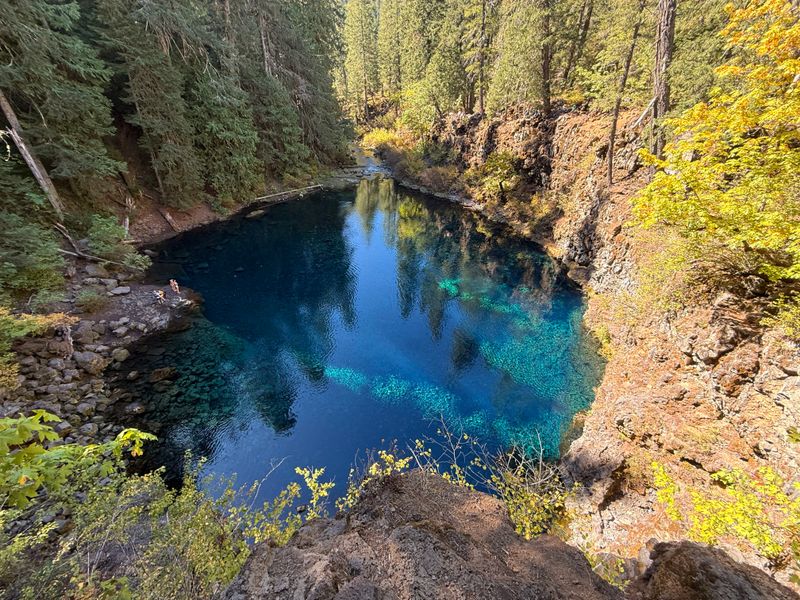
Hidden along the McKenzie River Trail, an otherworldly pool of turquoise water appears where the river resurfaces after flowing underground for miles through porous lava rock. Tamolitch Falls, often called the Blue Pool, captivates hikers with its surreal color and crystal-clear depths that seem to glow from within.
This spot holds a special place in the hearts of Oregonians who treasure its remote beauty and fragile ecosystem.
The hike to reach the pool is moderately challenging, winding through old-growth forest and crossing terrain shaped by ancient volcanic activity. Along the way, the dry riverbed tells the story of water vanishing into underground channels, creating a geological mystery that fascinates visitors and scientists alike.
When you finally arrive at the pool, the sight is nothing short of magical, with water so clear you can see every rock and log on the bottom.
Locals fiercely protect this place from overcrowding and misuse, concerned that too much foot traffic will damage the delicate surroundings. They discourage swimming despite the tempting appearance, knowing the water is dangerously cold and the ecosystem sensitive to disturbance.
Social media fame has brought increased attention, prompting residents to advocate for trail maintenance funding and stricter Leave No Trace enforcement.
The trailhead is located off Highway 126 near the town of McKenzie Bridge, Oregon. Oregonians defend Tamolitch Falls by educating visitors about responsible behavior and supporting conservation organizations working to preserve the McKenzie River corridor.
It’s a place where nature’s artistry demands respect, and locals won’t tolerate anything less.
4. Thor’s Well
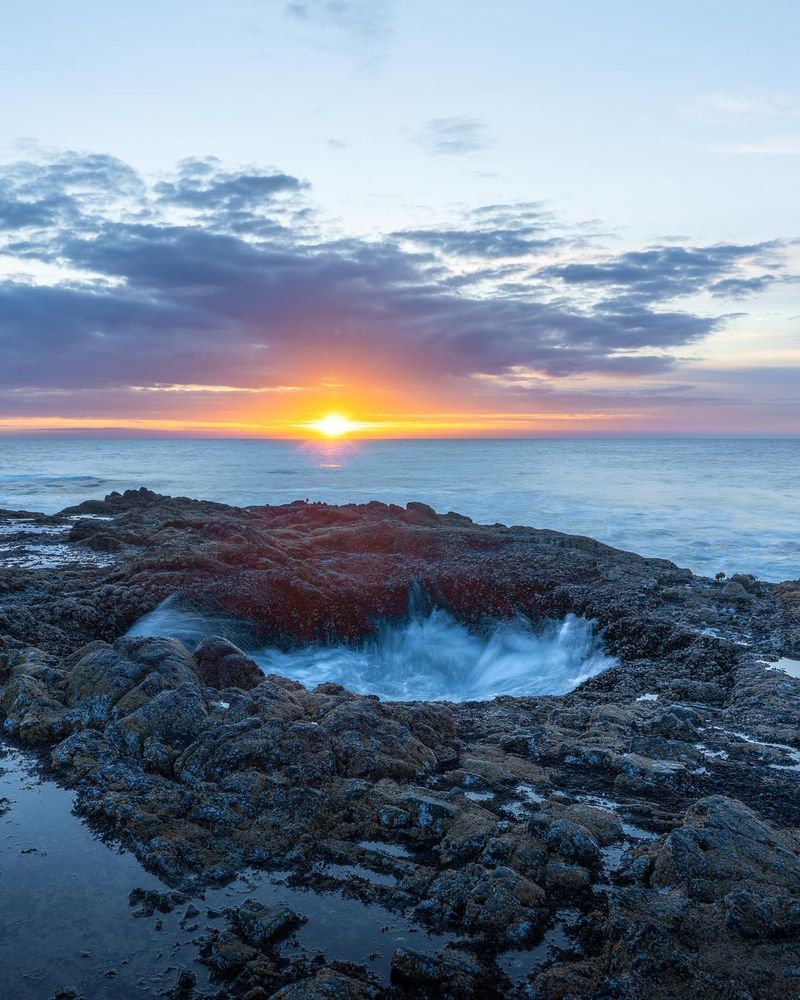
Waves crash into a gaping hole in the rocky coastline, creating a spectacular display as water swirls and drains into what appears to be an endless void. Thor’s Well, sometimes called the “drainpipe of the Pacific,” is actually a collapsed sea cave that creates this mesmerizing natural phenomenon.
Photographers and adventurers flock here to witness the dramatic interaction between ocean and stone, but locals know the dangers lurking beneath the beauty.
Timing is everything at this location, with the most dramatic displays occurring during high tide when waves surge with enough force to send plumes of spray high into the air. The basalt shelf surrounding the well is slick with seawater and algae, making footing treacherous for anyone venturing too close.
Residents have witnessed too many close calls with rogue waves and slippery rocks, leading them to advocate loudly for visitor safety and awareness.
The well sits within the Cape Perpetua Scenic Area, a stretch of coastline renowned for its rugged beauty and powerful surf. Tide pools dot the surrounding rocks, teeming with marine life that locals cherish and protect through beach cleanup efforts and conservation advocacy.
Sunset transforms the scene into something almost mystical, with golden light illuminating the spray and creating rainbow effects in the mist.
You’ll find Thor’s Well along Highway 101 near Yachats, Oregon. Locals defend this place by sharing safety information, supporting coastal protection initiatives, and sometimes gently steering inexperienced visitors toward safer viewing spots.
It’s a reminder that Oregon’s coast demands respect, and residents take that responsibility seriously.
5. Natural Bridges
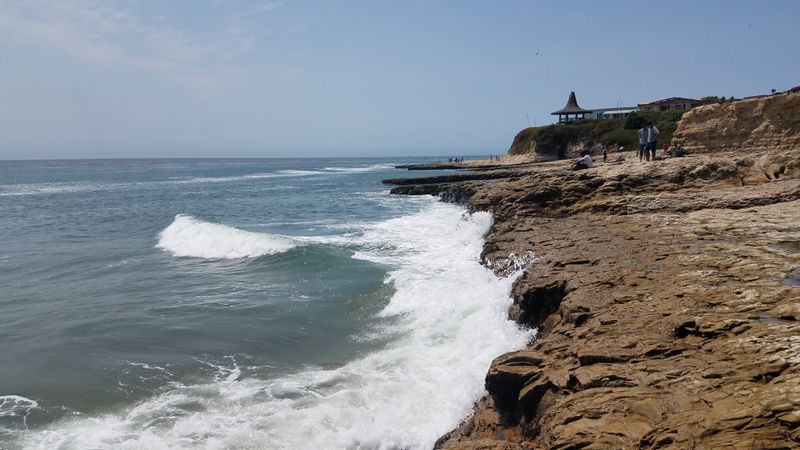
Ocean waves have carved graceful arches through solid rock over countless centuries, creating a coastal masterpiece that locals cherish as one of Oregon’s most enchanting hidden treasures. Natural Bridges, located along the Samuel H.
Boardman State Scenic Corridor, showcases nature’s sculptural prowess with stone formations that frame views of the Pacific in ways that seem almost deliberately artistic. This stretch of coastline remains relatively undiscovered compared to more famous spots, exactly how residents prefer it.
The scenic corridor itself contains numerous viewpoints and short trails, each revealing different aspects of the rugged shoreline. Towering sea stacks rise from the surf, their bases hollowed by relentless wave action that continues to reshape the landscape with every tide.
Wildflowers blanket the headlands in spring, adding splashes of color to the dramatic interplay between land and sea.
Locals actively work to keep this area from becoming overrun, sometimes deliberately avoiding social media posts that might draw excessive crowds. They understand that the magic of these bridges lies partly in their relative solitude, where you can stand and watch the waves without jostling for space.
Trail maintenance and habitat protection efforts receive strong community support, ensuring the area remains pristine for wildlife and respectful visitors alike.
The bridges are located along Highway 101 between Gold Beach and Brookings, Oregon. Oregonians defend Natural Bridges through quiet stewardship rather than loud promotion, believing that some places should reward only those willing to seek them out.
It’s a philosophy rooted in respect for both nature and the experience of genuine discovery.
6. Smith Rock State Park
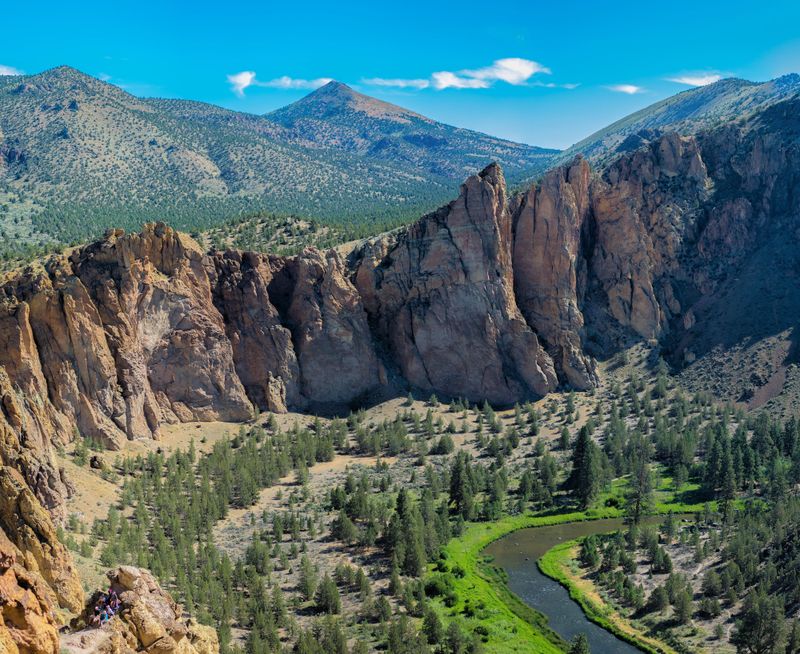
Towering spires of volcanic tuff rise dramatically from the high desert floor, creating a climber’s paradise that has earned international recognition while remaining deeply beloved by Oregon locals. Smith Rock State Park offers world-class rock climbing routes that attract enthusiasts from around the globe, but it’s also a place of striking beauty accessible to anyone willing to walk its trails.
The contrast between red-orange rock and the winding Crooked River below creates a landscape unlike anything else in the state.
Climbers have been testing their skills on these walls for decades, establishing routes that range from beginner-friendly to expert-only challenges. The rock itself is welded tuff, a volcanic material that provides excellent texture for climbing but requires careful handling to prevent erosion.
Locals participate actively in trail maintenance and climbing access advocacy, working to balance recreation with conservation in this fragile desert environment.
Hiking trails wind through the park, offering spectacular views even for those who never touch a climbing rope. The Misery Ridge trail climbs steeply to a summit with panoramic vistas, while easier paths follow the river through shaded sections where wildlife thrives.
Spring brings wildflowers and cooler temperatures, while summer heat can be intense, reminding visitors that this is genuine high desert terrain.
The park is located at 9241 NE Crooked River Drive, Terrebonne, Oregon. Residents defend Smith Rock by supporting park funding, volunteering for restoration projects, and educating climbers about minimal-impact techniques.
It’s a place where adventure and natural beauty intersect, and Oregonians won’t let careless behavior diminish either aspect.
7. The Wallowa Mountains
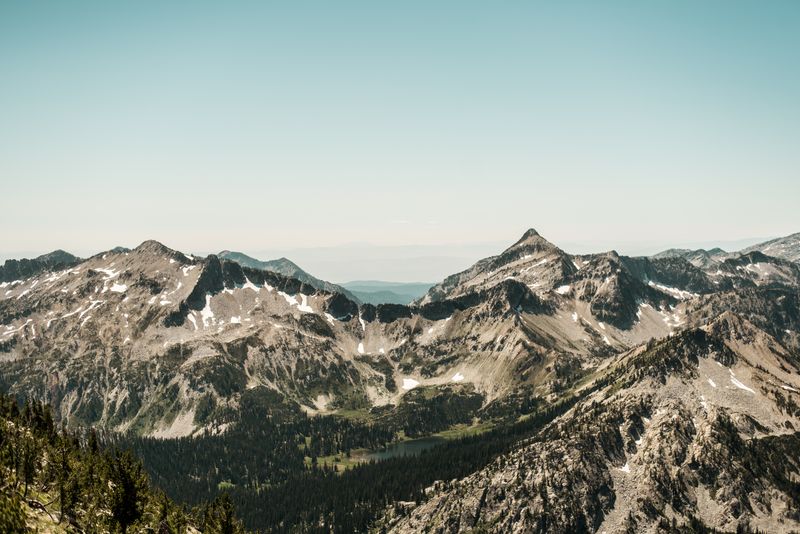
Jagged peaks pierce the sky above pristine alpine lakes, creating a landscape so reminiscent of the Swiss Alps that locals affectionately call this range “Oregon’s Little Switzerland.” The Wallowa Mountains rise dramatically from the northeastern corner of the state, offering wilderness experiences that feel worlds away from civilization. For Oregonians who know these mountains, they represent the purest form of natural beauty, where solitude and grandeur combine in perfect harmony.
Alpine meadows burst with wildflowers during brief summer months, painting the high country in vibrant colors before winter’s inevitable return. Glacially carved valleys shelter crystal-clear streams and lakes where native fish still thrive, protected by conservation efforts that locals support with unwavering dedication.
The Eagle Cap Wilderness at the range’s heart preserves over three hundred thousand acres of roadless terrain, accessible only to those willing to hike or ride horseback into its depths.
Wildlife roams freely here, from elk herds that bugle during autumn rut to mountain goats navigating impossible cliff faces with casual grace. The isolation has protected these populations, and residents work hard to maintain that balance through habitat preservation and responsible recreation advocacy.
Winter transforms the Wallowas into a snow-covered wonderland, though access becomes limited to backcountry skiers and snowshoers prepared for serious conditions.
The town of Joseph, Oregon, serves as a gateway to these mountains, located in the northeastern corner of the state. Locals defend the Wallowas by promoting wilderness values, supporting trail maintenance, and sometimes keeping their favorite spots deliberately vague when talking to outsiders.
It’s a place that rewards effort with unmatched beauty, and residents want to keep it that way.
8. Mount Hood and the Timberline Trail
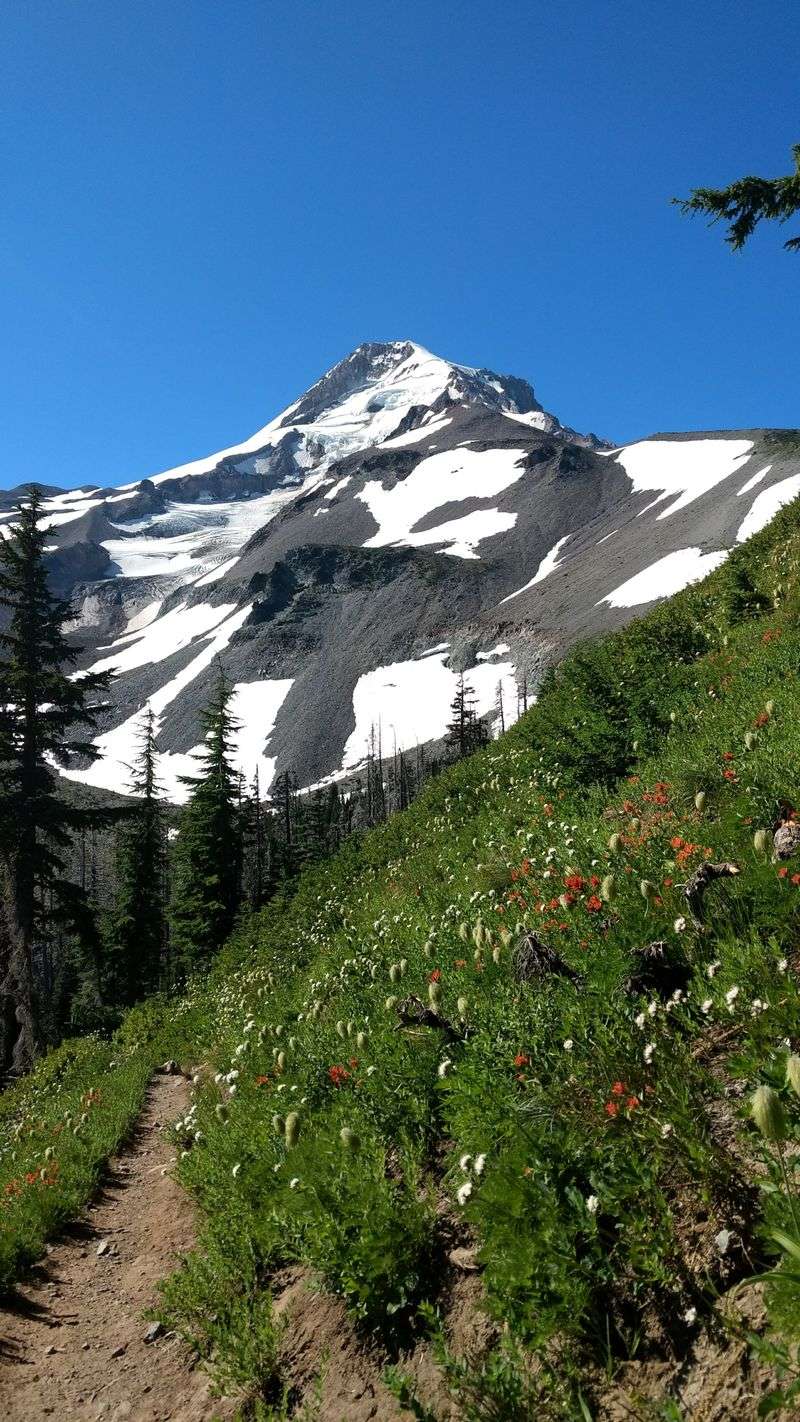
Oregon’s tallest peak dominates the skyline, its glaciated summit visible from cities and farmlands across the northern part of the state. Mount Hood represents more than just a mountain to locals; it’s an icon of Oregon identity, a year-round playground, and a natural landmark that defines the landscape.
The Timberline Trail circles the mountain through diverse ecosystems, offering one of the most spectacular hiking experiences in the Pacific Northwest.
Glaciers cling to the upper slopes, remnants of the Ice Age that continue to shape the mountain’s character despite ongoing retreat due to climate change. Alpine meadows explode with wildflowers during brief summer months, while old-growth forests provide shade and shelter along lower elevations.
River crossings can be treacherous during snowmelt season, reminding hikers that this is serious mountain terrain requiring preparation and respect.
The mountain supports multiple ski areas, including the famous Timberline Lodge, which operates lifts year-round on Palmer Glacier. Locals cherish both the winter recreation opportunities and the solitude found on quieter trails during shoulder seasons.
They actively support wilderness protection efforts, glacier monitoring projects, and initiatives to manage increasing visitor pressure on fragile alpine environments.
Mount Hood towers over the town of Government Camp, Oregon, located along Highway 26. Oregonians defend this mountain through volunteer trail work, avalanche education programs, and advocacy for balanced recreation management that protects natural resources.
It’s a place where adventure and natural beauty have coexisted for generations, and residents intend to keep that balance intact for those who follow.
9. Umpqua Hot Springs
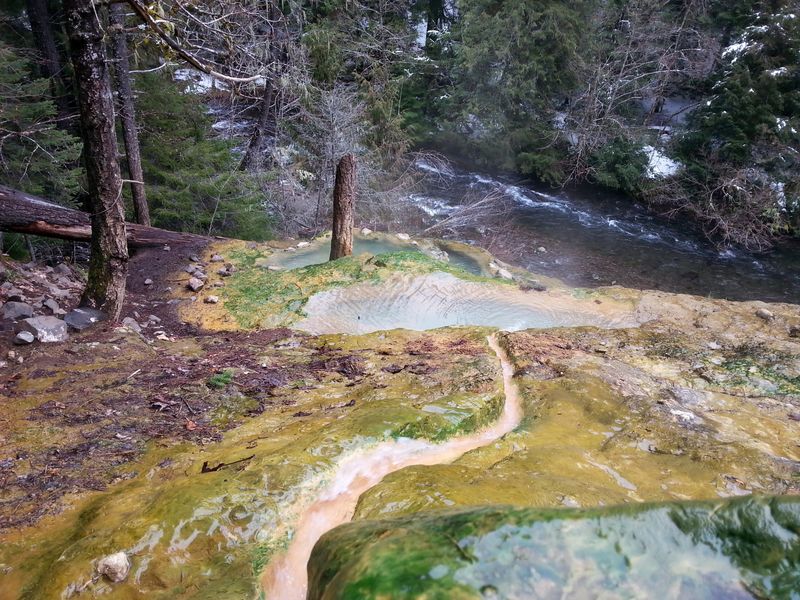
Terraced pools of mineral-rich water cascade down a forested hillside, offering natural soaking spots with views over a river canyon that few developed hot springs can match. Umpqua Hot Springs has become increasingly popular, yet it retains a wild character that locals work hard to preserve.
The springs are reached via a moderately challenging hike through old-growth forest, a journey that filters out casual visitors and helps protect the site from excessive impact.
Minerals in the water have built up colorful deposits over time, creating natural bathing pools at different temperatures. The uppermost pools run hottest, while lower ones mix with cooler water to create more comfortable soaking conditions.
Locals follow an unwritten code of conduct here, practicing Leave No Trace principles and respecting the natural setting that makes these springs special.
The surrounding Umpqua National Forest provides context for this geothermal feature, with towering Douglas firs and cedars creating a cathedral-like atmosphere. Wildlife is abundant in the area, and residents advocate for habitat protection that extends beyond the immediate vicinity of the springs.
Increased social media attention has brought challenges, with some visitors leaving trash or behaving disrespectfully, prompting locals to redouble their stewardship efforts.
The springs are located off Forest Road 34 near Toketee Falls, Oregon, within the Umpqua National Forest. Oregonians defend Umpqua Hot Springs by volunteering for cleanup efforts, educating visitors about proper etiquette, and supporting Forest Service management plans that balance access with conservation.
It’s a place where nature’s gift of warm water should be enjoyed responsibly, and locals won’t tolerate behavior that threatens its future.
Dear Reader: This page may contain affiliate links which may earn a commission if you click through and make a purchase. Our independent journalism is not influenced by any advertiser or commercial initiative unless it is clearly marked as sponsored content. As travel products change, please be sure to reconfirm all details and stay up to date with current events to ensure a safe and successful trip.
