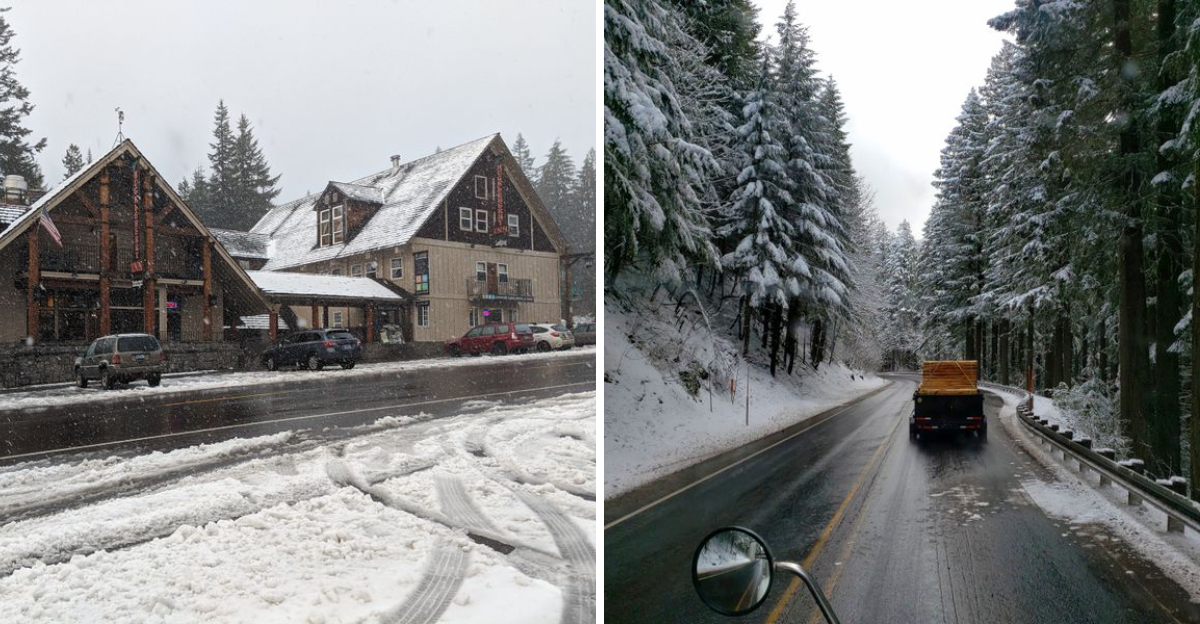
Oregon mountain towns transform into bustling hubs when tourist season arrives, drawing visitors from across the country to experience alpine charm and outdoor adventure.
Locals watch as their quiet streets fill with travelers eager to explore trails, ski slopes, and scenic vistas that define the region.
Understanding which towns experience the heaviest tourist traffic helps both visitors and residents navigate these seasonal surges.
Here are seven Oregon mountain destinations where locals notice the biggest influx of visitors throughout the year.
1. Government Camp
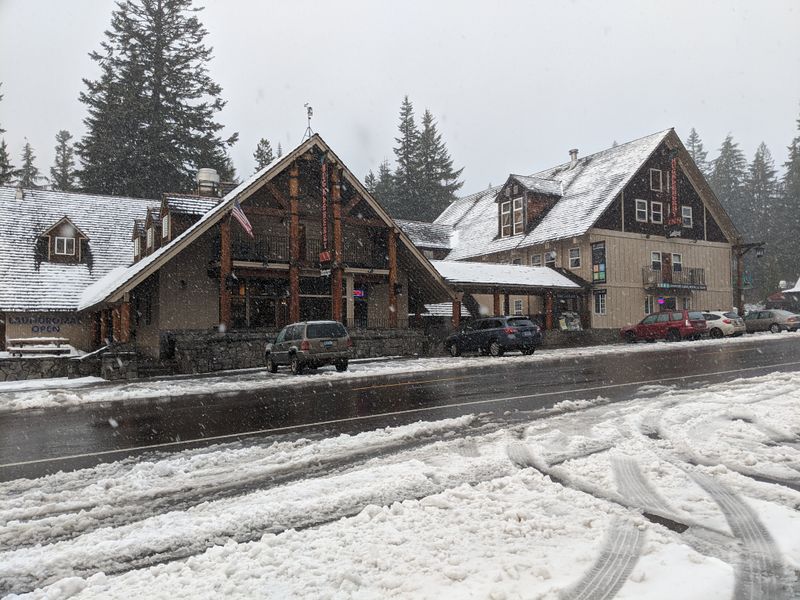
Government Camp sits at the base of Mount Hood, making it one of the most visited mountain communities in Oregon.
Winter brings thousands of skiers and snowboarders to the nearby resorts, filling lodges and restaurants with enthusiastic visitors.
Locals mention how parking becomes nearly impossible on powder days when fresh snow blankets the slopes.
Summer shifts the focus to hiking, with trails leading to alpine lakes and wildflower meadows that attract nature enthusiasts.
The town itself feels like a classic mountain village, with cozy cafes and gear shops lining the main road.
Residents have adapted to the constant flow of tourists, understanding that their economy depends heavily on seasonal visitors.
Weekend traffic often backs up along Highway 26 as day-trippers head to the mountain for recreation.
Spring and fall offer quieter moments, though even these shoulder seasons see steady visitor numbers.
The proximity to Portland makes Government Camp an easy escape for urban dwellers seeking mountain air.
Local businesses thrive during peak seasons but struggle to find staff willing to work in such a remote location.
Community members appreciate the economic benefits while occasionally longing for the peaceful days between tourist waves.
Visitors come for the outdoor activities but often discover the charm of the small mountain town itself.
Government Camp remains a year-round destination where tourist seasons blend together with minimal downtime.
The constant activity keeps the town vibrant but also tests the patience of those who call it home.
The town hosts a mix of lodging options, from rustic cabins to modern hotels, giving visitors plenty of choices for overnight stays.
Restaurants often have wait times that require planning, especially on weekends during ski season.
Local shops cater to outdoor enthusiasts, stocking gear, clothing, and souvenirs that reflect the mountain culture.
Events such as races and ski competitions bring extra crowds and occasional road closures.
The surrounding forests provide hiking opportunities that are quieter than the town itself.
Visitors often comment on the friendly, small-town feel despite the influx of tourists.
Government Camp offers easy access to both Mount Hood’s slopes and the peaceful alpine scenery just outside town.
2. Sisters
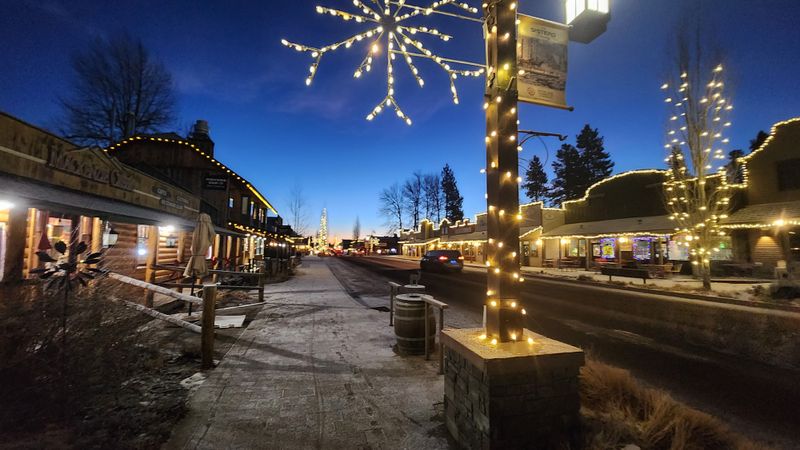
Sisters captures the essence of Western mountain charm with its wooden storefronts and backdrop of Three Sisters peaks.
Tourist season peaks during summer when the weather turns ideal for exploring the surrounding Cascade Range.
Locals notice a dramatic population shift as visitors flood the town for outdoor festivals and recreational activities.
The Quilt Show in July brings textile enthusiasts from around the world, transforming the quiet town into a bustling marketplace.
Hiking trails leading to pristine alpine lakes fill with adventurers eager to experience Oregon wilderness.
Residents appreciate the economic boost but also mention how difficult it becomes to run simple errands during peak weeks.
The town maintains its authentic character despite the tourist pressure, with locally owned shops refusing to become generic.
Fall brings a different crowd as aspiring photographers arrive to capture golden aspens against volcanic peaks.
Winter sees fewer visitors, though cross-country skiing and snowshoeing enthusiasts still make the journey.
Spring wildflower season attracts botanists and nature lovers who appreciate the colorful meadows surrounding the area.
Main Street becomes congested with out-of-state vehicles during summer weekends, testing local patience.
Restaurant wait times stretch longer as visitors discover the surprisingly sophisticated dining scene.
Community members balance welcoming tourists with preserving the small-town atmosphere that makes Sisters special.
The seasonal rhythm has become part of life here, with locals planning their own activities around tourist patterns.
The town becomes a hub for outdoor festivals beyond the Quilt Show, including art walks and music events.
Trailheads can get crowded, so locals plan early morning hikes to enjoy solitude.
The downtown shopping district features artisan boutiques that retain a handcrafted, unique quality.
Street performances and seasonal events add life to the sidewalks during peak months.
Visitors often discover nearby rivers and lakes, which offer less crowded outdoor options.
Local guides run tours that give an insider’s view of the surrounding wilderness.
Despite the tourist influx, small-town cafés and diners manage to maintain fast, friendly service.
3. Bend
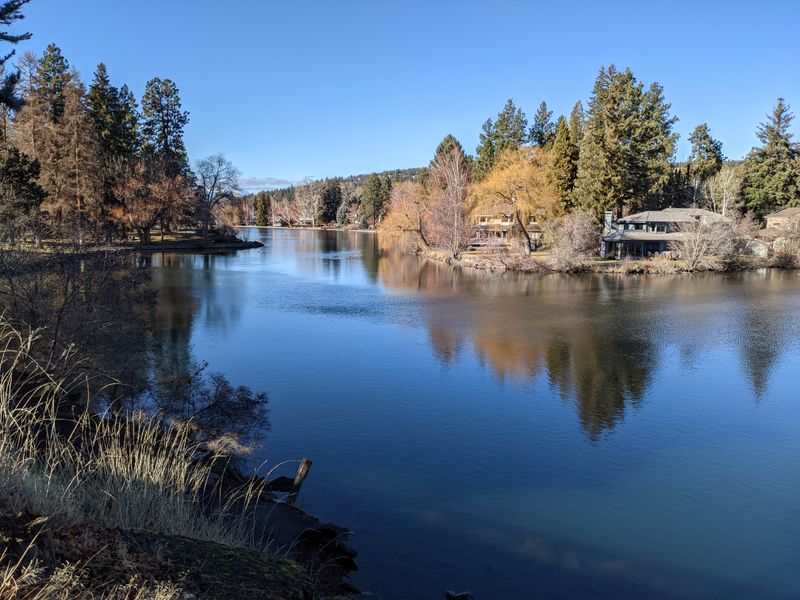
Bend has evolved from a quiet logging town into one of Oregon’s premier outdoor recreation destinations.
Year-round tourist traffic keeps the city bustling, though summer and winter bring the heaviest crowds.
Locals mention how the Old Mill District transforms into a sea of rental cars and out-of-state license plates during peak season.
The Deschutes River running through town attracts tubers, kayakers, and stand-up paddleboarders throughout warm months.
Mount Bachelor draws serious skiers during winter, with many visitors basing themselves in Bend for mountain access.
Craft breweries have become tourist attractions themselves, with beer enthusiasts planning entire trips around tasting rooms.
Residents sometimes feel outnumbered by visitors, particularly along the popular riverside trails and downtown streets.
Housing prices have skyrocketed partly due to the influx of tourists who fall in love and decide to relocate.
The town offers enough activities to keep visitors entertained for weeks, from rock climbing to mountain biking.
Local businesses depend on tourist dollars but also serve a growing year-round population of outdoor enthusiasts.
Summer weekends see traffic congestion unusual for a city of this size, with popular trailheads filling before dawn.
Restaurant reservations become necessary during high season, something locals never needed to consider years ago.
Community members appreciate the vibrant culture tourism has brought but miss the slower pace of earlier decades.
Bend continues attracting visitors who seek authentic mountain town experiences combined with modern amenities.
The city hosts numerous outdoor events, from river festivals to mountain biking competitions, that increase visitor numbers.
Trail parking fills quickly, requiring early starts or alternative route planning.
Downtown Bend features a variety of eateries, coffee shops, and craft breweries that stay busy year-round.
Visitors often take scenic drives along Cascade lakes or volcanoes, spreading tourism into surrounding areas.
The craft beer scene adds a cultural layer that draws tourists beyond outdoor recreation.
Summer evenings bring long lines at popular patios and waterfront bars along the river.
Bend balances modern amenities with outdoor access, making it a magnet for both short-term visitors and relocating families.
4. Welches
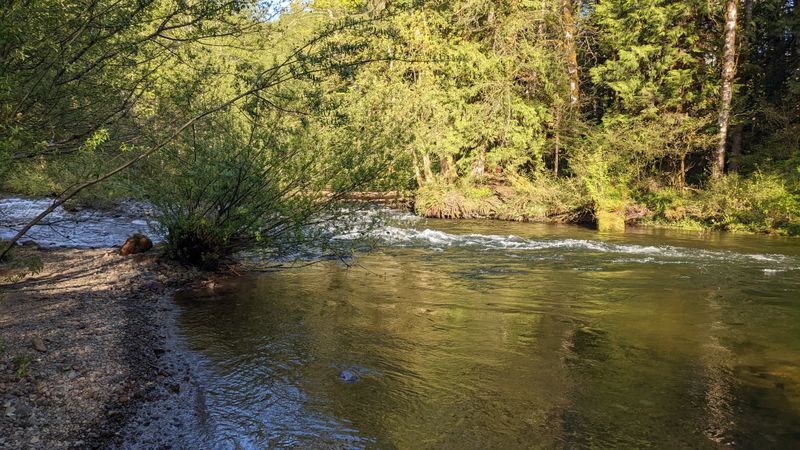
Welches serves as a gateway community for Mount Hood visitors, positioned perfectly along the scenic highway.
The Resort at The Mountain brings golfers and spa seekers throughout the warmer months, adding to the tourist mix.
Locals appreciate the quieter atmosphere compared to nearby Government Camp, though tourist traffic still impacts daily life.
Summer sees families renting vacation homes for extended stays, exploring the numerous trails and swimming holes nearby.
The Sandy River provides a natural attraction, with its turquoise waters drawing photographers and nature enthusiasts.
Residents mention how grocery stores experience noticeable rushes when weekend visitors arrive to stock their rental properties.
Winter brings a different type of tourist, with skiers passing through on their way to higher elevations.
The town lacks the commercial development of other mountain destinations, maintaining a residential feel despite visitor presence.
Local restaurants and cafes see increased business during tourist season, though options remain limited compared to larger towns.
The Salmon River Trail attracts hikers year-round, with its old-growth forest providing shelter even during rainy months.
Community members have learned to time their own outdoor adventures to avoid the busiest visitor periods.
Spring brings wildflower enthusiasts and waterfall chasers as snowmelt creates dramatic cascades throughout the area.
The village atmosphere persists despite seasonal population fluctuations, with long-time residents maintaining strong community bonds.
Welches offers a more subdued mountain experience, attracting visitors who prefer tranquility over bustling resort activity.
Visitors often use Welches as a stopover before heading to more crowded Mount Hood resorts.
The town’s small grocery stores and markets see spikes in activity when vacation rentals are filled.
Cycling enthusiasts find quiet roads and trails to explore while avoiding the busiest routes.
Local restaurants maintain charm by keeping menus simple and focusing on quality service.
Weekend lodging fills quickly, prompting advance reservations for cabins and inns.
Wildlife viewing remains possible even during tourist season, adding a peaceful contrast to busier areas.
Welches has a slower, more residential pace, which appeals to visitors seeking a low-key mountain experience.
5. Sunriver
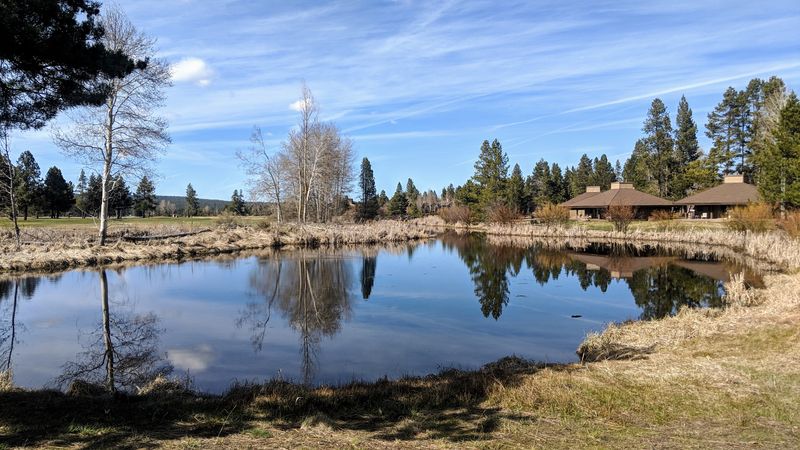
Sunriver operates as a planned resort community, designed specifically to accommodate large numbers of seasonal visitors.
Summer transforms this development into a bustling vacation destination, with families filling rental homes and condos.
Locals distinguish between year-round residents and the waves of tourists who arrive for recreation and relaxation.
The extensive bike path network becomes crowded with cyclists of all ages exploring the pine-scented surroundings.
Golf courses attract players throughout the warmer months, with manicured greens contrasting against natural forest.
The Deschutes River flows through the property, offering kayaking and fishing opportunities that draw outdoor enthusiasts.
Residents enjoy access to amenities that tourist dollars support, from restaurants to recreational facilities.
Winter brings a quieter atmosphere, though cross-country skiing and nearby downhill options still attract cold-weather visitors.
The village core features shops and dining options that cater primarily to vacation crowds rather than daily needs.
Local wildlife adapts to human presence, with deer commonly spotted grazing near vacation rentals and pathways.
Community members appreciate the well-maintained environment but sometimes feel they live in a perpetual resort setting.
Summer weekends see traffic congestion at entry points as visitors arrive and depart in predictable patterns.
The Nature Center and Observatory provide educational experiences that appeal to families seeking more than just outdoor recreation.
Sunriver represents a unique Oregon mountain experience, blending natural beauty with carefully planned development designed for tourist convenience.
Bike rentals and guided tours create constant movement along the extensive trail system.
Golf tournaments and community events attract short-term tourists in addition to families.
The river provides shaded spots for picnics and relaxing between activities.
Vacation rentals often have carefully maintained landscaping that contributes to the town’s manicured feel.
Shops cater to both tourists and residents, with a mix of souvenirs and everyday necessities.
Seasonal wildlife, like birds and deer, adapt to the presence of humans without losing natural behavior.
Sunriver manages crowds efficiently through its infrastructure, making the busy seasons feel organized rather than chaotic.
6. Oakridge
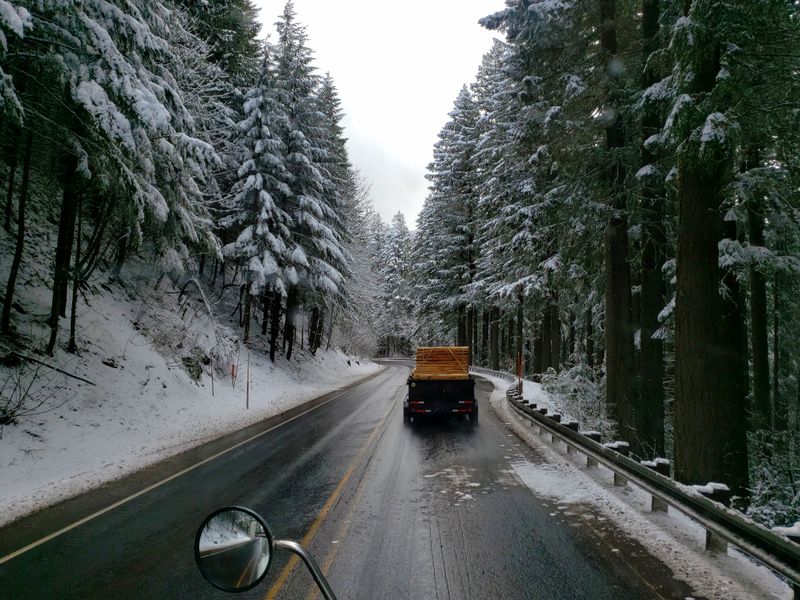
Oakridge has emerged as a mountain biking mecca, transforming from a quiet timber town into a recreation destination.
The surrounding Willamette National Forest contains hundreds of miles of trails that attract riders from across the region.
Locals mention how summer weekends bring convoys of vehicles loaded with bikes, heading to trailheads throughout the area.
The Alpine Trail and other signature routes have gained national recognition among mountain biking enthusiasts.
Tourist season peaks during the dry summer months when trail conditions reach their prime.
Residents appreciate the economic revival that outdoor recreation has brought to this former logging community.
Local businesses have adapted to serve the biking crowd, with bike shops and trail-friendly cafes becoming community fixtures.
Fall brings a different type of visitor as foliage seekers explore scenic byways winding through the Cascade foothills.
Winter sees fewer tourists, though the area offers snowshoeing and winter hiking for hardy adventurers.
The Salt Creek Falls, one of Oregon’s highest waterfalls, draws sightseers who may not even realize the mountain biking reputation.
Community members balance welcoming tourists with maintaining the authentic character that makes Oakridge appealing.
Housing remains affordable compared to other Oregon mountain towns, partly due to its more remote location.
The town lacks the polish of resort communities, offering instead a genuine mountain town experience with working-class roots.
Oakridge demonstrates how outdoor recreation tourism can revitalize communities willing to embrace their natural assets and build appropriate infrastructure.
Visitors often use Oakridge as a base for multi-day mountain biking trips and nature exploration.
Trailhead parking becomes crowded quickly on sunny summer weekends.
Local cafés and diners have adapted menus to suit hungry cyclists and outdoor enthusiasts.
The town hosts biking festivals and competitions that draw national attention.
Visitors often explore nearby waterfalls and forested trails in addition to the main biking routes.
Oakridge provides fewer tourist amenities than resort towns, which keeps it authentic and low-key.
The town’s economy benefits significantly from outdoor recreation, though locals sometimes navigate road congestion as a trade-off.
7. Hood River
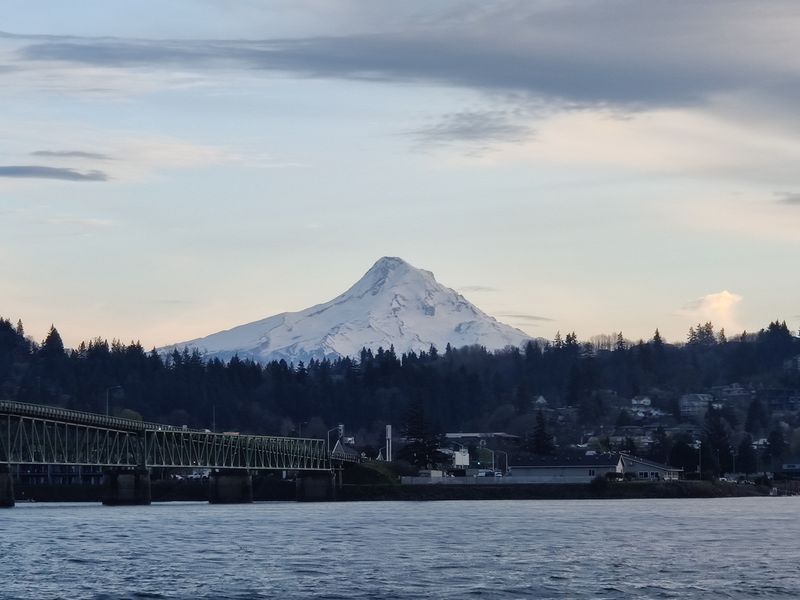
Hood River thrives on wind and water, drawing windsurfers and kiteboarders who transform the Columbia River Gorge into a colorful spectacle.
Summer brings the peak tourist season, with the town’s population seemingly doubling as adventure seekers arrive.
Locals navigate crowded streets filled with visitors sporting wet suits and carrying colorful sails and boards.
The fruit orchards surrounding town add agricultural tourism to the mix, with harvest seasons bringing different visitor demographics.
Mount Hood looms to the south while the gorge stretches east and west, creating dramatic scenery from nearly every vantage point.
Restaurants and breweries overflow during peak season, with outdoor patios packed with sunburned athletes and sightseers.
The historic downtown maintains charm despite tourist pressure, with locally owned shops resisting chain store invasion.
Fall brings spectacular foliage and fruit harvest festivals, extending the tourist season beyond typical summer boundaries.
Winter offers quieter months, though the proximity to ski areas means the town never fully empties of visitors.
The Fruit Loop driving route attracts families and couples seeking a more relaxed mountain experience than extreme sports provide.
Residents appreciate the economic vitality tourism brings but also mention housing affordability challenges as the town’s popularity grows.
Spring arrives with wildflowers and waterfalls at peak flow, drawing photographers and nature enthusiasts before summer crowds arrive.
Hood River represents Oregon mountain tourism diversity, offering everything from extreme sports to gentle agricultural experiences.
The town successfully balances its working waterfront heritage with its role as a premier recreation destination.
The waterfront area becomes a hub for paddleboard rentals, windsurfing lessons, and kayaking tours.
Biking enthusiasts flock to the Gorge, taking advantage of trails and scenic highways.
The Fruit Loop encourages visitors to explore orchards, tasting rooms, and farm stands outside the main downtown.
Local breweries and coffee shops cater to the tourist crowd while maintaining community appeal.
Event weekends, like kiteboarding competitions, bring a mix of spectators and active participants.
Riverfront parks and picnic areas offer spots to relax and watch the action.
Hood River balances adventure tourism with a strong sense of place, making it appealing to both thrill seekers and casual visitors.
Dear Reader: This page may contain affiliate links which may earn a commission if you click through and make a purchase. Our independent journalism is not influenced by any advertiser or commercial initiative unless it is clearly marked as sponsored content. As travel products change, please be sure to reconfirm all details and stay up to date with current events to ensure a safe and successful trip.
