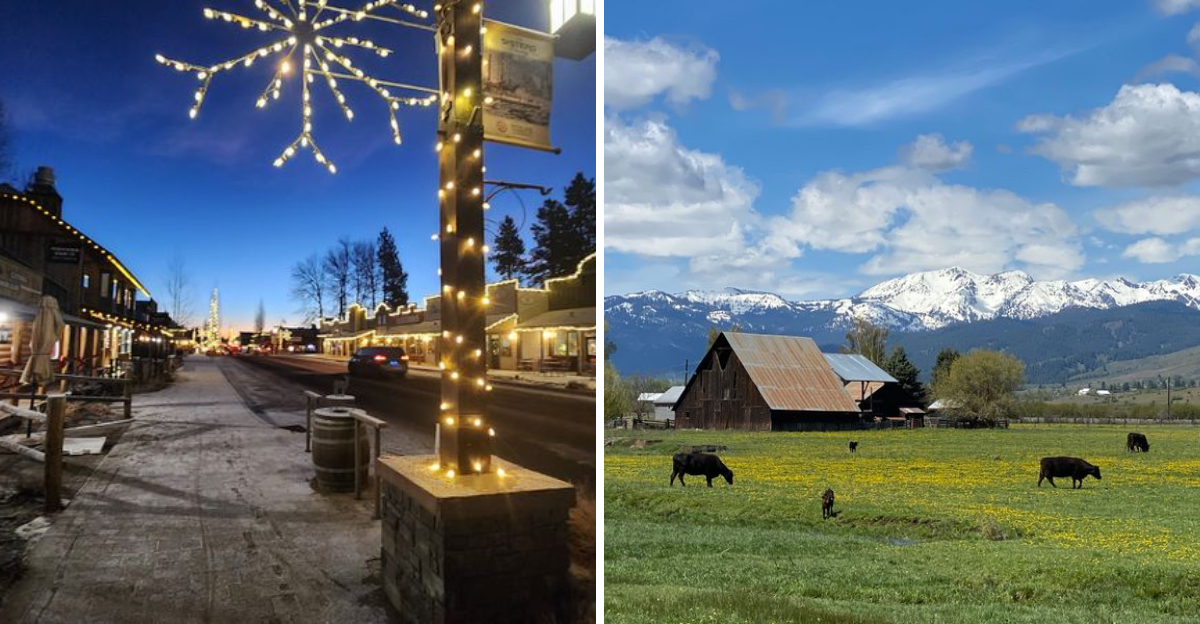
Oregon’s mountain towns offer something rare in modern life: a chance to step off the fast track and into a slower, more intentional rhythm.
Tucked into valleys and perched along forested ridges, these communities hold tight to traditions that bigger cities left behind decades ago.
Main streets still matter here, where local diners serve homemade pie and neighbors greet each other by name.
Whether you’re searching for quiet trails, authentic small-town charm, or simply a place where your phone signal fades and your thoughts clear, these nine Oregon mountain towns deliver exactly that.
1. Sisters
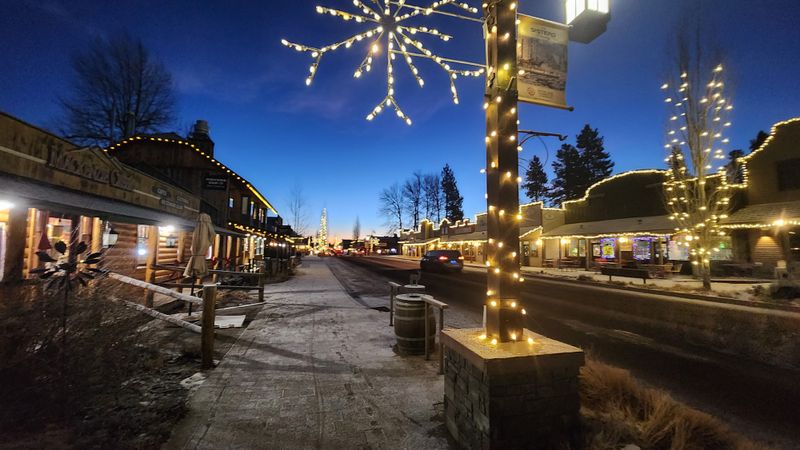
Snow blankets the meadows surrounding Sisters each December, turning the landscape into a sparkling winter wonderland that feels almost too magical to be real.
This Central Oregon gem sits at the foot of the Three Sisters peaks, where alpine air carries the scent of ponderosa pine through streets lined with Western-style facades.
Local galleries showcase works by regional artists who draw inspiration from the Cascade Range views that dominate every horizon.
Quilters from across the country flock here each July for an outdoor show that transforms the entire downtown into a massive fabric exhibition.
Coffee shops open early to serve hikers heading toward nearby wilderness trails, where waterfalls and alpine lakes reward those willing to wander.
The town maintains a building code requiring Old West architecture, creating a cohesive aesthetic that feels both historic and welcoming.
Small boutiques sell handcrafted goods rather than mass-produced souvenirs, reflecting a community commitment to supporting local makers.
Bakeries fill morning air with the aroma of fresh bread, drawing locals and visitors alike to gather over pastries and conversation.
Evening light turns the surrounding peaks shades of pink and gold, a daily spectacle that never loses its magic no matter how many times you witness it.
Ranch land stretches beyond town limits, where llama farms and horse pastures remind you that agriculture still shapes life in this corner of Oregon.
Sisters proves that small-town living doesn’t mean sacrificing culture or natural beauty.
2. Joseph
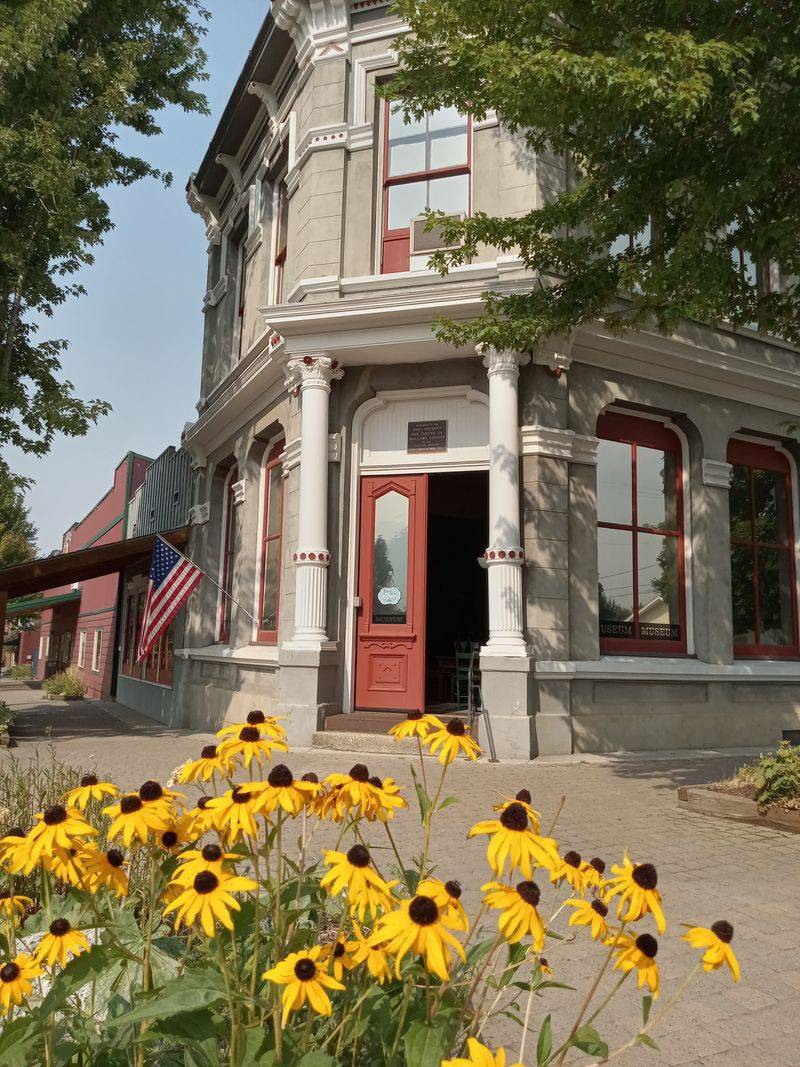
Bronze sculptures line the sidewalks of Joseph, each piece telling stories of the region’s ranching heritage and indigenous history.
Nestled in the Wallowa Valley with the Wallowa Mountains rising dramatically to the south, this remote town feels like a secret the rest of the world hasn’t fully discovered.
Artists established studios here decades ago, drawn by the quality of light that photographers and painters describe as exceptional.
Foundries produce world-class bronze work, and you can often watch artisans pouring molten metal into molds through open workshop doors.
Wallowa Lake sits just minutes away, offering boat launches, hiking trailheads, and a tramway that carries passengers to mountain summits with views stretching into three states.
Local restaurants serve elk burgers and huckleberry desserts, celebrating ingredients that come from the surrounding wilderness.
The town square hosts summer concerts where families spread blankets on grass and listen to folk music as the sun sets behind jagged peaks.
Winter transforms Joseph into a quiet haven where cross-country ski trails replace summer hiking routes and woodstoves warm cozy cafes.
Galleries stay open year-round, their collections rotating to feature both established Western artists and emerging regional talent.
Ranchers still drive cattle through nearby valleys, maintaining traditions that stretch back generations in this isolated corner of northeastern Oregon.
Joseph balances artistic sophistication with rural authenticity, creating a community that honors both creativity and hard work.
3. Ashland
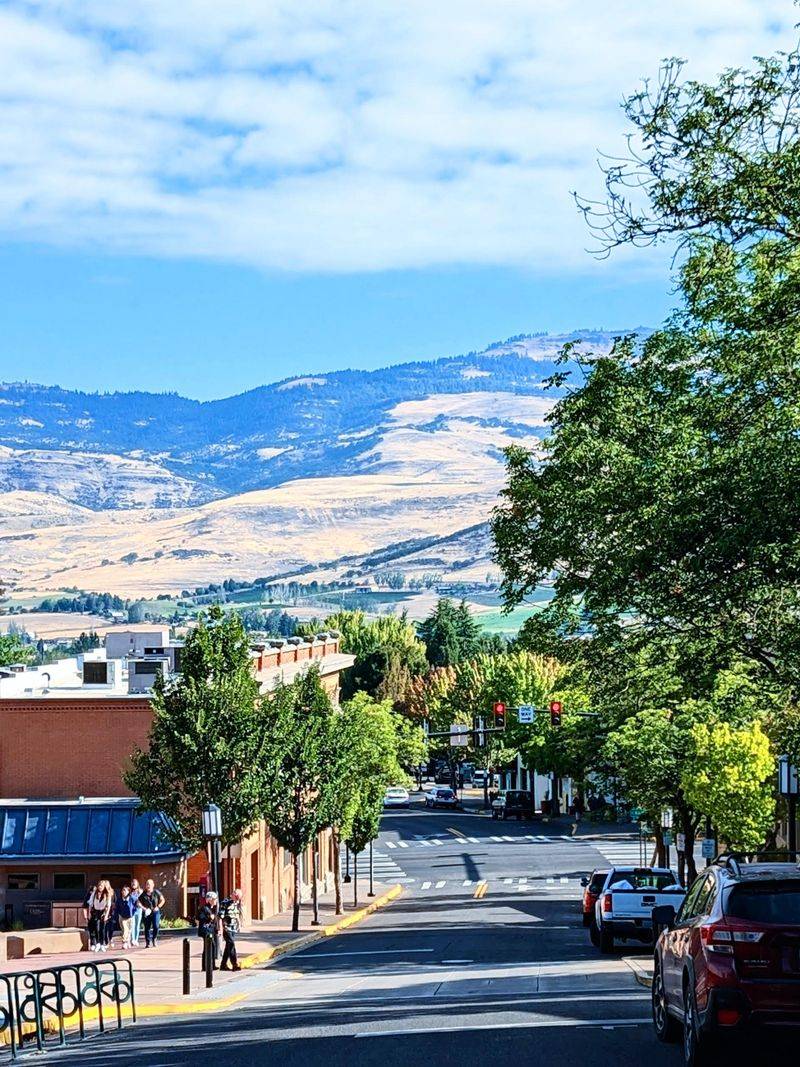
Theater transforms Ashland into something magical, with the Oregon Shakespeare Festival drawing audiences from around the globe to this mountain town tucked against the Siskiyou Range.
Lithia Park winds through the heart of town, its 93 acres offering shaded paths along Ashland Creek where ducks paddle and locals practice tai chi on dewy mornings.
The festival runs from spring through fall, staging both Shakespearean classics and contemporary plays in venues ranging from intimate indoor spaces to an outdoor amphitheater under open sky.
Downtown blocks bustle with pre-show diners choosing between farm-to-table bistros, ethnic restaurants, and old-school steakhouses.
Bookstores stock plays and poetry alongside regional hiking guides, reflecting the town’s dual identity as both cultural hub and wilderness gateway.
Mount Ashland rises to the south, offering winter skiing and summer wildflower meadows just a short drive from town center.
Artisan markets set up on weekends, where vendors sell handmade jewelry, organic produce, and baked goods while street musicians provide soundtrack.
The plaza fountain bubbles with mineral water from Lithia Springs, though its strong taste surprises first-time visitors expecting something more palatable.
Historic homes line residential streets, their gardens bursting with roses, lavender, and native plants adapted to the region’s Mediterranean climate.
Conversation flows easily here, whether you’re discussing a play you just saw or comparing notes on the best trail to catch sunset views.
Ashland manages to feel both cosmopolitan and intimate, a rare combination that keeps visitors returning year after year.
4. Government Camp
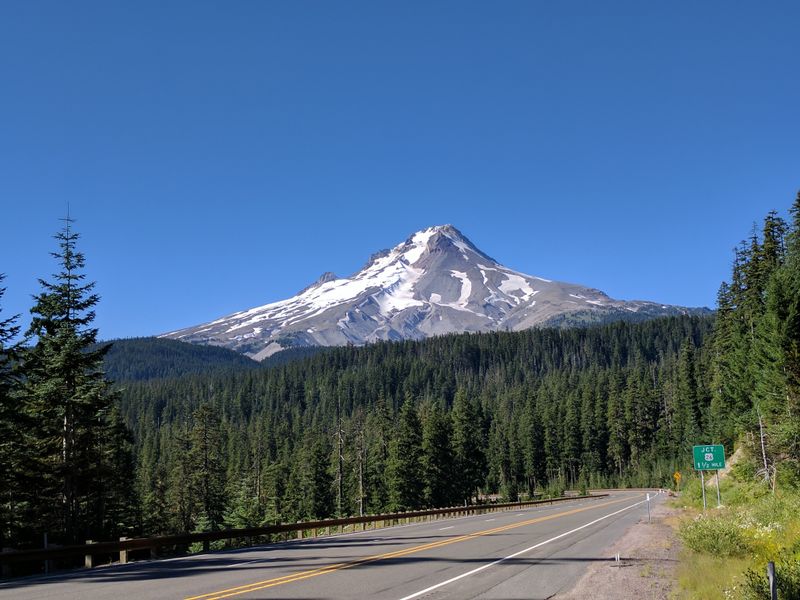
Mount Hood dominates every view in Government Camp, its snow-covered peak rising so close you feel you could reach out and touch the glaciers.
This tiny village exists primarily to serve mountain adventurers, with ski shops, lodge restaurants, and gear rental outfits clustered along Highway 26.
Winter brings powder hounds who spend days carving turns at Timberline or Mount Hood Meadows, then gather around fireplaces to swap stories of their best runs.
Summer reveals a different character as hiking boots replace ski boots and wildflowers carpet alpine meadows that spent months buried under snow.
The historic Timberline Lodge stands as an architectural masterpiece built during the Depression, its massive timber beams and handcrafted details worth visiting even if you never hit the slopes.
Elevation keeps temperatures cool year-round, making sweaters necessary even on July afternoons when valleys below swelter.
Food options lean practical rather than fancy, with burgers, pizza, and hearty breakfasts fueling people who came here to play hard outdoors.
Trailheads provide access to the Pacific Crest Trail, where through-hikers pass by on their journey from Mexico to Canada.
The village maintains a casual, unpretentious vibe where expensive ski gear mixes with thrift-store jackets and nobody judges.
Night skies reveal countless stars when clouds clear, the lack of light pollution creating views that urban dwellers rarely experience.
Government Camp strips away everything nonessential, leaving only mountains, weather, and the simple pleasure of being somewhere truly wild.
5. Oakridge
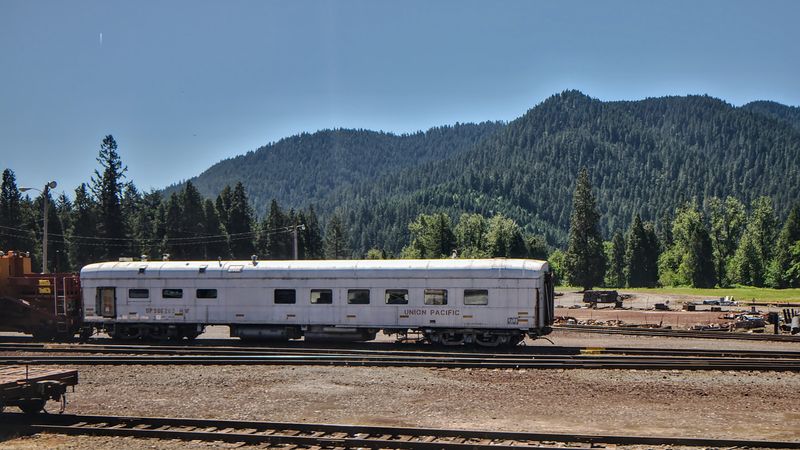
Mountain bikers consider Oakridge holy ground, with hundreds of miles of singletrack winding through old-growth forests where moss drapes from branches like green curtains.
The Willamette National Forest surrounds this Cascade foothill town, providing endless opportunities for pedaling, hiking, or simply getting lost in the woods.
Salt Creek Falls plunges 286 feet just outside town, making it Oregon’s second-tallest waterfall and an easy stop for anyone driving Highway 58.
Local bike shops rent equipment and share trail beta with visitors, their staff passionate about sharing their home terrain with newcomers.
The North Umpqua River flows clear and cold nearby, drawing fly fishers who wade into currents chasing native trout.
Covered bridges dot the surrounding countryside, wooden structures that once served practical purposes but now mostly charm photographers and history buffs.
Downtown Oakridge keeps things simple with a few cafes, a grocery store, and essential services rather than tourist-oriented shops.
The town embraced its identity as a mountain biking destination, building a reputation that draws riders from across the Pacific Northwest and beyond.
Fall transforms the landscape into a riot of gold and orange as deciduous trees shift color against the evergreen backdrop.
Hot springs hide in the surrounding mountains, requiring hikes to reach but rewarding visitors with natural pools where you can soak tired muscles.
Oakridge doesn’t pretend to be fancy or polished, instead offering authentic access to Oregon wilderness without the crowds found in more famous destinations.
6. Wallowa
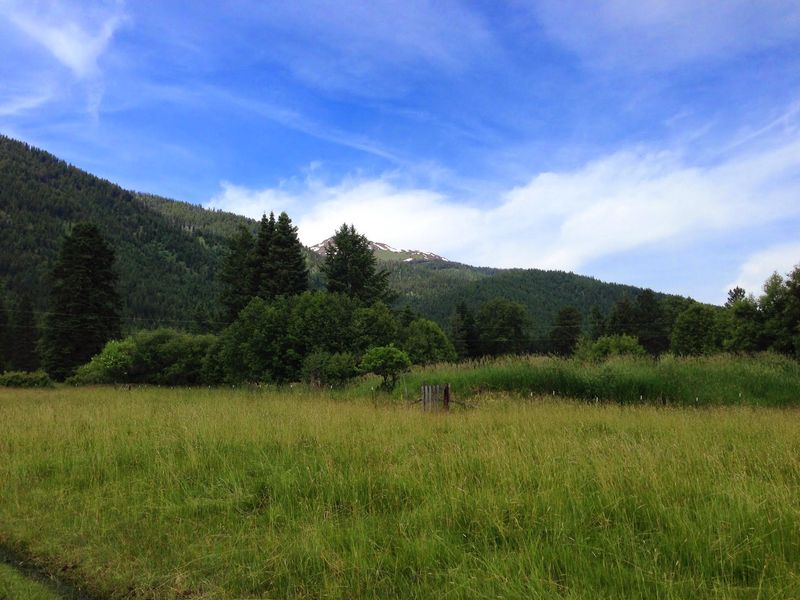
Cattle ranching still defines daily life in Wallowa, where pickup trucks outnumber sedans and feed stores do steady business.
This agricultural community sits in a broad valley with the Wallowa Mountains rising to the east, their peaks holding snow well into summer.
The population barely tops 800 people, creating the kind of place where everyone knows their neighbors and newcomers get noticed.
Historic buildings line the compact downtown, their brick facades weathered but still standing after more than a century.
A small museum preserves local history, displaying artifacts from pioneer days and photographs of the Nez Perce people who lived here long before settlers arrived.
Wallowa Lake and the town of Joseph lie just miles away, but Wallowa itself maintains a quieter, more agricultural character than its tourist-friendly neighbors.
Hayfields stretch toward mountain foothills, their summer green fading to golden brown as harvest approaches.
The local cafe serves breakfast to ranchers starting their day before dawn, the coffee strong and the portions generous.
Kids still ride bikes freely through residential streets, a freedom that feels increasingly rare in modern America.
Community events bring everyone together, whether it’s a school fundraiser, county fair, or holiday celebration at the grange hall.
Wallowa represents rural Oregon at its most authentic, where economic challenges mix with stunning natural beauty and people choose quality of life over career advancement.
Visitors seeking genuine small-town experience rather than curated tourism find exactly what they’re looking for here.
7. Maupin
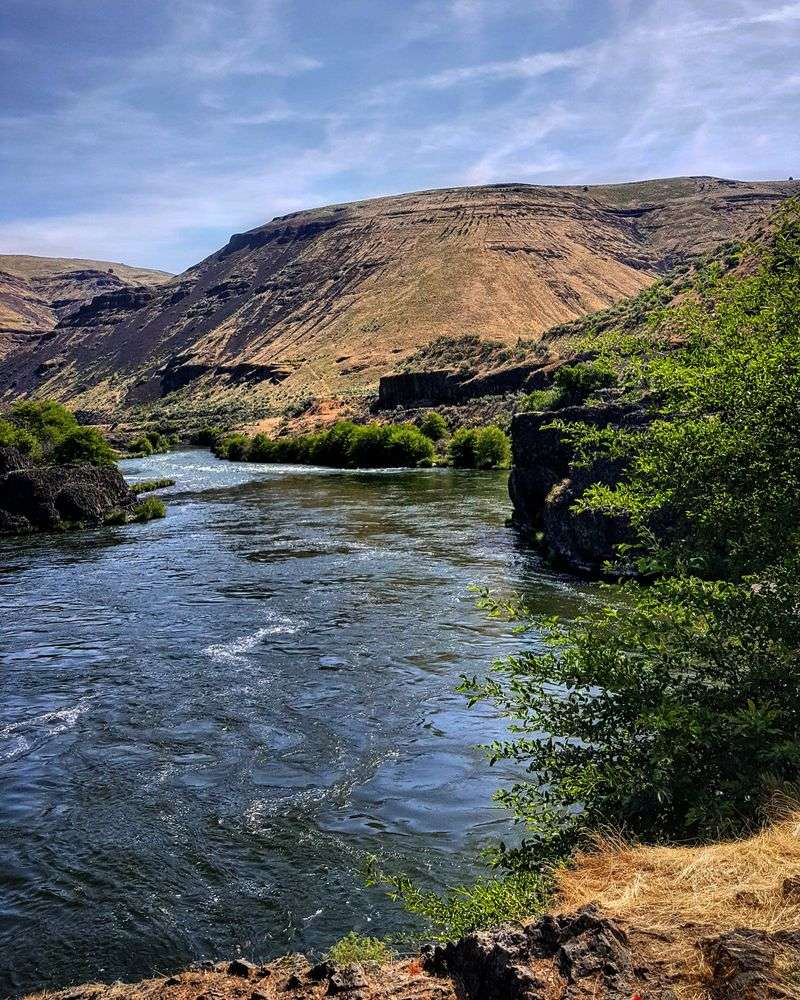
The Deschutes River carves through basalt canyons at Maupin, creating world-class whitewater that attracts rafters and kayakers throughout the warmer months.
This high desert town perches on the canyon rim, its handful of businesses catering primarily to river runners and anglers.
Steelhead and trout draw fly fishers who wade into cold currents, their lines arcing gracefully in pursuit of fish that fight hard once hooked.
Outfitters launch rafting trips daily during peak season, guiding clients through rapids with names like Boxcar and Whitehorse.
The surrounding landscape looks nothing like the lush forests of western Oregon, instead offering sage-covered hills and dramatic rock formations shaped by ancient lava flows.
Summer temperatures soar, making the river’s cool water especially appealing to paddlers and swimmers seeking relief from the heat.
Small motels and campgrounds provide basic accommodations, the focus here being on outdoor adventure rather than luxury amenities.
A single main street holds most businesses, including a general store where you can grab supplies and hear reports on current river conditions.
The Imperial River Company operates a historic lodge and restaurant serving meals to hungry river runners who’ve worked up serious appetites.
Night brings incredible stargazing opportunities, the dry climate and minimal light pollution creating ideal conditions for astronomy.
Maupin strips away distractions, offering instead the simple pleasures of moving water, desert landscape, and the satisfaction of physical challenge met and overcome.
8. Halfway
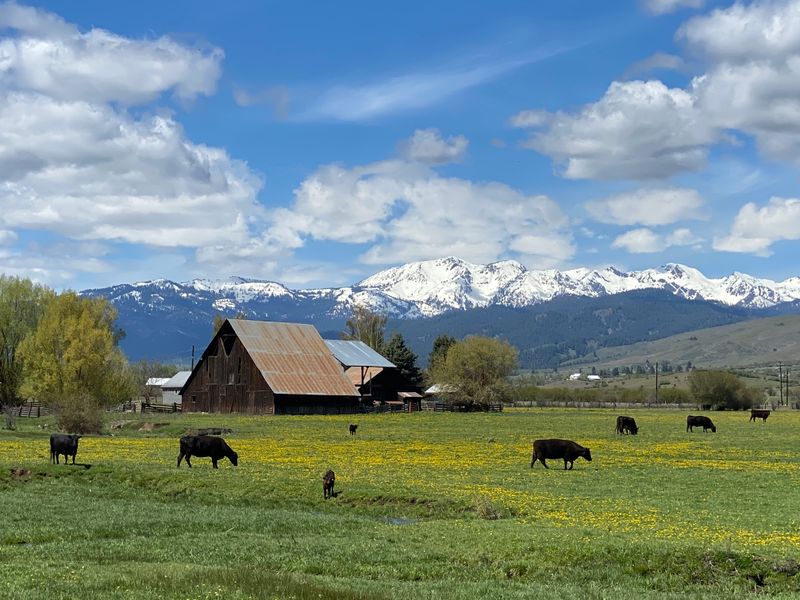
Getting to Halfway requires commitment, the town sitting so far from major highways that GPS systems sometimes seem confused about the route.
Pine Valley surrounds this remote community, with the Wallowa Mountains rising dramatically to the west and the Snake River canyon cutting deep to the east.
Population hovers around 300 souls, most making their living from ranching, timber, or serving the trickle of tourists who discover this isolated corner of Oregon.
The Pine Valley Lodge offers rooms and meals, its restaurant becoming the de facto community gathering spot where locals and visitors mix.
Hells Canyon National Recreation Area lies just beyond town, providing access to North America’s deepest river gorge and some of the West’s most rugged wilderness.
Historic buildings show their age proudly, their weathered wood and vintage signage speaking to decades of frontier life.
Wildlife outnumbers people in surrounding areas, with elk, deer, and black bears common sights for anyone venturing into the backcountry.
The name Halfway supposedly came from the town’s position between two other communities, though which two remains disputed among locals.
Cell service proves spotty at best, forcing visitors to disconnect from digital life whether they planned to or not.
Stars blaze overhead on clear nights, the Milky Way visible as a bright band stretching across the sky.
Halfway represents the kind of place people either fall in love with immediately or can’t wait to leave, its isolation and simplicity not appealing to everyone.
9. Prospect
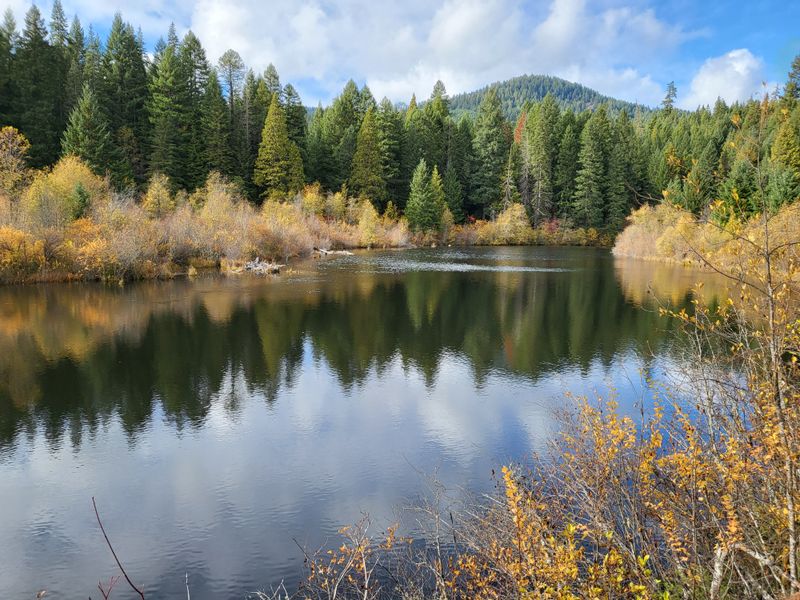
Waterfalls surround Prospect, with some of Oregon’s most spectacular cascades tumbling through forests just minutes from this tiny Cascade Range community.
The Rogue River flows wild here, its waters cold and clear as they rush toward eventual meeting with the Pacific Ocean far downstream.
Mill Creek Falls drops 173 feet in a dramatic plunge visible from a short trail, while Barr Creek Falls and Avenue of Boulders offer equally impressive natural displays nearby.
The historic Prospect Hotel has welcomed travelers since 1889, its rooms and restaurant maintaining period character while providing modern comfort.
Fly fishing reaches near-religious status along this stretch of the Rogue, with anglers practicing their craft in pools and runs that have yielded trophy trout for generations.
Crater Lake National Park sits just up the highway, making Prospect a convenient base for exploring that geological wonder without dealing with park crowds.
Old-growth forests tower overhead on surrounding slopes, their massive Douglas firs and sugar pines creating cathedral-like spaces beneath their canopy.
The village itself barely qualifies as a town, with just a few buildings serving residents and passing travelers.
Hiking trails branch out in every direction, leading to hidden waterfalls, mountain viewpoints, and wilderness areas where solitude comes easy.
Prospect represents Oregon’s quieter side, where natural beauty takes center stage and human development remains appropriately modest.
Winter snow transforms the landscape, though the hotel stays open year-round for those seeking mountain peace during the coldest months.
Dear Reader: This page may contain affiliate links which may earn a commission if you click through and make a purchase. Our independent journalism is not influenced by any advertiser or commercial initiative unless it is clearly marked as sponsored content. As travel products change, please be sure to reconfirm all details and stay up to date with current events to ensure a safe and successful trip.
