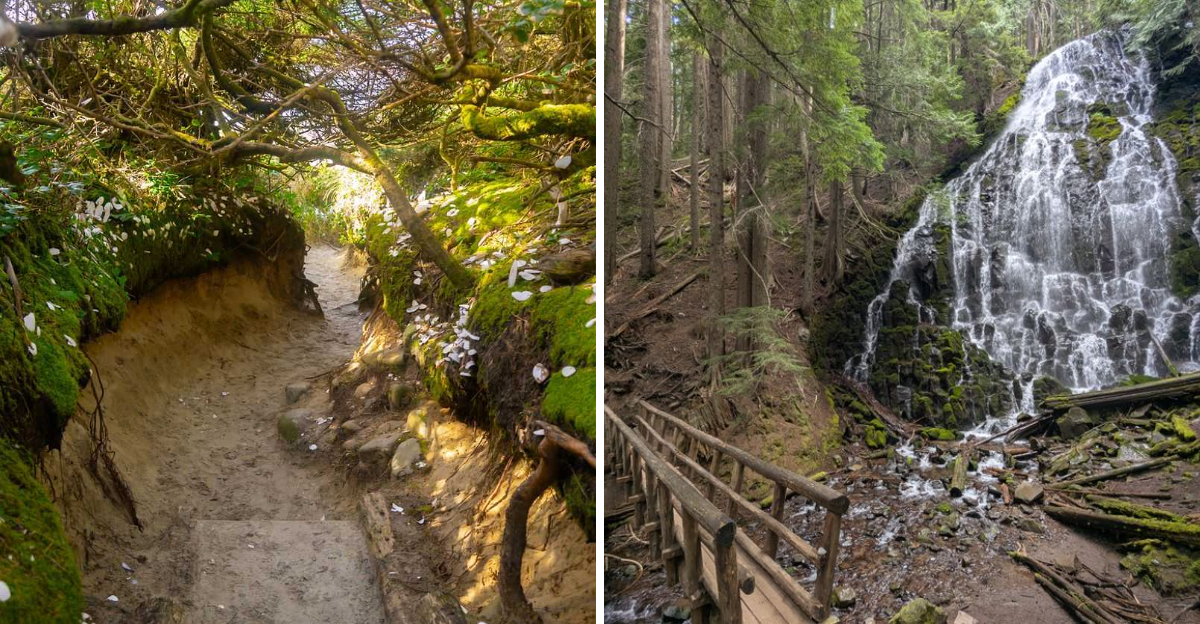
Oregon holds a secret that locals guard jealously: within minutes of bustling city streets, you can step into forests so quiet you hear your own heartbeat, or stand before waterfalls that make you forget what traffic sounds like.
The state’s incredible network of trails offers something rare in modern life: true escape without requiring a week off work or a long road trip.
Whether you live in Portland, Bend, or Eugene, these paths exist as portals to another world, where moss-covered trees replace skyscrapers and the only crowds are clusters of wildflowers.
What makes these trails special isn’t just their beauty, though Oregon delivers that in abundance.
It’s how quickly they transform your mental state, washing away the stress of emails, deadlines, and city noise.
Some lead to impossibly blue pools that look Photoshopped but are completely real.
Others wind through ancient forests that have stood for centuries, offering perspective that only old-growth trees can provide.
From coastal rainforests to high desert canyons, these ten trails represent the best of what Oregon offers to anyone seeking solitude and natural wonder.
Pack your boots and leave your phone on silent, because these paths are calling.
1. Forest Park Ridge Trail
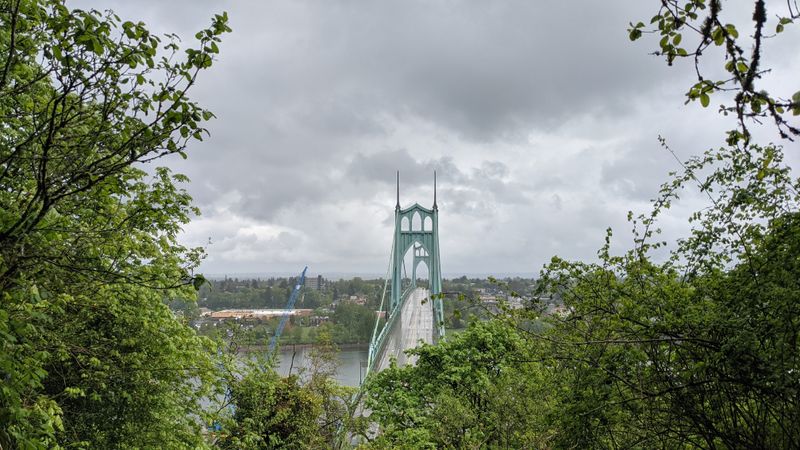
Portland’s Forest Park stretches across more than five thousand acres, making it one of the largest urban forests in the entire United States.
Yet walking the Ridge Trail feels like stepping into a wilderness completely removed from civilization.
The path winds through towering Douglas firs and western red cedars, their branches creating a cathedral ceiling overhead.
Moss blankets everything here, from fallen logs to tree trunks, creating an emerald wonderland that stays lush year-round thanks to Oregon’s famous rainfall.
The silence strikes you first.
Despite being just minutes from downtown Portland’s urban core, the forest absorbs sound so completely that birdsong becomes the loudest noise you’ll hear.
Ferns unfurl along the trail edges, and in spring, trilliums dot the understory with white blooms.
The Ridge Trail itself offers moderate difficulty with gentle elevation changes that reward hikers with occasional viewpoints.
You can access multiple connecting trails, making it easy to customize your hike length.
Locals often come here for early morning walks before work, using the forest as a reset button for their day.
Wildlife sightings include deer, woodpeckers, and occasionally owls if you visit during dawn or dusk hours.
The trail remains open year-round, though muddy conditions are common during rainy months.
Bring layers regardless of season, as the dense canopy creates its own weather patterns.
The address to access the trailhead is NW Thurman Street and NW Aspen Avenue, Portland, Oregon.
2. Tamolitch Blue Pool
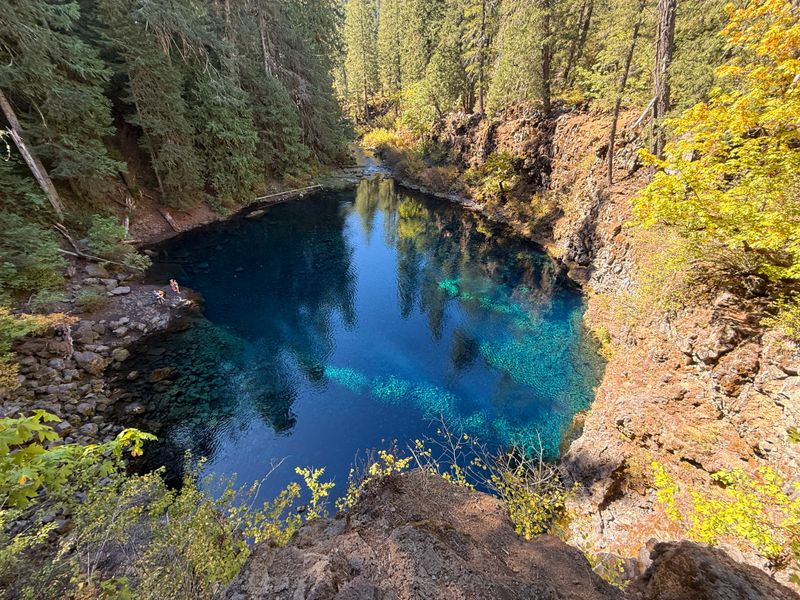
Fed by underground springs from the McKenzie River, Tamolitch Blue Pool glows with a color so vivid it seems impossible.
The water maintains an electric turquoise hue that photographs can barely capture, and standing at its edge feels like discovering a hidden gem that shouldn’t exist in the Pacific Northwest.
The pool sits in a canyon carved by ancient volcanic activity, with walls of dark basalt providing dramatic contrast to the luminous water.
Getting there requires a moderate hike along the McKenzie River Trail, roughly three miles one way from the trailhead.
The path follows the riverbed, which runs dry for a stretch due to volcanic rock absorbing the water underground.
This creates an eerie landscape where you walk through what should be a rushing river, only to find it reappearing at the Blue Pool in spectacular fashion.
Old-growth forest surrounds the trail, with massive cedars and hemlocks creating shade for most of the journey.
The temperature drops noticeably as you approach the pool, where cold spring water keeps the air chilly even on warm summer days.
Swimming is technically possible but not recommended due to the frigid temperatures and depth.
Bring a camera with polarizing filters to capture the water’s true color, though no photo quite does it justice.
The trail starts at the Trail Bridge Reservoir area, with parking available at the McKenzie River Trailhead.
The address for GPS navigation is McKenzie River Trail, Blue River, Oregon.
3. Trail of Ten Falls
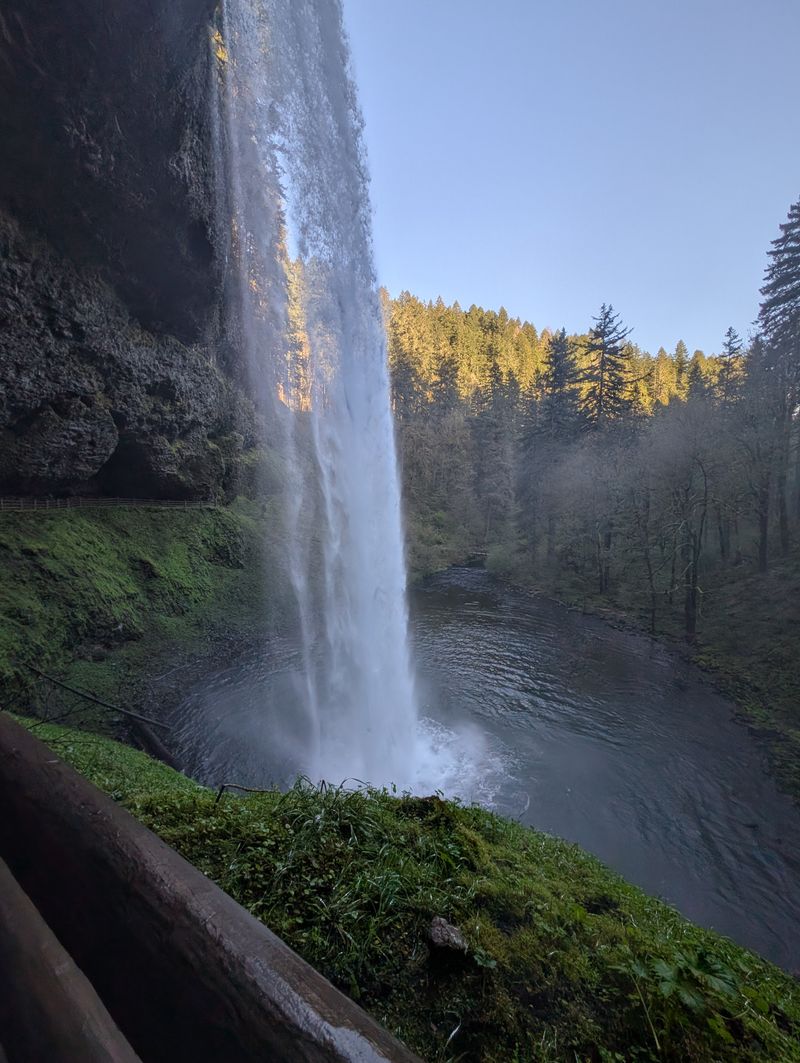
<p>Silver Falls State Park earned its nickname as Oregon’s crown jewel for good reason.
The Trail of Ten Falls delivers exactly what its name promises: a loop that passes ten distinct waterfalls, several tall enough to walk behind.
The experience feels like stepping into a fantasy landscape where water cascades from every direction.</p><p>South Falls, the park’s signature waterfall, plunges over a basalt overhang, creating a cavern behind the curtain of water.
The trail leads directly behind it, offering a perspective few waterfalls provide.
Mist fills the air, creating rainbows on sunny days and coating everything in a fine spray.
The roar of falling water drowns out all other sounds, completing the immersion.</p><p>The full loop covers about eight miles through diverse terrain, from canyon bottoms to forested ridges.
Each waterfall has its own character.
Some crash dramatically into pools below, while others slide gracefully down moss-covered rocks.
North Falls, Middle North Falls, and Winter Falls each offer unique viewing opportunities, and the trail is well-maintained with bridges and stairs at key points.</p><p>Spring brings the highest water volume, making falls more powerful, while autumn offers colorful foliage as a backdrop.
The park sits far enough from major cities that light pollution disappears completely at night, though most visitors come during daylight hours.
Families with children handle the trail well, as the path stays moderate throughout.</p><p>Wildlife includes salamanders near the waterfalls, deer in the forests, and various bird species year-round.
The park provides ample parking and facilities, making it accessible for all skill levels.
Despite its popularity, the trail’s length distributes visitors naturally, so you’ll find quiet moments throughout.
The park entrance is located at 20022 Silver Falls Highway Southeast, Sublimity, Oregon.</p>
4. Hobbit Trail
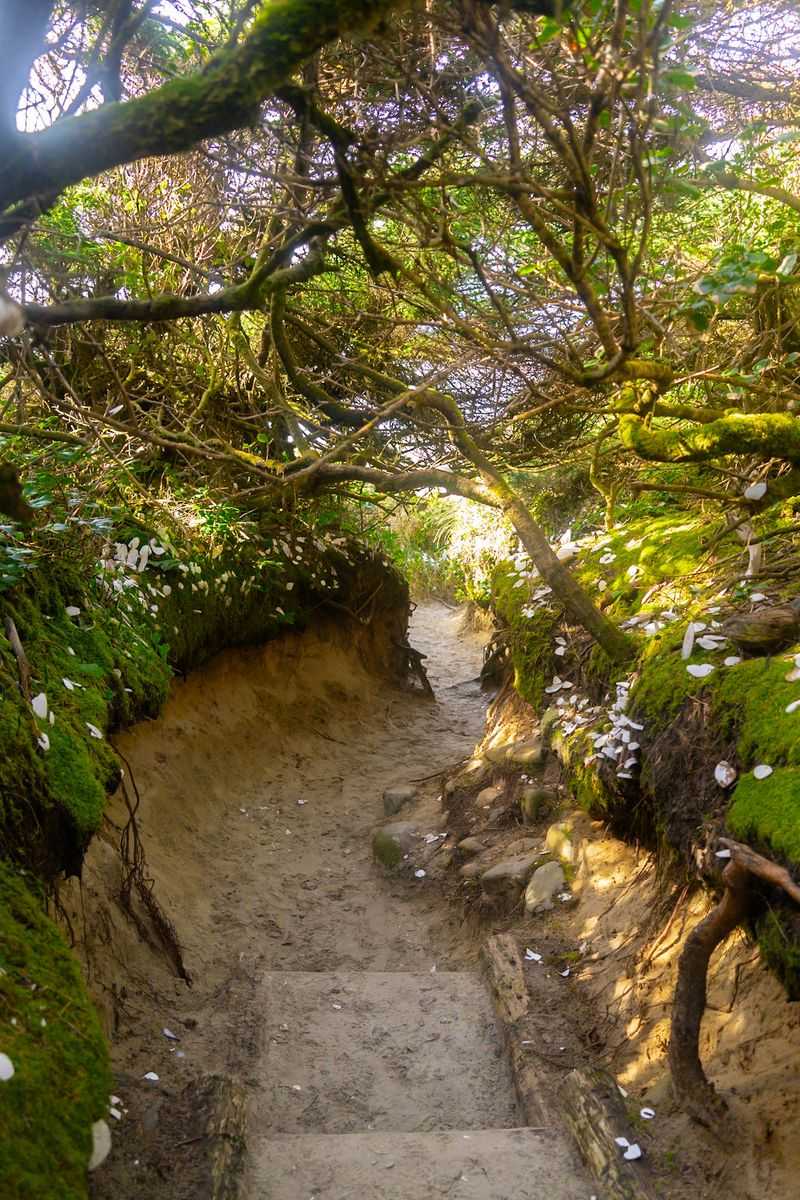
Near Florence on the Oregon coast, the Hobbit Trail lives up to its whimsical name with an enchanting walk through coastal forest to a secluded beach.
The path begins in a tunnel of vegetation so dense it blocks out the sky, with twisted branches and hanging moss creating an otherworldly canopy.
Locals named it perfectly, as the narrow trail and gnarled trees evoke fantasy landscapes.
The hike itself measures less than a mile, making it accessible for nearly everyone, including families with young children.
But don’t let the short distance fool you.
The descent to the beach includes some steep sections with tree roots serving as natural stairs.
The forest here grows thick with salal, sword ferns, and shore pines adapted to the coastal environment.
Emerging from the forest onto the beach feels like a revelation.
Wide sandy expanses stretch in both directions, backed by towering bluffs.
Driftwood sculptures dot the shoreline, bleached white by sun and salt.
Tide pools form among the rocks at low tide, harboring starfish, anemones, and small crabs.
The trail can get muddy during rainy months, so waterproof boots help, though many people manage in regular sneakers during dry weather.
The forest section stays cool year-round, while the beach can be windy regardless of season.
Parking is limited to a small pullout area.
The trailhead location is Highway 101, approximately three miles north of Florence, Oregon.
5. Smith Rock State Park
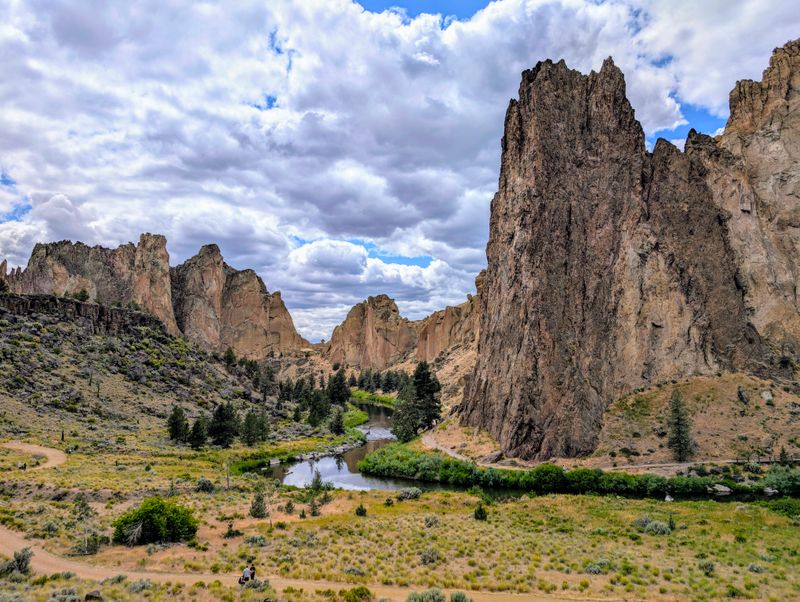
<p>Rising from the high desert near Terrebonne, Smith Rock State Park presents a landscape so dramatically different from western Oregon that it feels like another planet.
Massive volcanic cliffs tower above the winding Crooked River, their rust-orange and golden hues shifting with the sun’s angle.
Golden eagles soar overhead, riding thermal currents between the rock spires.</p><p>The park attracts rock climbers from around the world, but hikers find plenty of trails that showcase the scenery without requiring technical skills.
The Misery Ridge Trail offers the most dramatic views, climbing steeply to the top of the main ridge.
From there, the entire park spreads below, with the river snaking through the canyon and endless desert stretching to distant mountains.</p><p>Easier paths follow the river, where cottonwoods provide shade and the water creates a ribbon of life through the arid landscape.
Wildflowers bloom in spring, adding splashes of color to the otherwise muted palette of sage and juniper.
The air smells of sun-warmed rock and desert plants, completely different from the forest scents of western Oregon.</p><p>Summer temperatures can exceed ninety degrees, making early morning or evening visits preferable during hot months.
Winter brings snow occasionally, transforming the red rocks into a striking contrast of white and rust.
The park’s geology tells stories of volcanic eruptions and centuries of erosion, visible in every layered cliff face.</p><p>Wildlife includes mule deer, river otters in the Crooked River, and various raptor species beyond the famous golden eagles.
The park provides parking and basic facilities, though water is limited, so bring plenty.
Locals from Bend visit regularly, using the trails to escape into a landscape that feels untamed and ancient.
The park entrance is located at 9241 Northeast Crooked River Drive, Terrebonne, Oregon.</p>
6. Ramona Falls Trail
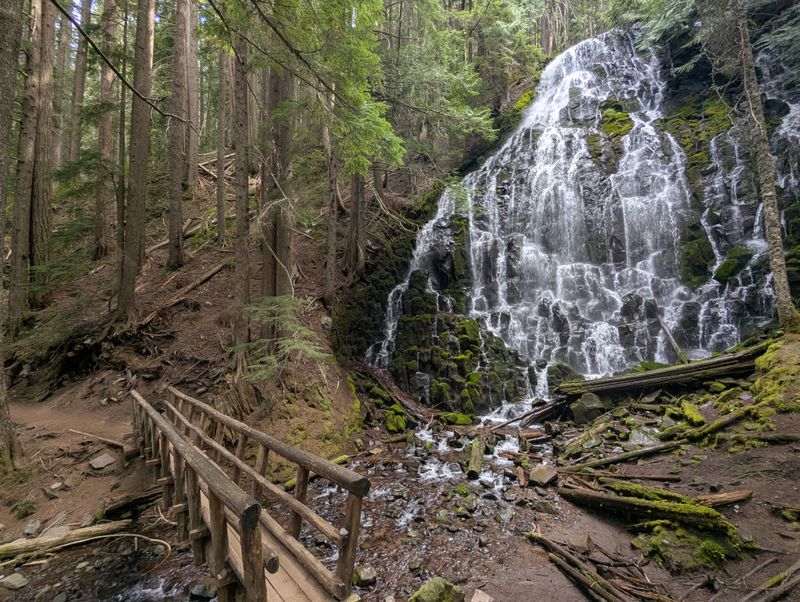
Mount Hood National Forest hides numerous treasures, but Ramona Falls stands out for its unique beauty and the journey required to reach it.
The falls cascade down a basalt wall in hundreds of small streams, creating a lace-like curtain of water that spreads across the entire rock face.
Unlike single-drop waterfalls, Ramona Falls flows in delicate ribbons, each finding its own path down the columnar basalt.
The trail to reach it covers about seven miles round trip, winding through old-growth forest and crossing the Sandy River on a footbridge.
The river crossing itself provides entertainment, as the glacial meltwater rushes beneath your feet, milky with rock flour from Mount Hood’s glaciers.
The forest along the trail showcases massive Douglas firs and western hemlocks, some several centuries old.
As you approach the falls, the sound of rushing water grows louder, and the air becomes noticeably cooler and more humid.
The falls create their own microclimate, supporting lush moss gardens and ferns that thrive in the constant mist.
A viewing area allows you to sit and absorb the scene, with the falls providing soothing white noise.
Wildlife sightings include various bird species and occasionally black bears, though they typically avoid humans.
The trail stays accessible from late spring through fall, with snow closing it during winter months.
Proper hiking boots help navigate rocky sections and potential mud.
The trailhead is located off Forest Road 1825, accessed from Lolo Pass Road near Zigzag, Oregon.
7. Upper Deschutes River Trail
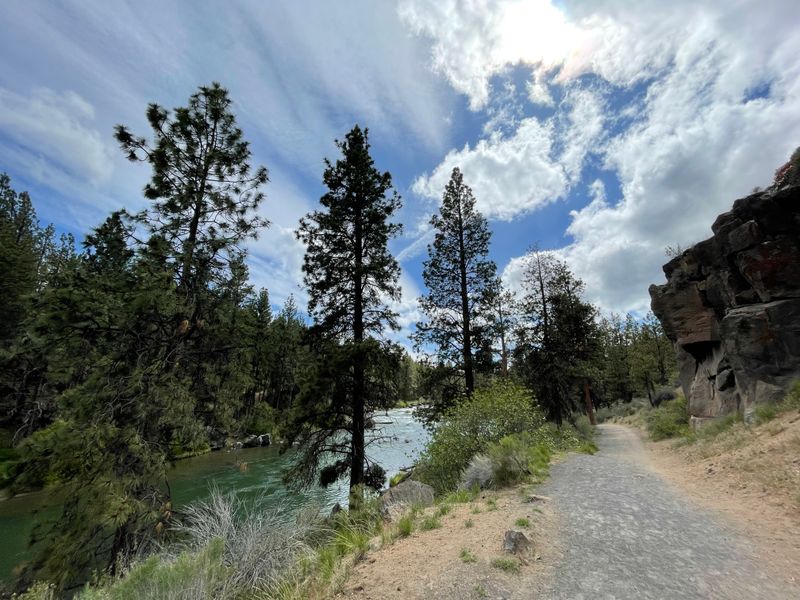
Bend’s reputation as an outdoor paradise rests partly on trails like the Upper Deschutes River Trail, which follows one of Oregon’s most beautiful rivers through ponderosa pine forests and ancient lava flows.
The river maintains a stunning blue-green color, fed by springs that keep the water cold and clear year-round.
The trail hugs the riverbank for miles, offering constant water views and the soothing sound of flowing current.
Volcanic history dominates the landscape here.
Black lava rocks line the trail in places, remnants of eruptions from thousands of years ago.
The ponderosas grow directly from this volcanic soil, their orange-barked trunks standing in striking contrast to the dark rocks.
The forest here differs dramatically from western Oregon’s dense rainforests, with trees spaced far apart and sunlight streaming through.
The trail accommodates various distances, as you can turn back whenever you choose or continue for many miles.
Most locals pick a section and make it their regular escape from Bend’s growing urban energy.
The path stays relatively flat, following the river’s gentle grade, making it accessible for most fitness levels.
Mountain bikers share some sections, though hikers dominate most stretches.
Multiple access points exist along the trail, with parking at various spots including Meadow Camp and Lava Island.
The river’s constant presence creates a meditative atmosphere that locals use to decompress after work or on weekend mornings.
The trail access is available from Southwest Century Drive, near Bend, Oregon.
8. Gnarl Ridge Trail
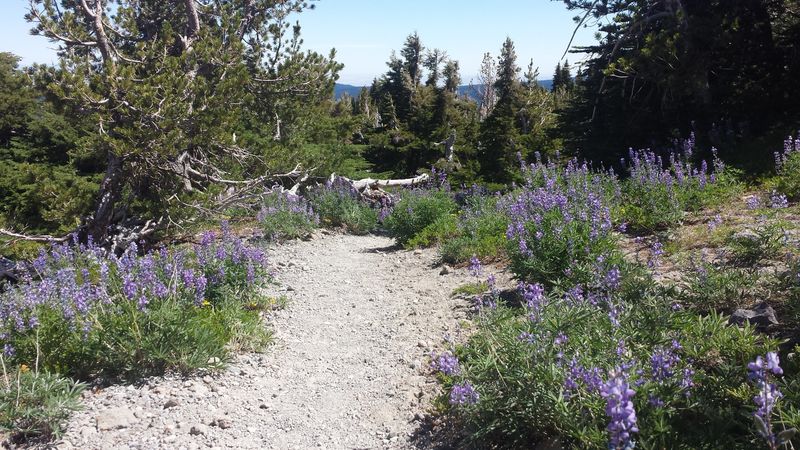
Most people flock to Mount Hood’s famous trails, which means they miss hidden gems like Gnarl Ridge.
This underrated path climbs through subalpine meadows bursting with wildflowers in summer, then continues up to ridgeline views that showcase Mount Hood’s east face in stunning detail.
The solitude here feels remarkable given the mountain’s popularity, but the trail’s location on the less-visited east side keeps crowds minimal.
The name comes from the gnarled whitebark pines that grow near treeline, their twisted forms shaped by harsh winter winds and heavy snow.
These ancient trees survive in conditions that would kill most vegetation, creating sculptural shapes against the sky.
The ridge itself offers three hundred sixty degree views, with Mount Hood dominating to the west and endless forest stretching east into the wilderness.
Wildflower season peaks in July and August, when the meadows explode with lupine, paintbrush, and dozens of other species.
The colors rival any garden, yet grow completely wild in volcanic soil.
Butterflies and bees work the flowers, adding movement to the already spectacular scenery.
The trail climbs steadily but never becomes overly steep, gaining elevation through switchbacks.
Locals who discover this trail often keep it as their secret spot, though sharing it feels wrong when the beauty deserves wider appreciation.
The trailhead provides limited parking, which naturally limits visitor numbers.
Bring layers regardless of valley temperatures, as conditions change quickly at elevation.
The trailhead is located off Forest Road 44, accessed from Highway 35 near Mount Hood, Oregon.
9. Drift Creek Falls Trail
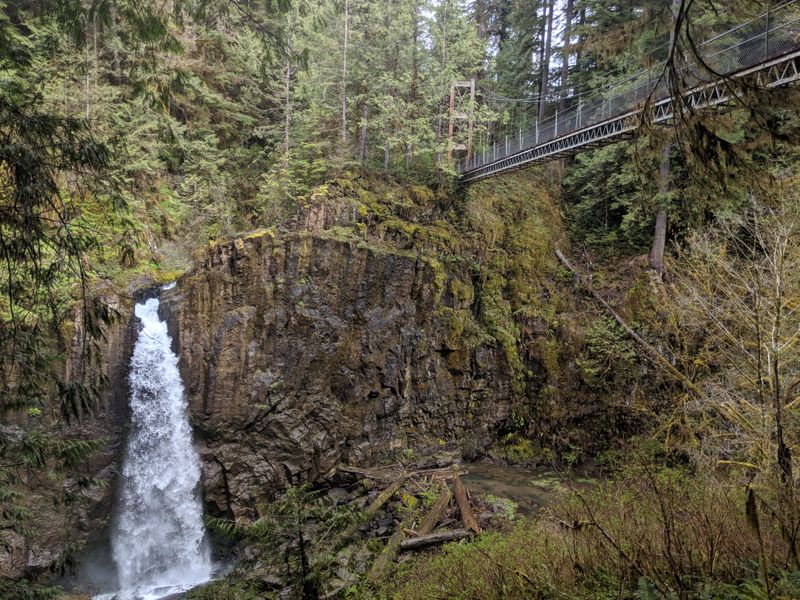
Coastal rainforests possess a particular magic, and the Drift Creek Falls Trail captures it perfectly.
The path winds through old-growth forest where massive Sitka spruces and western hemlocks create a canopy so dense that rain barely reaches the forest floor.
Moss covers everything in shades of green that seem too vibrant to be real, and the air stays perpetually humid and cool.
The trail’s highlight comes about halfway through the three-mile round trip: a suspension bridge spanning the creek canyon.
The bridge sways gently as you cross, offering a bird’s eye view of Drift Creek Falls plunging into the gorge below.
The waterfall drops seventy-five feet in a single cascade, surrounded by cliff walls draped in ferns and moss.
The perspective from the bridge provides a unique viewing angle impossible to achieve from ground level.
The descent to the bridge includes some steep sections with stairs, though the trail remains accessible for most hikers with reasonable fitness.
Families with older children handle it well, and the payoff at the bridge makes any effort worthwhile.
The forest itself deserves as much attention as the falls, with enormous trees that have stood for centuries and nurse logs sprouting new growth.
Locals from Lincoln City use this trail as a quick escape into pristine nature, appreciating its accessibility combined with impressive scenery.
The trailhead includes parking and basic facilities.
The address for navigation is Forest Road 17, approximately ten miles east of Highway 101 near Lincoln City, Oregon.
10. Devil’s Staircase
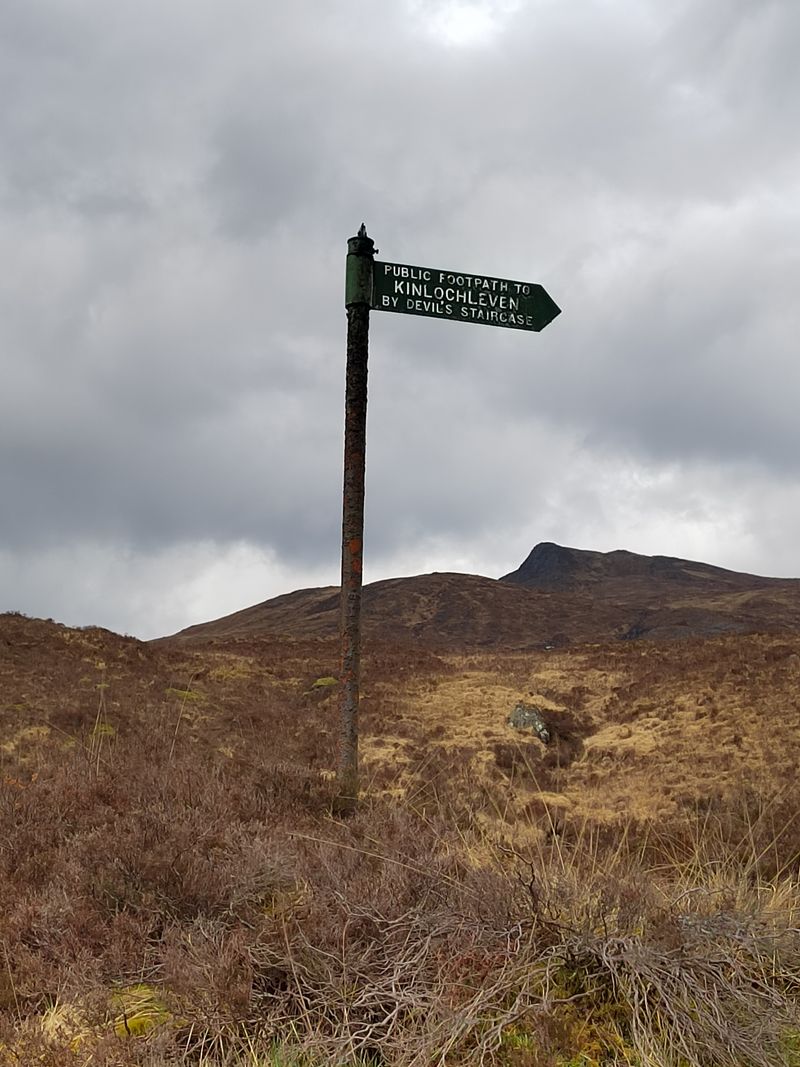
Umpqua National Forest contains some of Oregon’s most dramatic terrain, and Devil’s Staircase Trail showcases the region’s rugged beauty.
The name refers to a series of steep switchbacks that climb through dense coastal rainforest, gaining significant elevation in a relatively short distance.
The challenge rewards hikers with complete immersion in old-growth forest and stunning views from the ridgetop.
Ancient trees dominate the landscape, with Douglas firs reaching heights that strain your neck to see their tops.
The understory grows thick with rhododendrons, which bloom spectacularly in late spring with pink and white flowers.
Moss and lichen coat every surface, creating textures and colors that photographers dream about.
The forest here feels primordial, unchanged for centuries.
The trail climbs steadily, and those switchbacks earn the devil’s name through sustained effort required.
But the forest provides constant distraction from burning legs, with new details revealing themselves at every turn.
Fallen logs the size of cars lie across the forest floor, slowly returning to soil while hosting new plant life.
The air smells rich with decay and growth happening simultaneously.
The trail stays accessible most of the year, though winter snow can close higher elevations.
Spring and fall offer the best conditions, with moderate temperatures and fewer bugs than summer.
Bring plenty of water, as the climb demands hydration.
The trailhead is located off Highway 101, approximately fifteen miles north of Reedsport, Oregon, with parking available at the marked access point.
Dear Reader: This page may contain affiliate links which may earn a commission if you click through and make a purchase. Our independent journalism is not influenced by any advertiser or commercial initiative unless it is clearly marked as sponsored content. As travel products change, please be sure to reconfirm all details and stay up to date with current events to ensure a safe and successful trip.
