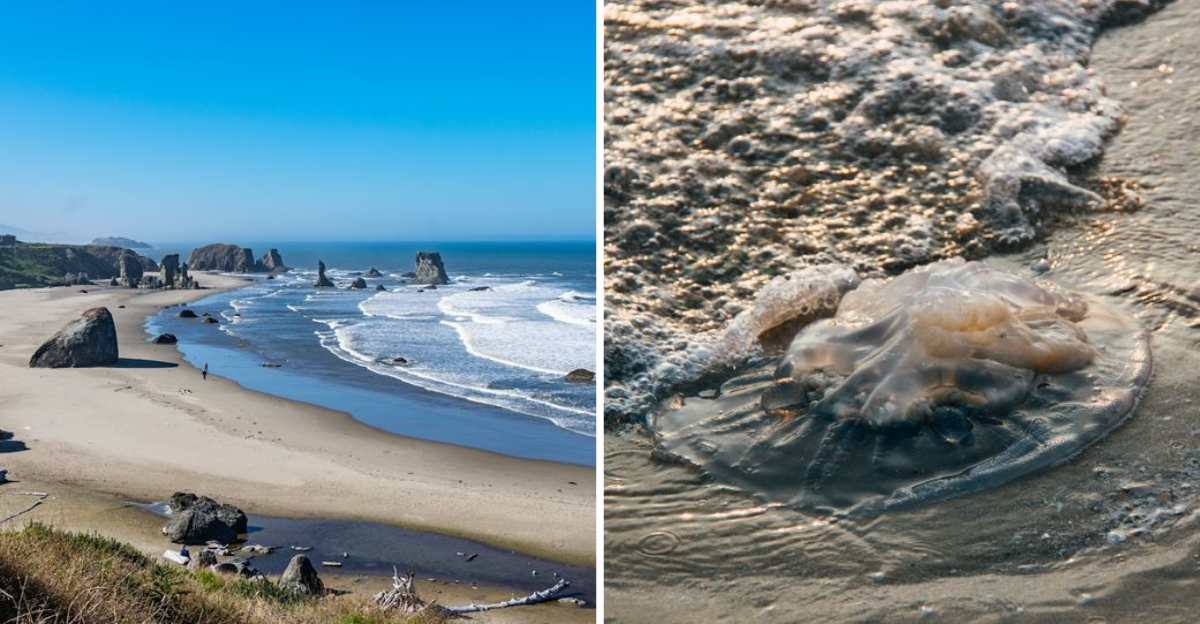
Oregon’s parks are urging summer visitors to stay alert along the coast. A notable increase in jellyfish activity has been reported, turning some favorite beach spots into cautious zones.
The blooms can be driven by warmer waters, favorable currents, and changes in the marine food web. A recent beach report specifically noted the presence of jellyfish, warning visitors about them and other tiny biting creatures in the water during mid-August.
The influx is a natural phenomenon, though scientists note it can be influenced by changing ocean conditions. For your safety, be extra cautious with children and avoid touching any jellyfish you spot on the sand, as they can still deliver a sting.
Pay attention to signs at the beach, and you can enjoy the beautiful Oregon coastline with peace of mind.
1. Cannon Beach and the Jellyfish-Lined Shore
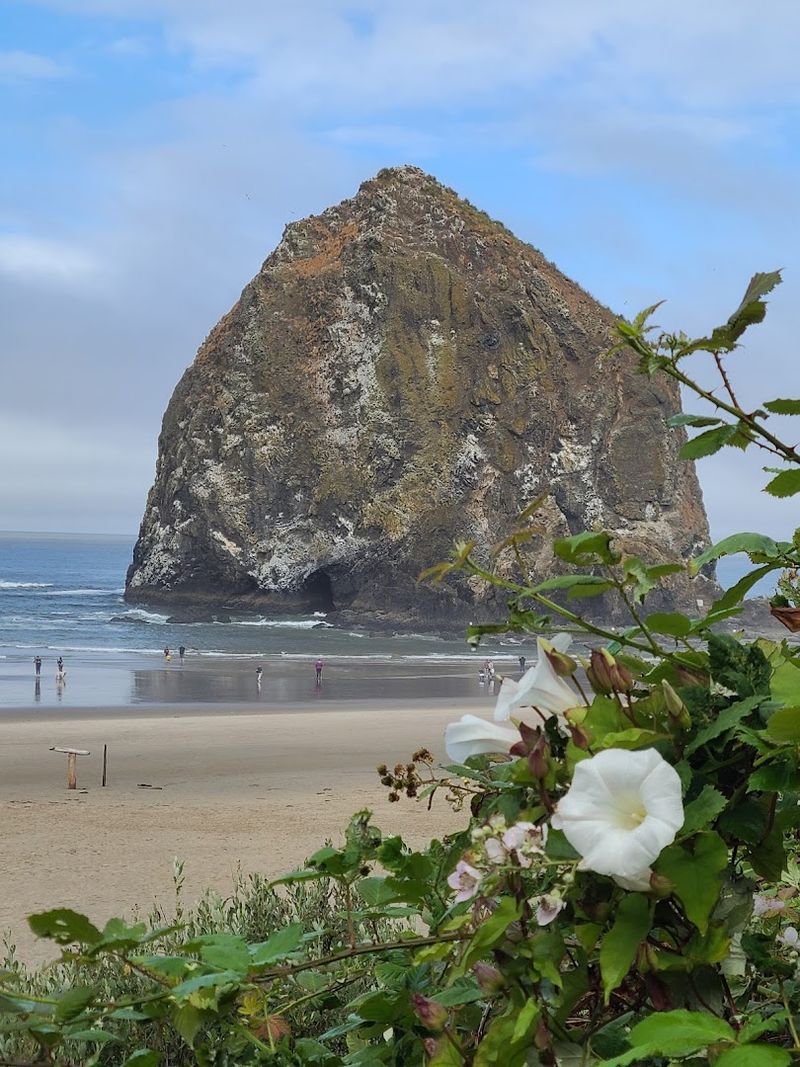
Haystack Rock rises out of the surf like a monument, and on a clear morning, the whole scene feels almost too cinematic to be real. Cannon Beach has always drawn crowds for its dramatic scenery, but this summer the shoreline has an added spectacle.
Jellyfish, some as wide as dinner plates, have been spotted scattered across the sand in large numbers.
The bloom affecting this stretch of coast is largely made up of moon jellyfish and the larger lion’s mane species. Moon jellyfish are translucent and relatively harmless, though touching them is still not a great idea.
Lion’s mane jellyfish, on the other hand, can deliver a sting that ranges from mildly irritating to genuinely painful, so giving them space is the smart move.
Oregon Parks officials have been posting updates at beach access points, urging visitors to look before they step and to keep pets and children away from any jellyfish on the sand. Dead jellyfish can still sting, which surprises a lot of people.
The best approach is to enjoy the view from a safe distance and treat the bloom as a natural phenomenon worth witnessing. Cannon Beach remains one of the most stunning places on the entire Oregon coast, jellyfish and all.
2. Oswald West State Park and the Hidden Cove Surprise
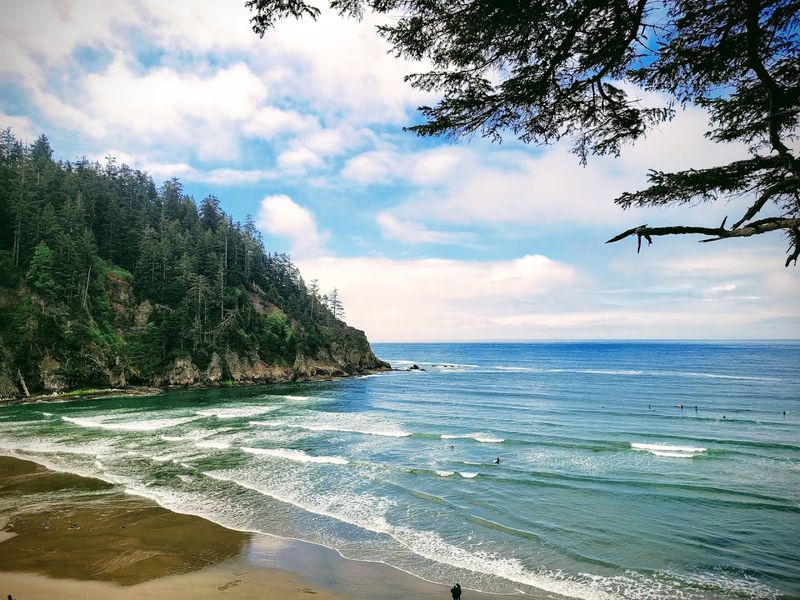
Getting to Short Sand Beach inside Oswald West State Park requires a short hike through old-growth forest, and that journey through towering Sitka spruce always feels like a proper adventure.
The beach itself is sheltered by headlands on both sides, creating a cove that feels hidden from the rest of the world. This summer, that sheltered water has also been trapping jellyfish in surprisingly dense concentrations.
Because the cove does not flush as freely as open beaches, jellyfish that drift in tend to linger. Surfers and swimmers who frequent Short Sand have reported seeing large clusters floating just beneath the surface, which has understandably changed how people are approaching the water.
The park has posted advisory signs near the trailhead and at the beach itself.
What makes this spot so fascinating right now is the contrast between the lush, mossy forest trail and the otherworldly scene waiting at the end of it. Jellyfish pulsing gently in the green water, framed by sea cliffs and Douglas fir, is honestly a strange and beautiful thing to witness.
Hiking boots are recommended for the trail, and water shoes are worth considering if you plan to wade near the tideline. The park is free to access and the hike is manageable for most fitness levels, making it one of the more accessible wild experiences on the coast right now.
3. Cape Lookout State Park and the Warning Signs Going Up
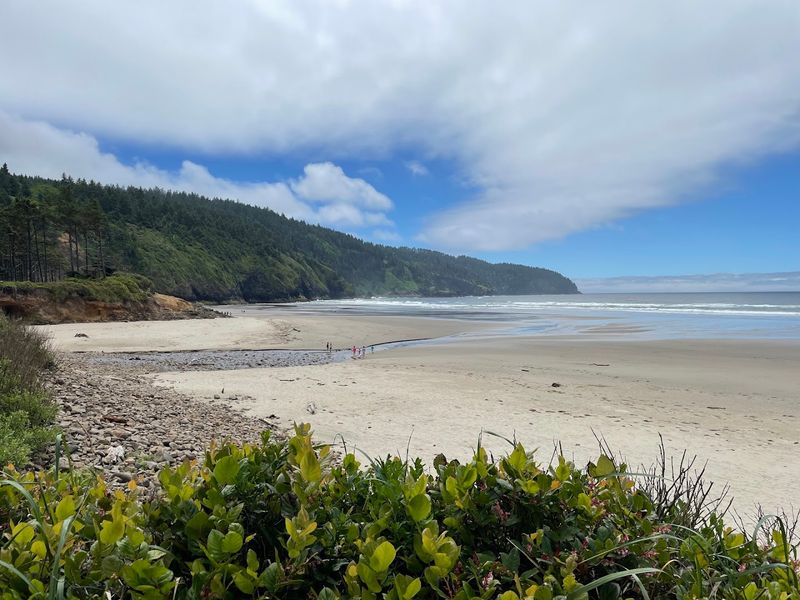
Cape Lookout juts out into the Pacific like a finger pointing west, and the beach that wraps around its base is one of the most exposed stretches of coastline in the state. That exposure means it catches everything the ocean sends in, and right now, that includes a significant number of jellyfish.
Park rangers here have been among the most proactive in posting visible warnings along the beach access trail and near the campground.
Signage advises visitors to avoid direct contact with any jellyfish found on the sand, to supervise children closely, and to report any unusually large clusters to park staff. The messaging is clear without being alarming, which feels like the right tone.
Cape Lookout is also a popular camping destination, and many families who had planned beach days as part of their stay have had to adjust their plans slightly. That said, the beach is still open and the surrounding forest trails are spectacular.
The headland hike to the tip of the cape offers sweeping views of Netarts Bay to the south and the open ocean to the west, and on a good day you might spot gray whales in the distance. The jellyfish bloom has not changed what makes this park special.
4. Seaside Beach, Where the Bloom First Made Headlines
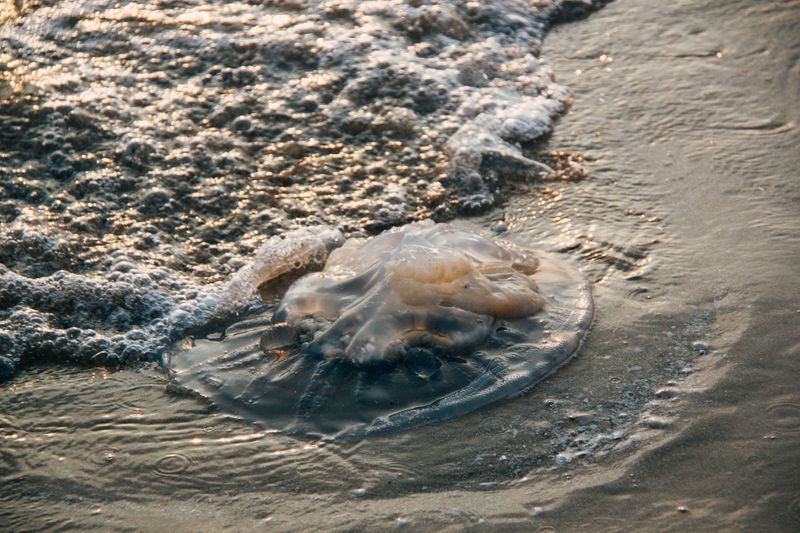
Seaside is often the first stop on a northbound Oregon coast trip, and this summer it earned a different kind of attention. Reports of jellyfish washing ashore here in unusual numbers were among the first to circulate on social media, catching the eye of both locals and incoming tourists.
The beach at Seaside is wide and flat, which makes it easy to spot the blooms from a distance. That visibility is actually helpful right now, giving beachgoers plenty of time to navigate around clusters of jellyfish before getting too close.
The Seaside Promenade, a paved walkway running parallel to the shore, offers a great vantage point for watching the ocean without getting your feet wet.
Marine biologists have noted that jellyfish blooms like this one are not entirely unusual for the Pacific Northwest in summer. Warmer water temperatures and shifts in ocean currents can push large populations toward shore. What makes this bloom stand out is sheer scale.
Locals who have lived near the beach for decades say they have not seen anything quite like it in recent memory. It is a reminder that the ocean has its own rhythms, and sometimes those rhythms produce something genuinely jaw-dropping.
5. Neskowin Beach, a Quiet Town with a Big Bloom
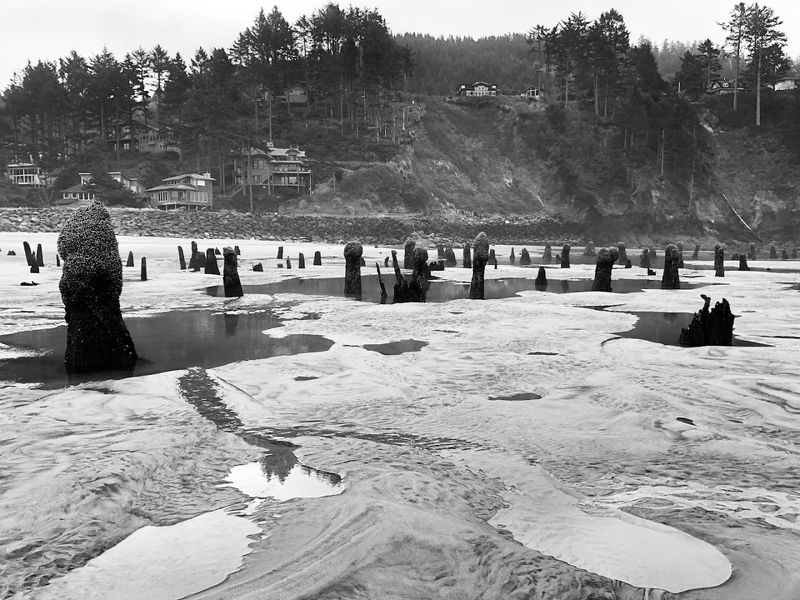
Neskowin does not get the same foot traffic as Cannon Beach or Lincoln City, and that quieter pace is a big part of its charm.
The ancient ghost forest stumps that poke out of the sand at low tide give the beach an eerie, prehistoric feel, and this summer those stumps are sharing the shoreline with something equally unusual.
The jellyfish bloom has reached Neskowin in noticeable numbers, with both moon jellyfish and by-the-wind sailor jellyfish, those small blue disc-shaped creatures, appearing regularly on the sand.
By-the-wind sailors are not true jellyfish but are related, and while they look delicate and almost decorative, handling them can cause skin irritation. They tend to arrive in massive drifts when the wind pushes them toward shore.
What I find interesting about Neskowin is how the locals take it all in stride. There is a kind of quiet confidence in a small coastal community that has seen the ocean do its thing for generations.
The general store near the beach had a handwritten sign in the window reminding visitors to watch their step and enjoy the show. That felt very on-brand for a town like this.
The beach is wide, the scenery is genuinely lovely, and even with jellyfish dotting the sand, it remains one of the more peaceful coastal stretches you can find in Oregon.
6. Lincoln City and the Stretch That Caught Everyone Off Guard
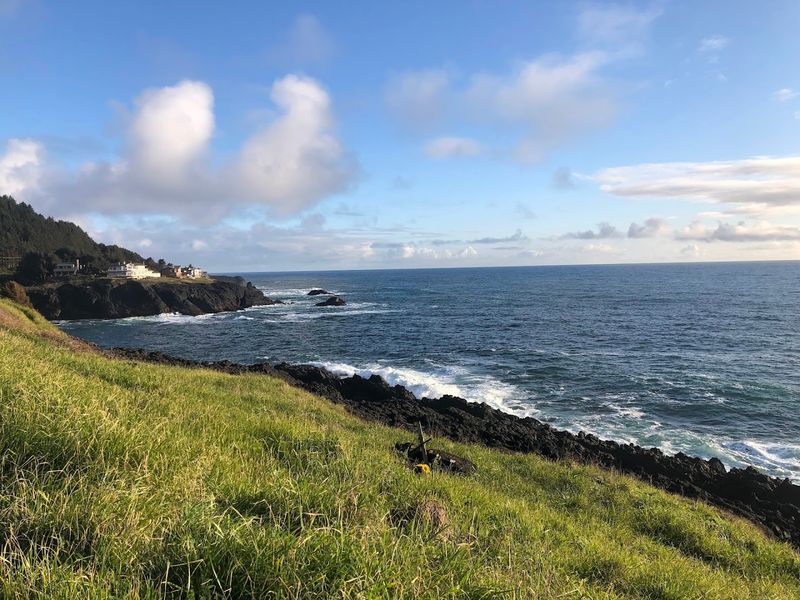
Lincoln City is one of the busiest beach towns on the Oregon coast, drawing visitors year-round with its kite-flying culture, beach access points spread across several miles, and a generally welcoming energy.
This summer, it also became one of the focal points of the jellyfish bloom story, partly because so many people were there to witness it firsthand.
Videos shared from Lincoln City beaches showed dense clusters of jellyfish washing in with the tide, some of them quite large. The footage spread quickly online and helped put the bloom on the radar for people planning coastal trips further down the season.
Oregon Parks and Recreation responded by increasing the frequency of beach checks and updating their social media with regular condition reports.
Lincoln City sits right at the midpoint of the Oregon coast, which makes it a natural hub for travelers moving north or south along Highway 101. Even with the jellyfish situation, the beach here is still drawing visitors.
Many people are treating the bloom as a sightseeing opportunity rather than a reason to stay away, which honestly seems like a healthy attitude. The key is staying informed, reading posted advisories, and not letting curiosity override caution.
Lincoln City has a lot to offer beyond the waterline, and the jellyfish bloom, dramatic as it is, is just one chapter in a very long coastal story.
7. Yaquina Head Outstanding Natural Area and What the Tide Pools Reveal
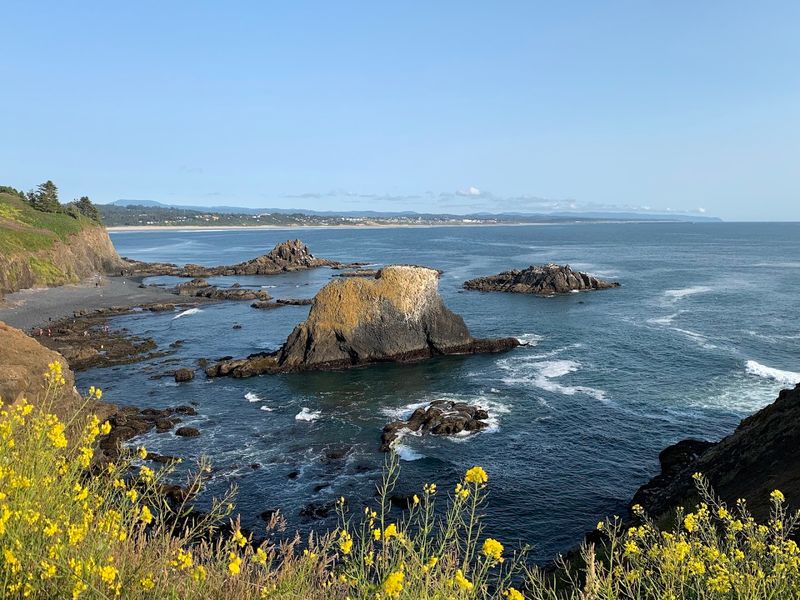
Yaquina Head is one of those places that rewards slow exploration. The tide pools here are managed as a protected natural area, and on any given low tide day, you can find sea stars, purple urchins, hermit crabs, and anemones packed into rocky basins just feet from the crashing surf.
This summer, the tide pools have also been offering front-row views of jellyfish moving in the shallower water nearby.
The bloom has not significantly altered the tide pool ecosystem here, but it has changed how visitors interact with the shoreline.
The cobblestone beach below the lighthouse is slippery under normal conditions, and rangers have been reminding guests to watch their footing while also being aware of jellyfish at the water’s edge. It is a lot to keep track of.
There is something genuinely humbling about standing at Yaquina Head and watching the ocean do what it has always done.
The lighthouse above has been guiding ships since 1873, and the sea below has been cycling through its blooms and migrations long before anyone was around to document them. The jellyfish bloom is not a crisis here.
It is a natural event unfolding in one of the most biologically rich stretches of the entire Oregon coast, and that framing makes it easier to appreciate.
8. Heceta Head Lighthouse State Scenic Viewpoint and the Bloom Below
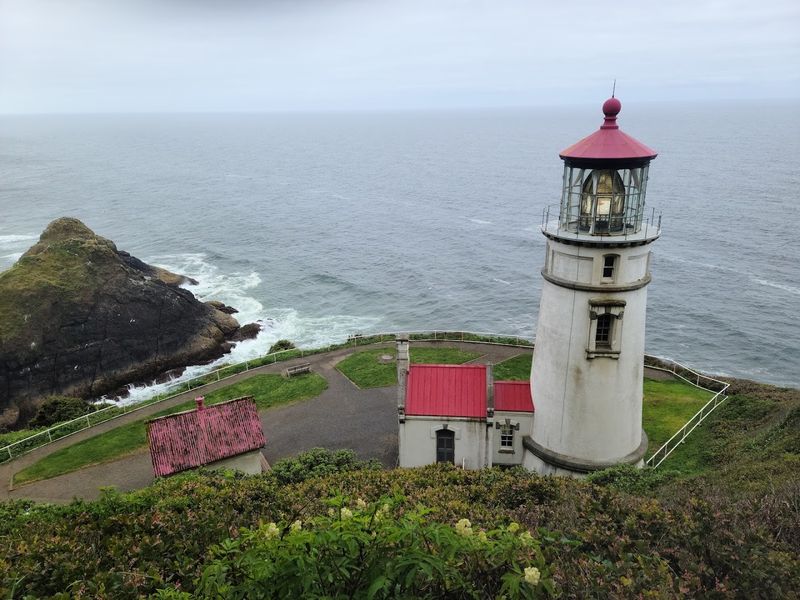
Few views on the Oregon coast are as immediately striking as the one from Heceta Head. The white lighthouse perched on the green headland above churning blue water is one of the most photographed scenes in the entire state.
This summer, looking down from the viewpoint reveals something extra in the water.
The jellyfish bloom is visible from above at Heceta Head, especially on calm days when the surface of the water is less agitated. Large translucent shapes moving just beneath the surface create a ghostly, almost mesmerizing effect when viewed from the cliff.
It is one of those moments where you realize the ocean is doing something significant, and you feel lucky to be watching it.
The beach below the headland is accessible via a steep trail, and rangers have posted advisories at both the upper viewpoint and the lower beach access. Visitors are encouraged to look before stepping near the waterline and to keep a respectful distance from any jellyfish on the sand.
The lighthouse itself is still open for tours, and the surrounding forest trail is as beautiful as ever. Heceta Head has a way of making you feel small in the best possible sense, and right now, the jellyfish bloom adds one more layer to that feeling.
9. Jessie M. Honeyman Memorial State Park and the Coastal Dunes Connection
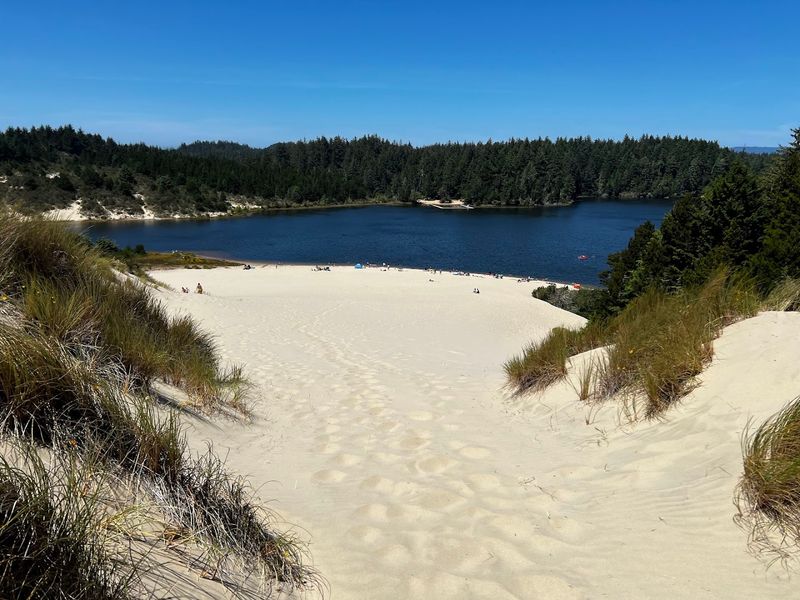
Honeyman State Park sits just south of Florence and offers something a little different from the typical Oregon coastal experience. The massive sand dunes here roll right up against freshwater lakes on one side and the Pacific on the other, creating a landscape that feels genuinely surreal.
The coastal edge of the park has been part of the jellyfish bloom story this summer, with sightings reported along the ocean-facing sections of the dune system.
What makes this location interesting from a naturalist perspective is the contrast between the calm lake water and the jellyfish-heavy ocean just beyond the dunes. Visitors who come expecting a straightforward beach day sometimes find themselves doing a quick pivot to the lake instead.
That is not exactly a hardship given how scenic those freshwater areas are.
Dune buggies and sandboards are popular here, and the dune landscape itself is dramatic enough to hold attention for hours. The jellyfish situation has not significantly affected the inland areas of the park, so families with young kids have plenty of options that keep them well away from the ocean edge.
10. Bandon Beach and the Southern Coast Sightings
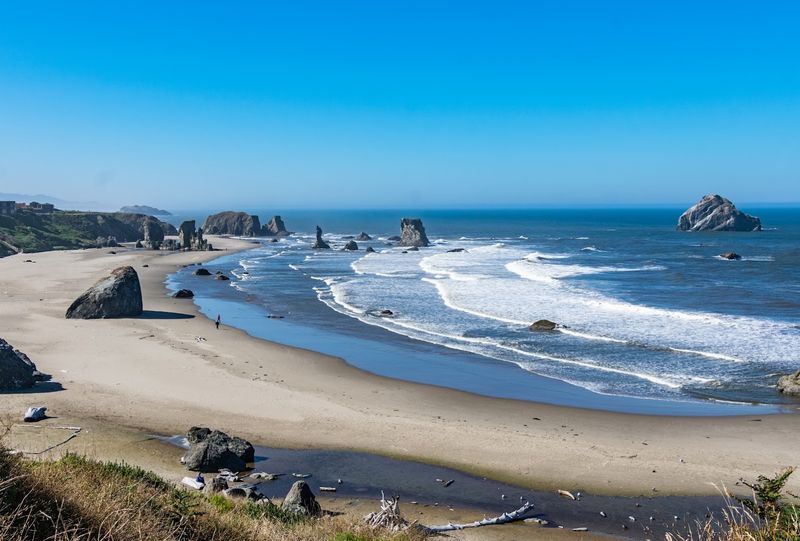
Bandon is the kind of coastal town that feels like it exists slightly outside of time. The sea stacks here are some of the most dramatic on the entire Oregon coast, rising out of the surf in jagged, sculptural forms that shift color as the light changes throughout the day.
Face Rock, the most famous of these formations, has been overlooking a shoreline dotted with jellyfish this summer.
The southern Oregon coast has seen the bloom extend further than many observers initially expected. Bandon sits well south of the epicenter, yet sightings here have been consistent enough that local beach access signs have been updated with bloom-related advisories.
Lion’s mane jellyfish have been among the species reported at Bandon, and their long trailing tentacles can extend several feet beyond the bell, making them particularly easy to accidentally brush against in shallow water.
The advice from rangers is consistent up and down the coast: admire from a distance, do not touch, and if a sting does occur, rinse with seawater rather than fresh water and seek help if symptoms worsen. Bandon Beach is still worth every step of the walk.
