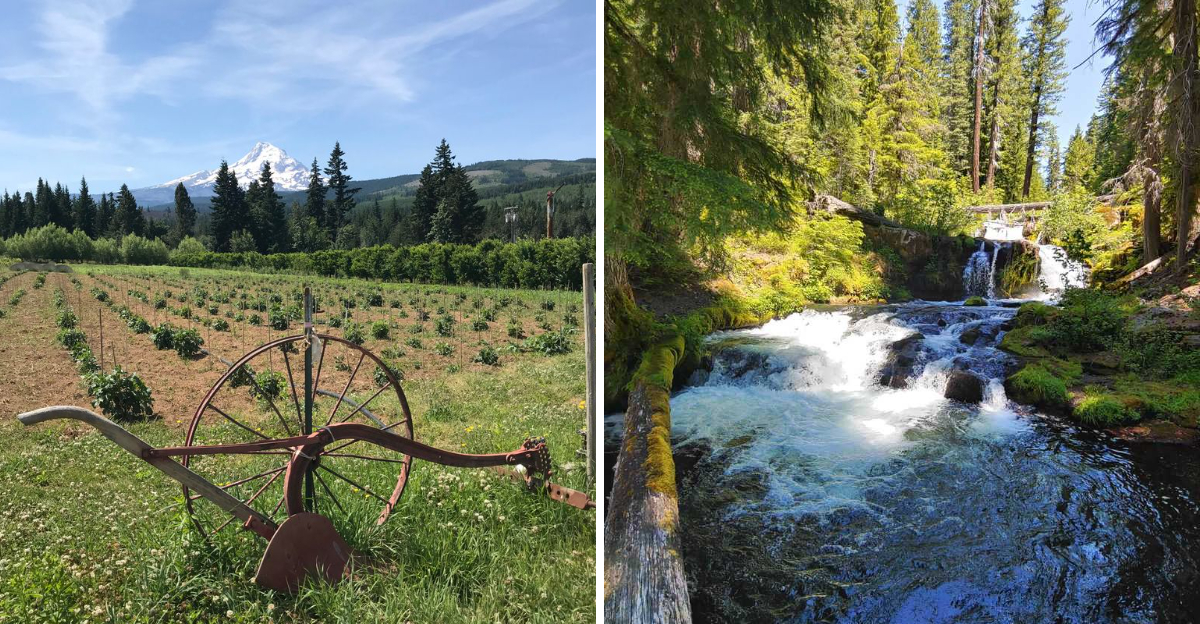
Oregon holds a special kind of magic that locals have cherished for generations, from misty coastal hideaways to remote mountain ranges that stretch endlessly toward the horizon. While iconic destinations like Cannon Beach and Multnomah Falls capture the spotlight, seasoned Oregonians know the state’s true treasures lie tucked away in quieter corners, where nature still reigns supreme and crowds haven’t yet trampled the delicate balance.
These hidden gems offer the kind of authentic experiences that make Oregon unforgettable, but they also face growing threats from overtourism and careless exploration.
Residents across Oregon watch nervously as more visitors discover their favorite spots, hoping newcomers will approach these places with the same reverence and respect that has preserved them for decades.
The concern isn’t about keeping people away entirely, but rather about fostering a culture of mindful travel that protects fragile ecosystems, respects wildlife, and honors the quiet rhythms of small communities. From the windswept shores of Manzanita to the vast canyonlands of the Owyhee region, these ten places represent the soul of Oregon that locals desperately want to protect.
Understanding what makes each location special and how to visit responsibly can mean the difference between preservation and destruction for these irreplaceable landscapes.
1. Manzanita: The Coastal Village That Time Forgot
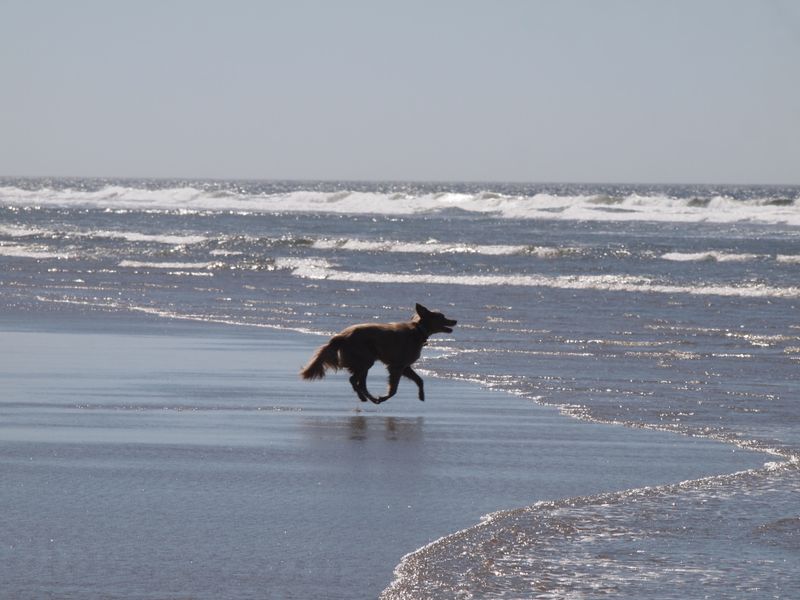
Manzanita represents everything a small coastal town should be, with its seven miles of pristine sandy beach stretching beneath the shadow of Neahkahnie Mountain. Unlike its busier neighbors to the north and south, this unassuming village has deliberately resisted the commercialization that often accompanies tourism growth.
Local residents have worked tirelessly to maintain strict building codes and preserve the town’s character, keeping chain restaurants and big box stores at bay.
The main street features just a handful of locally owned shops, cafes, and galleries where you can actually have meaningful conversations with owners who’ve called this place home for decades. Walking through town, you’ll notice the absence of neon signs and tourist traps that plague other coastal destinations.
Instead, quiet beach access points lead to expansive shores where solitude still exists, even during summer months if you time your visits right.
What makes Manzanita particularly vulnerable is its very smallness and the fragile balance its community has fought to maintain. The address for the town center is roughly around Laneda Avenue, Manzanita, OR 97130, though the village itself spreads gently along the coastline.
Parking can become scarce during peak season, and the local infrastructure simply wasn’t designed for massive influxes of day trippers.
Respectful visitors come during shoulder seasons, support the mom-and-pop businesses that give Manzanita its soul, and treat the beach with care by packing out every scrap of trash. The magic here lies in what hasn’t been built, what hasn’t been developed, and what locals hope will remain beautifully, perfectly simple for generations to come.
2. Yachats: Where the Ocean Meets Raw Beauty
Known affectionately as the Gem of the Oregon Coast, Yachats offers an entirely different coastal experience than the sandy beaches found elsewhere. Here, dramatic basalt formations rise from churning waters, creating a landscape that feels primordial and powerful.
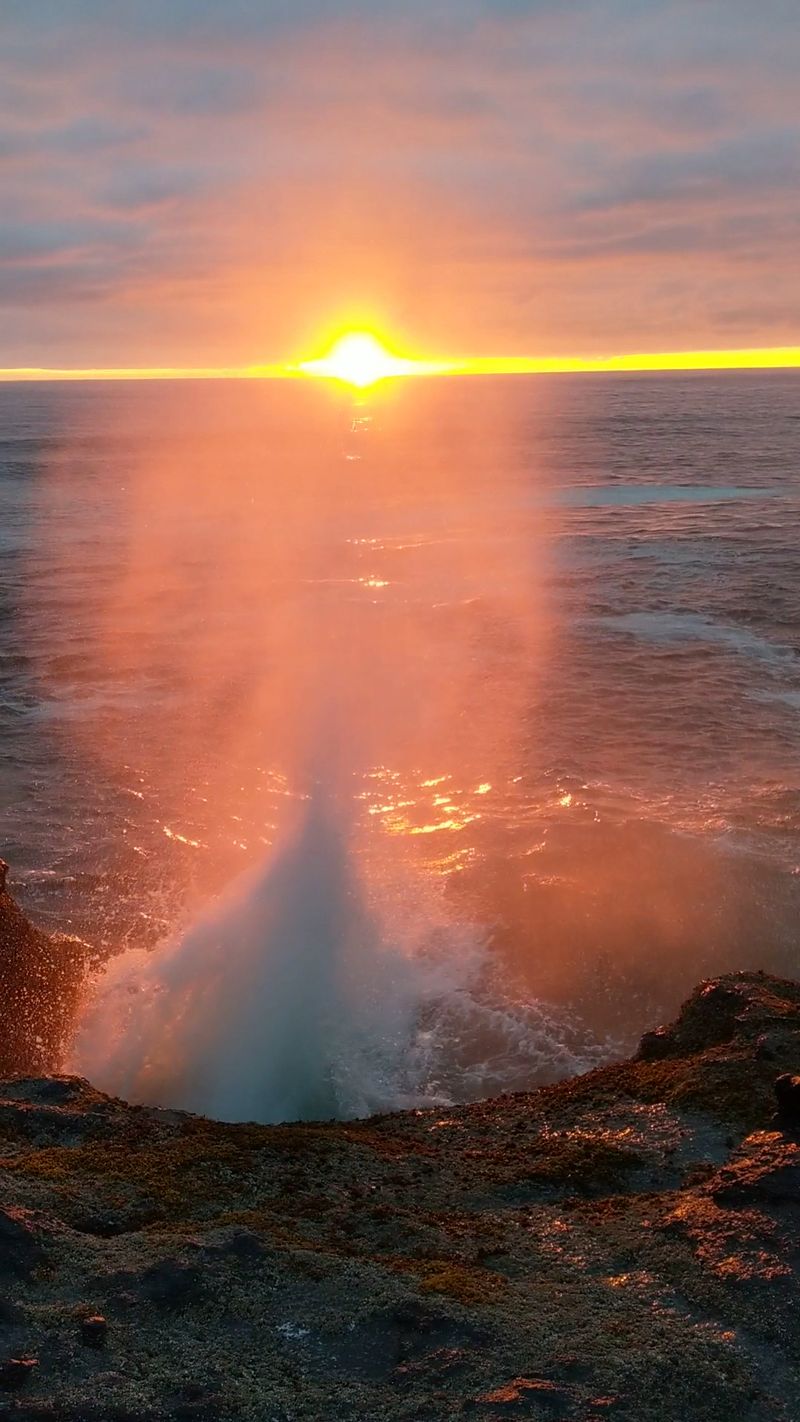
The coastline around this tiny village showcases nature’s raw artistry, with tide pools teeming with life and blowholes that send spray skyward during high surf.
The famous 804 Trail winds along the rocky shore, offering hikers intimate encounters with the Pacific’s untamed energy. Winter storms transform this area into a theater of crashing waves and wind-whipped spray that draws storm watchers from across the region.
Yet even during calmer months, the ocean here commands respect rather than inviting casual wading.
Yachats proper centers around Highway 101 as it curves through town, with the address area around Yachats, OR 97498 encompassing the village and surrounding natural areas. The community has embraced environmental stewardship as a core value, with residents actively working to protect tide pool ecosystems and coastal habitats.
Careless visitors who disturb marine life or climb on fragile formations cause damage that takes years to heal.
The reverence locals feel for this place runs deep, rooted in understanding that Yachats offers something increasingly rare in our modern world. This isn’t a destination for beach volleyball or sandcastle building.
Instead, it invites contemplation, careful observation, and humble appreciation for forces far greater than ourselves. Those who visit with patience and respect discover why residents guard this gem so fiercely.
3. Joseph and the Wallowa Mountains: Oregon’s Alpine Secret
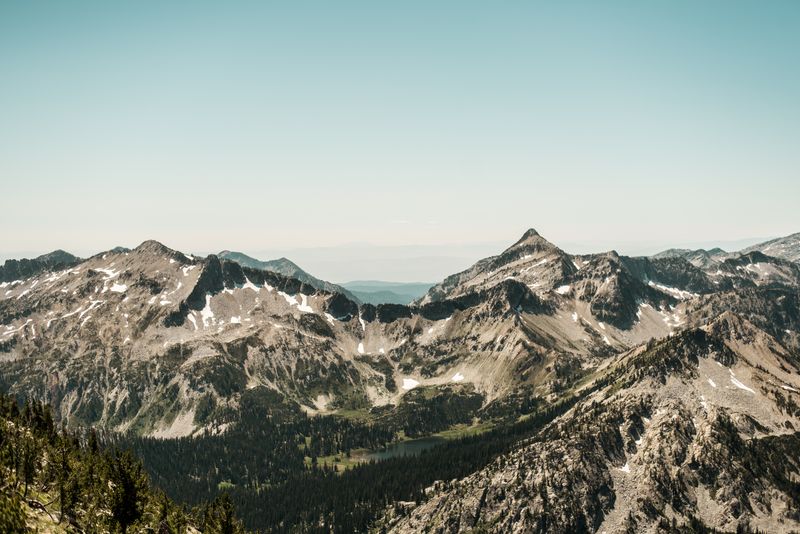
Far removed from the coastal crowds, the town of Joseph sits at the edge of the Wallowa Mountains, a range so spectacular it earned the nickname Alps of Oregon. This remote corner of eastern Oregon offers towering granite peaks, pristine alpine lakes, and vast wilderness areas where cell service disappears and solitude becomes tangible.
The landscape here feels worlds away from the state’s better-known destinations, with fewer visitors making the journey to this distant region.
Joseph itself maintains the character of a genuine mountain town, with art galleries, bronze foundries, and local eateries that serve the ranching and outdoor communities. The surrounding Wallowa-Whitman National Forest provides endless opportunities for hiking, fishing, and wildlife viewing in settings that remain remarkably uncrowded.
Eagles Nest Road and Main Street in Joseph, OR 97846 mark the heart of town, while trails leading into the mountains begin just minutes away.
What concerns locals most is the potential for their beloved mountains to suffer the same fate as more accessible wilderness areas. The Wallowas’ remoteness has been their protection, but increased social media exposure threatens to overwhelm trails and campsites not designed for heavy use.
Fragile alpine meadows, sensitive wildlife habitats, and pristine water sources all face risks from increased foot traffic and careless camping practices.
Visitors who earn the respect of locals arrive prepared for true backcountry conditions, practice strict Leave No Trace principles, and understand that remoteness requires self-sufficiency. The Wallowas reward those willing to venture beyond comfort zones, offering experiences that connect people to wild places in profound ways that crowded tourist destinations simply cannot match.
4. Owyhee Canyonlands: The Desert That Rivals National Parks
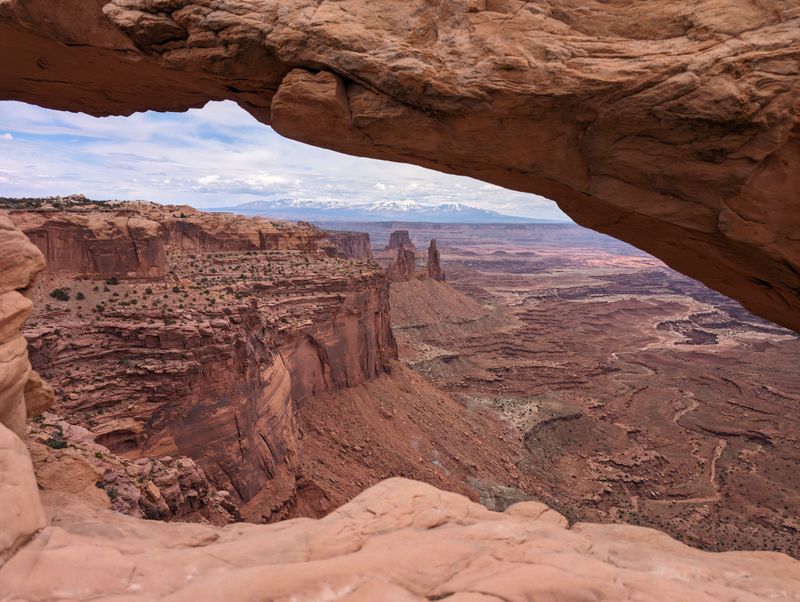
Stretching across Oregon’s remote southeastern corner, the Owyhee Canyonlands encompass a vast high desert landscape that few outsiders even know exists. Deep canyons carved by ancient rivers wind through sagebrush plains, creating a labyrinth of geological wonders that rival anything found in Utah or Arizona.
Yet this region remains largely unprotected and unvisited, known primarily to ranchers, rockhounds, and adventurous souls willing to navigate rough roads to reach it.
The scale of this landscape defies easy description, with some canyons dropping hundreds of feet and extending for miles without a single human structure in sight. Unique rock formations, hidden hot springs, and wildlife populations that include bighorn sheep and pronghorn antelope make this area ecologically significant.
The general region around Jordan Valley, OR 97910 serves as a gateway to these canyonlands, though much of the area requires high-clearance vehicles and detailed maps to access safely.
What makes the Owyhee particularly vulnerable is its delicate desert ecosystem, which recovers slowly from disturbance. Cryptobiotic soil crusts that take decades to form can be destroyed by a single footstep off established paths.
Water sources are scarce and critical for wildlife survival, making contamination or overuse by visitors potentially devastating. Locals who cherish this landscape understand its fragility in ways that casual visitors often don’t.
Responsible exploration here means extensive preparation, respect for private ranch lands that checker the area, and commitment to leaving no trace whatsoever. This isn’t Instagram-ready tourism but rather genuine wilderness travel that demands humility and careful stewardship from anyone privileged enough to experience its stark, haunting beauty.
5. Silver Falls State Park: Beyond the Famous Trail
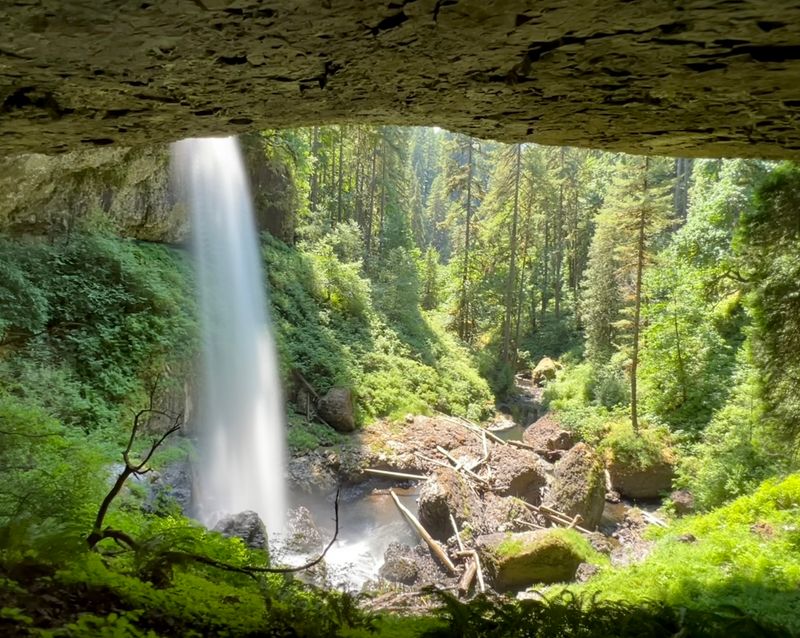
While thousands of visitors flock to the Trail of Ten Falls each year, locals know that Silver Falls State Park contains far more than its famous waterfall loop. Deeper canyon trails, quieter cascades, and forest paths that see a fraction of the main trail’s traffic offer the kind of peaceful woodland experiences that originally made this park special.
These lesser-known areas provide refuge for wildlife and opportunities for solitude that the crowded main attraction simply cannot offer anymore.
The park’s extensive trail system winds through old-growth forests, along rushing creeks, and past waterfalls that never make it into tourist brochures. Some sections follow the rim of Silver Creek Canyon, offering perspectives on the landscape that most visitors never witness.
Others descend into side canyons where moss-covered rocks and fern grottos create enchanted atmospheres undisturbed by crowds.
Located near Sublimity with the main address at 20024 Silver Falls Highway SE, Sublimity, OR 97385, the park spans thousands of acres beyond the popular waterfall trail. What worries longtime locals and park advocates is that increased visitation, even to quieter areas, can disturb sensitive habitats and diminish the wilderness character that makes these places worth protecting.
Trail erosion, wildlife disturbance, and noise pollution all increase as more people discover previously tranquil spots.
Those who truly appreciate what Silver Falls offers beyond its famous waterfalls visit during off-peak times, venture onto less-traveled paths with proper preparation, and maintain quiet respect for the forest environment. The park’s magic multiplies exponentially for those willing to walk beyond the main attractions, but only if these hidden corners remain protected from the same overcrowding that has transformed the Trail of Ten Falls into a sometimes overwhelming experience.
6. Hood River Valley Orchards: Farm Roads and Fruit Trees
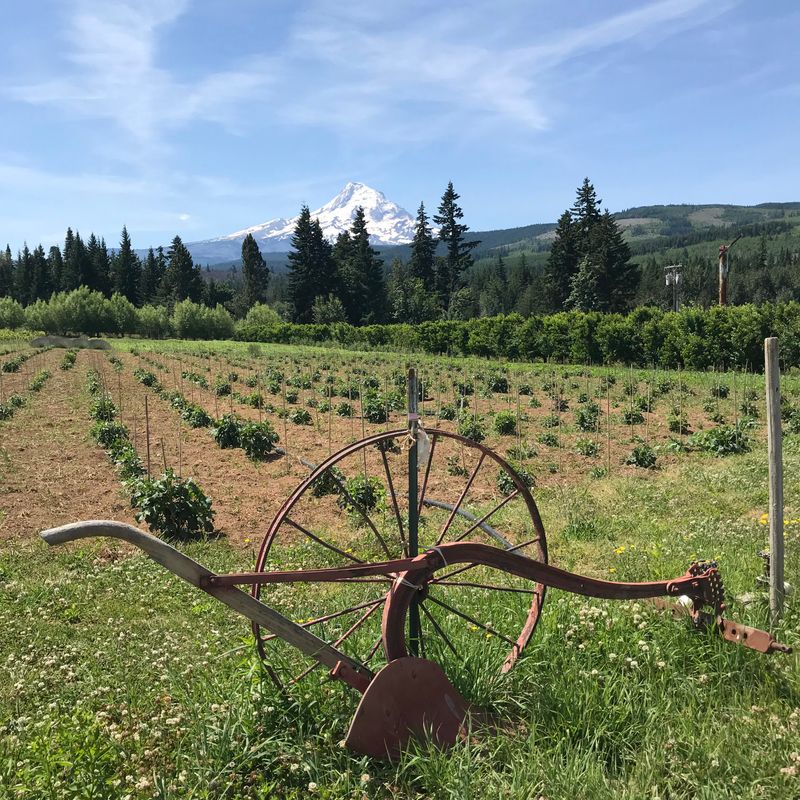
Beyond the bustling downtown and famous windsurfing spots, Hood River Valley unfolds in gentle slopes covered with orchards that have fed families for generations. Quiet farm roads wind between rows of apple, pear, and cherry trees, offering views of Mount Hood framed by blossoms in spring and heavy-laden branches in fall.
This agricultural landscape represents a working countryside where farmers still tend their land with care passed down through decades.
Small farm stands dot the back roads, selling fruit picked that morning and preserves made from family recipes. The rhythm here follows seasons rather than tourist schedules, with harvest times bringing their own busy energy but also authentic agricultural experiences.
Driving slowly along these rural routes, you might encounter tractors, farm equipment, and workers tending crops, all part of the valley’s living agricultural heritage.
The general area spreads south and west of Hood River, OR 97031, with country roads like Thomsen Road and Tucker Road winding through prime orchard country. What concerns valley farmers and long-term residents is the increasing traffic from visitors who treat these working farm roads like scenic drives without understanding agricultural operations.
Speeding, trespassing into orchards, and blocking farm equipment create real problems for people trying to make their living from the land.
Respectful visitors drive slowly, purchase directly from farm stands rather than just taking photos, and remember that this beautiful landscape exists because families work it daily. The valley offers genuine agritourism experiences for those willing to engage thoughtfully, supporting local growers while enjoying scenery that changes dramatically with each season in ways that manufactured tourist attractions never could.
7. Mount Hood National Forest Backcountry: Solitude in the Woods
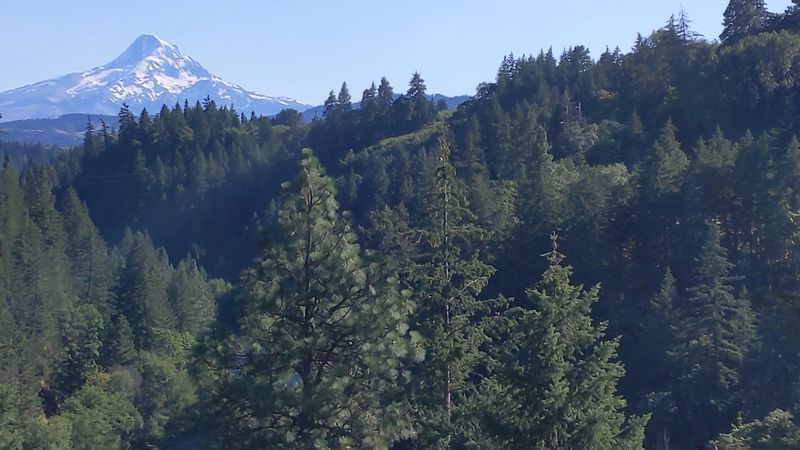
While popular trailheads near Mount Hood see parking lots overflow on summer weekends, vast sections of the surrounding national forest remain relatively quiet for those willing to venture beyond the obvious destinations. Lesser-known trails, remote camping areas, and old-growth forest groves offer the kind of mountain wilderness experiences that have become increasingly rare in accessible locations.
These backcountry areas provide critical habitat for wildlife and maintain ecological processes that crowded trails cannot support.
Ancient Douglas firs tower over trails where you might hike for hours without encountering another soul. Alpine meadows burst with wildflowers in July, and mountain streams run cold and clear through valleys that feel untouched by modern life.
The forest’s deeper reaches require navigation skills, proper equipment, and respect for wilderness conditions that can change rapidly with weather and elevation.
The national forest surrounds Mount Hood with boundaries extending from Government Camp, OR 97028 and beyond in all directions, encompassing hundreds of thousands of acres. What locals fear is the Instagram effect, where a single viral post about a previously quiet trail can transform it overnight into an overcrowded mess.
Fragile subalpine ecosystems, sensitive wildlife breeding areas, and pristine water sources all suffer when visitation exceeds what these environments can sustainably handle.
Experienced backcountry travelers who earn the trust of local outdoor communities arrive with proper wilderness permits, camp in established sites or practice true Leave No Trace dispersed camping, and keep their favorite spots off social media. The forest still offers genuine solitude and connection to wild places for those who approach it with humility, preparation, and commitment to preservation over publicity.
8. Southern Oregon Coast: Bandon and Gold Beach’s Natural Majesty
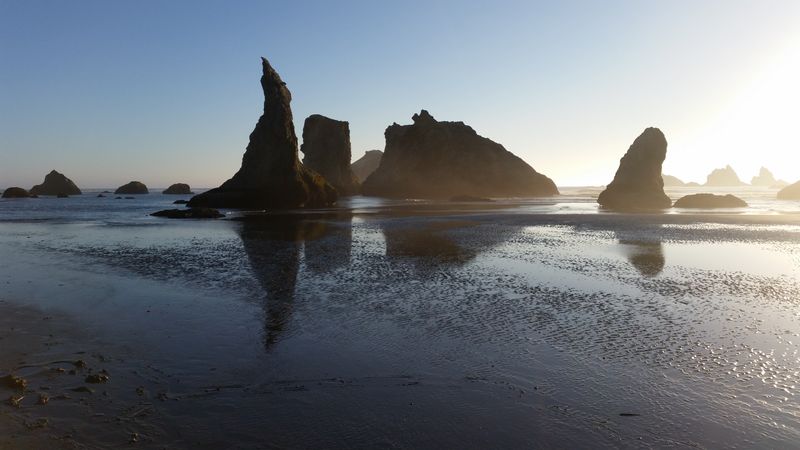
The southern stretches of Oregon’s coastline offer a different character than their northern counterparts, with rugged headlands, offshore sea stacks, and beaches where wind and waves sculpt landscapes into ever-changing art. Bandon and Gold Beach anchor this region, providing access to some of the coast’s most dramatic scenery while maintaining quieter rhythms than tourist-heavy destinations further north.
The natural areas around these towns showcase coastal ecosystems at their most pristine and powerful.
Bandon State Natural Area encompasses miles of protected shoreline where massive rock formations rise from the surf like ancient sentinels. Face Rock, Cat and Kittens, and countless other formations create a seascape that photographers dream about but that also provides critical habitat for seabirds and marine mammals.
Further south, Gold Beach sits at the mouth of the Rogue River, offering both coastal and riverine environments in a single spectacular location.
The area around Bandon, OR 97411 and Gold Beach, OR 97444 provides numerous beach access points and scenic overlooks, but infrastructure remains limited compared to more developed coastal areas. This limitation has helped preserve the region’s character, but also makes it vulnerable to overcrowding during peak times.
Locals worry about increased pressure on fragile dune systems, disturbance to nesting seabirds, and the general loss of the peaceful atmosphere that defines this stretch of coast.
Visitors who appreciate the southern coast properly time their trips for off-season visits, observe wildlife from respectful distances, and understand that the best experiences here come from patient observation rather than Instagram-worthy selfies. The majesty of this coastline reveals itself slowly to those willing to sit quietly and watch the ocean work its timeless magic.
9. Central Oregon High Desert: Beyond Bend’s Busy Core
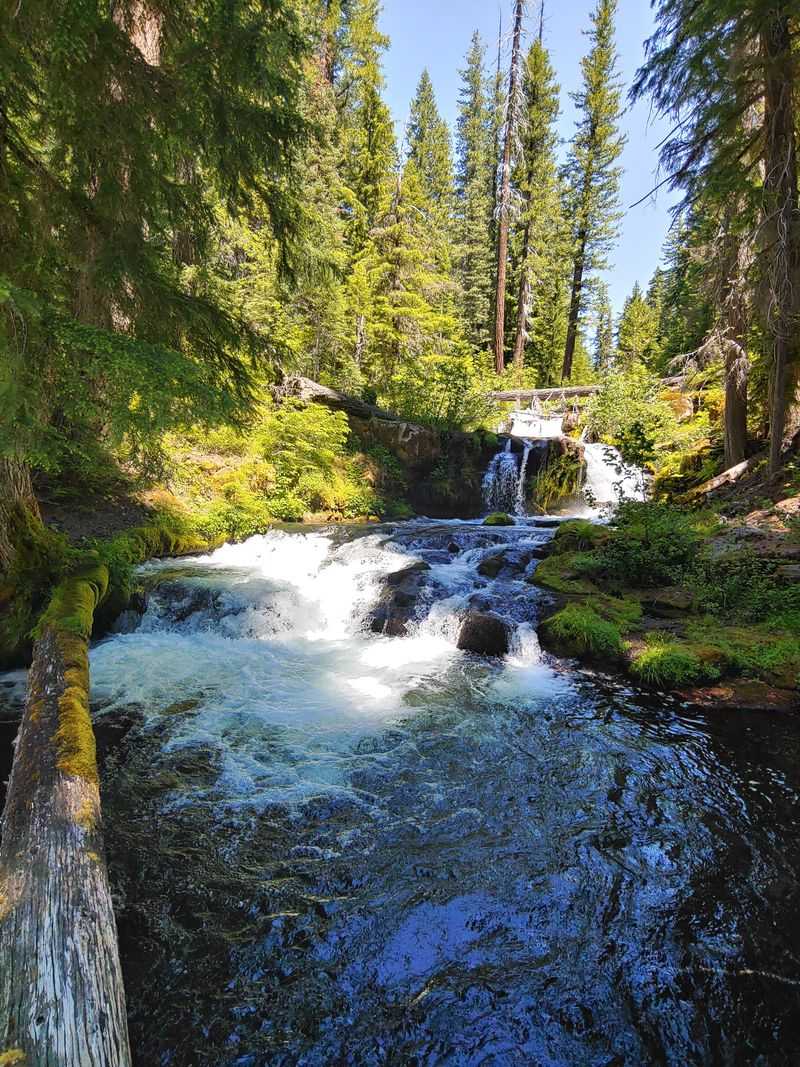
While Bend has transformed into a bustling outdoor recreation hub, the surrounding high desert still holds vast spaces where solitude and silence reign. Sagebrush plains stretch to distant horizons, volcanic landscapes tell stories millions of years old, and night skies blaze with stars undiminished by city lights.
These areas beyond Bend’s immediate sphere offer the authentic high desert experiences that originally attracted people to central Oregon before growth and development changed the region’s character.
Exploring dirt roads that lead to hidden canyons, ancient lava flows, and viewpoints overlooking landscapes that seem to extend forever, you can still find the sense of space and freedom that defines the American West. Juniper trees twisted by centuries of wind, wildflowers blooming in unexpected pockets, and the calls of hawks circling on thermals all contribute to an atmosphere of timeless wilderness.
These areas remain uncrowded precisely because they require effort to reach and offer no amenities or easy access.
The region spreads east and south of Bend, OR 97701, with public lands managed by the Bureau of Land Management and national forest service providing legal access for those who know where to look. What concerns longtime residents is watching their favorite remote spots become overrun as Bend’s popularity pushes people outward in search of less crowded recreation.
Fragile desert soils, limited water sources, and sensitive wildlife populations cannot withstand unlimited human pressure.
Responsible desert travelers come prepared with everything they need, stay on designated roads to prevent soil damage, and practice strict Leave No Trace ethics. The high desert rewards those who approach it with respect, offering perspectives and experiences that crowded trail systems and developed recreation areas can never provide.
10. Crater Lake: Perspectives Beyond the Crowded Overlooks
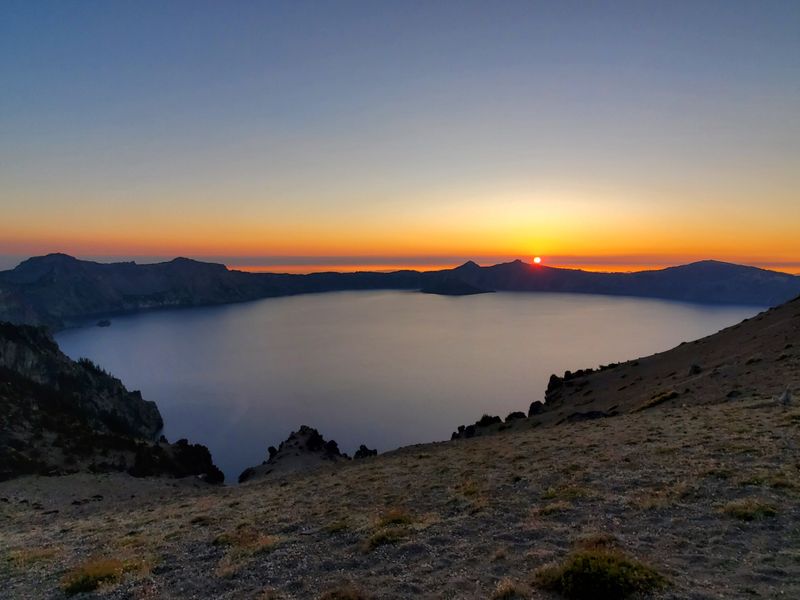
Most visitors to Crater Lake National Park never venture beyond the rim overlooks near the main facilities, missing opportunities for deeper engagement with this extraordinary landscape. While the initial view of the impossibly blue water filling the ancient caldera takes everyone’s breath away, the park contains miles of trails, quieter viewpoints, and backcountry areas where you can experience the lake and surrounding wilderness without crowds pressing in from all sides.
These less-visited areas offer perspectives that transform Crater Lake from a quick photo stop into a profound wilderness experience.
Trails descend to the lakeshore, climb to high peaks overlooking the caldera, and wind through mountain hemlock forests that see only a fraction of the park’s annual visitors. Winter transforms the landscape entirely, with snowpack sometimes exceeding forty feet and creating conditions for backcountry skiing and snowshoeing that few people ever witness.
The park’s wilderness areas extend far beyond the famous lake itself, encompassing volcanic landscapes, mountain meadows, and old-growth forests worth exploring in their own right.
Located near Crater Lake, OR 97604, the park’s main facilities cluster on the southern rim, but the caldera’s circumference measures over twenty miles with numerous access points along the rim road. Park rangers and local conservation advocates worry about the concentration of visitors in small areas, which causes erosion, wildlife disturbance, and diminishes the wilderness experience for everyone.
Expanding visitation to quieter areas must happen thoughtfully to avoid simply spreading the same problems across more territory.
Those who truly appreciate Crater Lake invest time in exploring beyond first impressions, hike trails that require effort, and visit during shoulder seasons when crowds thin and the landscape reveals different moods. The lake’s extraordinary beauty deserves more than a quick snapshot from the parking lot.
Dear Reader: This page may contain affiliate links which may earn a commission if you click through and make a purchase. Our independent journalism is not influenced by any advertiser or commercial initiative unless it is clearly marked as sponsored content. As travel products change, please be sure to reconfirm all details and stay up to date with current events to ensure a safe and successful trip.
