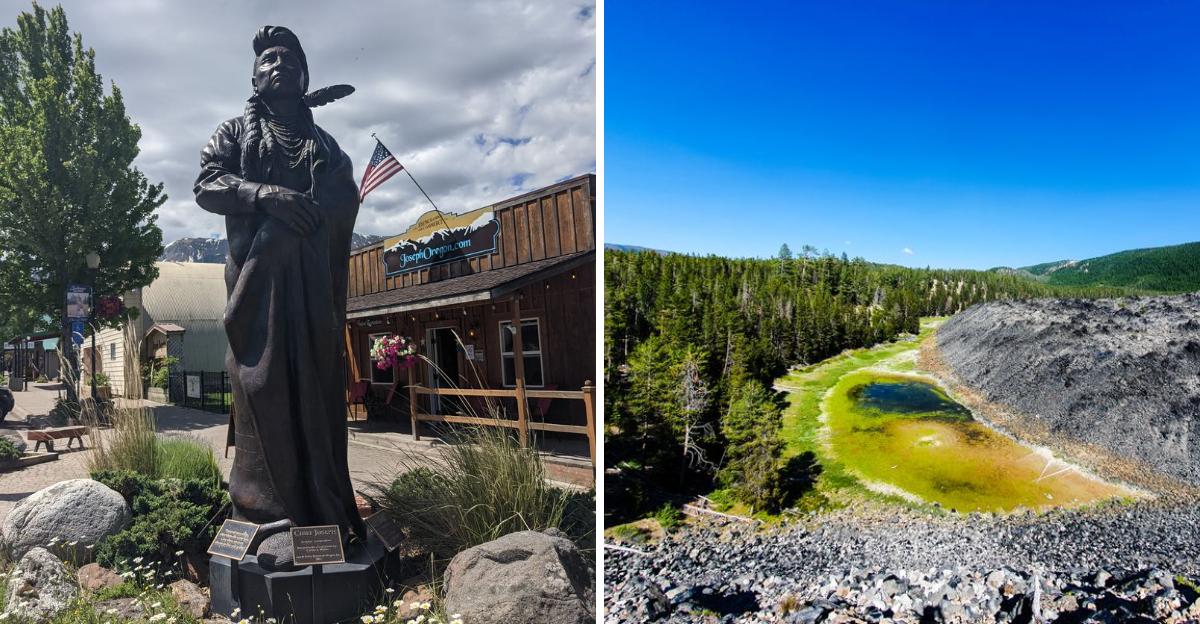
Oregon holds countless treasures that even lifelong residents hesitate to share with outsiders, not out of selfishness, but from a genuine desire to protect the fragile beauty and quiet solitude these places offer. While Crater Lake and Multnomah Falls draw millions of visitors each year, there exists an entirely different Oregon, one that locals quietly explore on weekends and whisper about only when pressed for recommendations.
These are the spots that don’t make it onto glossy travel brochures or Instagram top ten lists, yet they hold some of the most breathtaking and unusual landscapes you’ll find anywhere in the Pacific Northwest.
From ancient fossil beds painted in surreal shades of blue to ghost towns frozen in time, from hidden waterfalls tucked deep in emerald forests to desert expanses so remote you can hear your own heartbeat, these locations reveal a side of Oregon that feels almost mythical.
The state’s incredible diversity means you can stand on black volcanic glass in the morning and watch the sunset over endless sagebrush canyons by evening. Locals guard these gems carefully, knowing that once word spreads, the magic can fade under the weight of too many footsteps.
But if you ask the right questions and show genuine curiosity, you might just get directions to places that will redefine what you thought you knew about Oregon.
1. Blue Basin at John Day Fossil Beds
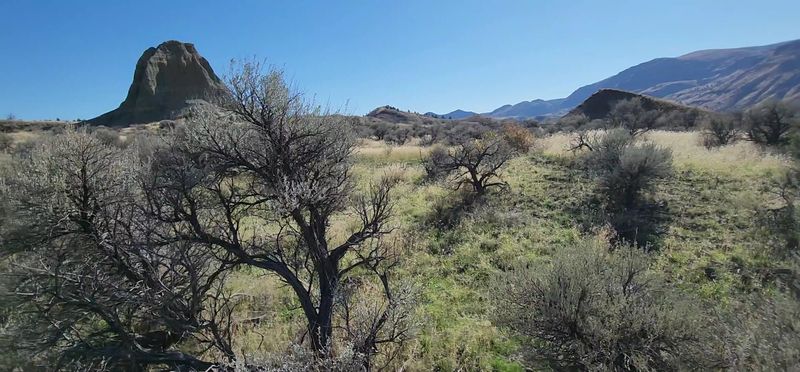
Stepping into Blue Basin feels like entering another planet, where time moves differently and the earth reveals secrets millions of years old. The claystone formations glow in shades of pale blue, gray, and green, creating a landscape so otherworldly that photographers often struggle to capture its true essence.
This fragile ecosystem near the Painted Hills offers a short interpretive trail that winds through ancient fossil beds, where you can spot replicas of creatures that roamed this land long before humans arrived.
The trail itself stretches just over a mile, making it accessible for most visitors, yet it remains surprisingly quiet compared to other John Day attractions. Locals appreciate the solitude here, especially during early morning hours when the light hits the formations just right, casting dramatic shadows across the undulating hills.
The blue color comes from minerals in the volcanic ash that settled here millions of years ago, creating layers of geological history you can read like pages in a book.
Because the claystone erodes easily, visitors must stay on designated paths to preserve this remarkable landscape for future generations. Rangers emphasize the importance of respecting the fragility of these formations, which reveal fossils of ancient mammals, plants, and even prehistoric rhinoceroses.
The interpretive signs along the trail provide fascinating context about the creatures that once thrived in this tropical forest that existed long before Oregon’s current climate took shape.
Located at 40651 Highway 19, Kimberly, Oregon, Blue Basin offers free access year-round, though winter conditions can make the road challenging. Bring plenty of water, as the high desert climate can be deceiving, and wear sturdy shoes for the occasionally steep trail sections that reward hikers with panoramic views of this ancient wonderland.
2. Shaniko Ghost Town
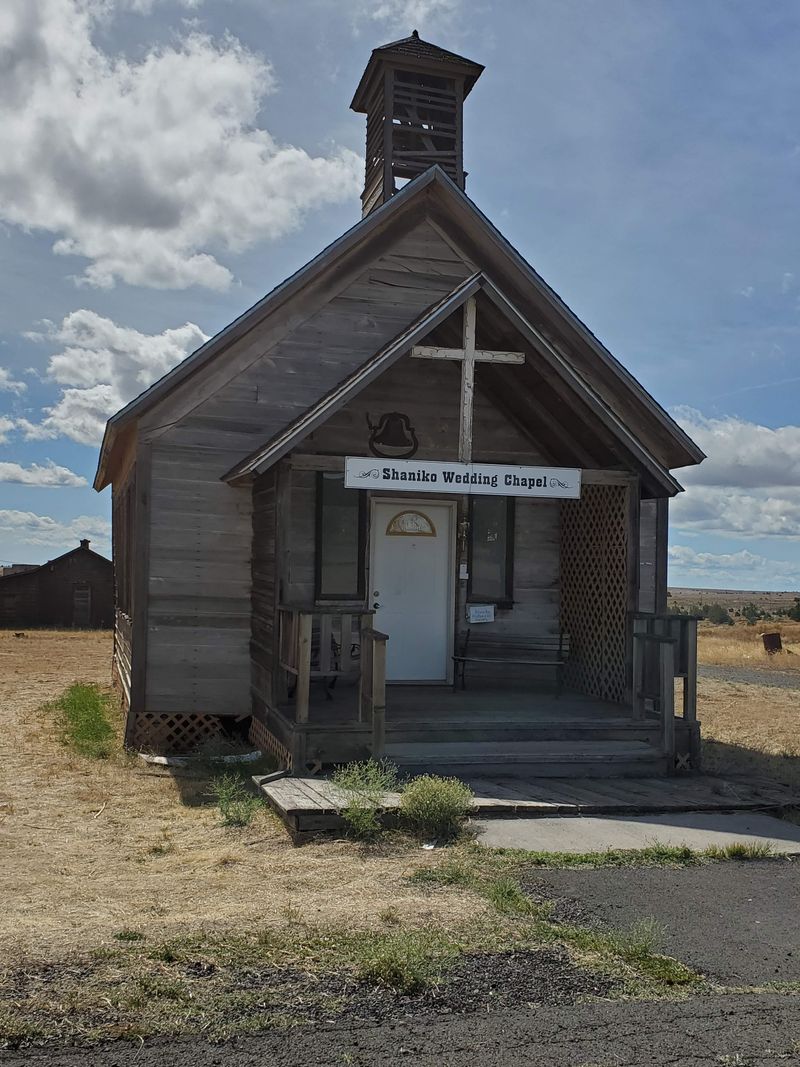
Weathered wooden buildings line the dusty main street of Shaniko, standing as silent witnesses to a boom that ended almost as quickly as it began. Once known as the Wool Capital of the World, this Central Oregon town thrived briefly in the early twentieth century before the railroad rerouted and left it stranded in time.
Walking through Shaniko today feels like stepping onto a movie set, except everything here is authentically preserved, from the old schoolhouse to the historic hotel that still offers rooms to adventurous travelers.
Unlike heavily commercialized ghost towns, Shaniko maintains an eerie authenticity that locals cherish for its unvarnished glimpse into Oregon’s frontier past. The town’s population hovers in the single digits, giving visitors the rare opportunity to explore without crowds or tourist traps.
You can peek into the old jail, wander past rusting farm equipment, and imagine the bustling wool warehouses that once made this remote outpost economically vital.
The Shaniko Hotel, built in a classic frontier style, serves as the town’s centerpiece and offers a unique overnight experience for those seeking something beyond standard accommodations. Antique shops and a small museum provide context about the town’s brief but intense heyday, when thousands of sheep were sheared here and wool was shipped across the country.
Photographers find endless inspiration in the peeling paint, weathered wood, and dramatic high desert light that transforms the town throughout the day.
Located at 4th and E Streets, Shaniko, Oregon, this ghost town sits along Highway 97, making it an easy detour for travelers heading between Bend and the Columbia River Gorge. Visiting during weekdays virtually guarantees you’ll have the place to yourself, allowing for quiet contemplation of how quickly fortunes can change in the American West.
3. Silver Falls State Park Trail of Ten Falls
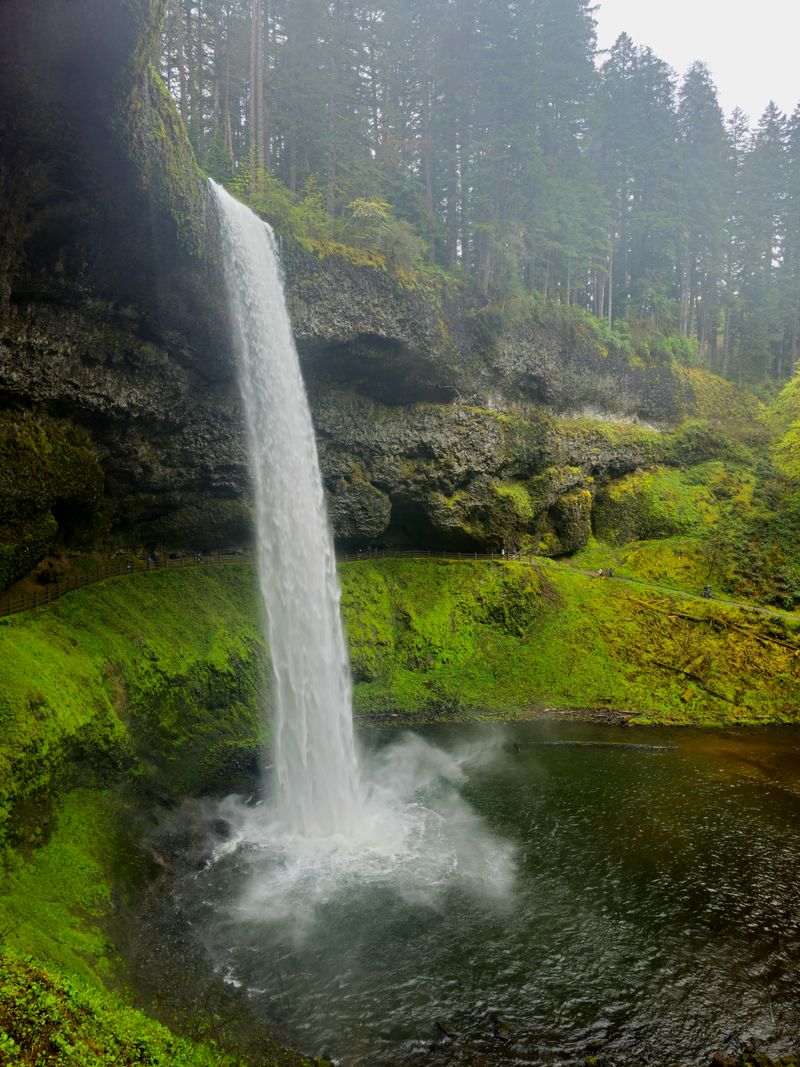
Cascading water thunders all around you as you hike through a temperate rainforest so lush it feels primordial, where ferns carpet every surface and moss drapes from ancient trees like nature’s tapestry. The Trail of Ten Falls loop delivers exactly what its name promises, taking hikers behind and around ten distinct waterfalls in a single magnificent journey.
While Silver Falls State Park draws visitors from around the region, locals know the secret is timing your visit for weekdays or shoulder seasons when you can experience the falls without competing for photo spots.
The full loop covers roughly eight miles, winding through old growth forest where Douglas firs tower overhead and the sound of rushing water provides a constant soundtrack. Four of the waterfalls allow you to walk directly behind the curtain of water, offering a perspective few trails anywhere can match.
South Falls, the tallest at over one hundred seventy feet, creates a misty amphitheater where sunlight filters through the spray, creating rainbows on sunny afternoons.
Each waterfall possesses its own character, from the delicate veil of Lower North Falls to the powerful plunge of Winter Falls, which some hikers miss if they stick to only the main loop. The trail’s moderate difficulty makes it accessible to reasonably fit hikers, though the length can challenge those unaccustomed to longer distances.
Locals often pack a lunch to enjoy at one of the quieter falls, turning the hike into a full day of immersion in Oregon’s renowned natural beauty.
The park entrance sits at 20024 Silver Falls Highway SE, Sublimity, Oregon, offering ample parking and restroom facilities at the main trailhead. Spring brings the highest water flow, making the falls most dramatic, while fall colors transform the forest into a painter’s palette of gold and crimson against the evergreen backdrop.
4. Big Obsidian Flow at Newberry Volcanic Monument
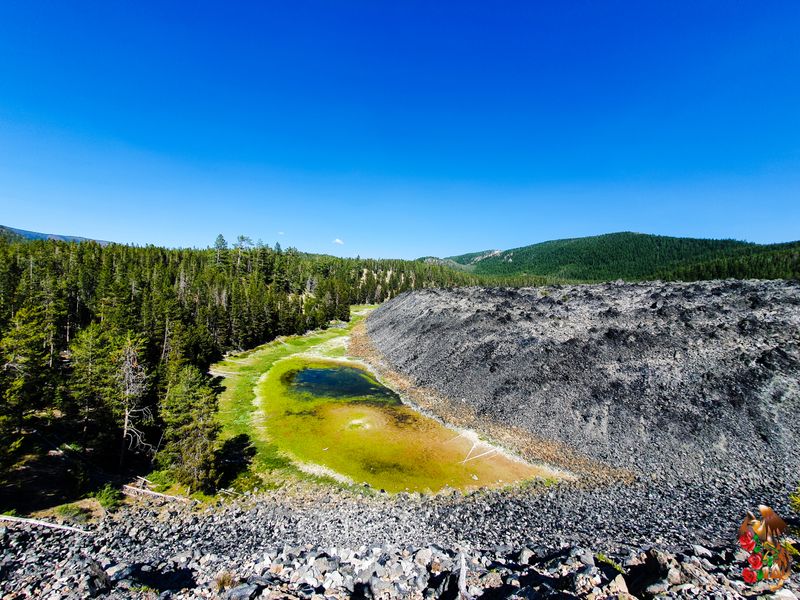
Jagged black glass stretches across the landscape like a frozen ocean of volcanic fury, creating a terrain so sharp and otherworldly that walking across it requires careful attention with every step. The Big Obsidian Flow represents one of the youngest lava flows in Oregon, offering visitors a chance to walk across volcanic glass that formed relatively recently in geological terms.
This dramatic feature within Newberry National Volcanic Monument sees fewer visitors than other sites like Crater Lake, making it a favorite among locals who appreciate both its scientific significance and stark beauty.
The interpretive trail loops through the flow, allowing close examination of the obsidian formations that Native Americans once prized for tool making and trade. Rangers lead occasional walks explaining the volcanic processes that created this landscape, detailing how the viscous lava cooled so quickly that it formed glass rather than crystalline rock.
Sunlight glints off the black surfaces, and careful observers can spot bands of mahogany and rainbow sheen within the obsidian, evidence of different mineral content and cooling rates.
The contrast between the black flow and the surrounding ponderosa pine forest creates striking visual drama that photographers find irresistible. Summer temperatures can make the dark rock uncomfortably hot, so early morning or evening visits offer the best experience.
The trail itself is well maintained but rocky, requiring sturdy footwear to navigate safely across the uneven volcanic terrain.
Located within Newberry National Volcanic Monument at Forest Road 500, near La Pine, Oregon, the Big Obsidian Flow sits about thirty miles south of Bend. The monument charges a small day use fee, and the flow trail remains accessible from late spring through fall, depending on snowpack.
Combining a visit here with other monument features like Paulina Lake creates a full day of volcanic exploration that reveals Oregon’s fiery geological past.
5. Cape Meares Coastal Refuge
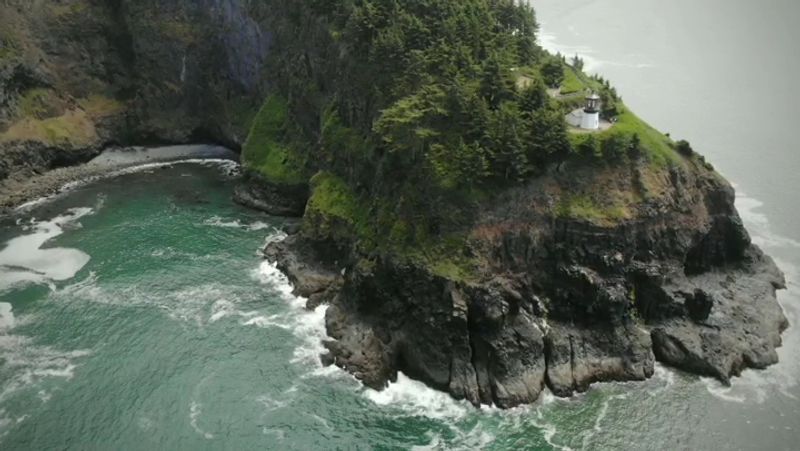
Rugged cliffs plunge into the churning Pacific while a historic lighthouse stands sentinel over one of the Oregon coast’s most distinctive and least crowded headlands. Cape Meares offers a concentration of natural and human history that rewards visitors willing to venture beyond the more famous coastal stops.
The short walk from the parking area leads to multiple attractions, including the lighthouse, the mysterious Octopus Tree, and dramatic viewpoints overlooking sea stacks and seabird colonies that thrive on the offshore rocks.
The lighthouse itself, built in the late nineteenth century, sits unusually low on the headland due to surveying confusion that placed it at the wrong cape, creating a quirky piece of Oregon coastal lore. Its Fresnel lens, still in place, represents a marvel of optical engineering that once guided ships through treacherous waters.
During migration seasons, the headland becomes a prime whale watching location, with gray whales passing close to shore on their journey between Alaska and Mexico.
The Octopus Tree, a massive Sitka spruce with candelabra branches spreading from a common base, has puzzled botanists and delighted visitors for generations, with theories ranging from Native American shaping to natural genetic mutation. Cave of the Winds, accessible during low tide, allows visitors to experience the power of the ocean as waves crash into the rocky opening, sending spray and sound echoing through the formation.
Seabirds nest on the offshore rocks in impressive numbers, making this an important refuge for murres, puffins, and other species.
The cape is located off Three Capes Scenic Route near Oceanside, Oregon, at Cape Meares Loop Road. Limited parking means arriving early during summer weekends, though most times you can explore without crowds.
The combination of lighthouse history, unique tree, sea cave, and wildlife viewing makes this a multifaceted destination that locals appreciate for its concentrated offerings and relative tranquility.
6. Joseph and Wallowa Lake
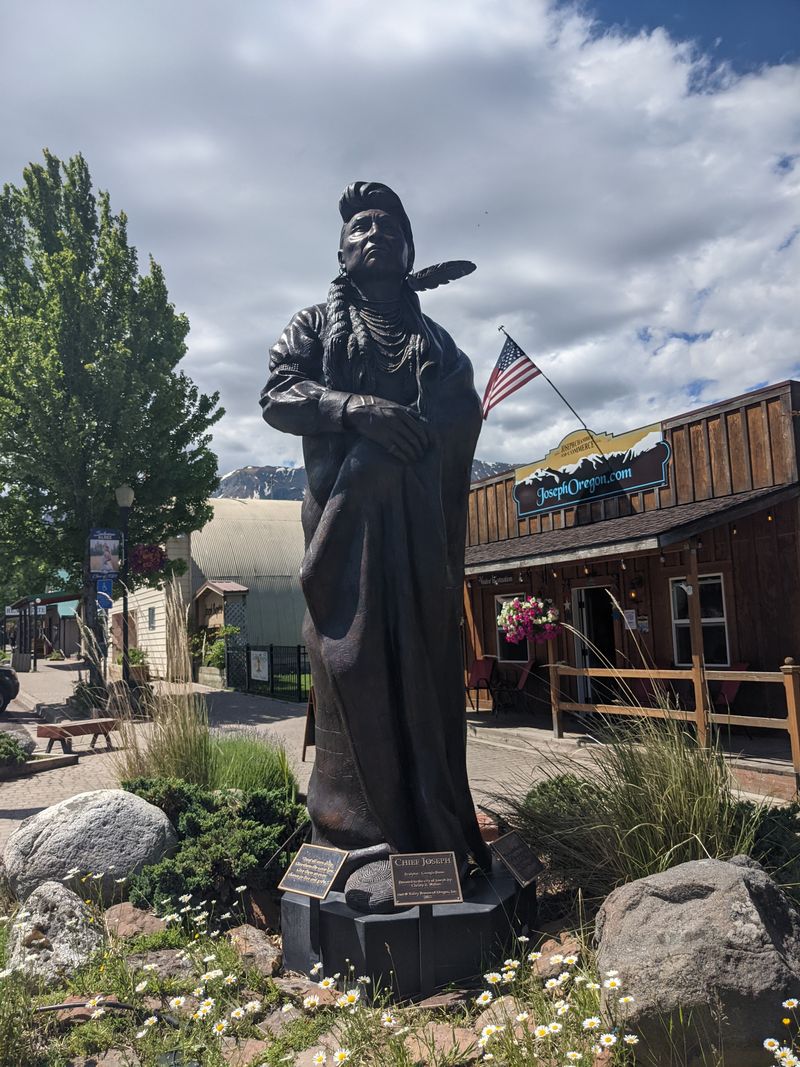
Nestled at the base of the Wallowa Mountains, this tiny town feels like it was plucked from the Swiss Alps and transplanted into Eastern Oregon, complete with pristine alpine lake and peaks that locals affectionately call the Little Switzerland of America. Joseph has transformed from a remote ranching community into an unexpected arts destination, with bronze foundries and galleries lining the main street, yet it retains an authentic small town character that larger resort communities have long since lost.
The combination of outdoor recreation, artistic culture, and stunning natural beauty creates a destination that locals protect by not overselling it to the masses.
Wallowa Lake stretches for miles at the base of towering peaks, offering cold, clear water perfect for fishing, boating, and brave swimmers willing to embrace the mountain fed temperatures. The historic lodge at the lake’s southern end provides classic accommodations, while the surrounding area offers camping, hiking, and access to the Wallowa Lake Tramway, which carries visitors to the summit of Mount Howard for panoramic views that stretch across three states.
Chief Joseph, the famous Nez Perce leader, considered this area his homeland, and the cultural significance adds depth to any visit.
The town itself surprises visitors with its concentration of bronze sculpture, the result of several foundries that have made Joseph an unlikely center for this art form. Main Street galleries showcase Western and contemporary art, while local restaurants serve food that exceeds expectations for such a remote location.
Summer brings festivals and events, but fall offers arguably the best experience, with golden larches painting the mountainsides and cooler temperatures perfect for hiking the numerous trails that radiate from the lake.
Joseph sits at the intersection of Highway 82 and Wallowa Lake Highway, roughly 400 East First Street, Joseph, Oregon. The drive from any direction involves winding mountain roads that keep this corner of Oregon relatively isolated, preserving the character that makes it special to those who make the journey.
7. Florence South Jetty and Dunes
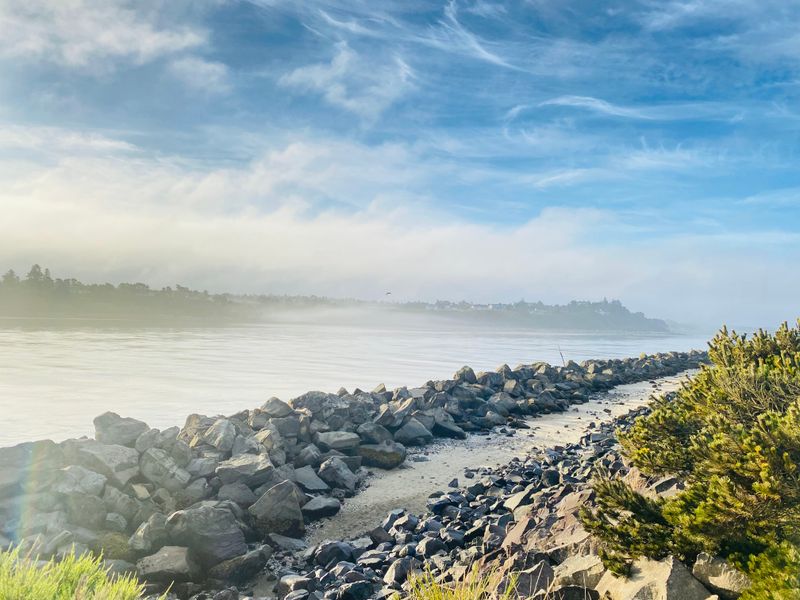
Where the Siuslaw River meets the Pacific Ocean, a long rock jetty extends into the surf, creating a unique environment where harbor seals haul out on the rocks and fishing boats navigate the channel between towering sand dunes. Florence occupies a special position on the Oregon coast, serving as the gateway to the massive Oregon Dunes National Recreation Area while maintaining a quieter, less commercial atmosphere than towns to the north.
The South Jetty area offers multiple experiences in one location, from beach walking to wildlife viewing to dune exploration.
The jetty itself provides excellent fishing and a front row seat to ocean conditions that change dramatically with tides and weather. Harbor seals rest on the rocks, seemingly unbothered by respectful observers, while brown pelicans glide past in formation and gulls wheel overhead.
The beach stretches for miles in both directions, often empty except for the occasional beachcomber or photographer capturing the moody coastal light that makes this region famous.
Behind the beach, the dunes rise like miniature mountain ranges, some reaching heights that require serious effort to climb. The Oregon Dunes National Recreation Area encompasses miles of these formations, offering everything from easy boardwalk access to backcountry camping deep in the sand.
Locals know the quieter access points away from the designated vehicle areas, where you can experience the dunes without the sound of engines. The contrast between the green coastal forest, golden sand, and blue ocean creates a landscape unlike anything else on the coast.
The South Jetty area is located at the end of South Jetty Road, Florence, Oregon, with parking and beach access near the Coast Guard station. Florence itself offers services and accommodations, making it a practical base for exploring this less crowded section of coast where the dunes meet the sea in spectacular fashion.
8. Alvord Desert
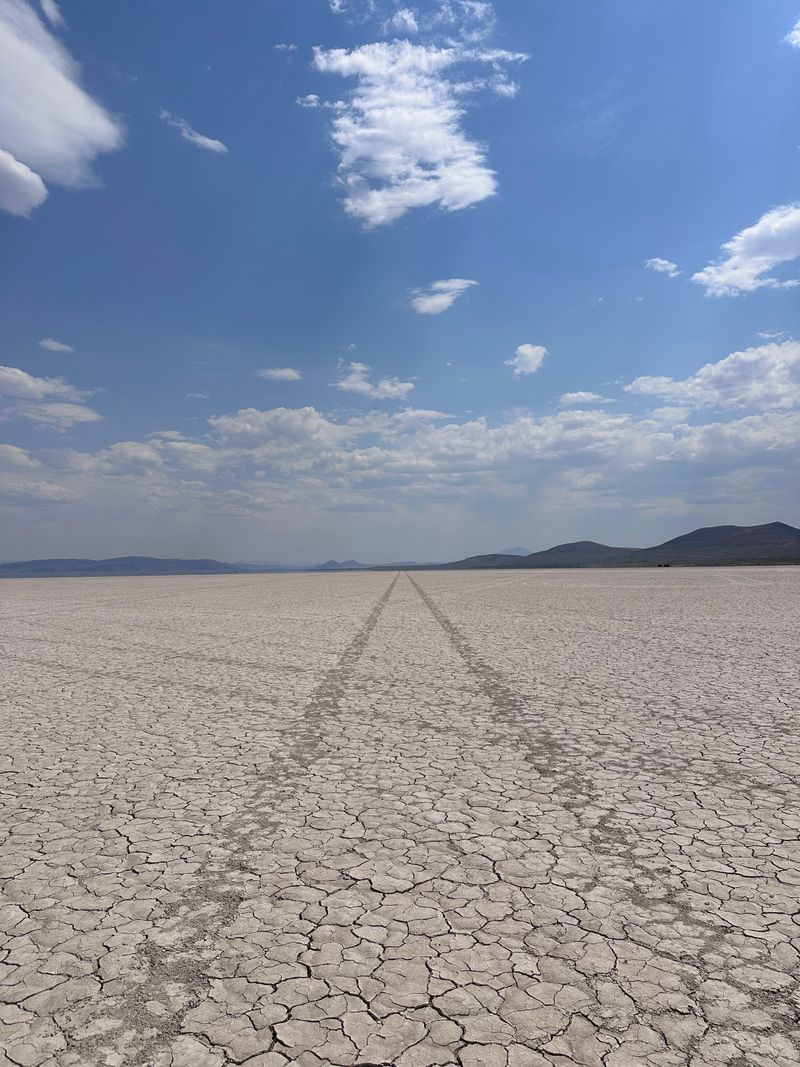
Vast emptiness stretches to distant mountains, creating a landscape so stark and beautiful it feels like another world entirely, where the only sounds are wind and your own breathing. The Alvord Desert occupies a remote corner of Eastern Oregon, a dry lakebed that becomes mirror smooth after rare rain events and cracks into geometric patterns during dry periods.
This is high desert at its most extreme, where summer temperatures soar and winter can bring bitter cold, yet those who make the journey find a place of unexpected magic and profound solitude.
Steens Mountain rises dramatically from the desert floor, creating a backdrop that photographers dream about, especially during sunrise and sunset when the light transforms the landscape into something almost unreal. The playa itself stretches for miles, flat enough that you can see the curvature of the earth on clear days.
After rain, a thin layer of water transforms the desert into a giant mirror, reflecting clouds and mountains in perfect symmetry, though these conditions occur unpredictably and briefly.
Night brings perhaps the desert’s greatest gift, as the absence of light pollution reveals the cosmos in stunning clarity. The Milky Way stretches overhead in a brilliant band, and during meteor showers, the sky puts on displays that leave viewers speechless.
The silence here is profound, broken only by the occasional coyote call or the wind whistling across the playa. Primitive hot springs near the desert’s edge offer a surreal experience of soaking in warm water while gazing across the vast emptiness.
Access requires driving gravel roads off Highway 205, with the nearest services in Fields, Oregon, at the tiny Fields Store. This remoteness is part of the appeal, but it demands preparation, proper vehicle, and respect for the harsh environment.
The Alvord Desert rewards those willing to venture far from Oregon’s more traveled paths with an experience of space and silence increasingly rare in the modern world.
9. Lost Lake Resort Near Mount Hood
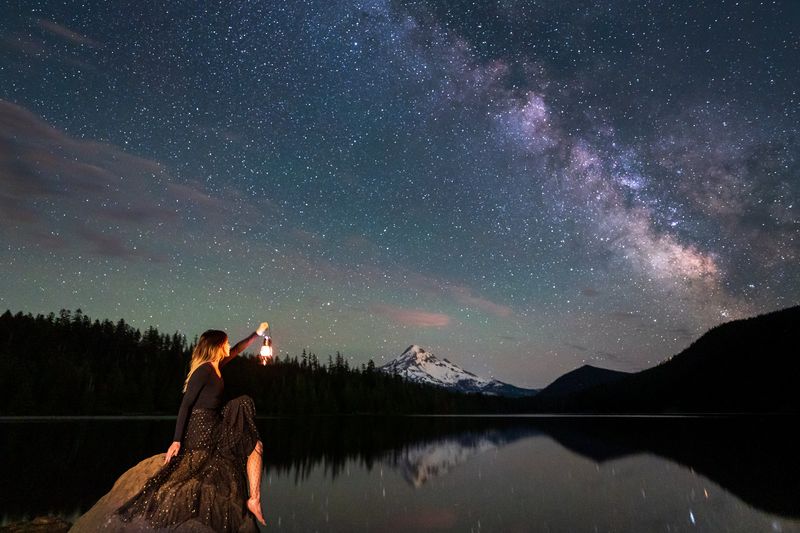
Mirror calm water reflects Mount Hood in perfect symmetry, creating one of the most photographed yet still somehow underappreciated views in all of Oregon. Lost Lake sits nestled in old growth forest at an elevation that keeps it cool even during summer heat waves, offering a rustic resort experience that feels like stepping back to a simpler era.
The lake’s position provides unobstructed views of Mount Hood’s north face, and on still mornings, the reflection creates images that seem too perfect to be real, yet this scene plays out daily for those who make the journey.
The resort offers simple cabins and camping facilities that maintain a deliberately low key atmosphere, attracting families and outdoor enthusiasts who appreciate authenticity over luxury. A trail circles the lake, providing easy walking through forest and along the shoreline, with countless spots to pause and absorb the view.
Canoes and kayaks glide across the water, their wakes temporarily disturbing the mirror surface before it settles back into stillness. Fishing provides quiet entertainment, while the surrounding forest offers hiking trails that range from gentle to challenging.
Fall brings spectacular color as vine maples turn crimson and huckleberry bushes glow orange against the evergreen backdrop. The lake’s relatively high elevation means it remains accessible only from late spring through fall, with snow closing the access road during winter months.
This seasonal limitation helps preserve the area’s character, preventing the year round development that has changed so many mountain destinations. Locals time their visits for weekdays or shoulder seasons, when they can have this spectacular view largely to themselves.
Located at 9000 Lost Lake Road, near Dee, Oregon, the lake requires driving the final miles on a gravel road that discourages casual visitors but rewards those who complete the journey. Day use and camping both require small fees, and reservations for cabins book far in advance for summer weekends, testament to this spot’s enduring appeal among those who know about it.
Dear Reader: This page may contain affiliate links which may earn a commission if you click through and make a purchase. Our independent journalism is not influenced by any advertiser or commercial initiative unless it is clearly marked as sponsored content. As travel products change, please be sure to reconfirm all details and stay up to date with current events to ensure a safe and successful trip.
