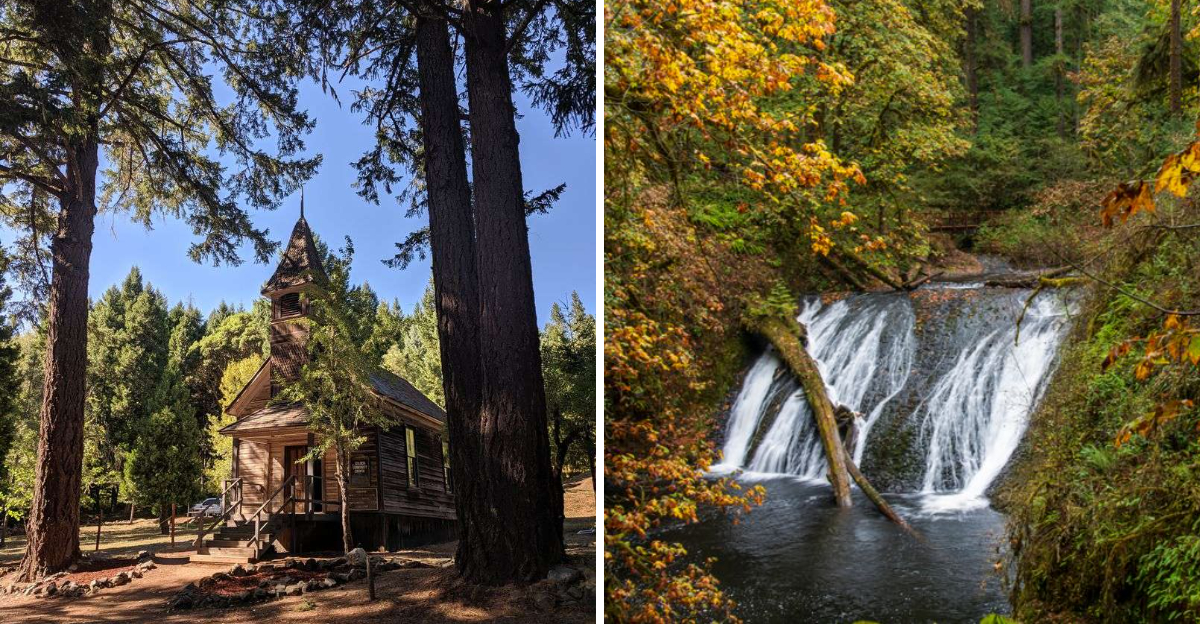
Oregon has always been a treasure trove of natural wonders, from rugged coastlines to ancient geological formations that tell stories millions of years old. Locals have cherished these quiet, sacred spaces for generations, treating them with respect and care.
But as social media turned hidden gems into viral hotspots, everything changed almost overnight. What was once peaceful became crowded, what was pristine became trampled, and what was special became just another backdrop for selfies.
Ready to see which beloved Oregon spots got loved to death? Spoiler alert: some of these places will never be the same, and locals are still shaking their heads.
From shattered rock formations to trashed hot springs, the damage is real and the resentment runs deep. Pack your curiosity because this list is equal parts heartbreaking and eye-opening.
Will you recognize the spots you’ve visited, or will you be shocked by what tourism has done to Oregon’s most beautiful places?
1. Cannon Beach and Haystack Rock
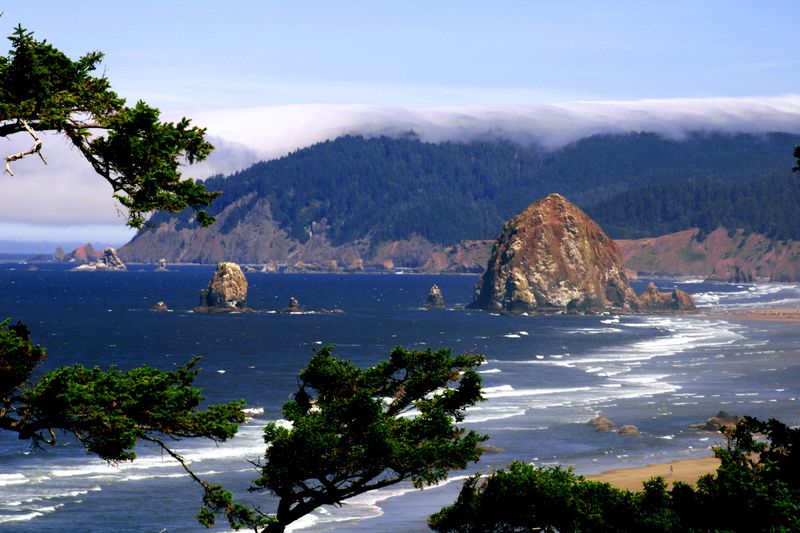
Haystack Rock used to be the kind of place where you could walk the beach at sunrise with nothing but the sound of waves and seabirds for company. Locals would bring their coffee, sit on driftwood logs, and watch the tide pools come alive with starfish and anemones.
That quiet magic is long gone now, replaced by year-round crowds that pack the sand from dawn to dusk.
Traffic jams clog the narrow streets of Cannon Beach, and finding parking feels like winning the lottery on a summer weekend.
Short-term vacation rentals have exploded across the town, transforming family homes into revolving-door Airbnbs that price out long-time residents. The sense of community has eroded as neighborhoods fill with strangers who treat the beach like a disposable backdrop.
Trash accumulates faster than volunteers can clean it, and the delicate tide pool ecosystems suffer from constant poking and prodding by curious visitors.
Rangers now have to post signs reminding people not to climb on Haystack Rock, which is a protected marine habitat.
What breaks locals’ hearts most is watching their beloved sanctuary turn into a chaotic tourist trap where the experience feels more like Disneyland than nature. The charm that made Cannon Beach special has been buried under Instagram posts and tour buses.
Families who’ve vacationed here for decades now avoid peak season entirely, mourning the loss of the peaceful retreat they once knew.
It’s a classic case of a place being loved so hard it lost what made it lovable in the first place.
2. Cape Kiwanda and the Destroyed Duckbill Rock
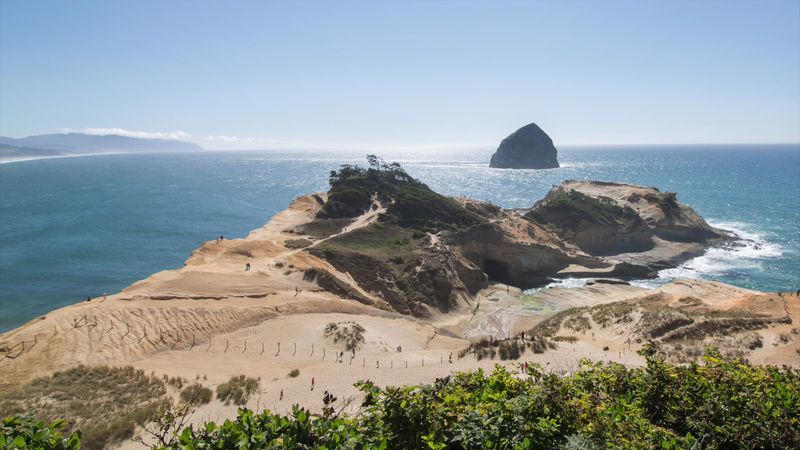
Cape Kiwanda was home to one of Oregon’s most whimsical natural sculptures, a sandstone formation locals affectionately called the Duckbill. Wind and waves spent thousands of years carving this delicate arch into its distinctive shape, creating a landmark that symbolized the raw power and artistry of nature.
Photographers would wait for golden hour to capture its silhouette against crashing surf, and families would hike out to marvel at its improbable balance.
Then, in 2016, a group of tourists decided they knew better than Mother Nature and deliberately pushed it over, filming themselves as they destroyed it.
The vandalism sparked outrage across Oregon and beyond, but the damage was irreversible. What took millennia to create was gone in minutes, reduced to rubble on the beach below.
Even worse, the incident highlighted a broader problem at Cape Kiwanda: visitors routinely ignore safety fences and warning signs, climbing on fragile sandstone cliffs that crumble without warning. Several people have fallen to their deaths over the years, yet tourists continue to pose for risky photos at the cliff edge.
Locals now view Cape Kiwanda with a mix of sadness and frustration, knowing that no amount of education seems to change reckless behavior.
The Duckbill became a symbol of everything wrong with overtourism: the entitlement, the disregard for natural processes, and the prioritization of a photo over preservation.
Park officials have increased patrols and signage, but the sense of loss remains palpable among those who remember when respect for nature was simply understood.
3. Multnomah Falls
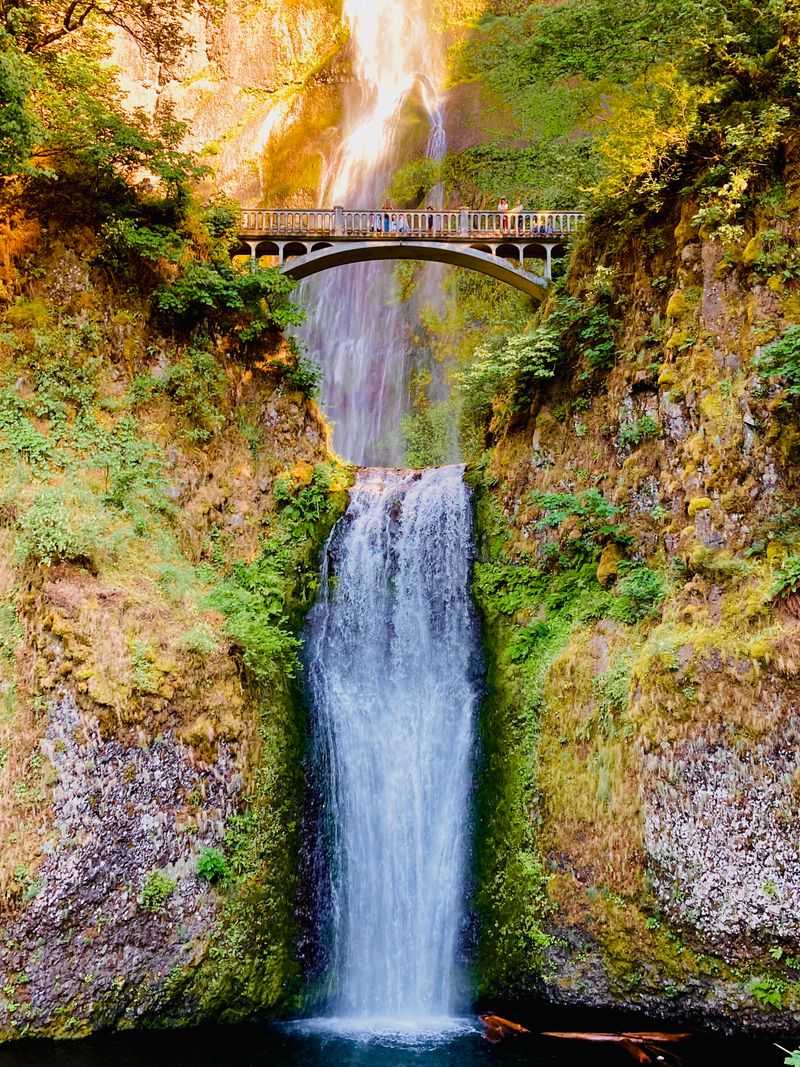
Standing at 620 feet, Multnomah Falls is the crown jewel of the Columbia River Gorge and Oregon’s most visited natural attraction. Its two-tiered cascade and iconic Benson Bridge create a postcard-perfect scene that has drawn admirers for over a century.
But accessibility has become a curse as much as a blessing, with the falls located just 30 minutes from Portland and visible from the parking lot.
On any given weekend, thousands of visitors descend on the site, creating gridlock that stretches for miles along the Historic Columbia River Highway.
The parking situation has become legendary for all the wrong reasons, with cars circling endlessly or parking illegally along narrow shoulders. Shuttle services and timed-entry permits have been implemented during peak season, but the crowds remain overwhelming.
The short paved trail to the bridge becomes a slow-moving parade of humanity, making it nearly impossible to enjoy a moment of contemplation near the waterfall.
Locals who once considered this their backyard retreat now avoid it entirely, knowing the experience will be more about navigating crowds than connecting with nature.
The infrastructure struggles to keep up with the visitor load, and the surrounding forest shows signs of wear from people wandering off-trail for better photo angles. What was once a spiritual experience has become transactional, a checkbox on a tourist itinerary rather than a place to truly experience the power of water and stone.
Long-time Oregonians remember when you could stand at the base of the falls in relative solitude, feeling the mist on your face without elbowing through a crowd, and they mourn that loss deeply.
4. Silver Falls State Park
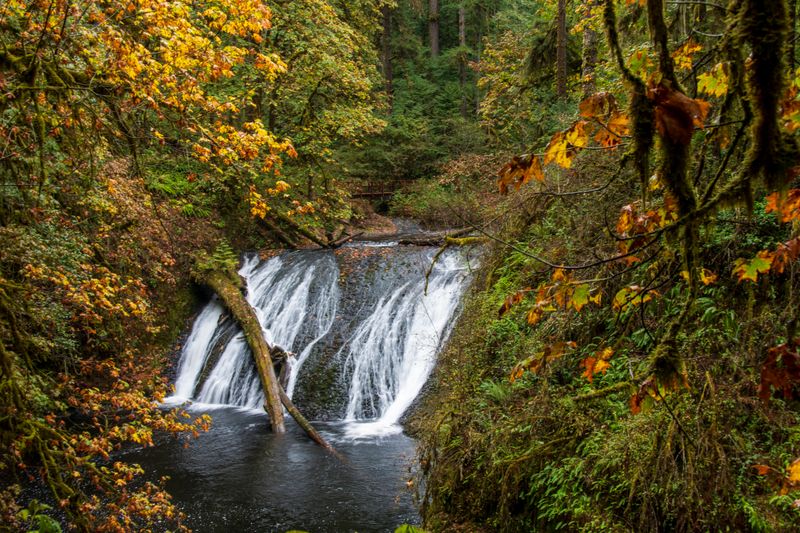
The Trail of Ten Falls at Silver Falls State Park winds through an enchanted forest where you can walk behind waterfalls and feel like you’ve stepped into a fairy tale. This 7.2-mile loop showcases ten distinct waterfalls, each with its own character and beauty, making it one of the most spectacular hikes in the Pacific Northwest.
For decades, it was a beloved weekend escape for Oregon families who would pack picnic lunches and spend the day exploring misty grottos and mossy canyons.
Now, the trail often resembles a congested sidewalk, especially on sunny weekends when the parking lots fill before 9 a.m.
The popularity explosion has taken a visible toll on the landscape, with trails widening from erosion and vegetation trampled by people cutting switchbacks or wandering off-path for photos. The delicate ecosystem that thrives in the mist zone behind the waterfalls suffers from constant human traffic, and the solitude that once made the hike meditative has evaporated.
You’ll now wait in line to take a photo behind South Falls, the park’s signature waterfall, while dozens of other hikers jostle for position.
Weekday visits offer some respite, but locals know those peaceful experiences are increasingly rare as tourism marketing continues to promote the park aggressively. The sense of discovery and wonder that came from having these waterfalls mostly to yourself has been replaced by the stress of navigating crowds and competing for parking.
Long-time visitors feel the park has lost its soul, transformed from a natural sanctuary into an outdoor theme park where the experience is more about endurance than enjoyment.
5. Umpqua Hot Springs
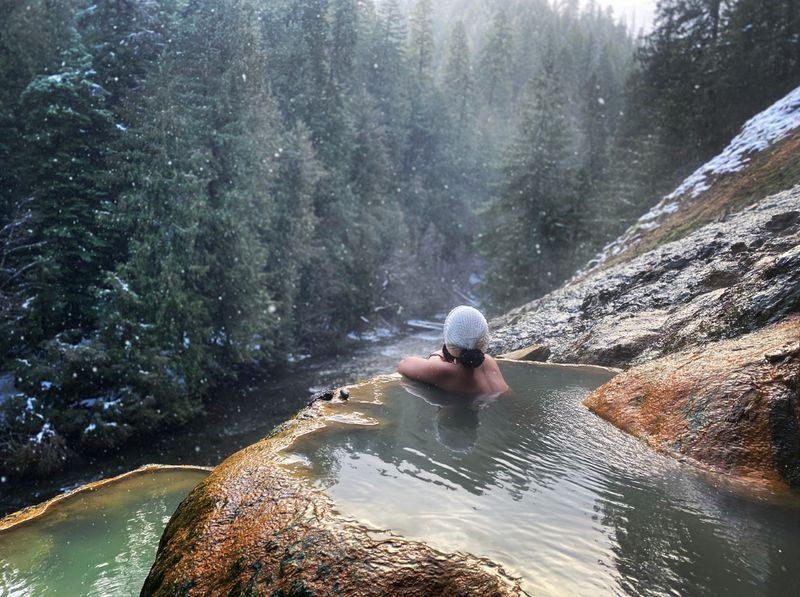
Perched on a hillside above the North Umpqua River, Umpqua Hot Springs was once a local secret known only to those willing to make the rugged hike through old-growth forest.
The natural mineral pools, with their stunning views of forested valleys and distant peaks, offered a sacred soaking experience where you could connect with nature in its purest form.
Word spread slowly at first through guidebooks and whispered recommendations, but social media turned this hidden gem into a must-visit destination that now sees hundreds of visitors per day during summer months.
The transformation has been devastating for both the site and the experience. Trash accumulates in and around the pools despite volunteer cleanup efforts, with everything from food wrappers to abandoned camping gear littering the area.
Vandalism has scarred the rustic wooden structures, and the pools themselves require constant maintenance due to misuse. Overcrowding means you’ll rarely find a peaceful soak anymore; instead, you’ll share the small pools with dozens of strangers, many of whom treat the site with shocking disrespect.
Long-time visitors talk about the spiritual quality the springs once possessed, a place where you could soak under the stars in near-silence, listening to the river far below. That magic has been trampled by influencers seeking content and tourists checking off a bucket list item.
Locals now consider Umpqua Hot Springs essentially ruined, the victim of its own beauty and the internet’s ability to turn remote sanctuaries into crowded attractions overnight.
The Forest Service has struggled to manage the impact, but the damage to both the physical site and its intangible essence seems irreversible.
6. Hells Canyon on the Oregon Side
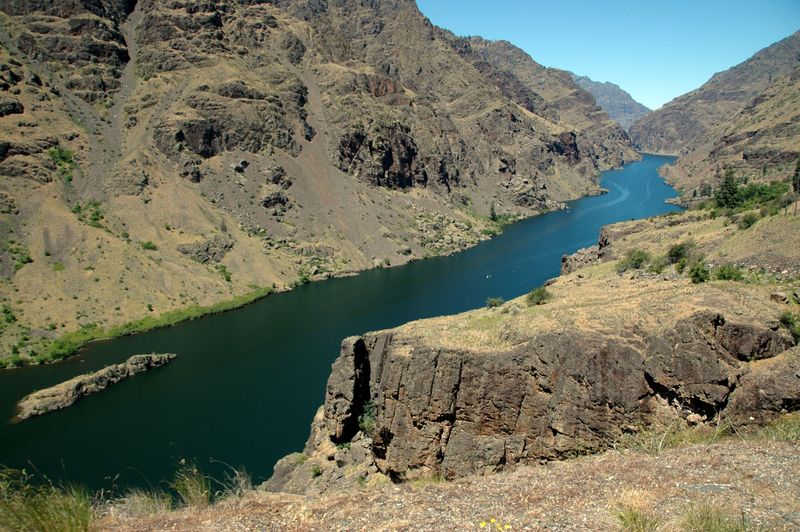
Hells Canyon carves North America’s deepest river gorge along the Oregon-Idaho border, a landscape so dramatic and remote it feels like the edge of the world.
The Oregon side offers access to rugged trails, Native American pictographs, and vistas that stretch for miles across layered canyon walls painted in shades of rust and gold.
For generations, this was territory for serious backpackers and river runners who respected the isolation and left no trace of their passage. The canyon’s remoteness was its protection, keeping visitor numbers manageable and impacts minimal.
Increased promotion and easier access have changed that equation, bringing unprecedented numbers of visitors to sensitive areas that were never designed for heavy traffic. Historic sites, including ancient Native American cultural locations, now show signs of disturbance from tourists who don’t understand or respect their significance.
The trails themselves are eroding under increased foot traffic, and the wildlife that thrives in this harsh environment faces growing pressure from human presence.
Popular camping spots that once saw a handful of visitors per week now host dozens, with the inevitable accumulation of human waste and trash.
What makes locals and conservationists most anxious is knowing how fragile this ecosystem truly is. The canyon’s extreme conditions mean that damage heals slowly, if at all, and the archaeological resources are irreplaceable.
The balance between sharing this magnificent landscape and preserving it has tipped toward exploitation, driven by tourism that prioritizes access over protection.
Long-time canyon lovers fear that the wild character of Hells Canyon is being slowly domesticated, turned into just another scenic drive rather than the genuine wilderness it deserves to remain.
7. Golden Ghost Town
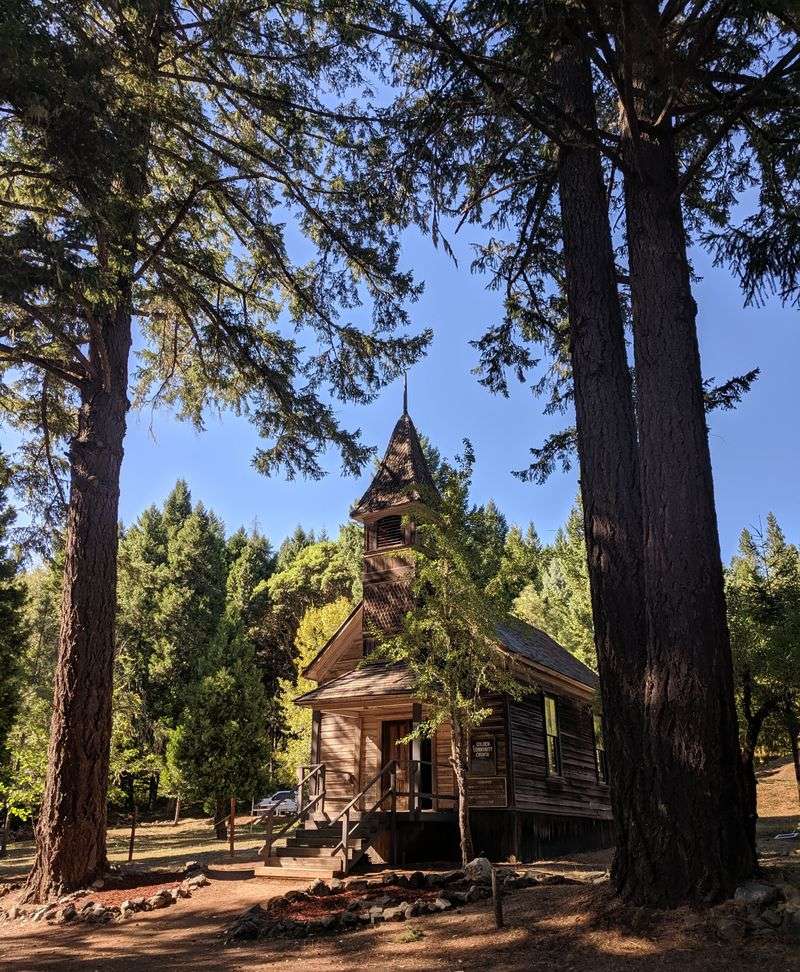
Tucked into the Blue Mountains of Eastern Oregon, Golden was a bustling gold mining town in the late 1800s before being abandoned to the elements. The weathered wooden structures, old mining equipment, and cemetery told authentic stories of frontier hardship and dreams of striking it rich.
Historians and ghost town enthusiasts cherished Golden as one of Oregon’s best-preserved mining sites, a place where you could walk among genuine artifacts and feel the weight of history.
Access required a bumpy drive on forest roads, which naturally limited visitors to those with genuine interest in the site’s heritage.
Mismanaged tourism promotion and lack of oversight opened the floodgates to visitors who treated Golden like a theme park rather than a historic site. Vandalism has scarred the remaining buildings, with graffiti, broken windows, and stolen artifacts diminishing the site’s integrity.
Perhaps most egregiously, a film crew left behind a fake cemetery that now confuses visitors about what’s authentic and what’s Hollywood props.
The blurring of real history with manufactured scenery has degraded Golden’s educational value and insulted the memory of those who actually lived and died there.
Locals who served as informal guardians of the site feel betrayed by the lack of protection and the casual destruction of irreplaceable history. The Forest Service has struggled with funding and staffing to properly manage the location, leaving it vulnerable to continued degradation.
What was once a powerful connection to Oregon’s mining heritage has become a cautionary tale about the cost of treating history as entertainment.
Preservationists wonder if Golden can be saved or if it will continue deteriorating until nothing authentic remains to tell the real story.
8. The Painted Hills at John Day Fossil Beds
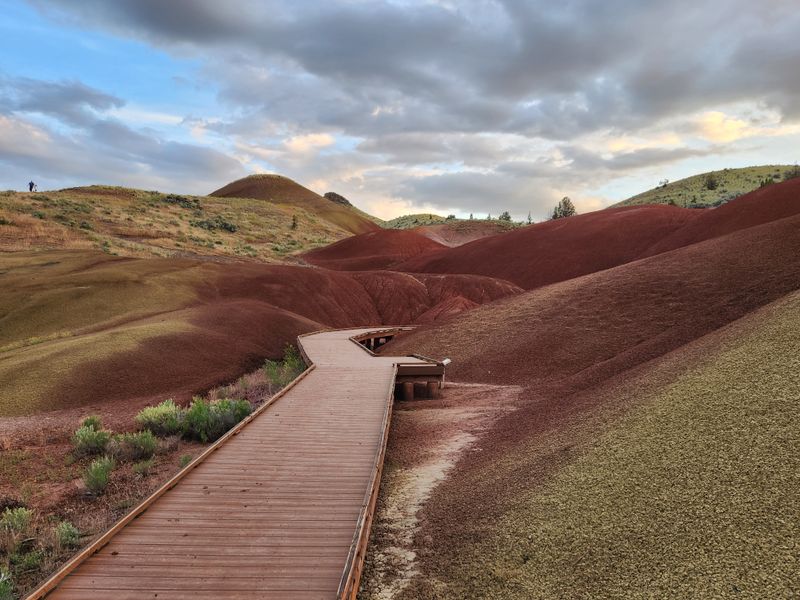
The Painted Hills reveal 35 million years of geologic history in bands of red, gold, and black clay that shift in color with the changing light.
These ancient hills are part of the John Day Fossil Beds National Monument, a landscape so otherworldly it feels like standing on Mars.
Scientists value the area for its exceptionally preserved fossil record, while visitors are drawn to the surreal beauty that photographers dream about. The fragility of these hills cannot be overstated; the claystone erodes easily, and even a single footprint can remain visible for years, scarring the delicate surface.
Despite clear signage, boardwalks, and ranger presence, tourists regularly wander off designated trails to get closer to the colorful hills or capture that perfect Instagram shot.
Each footstep compresses the clay, accelerates erosion, and damages layers that took millions of years to form.
The cumulative impact of thousands of visitors making the same selfish choice has left visible scars across the landscape. Areas that were pristine a decade ago now show trails worn by trespassing feet, and the National Park Service fights a constant battle to protect the resource from those who visit it.
Locals and scientists share a deep frustration watching people treat this irreplaceable geologic wonder like a playground. The Painted Hills tell stories about ancient climates, ecosystems, and the evolution of life on Earth, but those stories are being erased by visitors who value their photos more than preservation.
Educational efforts continue, but the damage accumulates faster than awareness grows.
The tragedy is that future generations may inherit a diminished version of this natural masterpiece, its vibrant colors dulled and its scientific value compromised by the thoughtless actions of tourists who couldn’t stay on the trail.
Dear Reader: This page may contain affiliate links which may earn a commission if you click through and make a purchase. Our independent journalism is not influenced by any advertiser or commercial initiative unless it is clearly marked as sponsored content. As travel products change, please be sure to reconfirm all details and stay up to date with current events to ensure a safe and successful trip.
