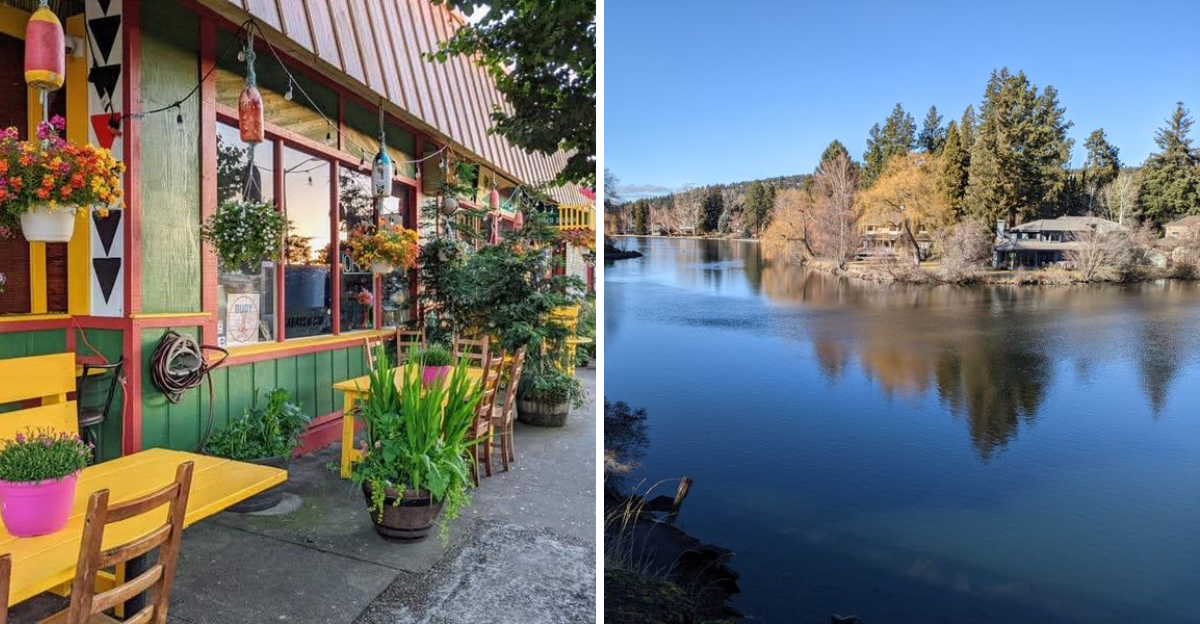
Oregon’s charm has always lived in its small towns, where quiet main streets and local diners once felt worlds away from the bustle of city life.
But over the years, more travelers have discovered these hidden corners, and with them came change.
Tourism has brought new energy, fresh businesses, and sometimes a shift in what made these places feel untouched.
Watching these towns evolve offers a glimpse into how communities balance growth with identity, and how visitors shape the places they love to explore.
1. Cannon Beach
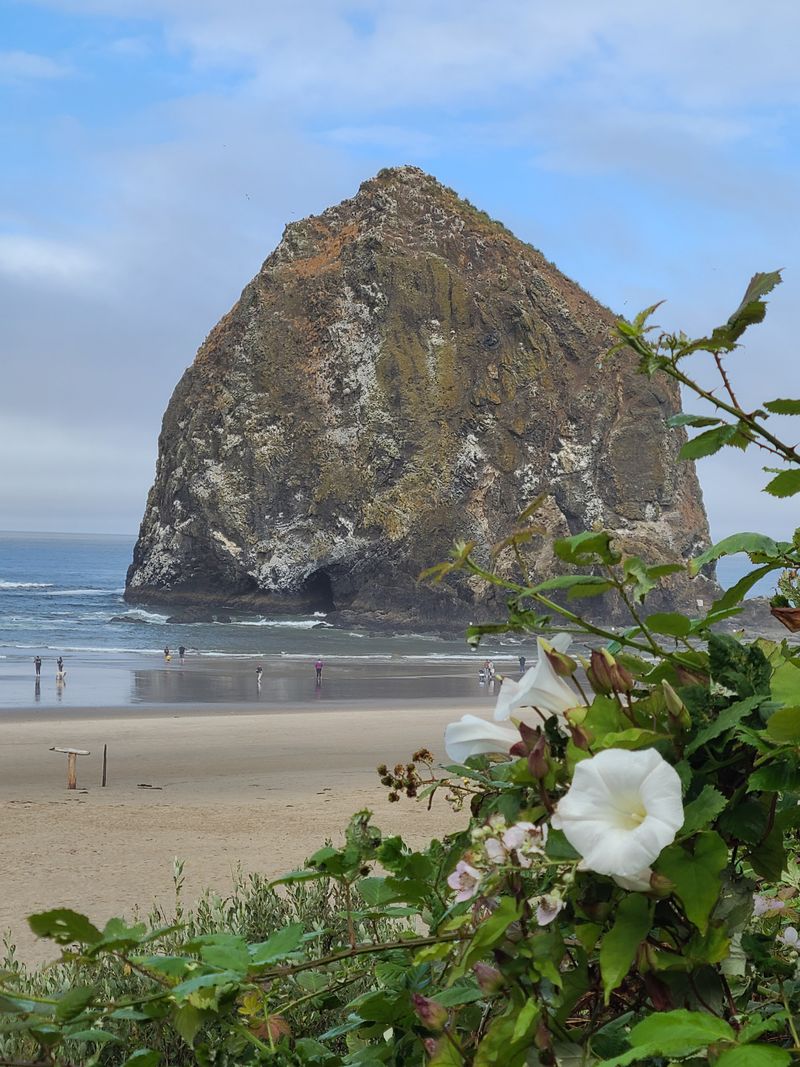
Cannon Beach started as a sleepy coastal village where locals knew everyone by name and tourists were few.
Haystack Rock drew photographers and nature lovers, but the town itself remained quiet, with just a handful of shops and cafes along Hemlock Street.
As word spread about the dramatic coastline and charming downtown, visitors began arriving in greater numbers, especially during summer months and holiday weekends.
The influx brought boutique galleries, upscale restaurants, and vacation rentals that replaced older cottages.
Parking became harder to find, and the once tranquil beach saw crowds gathering around the iconic rock formation.
Long-time residents noticed the shift, with some welcoming the economic boost while others missed the slower pace.
New businesses catered to travelers seeking coastal getaways, and property values climbed steadily.
The town worked to preserve its character through design standards and community planning, but the tourism footprint remained visible.
Art walks and festivals became regular events, drawing even more attention to the area.
Cannon Beach now balances its identity as a beloved Oregon destination with the realities of managing visitor impact.
The town’s transformation reflects how coastal communities adapt when discovery turns into popularity.
Walking the beach today, you’ll still find natural beauty, but the sense of solitude has faded.
Local voices continue advocating for sustainable tourism practices that honor both the environment and the community’s roots.
Cannon Beach remains stunning, yet its evolution shows how tourism reshapes even the most picturesque places over time.
2. Sisters
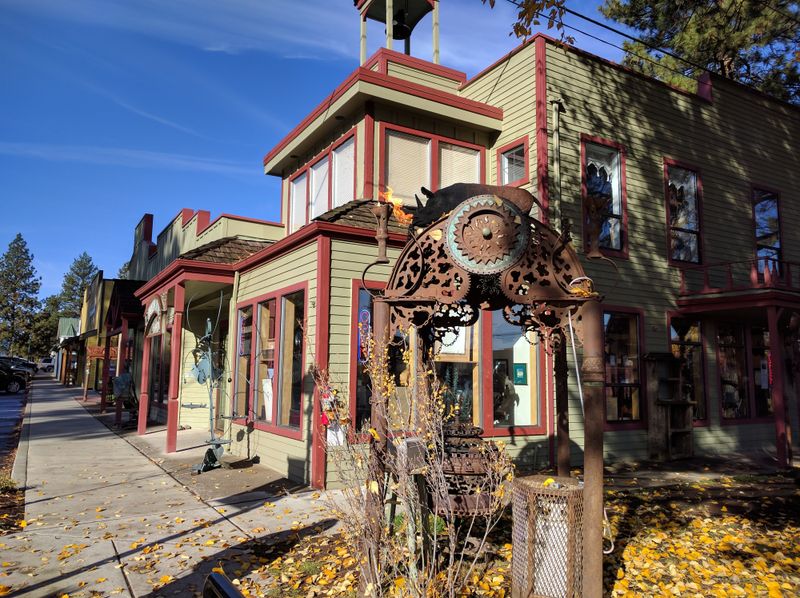
Sisters earned its name from the nearby Three Sisters mountains, and for decades it was a ranching town where loggers and farmers gathered at the local tavern.
The downtown area featured weathered storefronts and a few basic services, with little to attract outsiders beyond its mountain views.
In the 1970s, a town-wide effort transformed the buildings into Western-themed facades, creating a nostalgic atmosphere that caught the attention of travelers.
Outdoor recreation opportunities in the surrounding Cascade Range began drawing hikers, skiers, and mountain bikers.
As tourism grew, Sisters evolved into a hub for art galleries, specialty shops, and farm-to-table dining.
The annual Quilt Show became a major attraction, bringing thousands of visitors each July.
Real estate prices climbed as second-home buyers and retirees moved in, changing the town’s demographic makeup.
Local businesses shifted focus toward serving tourists, and some longtime establishments closed as rents increased.
The small-town feel persisted in some ways, but the influx of visitors altered daily life for residents.
Traffic increased along the main highway, and parking challenges emerged during peak seasons.
Sisters worked to maintain its Western character while accommodating growth, but the balance proved tricky.
The town’s transformation illustrates how a deliberate aesthetic choice can spark tourism development.
Today, Sisters thrives economically, yet the quiet ranching community it once was exists mostly in memory.
Visitors enjoy the charm and access to outdoor adventures, while locals navigate the trade-offs that come with being a destination.
3. Astoria
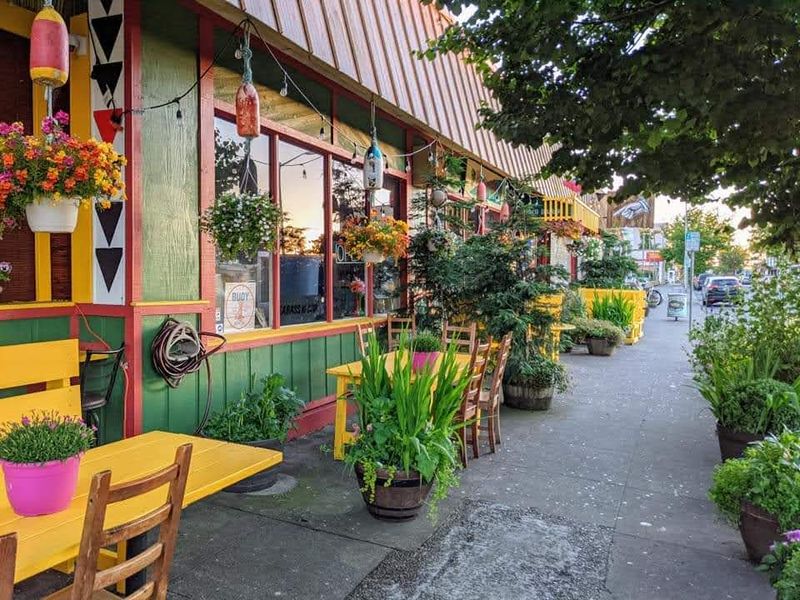
Astoria’s history as a fishing and cannery town runs deep, with generations of families earning their living from the Columbia River.
Victorian homes dotted the hillsides, many falling into disrepair as the local economy struggled through the decline of the fishing industry.
The town felt forgotten for years, with empty storefronts and a population that had seen better days.
Then came the tourists, drawn by the stunning river views, historic architecture, and connections to Lewis and Clark.
The Goonies filming locations became pilgrimage sites for movie fans, adding a pop culture dimension to the town’s appeal.
Craft breweries, coffee roasters, and artisan shops opened along the waterfront and downtown streets.
Property developers began restoring the Victorian homes, converting some into bed-and-breakfasts and vacation rentals.
The Astoria-Megler Bridge became a scenic attraction in itself, and the waterfront trolley added nostalgic charm.
Long-time residents saw their town revitalized but also watched as affordability became an issue.
Tourism brought jobs and investment, yet some felt the community’s working-class identity was fading.
Festivals celebrating Scandinavian heritage and maritime history drew crowds, further boosting the local economy.
The town embraced its role as an Oregon Coast gateway, but managing growth required careful planning.
Astoria today feels vibrant and alive, a far cry from its struggling past.
The transformation shows how tourism can breathe new life into a place while also challenging its original character.
4. Jacksonville
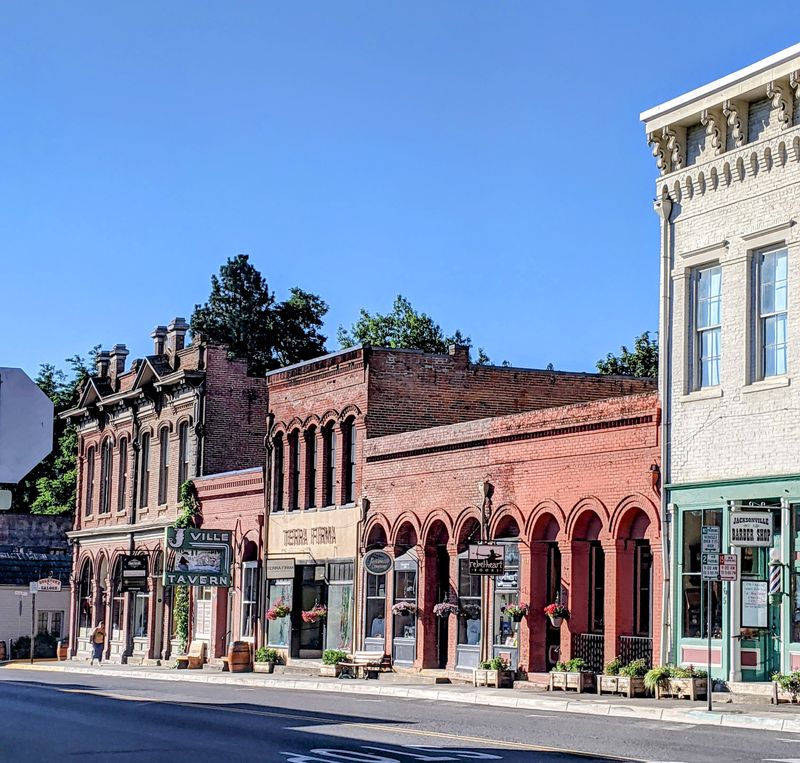
Jacksonville froze in time after the railroad bypassed it in the 1880s, leaving behind a perfectly preserved Gold Rush town.
For decades, it remained a quiet place where locals appreciated the historic buildings but few outsiders knew about it.
The designation as a National Historic Landmark in the 1960s put Jacksonville on the map for history enthusiasts.
The Britt Music Festival launched in the 1960s, bringing summer concerts to a hillside amphitheater just outside town.
Music lovers began flocking to Jacksonville, and the festival grew into a major cultural event.
Antique shops, wine-tasting rooms, and upscale restaurants filled the historic storefronts along California Street.
Bed-and-breakfasts opened in restored Victorian homes, catering to festival-goers and heritage tourists.
The town’s population remained small, but the seasonal influx of visitors created a dual identity.
Residents enjoyed the economic benefits but also dealt with noise, traffic, and parking challenges during festival season.
Jacksonville’s charm attracted retirees and artists, further shifting the community’s makeup.
Preservation efforts ensured the historic character remained intact, yet the town felt different from its sleepy past.
Walking the brick sidewalks today, you’ll find a blend of authentic history and tourism-driven commerce.
The balance between preservation and commercialization remains a topic of local conversation.
Jacksonville’s evolution demonstrates how cultural events can transform a small town’s economy and identity.
The Gold Rush legacy lives on, but tourism has rewritten the town’s modern story in ways no one anticipated.
5. Yachats
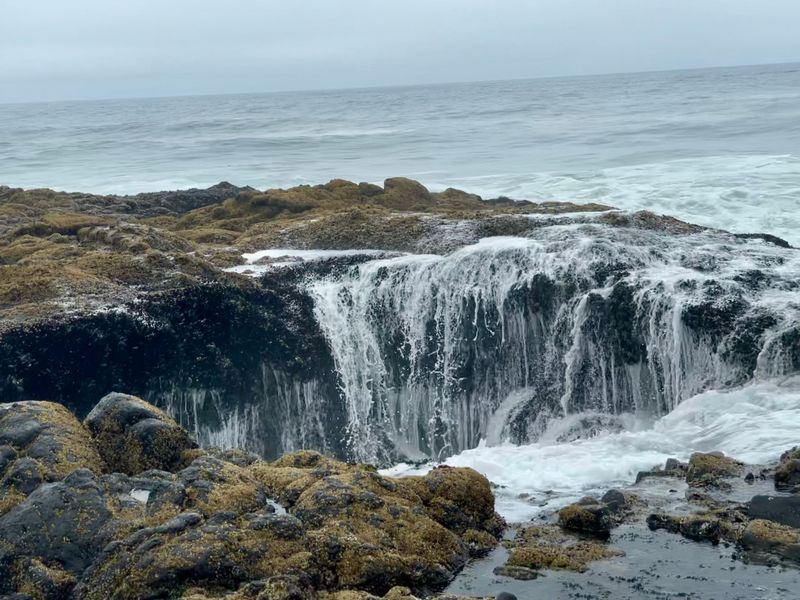
Yachats began as a remote fishing village where the Yachats River met the Pacific, known mostly to locals and a few adventurous campers.
The rugged coastline offered dramatic scenery, but the town itself had little infrastructure for visitors.
Artists and writers discovered Yachats in the 1970s, drawn by the raw beauty and the sense of isolation.
Word spread slowly, and the town developed a reputation as a quieter alternative to busier coastal destinations.
Small inns and vacation rentals began appearing, and a few restaurants opened to serve the growing trickle of tourists.
The 804 Trail, a coastal path connecting beaches and viewpoints, became a major draw for hikers and photographers.
As Oregon’s coast gained popularity, Yachats saw more visitors seeking tide pools, storm watching, and scenic drives.
The town worked to maintain its low-key vibe, resisting large-scale development and chain businesses.
Local events like the Yachats Celtic Music Festival attracted niche audiences without overwhelming the community.
Still, the increase in vacation rentals changed the housing market, making it harder for working families to afford homes.
Residents valued the natural setting and wanted to protect it from the overdevelopment seen elsewhere.
Yachats remained small, but the visitor presence was undeniable, especially during summer and holiday weekends.
The town’s character stayed rooted in nature and creativity, yet tourism shaped its economy and daily rhythms.
Walking along the shore today, you’ll find beauty largely intact but a community navigating the pressures of popularity.
6. Joseph
Joseph sits in the shadow of the Wallowa Mountains, a ranching town that once felt like the edge of the world.
For generations, locals worked the land and rarely saw outsiders beyond the occasional hunter or fisherman.
The landscape’s grandeur eventually caught the attention of artists, who began settling in the area and opening galleries.
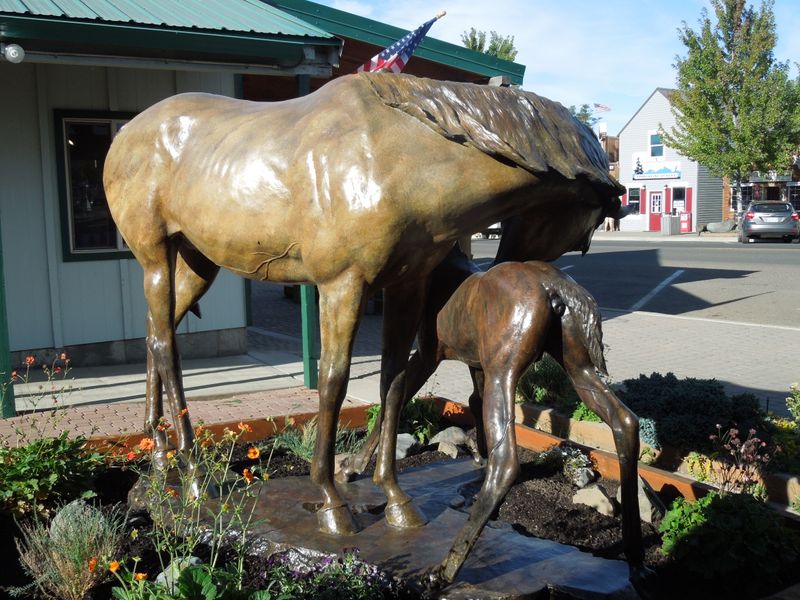
Bronze sculpture foundries established themselves in Joseph, and the town became known for its Western art scene.
Tourists started arriving to see the artwork, explore Wallowa Lake, and experience the alpine beauty.
The town embraced its artistic identity, hosting events and promoting itself as a cultural destination in eastern Oregon.
New restaurants, breweries, and boutique shops opened along Main Street, catering to visitors seeking a mountain getaway.
Property values rose as people from outside the area bought second homes or relocated permanently.
The ranching heritage remained visible, but the economy increasingly relied on tourism and recreation.
Residents appreciated the economic boost but also worried about losing the tight-knit community feel.
Winter brought fewer tourists, allowing the town to return to a quieter rhythm, but summers were busy.
Joseph’s transformation showed how art and natural beauty could attract a new kind of visitor to rural Oregon.
The town maintained its small size, yet its identity shifted from agricultural roots to a blend of art and outdoor recreation.
Walking through Joseph today, you’ll see cowboys and gallery-goers sharing the same sidewalks, a symbol of the town’s evolution.
7. Hood River
Hood River started as a timber and fruit-growing town, with orchards covering the hillsides and a quiet downtown serving local needs.
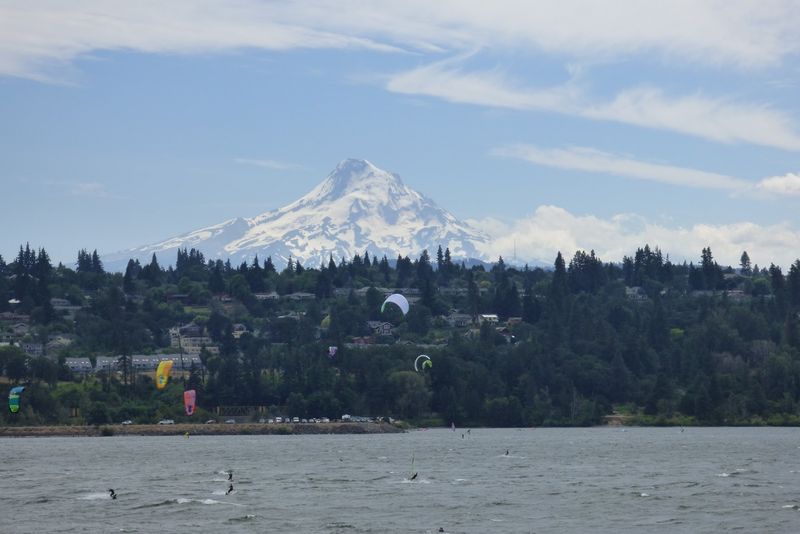
The Columbia River Gorge winds created ideal conditions for windsurfing, and in the 1980s, enthusiasts began showing up with boards and sails.
What started as a niche sport grew into a global phenomenon, and Hood River became the windsurfing capital of the world.
Kiteboarding followed, and the waterfront transformed into a hub for adventure seekers and outdoor athletes.
Breweries, gear shops, and trendy restaurants opened to serve the influx of visitors and new residents.
The town’s population grew, and property values soared as people moved in for the lifestyle and recreation opportunities.
Tourism became the dominant economic force, overshadowing the agricultural roots that once defined the area.
Traffic increased along the main highway, and parking near the waterfront became competitive during peak seasons.
Long-time residents saw their town change rapidly, with some embracing the energy and others mourning the loss of the quieter past.
Hood River’s success attracted national attention, and it appeared on lists of top outdoor towns and best places to live.
The blend of natural beauty, adventure sports, and craft beer culture made it a magnet for young professionals and retirees alike.
The town worked to balance growth with livability, but the pace of change proved challenging.
Today, Hood River thrives as a destination, but its identity as a small Oregon town has been reshaped by decades of tourism-driven transformation.
8. Bend
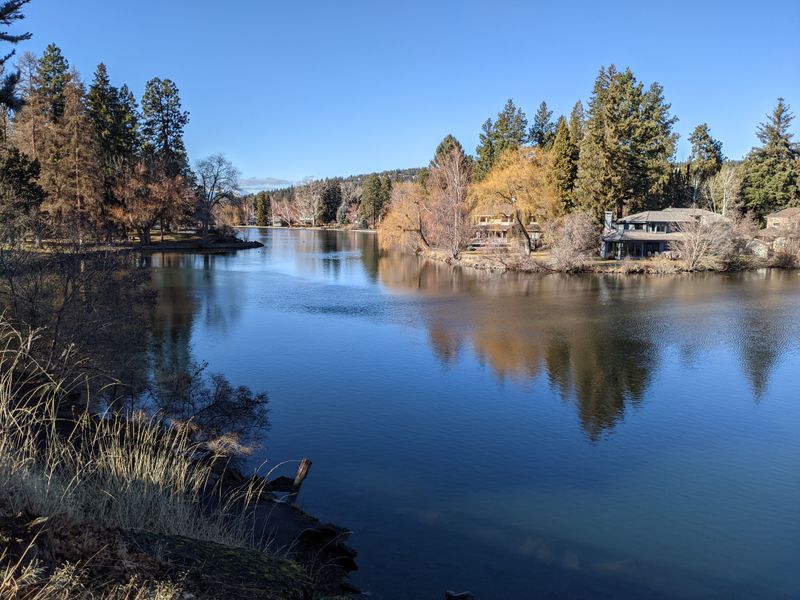
Bend was a quiet mill town surrounded by pine forests and high desert, known mostly to Central Oregon locals.
The lumber industry provided jobs, and the pace of life was slow, with few reasons for outsiders to visit.
Mount Bachelor opened as a ski resort in the 1950s, but Bend remained relatively undiscovered for decades.
In the 1990s, outdoor recreation enthusiasts began recognizing the area’s potential for skiing, hiking, mountain biking, and river sports.
Breweries started popping up, and Bend developed a reputation as a craft beer destination.
The town’s population exploded as people relocated for the lifestyle, outdoor access, and sunny climate.
Real estate development boomed, and the downtown area transformed into a bustling hub of shops, restaurants, and galleries.
Tourism became the economic engine, with visitors arriving year-round for skiing, hiking, and festivals.
Traffic congestion, housing shortages, and rising costs became pressing issues as growth accelerated.
Long-time residents watched Bend shift from a small town to a mid-sized city, with all the challenges that came with it.
The sense of community persisted in pockets, but the rapid influx of newcomers changed the town’s character.
Bend’s success story attracted national media coverage, further fueling interest and migration.
The town worked to manage growth through planning and infrastructure investment, but keeping up proved difficult.
Today, Bend stands as a cautionary tale of how tourism and migration can overwhelm a small town’s capacity to absorb change.
9. Manzanita
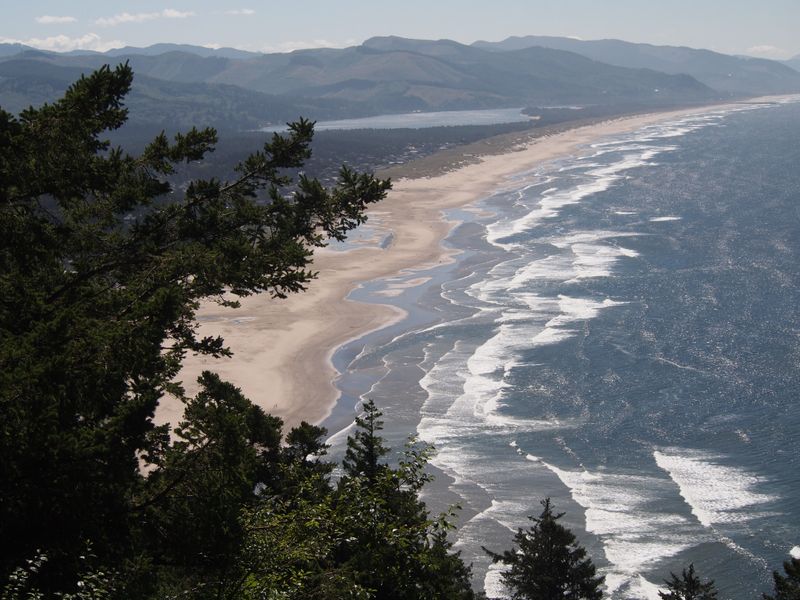
Manzanita remained one of Oregon’s quietest coastal villages, a place where families returned year after year for simple beach vacations.
The town had no major attractions, just a long stretch of sandy beach and a handful of small businesses.
Its low-key atmosphere appealed to those seeking solitude, and the lack of development kept crowds away.
Over time, word spread among travelers looking for alternatives to busier beach towns like Cannon Beach and Seaside.
Vacation rentals multiplied, and the town’s seasonal population swelled during summer months.
Small cafes and shops opened to serve the growing number of visitors, but Manzanita resisted large-scale development.
The quiet charm that drew people in began to feel threatened as more tourists discovered the area.
Parking became limited, and the beach saw more footprints during peak season.
Residents valued the town’s tranquility and worked to protect it through zoning and community advocacy.
Manzanita avoided the commercial sprawl of other coastal towns, but the pressure of tourism remained constant.
The town’s identity as a peaceful retreat faced challenges as popularity grew.
Walking the beach today, you’ll still find stretches of solitude, but the sense of being off the beaten path has faded.
Manzanita’s evolution reflects the delicate balance between welcoming visitors and preserving the qualities that make a place special.
The town remains quieter than its neighbors, but tourism has left its mark on this once overlooked corner of the Oregon coast.
10. Bandon
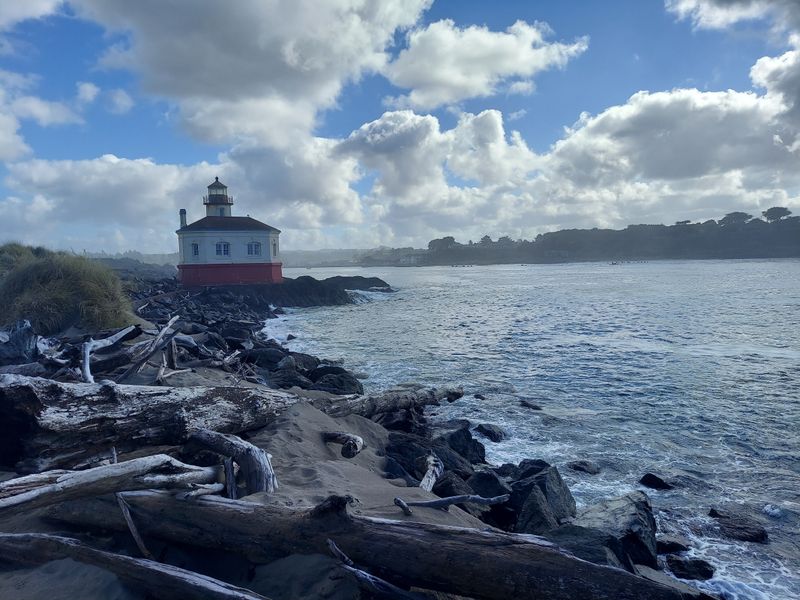
Bandon built its economy on fishing and cranberry farming, with the rugged coastline serving as a backdrop to daily life rather than a tourist attraction.
The town felt remote, and visitors were rare, with locals content to keep it that way.
In the 1980s, Bandon Dunes Golf Resort opened on the bluffs overlooking the Pacific, drawing golfers from around the world.
The resort’s success put Bandon on the map, and tourism became a significant part of the local economy.
The dramatic sea stacks and rock formations along the beach gained attention from photographers and nature lovers.
Old Town Bandon saw new life as galleries, restaurants, and shops opened to serve the growing number of visitors.
The town’s character shifted from a working fishing village to a blend of industry and tourism.
Long-time residents noticed the changes, with some benefiting from new opportunities and others feeling disconnected from the town’s evolving identity.
Cranberry bogs still dotted the landscape, but tourism revenue increasingly outpaced agricultural income.
Bandon worked to balance its heritage with the demands of a growing visitor base.
The coastline remained stunning, and efforts to preserve natural areas helped protect the scenery that attracted tourists.
Walking through Old Town today, you’ll find a mix of authentic maritime history and tourism-driven commerce.
Bandon’s transformation shows how a single development can reshape a small town’s trajectory.
The town retains elements of its past, but tourism has become inseparable from its present and future.
Dear Reader: This page may contain affiliate links which may earn a commission if you click through and make a purchase. Our independent journalism is not influenced by any advertiser or commercial initiative unless it is clearly marked as sponsored content. As travel products change, please be sure to reconfirm all details and stay up to date with current events to ensure a safe and successful trip.
