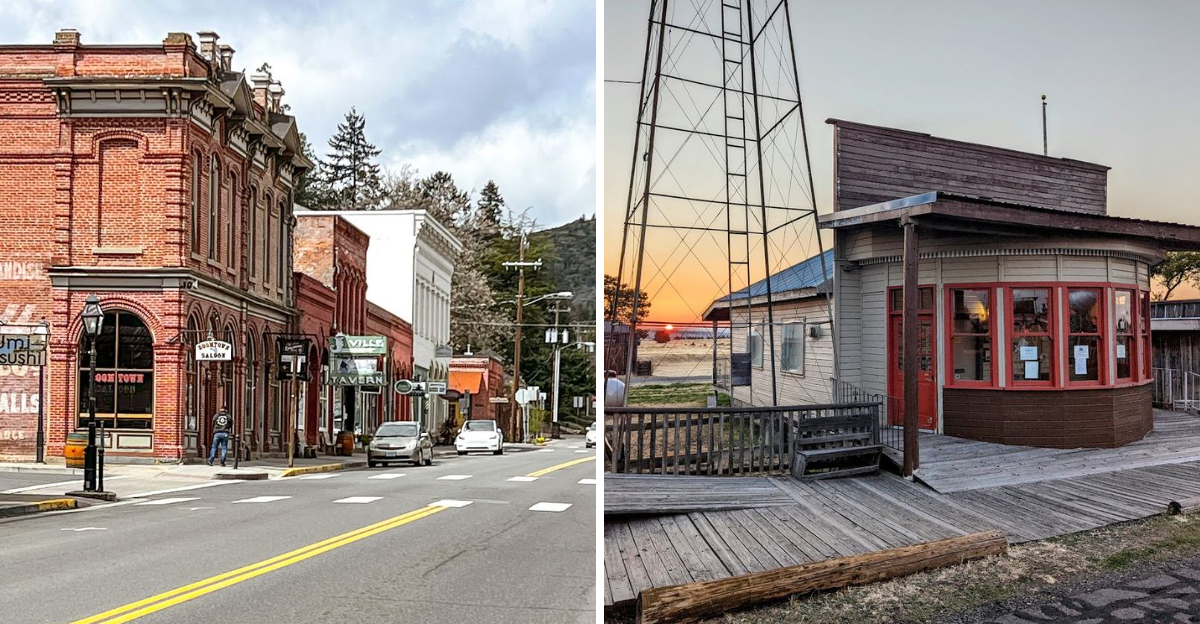
No chain pharmacies on every corner. No roundabouts confusing your GPS.
Just Main Streets that still look like postcards from your grandparents’ photo album. Several Oregon small towns have managed to ignore the twenty first century completely and somehow that is their greatest strength.
You will find old fashioned hardware stores where the owner knows where every single screw is located. Diners that still serve pie on actual plates instead of paper boats.
Gas stations with one pump and a friendly wave instead of a touchscreen that yells at you. Walking down these streets feels like time travel without the weird sci fi side effects.
The buildings still have their original brick facades and hand painted signs. Local kids ride bikes without helmets flying down hills because life moves slower here.
You almost expect to see a black and white television flickering through someone’s window. Oregon has plenty of modern cities growing fast, but these little towns chose a different path.
They stayed small, stayed slow, and stayed weirdly charming. Bring a camera and leave your hurry somewhere else.
You will not need it here.
1. Astoria, Northwest Oregon
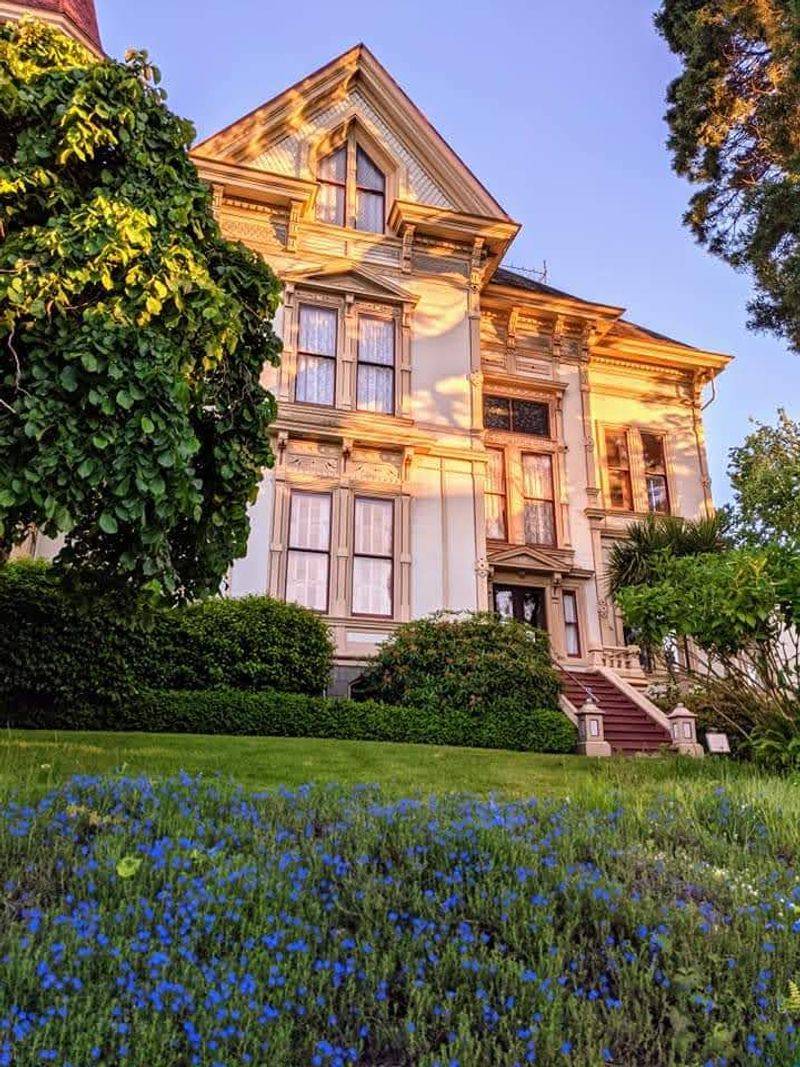
Perched at the mouth of the Columbia River, Astoria holds the distinction of being the oldest American settlement west of the Rockies. That alone should get your attention.
Founded in 1811, this town in Northwest Oregon has layers of history stacked on every corner. The Victorian homes climbing the hillsides look like they belong in a painted illustration from another time.
The Astoria Column rises 125 feet above Coxcomb Hill. Visitors can climb its 164 steps for a sweeping view of the river, the town, and the Pacific Coast stretching into the distance.
The Columbia River Maritime Museum is one of the finest maritime museums in the entire Pacific Northwest. Its collection of boats, navigation tools, and seafaring stories will keep history lovers busy for hours.
Astoria also has a thriving arts scene tucked into its old commercial buildings. Galleries, independent cinemas, and creative restaurants fill spaces that once served fishermen and cannery workers.
The Finnish and Scandinavian immigrant heritage still shows up in local food, festivals, and architecture. It is a cultural blend that gives Astoria a distinctly layered identity.
Film fans will recognize several locations from the 1985 movie The Goonies, which was filmed here. Astoria wears its cinematic fame lightly, but fans still make the pilgrimage every year.
2. Aurora, Willamette Valley Oregon
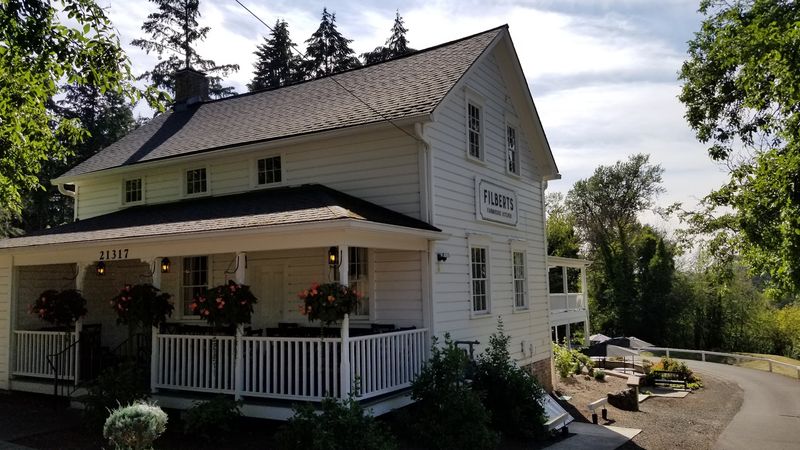
Aurora has one of the most unusual origin stories of any town in the Pacific Northwest. It was founded in 1856 as a Christian communal colony by a German religious group led by Dr. Wilhelm Keil.
Located in the Willamette Valley, this town operated as a self-sufficient commune for nearly two decades. Members shared land, labor, and resources in a system that was remarkably ahead of its time.
After the colony dissolved in 1883, the buildings remained, and Aurora quietly became one of Oregon’s best-preserved examples of 19th-century communal architecture.
The Old Aurora Colony Museum is the heart of the town’s historical offerings. It spans multiple historic structures and tells the deeply human story of the colony’s rise and quiet end.
Antique shops now fill many of the old buildings, attracting collectors and curious visitors from across the state. Aurora has earned a reputation as one of Oregon’s top antiquing destinations.
The town hosts an annual antique fair each summer that draws thousands of shoppers. Yet even during busy weekends, Aurora retains a calm, unhurried character that feels genuinely old-fashioned.
Strolling through Aurora on a quiet Tuesday afternoon, surrounded by century-old homes and blooming gardens, is an experience that is hard to describe and even harder to forget.
3. Halfway, Eastern Oregon
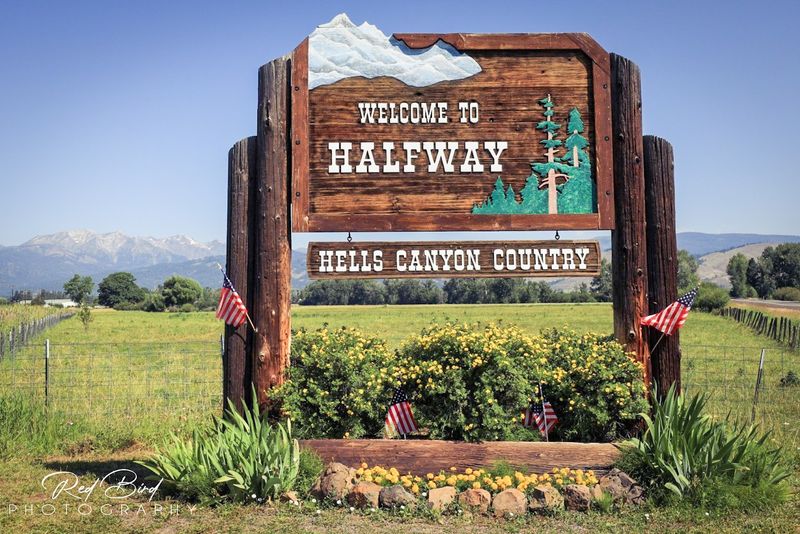
The name alone raises eyebrows, and the town delivers on that quirky promise. Halfway sits in a remote valley in Eastern Oregon, tucked between the Wallowa Mountains and Hells Canyon.
With a population of around three hundred, Halfway is one of those places where everyone knows your name by the end of your first afternoon. That kind of community warmth is increasingly rare.
The town briefly renamed itself Half.com in 2000 as part of a marketing deal with an internet company. It was a strange moment of modernity for a place that otherwise resists the 21st century entirely.
The surrounding landscape is absolutely staggering. Pine Valley spreads out in every direction, and the views of the Eagle Cap Wilderness from town are the kind that make you stop mid-sentence.
Outdoor recreation is the main draw for visitors. Hiking, fishing, hunting, and horseback riding are all within easy reach of the town center.
The Cornucopia ghost town sits just a short drive away, adding an extra layer of historical intrigue to any visit. Old mining structures and trails make it a rewarding side trip.
Halfway moves at its own pace, completely unbothered by trends or tourism pressure. That stubborn independence is exactly what makes it so refreshing to visit.
4. Jacksonville, Southern Oregon
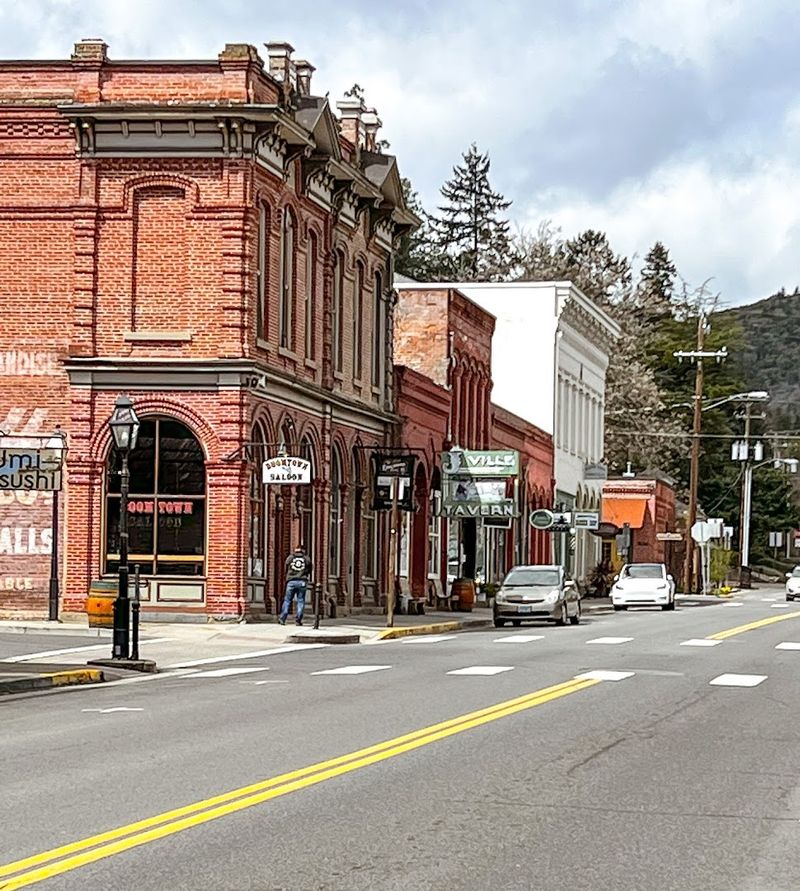
Gold fever built Jacksonville, and the town never quite let go of that original energy. Sitting in Southern Oregon, this little community became one of the state’s most significant gold rush settlements in the 1850s.
The entire downtown is a National Historic Landmark. That means nearly every building you see dates back over a century, and walking the main street genuinely feels like a Western movie set come to life.
The brick storefronts and iron-shuttered windows were built to last, and they have. Jacksonville has over eighty structures listed on the National Register of Historic Places.
The Jacksonville Museum, housed in the original 1883 county courthouse, is a must-visit. It tells the full story of the gold rush era through artifacts and photographs that are genuinely gripping.
Every summer, the Britt Festivals bring world-class outdoor concerts to a hillside amphitheater surrounded by old-growth pear trees. The combination of live music and historic scenery is hard to beat.
Local shops sell handmade goods, antiques, and locally sourced food. The pace here is slow and intentional, which feels like a gift in a world that rarely slows down.
Jacksonville proves that a town does not need to be large to be extraordinary. It simply needs a great story, and this one has plenty to share.
5. Brownsville, Willamette Valley Oregon
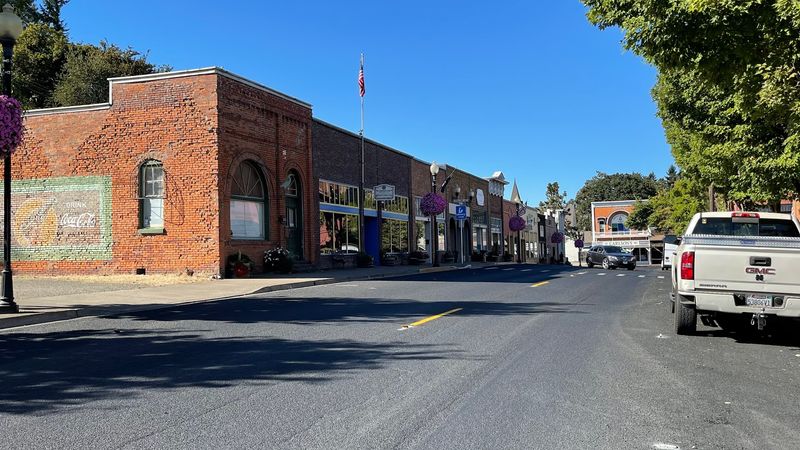
Brownsville holds a special place in Oregon history as one of the oldest continuously inhabited towns in the state. Pioneers settled here in the Willamette Valley back in 1846, and the town has barely blinked since.
The Linn County Pioneer Memorial Museum in Brownsville is a standout attraction. It houses an extraordinary collection of pioneer-era artifacts, tools, and documents that paint a vivid picture of early Oregon life.
Walking through the historic district feels like flipping through a living history book. Many of the homes and commercial buildings date to the 1800s and are still in excellent condition.
Film fans may recognize Brownsville as the filming location for the 1986 movie Stand By Me. The town played the fictional Castle Rock, and local pride in that connection runs deep.
The annual Pioneer Picnic, held every June, is one of Oregon’s longest-running community festivals. It has been celebrated continuously since 1887, which tells you everything about Brownsville’s commitment to its roots.
The Calapooia River runs along the edge of town, offering quiet spots for fishing and picnicking. The surrounding countryside is lush and green for most of the year.
Brownsville rewards slow exploration. The more time you spend here, the more stories you find hiding behind every old door and faded sign.
6. Granite, Eastern Oregon
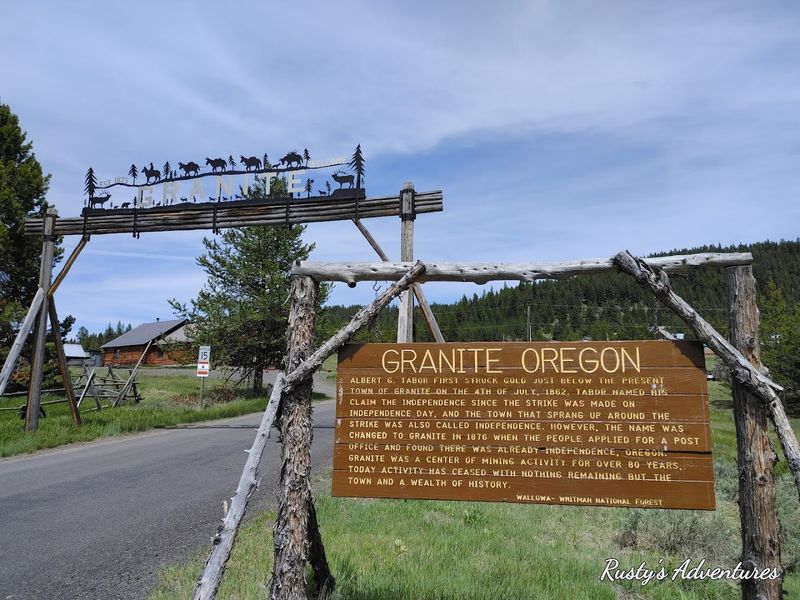
Granite is one of those places that makes you feel genuinely small in the best possible way. Perched high in the Blue Mountains of Eastern Oregon, this former mining town sits at over 4,600 feet elevation.
Gold was discovered here in the 1860s, and Granite quickly boomed into a rough-and-tumble mining settlement. At its peak, thousands of miners worked the surrounding hills and creeks.
Today, fewer than ten people live in Granite year-round, making it one of the least populated incorporated cities in the entire United States. The silence here is almost physical.
Old cabins, a historic saloon building, and remnants of mining operations are scattered throughout the area. Each structure carries the weight of a boom-and-bust story that shaped Oregon’s early identity.
The surrounding Wallowa-Whitman National Forest offers exceptional hiking and off-road driving opportunities. Granite acts as a base camp for adventurers exploring this rugged corner of the state.
Reaching Granite requires navigating winding mountain roads, which keeps casual tourist traffic low. That remoteness is a feature, not a bug, for visitors who want genuine solitude.
Granite does not try to sell you anything or perform for your expectations. It simply exists, quietly and honestly, in the mountains where it has always been.
7. Fossil, North-Central Oregon
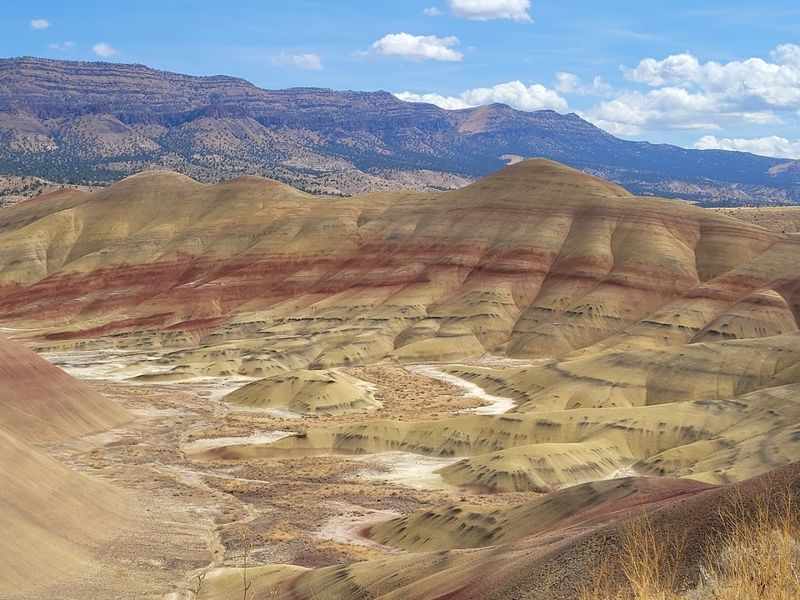
You can literally dig for real fossils right behind the local high school in this tiny North-Central Oregon town. Fossil earned its name honestly, and it delivers on that promise in a way few towns can claim.
The town sits in Wheeler County, one of the least densely populated counties in the entire country. The landscape here is all rolling hills, sagebrush, and ancient geological formations that tell stories millions of years old.
The fossil beds around Fossil date back roughly 33 million years to the Eocene epoch. Leaf fossils, insects, and occasionally larger specimens have been found in the shale deposits near town.
The Wheeler County Courthouse, built in 1901, anchors the modest downtown. It is a handsome building that seems almost too grand for a town this size, which only adds to its charm.
The Oregon Paleo Lands Institute operates nearby and offers guided tours and educational programs focused on the region’s remarkable geological heritage. It is an excellent resource for first-time visitors.
Fossil also serves as a gateway to the John Day Fossil Beds National Monument, one of the world’s richest fossil deposits. That monument is a short and scenic drive away.
Small, honest, and sitting on top of millions of years of history, Fossil is the kind of town that quietly rewrites your expectations of what a road trip stop can be.
8. Sumpter, Eastern Oregon
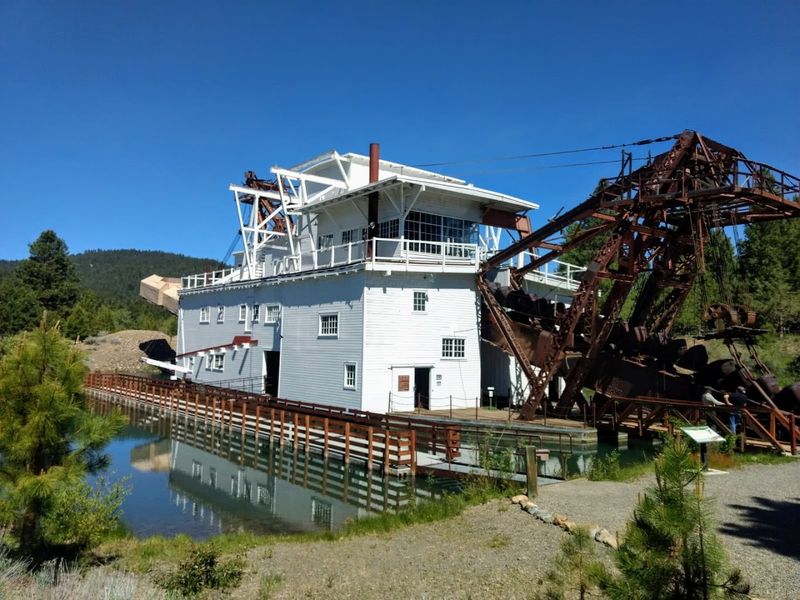
Sumpter has burned down and rebuilt itself multiple times, which tells you a great deal about the stubbornness of the people who chose to live here. Located in the Blue Mountains of Eastern Oregon, this former gold mining town still carries the scars and the spirit of its turbulent past.
The Sumpter Valley Gold Dredge State Heritage Area is the town’s most dramatic attraction. The massive dredge, which operated from 1935 to 1954, sits frozen in time beside a pond it created while mining the valley floor.
Walking around the dredge is a surreal experience. The machine is enormous, rusty, and somehow still impressive, a mechanical dinosaur from an era when gold fever drove men to reshape entire landscapes.
The Sumpter Valley Railway offers narrow-gauge train rides through the surrounding scenery. The historic train runs on weekends during warmer months and is a hit with families and history enthusiasts alike.
Downtown Sumpter is small but lively during summer weekends. Antique shops, a local museum, and a handful of eateries give the town a spirited, lived-in character.
The surrounding mountains offer excellent opportunities for snowmobiling in winter and hiking in summer. Sumpter functions as a four-season destination for outdoor lovers.
Few towns have earned their character as honestly as Sumpter. Every rebuilt wall and rusted relic is proof that some places simply refuse to disappear.
9. Vernonia, Northwest Oregon
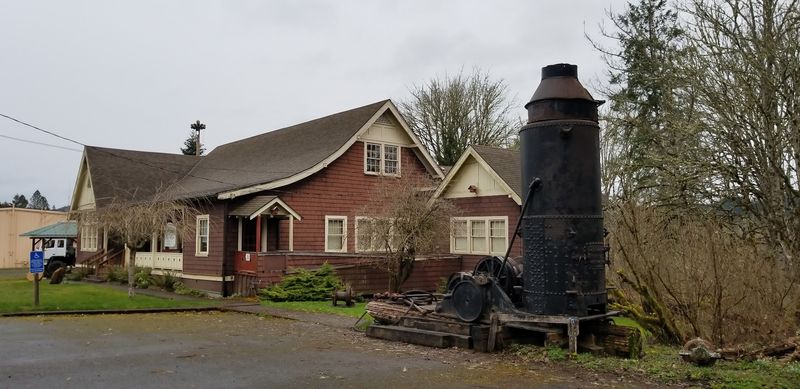
Lumber built Vernonia, and the forest still surrounds it on all sides, as if the trees never quite accepted that humans moved in. Located in the Coast Range foothills of Northwest Oregon, this compact town has a rugged, authentic character that feels completely unpolished.
The town’s logging heritage is everywhere you look. The Vernonia Pioneer Museum preserves tools, photographs, and stories from the logging camps that once defined daily life in this corner of Oregon.
Vernonia was also home to one of Oregon’s most significant early railroad operations. The historic Columbia County Courthouse and several original downtown buildings from the early 1900s remain standing and in use.
The Banks-Vernonia State Trail is a major draw for cyclists and hikers. This 21-mile paved trail follows a former railroad corridor through stunning forest scenery, connecting Vernonia to the town of Banks.
The trail passes over several impressive trestles, including the Buxton Trestle, which stands 80 feet above the forest floor. Crossing it on a bicycle with fog drifting through the trees below is genuinely memorable.
Vernonia sits about an hour from Portland, making it an easy day trip for city dwellers craving quiet. Yet it feels worlds away from urban life in every meaningful sense.
Vernonia does not ask for your attention loudly. It earns it slowly, through honest scenery and a community that has always known exactly who it is.
10. Shaniko, North-Central Oregon
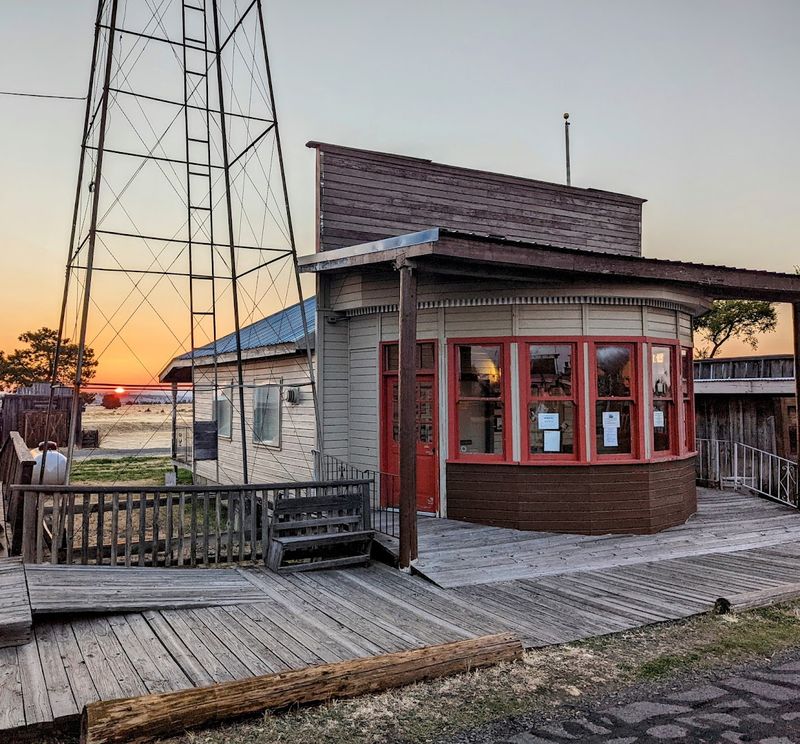
Shaniko does not just feel like another century. It feels like time simply stopped and forgot to restart.
This near-ghost town in north-central Oregon once held the title of Wool Capital of the World.
At its peak in the early 1900s, Shaniko was a booming railroad hub shipping massive quantities of wool and wheat. Then the railroad rerouted, and the town quietly faded into silence.
Today, only a handful of people call Shaniko home. The population hovers around thirty, making it one of Oregon’s most sparsely inhabited incorporated cities.
The original buildings are still standing, including the 1901 city hall, an old jail, and a historic hotel that has been partially restored. Wandering through town feels genuinely surreal.
The Shaniko Historic Hotel offers overnight stays for visitors brave enough to sleep in a building that predates World War One. Reviews consistently describe the experience as eerie and wonderful in equal measure.
The surrounding high desert landscape adds to the atmosphere. Flat sagebrush plains stretch in every direction, and the silence is almost total on a calm afternoon.
Photographers love Shaniko for its honest decay and wide open skies. Every peeling wall and rusted hinge tells a story that no museum exhibit could fully replicate.
