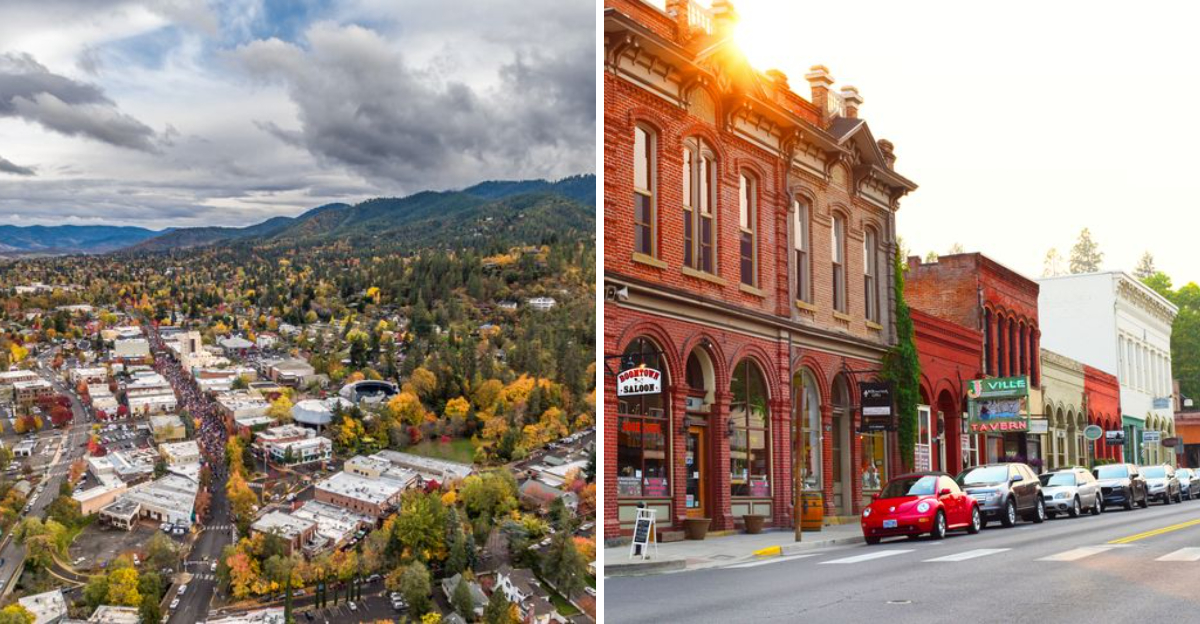
Oregon’s small towns have always held a special kind of magic, with their quiet streets, friendly locals, and stunning natural surroundings drawing people in search of peace and simplicity.
Over the years, word has spread about these hidden gems, and tourists have flocked to experience their charm firsthand.
While this attention has brought economic growth and new opportunities, it has also transformed the very essence of these communities in ways no one could have predicted.
From coastal havens to mountain retreats, these ten towns have felt the weight of their newfound fame, forever changed by the crowds that now call them vacation destinations.
1. Cannon Beach
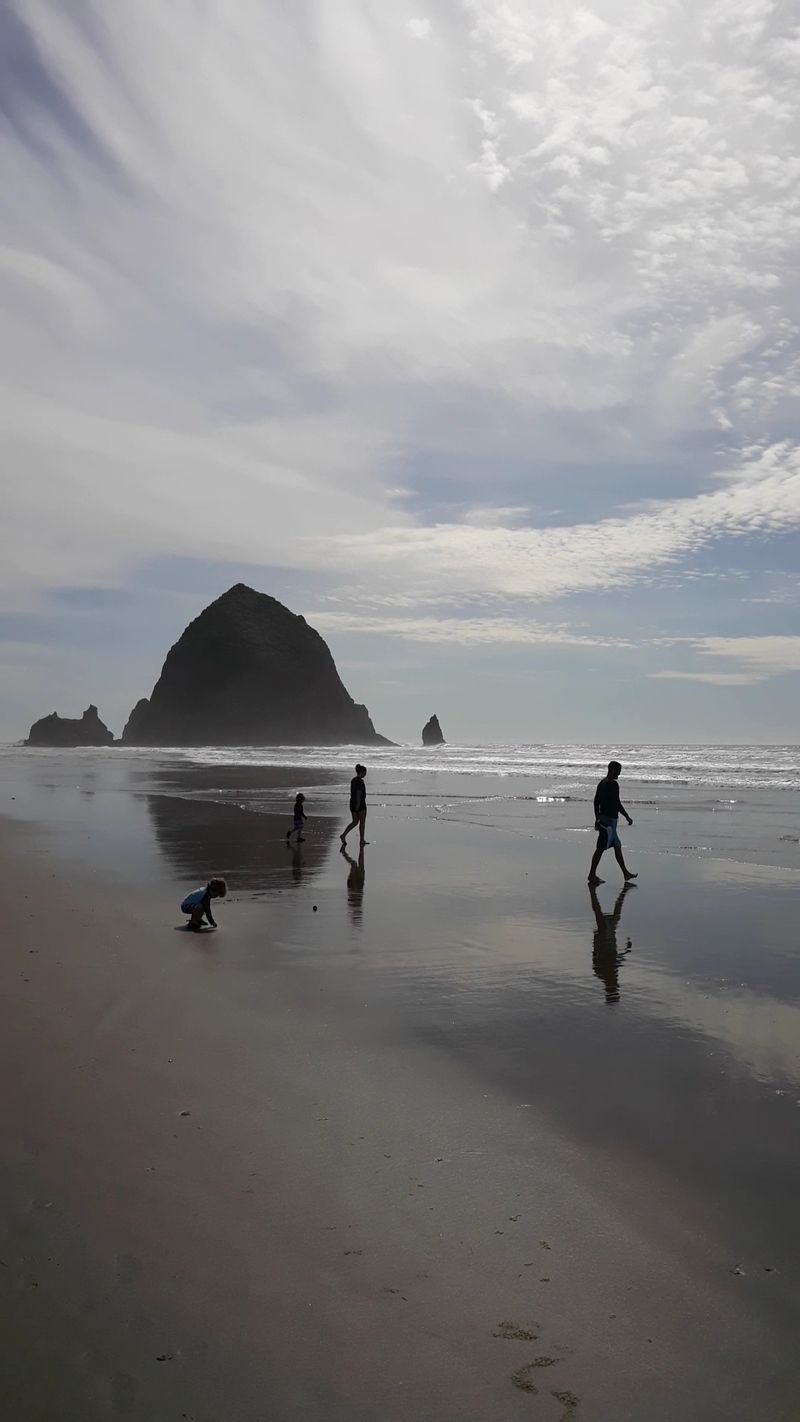
Cannon Beach used to be the kind of place where locals could stroll along the sand without dodging crowds or searching for parking spots.
The iconic Haystack Rock stood as a quiet sentinel, witnessed mostly by seagulls and the occasional beachcomber looking for tide pool treasures.
Back then, the town felt like a secret shared among those lucky enough to know about it.
Fast forward to today, and the scene has shifted dramatically.
Summer weekends bring bumper-to-bumper traffic through the narrow downtown streets, with visitors arriving by the thousands to snap photos of the famous rock formation.
The quaint shops and galleries that once catered to year-round residents now stock shelves with souvenirs and saltwater taffy aimed squarely at tourists.
Restaurants that used to offer cozy, intimate dinners now operate with wait times stretching past an hour during peak season.
Real estate prices have skyrocketed as vacation rentals have taken over entire neighborhoods, pushing out families who had lived there for generations.
The local coffee shop that once served as a morning gathering spot for fishermen and artists now fills with out-of-towners checking their phones and planning their day’s itinerary.
Even the beach itself feels different, with designated pathways and roped-off areas protecting the fragile ecosystem from the constant foot traffic.
While the town has certainly benefited from tourism dollars flowing into local businesses, many longtime residents quietly mourn the loss of the peaceful community they once knew.
The transformation has been so complete that some locals avoid downtown entirely during tourist season, waiting for the quieter months to reclaim their beach.
Cannon Beach remains beautiful, but it’s a beauty now shared with the world rather than cherished in solitude.
2. Hood River
Not so long ago, Hood River was a sleepy agricultural town where orchards stretched as far as the eye could see and the Columbia River flowed past without much fanfare.
Farmers tended their fruit trees, and the biggest excitement might have been the annual harvest or a high school football game.
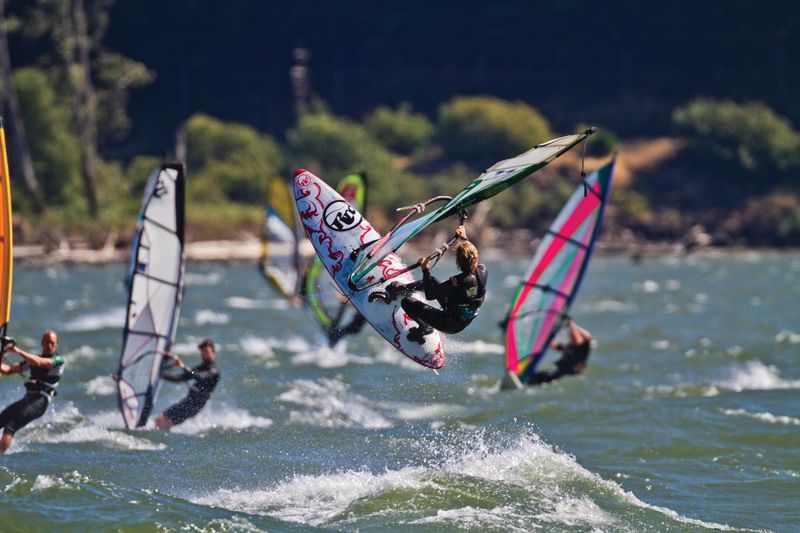
The discovery of world-class windsurfing conditions changed everything almost overnight.
Adventure seekers from around the globe began arriving with their boards and sails, transforming the waterfront into a playground for thrill-seekers.
What followed was a complete reimagining of the town’s identity.
Upscale restaurants replaced diners, craft breweries popped up on every corner, and wine tasting rooms became as common as gas stations.
The old downtown, once home to hardware stores and feed suppliers, now features boutique hotels, outdoor gear shops, and galleries selling expensive landscape photography.
Housing costs have climbed so high that many of the workers who keep the tourism industry running can no longer afford to live in town.
The orchards that defined Hood River’s character for decades are being sold off piece by piece to developers eager to build vacation homes with river views.
Traffic congestion has become a serious problem, especially on summer weekends when Highway 35 backs up with visitors heading to Mount Hood or wine country.
Local schools have seen enrollment drop as young families are priced out, replaced by wealthy retirees and second-home owners.
The transformation has brought undeniable prosperity, with new jobs and thriving businesses, but it has also created a community that feels less like home to those who remember the quieter days.
Hood River now caters to tourists first and residents second, a shift that has left many feeling like strangers in their own town.
3. Bend

Bend started as a humble lumber town where the smell of sawdust filled the air and mill workers made up the backbone of the community.
The Deschutes River ran through town largely unnoticed except by fishermen, and the surrounding mountains were appreciated mainly by locals who hunted and hiked them.
Then came the transformation of the Old Mill District, turning industrial ruins into a shopping and entertainment complex that would change Bend forever.
Suddenly, this quiet mountain town became a destination for outdoor enthusiasts, craft beer lovers, and wealthy urbanites looking for a mountain escape.
The population exploded as people relocated from California and Seattle, drawn by the promise of year-round recreation and a relaxed lifestyle.
Real estate values soared to levels that would have seemed impossible just twenty years ago, with million-dollar homes becoming commonplace.
The downtown core, once filled with practical businesses serving local needs, now features upscale restaurants, yoga studios, and shops selling thousand-dollar mountain bikes.
Traffic has become a daily headache, with rush hour congestion that rivals much larger cities.
The influx of tourists and new residents has strained infrastructure, from overcrowded trails to packed ski slopes at Mount Bachelor.
Long-time residents complain about losing the tight-knit community feel, where everyone knew their neighbors and looked out for each other.
The cost of living has risen so dramatically that service workers often commute from surrounding towns because they cannot afford Bend’s housing market.
While the economic benefits are obvious, with thriving businesses and cultural amenities that were unimaginable in the lumber days, something essential has been lost.
Bend has become a victim of its own success, attracting so many people seeking its small-town charm that the charm itself has been diluted almost beyond recognition.
4. Ashland
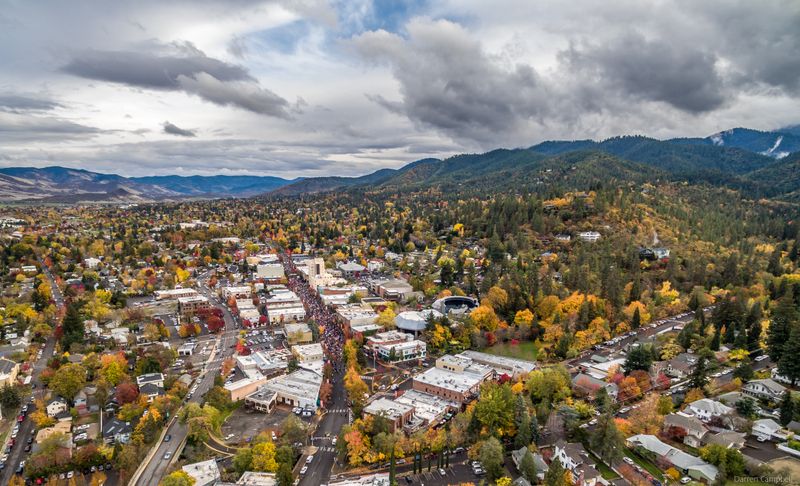
Before the Oregon Shakespeare Festival transformed it into a cultural mecca, Ashland was just another small southern Oregon town trying to make ends meet.
The plaza was quiet, businesses struggled, and young people left for bigger cities as soon as they graduated high school.
Then came the theater, and with it, a flood of culture-hungry visitors that would reshape the entire community.
What started as a modest summer festival grew into a year-round operation drawing hundreds of thousands of theater enthusiasts annually.
The downtown transformed into a sophisticated collection of restaurants, wine bars, and boutiques that would not look out of place in San Francisco or Portland.
Art galleries replaced hardware stores, and bed-and-breakfasts took over residential neighborhoods.
Property values climbed as wealthy patrons bought second homes to attend the theater season, pushing out working-class families who had lived there for generations.
The local economy became so dependent on the festival that when it faced financial troubles or cancelled seasons, the entire town felt the impact.
Schools saw demographics shift dramatically, with fewer children of blue-collar workers and more kids of artists, academics, and retirees.
The town developed a reputation for being expensive and exclusive, a far cry from its blue-collar roots.
Traffic during festival season became unbearable, with narrow streets never designed for such volume backing up for blocks.
Parking became so scarce that locals learned to avoid downtown entirely during peak times.
While Ashland gained cultural prestige and economic stability through the festival, it lost much of its authenticity and accessibility.
The transformation created a community that serves visitors exceptionally well but sometimes feels alienating to those who remember when it was just a regular small town.
5. Seaside
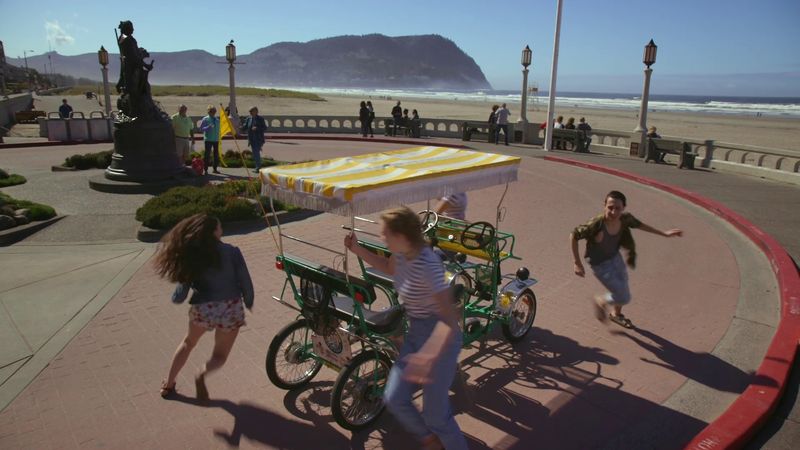
Seaside earned its reputation as Oregon’s original beach resort town over a century ago, but the transformation accelerated dramatically in recent decades.
What was once a genteel vacation spot with elegant hotels and quiet beaches has morphed into something resembling a carnival.
The famous promenade, which used to host leisurely evening strolls, now pulses with arcade noise and the smell of fried food.
Chain restaurants have replaced locally-owned diners, and souvenir shops selling cheap trinkets outnumber genuine businesses by a wide margin.
The town has embraced its role as a family-friendly tourist destination, but in doing so, it has sacrificed much of its original character.
Summer weekends bring traffic jams that can stretch for miles on Highway 26, with families from Portland making the pilgrimage to the coast.
The beach itself, while still beautiful, feels more like an outdoor amusement park than a natural retreat.
Volleyball nets, bonfires, and crowds of people leave little room for solitude or contemplation.
Housing has become increasingly unaffordable for service workers, many of whom commute from nearby towns to staff the hotels and restaurants.
The year-round population has dwindled as vacation rentals have taken over residential areas, creating ghost neighborhoods in the off-season.
Local schools struggle with declining enrollment and funding challenges.
The town’s infrastructure, built for a much smaller population, strains under the weight of summer crowds, with water and sewer systems pushed to their limits.
While Seaside has certainly prospered economically from tourism, the trade-off has been steep.
The peaceful beach town that once offered respite from urban life has become just another crowded destination, its unique identity buried under layers of commercialization.
6. Sisters
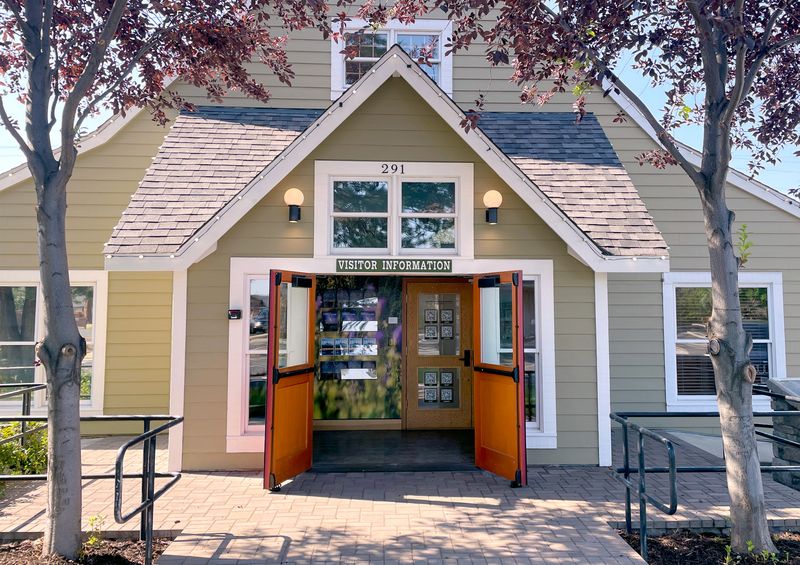
Sisters started as a genuine ranching and logging community where cowboys were real working men, not theme park characters.
The decision to adopt a mandatory Old West architectural theme in the 1970s set the town on a path that would fundamentally alter its identity.
What began as an attempt to attract tourists and boost the struggling economy succeeded beyond anyone’s wildest expectations.
Today, Sisters feels more like a carefully constructed movie set than an authentic mountain town.
Every building features false fronts and wooden boardwalks, creating a Disney-fied version of the Old West that never really existed.
The main street fills with tourists browsing quilt shops, art galleries, and boutiques selling expensive Western-themed home decor.
Real working ranches have given way to hobby farms owned by wealthy transplants who wanted the cowboy lifestyle without the actual work.
The annual Sisters Rodeo, once a genuine local event, has become a major tourist attraction that brings traffic chaos and crowds that overwhelm the small town.
Housing costs have skyrocketed as second homes and vacation rentals dominate the market, forcing many longtime residents to move to more affordable areas.
The schools have seen their character change as ranching families are replaced by retirees and remote workers from urban areas.
Local businesses that once served the needs of ranchers and loggers now focus exclusively on tourist dollars, selling goods that look rustic but are manufactured overseas.
The transformation has created economic prosperity but at the cost of authenticity.
Sisters has become a place where people come to experience a romanticized version of the Old West rather than the real, gritty community it once was.
The irony is not lost on old-timers who remember when the town was actually rough around the edges rather than just pretending to be.
7. Jacksonville
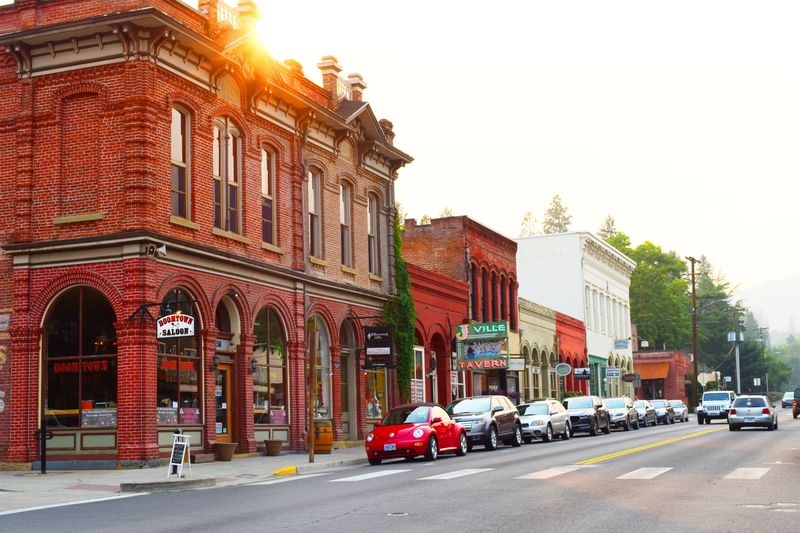
Jacksonville’s gold rush history gave it a collection of 19th-century buildings that eventually became both a blessing and a curse.
When the town was designated a National Historic Landmark in the 1960s, it seemed like a wonderful way to preserve the past.
Nobody predicted how completely this designation would reshape the community into a tourist-focused historic theme park.
The Britt Music Festival, held in a historic estate overlooking town, brought thousands of music lovers each summer and accelerated the transformation.
Antique shops and wine tasting rooms replaced hardware stores and grocery stores, making it increasingly difficult for actual residents to meet daily needs.
The strict historic preservation rules, while maintaining the town’s appearance, made it nearly impossible for regular people to afford property maintenance and improvements.
Wealthy retirees and second-home owners snapped up the historic houses, treating them as vacation properties rather than year-round homes.
The year-round population declined as families with children found it impractical to live in a town designed more for tourists than residents.
Local schools struggled with low enrollment, and the sense of community that once defined Jacksonville faded.
During Britt season, the town becomes overwhelmed with concertgoers, creating traffic nightmares and noise complaints from the few remaining full-time residents.
Parking becomes impossible, and the restaurants and shops that cater to festival crowds often close during the off-season, leaving the town feeling abandoned.
The historic designation that was supposed to preserve Jacksonville’s character has instead frozen it in amber, creating a beautiful but increasingly lifeless museum town.
Young people have no reason to stay or return, as there are few job opportunities beyond tourism-related work.
Jacksonville has become a victim of its own historic charm, transformed into a destination where people visit but rarely live.
8. Yachats
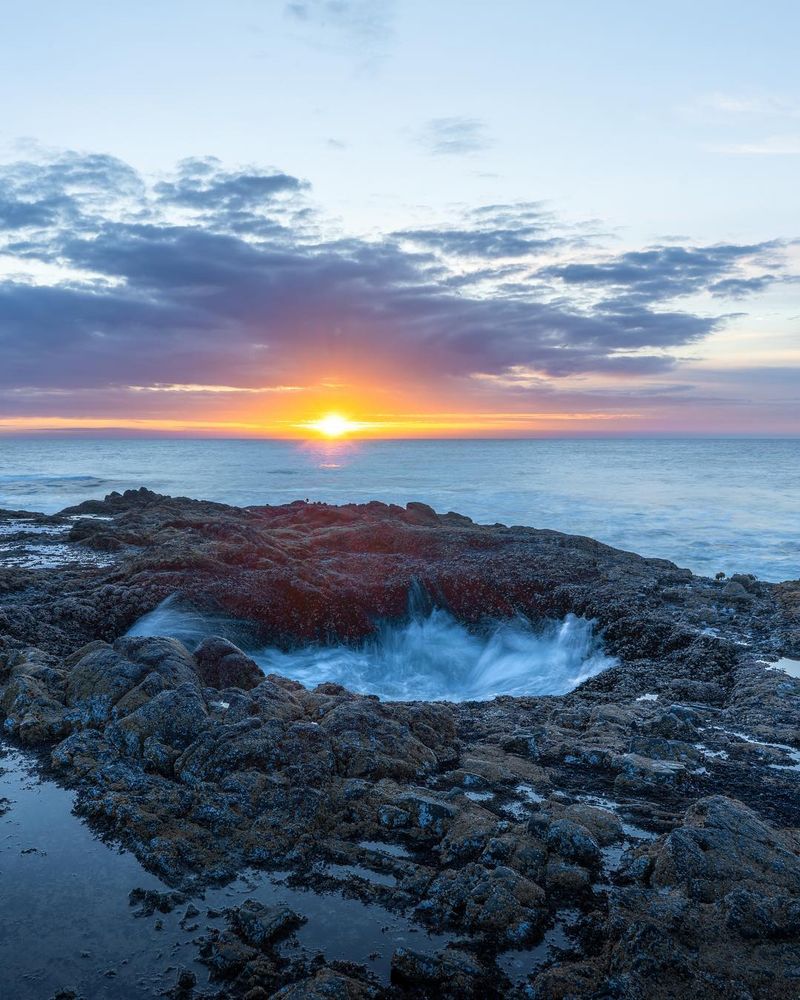
Yachats once embodied the term hidden gem, a tiny coastal village where artists and retirees enjoyed spectacular ocean views without the crowds found at more famous beaches.
The dramatic rocky coastline and tide pools attracted nature lovers who appreciated the raw beauty without needing fancy amenities.
Travel writers discovered Yachats and began describing it as the gem of the Oregon coast, setting in motion changes that would forever alter its character.
The trickle of visitors became a flood as people sought out this newly revealed secret.
Vacation rentals multiplied, taking over neighborhoods that once housed year-round residents.
The tiny downtown, which consisted of just a few blocks, became clogged with tourist traffic on summer weekends.
Restaurants that locals depended on for affordable meals shifted their menus upscale to cater to visitors with deeper pockets.
The famous tide pools, once peacefully explored by a handful of nature enthusiasts, now see hundreds of visitors daily during peak season, damaging the delicate ecosystems.
Real estate prices climbed to levels that made it impossible for working-class families to afford homes, transforming Yachats into a playground for the wealthy.
The local library and community center, which once served as gathering places for residents, now fill with tourists looking for free WiFi and bathroom facilities.
The famous Yachats Ocean Road, a scenic stretch perfect for quiet contemplation, now requires patience to navigate through the parade of rental cars stopping every few feet for photos.
Long-time residents report feeling like outsiders in their own town, especially during summer when tourists outnumber locals by huge margins.
The transformation has brought economic benefits to business owners but has hollowed out the community that made Yachats special in the first place.
The very qualities that made it a hidden gem have been compromised by too many people seeking to experience them.
9. Joseph
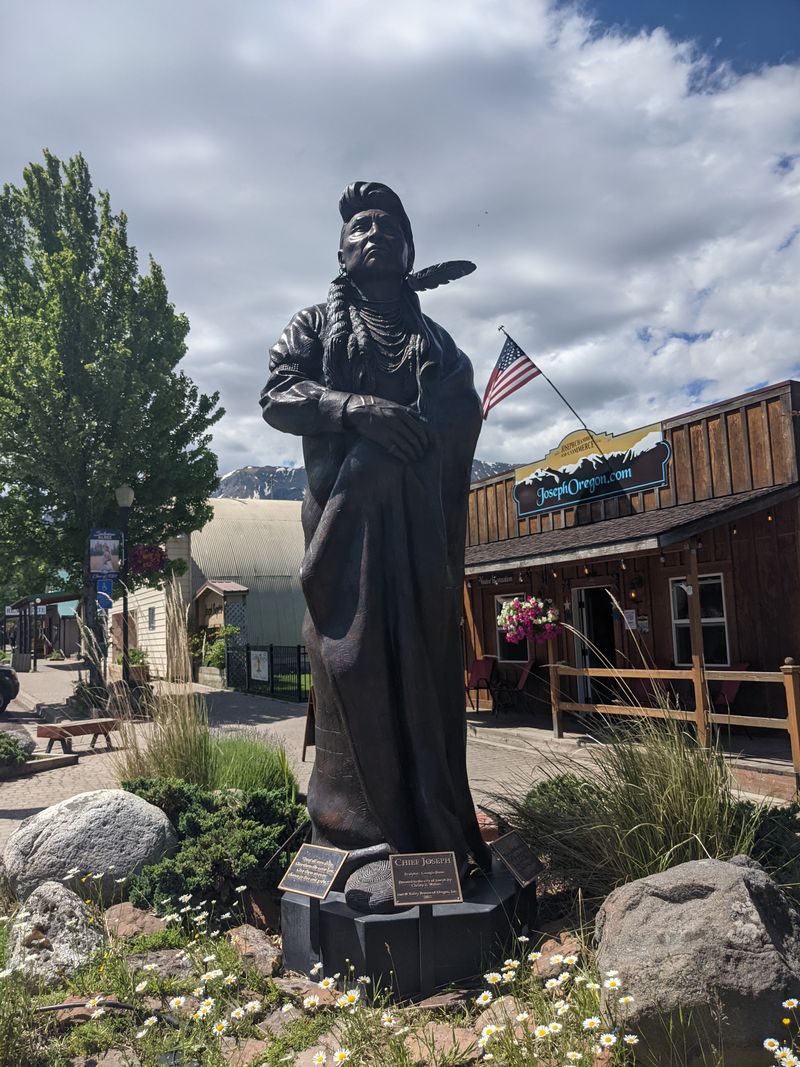
Joseph sat quietly in the Wallowa Mountains for decades, a ranching town far from major highways where life moved at a pace dictated by seasons and cattle.
The stunning mountain scenery, often called the Swiss Alps of Oregon, was appreciated mainly by locals who took it for granted.
A handful of bronze foundries and artists discovered Joseph in the 1980s, attracted by cheap real estate and inspiring landscapes.
What started as a small artist community gradually transformed Joseph into a destination for art collectors and tourists seeking mountain recreation.
Main Street evolved from practical businesses serving ranchers into a collection of galleries, bronze shops, and upscale restaurants.
The annual Chief Joseph Days rodeo, once a local tradition, became a major tourist event that brings crowds and commerce but also congestion and chaos.
Real estate values climbed as wealthy buyers from urban areas purchased ranches as vacation properties, driving up land prices and property taxes.
Long-time ranching families found themselves priced out of the market, unable to afford the taxes on land their families had owned for generations.
The character of the town shifted from working-class ranchers to wealthy artists and retirees, changing the social fabric completely.
Local schools saw enrollment decline as young families could no longer afford to live in the area.
The Wallowa Lake area, just a few miles from town, became so popular that summer weekends bring traffic jams and overcrowded trails.
What was once a peaceful mountain retreat now requires reservations months in advance for camping and lodging.
Joseph has gained recognition and economic stability through its transformation into an art town, but it has lost much of its ranching heritage and working-class character.
The mountains remain beautiful, but the community that once lived in their shadow has been fundamentally reshaped by outside money and tourist attention.
10. Manzanita
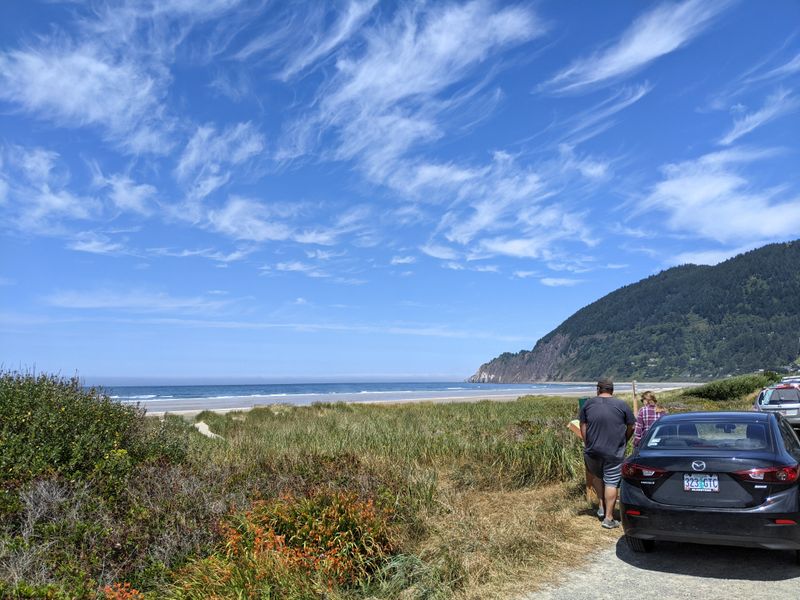
Manzanita managed to stay under the radar for years while nearby beach towns became overrun with tourists, maintaining its reputation as a quiet alternative.
The seven-mile stretch of sandy beach attracted those in the know, people who appreciated the lack of commercial development and tourist traps.
Social media changed everything, with Instagram posts and travel blogs revealing this hidden paradise to the masses.
The secret was out, and Manzanita began experiencing the kind of attention it had successfully avoided for decades.
Vacation rentals exploded in number, with homeowners realizing they could make more money renting to tourists than selling to families.
The year-round population declined as houses became investment properties rather than homes.
The small commercial district, which consisted of just a grocery store, a couple of restaurants, and a few shops, became overwhelmed on summer weekends.
The grocery store, once adequately stocked for the small community, now runs out of basics during peak times as tourists clean out the shelves.
Beach access points that used to have plenty of parking now require arriving early or circling for ages to find a spot.
The beach itself, while still less crowded than Cannon Beach or Seaside, no longer offers the solitude that once defined Manzanita’s appeal.
Housing prices have soared, making it impossible for service workers to live in town.
The local school saw enrollment drop as families were priced out, threatening its future existence.
Long-time residents who once knew everyone in town now find themselves surrounded by strangers who own property but visit only occasionally.
The transformation has been particularly painful because Manzanita’s entire appeal was based on being the quiet alternative, the place that had not sold out to tourism.
Now it faces the same challenges as every other coastal town, having lost the very quality that made it special.
Dear Reader: This page may contain affiliate links which may earn a commission if you click through and make a purchase. Our independent journalism is not influenced by any advertiser or commercial initiative unless it is clearly marked as sponsored content. As travel products change, please be sure to reconfirm all details and stay up to date with current events to ensure a safe and successful trip.
