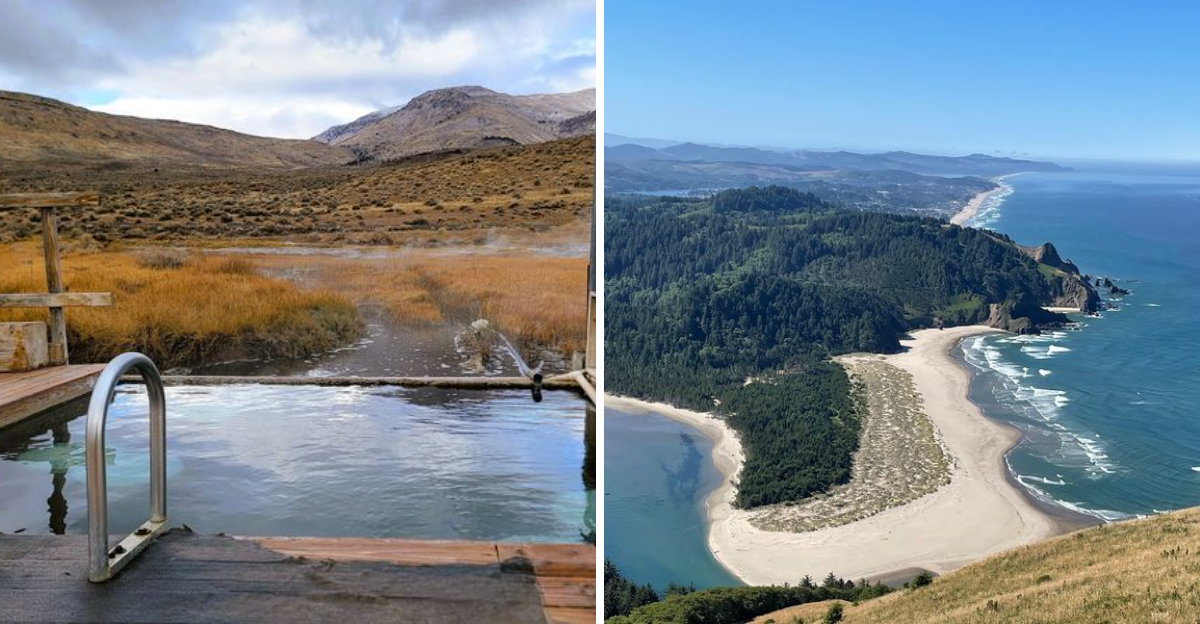
Spring in Oregon arrives with waterfalls swelling and wildflowers blooming and trails waking up from their winter rest. I started making a list of places to visit before the summer crowds descend on all the best spots.
Oregon has a season of adventure that feels like a secret window of perfect conditions and thinner crowds. The waterfalls are roaring with snowmelt and the valleys are carpeted in green and the weather is finally friendly again.
I hiked a trail that will be packed in July and had the whole viewpoint to myself on a crisp spring morning. Oregon really offers a sweet spot where you can experience the state’s beauty without fighting for parking or breathing someone else’s trail dust.
The wildflower displays are brief and brilliant and worth planning your whole week around if you time it right. I watched a waterfall cascade down a cliff while wild rhododendrons bloomed at its base like nature’s own floral arrangement.
The adventures range from easy walks to all day hikes so there is something for every fitness level and ambition. You leave with a full memory card and a smug feeling that you beat the crowds by showing up at the perfect time.
1. Oneonta Gorge Slot Canyon Hike, Columbia River Gorge, Oregon
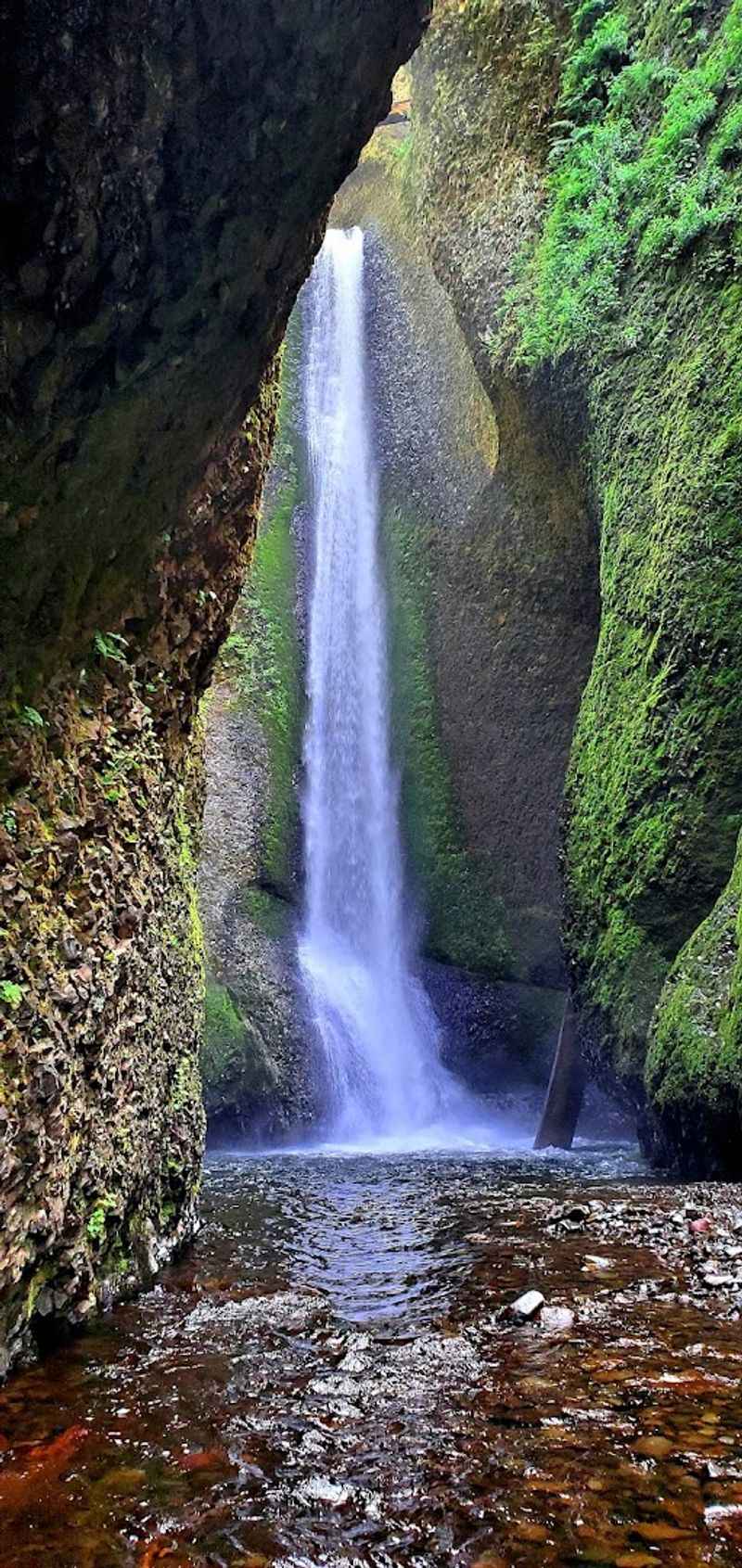
Cold water, slippery rocks, and walls so close you can touch both sides at once. That is the Oneonta Gorge experience, and it is absolutely worth every wet sock.
Located in the Columbia River Gorge in northern Oregon, this slot canyon hike is one of the most visually striking short trails in the entire Pacific Northwest. The canyon walls rise sharply on both sides, dripping with moss and ferns that thrive in the cool, mist-heavy air.
Spring is the ideal time to visit. The stream running through the canyon is manageable, and the surrounding vegetation is at its most vivid green.
By summer, the logjam at the entrance draws massive crowds and makes access harder.
The hike itself is short, roughly a quarter mile each way. But do not let that fool you.
You will be wading through knee-deep water and scrambling over a debris pile of logs at the start.
Wear water shoes or old sneakers you do not mind soaking. Bring a dry bag for your phone and any gear you want to keep dry.
Go early in the morning to beat the small but growing crowds that have discovered this place.
At the end of the canyon, a small waterfall rewards your effort with a scene so perfect it barely looks real. Oregon has a habit of doing that to you.
2. Painted Hills Wildflower Bloom, John Day Fossil Beds, Oregon
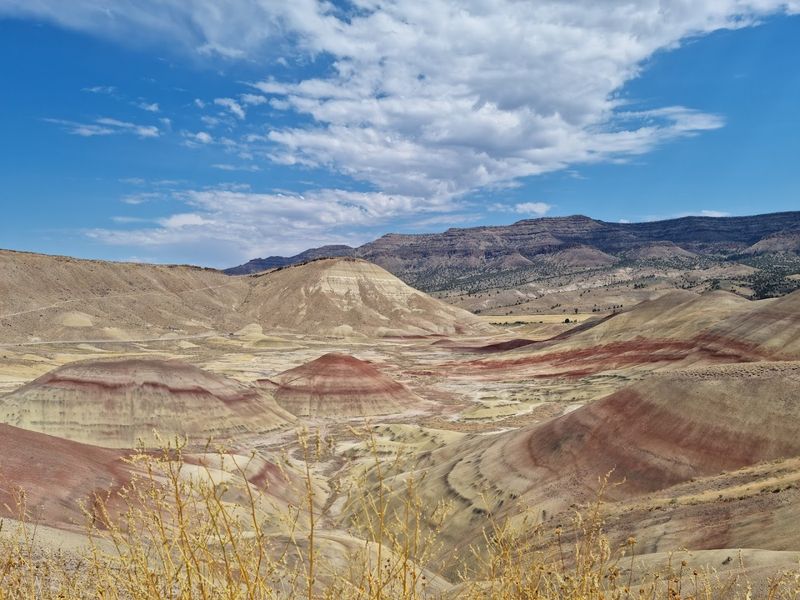
Picture a landscape that looks like someone mixed watercolors directly into the earth. The Painted Hills unit of John Day Fossil Beds National Monument, located near Mitchell in central Oregon, delivers exactly that kind of surreal scenery.
The red, gold, black, and tan bands of color in the hills come from millions of years of ancient volcanic deposits. Spring adds a bonus layer of beauty when yellow wildflowers bloom across the base of the hills, creating a contrast that photographers absolutely lose their minds over.
Peak bloom typically happens between late March and mid-April, depending on rainfall. The timing shifts year to year, so checking with the park before you go is a smart move.
The area sits about three hours from Portland, making it a solid road trip destination rather than a quick day trip from the city. Plan to spend at least a full day here.
There are several short loop trails that take you close to the hills without damaging them. Staying on the marked paths is important because the fragile soil crust around the hills erodes quickly under foot traffic.
Sunrise and sunset light transform the colors of the hills dramatically. If you can manage an overnight stay in Mitchell or camp nearby, catching the hills in golden hour light is an experience you will talk about for years.
3. Sea Lion Caves and Heceta Head Lighthouse, Florence, Oregon
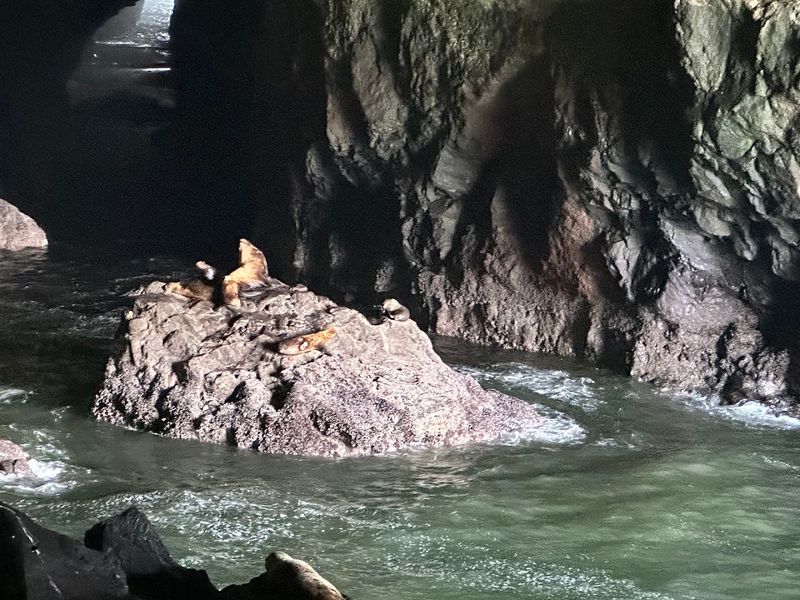
Few coastal stops in Oregon pack as much personality into one stretch of highway as this pairing along the central coast near Florence. Sea Lion Caves is the only known mainland rookery for wild Steller sea lions in the United States, and spring is when the colony is loudest, smelliest, and most entertaining.
An elevator takes you down into a massive sea cave carved into the cliff face. Inside, dozens of sea lions bark, sleep, and argue with each other on the rocky ledges below.
The noise alone is worth the trip.
Just a short drive north sits Heceta Head Lighthouse, one of the most photographed lighthouses on the entire West Coast. Built in 1894, it stands 56 feet tall and is still an active aid to navigation.
Spring brings lush green hillsides and wildflowers along the trail leading up to the lighthouse. The walk is easy and the views over the Pacific are wide open and dramatic.
You can stay overnight in the lighthouse keeper’s quarters, which have been converted into a bed and breakfast. Booking fills up fast, especially for spring weekends, so reserving early is strongly recommended.
Combining these two stops makes for a full and satisfying day on the Oregon coast. The contrast between the wild chaos of the sea lions and the quiet elegance of the lighthouse is oddly perfect.
4. Rowena Crest Balsamroot Bloom, Tom McCall Preserve, Oregon
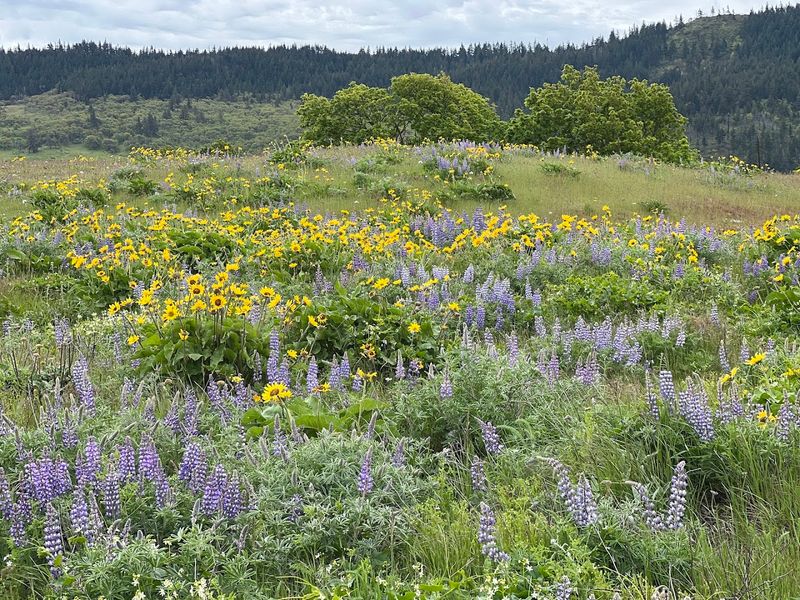
Every spring, a hillside above the Columbia River transforms into a carpet of gold so thick it is almost hard to believe it is not staged. Tom McCall Preserve near Rowena, in the eastern Columbia River Gorge, is one of the best wildflower destinations in the entire state of Oregon.
Arrowleaf balsamroot and purple lupine bloom together here in April and May, creating a color combination that draws hikers, photographers, and casual visitors from across the region. The trail system is simple and well-marked, with the upper plateau offering panoramic views of the Columbia River below.
The preserve is managed by The Nature Conservancy and access is free. That said, parking at the Rowena Crest Viewpoint fills up fast on weekends during peak bloom.
Arriving before 8 a.m. on weekends is not an exaggeration as a recommendation.
The hike to the upper plateau is about two miles round trip with moderate elevation gain. The views from the top stretch across the river into Washington state, giving you a sense of just how grand the gorge really is.
Spring weather in this part of the gorge can be unpredictable. Layers are your best friend, and a light rain jacket tucked into your pack will save you more than once.
The drive along Historic Highway 30 to get here is gorgeous on its own and worth taking slowly.
5. McKenzie River Trail Run or Hike, Willamette National Forest, Oregon
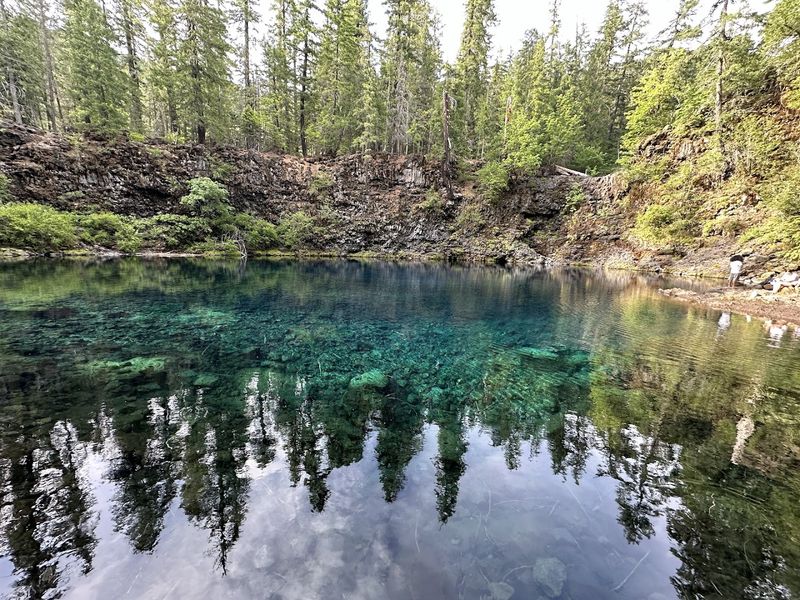
The McKenzie River Trail is the kind of path that makes you feel like you have stepped into a fantasy novel. Running alongside the McKenzie River in the Willamette National Forest of central Oregon, this trail stretches roughly 26 miles through ancient lava flows, old-growth forest, and past waterfalls that thunder with snowmelt in spring.
Spring is the best season for this trail. The river runs fast and impossibly clear, the color of glacial mint, and the surrounding old-growth Douglas fir and cedar trees are alive with birdsong and new growth.
You do not need to tackle all 26 miles. Several trailheads allow for shorter out-and-back hikes of four to eight miles.
The section near Tamolitch Pool, also called the Blue Pool, is among the most popular and rewarding short stretches.
Tamolitch Pool sits at the base of a dry waterfall section of the river. In spring, the pool fills with icy blue water fed by underground lava tubes, and the sight of it is genuinely jaw-dropping.
Trail runners love this route for its smooth, rooted surface and manageable grade. It is considered one of the top trail running destinations in the Pacific Northwest.
The nearest town for supplies and lodging is McKenzie Bridge. Booking accommodation early for spring weekends is a good idea, as this trail has earned a loyal following among outdoor enthusiasts across the region.
6. Alvord Desert Hot Springs and Steens Mountain, Harney County, Oregon
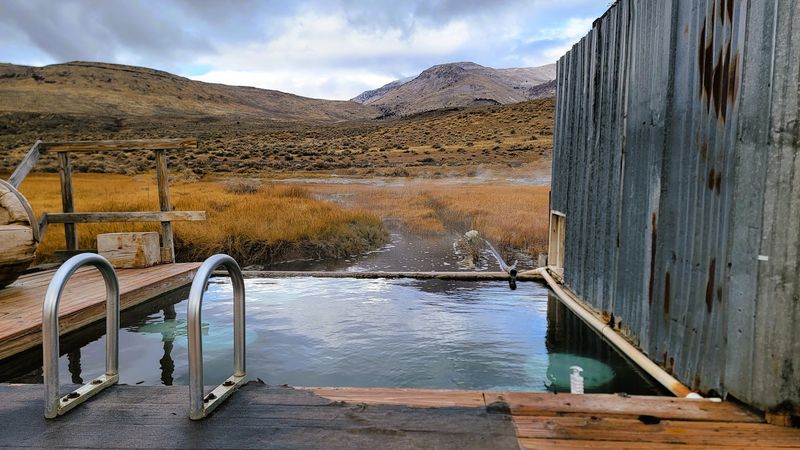
Oregon’s southeastern corner feels like another planet, and that is not an overstatement. The Alvord Desert is a flat, white playa stretching across Harney County, framed by the dramatic eastern face of Steens Mountain, which still holds snow well into spring.
The hot springs sit right at the edge of the playa, fed by geothermal water that seeps up through the earth. Soaking in the open-air pools while staring at the snow-dusted peaks of Steens Mountain above you is one of those experiences that genuinely recalibrates your sense of what is possible on a weekend trip.
Spring is an ideal time to visit. Temperatures are cooler than summer, the playa may still hold shallow water from winter rains, and the mountain snowpack creates a striking visual backdrop.
Steens Mountain itself is accessible by a 66-mile loop road that opens when snow clears, typically in late spring. The road climbs to nearly 10,000 feet and offers views across four states on a clear day.
This area is remote. The nearest services are in Fields, a tiny community with a diner and a small store.
Fuel up before heading out here and bring more water than you think you need.
Cell service is essentially nonexistent. Download offline maps before leaving pavement, and embrace the quiet.
The Alvord is one of the least-visited spectacular places in the entire American West.
7. Multnomah Falls and Wahkeena Loop, Columbia River Gorge, Oregon
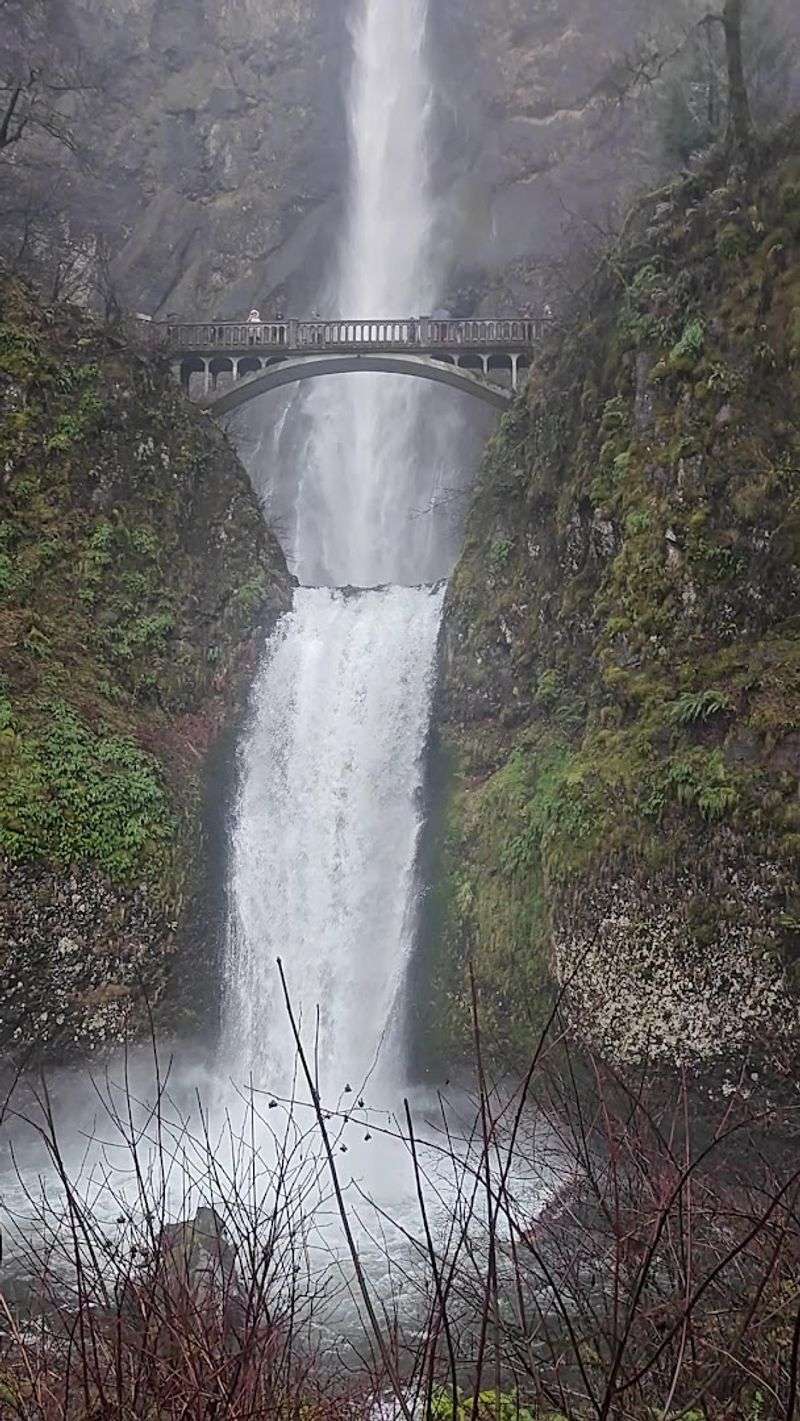
Multnomah Falls needs no introduction, but spring gives it a whole new personality. Oregon’s tallest waterfall, located in the Columbia River Gorge about 30 miles east of Portland, roars with snowmelt in April and May, turning the already-famous cascade into something truly thunderous.
The falls drop 620 feet in two tiers, and the mist at the base is thick enough in spring to soak your jacket within minutes. Standing on the iconic Bainbridge Bridge with that wall of water behind you is a rite of passage for anyone visiting Oregon.
The real adventure begins when you continue past the falls on the Wahkeena Loop. This roughly five-mile trail connects Multnomah Falls to Wahkeena Falls and several smaller cascades along the way, offering a full gorge hiking experience rather than just a quick viewpoint stop.
Spring wildflowers line sections of the trail, and the forest canopy is just beginning to fill in, letting shafts of light break through in ways that feel almost theatrical.
Parking at Multnomah Falls Lodge requires a timed permit from April through October. Booking your permit in advance through Recreation.gov is mandatory and fills up weeks ahead.
Alternatively, park at Wahkeena Trailhead and hike to Multnomah from there. It adds a bit of distance but sidesteps some of the congestion at the main lot.
Either way, the trail is worth every step.
8. Smith Rock Sport Climbing and Hiking, Terrebonne, Oregon
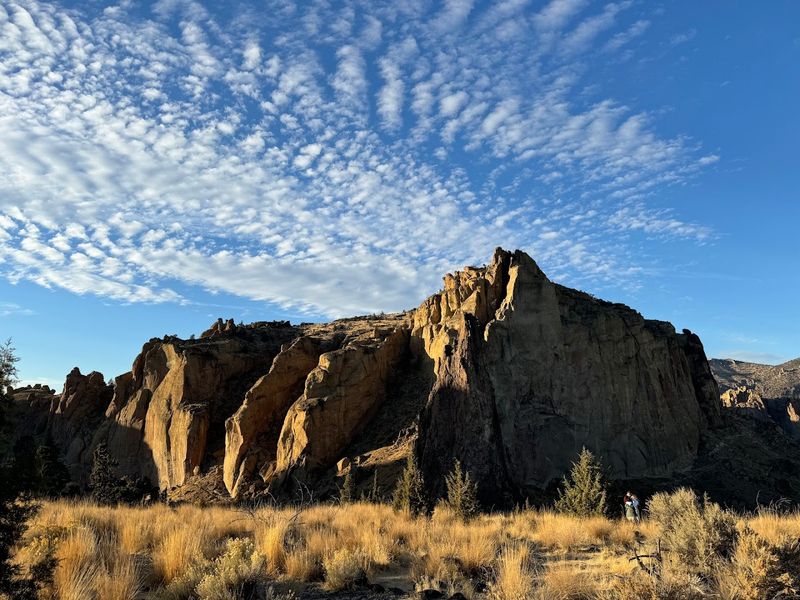
Smith Rock State Park near Terrebonne in central Oregon is widely credited as the birthplace of American sport climbing. That alone gives it a certain legendary status among outdoor enthusiasts, but you absolutely do not need to climb to have an unforgettable visit here.
Spring is the sweet spot for Smith Rock. Summer temperatures in this high desert region can climb well above 90 degrees, but April and May bring mild, dry days that are perfect for hiking and climbing alike.
The Misery Ridge Trail is the park’s most popular hike, a steep but rewarding loop that takes you up to a viewpoint above the Crooked River with the towering rock formations rising all around you. The name sounds intimidating, but most reasonably fit hikers complete it without serious trouble.
Climbers come from around the world to tackle routes on Monkey Face, a distinctive volcanic spire that rises from the canyon floor. Watching experienced climbers work their way up the face from the trail below is entertaining even if you keep your feet on the ground.
Wildlife sightings are common in spring. Golden eagles nest in the cliffs, river otters have been spotted along the Crooked River, and mule deer wander through the sagebrush at dawn and dusk.
Camping inside the park is available but limited. Reservations open months in advance and disappear quickly for spring weekends, so planning ahead is not optional here.
9. Cascade Head Wildflower Meadows and Coastal Views, Lincoln City, Oregon
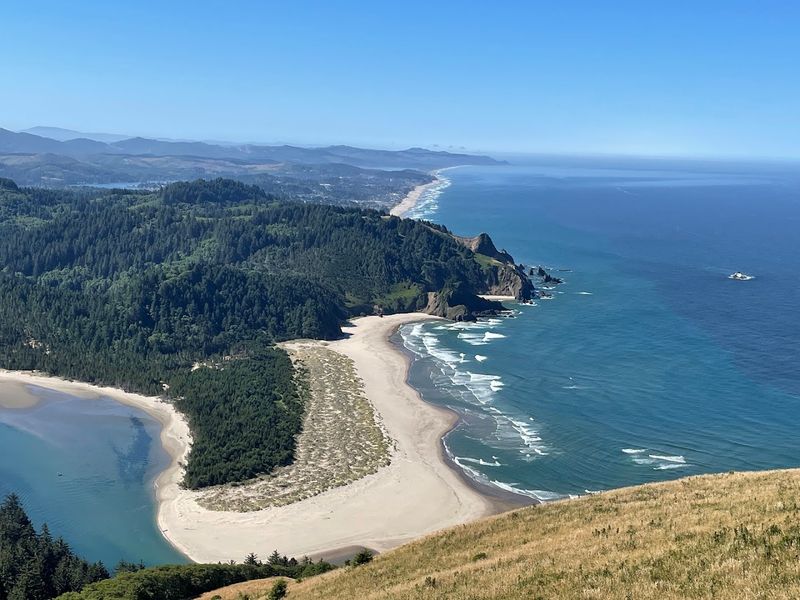
Cascade Head is one of those places that feels like a secret even though it has been a protected nature preserve for decades. Located just north of Lincoln City on the northern Oregon coast, this headland rises steeply from the ocean and opens into rare native grassland meadows that burst with wildflowers each spring.
The upper meadows are home to one of the last remaining populations of the Oregon silverspot butterfly, a threatened species that depends on the native violet plants growing here. Spring visits offer a chance to see the meadows at their most lush before summer dries things out.
The trail system at Cascade Head has two main access points. The upper trailhead on Three Rocks Road provides the shorter route to the meadows, while the lower Sitka Center trail winds through old-growth Sitka spruce forest before climbing to the open headland above.
Views from the top stretch across the Pacific and down the coast toward Lincoln City. On a clear spring day, the combination of ocean blue, meadow green, and coastal wildflowers creates a scene that feels almost too good to be real.
The upper trail is closed seasonally to protect the butterfly habitat, typically from January 1 through July 15. Checking current access rules with the Nature Conservancy before planning your visit is essential.
Lincoln City has solid lodging options for all budgets, and the coastal town itself is worth a slow morning stroll before hitting the trail.
