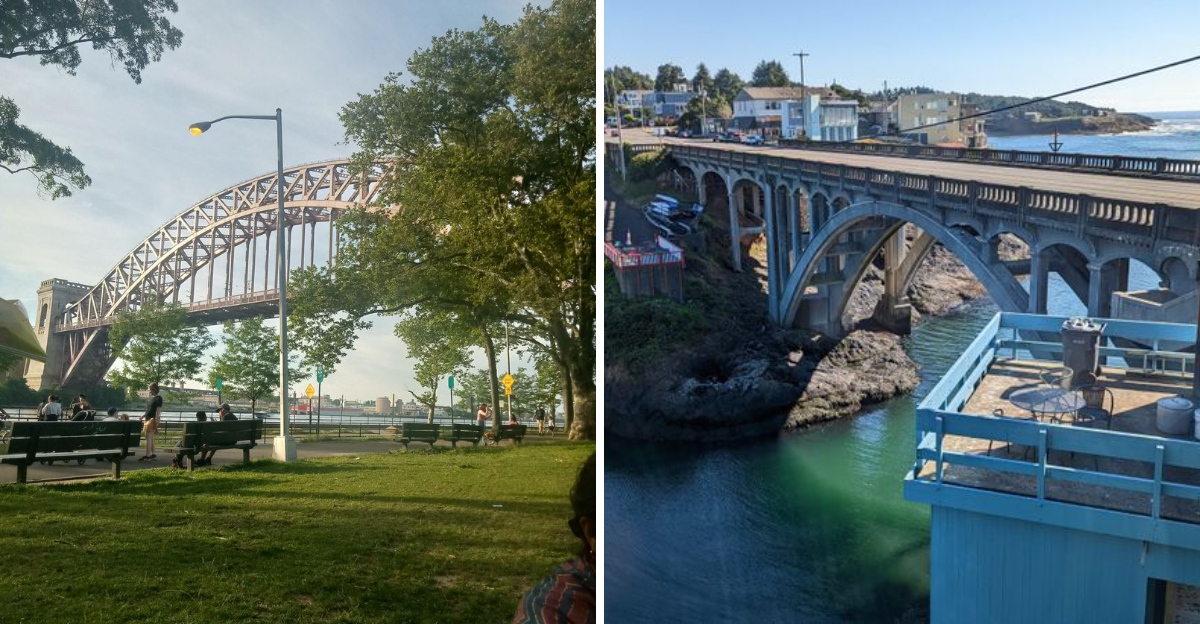
Oregon keeps surprising travelers, and locals feel the ripple in everyday life. Quiet streets turned lively, storefronts revived, and trailheads now buzz where only birdsong used to carry. You will see beauty, but you will also notice the tradeoffs, from creative small businesses to tighter housing markets. This list helps you navigate both sides, so your visit supports the places you love.
1. Cannon Beach
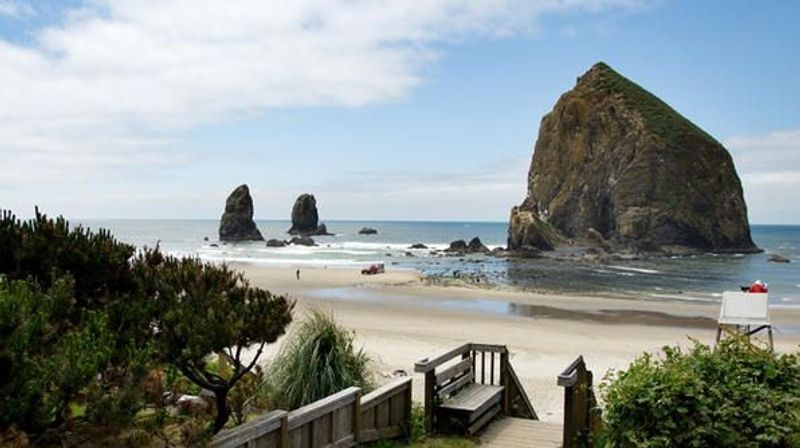
Cannon Beach grew from a quiet coastal hideaway into a signature Oregon postcard, and the shift shows on every block.
Art galleries line Hemlock Street, and the sidewalks fill with visitors who time their walks with the tide.
The address for downtown exploration centers around Hemlock St and 2nd St, Cannon Beach, OR 97110.
Haystack Rock still anchors the view, and locals work with stewardship groups to protect tide pools and nesting birds.
Parking zones and shuttles try to ease congestion, which helps residents get around without losing precious time.
New inns and remodeled cottages reflect investment, while long time neighbors advocate for thoughtful growth.
Creative studios benefit from foot traffic, and festivals showcase coastal makers who once sold mainly by word of mouth.
Early mornings remain the insider window, when the beach opens wide and the gulls set the rhythm.
You will find public restrooms, beach accesses, and clear signage that make visiting simple and respectful.
Storm watching brings winter romance, yet lifeguard advisories and surf warnings deserve careful attention.
Shops offering locally made ceramics and prints tell the modern story, which is part commerce and part community pride.
Rental rules adapt as seasons shift, aiming to balance hospitality with stable neighborhoods.
The Coaster Theatre Playhouse adds evening energy without crowding the shoreline.
Side streets hold hidden courtyards and pocket gardens that feel like an artist’s sketchbook brought to life.
When fog lifts, the beach becomes a corridor, and every step shows why people keep arriving.
It is beautiful here, and it is busy, so kindness goes a long way on the sand.
2. Astoria
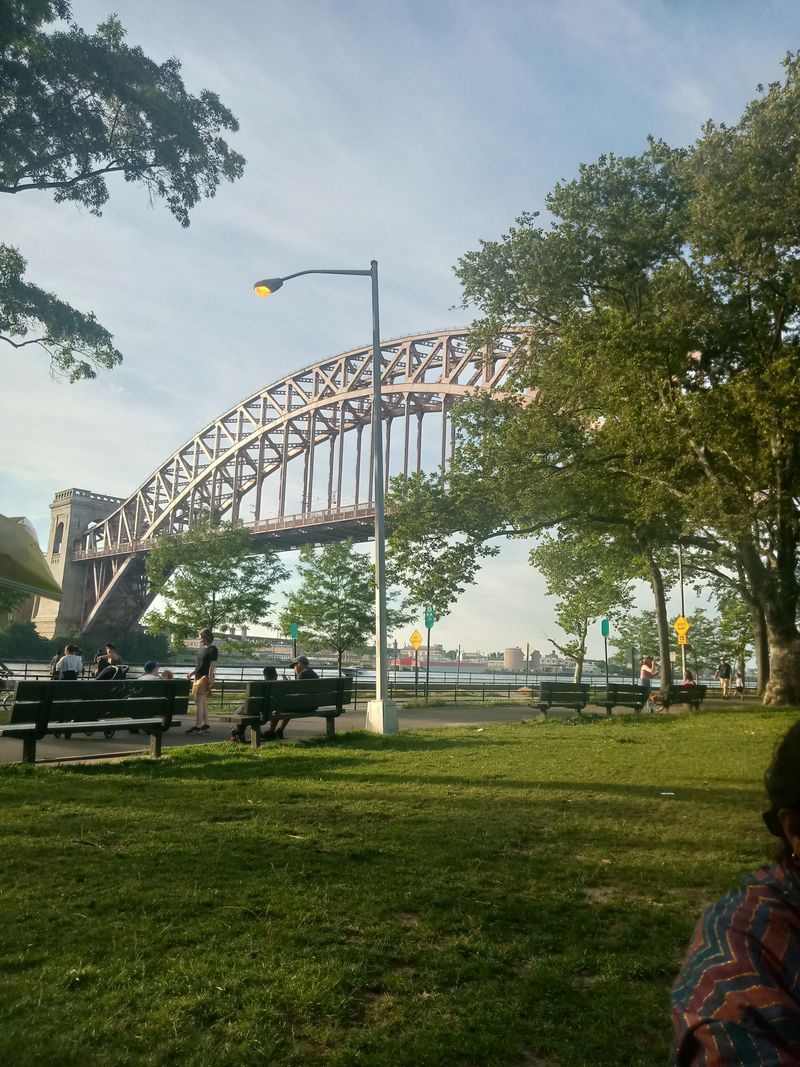
Astoria turned its deep river history into a vibrant waterfront playground, and the transformation wraps around the hills.
Warehouses found second lives, and the Riverwalk hums with joggers, strollers, and folks just watching ships slide by.
Main riverfront access orients near 349 12th St, Astoria, OR 97103.
The Columbia shows up in every window, and maritime murals cue you to look closer at the past.
Local museums highlight pilot boats and bar pilots, urging visitors to respect the river’s power.
Boarded facades reopened as studios and small accommodations, bringing light to blocks that once went quiet early.
The trolley bell is cheerful, and it helps reduce short trips that add to parking stress.
Side streets climb sharply, and porches frame views that stretch beyond the bridge into Washington.
You will find promenades with benches, interpretive signs, and safe crossings that keep sightseeing easy to pace.
Film history adds quirk, yet the day to day rhythm feels like a working town first.
Longtimers point to neighborhood character, and new projects try to match that scale.
Storm season brings drama, and gallery nights make winter social even when rain taps windows.
Visitor centers share trail maps, ferry lore, and access points that spread people out.
Historic districts keep their trim colors lively, reminding everyone place matters as much as attractions.
From the river to the ridge, Astoria’s revival invites curiosity, not just snapshots.
Bring patience for narrow streets, and you will see how Oregon’s oldest city keeps writing new chapters.
3. Hood River
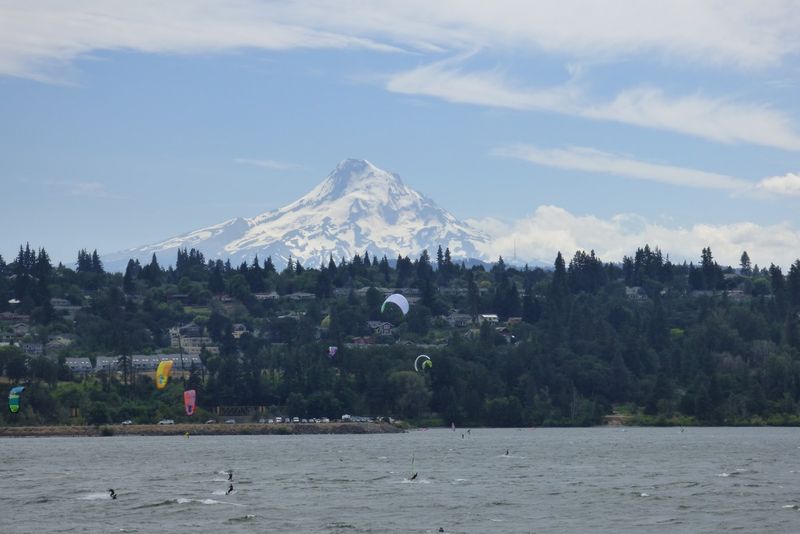
Hood River reinvented itself around wind, trails, and Gorge views, and the downtown now feels tuned to movement.
Windows glow with gear displays, and sidewalks turn into informal meetups after sessions on the river.
Downtown orientation sits near 201 Oak St, Hood River, OR 97031.
Waterfront Park shaped a new social center, and paths link play areas with shaded benches.
The old mill vibe lingers in brick details, while fresh storefronts lean into light and simple materials.
Shuttles and bike lanes help ease parking crunches that arrive with blue sky forecasts.
Apple and pear orchards skirt town, and roadside stands still feel personal despite busier weekends.
Trailheads nearby draw runners and riders who plan dawn starts to beat midday crowds.
You will find clear wayfinding, restrooms, and viewpoints that open like picture frames.
Seasonal breezes make weather apps a habit, and layered clothing saves the day.
Lodging choices expanded, and locals push for workforce housing that keeps teachers and baristas close.
Public plazas host markets, which spread out traffic and give small makers steady exposure.
Historic neighborhoods hold quiet pockets where evening light pools softly on porches.
The rail bridge and span lines color sunsets, hinting at distance even when you stand still.
Visitors who park once and walk discover how compact the grid really is.
This corner of Oregon shows how recreation can power a town without erasing its orchard roots.
4. Sisters
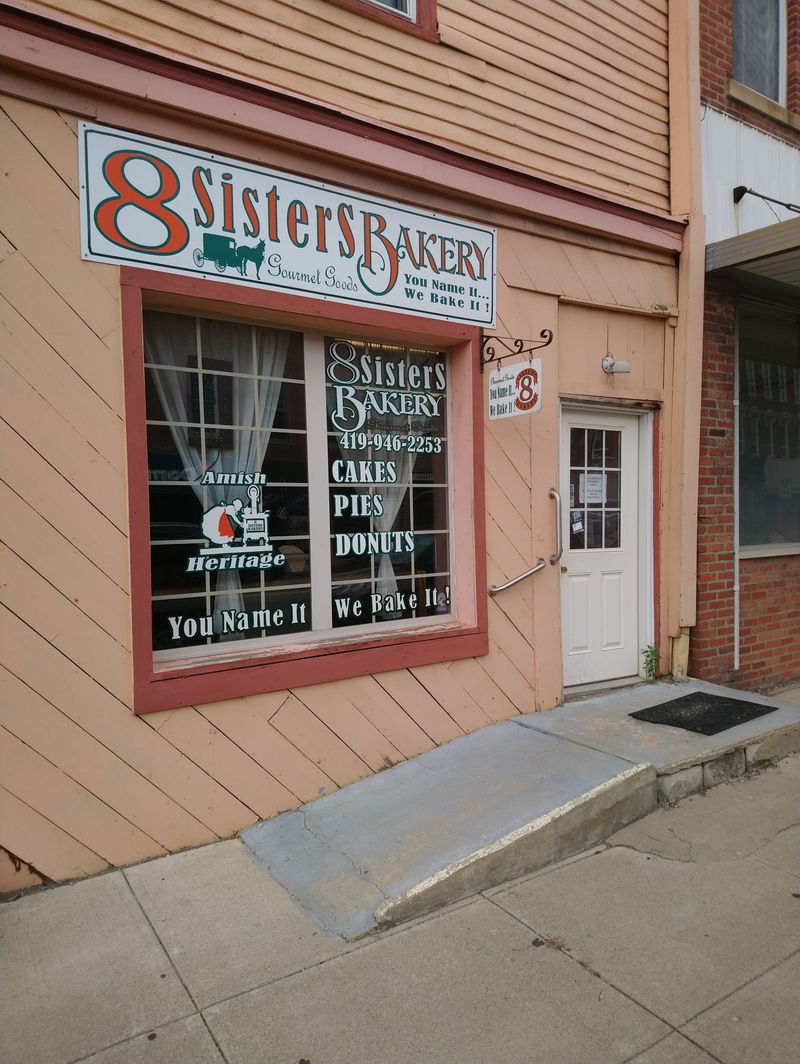
Sisters wears its Western theme with care, and tourism magnified that stage set into a lived in streetscape.
Boardwalk style fronts, flower baskets, and mountain angles make strolling feel cinematic without turning kitsch.
Town center navigation starts near 270 S Elm St, Sisters, OR 97759.
Outdoor stores sit beside quilting studios, and the mix means families spread out comfortably.
Event weeks changed traffic patterns, adding signage and crossing guards that keep walkers safe.
Local parks offer shaded tables, which become calm anchors when downtown gets busy.
Small inns multiplied, and neighbors keep an eye on year round rentals so workforce housing survives.
Trailheads to the Three Sisters region push demand, and clear maps protect fragile routes.
You will notice storefronts using reclaimed wood, a nod to mill history that feels honest.
Artists illustrate peaks and ponderosa bark, and prints hang in lobbies with quiet pride.
Side streets bring stillness, and the scent of pine weaves through open windows.
Wayfinding signs point to bike corridors, letting riders skip high traffic stretches.
Evenings cool quickly, and stargazing proves how dark the sky remains beyond town lights.
Public restrooms and pocket parks make family logistics easy, even during peak weekends.
Newcomers arrive for scenery, then stay for small town rhythms that reward patience.
In central Oregon, Sisters shows how careful design and trail culture can welcome visitors while keeping local roots.
5. Ashland
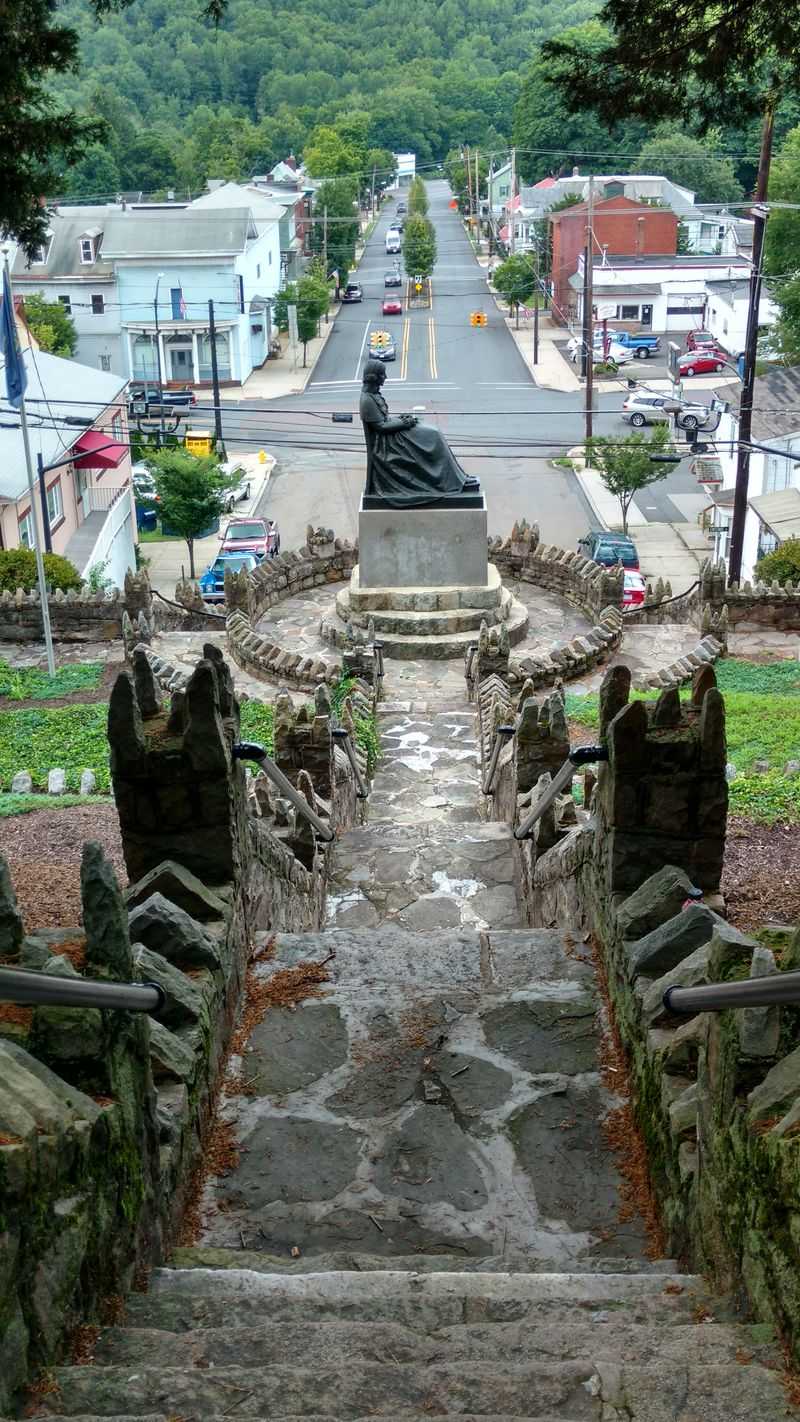
Ashland’s creative identity drew travelers first for theater, then for walkable streets and park shaded afternoons.
The shift is visible in lively plazas, refreshed storefronts, and lodgings that orbit the playhouse blocks.
The downtown core centers near 15 S Pioneer St, Ashland, OR 97520.
Performances shaped the calendar, and the town built lighting, seating, and pedestrian flow to match.
Lithia Park remains a sanctuary, with bridges and lawns that feel timeless even on busy days.
Visitor services increased, so wayfinding now directs guests between venues, galleries, and trailheads.
Housing conversations stay intense, and locals push for balance that keeps cultural workers nearby.
Shops favor handcrafted goods and quiet interiors where browsing never feels rushed.
You will notice shaded sidewalks, planters, and bike racks that invite lingering without clogging corners.
Public facilities are easy to spot, which helps families plan intermissions that run smoothly.
Historic homes along tree lined streets show how preservation adds steady charm.
Seasonal smoke planning is well communicated, and air quality updates guide outdoor choices.
Art walks, music, and small exhibits fill gaps between shows, spreading visitors throughout the day.
Local markets highlight growers from across southern Oregon, strengthening ties beyond the theater district.
Evenings remain soft and walkable, and the glow from marquees sets a welcoming tone.
Ashland proves culture can drive tourism while still honoring the slow pleasures of a park bench and a good view.
6. Bandon
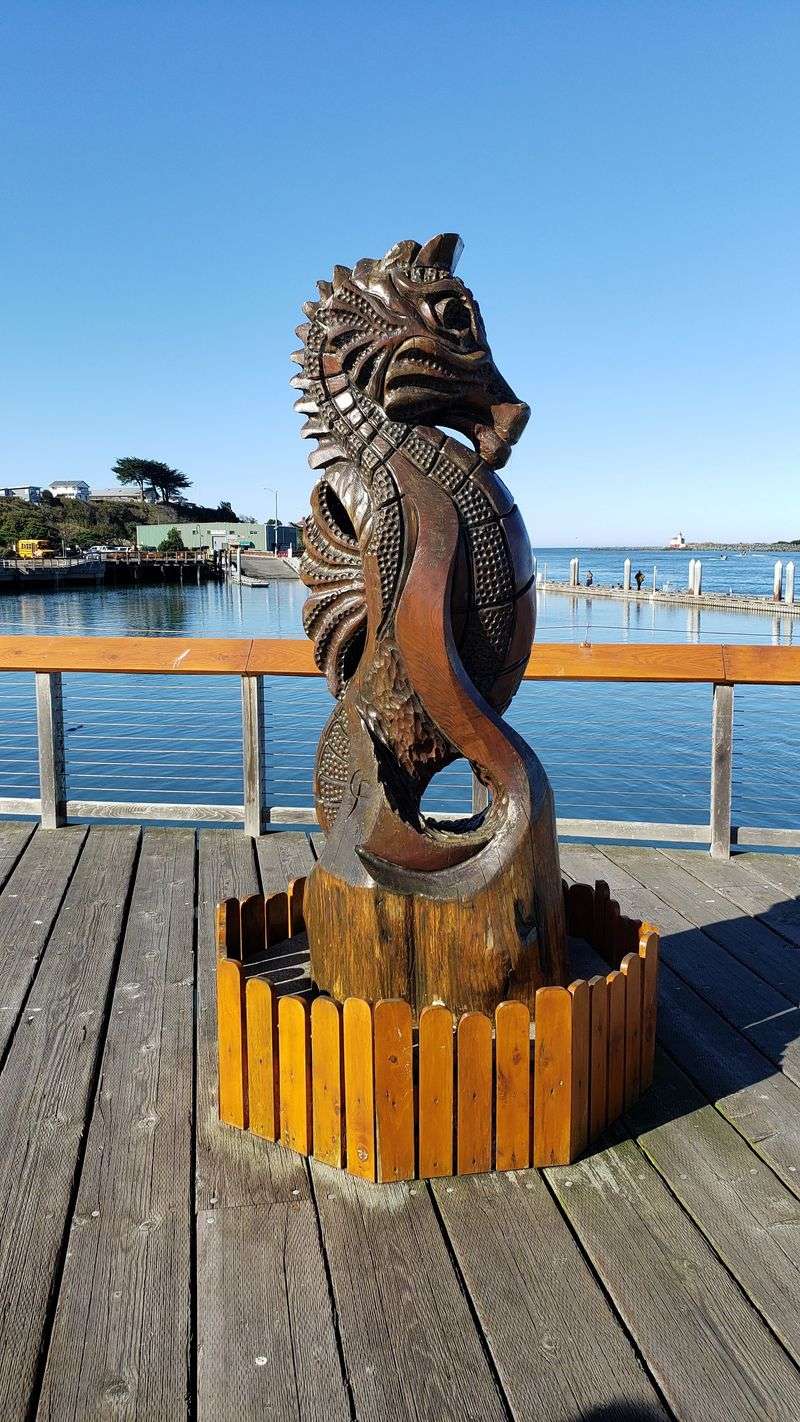
Bandon shifted from a quiet fishing port to a coastal destination where scenery and fairways share the spotlight.
The boardwalk revived first, then downtown storefronts brightened, and visitors followed the tide in every season.
Navigation for the harborfront starts near 100 1st St SE, Bandon, OR 97411.
Sea stacks frame the horizon, and overlooks give safe, signed access to jaw dropping panoramas.
Public art and benches create small pauses that encourage people to slow down between viewpoints.
Shuttles and parking guidance eased stress on side streets that once carried only local errands.
Golf brought new lodging, while neighbors ensured trails and beach access stayed open and cared for.
You will find tide charts posted near entries, a simple fix that protects tidepool life and sneakers.
The Old Town boardwalk hosts makers whose studios open directly onto wide planks and clean railings.
Housing debates echo across meetings, and service workers seek reliable rentals within a short commute.
Storm season fills galleries, and interior spaces feature driftwood textures and soft maritime colors.
Wayfinding keeps visitors moving off fragile dunes and onto stairs and reinforced paths.
Evening fog moves like theater curtains, and street lamps turn the harbor into a glowing stage.
Small museums share lighthouse stories, giving context to every light that sweeps the water.
The balance here is delicate, and respect shows in quiet voices and slow footsteps.
Bandon is one of Oregon’s most photogenic towns, and careful stewardship keeps the coastline wild and welcoming.
7. Yachats
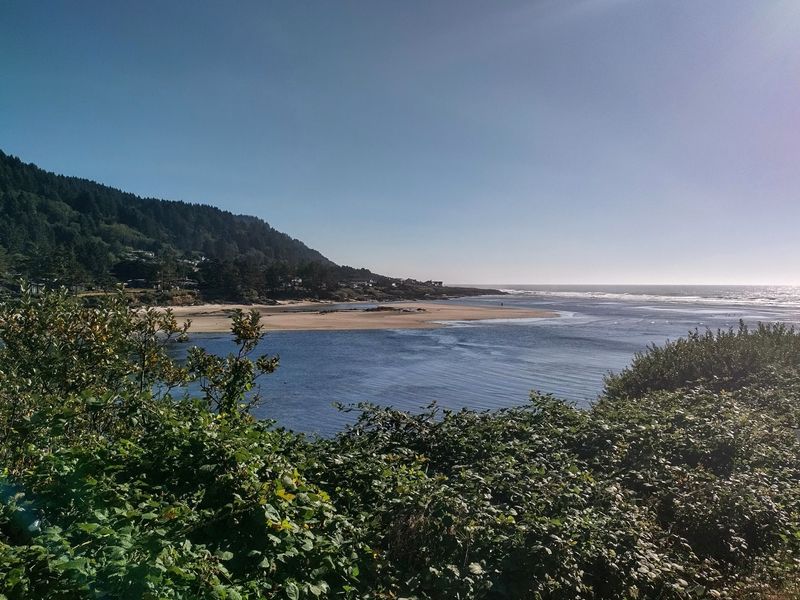
Yachats feels intimate, a small village wrapped around black basalt and tide surge that writes its own soundtrack.
Tourism amplified that magic, yet the edges remain raw and resilient in every direction.
Village navigation centers near 241 Highway 101 N, Yachats, OR 97498.
Trails cling to the shoreline, and benches face relentless waves that polish the rocks to a sheen.
Lodgings lean small, with lobbies that emphasize windows, bookshelves, and the patter of rain.
Parking signs direct visitors away from narrow lanes that serve year round neighbors.
Interpretive panels explain fragile plant life, and rope lines guide feet off sensitive ledges.
You will find restrooms near key viewpoints, which helps keep paths clean and pleasant.
Storm watchers gather in sheltered overlooks, trading quiet nods as bursts of spray vault skyward.
Shops highlight coastal crafts, and interiors feel more gallery than souvenir stall.
Housing pressure exists, and the community shapes policies that prioritize people who make town life work.
Night skies hold surprising stars when cloud breaks open, and street lighting stays gentle.
Trails connect to coves and creeks, creating loops that feel like secrets even on busier weekends.
Wayfinding keeps visitors distributed, avoiding hot spots that erode under too many boots.
Conversations here move slowly, like the tide, and respect for the ocean is woven into daily routines.
Yachats shows how Oregon’s coast can welcome guests without losing the quiet that makes it sacred.
8. Tillamook

Tillamook’s identity grew from fields and barns, and tourism braided in through visitor centers and scenic loops.
Downtown blocks now carry a steadier hum, and the sidewalks feel more confident than before.
Orientation for services sits near 210 Laurel Ave, Tillamook, OR 97141.
Exhibits explain valley history, and public spaces showcase timber, glass, and big sky views.
Wayfinding disperses travelers toward beaches, trailheads, and forest lookouts that circle the town.
Traffic once funneled into a tight core, and improvements now add crossings and clearer lanes.
Workforce housing remains a priority, and local leaders aim for options that match year round needs.
You will find clean restrooms, maps, and staffed desks that make planning painless.
Seasonal surges test patience, but parking guidance signs and side street routes help a lot.
Small shops leaned into local woodcraft, prints, and practical gear that suits wet coast days.
Interior spaces favor big windows and barn inspired beams that connect design to place.
Nearby wetlands invite birders, and viewing platforms protect habitat while offering long views.
Town parks host markets that keep foot traffic distributed and conversations lively.
Storm cycles roll in quickly, and travelers learn to check alerts before heading out.
The result is a gateway feel, a crossroads where errands, history, and adventure intersect.
Tillamook’s chapter in Oregon’s story shows how rural heritage and visitor energy can share the same map.
9. Jacksonville
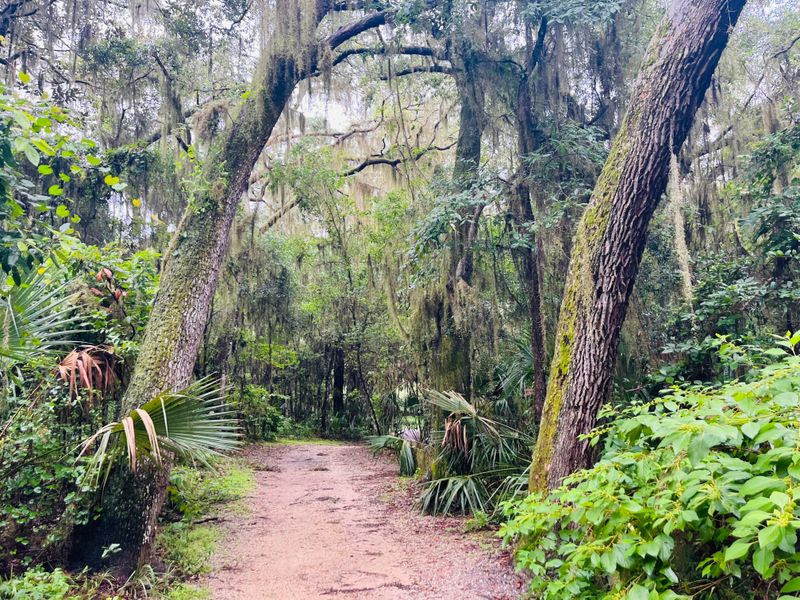
Jacksonville preserved its gold rush bones so well that walking the historic district feels like a time slip.
Tourism followed the charm, adding careful polish without sanding off the texture that locals protect.
Historic core navigation begins around 205 W Main St, Jacksonville, OR 97530.
Brick sidewalks, painted trims, and narrow lanes create a human scale that begs for slow steps.
Inns and gardens set a calm tone, and porches become social rooms in the evening light.
Visitor centers map out trails that ribbon into nearby hills, keeping walkers off busy roads.
Parking can pinch on festival weekends, and signs point to peripheral lots that free the core.
Museums present mining tools and town lore, grounding the pretty details in real labor.
You will find wayfinding plaques on corners, which turns every turn into a small reveal.
Shops favor handcrafted goods and old world fixtures that glow in lamplight.
Housing discussions stay active, reflecting the need to keep everyday services within reach.
Parks and small courtyards break up the grid, offering shade and quiet benches.
Even on busy days, a few steps off Main Street return you to birdsong and clipped hedges.
Night events use soft lighting, protecting stars while keeping sidewalks comfortable.
The rhythm here is gentle, and manners count as much as maps.
Jacksonville shows how an Oregon treasure can host guests while keeping its heartbeat steady.
10. McMinnville
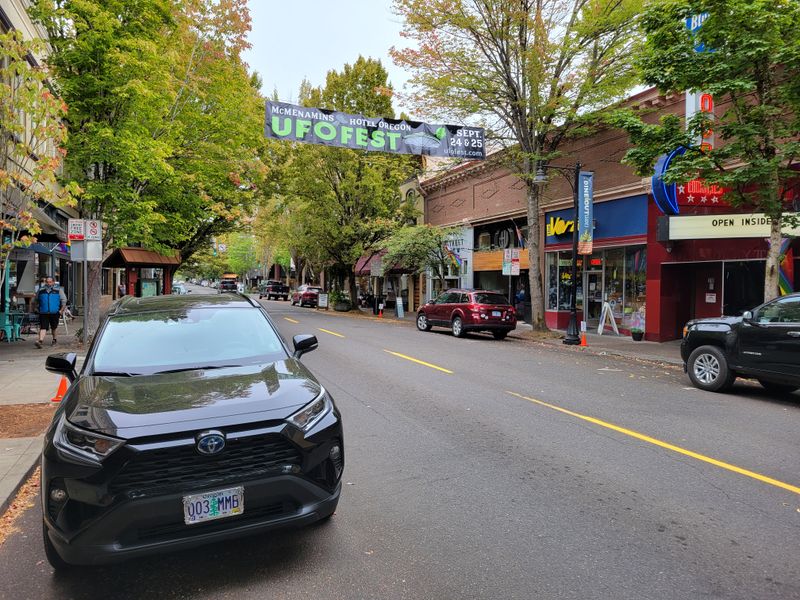
McMinnville sits at the heart of the valley, and tourism turned Third Street into a pride filled stage.
Trees arch over brick textures, and people linger on benches while traffic slows to a polite crawl.
Downtown orientation starts near 320 NE 3rd St, McMinnville, OR 97128.
Galleries, bookstores, and design forward hotels brought steady foot traffic without drowning conversation.
Wayfinding directs visitors to museums and parks, spreading activity beyond the central blocks.
Housing talks continue, with neighbors seeking balance for service workers who keep the street humming.
Public art, planters, and string lights pull evenings together into a relaxed promenade.
You will find well marked crossings, curb extensions, and ramps that make strolling accessible.
Nearby trailheads and farm loops encourage day trips that return people to town gently tired.
Historic facades show careful restoration, and interiors lean airy with wood and exposed brick.
Market days gather makers under the canopy, which helps distribute weekend peaks.
Visitor information is easy to access, letting you plan museum stops and neighborhood walks.
Slow travel fits here, and patience rewards you with small discoveries in shop windows.
Side streets hold courtyards where conversation settles and time loosens.
McMinnville represents a modern Oregon small town, confident yet grounded in civic care.
Come ready to walk, and the street will tell you its story in scenes, not headlines.
11. Depoe Bay

Depoe Bay added visitor energy around its famous seawall, and the tiny harbor now frames a full day wander.
Storefronts face the waves, and blowholes send spray that turns sidewalks into photo sets.
Central orientation sits near 70 SW Highway 101, Depoe Bay, OR 97341.
Viewing platforms and interpretive panels help guests spot whales without crowding railings.
Lodgings emphasize window seats, and lobbies become weather theaters when swells get dramatic.
Traffic control improved, with crosswalks and pullouts that keep Highway 101 moving.
Locals aim to protect calm mornings, and wayfinding pushes longer parking to suitable areas.
You will find clean restrooms, benches, and sheltered lookouts that work in any season.
Shops carry coastal crafts and warm layers that make wind watching efficient and comfortable.
Housing concerns are real, and plans prioritize year round neighbors who support services.
Trail segments connect viewpoints, and signage nudges visitors to tread lightly on fragile edges.
The harbor bridge frames boat returns, and sunset lights the cove like a stage.
Small museums share maritime rescue stories, adding gravity to the pretty surface.
Even tiny cafes design interiors with maritime textures and big windows rather than clutter.
This stretch of Oregon’s coast rewards patience, especially when clouds part without warning.
Depoe Bay shows how a compact town can host crowds while keeping the ocean as the real headliner.
Dear Reader: This page may contain affiliate links which may earn a commission if you click through and make a purchase. Our independent journalism is not influenced by any advertiser or commercial initiative unless it is clearly marked as sponsored content. As travel products change, please be sure to reconfirm all details and stay up to date with current events to ensure a safe and successful trip.
