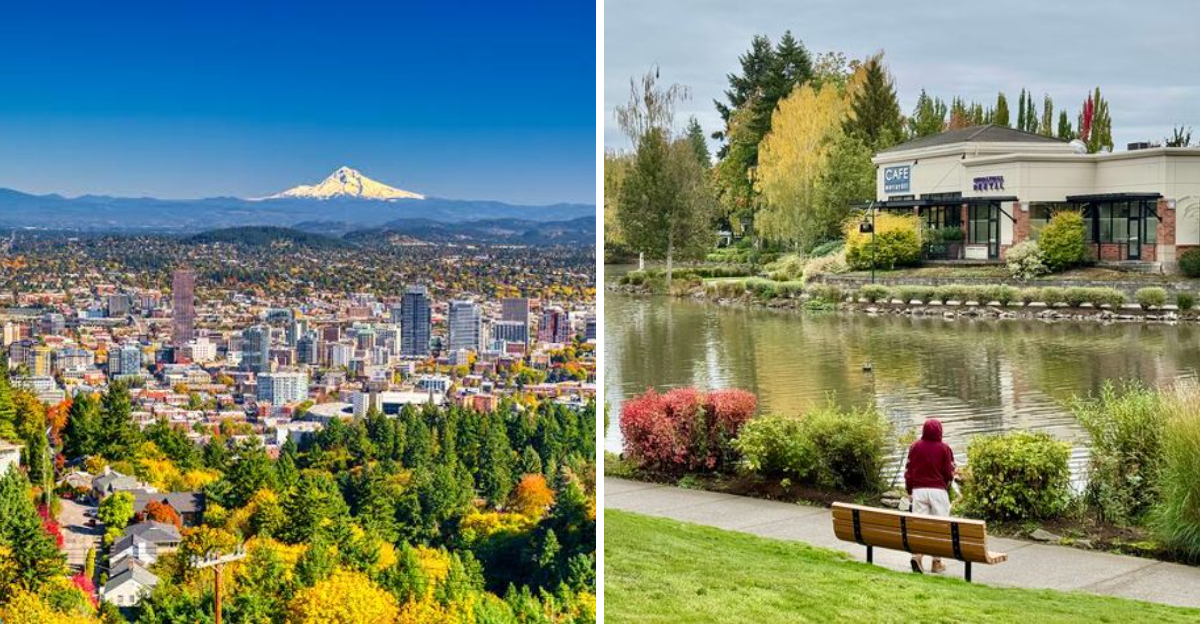
A quiet trend is unfolding across Oregon, and it’s starting to reshape some of the state’s most familiar towns. Streets that once felt steady and growing are now seeing more “For Sale” signs than new arrivals.
I didn’t expect property taxes alone to spark this kind of ripple effect, but the numbers tell a different story. What looks like small shifts at first quickly adds up to something much bigger.
Families are packing up, younger residents are heading elsewhere, and long-time communities are slowly changing character. I kept digging into these places and patterns, trying to understand what’s really driving people out.
And the deeper I went, the clearer it became that this isn’t just about taxes – it’s about survival, affordability, and a changing Oregon.
1. Portland, Multnomah County
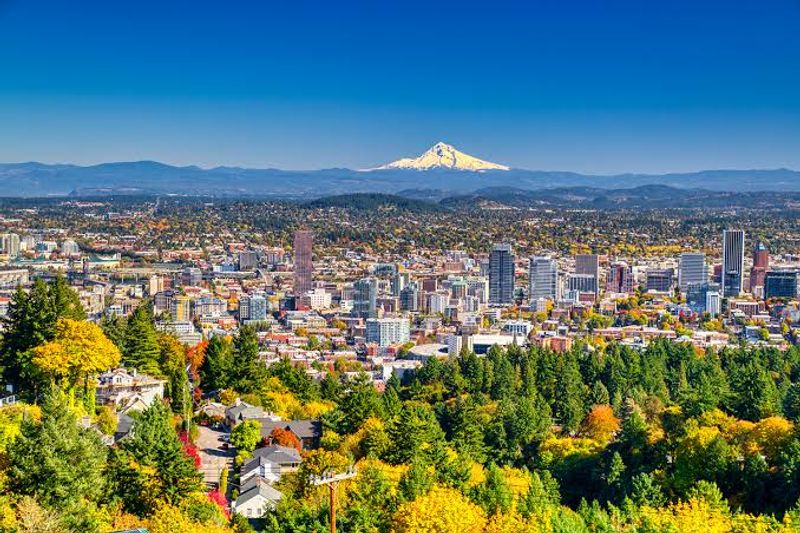
Portland was once the darling of the Pacific Northwest, celebrated for its food scene, bridges, and creative spirit. But the city has been bleeding residents at a pace that is hard to ignore.
Multnomah County, which includes Portland, saw roughly 4,400 people move out in recent years. Many of those departing residents earned significantly more than those moving in, creating a noticeable economic gap.
Property taxes in Portland rank among the highest in the nation. A 1% Clean Energy Surcharge adds to the burden businesses and property owners already face.
Between 2020 and 2021 alone, the county lost nearly $1 billion in taxable income. Homeowners who bought modest properties years ago are now receiving tax bills that feel anything but modest.
Longtime Portlanders describe a sense of disbelief when they open their annual tax statements. Neighborhoods that were once affordable have crossed into territory that feels unmanageable for middle-class families.
Younger renters are also feeling the squeeze, as landlords pass rising tax costs onto monthly rent. Portland remains a beautiful, dynamic city, but the financial pressure is quietly reshaping who can actually afford to stay.
2. Lake Oswego, Clackamas County

Lake Oswego carries a reputation as one of Oregon’s most affluent communities, but even wealthy zip codes are not immune to sticker shock. Property tax bills here have grown faster than many homeowners anticipated.
The median home value in Lake Oswego sits well above the state average, which means the tax burden follows suit. Residents who bought homes a decade ago are now paying thousands more per year than they ever planned for.
What makes this particularly frustrating is that services have not always kept pace with the rising tax rates. Schools remain strong, but infrastructure concerns and rising costs have left some residents questioning the value they are receiving.
Retirees on fixed incomes are among the most affected. A property that felt like a smart long-term investment can quickly become a financial strain when annual tax bills climb into the five-figure range.
Some longtime residents have quietly sold their homes and relocated to neighboring counties or out of state entirely. The charm of living near the lake has not disappeared, but the math of staying has become harder to justify.
Real estate agents in the area note an uptick in sellers motivated specifically by tax concerns. Lake Oswego is still beautiful, but affordability is becoming a real conversation in this lakeside community.
3. Beaverton, Washington County
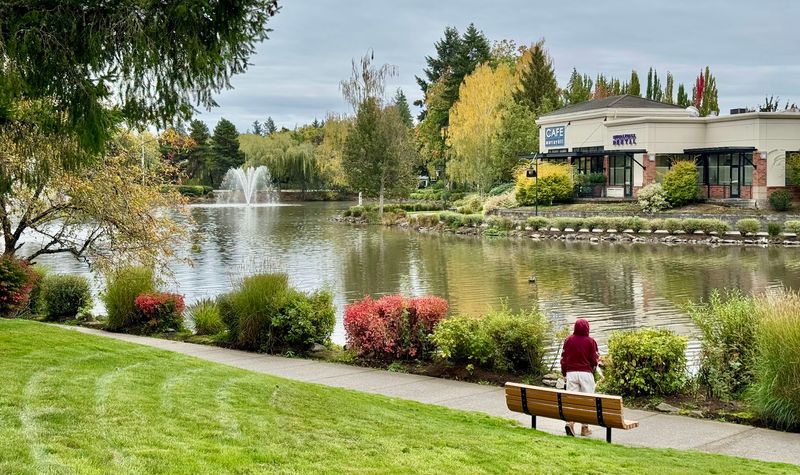
Beaverton sits just west of Portland and has long been considered a more affordable alternative to the big city. That reputation is slowly eroding as property taxes continue their upward climb.
Washington County has seen steady population growth, which sounds like good news. But growth also brings increased demand for services, infrastructure, and schools, all of which are funded in part through property taxes.
Homeowners in Beaverton are now receiving bills that reflect years of accumulated levies and bond measures. Many residents voted in favor of those measures individually, only to feel overwhelmed when they see the combined total on one statement.
Tech workers who relocated to Beaverton for companies like Nike and Intel are reconsidering their options. Remote work has made it easier to live farther away, and some are choosing states with lower tax burdens.
The irony is that Beaverton has invested heavily in becoming a desirable place to live. Parks, transit, and community programs have improved, but those improvements come with a price tag that not everyone can absorb.
Younger families especially are finding it difficult to stretch budgets that already account for childcare, groceries, and rising utility costs. Beaverton remains a solid community, but its affordability advantage over Portland is narrowing fast.
4. Gresham, Multnomah County
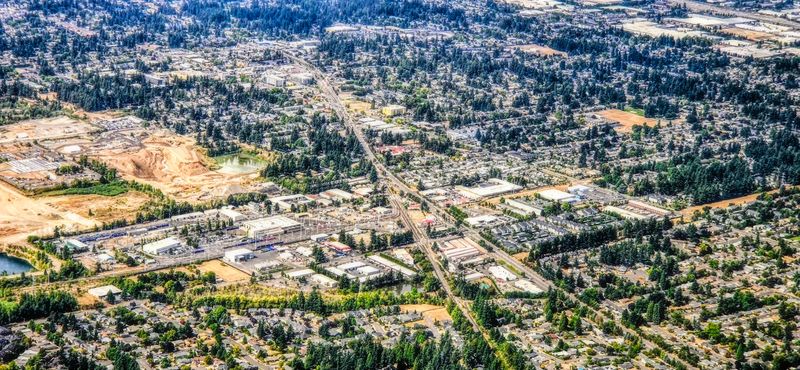
Gresham often gets overlooked in conversations about Oregon’s housing crisis, but it deserves a closer look. Property taxes here have risen sharply, and the city’s working-class residents are feeling it the most.
Unlike Lake Oswego or Beaverton, Gresham does not have a reputation for high incomes or luxury real estate. Many homeowners here are tradespeople, service workers, and small business owners who operate on tight margins.
When property tax bills increase by hundreds of dollars per year, those residents do not have a financial cushion to absorb the hit. Some have had to make difficult decisions about whether to stay or sell.
The population of Gresham has shifted noticeably in recent years. Some longtime residents have moved to smaller towns in eastern Oregon or across the border into Washington, where taxes are structured differently.
Renters in Gresham are also caught in the crossfire. Landlords facing higher tax bills often raise rents to compensate, pushing families into an already competitive rental market with fewer affordable options.
Community advocates in Gresham have been vocal about the need for tax relief programs targeting lower and middle-income homeowners. The conversation is ongoing, but meaningful change has been slow to arrive for a city that needs it urgently.
5. Hillsboro, Washington County
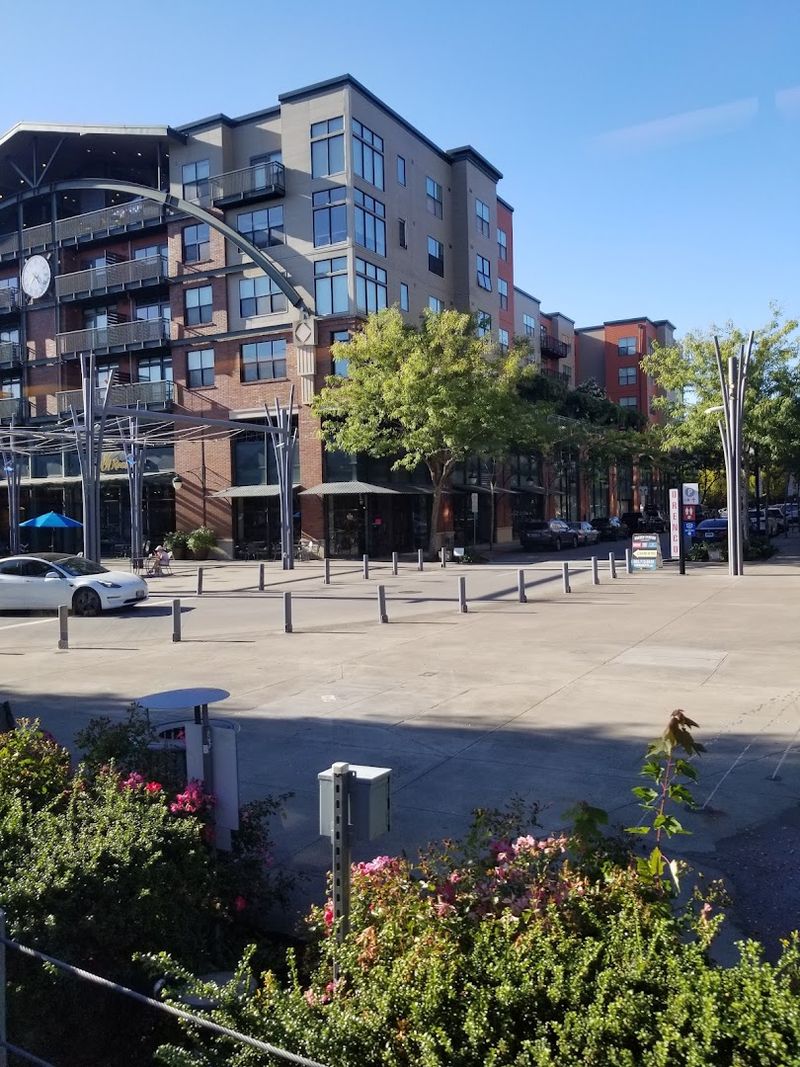
Hillsboro is home to a booming tech sector and some of the most expensive real estate growth in the state. That growth has been a double-edged sword for longtime residents who never anticipated the tax consequences.
Intel’s massive presence in Hillsboro has attracted high earners and driven up home values across the city. For sellers, that is great news.
For owners who want to stay, the rising assessed values translate directly into higher annual tax bills.
Many residents who bought homes in Hillsboro years ago, before the tech boom, are now sitting on properties worth far more than they expected. The problem is that their incomes have not grown at the same rate as their tax obligations.
Teachers, nurses, and city employees who call Hillsboro home are finding it increasingly difficult to justify staying. The community they helped build is now pricing them out through the tax system.
Some residents have relocated to smaller Washington County communities or moved across the state line into Southwest Washington. The commute adds time, but the tax savings can be substantial enough to make it worthwhile.
Hillsboro’s growth story is genuinely impressive, but it raises a fair question about who gets to benefit from that growth and who ends up being quietly pushed aside by it.
6. Tigard, Washington County

Property taxes in Tigard have climbed steadily, and residents are starting to vote with their moving trucks. The city sits in one of Oregon’s most tax-heavy counties, and the cumulative burden has become a genuine concern.
Tigard has historically attracted families looking for good schools and a quieter pace than Portland. Those qualities still exist, but they come with a tax bill that surprises many new and longtime homeowners alike.
Washington County’s multiple overlapping taxing districts mean that Tigard homeowners often pay levies for services that feel redundant or distant from their daily lives. Understanding your own tax bill requires a minor degree in local government finance.
Retirees who settled in Tigard during calmer economic times are among the most vocal about the pressure they feel. Fixed incomes simply do not expand to accommodate rising municipal costs.
Several local real estate agents report that tax conversations now happen in almost every listing appointment. Buyers want to know the full cost of ownership before they commit, and what they find often changes their minds.
The city has taken some steps toward addressing affordability concerns, but systemic tax relief remains elusive. Tigard is a genuinely pleasant place to live, and that makes the financial squeeze feel all the more frustrating for those being edged out.
7. Eugene, Lane County
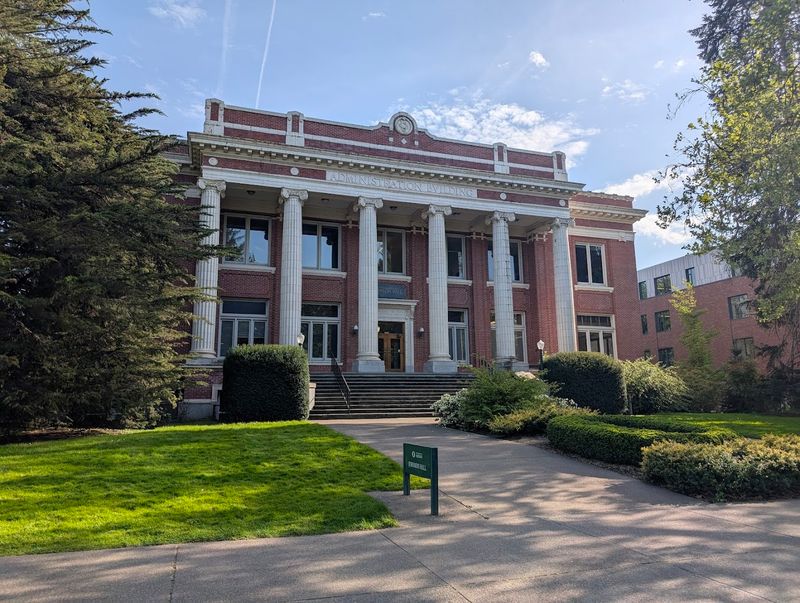
Eugene has a well-earned identity as a progressive college town with deep roots in environmental activism and the arts. But rising property taxes are creating a contradiction that even its most loyal residents find hard to overlook.
Lane County’s property tax rates have increased significantly over the past decade. For homeowners near the University of Oregon, where real estate values have spiked, the financial reality is becoming difficult to manage.
Many of Eugene’s longtime residents are artists, educators, and nonprofit workers who chose the city specifically because it was affordable and community-oriented. That affordability is increasingly a thing of the past.
The university brings energy and cultural richness, but it also drives up demand for housing in the surrounding neighborhoods. Higher demand means higher assessed values, and higher assessed values mean bigger tax bills.
Some residents have relocated to smaller Lane County communities like Cottage Grove or Junction City, where taxes are lower and the pace is slower. The trade-off is fewer amenities, but for some, the math makes sense.
Eugene continues to attract newcomers drawn by its reputation and natural surroundings. But the community character that made it special is being tested by the very economic forces that growth tends to bring along with it.
8. Medford, Jackson County
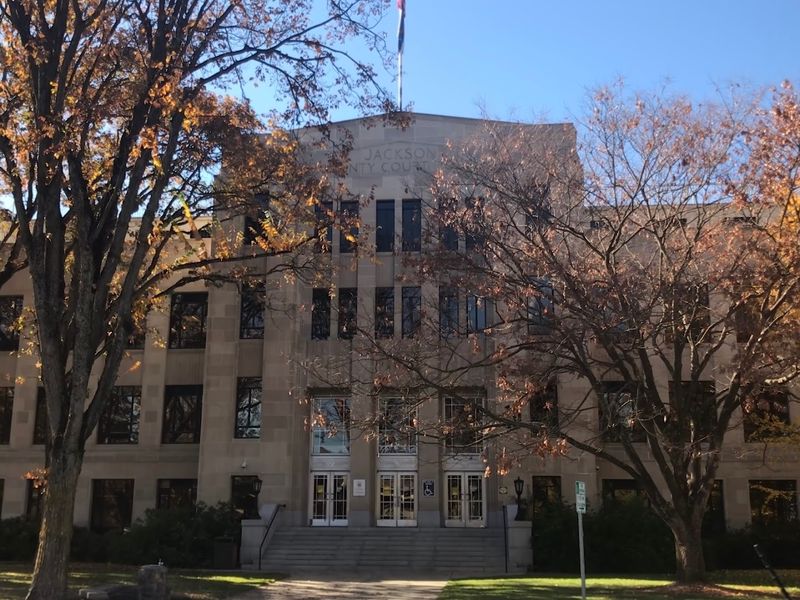
Medford sits in the heart of the Rogue Valley and has long served as a regional hub for Southern Oregon. In recent years, though, it has also become a case study in how rapid population growth can fuel painful tax increases.
An influx of California transplants over the past several years drove up home values in Medford faster than local incomes could keep pace. The result is a housing market that feels disconnected from the economic reality of many longtime residents.
Jackson County property taxes have followed the rising values upward, leaving homeowners with bills that reflect a market they never asked to be part of. For residents who bought modest homes years ago, the reassessments can feel jarring.
Local business owners have also raised concerns. Commercial property taxes in Medford have increased, making it harder for small businesses to stay profitable in a competitive retail environment.
Some Medford families have relocated to smaller communities in the Rogue Valley or moved north toward Roseburg, where taxes and housing costs remain comparatively lower. The scenic beauty of Southern Oregon is not enough to offset the financial pressure for everyone.
Medford is a city with a lot to offer, including access to Crater Lake, the Oregon Shakespeare Festival nearby, and a warm climate. But affordability is becoming the defining conversation in a community that once prided itself on being accessible.
9. Bend, Deschutes County
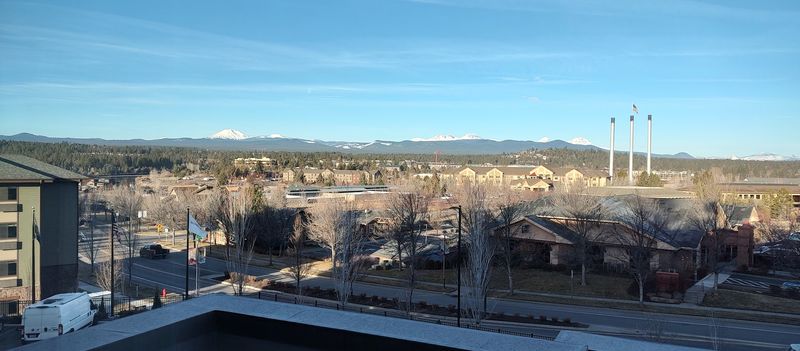
Few Oregon cities have transformed as dramatically as Bend over the past two decades. What was once a quiet logging town has become one of the most sought-after destinations in the Pacific Northwest, and the property tax consequences have been enormous.
Deschutes County home values have skyrocketed as remote workers, outdoor enthusiasts, and retirees flooded into the area. The median home price in Bend now rivals many major metro areas, and taxes have risen accordingly.
Longtime residents who have lived in Bend for twenty or thirty years are now sitting on properties assessed far beyond anything they imagined when they first put down roots. The appreciation sounds great on paper, but the annual tax bill tells a different story.
Teachers, firefighters, and service industry workers who are essential to the community are finding it nearly impossible to afford living where they work. Many commute from Redmond or Prineville, adding hours to their daily routine.
The outdoor recreation culture that defines Bend, with skiing, mountain biking, and river activities, has attracted a wealthier demographic that has reshaped the city’s economic landscape. That shift has not benefited everyone equally.
Bend remains one of Oregon’s most breathtaking places, with the Cascades as a constant backdrop. But the version of Bend that was once accessible to ordinary families is becoming harder to find with each passing tax cycle.
10. Ashland, Jackson County
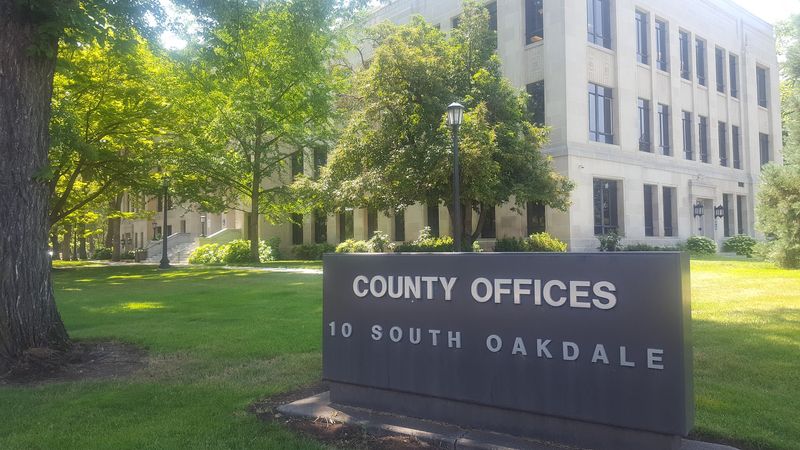
Ashland is one of Oregon’s most culturally rich small cities, famous for the Oregon Shakespeare Festival and its artsy, eclectic downtown. It is also one of the most expensive places in the state to own property, and the tax burden reflects that reality.
Jackson County assessments in Ashland have climbed sharply as the city’s reputation has drawn buyers from across the country. Retirees and remote workers with higher incomes have moved in, pushing values and taxes well beyond what many locals can manage.
Artists, theater workers, and educators who built their lives around Ashland’s cultural institutions are finding themselves squeezed out of the very community they helped create. The irony is not lost on long-term residents who watched the city grow into what it is today.
Some have relocated to nearby communities like Talent or Phoenix, where housing costs are lower, though those towns have faced their own challenges following recent wildfire recovery efforts. Finding affordable ground in Southern Oregon has become a regional puzzle.
Ashland’s charm is undeniable, and its quality of life rankings remain high. But quality of life statistics do not pay property tax bills, and for many residents, the numbers simply no longer add up.
The city has explored some relief options for lower-income homeowners, but the programs available remain limited in scope. Ashland is still a remarkable place, but it is gradually becoming a town that fewer ordinary Oregonians can call home.
Dear Reader: This page may contain affiliate links which may earn a commission if you click through and make a purchase. Our independent journalism is not influenced by any advertiser or commercial initiative unless it is clearly marked as sponsored content. As travel products change, please be sure to reconfirm all details and stay up to date with current events to ensure a safe and successful trip.
