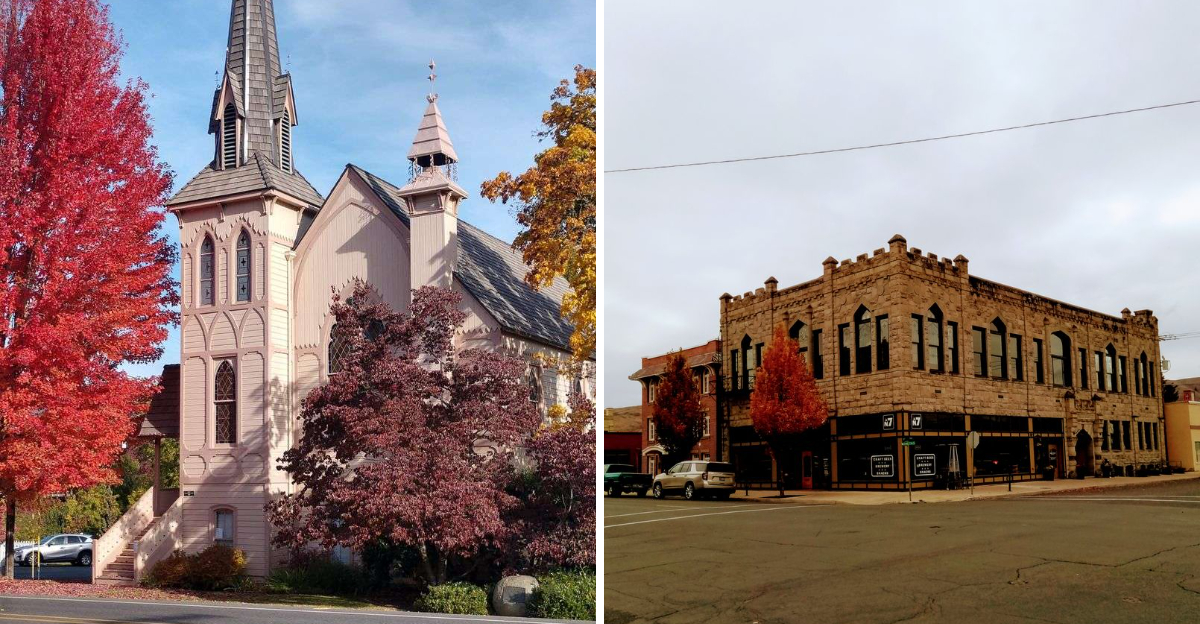
Oregon hides some of the most enchanting small towns where the hustle of modern life feels like a distant memory. Walking through these communities is like stepping through a portal into the past, where Victorian mansions still stand proud, wooden boardwalks creak underfoot, and neighbors still wave from their porches.
From gold rush boomtowns frozen in the 1800s to coastal villages where the ocean sets the pace, these destinations offer a refreshing escape into simpler times.
Each town on this list preserves something special, whether it’s the architecture, the atmosphere, or the way locals still gather at the general store.
Oregon has protected these time capsules beautifully, allowing visitors to experience history not just in museums, but in living, breathing communities.
Ready to trade your smartphone for a stroll down a brick-lined street lit by old-fashioned lampposts? Want to see where cowboys still ride and ghost towns whisper their secrets?
Pack your sense of adventure and prepare to fall head over heels for Oregon’s most nostalgic corners. Trust us, your Instagram feed has never seen anything like this!
1. Astoria: Where Victorian Elegance Meets Maritime Magic
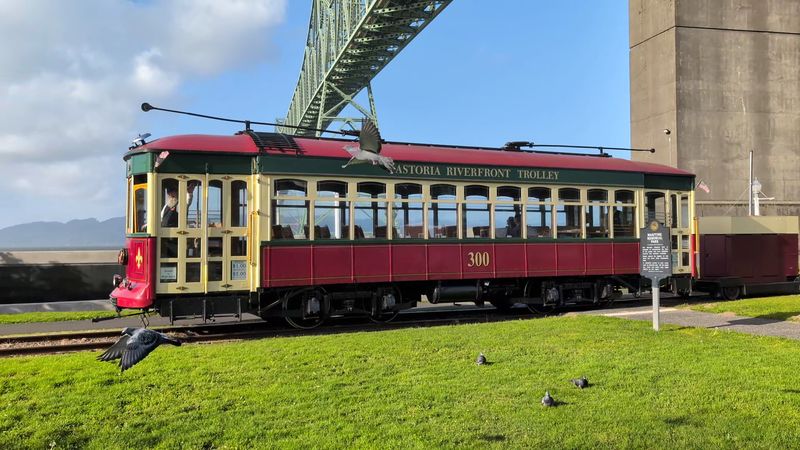
Founded in 1811, Astoria holds the remarkable distinction of being the oldest American settlement west of the Rockies. Perched dramatically where the mighty Columbia River spills into the Pacific Ocean, this port town wraps itself around steep hillsides crowned with some of the most stunning Victorian homes you’ll ever lay eyes on.
Walking through the historic downtown feels like wandering onto a movie set, and in fact, it has been one, most famously for “The Goonies.”
The town’s maritime heritage pulses through every cobblestone and weathered dock. Fishermen still bring in their daily catches while sea lions bark from nearby piers, creating a symphony that’s been playing for over two centuries.
Painted ladies in shades of lavender, butter yellow, and seafoam green cascade down the hillsides, their ornate trim and wraparound porches telling stories of prosperous sea captains and salmon cannery barons.
Strolling along the riverwalk, you’ll discover antique shops tucked into buildings that once stored fishing nets and canned goods. The Columbia River Maritime Museum preserves the area’s nautical legacy with authentic artifacts and tales of treacherous bar crossings.
Local cafes serve clam chowder in century-old buildings where the wooden floors still creak with character.
Astoria refuses to rush into the modern age, and visitors are grateful for its stubbornness. The trolley still clangs through downtown, connecting historic sites while offering glimpses of the river that made this town possible.
Climb to the top of the Astoria Column for panoramic views that haven’t changed much since Lewis and Clark arrived here over 200 years ago. This Oregon gem proves that some places are worth preserving exactly as they were.
2. Shaniko: The Ghost Town That Refuses to Disappear
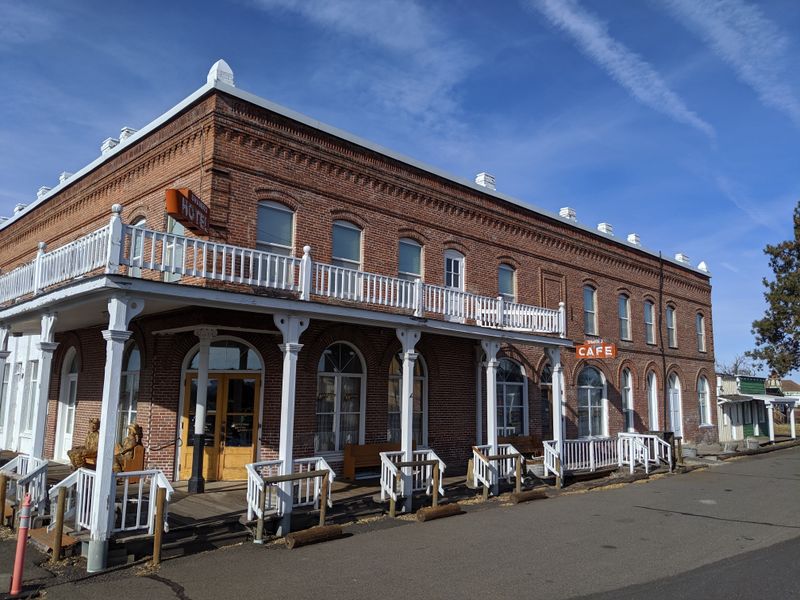
Once crowned the “Wool Capital of the World,” Shaniko now stands as one of Oregon’s most fascinating ghost towns. Located in the high desert of Central Oregon, this tiny community peaked in the early 1900s when wool shipments brought prosperity and thousands of residents.
Today, fewer than 40 people call Shaniko home, but the town’s bones remain remarkably intact, offering visitors an authentic glimpse into frontier life.
The old Shaniko Hotel still dominates the main street, its two-story wooden facade weathered but dignified. Rustic machinery from the wool-trading days sits exactly where it was abandoned, slowly being reclaimed by sagebrush and tumbleweeds.
Walking these dusty streets feels like trespassing in a sepia-toned photograph, where every creaking board and peeling paint chip tells a story of boom and bust.
The town’s general store and schoolhouse stand frozen in time, their interiors preserved like museum exhibits you can actually touch. Old wagons rest beside corrugated metal buildings, and the original jail still has its iron bars intact.
Wind whistles through empty windows, creating an eerie soundtrack that perfectly matches the desolate beauty of the surrounding high desert landscape.
Photographers and history enthusiasts make pilgrimages to Shaniko for its unmatched authenticity. There’s no Disney version of the Old West here, just the real deal slowly surrendering to the elements.
The handful of residents who remain are proud guardians of this time capsule, occasionally opening buildings for tours and sharing tales passed down through generations.
Shaniko doesn’t just feel stuck in another era; it practically is another era, preserved by isolation and Oregon’s dry climate.
3. Baker City: Gold Rush Grandeur Frozen in Time
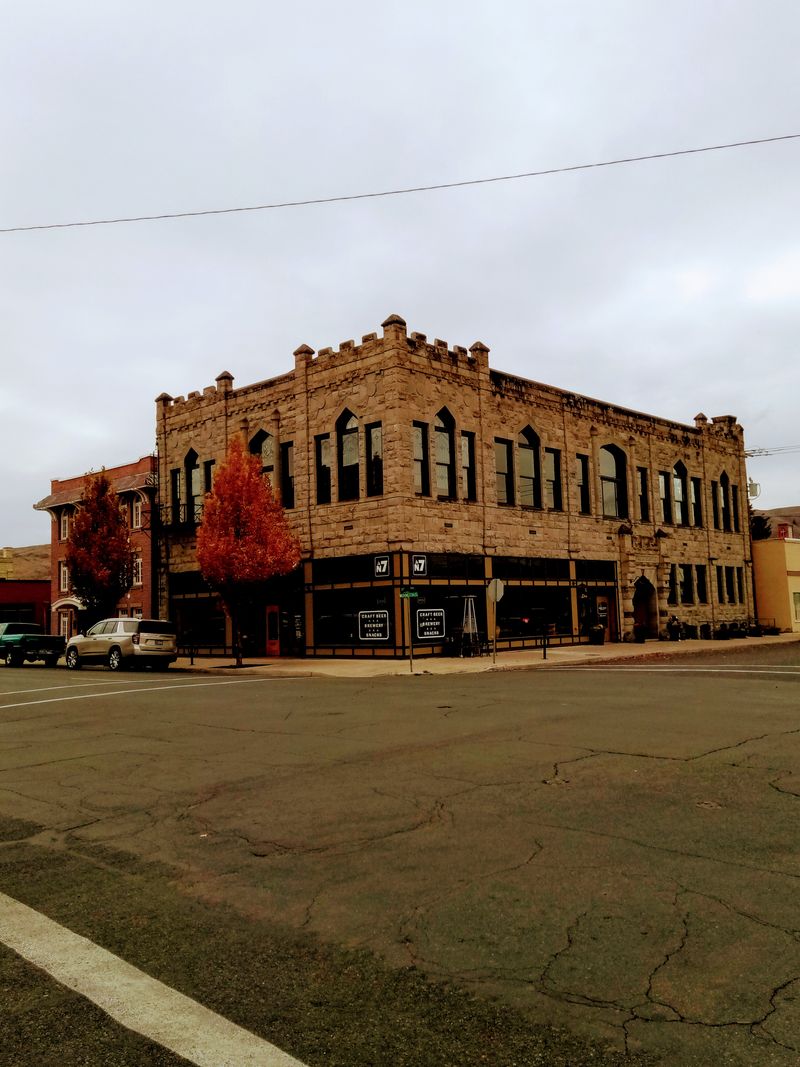
Baker City rose from the Eastern Oregon wilderness during the 1860s gold rush, and remarkably, its boomtown architecture survived intact. Main Street showcases an entire block of stunning 19th-century buildings with ornate facades, cast-iron columns, and original storefronts that transport visitors straight back to the days when prospectors struck it rich in nearby hills.
This town didn’t just preserve a building or two; it saved an entire era.
The Geiser Grand Hotel, built in 1889, still welcomes guests beneath its magnificent stained-glass ceiling and crystal chandeliers. Walking through its doors is like checking into a time machine, where mahogany woodwork gleams and the grand staircase sweeps upward just as it did when miners celebrated their fortunes.
Downtown buildings house modern businesses, but their exteriors remain faithful to their gold rush origins, with tall windows and decorative cornices reaching toward big sky country.
Baker City serves as the gateway to Oregon’s mining history, with the National Historic Oregon Trail Interpretive Center located nearby. The surrounding mountains still hold remnants of old mines, ghost towns, and wagon ruts worn deep by pioneers heading west.
Local museums display gold nuggets, mining equipment, and photographs of bearded prospectors who built this town from scratch.
The community takes immense pride in its heritage, hosting events that celebrate frontier days and maintaining buildings with historical accuracy. Antique stores overflow with genuine artifacts from the region’s mining past.
Baker City proves that preservation isn’t about creating a theme park version of history; it’s about respecting what came before and allowing future generations to walk the same streets where fortunes were won and lost over a century ago.
4. Jacksonville: Southern Oregon’s Perfectly Preserved Gem
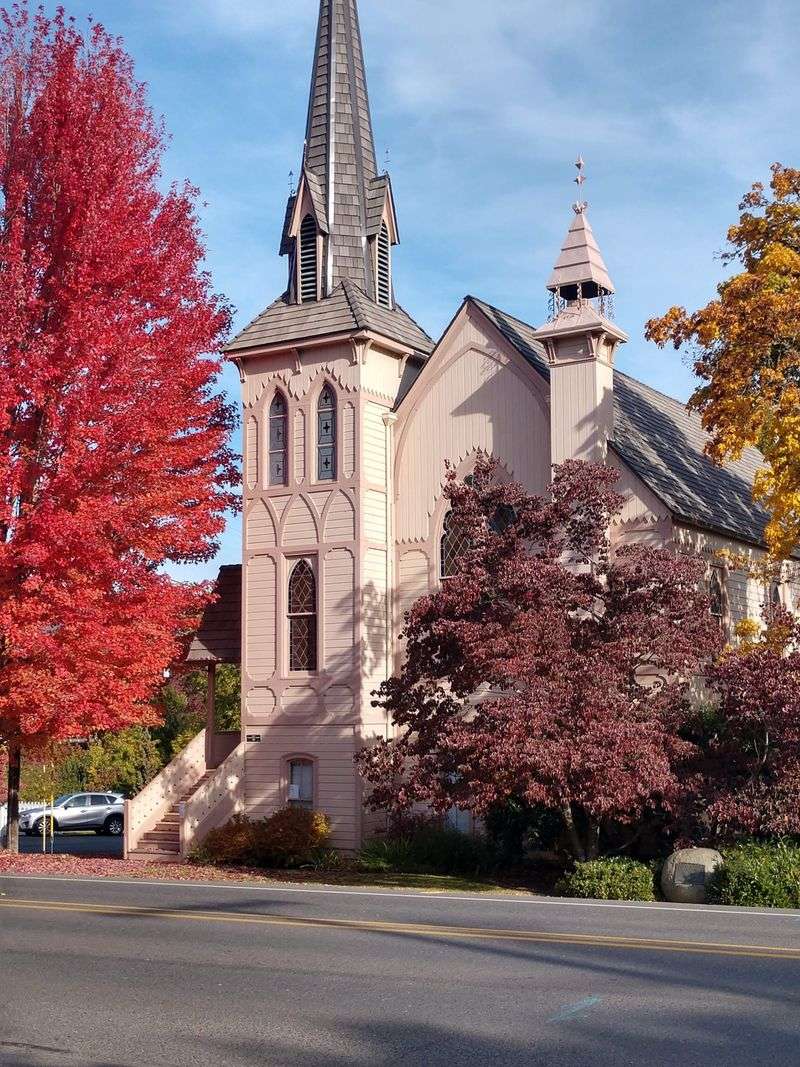
Step into Jacksonville, and you’ll swear someone hit the pause button in 1855. This Southern Oregon treasure boasts an entirely preserved downtown from the gold rush era, complete with brick buildings, wooden sidewalks, and old-fashioned lampposts that actually still light the streets at night.
As Oregon’s first designated National Historic Landmark town, Jacksonville takes preservation seriously, and it shows in every lovingly maintained detail.
The entire town center looks like a movie set, except it’s 100 percent authentic. Brick facades bear the names of long-gone merchants, carved into stone over 170 years ago.
Original hitching posts still line the streets, though they now accommodate tourists rather than horses. Window shopping here means peering through century-old glass into boutiques and galleries housed in buildings that once sold mining supplies and dry goods to fortune seekers.
Jacksonville’s commitment to its past extends beyond architecture.
The town hosts the Britt Music Festival in an outdoor amphitheater that’s been entertaining crowds since 1963, but the surrounding hillsides look much as they did during the gold rush. Historic homes with white picket fences and rose gardens create a storybook atmosphere that feels both nostalgic and welcoming.
Local restaurants serve modern cuisine in buildings where miners once bellied up to bars after long days panning for gold.
The Jacksonville Museum occupies the old county courthouse, displaying artifacts and photographs that bring the town’s colorful history to life. Walking these streets after dark, when the gas-style lamps cast their warm glow, you can almost hear the echo of wagon wheels and piano music from saloons long silent.
Jacksonville isn’t stuck in the past; it’s perfected it.
5. Joseph: Frontier Spirit in the Wallowa Mountains
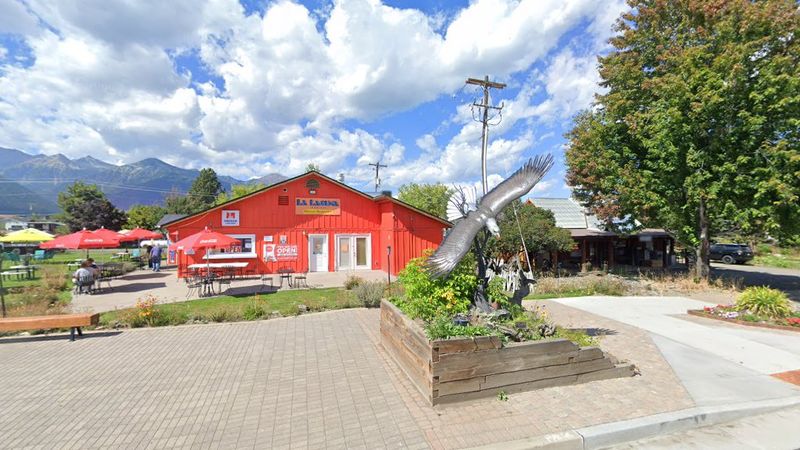
Cradled in the magnificent Wallowa Mountains of Northeastern Oregon, Joseph maintains the rustic charm of a frontier town where the Old West never really ended. This small community has embraced its Western heritage through bronze sculptures, cowboy culture, and a pace of life that encourages visitors to slow down and breathe in the mountain air.
Main Street feels like something out of a classic Western, minus the tumbleweeds and gunfights.
Joseph has become known as Oregon’s bronze sculpture capital, with larger-than-life Western-themed artworks positioned throughout downtown. Cowboys on horseback, Native American chiefs, and frontier families frozen in bronze tell the story of the region’s past while adding artistic flair to the historic atmosphere.
These sculptures aren’t just decorations; they’re tributes to the ranchers, Native peoples, and pioneers who shaped this corner of Oregon.
The town’s walkable downtown features false-front buildings housing galleries, cafes, and shops that specialize in Western art and handcrafted goods. Locals still wear cowboy boots as everyday footwear, not as fashion statements.
The surrounding landscape of alpine lakes, wildflower meadows, and snow-capped peaks provides a backdrop so stunning it’s often called the “Switzerland of Oregon.”
Joseph celebrates its heritage through events like the Chief Joseph Days Rodeo, where real working cowboys compete in traditional events. The nearby Wallowa Lake remains a popular destination for fishing and boating, much as it was a century ago.
Visitors can explore the Wallowa County Museum to learn about the Nez Perce tribe and the town’s namesake, Chief Joseph.
In Joseph, the frontier spirit isn’t just remembered; it’s lived daily by people who wouldn’t trade their mountain town for any modern city.
6. Silverton: Gateway to Waterfalls and 1950s Nostalgia
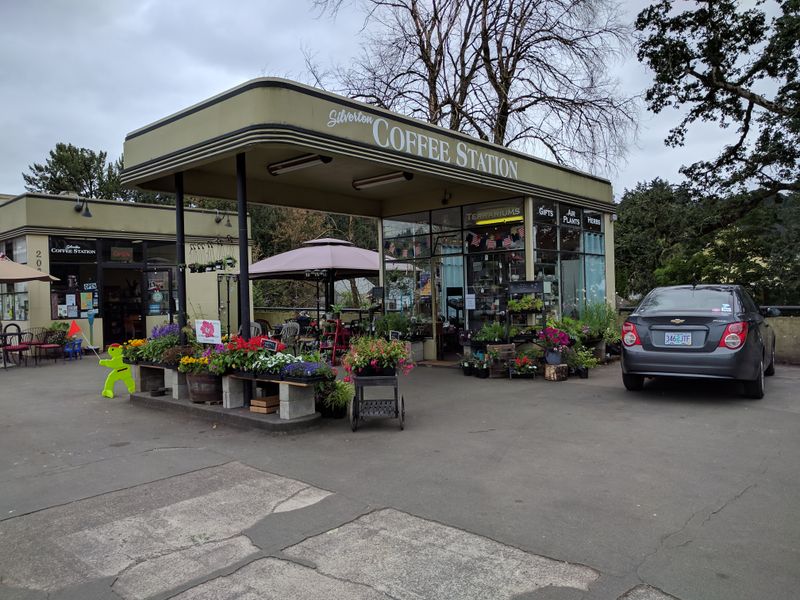
Silverton radiates the wholesome charm of 1950s America, when downtown streets bustled with family-owned shops and neighbors knew each other by name. Located near the spectacular Silver Falls State Park, this Willamette Valley town has preserved its mid-century character while maintaining its agricultural roots.
Classic murals depicting the town’s history adorn building walls, adding splashes of color to an already picturesque downtown.
The historic downtown features original storefronts with vintage signage and large display windows that invite leisurely browsing. Independent bookstores, antique shops, and cafes occupy buildings that have served the community for generations.
The Oregon Garden, a world-class botanical garden located just outside town, provides 80 acres of cultivated beauty that complements Silverton’s natural surroundings.
Silverton’s agricultural heritage remains visible in the surrounding farmland and the community’s strong connection to the land. The town hosts a popular farmers market where local growers sell produce much as they’ve done for decades.
Tree-lined residential streets showcase well-maintained homes from the early and mid-20th century, their front porches and tidy yards embodying small-town American ideals.
As the “Gateway to Silver Falls,” Silverton serves hikers heading to Oregon’s largest state park, where ten waterfalls cascade through old-growth forest. After a day on the trails, visitors return to town for homestyle meals in restaurants that haven’t changed their recipes or decor in decades.
The pace here is unhurried, the atmosphere welcoming, and the sense that you’ve traveled back to a simpler time is undeniable.
Silverton proves that preserving the past doesn’t mean rejecting progress; it means remembering what made communities strong in the first place.
7. Sisters: Where the Old West Never Left Town
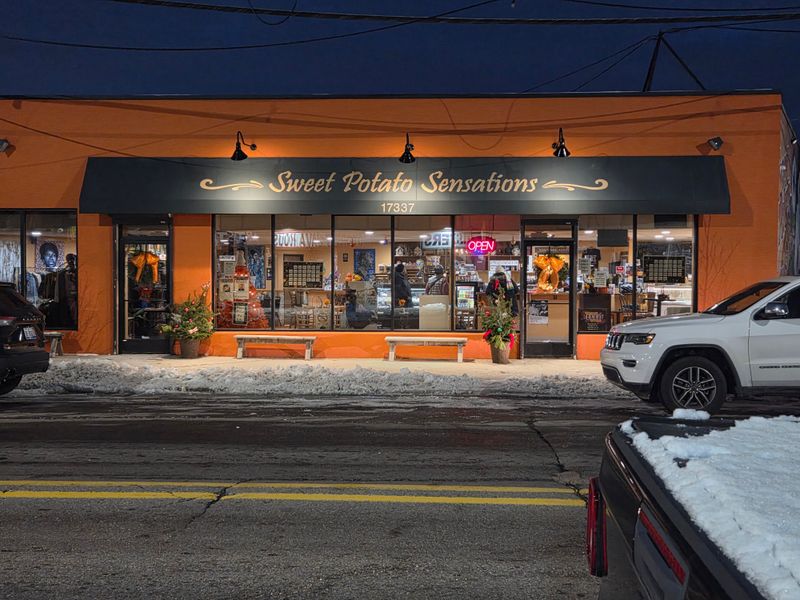
Sisters wears its Western heritage like a badge of honor, with every building downtown sporting false-front facades that could’ve been ripped straight from a frontier settlement. Located in Central Oregon with the stunning Three Sisters mountains as a backdrop, this town has fully committed to its Old West theme without crossing into tacky territory.
The result is a charming community that feels authentically Western while offering modern amenities hidden behind period-appropriate exteriors.
Downtown Sisters features wooden boardwalks, hitching posts, and storefronts painted in muted earth tones that evoke the 1880s. Shops sell everything from handcrafted leather goods to quilts, maintaining the town’s artisan traditions.
The Sisters Rodeo, held annually since 1940, brings real cowboys and cowgirls to town for competitions that showcase genuine ranching skills, not Hollywood stunts.
The town’s commitment to its Western identity extends to community events like the Sisters Folk Festival and the Outdoor Quilt Show, which transforms the entire downtown into an open-air art gallery every July. Locals embrace the frontier aesthetic in their daily lives, creating an atmosphere that feels lived-in rather than manufactured for tourists.
The surrounding ponderosa pine forests and volcanic peaks provide a dramatic setting that hasn’t changed since pioneers first passed through.
Sisters manages to honor the past while serving as a gateway to outdoor recreation in the Cascade Range. Hikers, mountain bikers, and skiers use the town as a base camp, returning each evening to a downtown that glows under vintage-style streetlights.
The combination of natural beauty, Western character, and genuine community spirit makes Sisters feel like a place where time moves differently, measured not in hours but in seasons and sunsets over the mountains.
8. Brownsville: The Town That Time Forgot to Update
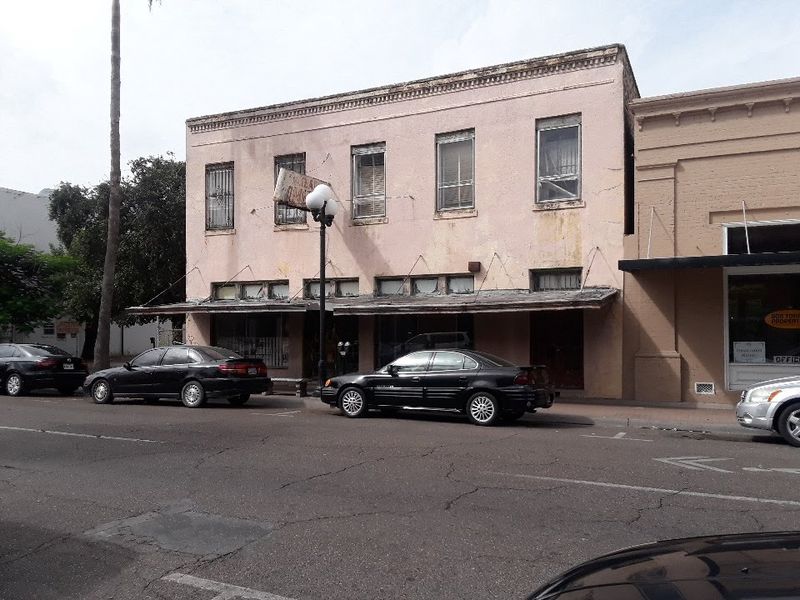
Brownsville holds the distinction of being one of Oregon’s oldest incorporated cities, and walking its remarkably preserved main street feels like stepping into the early 20th century. Located in the Willamette Valley between Eugene and Salem, this quiet community has maintained its historic character through careful preservation and a resistance to modernization that borders on stubborn.
The result is a living museum where history isn’t behind glass; it’s all around you.
Main Street Brownsville showcases an impressive collection of original buildings from the 1800s and early 1900s, their brick and wood construction still solid after more than a century. The Moyer House, built in 1881, serves as a museum offering glimpses into Victorian-era domestic life.
The Luckiamute Tavern has been serving the community since 1850, making it one of Oregon’s oldest continuously operating establishments.
The rural atmosphere that defines Brownsville hasn’t changed much since farmers first settled here in the mid-1800s. Surrounding farmland still produces crops, and the pace of life remains agricultural, measured by growing seasons rather than quarterly reports.
Historic homes line quiet residential streets, their architecture spanning multiple eras but all impeccably maintained by residents who value their town’s heritage.
Brownsville’s commitment to preservation has made it a favorite filming location for period movies and television shows seeking authentic backdrops. The town appeared in “Stand by Me” and several other productions drawn to its unchanged appearance.
Visitors can take self-guided walking tours past over 30 historic buildings, each with plaques explaining its significance.
In Brownsville, progress happened quietly, without bulldozers or strip malls, allowing the town to remain frozen in an era when community mattered more than convenience.
Dear Reader: This page may contain affiliate links which may earn a commission if you click through and make a purchase. Our independent journalism is not influenced by any advertiser or commercial initiative unless it is clearly marked as sponsored content. As travel products change, please be sure to reconfirm all details and stay up to date with current events to ensure a safe and successful trip.
