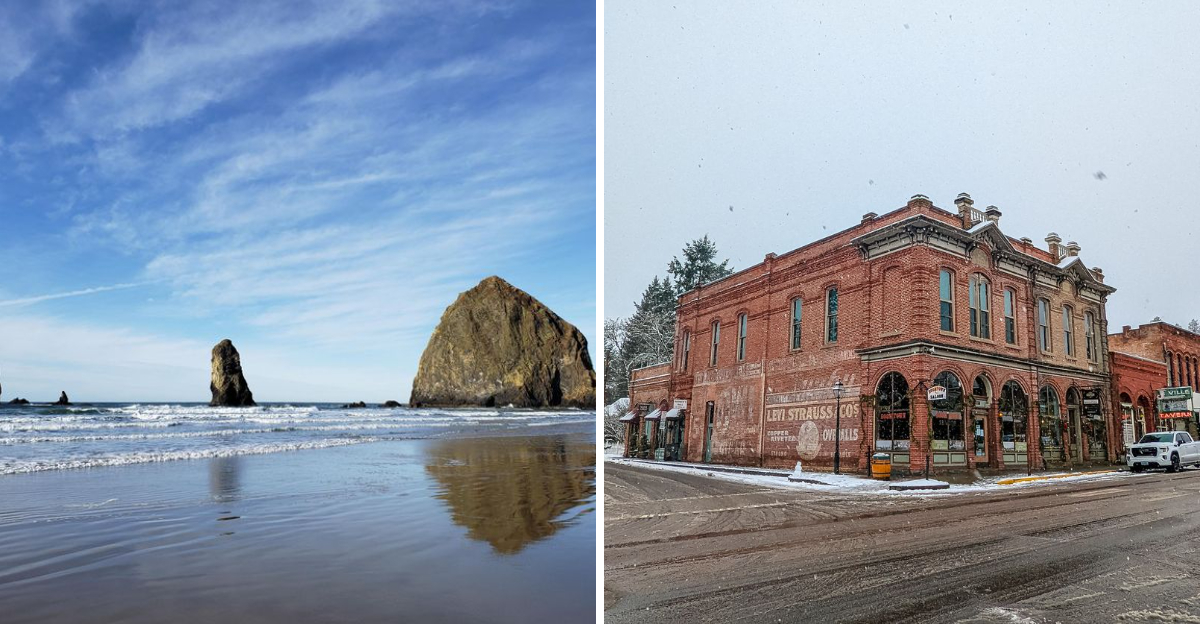
Oregon has always been a place of rugged beauty, from its windswept coastline to its forested valleys and charming small towns tucked between mountains and sea.
For decades, many of these communities remained hidden gems, known only to locals and the occasional traveler seeking solitude.
But as word spread about their natural wonders, historic charm, and unique character, these quiet havens began to change.
Tourism surged, crowds arrived, and the peaceful atmosphere that once defined these towns started to fade, replaced by bustling streets, packed beaches, and the hum of constant activity.
We’ve based our list on population changes, tourism growth, and first-hand observations from our travel team, alongside publicly available data available at the time of writing. Perceptions of “quiet” and change vary by visitor and resident. This list is unavoidably subjective.
1. Seaside
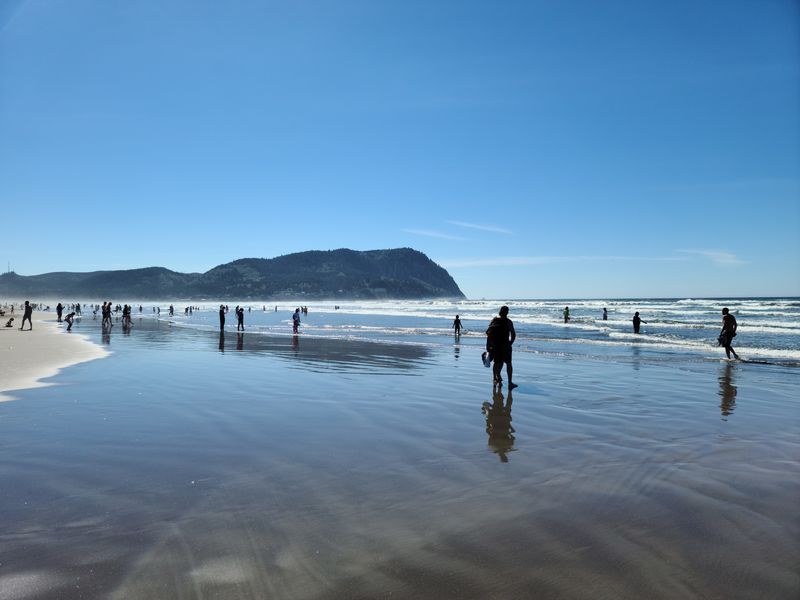
Long before Instagram influencers and viral travel blogs existed, Seaside earned its reputation as Oregon’s original beach resort.
Founded in the 1870s, this coastal community welcomed visitors seeking fresh ocean air and relaxation away from city life.
The town’s famous Promenade, a concrete walkway stretching along the beach, became a beloved feature where families could stroll and enjoy the scenery.
Fast forward to today, and Seaside bears little resemblance to its tranquil past.
The Promenade now teems with activity year-round, especially during summer months and holiday weekends when crowds reach overwhelming numbers.
Arcades light up Broadway Street with flashing neon signs, competing with saltwater taffy shops, souvenir stores, and chain restaurants for tourist dollars.
The atmosphere has shifted from peaceful retreat to carnival-like energy, complete with noise, congestion, and commercial development.
Locals who remember the quieter days express mixed feelings about the transformation.
While tourism provides economic benefits and jobs, it has fundamentally altered the town’s character.
Traffic jams clog Highway 101, the main route through town, creating frustration for both visitors and residents trying to go about their daily lives.
Beach access becomes challenging during peak times, with limited parking forcing people to walk considerable distances.
The influx of short-term vacation rentals has displaced longtime residents and reduced the sense of community that once thrived here.
Still, Seaside continues attracting families who appreciate its classic beach town amenities and easy beach access, even if the peace and quiet have vanished.
2. Astoria
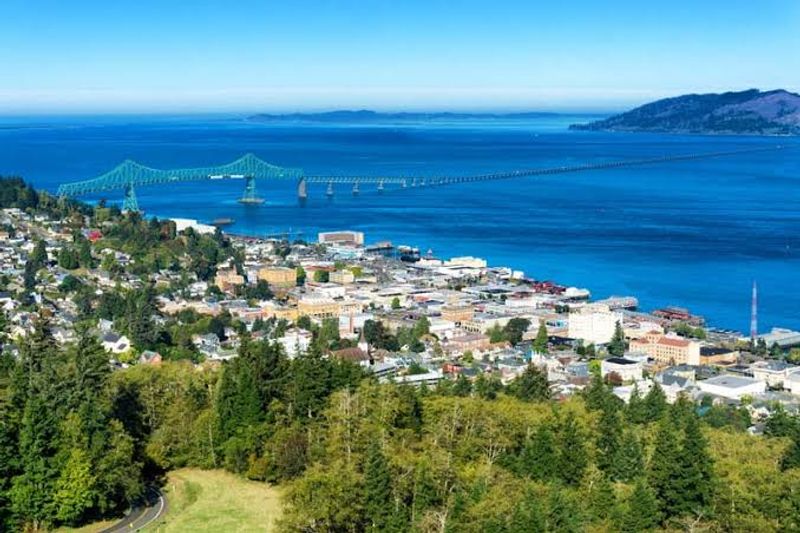
Perched where the mighty Columbia River meets the Pacific Ocean, Astoria holds the distinction of being the oldest American settlement west of the Rockies.
Its Victorian homes cascade down hillsides overlooking the water, and its maritime heritage runs deep through fishing traditions and historic landmarks.
For generations, Astoria remained a working-class port town where commercial fishing and canneries provided livelihoods, and tourists were few and far between.
Everything changed when cruise lines discovered Astoria’s charm and added it to their Pacific Northwest itineraries.
Now, massive ships dock regularly during cruise season, disgorging thousands of passengers who flood the narrow downtown streets for brief shore excursions.
The sudden surge of visitors overwhelms local infrastructure, creating traffic bottlenecks and parking shortages that frustrate residents.
Small businesses benefit from the influx of tourist spending, but many locals lament the loss of their town’s authentic character.
The waterfront area, once a quiet place to watch fishing boats come and go, now bustles with tour groups following guides holding colorful flags.
Popular filming locations from movies like The Goonies attract additional visitors year-round, adding to the congestion.
Housing prices have climbed as people from larger cities discover Astoria’s affordability compared to Portland, just ninety minutes away.
This has created tension between longtime residents and newcomers, as the town’s working-class roots give way to gentrification.
The historic neighborhoods that once housed fishermen and cannery workers now feature renovated homes owned by retirees and remote workers.
Astoria’s transformation illustrates how quickly discovery can alter a community’s identity and way of life.
3. Cannon Beach
Picture a stretch of coastline so stunning that it draws thousands of visitors every single day during peak season.
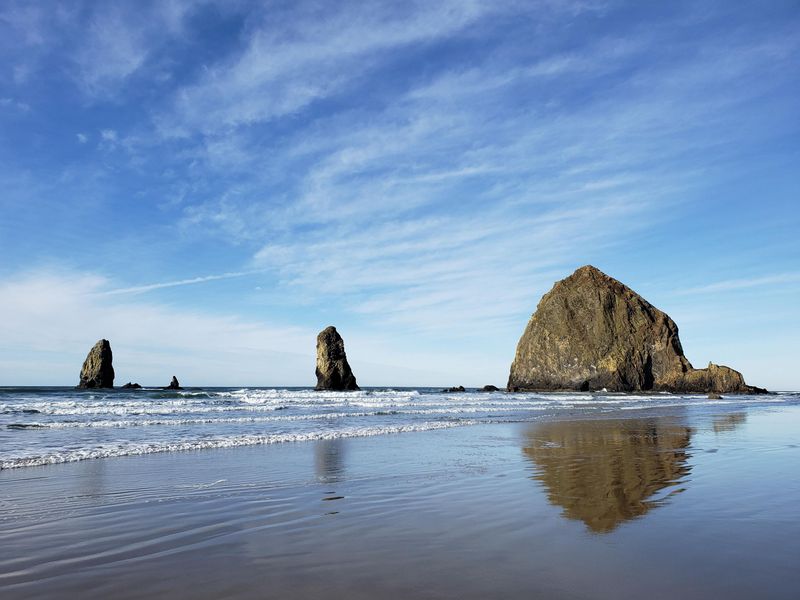
Cannon Beach became famous for Haystack Rock, a towering sea stack that rises dramatically from the sand and serves as a nesting site for puffins and other seabirds.
Photographers flock here at sunrise and sunset, hoping to capture the perfect shot of this natural wonder framed by crashing waves.
But with fame came consequences.
What was once a sleepy artist colony where locals knew each other by name has transformed into a bustling resort town.
Summer weekends bring bumper-to-bumper traffic along Hemlock Street, the main thoroughfare lined with galleries, boutiques, and restaurants.
Finding parking becomes a frustrating treasure hunt, with visitors circling blocks for hours.
The beach itself, while still breathtaking, now hosts throngs of tourists jockeying for space near the iconic rock formation.
Local residents recall quieter times when they could walk the shoreline in peaceful solitude, collecting shells and watching the tide roll in without navigating through crowds.
The town’s popularity has driven up property values and living costs, making it difficult for longtime residents and working families to afford staying.
Many of the quaint cottages that once housed year-round locals have been converted into vacation rentals, changing the community’s fabric.
Despite these challenges, Cannon Beach retains its natural beauty and artistic spirit.
The question remains whether the town can balance its newfound fame with preserving the tranquil charm that made it special in the first place.
4. Newport
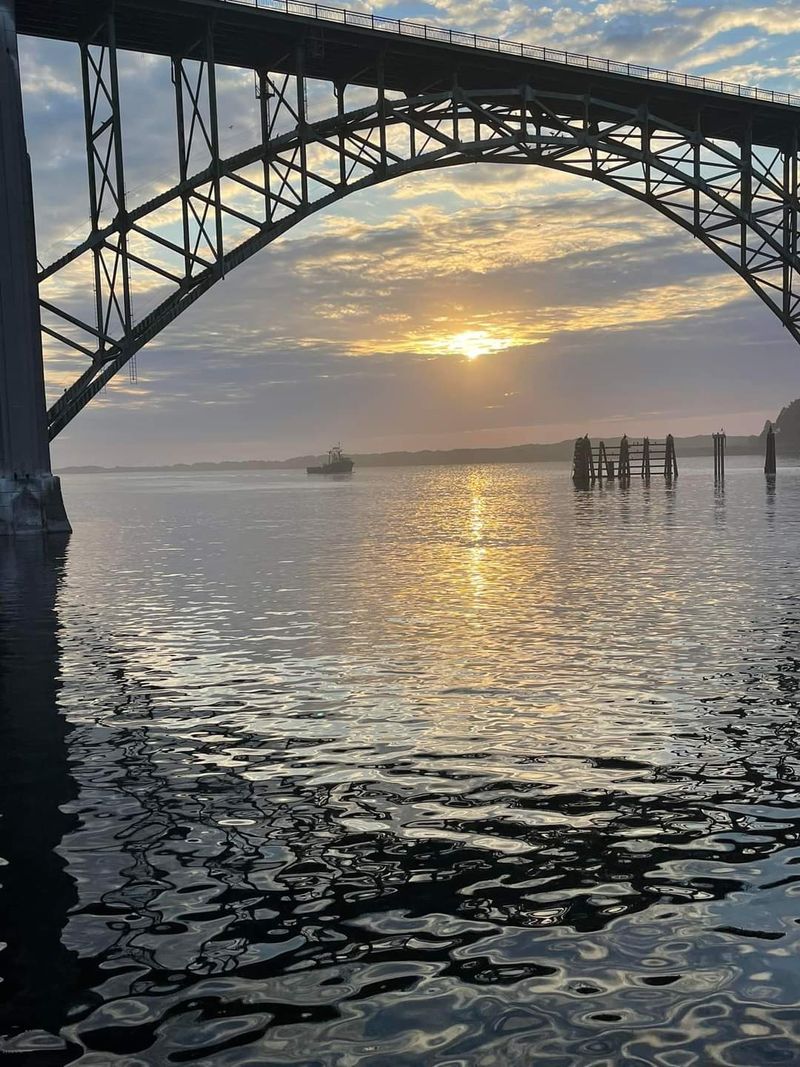
Commercial fishing boats still line the working waterfront, but they now share space with tour vessels and recreational boaters in this coastal hub.
Newport grew from a small fishing village into one of Oregon’s most visited coastal destinations, thanks largely to the Oregon Coast Aquarium, which opened in 1992.
The aquarium’s success brought international attention, especially when it temporarily housed Keiko, the orca from the movie Free Willy.
Visitor numbers exploded, and Newport’s infrastructure struggled to keep pace with the demand.
The historic bayfront, with its wooden piers and seafood restaurants, became a major tourist attraction rather than just a working harbor.
During summer months, the area becomes so congested that locals avoid it entirely, knowing they’ll spend more time searching for parking than enjoying the waterfront.
Nye Beach, once a bohemian enclave favored by artists and writers seeking inspiration, has evolved into a trendy neighborhood filled with vacation rentals and upscale establishments.
The quirky, offbeat character that defined Nye Beach has been polished and packaged for tourist consumption.
Year-round residents remember when they could walk the beach in winter solitude, listening only to waves and seagulls.
Now, even off-season weekends bring steady streams of visitors exploring tide pools and hiking coastal trails.
The town’s fishing heritage remains visible, but tourism has become the dominant economic force, reshaping everything from local government priorities to the types of businesses that can afford storefront rent.
Newport’s transformation shows how a single attraction can fundamentally alter a town’s trajectory and identity over just a few decades.
5. Sisters
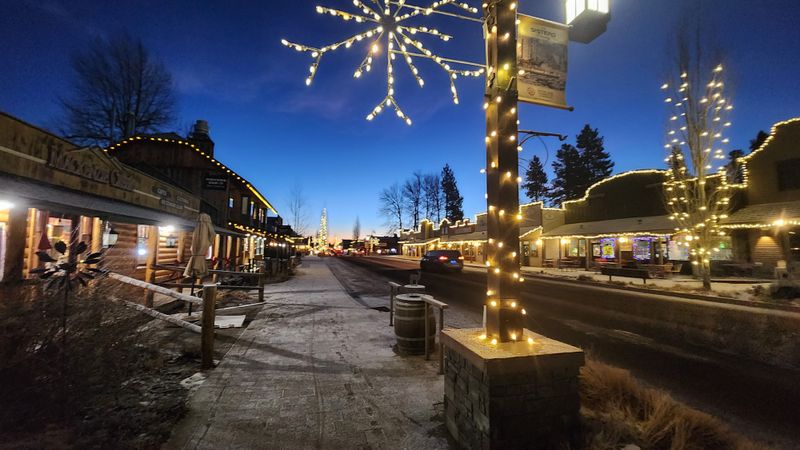
Nestled in the shadow of the Three Sisters mountains, this Central Oregon town adopted a Wild West theme in the 1970s to attract travelers passing through on Highway 20.
The strategy worked perhaps too well.
What began as a struggling logging community facing economic decline transformed into a thriving tourist destination with wooden boardwalks and false-front buildings designed to evoke frontier nostalgia.
Sisters became a mandatory stop for visitors heading to Bend or exploring the Cascade Lakes Scenic Byway.
The town’s population swells dramatically during summer months and special events like the Sisters Rodeo and the Sisters Outdoor Quilt Show, which draws tens of thousands of visitors.
Main Street, lined with galleries, boutiques, and restaurants, becomes nearly impassable during peak times as tourists browse shops and snap photos of the mountain views.
Longtime residents recall when Sisters was just a quiet crossroads where neighbors gathered at the local cafe and everyone knew each other’s business.
The town’s success has attracted wealthy retirees and second-home buyers, driving up property values and changing the community’s demographics.
Many working families who built Sisters into what it is today can no longer afford to live here, forced to commute from more affordable communities.
The western theme, while charming to visitors, feels increasingly manufactured to some locals who remember the town’s authentic history.
Traffic congestion has become a serious issue, with Highway 20 cutting directly through downtown and creating bottlenecks during busy periods.
Despite these growing pains, Sisters remains a beautiful gateway to outdoor recreation, though the quiet mountain town atmosphere has given way to commercial tourism.
6. Bend
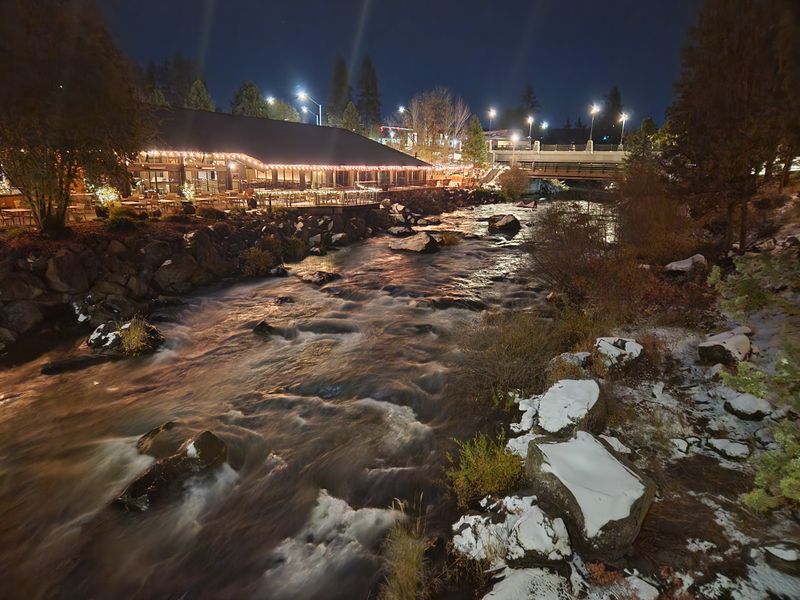
Once a sleepy mill town where logging drove the economy and outdoor recreation was something locals enjoyed in peaceful solitude, Bend has exploded into one of the fastest-growing cities in America.
The transformation began in the 1990s and accelerated through the 2000s as outdoor enthusiasts, tech workers, and retirees discovered the area’s year-round recreational opportunities and high desert beauty.
Mount Bachelor provides world-class skiing in winter, while summer brings mountain biking, hiking, rock climbing, paddleboarding, and endless sunshine.
The craft beer scene flourished, with Bend now boasting more breweries per capita than nearly any American city.
What was gained in amenities and economic vitality was lost in tranquility and affordability.
Housing prices skyrocketed, making Bend one of the least affordable cities in Oregon relative to local wages.
Traffic congestion became a daily reality on roads that were never designed for such population density.
Popular trails and climbing areas that once saw modest use now require arriving at dawn to find parking.
The Deschutes River, flowing through the heart of downtown, becomes a floating parade of inner tubes and paddleboards during summer, with music and crowds replacing the peaceful riparian experience longtime residents remember.
Local culture has shifted from the laid-back, unpretentious vibe of a small mountain town to something more polished and image-conscious.
Newcomers often arrive with expectations shaped by travel magazines and social media, seeking an outdoor lifestyle that ironically becomes harder to enjoy as more people crowd the same spaces.
Bend’s story represents the double-edged sword of discovery and development in the modern age.
7. Jacksonville
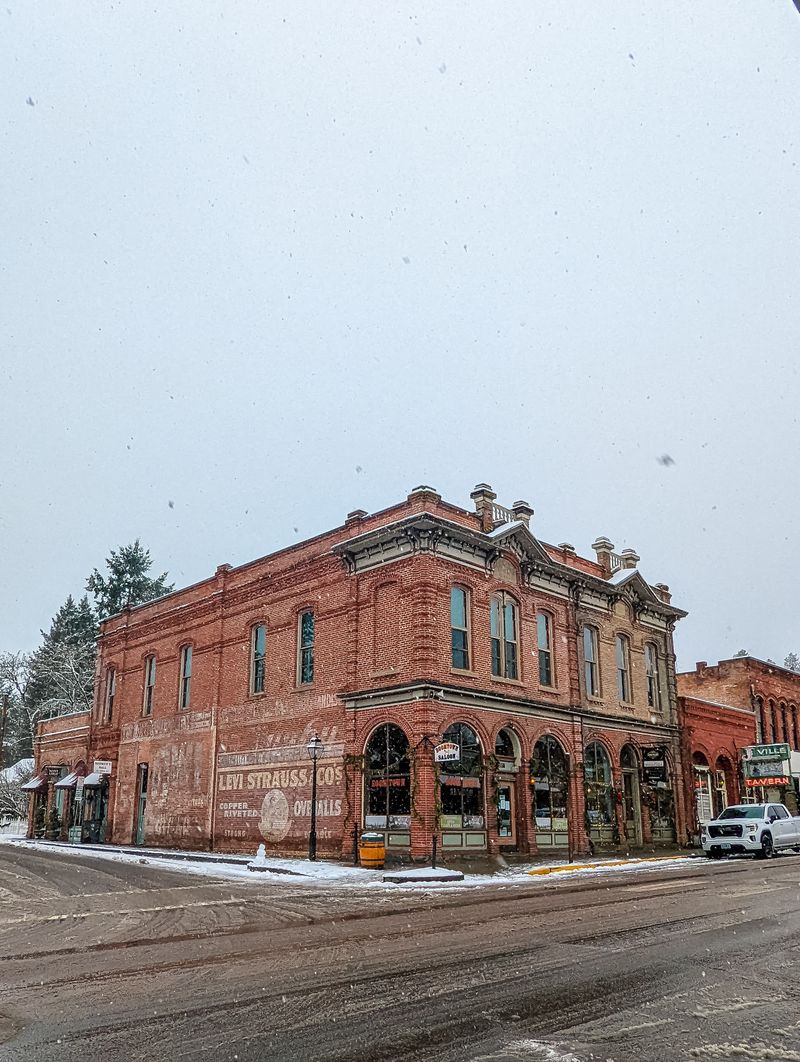
Gold brought thousands of prospectors to this Southern Oregon valley in the 1850s, creating a booming mining town that quickly became the region’s commercial center.
When the gold played out and the railroad bypassed Jacksonville in favor of nearby Medford, the town entered a long period of economic slumber that paradoxically preserved its historic architecture.
For decades, Jacksonville remained a quiet backwater where time seemed to stand still among the 19th-century brick buildings and wooden storefronts.
Recognition as a National Historic Landmark in 1966 changed everything.
Preservationists and history enthusiasts recognized Jacksonville’s remarkable collection of intact Gold Rush-era structures, and tourism gradually increased.
The Britt Music Festival, established in the 1960s and held in an outdoor amphitheater on a hillside overlooking town, became a major draw for music lovers throughout the Pacific Northwest.
Summer concert series bring thousands of visitors who pack picnic baskets and blankets for evening performances under the stars.
The festival’s success transformed Jacksonville from a forgotten relic into a thriving tourist destination.
Historic buildings now house antique shops, galleries, wine-tasting rooms, and upscale restaurants catering to visitors with disposable income.
Property values climbed as people sought second homes or retirement properties in this picturesque setting.
The character of Jacksonville shifted from a living community with schools, hardware stores, and everyday businesses to something resembling an open-air museum where tourism drives everything.
Longtime families found themselves priced out, watching as their hometown became a weekend destination for outsiders rather than a place where working people could afford to live and raise children.
8. Hood River
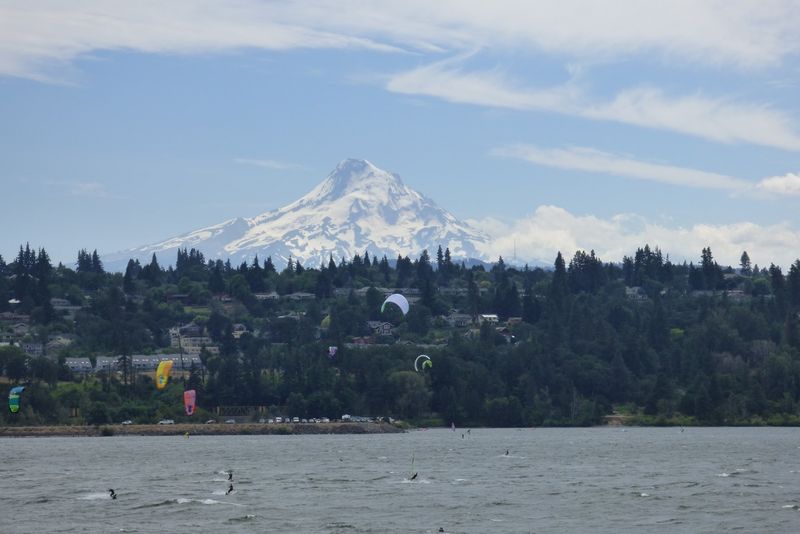
Steady winds funneling through the Columbia River Gorge created perfect conditions for windsurfing, and in the 1980s, adventurous athletes discovered this natural phenomenon.
Hood River evolved from a quiet fruit-growing community into the windsurfing capital of the world, attracting thrill-seekers from across the globe.
The transformation continued as kiteboarding gained popularity, followed by mountain biking, craft brewing, and farm-to-table dining.
Suddenly, Hood River appeared on every outdoor recreation magazine’s list of best adventure towns.
The small downtown, originally built to serve local orchardists and their families, now caters primarily to tourists and seasonal visitors.
Gear shops, brewpubs, and boutique hotels replaced hardware stores and everyday services.
Real estate values soared as wealthy buyers from Portland and beyond purchased vacation homes with Gorge views, pricing out agricultural workers and longtime residents.
The waterfront area, once a quiet spot where locals could launch boats or fish, became a crowded scene of wetsuit-clad athletes rigging equipment and jockeying for space.
Summer weekends bring gridlock traffic as visitors pour in to experience the outdoor lifestyle that Hood River has come to represent.
The town’s agricultural heritage remains visible in the surrounding orchards producing world-famous pears, apples, and cherries, but tourism and recreation now dominate the local economy.
Many orchard workers can no longer afford housing in Hood River itself, commuting from less expensive communities.
The tension between preserving the town’s working landscape and embracing its identity as an outdoor recreation mecca continues to shape local politics and planning decisions.
Dear Reader: This page may contain affiliate links which may earn a commission if you click through and make a purchase. Our independent journalism is not influenced by any advertiser or commercial initiative unless it is clearly marked as sponsored content. As travel products change, please be sure to reconfirm all details and stay up to date with current events to ensure a safe and successful trip.
