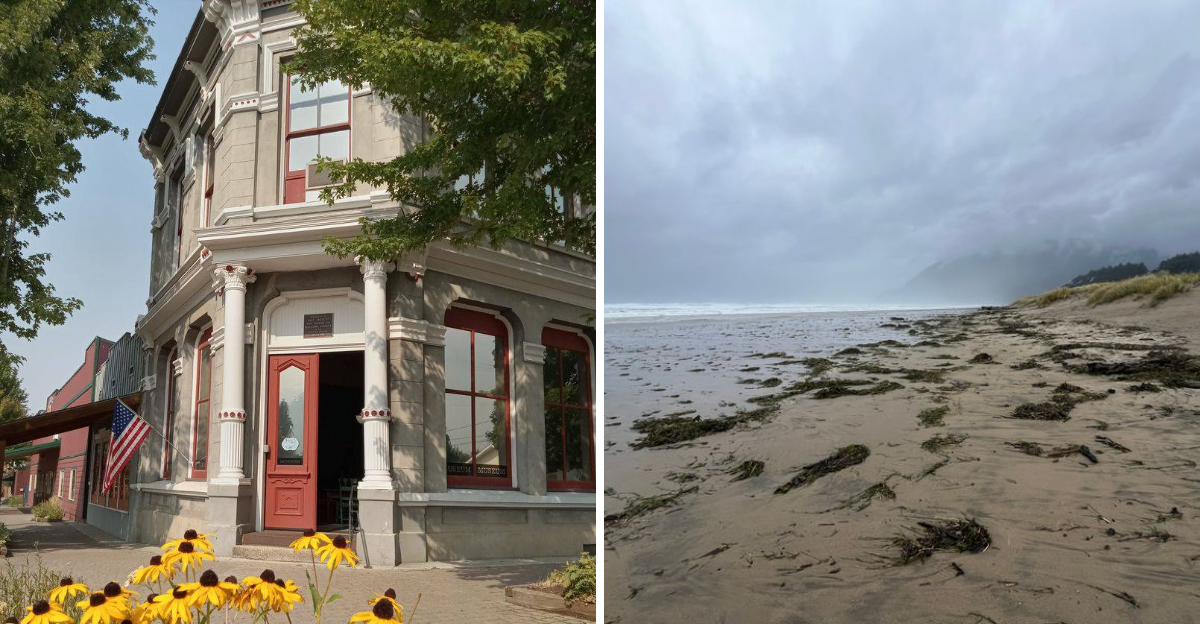
Oregon is full of charming small towns that draw visitors from around the world, but some of these communities have quirky local laws that catch tourists completely off guard.
From restrictions on pumping your own gas to unusual beach rules and unexpected wildlife ordinances, these regulations can turn a simple vacation into a memorable learning experience.
Understanding these local rules before you arrive can save you from fines, embarrassment, or just plain confusion.
Whether you’re planning a coastal getaway or a mountain retreat, knowing what to expect will help you enjoy your Oregon adventure without any unwelcome surprises.
Here are seven Oregon towns where local regulations create unexpected situations for unsuspecting visitors.
1. Cannon Beach: Protecting the Iconic Haystack Rock
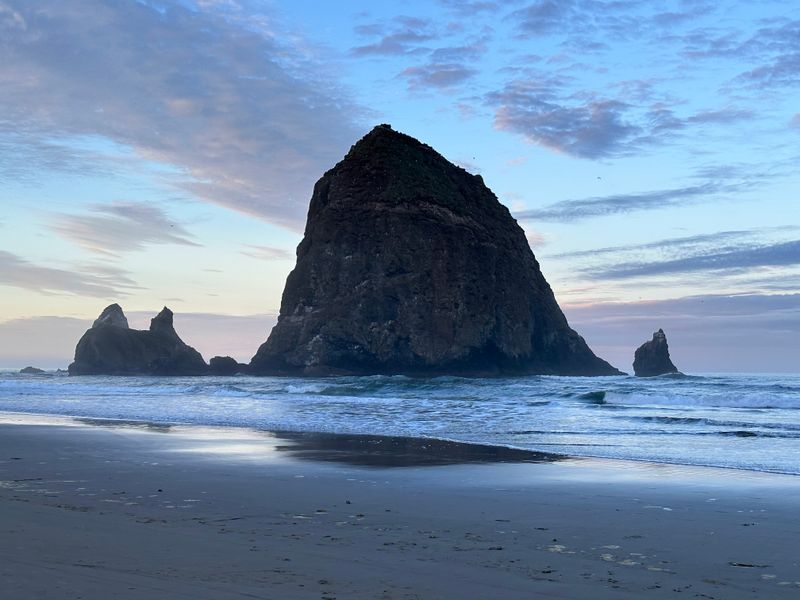
Cannon Beach draws thousands of visitors each year who come to photograph the stunning Haystack Rock, one of Oregon’s most recognizable coastal landmarks.
What many tourists don’t realize is that this 235-foot sea stack and the surrounding tide pools are protected as a marine sanctuary with strict rules about wildlife interaction.
Local ordinances prohibit touching, feeding, or disturbing any marine life in the intertidal zones, and rangers actively patrol the area issuing citations to violators.
The puffins that nest on Haystack Rock between April and August are especially protected, and getting too close can result in hefty fines starting at $100.
Visitors who let their dogs run off-leash near the rock can face even steeper penalties, as canines disturb nesting birds and other wildlife.
The town also enforces specific hours when dogs are allowed on certain beach sections, which confuses many tourists who assume all Oregon beaches follow the same rules.
During summer months, the beach can become so crowded that parking enforcement becomes extremely strict, with the town towing vehicles that block residential driveways or park in unmarked areas.
Many visitors receive tickets because they don’t notice the small signs indicating two-hour parking limits in certain zones.
The town has also implemented rules about beach fires, requiring them to be below the high tide line and completely extinguished before leaving.
Rangers check for compliance especially during sunset hours when beach gatherings are most popular.
These protective measures exist because Cannon Beach takes its role as a steward of natural resources seriously, but tourists unfamiliar with marine sanctuary rules often find themselves surprised by the level of enforcement and the specific restrictions that differ from other coastal towns.
2. Ashland: Shakespeare Festival Noise Ordinances

Ashland has built its reputation around the Oregon Shakespeare Festival, which brings theater enthusiasts from across the globe to this charming southern Oregon town.
With outdoor performances at the Elizabethan Theatre being a major attraction, the town has implemented unusually strict noise ordinances that catch many visitors by surprise.
The regulations prohibit loud conversations, music, or any disruptive sounds in the downtown area after 10 PM, with enforcement particularly vigilant near the theaters and performance venues.
Tourists staying in downtown hotels or vacation rentals often receive warnings or citations for what they consider normal evening activities like playing music on patios or having animated conversations after shows.
The town’s commitment to maintaining a theater-friendly atmosphere means that even outdoor dining establishments must comply with sound restrictions that seem excessive to visitors from larger cities.
Street performers, a common sight in many tourist towns, must obtain special permits in Ashland and can only perform in designated zones during specific hours.
Many tourists don’t realize that amplified music is prohibited in Lithia Park, the beautiful 93-acre greenspace that serves as a gathering spot for visitors.
The park has additional rules about alcohol consumption and organized gatherings that differ from typical city parks.
During festival season, which runs from February through October, parking enforcement becomes incredibly strict with residential permit zones expanding into areas that are unrestricted during off-season months.
Visitors who park in these zones without realizing the seasonal restrictions often return to find tickets or towed vehicles.
The town also has specific ordinances about camping and overnight parking in vehicles, which affects budget travelers who might attempt to sleep in their cars in public lots, a practice that results in immediate citations and potential vehicle impoundment in Ashland.
3. Jacksonville: Historic Preservation Requirements

Jacksonville is a living museum, a National Historic Landmark town where virtually every building dates back to the gold rush era of the 1850s and 1860s.
The town’s commitment to historical authenticity means that local ordinances regulate everything from building modifications to business signage in ways that create unexpected situations for tourists.
Visitors who rent historic properties through vacation rental platforms often discover they cannot make even minor changes like installing temporary hooks or moving furniture without violating preservation rules.
The historic district regulations extend to vehicle restrictions, with certain streets prohibiting modern commercial vehicles or oversized RVs that don’t fit the town’s 19th-century aesthetic.
Tourists driving larger vehicles sometimes find themselves unable to access their accommodations or must park in designated lots several blocks away from their rental properties.
Photography rules also surprise many visitors, as commercial photography and filming require special permits and must comply with guidelines that protect the historic integrity of buildings and streets.
Even wedding photographers working with couples who choose Jacksonville as a backdrop must navigate these regulations.
The town’s strict rules about outdoor dining and sidewalk cafes mean that restaurants cannot simply add tables to sidewalks as they might in other communities.
Every modification must receive approval from the historic review board, which affects where and how tourists can enjoy meals in the downtown area.
Local ordinances also restrict the types of businesses that can operate in the historic core, which means visitors won’t find typical chain restaurants or modern conveniences they might expect in a tourist destination.
The town has specific regulations about evening activities and events, with noise restrictions and gathering permits required for activities that would be unregulated in most other towns, affecting how tourists can celebrate special occasions or host group events during their visits.
4. Manzanita: Strict Beach and Dune Protection
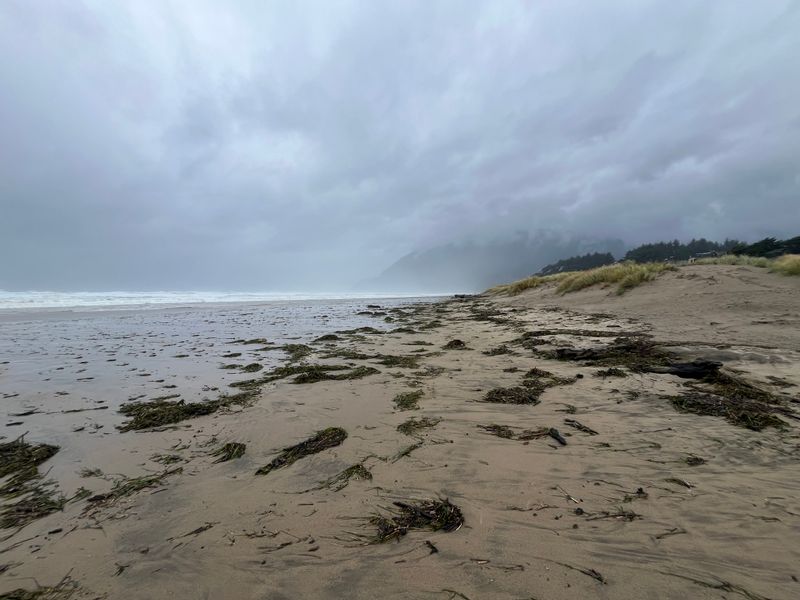
Manzanita is a small coastal village known for its seven miles of pristine beach and the extensive dune ecosystem that separates the town from the ocean.
Local regulations protecting these fragile dunes are more stringent than in most Oregon coastal communities, creating confusion for tourists who expect typical beach access.
The town prohibits walking on or through the dunes except via designated access paths, and enforcement officers actively patrol issuing citations to visitors who cut through the vegetation.
Many tourists don’t understand why they can’t simply walk over the dunes from their vacation rentals to reach the beach, but the $250 fines quickly educate violators about the importance of dune preservation.
Beach fires, while allowed in many Oregon coastal towns, face much stricter regulations in Manzanita with specific rules about location, size, and cleanup that differ from neighboring communities.
Visitors must keep fires below the high tide line and ensure they’re completely extinguished with water, not just sand, before leaving the beach.
The town has also implemented strict rules about beach equipment rentals and commercial activities, which means tourists cannot hire beach setup services or rent equipment from vendors on the beach itself.
All rentals must be arranged through licensed businesses in town and transported to the beach by the renters.
Parking enforcement in Manzanita is particularly vigilant because the small town has limited spaces and residential streets cannot accommodate the visitor volume during peak season.
Many tourists receive tickets for parking too close to driveways or blocking what appear to be unused dirt roads but are actually private access paths.
The town’s ordinances about overnight camping and sleeping in vehicles are strictly enforced, with regular patrols checking parking lots and beach access areas throughout the night, surprising budget travelers who attempt to camp in their cars near the beach access points.
5. Sisters: Western Theme Architectural Requirements
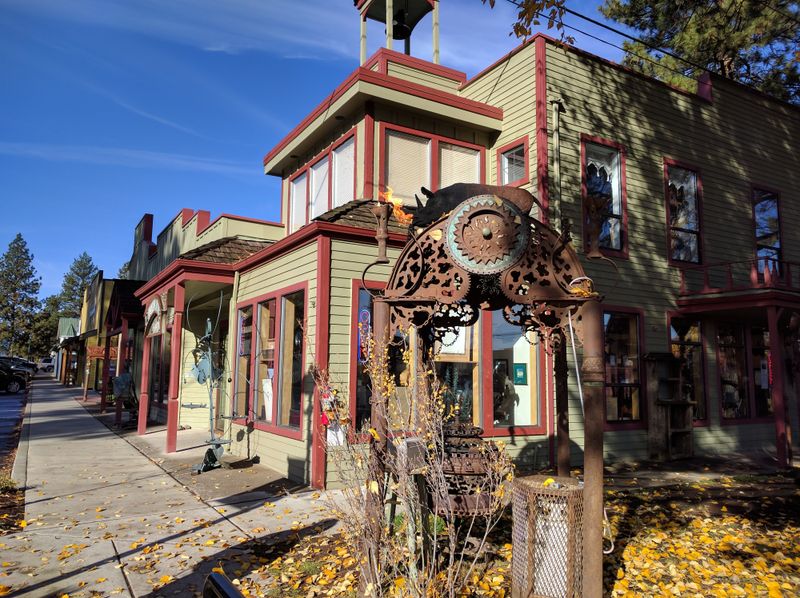
Sisters is a mountain town that has embraced a Western frontier theme so completely that local ordinances actually require all buildings in the downtown core to conform to specific architectural standards.
Every structure must feature false-front Western styling reminiscent of 1880s frontier towns, creating a cohesive aesthetic that delights some visitors while frustrating others.
Tourists who open businesses or purchase property in Sisters discover that even minor exterior modifications require approval from the city’s design review committee.
The requirements extend to signage, with strict rules about size, materials, and style that prohibit the modern illuminated signs common in most commercial districts.
This creates an unexpected effect where visitors cannot easily spot familiar chain businesses because their typical branding must conform to the Western theme.
The town’s commitment to this aesthetic also affects how tourists can interact with the environment, with regulations about outdoor displays, sidewalk sales, and temporary structures that must all maintain the Western character.
During the popular Sisters Outdoor Quilt Show, one of the largest events of its kind in the world, additional temporary regulations govern how quilts can be displayed and how visitors can navigate the crowded streets.
Photography restrictions during the event surprise many tourists who don’t realize that commercial photography of the displayed quilts requires permission from individual quilt owners.
The town has strict parking regulations during peak tourist seasons and special events, with residential areas implementing permit-only parking that extends much further from downtown than visitors expect.
Many tourists find themselves walking considerable distances because they cannot park near popular attractions and restaurants.
Sisters also enforces unusual regulations about pets in the downtown area, requiring leashes no longer than six feet and prohibiting dogs from entering certain shops even when other Oregon towns welcome them, creating confusion for tourists traveling with their animals who expect consistent rules across the state.
6. Depoe Bay: Whale Watching and Harbor Restrictions
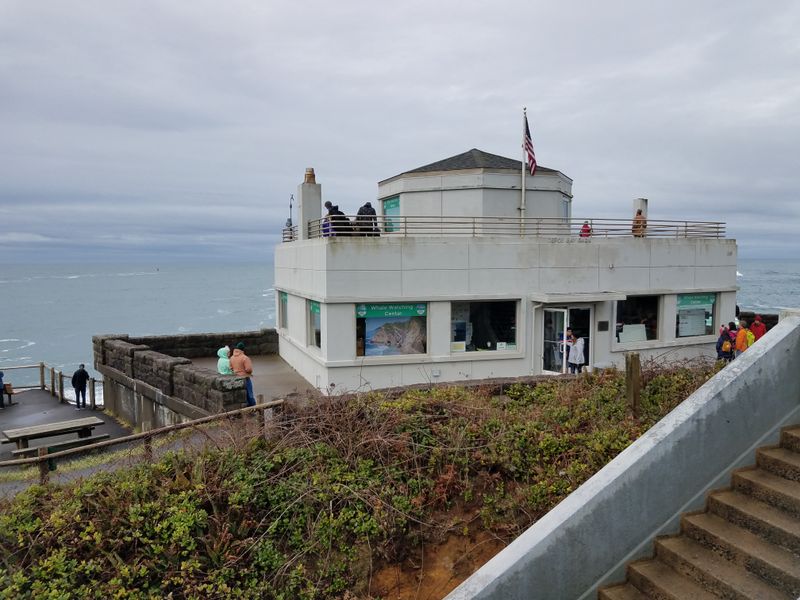
Depoe Bay claims the title of the world’s smallest navigable harbor, and this unique feature comes with local regulations that surprise many tourists who visit for the town’s famous whale watching opportunities.
The harbor’s tiny size means that strict rules govern when and how boats can enter and exit, with specific tide and weather requirements that often result in canceled tours that tourists have booked months in advance.
Visitors standing on the bridge overlooking the harbor entrance must comply with regulations prohibiting them from dropping anything into the water or interfering with boat traffic, rules that seem obvious but are actively enforced with citations.
The town’s proximity to whale migration routes has led to specific ordinances about approaching marine mammals, with stricter enforcement than in many coastal communities.
Tour operators face heavy fines if they bring boats too close to whales, which sometimes disappoints tourists expecting close encounters they’ve seen advertised in other locations.
Depoe Bay has also implemented strict rules about drone usage along the coastline, particularly near the harbor and popular whale watching spots.
Many tourists arrive with drones hoping to capture aerial footage of whales only to discover that flying drones over the harbor or within certain distances of the shoreline results in immediate confiscation and fines.
The town’s famous spouting horn, where waves force water through natural rock formations creating spectacular displays, is surrounded by barriers and warning signs that many tourists ignore.
Local ordinances prohibit climbing on the rocks near these formations, and during high surf conditions, the area may be closed entirely with violators facing trespassing charges.
Parking in Depoe Bay presents another challenge, as the small town has minimal public parking and strictly enforces time limits and residential restrictions, with many tourists receiving tickets while watching whales from scenic overlooks because they exceeded the posted time limits they didn’t notice.
7. Joseph: Livestock and Rural Character Ordinances

Joseph is a small town in northeastern Oregon’s Wallowa County, known for its bronze foundries, western art galleries, and proximity to the stunning Wallowa Mountains.
What surprises many tourists is that Joseph maintains ordinances allowing livestock within town limits, creating situations where visitors encounter horses, cattle, and other farm animals on streets and in yards throughout the community.
The town’s rural character ordinances permit residents to keep various animals that would be prohibited in most tourist destinations, which means visitors must navigate streets where livestock have the right of way.
Tourists driving through Joseph often don’t expect to encounter cattle crossing main roads or horses tied up outside downtown businesses, leading to confusion and traffic situations that seem unusual for a town with art galleries and restaurants.
Local regulations also affect how tourists can interact with these animals, with strict liability rules that hold visitors responsible if they disturb or injure livestock even on public streets.
The town’s commitment to preserving its ranching heritage extends to regulations about fencing, property modifications, and business operations that affect vacation rental properties.
Tourists renting homes in Joseph may find themselves staying in properties adjacent to pastures with animals, a situation that delights some visitors while disturbing others who expected a typical small-town vacation experience.
Joseph’s regulations about outdoor activities also reflect its rural character, with rules about campfires, fireworks, and outdoor gatherings that are more permissive than in most Oregon towns but come with specific requirements about fire safety given the surrounding grasslands and forests.
During the summer months when fire danger increases, these regulations can change rapidly, catching tourists off guard when activities they planned suddenly become prohibited.
The town’s approach to parking and traffic enforcement is notably more relaxed than in other tourist destinations, but this creates its own confusion when visitors aren’t sure whether parking is actually permitted in certain areas or just tolerated, leading to uncertainty about whether they might return to find tickets or towed vehicles.
Dear Reader: This page may contain affiliate links which may earn a commission if you click through and make a purchase. Our independent journalism is not influenced by any advertiser or commercial initiative unless it is clearly marked as sponsored content. As travel products change, please be sure to reconfirm all details and stay up to date with current events to ensure a safe and successful trip.
