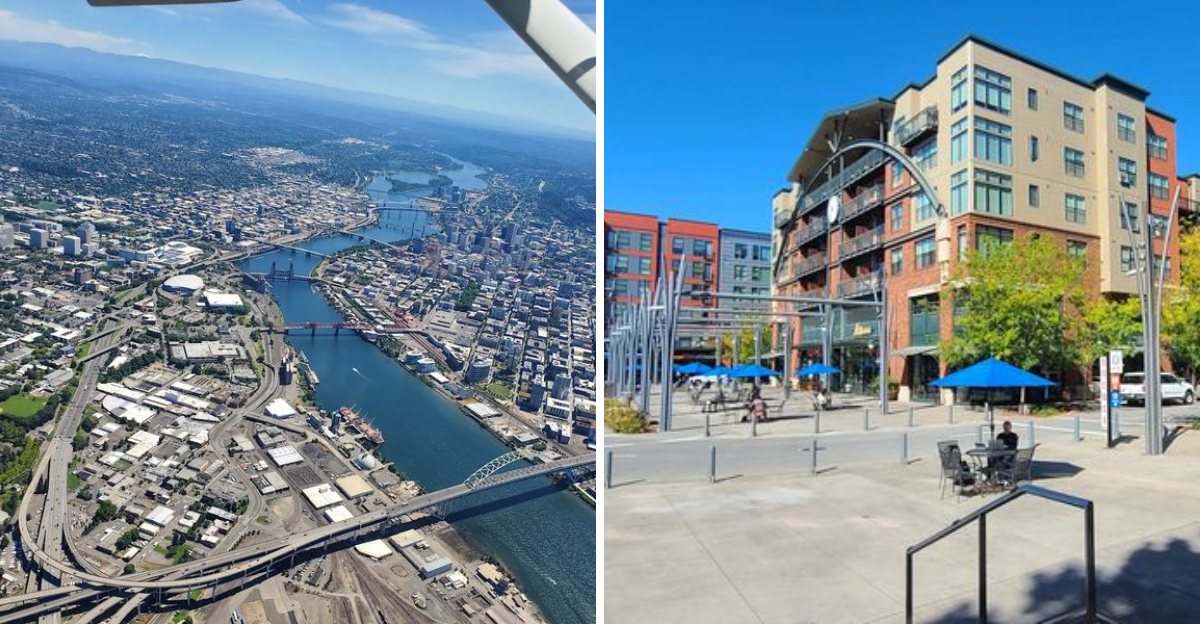
The mailbox used to hold a small sigh when the property tax bill arrived. Now it brings a knot of dread for many Oregon families.
The numbers keep climbing every year, and each bill feels like a final notice for their future in their own home. For sale signs are appearing faster than strollers on many streets.
Families are not leaving out of choice, they are being priced out by an unforgiving system. The math simply does not work when taxes eclipse the dream of raising a family.
Oregon has unique property tax laws from the 1990s that created unintended consequences. Governments squeeze budgets through increasing levies and bonds to maintain basic services.
Seniors on fixed incomes and young families are the most vulnerable to these rising costs. Those who bought years ago now face revaluations with bills they simply cannot afford.
The dream of stable homeownership is fading for many across the state. A firefighter cannot afford to live in the community he serves.
A retiree is forced to sell the home she has owned for decades. Oregon’s charm is undeniable, but for many families, that charm no longer feels worth the cost.
1. Lake Oswego, Clackamas County
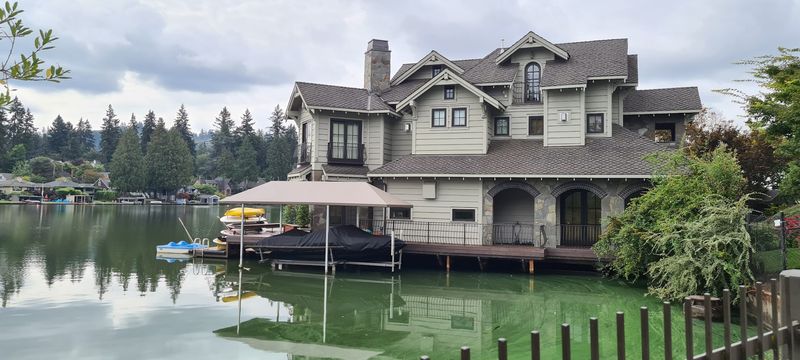
Affluence does not make you immune to sticker shock, and Lake Oswego is proving that point in a very clear way. Median home values here sit well above the Oregon state average, which translates directly into five-figure annual tax bills for many households.
Retirees on fixed incomes are among the most visibly affected residents in this community. A property that once felt like a smart long-term investment can quickly become a monthly financial strain when bills keep climbing.
Real estate agents in the area report a noticeable uptick in sellers who are motivated specifically by tax concerns rather than lifestyle changes. That is a meaningful shift in what drives people to list their homes.
Some longtime residents have quietly relocated to neighboring counties or moved out of Oregon entirely. The decision is rarely easy, but the numbers eventually make the choice for them.
Lake Oswego still offers beautiful lakefront living and strong schools, but the carrying costs are reshaping who can realistically call this community home for the long term.
2. Beaverton, Washington County

Beaverton built its reputation as the sensible, more affordable neighbor to Portland, but that reputation is quietly unraveling. Washington County property tax statements jumped 11.7 percent this year, adding $183 million in new tax obligations across the county.
The increases came from several directions at once, including assessed value growth, new construction, industrial expansion, and voter-approved levies. When multiple factors push in the same direction, the result lands hard on household budgets.
Tech workers who relocated to Beaverton for jobs at Nike and Intel are now doing the math again. Remote work has made it much easier to live in states with lower tax structures without giving up career opportunities.
Teachers, nurses, and service workers who never had high incomes to begin with are feeling the pressure even more acutely. They do not have the flexibility that remote tech employees enjoy.
Beaverton still has real strengths, including solid transit connections and a diverse food scene. However, the gap between what people earn and what they owe on their homes is narrowing the field of who can comfortably stay.
3. Gresham, Multnomah County

Property tax pressure hits differently when there is no financial cushion to absorb it. Gresham is a working-class city where many homeowners are tradespeople, service workers, and small business owners running on tight margins every single month.
Unlike wealthier communities, residents here cannot simply redirect savings or investment income to cover a larger tax bill. When the statement arrives and it is hundreds of dollars higher than last year, something else in the budget has to give.
Some Gresham families have relocated to smaller towns in eastern Oregon, where home values and tax obligations are considerably lower. Others have crossed the border into Washington State, where the property tax structure works differently.
The irony is that Gresham residents often chose this city because it was one of the last genuinely affordable options near Portland. That window appears to be closing faster than anyone expected.
Community roots run deep here, and leaving is not a decision people make lightly. Still, when the numbers stop making sense, even deeply connected families start looking at the map with fresh eyes.
4. Portland, Multnomah County

Portland homeowners are opening tax statements with a mix of shock and frustration these days. The city carries some of the highest property tax rates in the entire country, and the burden keeps growing year after year.
In November 2025, voters approved Measure 26-260, raising the parks levy by 75 percent. That single change costs the median homeowner an extra $133 per year, stacked on top of existing obligations.
A 1 percent Clean Energy Surcharge adds further weight to an already heavy load. Longtime Portlanders describe a sense of disbelief when the annual bill arrives in the mail.
Multnomah County lost roughly 4,400 people and nearly $1 billion in taxable income between 2020 and 2021. Many of those who left were middle-class families who simply ran out of financial room.
The city also faces a structural funding gap that dates back to property tax reforms from the 1990s. Portland remains a vibrant and culturally rich city, but the cost of staying is testing the loyalty of even its most devoted residents.
5. Hillsboro, Washington County
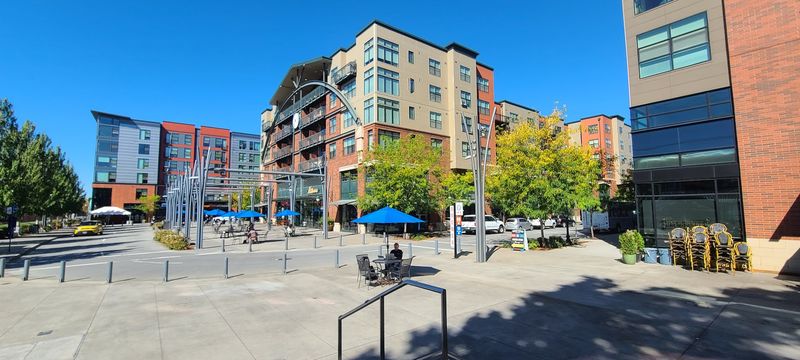
Intel’s massive presence transformed Hillsboro from a quiet agricultural town into a technology hub, and home values followed that transformation upward. The problem is that property tax obligations have climbed right alongside those values, and not everyone in town works for a chip manufacturer.
Teachers, nurses, and city employees helped build the community infrastructure that makes Hillsboro functional and livable. They are now finding it increasingly difficult to justify staying when the tax system is effectively pricing them out.
Washington County’s strong job market created demand that pushed real estate values to new heights. But demand does not automatically translate into wage growth for essential workers who keep schools and hospitals running.
The disconnect between income levels and tax obligations is the core tension in Hillsboro right now. High earners can absorb the increases, but the people who serve those high earners often cannot.
There is something worth paying attention to when the workers a city depends on most can no longer afford to live within its boundaries. Hillsboro is arriving at that uncomfortable realization faster than local leaders may have anticipated.
6. Tigard, Washington County
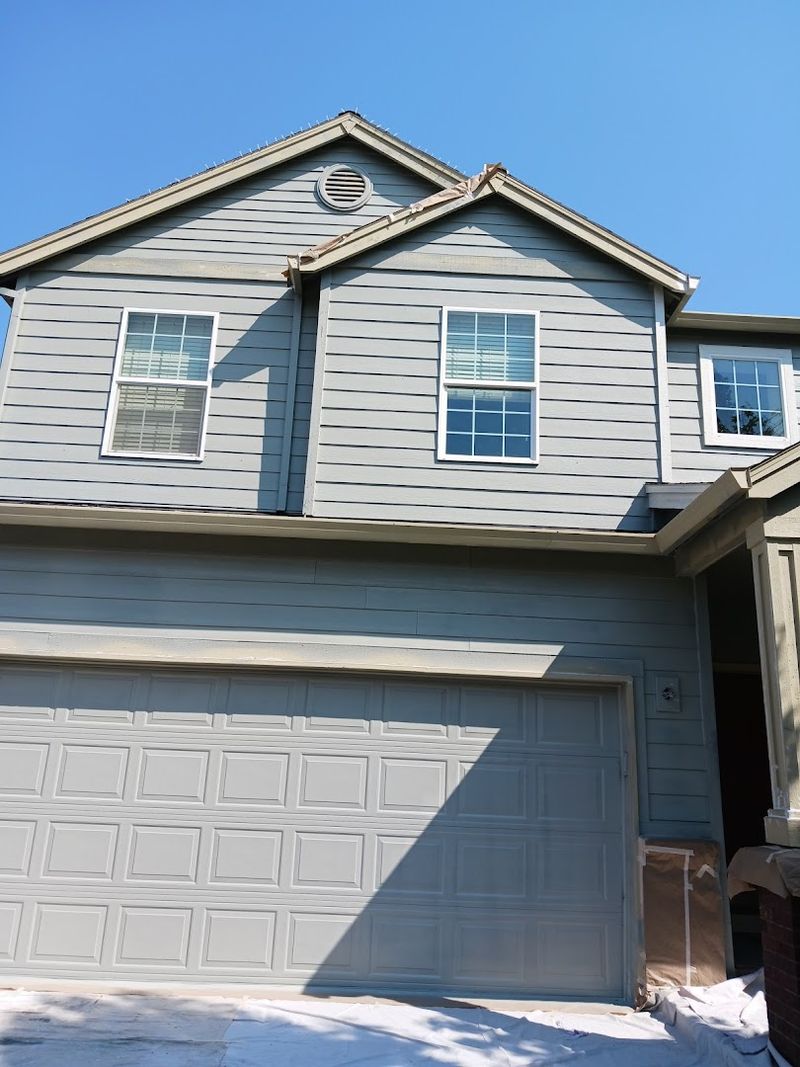
Overlapping taxing districts are one of the less-discussed reasons why property tax bills in Tigard can feel surprisingly high for a mid-sized suburban city. Homeowners often pay levies for multiple services at once, and some of those services can feel redundant when the bills stack up.
Retirees on fixed incomes have become the most vocal group expressing frustration about the ongoing pressure. They planned their retirements around a certain cost of living, and the tax trajectory was not part of that original calculation.
Real estate agents in Tigard now report that tax conversations happen in nearly every listing appointment they conduct. Buyers who see the full annual cost of ownership sometimes walk away from deals they were otherwise ready to close.
That kind of hesitation ripples through the local market and affects sellers who need to move. The tax burden has become a sales obstacle in a city that was once considered a straightforward place to own a home.
Tigard has good parks, convenient highway access, and solid community amenities. But the financial overhead of owning property here is reshaping decisions in ways that would have seemed unlikely just five years ago.
7. Eugene, Lane County
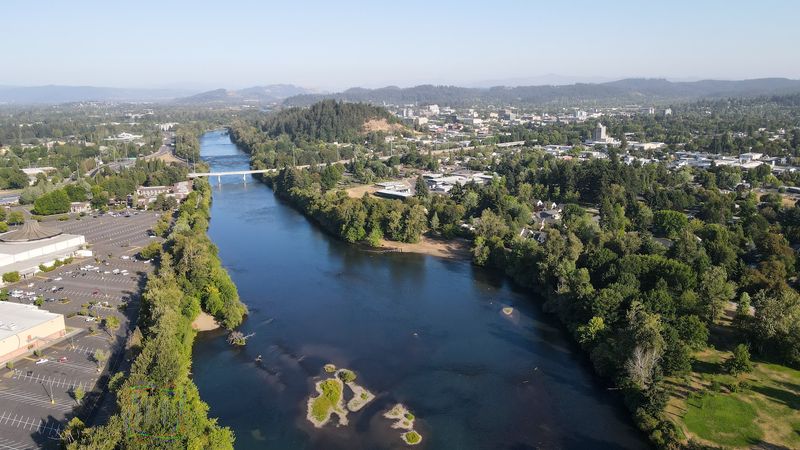
Eugene attracted generations of artists, educators, and nonprofit workers who chose it specifically because it offered a creative and affordable way of life. That affordability is now increasingly a memory rather than a present reality.
Lane County property tax rates have climbed significantly over the past decade, and real estate values near the University of Oregon have spiked in ways that caught many longtime residents off guard. The neighborhood demographics are visibly shifting as a result.
A musician or a middle school teacher who put down roots in Eugene twenty years ago may find that the annual tax bill no longer matches their income level. The lifestyle that drew them here remains appealing, but the financial math has changed.
Some residents have relocated to smaller Lane County communities like Cottage Grove or Junction City, where values and obligations are more manageable. It is a practical solution, but it means leaving behind the cultural energy of the city itself.
Eugene still has the Saturday Market, the bike paths, and the university energy that made it famous. Holding onto all of that while also holding onto your house is simply harder than it used to be.
8. Medford, Jackson County
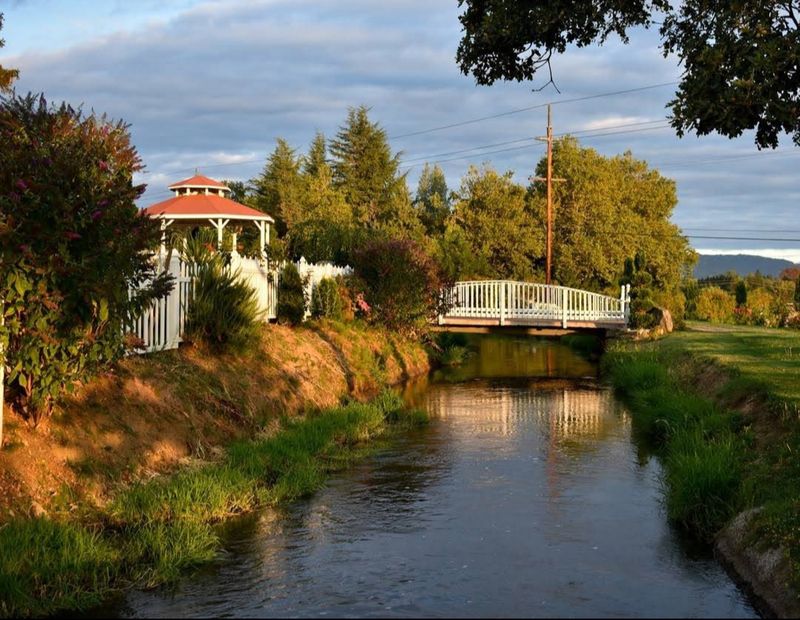
Southern Oregon’s largest city has experienced a dramatic influx of California transplants over the past several years, and home values have responded accordingly. Prices climbed faster than local wages could follow, creating a gap that property taxes are now making even wider.
Jackson County Fire District 4 asked voters in May 2025 to approve a levy increase specifically to cover inflation-driven operating costs. That request is a local example of a much broader pattern playing out across the state.
Families who moved to Medford expecting a lower cost of living compared to California are now discovering that the savings are shrinking faster than expected. The tax bills they receive look different from what they originally projected when they made the move.
Some households have relocated to smaller Rogue Valley communities in search of relief. Others have moved north toward Roseburg, where the market has not experienced the same level of price acceleration.
Medford still benefits from a sunny climate, proximity to Crater Lake, and a growing local economy. But the financial pressure building beneath the surface is starting to influence decisions in very tangible ways for ordinary families.
9. Bend, Deschutes County
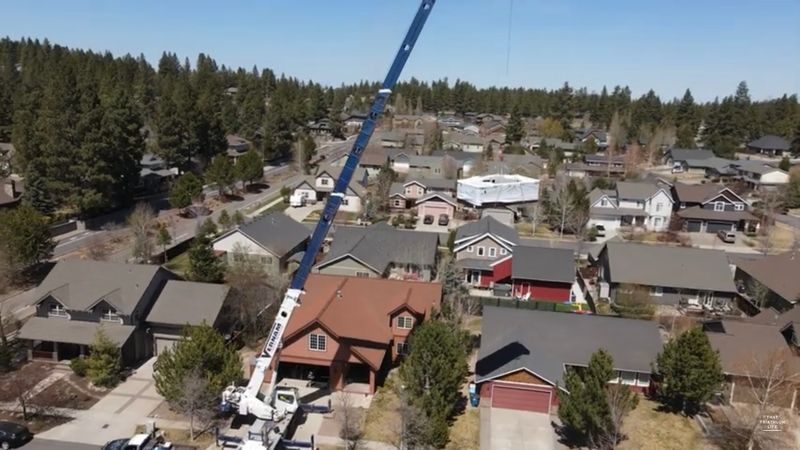
Not long ago, Bend was a small logging town that most Oregonians visited mainly to ski or fish. Today it competes with major metro areas on home prices, and the property tax bills have followed that dramatic transformation upward.
The median home price in Bend now rivals what you would find in large Pacific Northwest cities, which is a stunning shift for a community that once prided itself on being accessible. Teachers, firefighters, and service workers are feeling that shift most directly.
Many essential workers now commute from Redmond or Prineville because living in Bend itself is simply no longer financially realistic. That commute adds time, fuel costs, and stress to lives that are already stretched thin.
The outdoor recreation scene that made Bend so attractive continues to draw new residents with deeper pockets, which sustains demand and keeps prices elevated. The cycle reinforces itself in ways that are difficult to interrupt without deliberate policy action.
Bend is genuinely one of the most beautiful places in Oregon, and its appeal is completely understandable. The challenge is that beauty and desirability come with a price tag that a growing number of families simply cannot afford to pay.
10. Sweet Home, Linn County

Sweet Home carries a name that sounds like a promise, but the financial reality facing its residents tells a more complicated story. This small Linn County town has been hit hard by a phenomenon called compression, which occurs when property taxes exceed constitutional limits and get cut back.
In fiscal year 2012-2013, Sweet Home lost 27.7 percent of its calculated property tax revenue to compression. That is not a rounding error; it is a structural problem that directly affects the town’s ability to fund basic services.
Voter-approved levies for public safety and libraries are among the programs that get reduced when compression kicks in. Residents who supported those measures at the ballot box end up with less service than they voted to fund.
Meanwhile, the property tax bills that homeowners actually receive do not disappear just because compression is happening at the municipal level. Families still pay, but the town still struggles to deliver what those payments are supposed to support.
Sweet Home is a tight-knit community with strong working-class roots and genuine civic pride. The compression problem is an invisible wound that drains resources quietly while residents try to hold things together with less than they need.
11. Heppner, Morrow County

At 27.8 percent, Heppner holds the unfortunate distinction of losing the highest share of property tax revenue to compression of any city in Oregon during fiscal year 2012-2013. That is a record no small town wants to hold.
Morrow County is a remote, sparsely populated part of eastern Oregon where community services are already limited by geography and population size. Losing more than a quarter of expected tax revenue to a constitutional cap makes an already difficult situation genuinely critical.
Families in Heppner face a strange double bind. They still owe property taxes on their homes, but the town cannot fully deliver the services those taxes are meant to fund because compression has already cut the budget before the money arrives.
The result is a community that feels financially squeezed from multiple directions at once. Public safety, roads, and local infrastructure all compete for a pool of resources that keeps coming up short.
Heppner is the kind of place where neighbors still know each other by name and community events still draw a crowd. But the fiscal structure working against this town makes it very hard for families to feel confident about their long-term future here.
