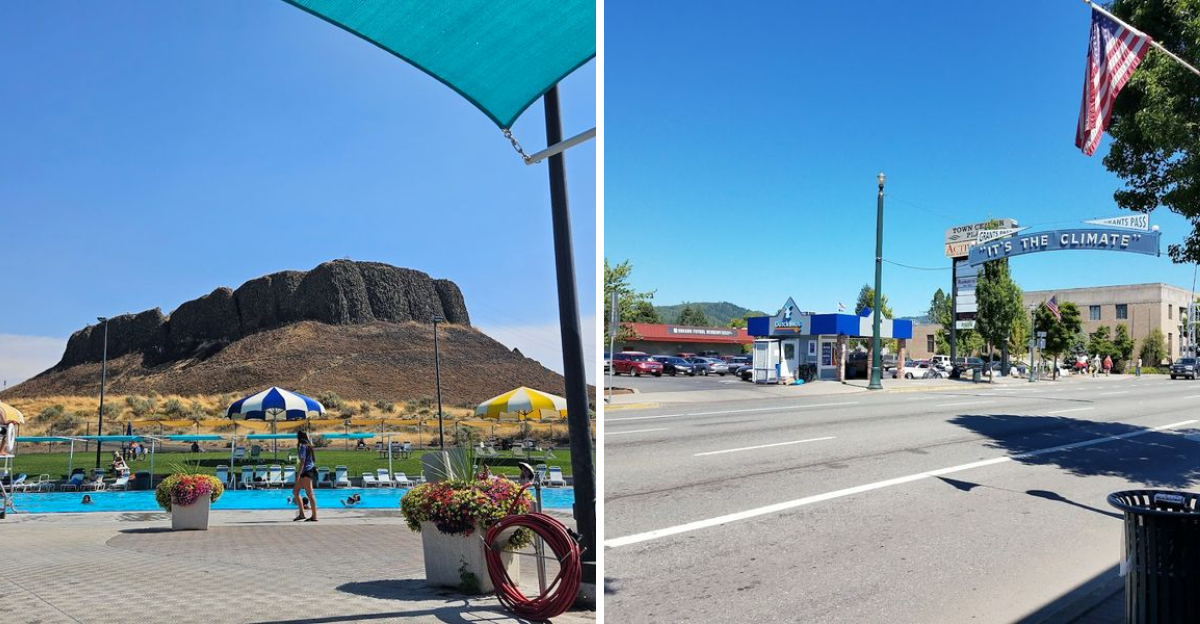
Not all of Oregon comes with a high price tag, and some towns are quietly proving that affordability is still very much possible. Tucked between mountains, farmland, and small-town main streets, these places keep taxes lower. They still offer that classic Oregon lifestyle people keep chasing.
I didn’t expect budget-friendly living and charm to overlap this much, but a few of these towns genuinely pull it off. There’s something refreshing about communities where life feels a little simpler. Your paycheck doesn’t disappear the moment rent is due.
I kept noticing how each spot has its own personality, yet they all share that “you can actually breathe here” kind of energy. It’s not about cutting corners. It’s about living smarter without giving up the good stuff.
And these 13 towns show exactly where locals are choosing to make that balance work.
1. Ontario, Oregon
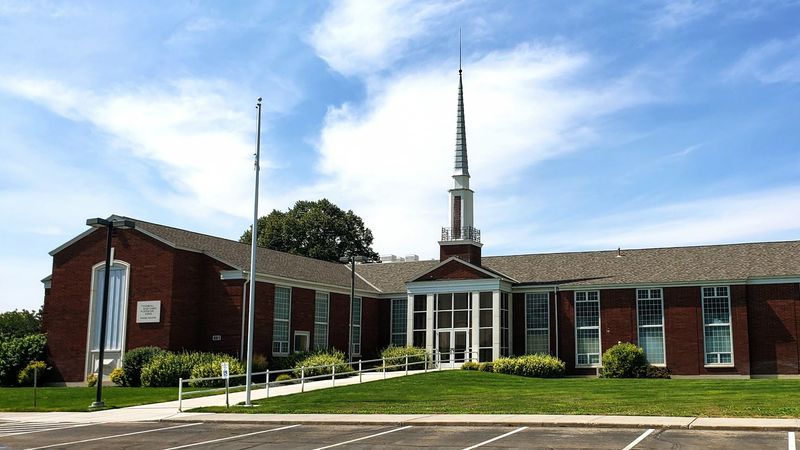
Right on the Idaho border, Ontario often gets overlooked, but locals here have quietly built affordable lives that many Oregonians envy.
Property taxes average just $1,225 annually, one of the lowest figures in the entire state. The median household income sits around $36,922, and the home price-to-income ratio is a very manageable 3.19%.
Housing here is genuinely affordable. You can find solid family homes at prices that would make Portland residents do a double-take.
The cost of groceries, utilities, and everyday services is also well below state averages.
Ontario sits in the Treasure Valley region of eastern Oregon. The high desert landscape gives the area a wide-open, unhurried feel that many residents say is part of the appeal.
The town has a notable agricultural economy, with onions, potatoes, and sugar beets grown nearby. That farming backbone keeps the local economy grounded and practical.
If low taxes and elbow room are your priorities, Ontario delivers both without asking much in return.
2. La Grande, Oregon
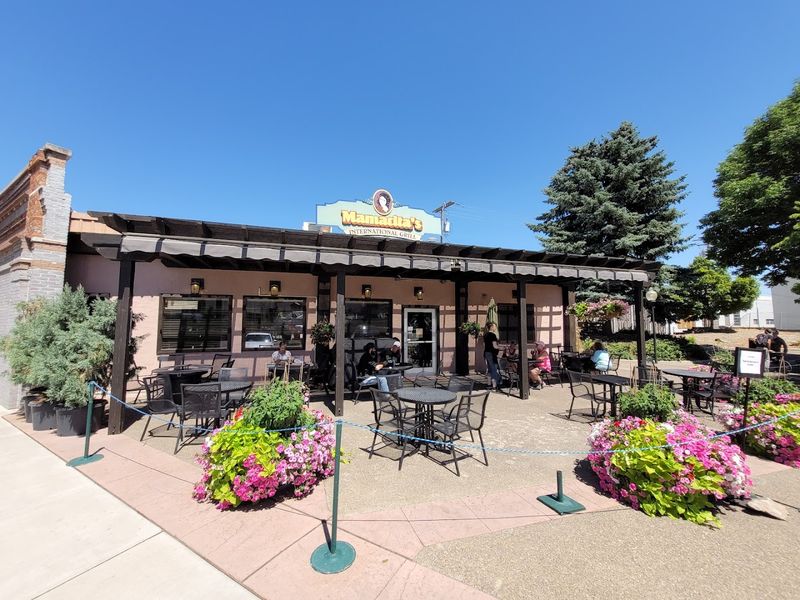
Sitting in the Grande Ronde Valley, La Grande is the kind of place where the mountains are always in view and the property tax bill rarely ruins your day.
Average property taxes here run about $1,569 per year. The median household income is $42,375, and the home price-to-income ratio lands at a reasonable 4.02%.
Eastern Oregon State University, now Eastern Oregon University, gives the town an intellectual energy that feels a little unexpected for a city of its size. Students, professors, and longtime residents mix in a way that keeps the community lively without driving up costs.
The Blue Mountains to the east provide year-round outdoor recreation. Skiing, hiking, and hunting are all within easy reach, which locals consider a major bonus that comes at no extra charge.
Housing inventory tends to be solid, with older homes offering real character at prices that remain accessible. La Grande rewards those who want affordability paired with genuine mountain scenery and a community that actually knows your name.
3. Klamath Falls, Oregon
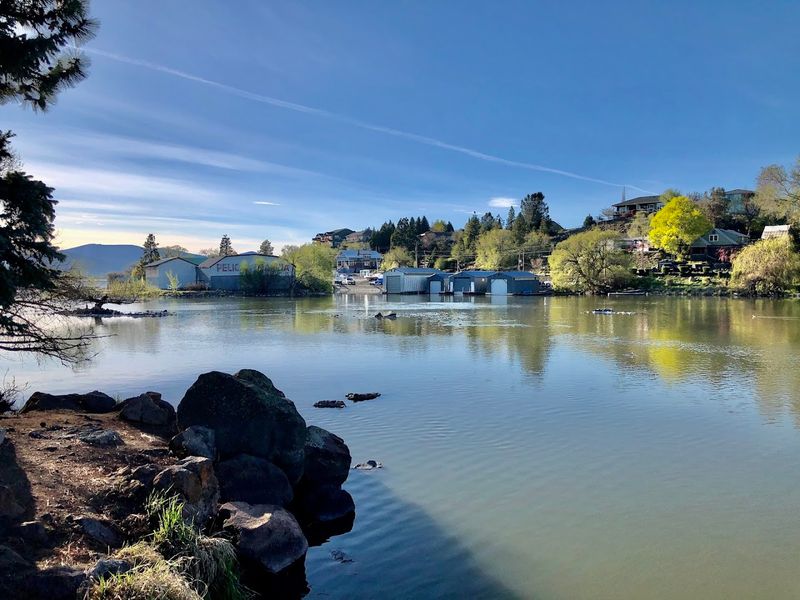
Living near a lake sounds expensive until you check the property tax records in Klamath Falls, where the average annual bill is just $1,292.
That figure sits well below the Oregon state average, making it one of the most tax-friendly cities in the region. The median household income is around $41,444, with a home price-to-income ratio of 3.85%, which is among the best in the state.
Upper Klamath Lake dominates the landscape here, offering fishing, kayaking, and birdwatching right at the edge of town. The area is especially famous for its migratory bird populations, drawing nature enthusiasts from across the Pacific Northwest.
The downtown area has been seeing gradual revitalization, with local shops and restaurants adding new energy to the historic core. Winters can be cold and snowy, but residents say the lower cost of living more than compensates.
Oregon Institute of Technology is based here, which adds a steady stream of students and tech-minded residents to the mix. Klamath Falls is genuinely underrated as an affordable Oregon destination.
4. Sweet Home, Oregon
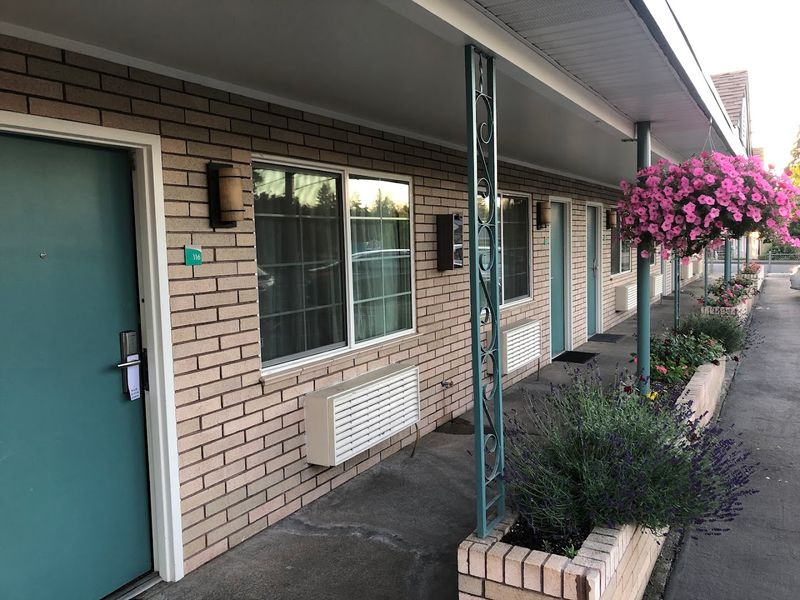
The name is not just charming marketing. Sweet Home actually lives up to it, especially when you look at what your housing dollar buys here compared to most of Oregon.
Property taxes average $2,003 annually, and the median household income is approximately $47,752. The home price-to-income ratio sits at 4.03%, which keeps homeownership within realistic reach for working families.
Sweet Home is located in the foothills of the Cascades, about 25 miles east of Albany along the South Santiam River. That river corridor is a major draw for fishing enthusiasts, particularly during salmon and steelhead runs.
The town has a distinct blue-collar character that feels honest and unpretentious. Longtime residents take genuine pride in the community, and newcomers tend to find that warmth hard to resist.
Foster Lake, just outside town, provides swimming, boating, and camping during the summer months. Sweet Home also hosts one of Oregon’s most beloved bluegrass festivals each year, drawing musicians and fans from across the region.
5. Coos Bay, Oregon
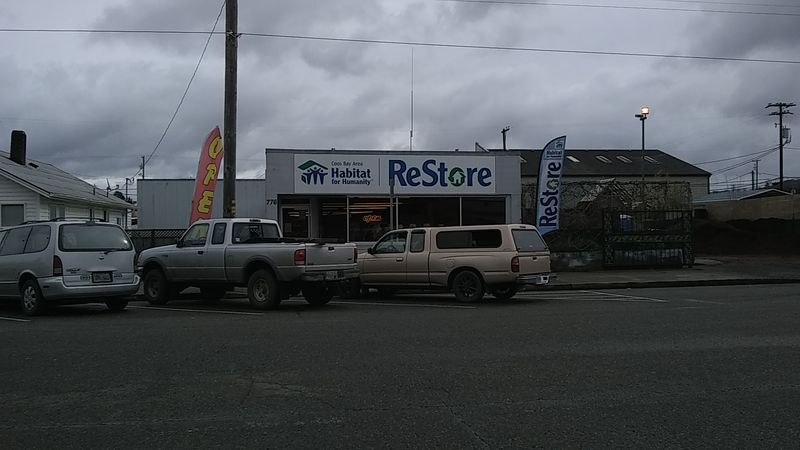
Oregon’s largest coastal city often gets compared unfavorably to places like Cannon Beach or Astoria, but that comparison misses the point entirely for anyone focused on affordability.
Property taxes in Coos Bay average $1,649 per year. The median household income is around $48,919, and the home price-to-income ratio is 4.03%, making coastal living here far more accessible than most people expect.
The bay itself is the defining feature of the town. Commercial fishing, crabbing, and recreational boating are woven into daily life in a way that feels deeply authentic rather than tourist-facing.
Oregon Dunes National Recreation Area sits just north of town, offering miles of sand dunes that draw off-road vehicle enthusiasts and hikers alike. The scenery is dramatic without the price tag that usually comes with coastal real estate.
Coos Bay has a gritty, working-waterfront personality that long-term residents wear as a badge of pride. Local seafood is fresh, inexpensive, and readily available.
6. Cottage Grove, Oregon
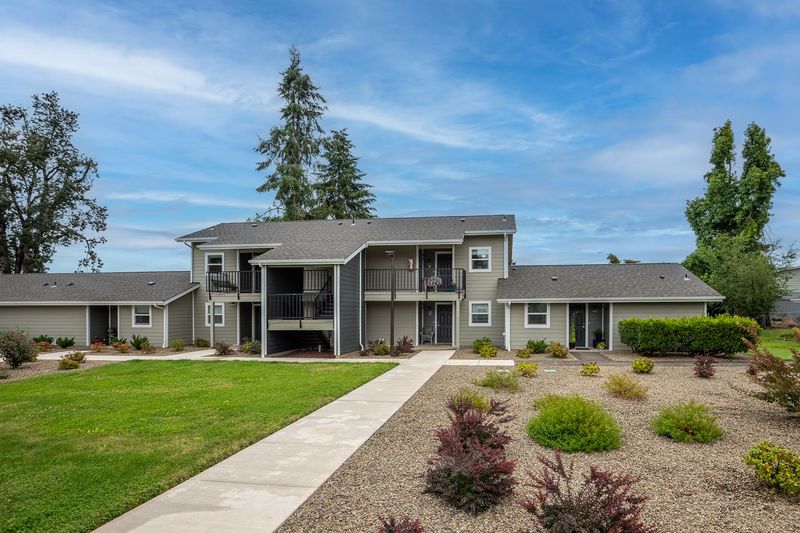
Famous for its covered bridges and its brief moment of Hollywood fame in Animal House, Cottage Grove has a personality that is hard to categorize and easy to love.
Property taxes average $2,003 per year, and the median household income sits at approximately $47,752. The home price-to-income ratio is 4.03%, keeping homeownership accessible for residents across income levels.
The town is located in the southern Willamette Valley, about 20 miles south of Eugene along Interstate 5. That location gives residents relatively easy access to a larger city while maintaining the slower pace and lower costs of a small community.
Cottage Grove Lake and Dorena Lake, both just outside town, provide summer recreation that feels like a private retreat. The surrounding hills are laced with trails popular among mountain bikers and hikers.
The downtown area has a genuine historic character, with brick storefronts and local businesses that have operated for decades. Residents often describe the town as having a country feel with just enough urban convenience nearby.
7. Roseburg, Oregon
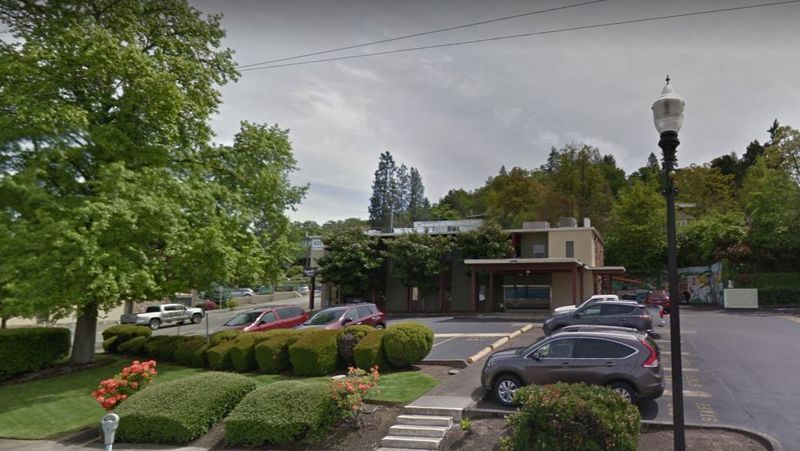
A town that takes its outdoor recreation seriously and its tax burden less so, Roseburg sits in the Umpqua Valley with a lifestyle that punches well above its modest price tag.
Property taxes average $1,775 annually here. The median household income is a relatively strong $59,306, and the home price-to-income ratio is 4.03%, giving residents solid purchasing power relative to local costs.
The North Umpqua River, located nearby, is widely considered one of the most scenic rivers in the Pacific Northwest. Fly fishing on that river has a near-legendary reputation among anglers who know Oregon well.
Roseburg also has a vibrant arts community that surprises many first-time visitors. Local galleries, a performing arts center, and community theater productions give the town a cultural depth that feels disproportionate to its size.
The surrounding Douglas County is heavily forested, and the timber industry still plays a role in the local economy alongside growing sectors in healthcare and retail. Summers here are warm and dry, making outdoor living easy and enjoyable.
8. Madras, Oregon
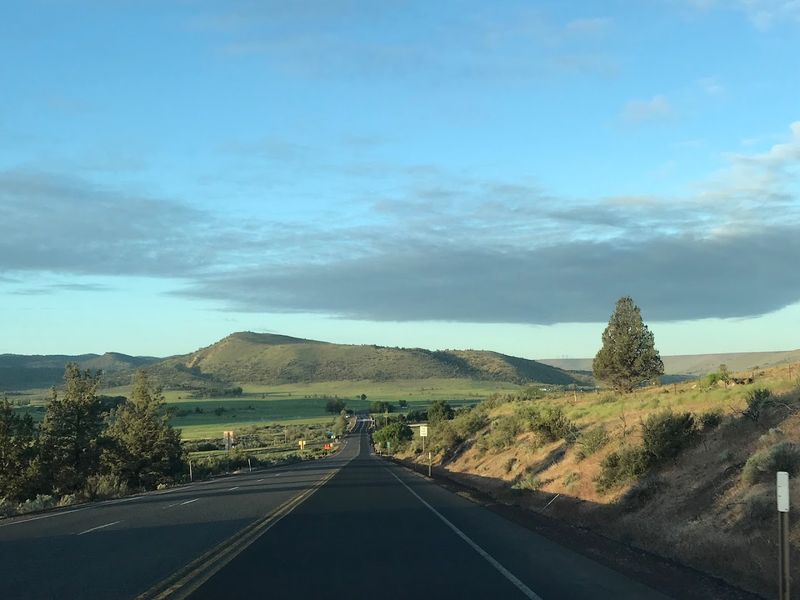
Madras sits at the heart of central Oregon’s high desert, where the sky is enormous, the sunshine is generous, and the property tax bill is refreshingly modest.
Average property taxes here run about $1,447 per year. The median household income is around $45,000, and the home price-to-income ratio sits at 4.03%, keeping living costs firmly within reach for most working families.
The town became briefly famous in 2017 when it sat directly in the path of a total solar eclipse, drawing hundreds of thousands of visitors to the region. Locals took that moment of national attention in stride and went right back to their affordable, unhurried lives.
Lake Billy Chinook, a stunning reservoir formed at the confluence of three rivers, is just a short drive from town. Boating, fishing, and swimming there are practically a local birthright during the summer months.
Agriculture, particularly mint, grass seed, and potatoes, forms the backbone of the local economy. The cost of daily life here, from groceries to housing to utilities, runs noticeably below national averages.
9. Baker City, Oregon
Baker City is a town that wears its history on its sleeve, from its well-preserved Victorian architecture to its position along the original Oregon Trail route.
Property taxes average $1,741 annually, and the median household income is approximately $55,361. The home price-to-income ratio is 4.03%, making this one of the more financially comfortable small cities in eastern Oregon.
The National Historic Oregon Trail Interpretive Center sits just outside town and draws visitors from across the country. For residents, that history is not just a tourist attraction.
It is part of daily identity and community pride.
The Wallowa Mountains loom to the north, offering some of the most dramatic alpine scenery in the entire Pacific Northwest. Hiking, skiing, and hunting in that range are central to how Baker City residents spend their free time.
The downtown district has undergone careful preservation, and walking its streets feels genuinely different from most small Oregon towns. Independent shops, local restaurants, and a lively arts scene give Baker City a vitality that defies its remote location.
10. Umatilla, Oregon
Perched right along the Columbia River where it forms the border between Oregon and Washington, Umatilla offers river views that most people associate with much pricier addresses.
Property taxes here average $1,866 per year, and the median household income is approximately $52,699. The home price-to-income ratio is 4.03%, and the overall cost of living runs about 11.5% below the national average.
The Columbia River is the defining feature of life here. Fishing, waterskiing, and simply watching the river traffic pass are built into the rhythm of daily life in a way that feels naturally relaxing.
Umatilla is also positioned near the confluence of the Columbia and Umatilla Rivers, which gives the area both scenic variety and recreational depth. McNary Dam, visible from parts of town, is a constant reminder of the river’s powerful presence.
Agriculture dominates the surrounding landscape, with vast fields of wheat, corn, and onions stretching in every direction. The town itself is small and quiet, which is exactly what its residents prefer.
11. Pendleton, Oregon
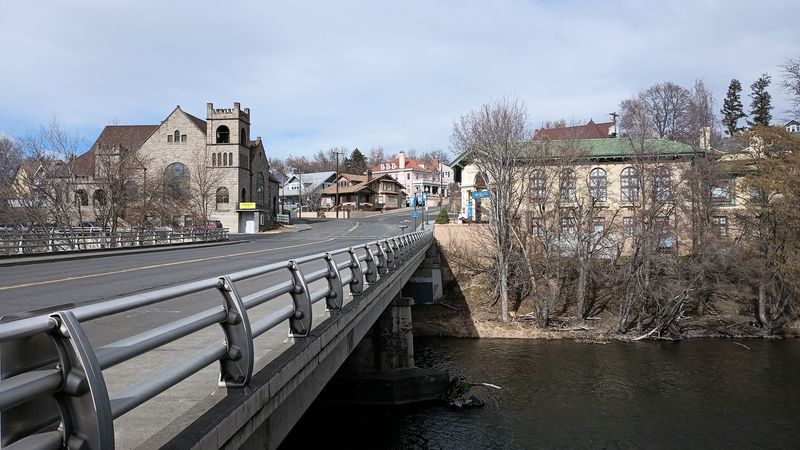
Every September, Pendleton transforms into one of the most famous rodeo destinations in North America, but for the other 51 weeks of the year, it is simply a well-priced place to call home.
Property taxes average $2,031 per year here, and the median household income is around $51,315. The home price-to-income ratio sits at 4.03%, and the overall cost of living runs approximately 11.5% below the national average.
The Pendleton Round-Up has been running since 1910, and that deep Western heritage shapes the town’s identity in a way that feels genuine rather than manufactured. The associated Pendleton Underground Tours offer a fascinating look at the city’s layered history beneath its streets.
The surrounding Umatilla County is prime wheat country, with golden rolling hills that are genuinely beautiful in late summer. The Umatilla River runs through town, adding a natural element to the urban landscape.
Pendleton Woolen Mills, one of the most recognized American textile brands, was founded here and still operates in the area. That heritage gives the town a quiet industrial pride that residents carry forward.
12. Hermiston, Oregon

Hermiston may be best known nationally for its watermelons, but locals know it equally well for a cost of living that keeps household budgets in very comfortable shape.
Property taxes average $1,939 per year here, and the median household income is approximately $54,123. The home price-to-income ratio is 4.03%, and the overall cost of living sits about 11.5% below the national average, which is a meaningful margin over time.
The town is located in the Columbia Basin, surrounded by agricultural land that produces everything from potatoes to onions to, yes, those famous watermelons. That agricultural economy keeps the local job market grounded and relatively stable.
Hermiston has grown steadily in recent years, attracting distribution and logistics companies drawn to its central location in the Pacific Northwest. That economic growth has added jobs and services without dramatically inflating housing costs.
The Columbia River is nearby, and residents have easy access to water recreation that larger cities charge premium prices to access. Hermiston also sits close to the Tri-Cities area of Washington, expanding shopping and entertainment options without requiring a permanent move.
13. Grants Pass, Oregon
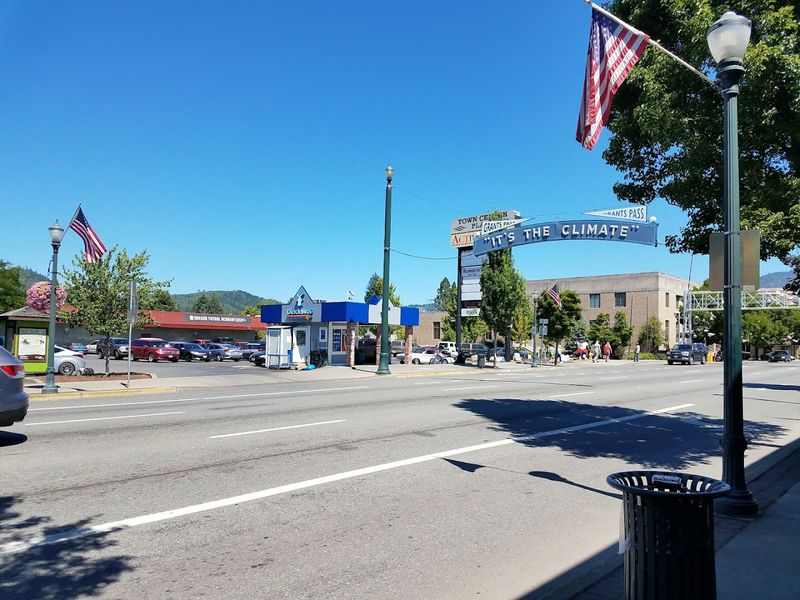
The Rogue River runs right through the heart of Grants Pass, and that single geographic fact explains a great deal about why people move here and almost never leave.
Property taxes in Grants Pass are competitive with other southern Oregon communities, and the overall cost of living remains well below major Oregon metros. Housing options range from modest starter homes to larger properties on the river, all at prices that feel almost too good to be true.
Grants Pass sits in Josephine County in southwestern Oregon, roughly midway between Eugene and the California border on Interstate 5. That location makes it accessible without making it a suburb of anything larger.
The Rogue River is famous for its white-water rafting, fishing, and jet boat tours that run downstream toward the wild Rogue River Canyon. Those outdoor activities are not just weekend hobbies here.
They are part of how the community defines itself.
The downtown area has a warm, walkable character with farmers markets, local shops, and a riverside park that fills up on summer evenings.
