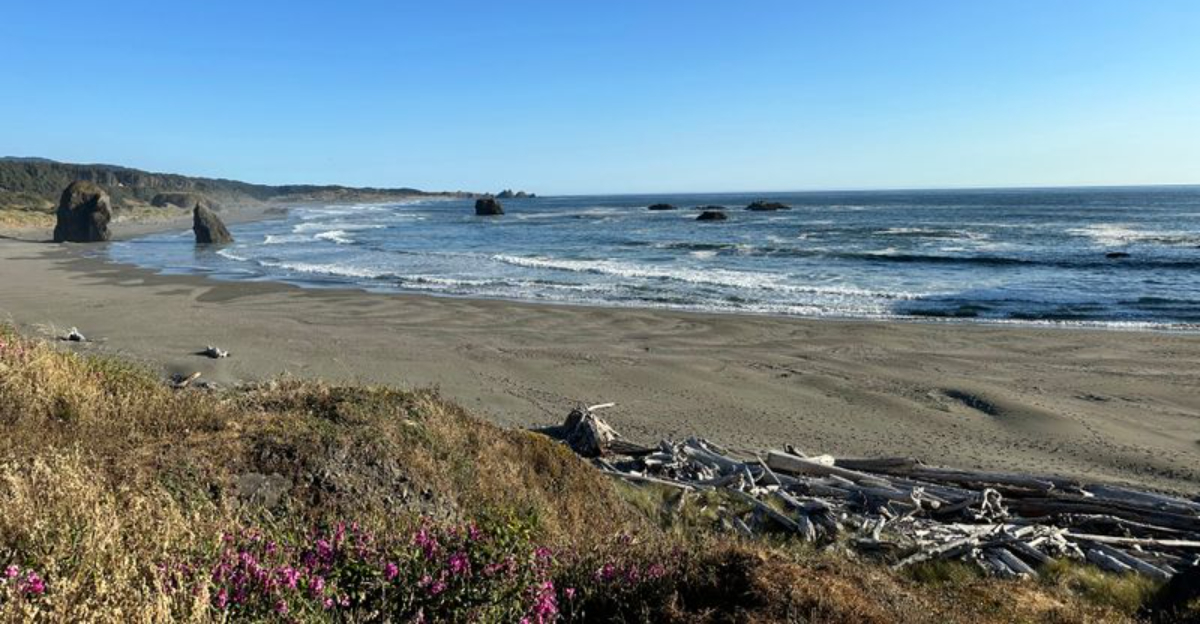
Oregon stands as one of America’s most breathtaking destinations for outdoor enthusiasts and nature lovers alike.
From rugged coastal cliffs to snow-capped mountain peaks, this Pacific Northwest gem offers landscapes that ignite the imagination and fuel the spirit of adventure.
Whether you’re an experienced hiker seeking challenging terrain or a family looking for scenic weekend getaways, Oregon’s trails and parks deliver unforgettable experiences at every turn.
The state’s diverse ecosystems create opportunities to explore ancient forests, volcanic formations, pristine lakes, and windswept beaches all within a single visit.
These natural wonders aren’t just beautiful; they’re gateways to understanding our planet’s geological history and the importance of conservation.
Each trail tells a story through its unique features, from waterfalls cascading down moss-covered rocks to desert landscapes painted in unexpected colors.
Planning your Oregon adventure means choosing from countless remarkable locations, but some destinations truly stand out as must-see experiences.
The following trails and parks represent the very best of what Oregon offers, combining accessibility with awe-inspiring beauty that stays with you long after you’ve returned home.
Crater Lake National Park

Imagine standing at the edge of a volcanic crater filled with water so blue it doesn’t seem real.
Crater Lake formed nearly 8,000 years ago when Mount Mazama collapsed after a massive eruption, creating the deepest lake in the United States at 1,943 feet.
The water’s incredible sapphire color comes from its remarkable purity and depth, as no streams feed into or out of the lake.
Visitors can drive the 33-mile Rim Drive for constantly changing perspectives of this natural wonder, with pullouts offering perfect photo opportunities.
During summer months, ranger-led boat tours take guests to Wizard Island, a volcanic cone rising from the lake’s western side.
Hiking trails range from easy lakeside walks to challenging climbs like the Watchman Peak Trail, which rewards your effort with panoramic views.
Winter transforms the park into a snowy wonderland where cross-country skiing and snowshoeing become the primary ways to experience the landscape.
The park’s location at high elevation means snow often lingers until July, so timing your visit matters if you want full access to all viewpoints.
Wildlife sightings might include black bears, elk, deer, and various bird species that call this area home.
Camping options at Mazama Campground provide convenient access for multi-day explorations.
The visitor center near Rim Village offers educational exhibits explaining the lake’s formation and ecological significance.
Photography enthusiasts find endless inspiration here, especially during sunrise and sunset when light dances across the water’s surface.
Crater Lake represents one of Oregon’s most iconic destinations, blending geological wonder with recreational opportunities that appeal to all ages and ability levels.
Columbia River Gorge National Scenic Area
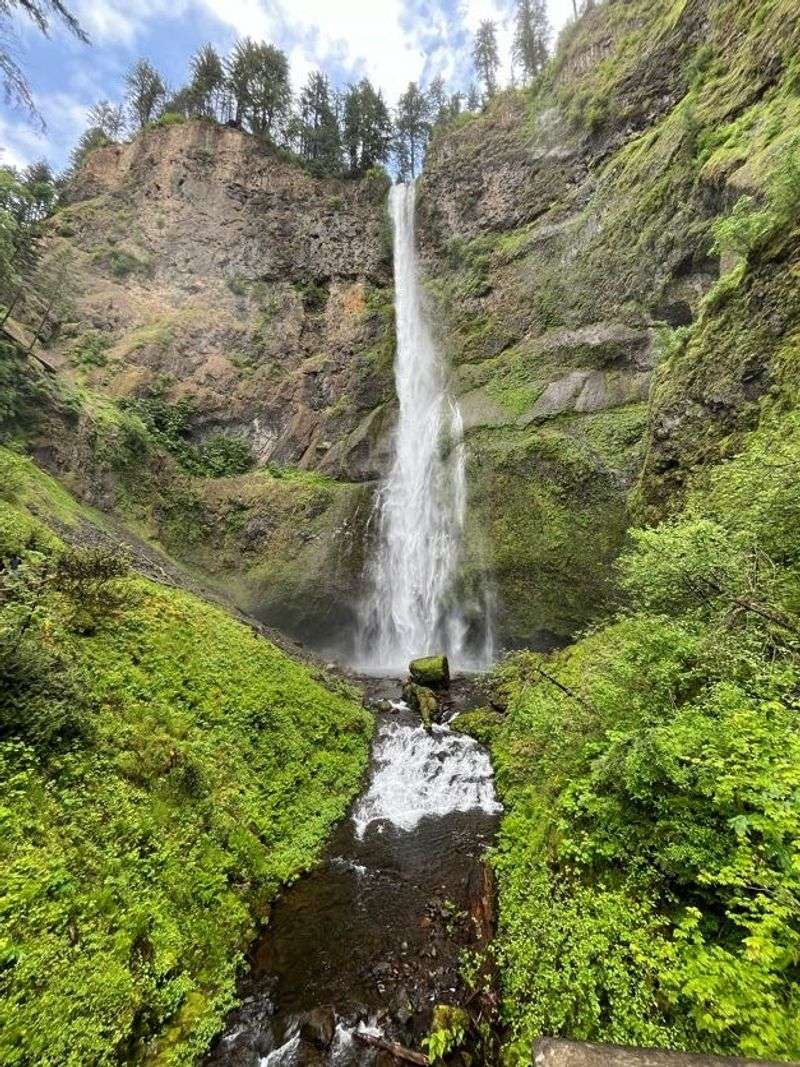
Few places on Earth pack as many waterfalls into such a compact area as the Columbia River Gorge.
This 80-mile canyon carved by the mighty Columbia River creates a natural boundary between Oregon and Washington, with towering basalt cliffs rising thousands of feet.
Over 90 waterfalls cascade down the gorge’s walls, including the famous Multnomah Falls, which plunges 620 feet in two major steps.
The Historic Columbia River Highway, completed in 1922, winds through the western gorge offering access to numerous trailheads and viewpoints.
Hiking options suit every fitness level, from the paved path to Multnomah Falls’ bridge to strenuous climbs reaching clifftop vistas.
Eagle Creek Trail ranks among hikers’ favorites, following its namesake stream past multiple waterfalls and through moss-draped old-growth forest.
The gorge’s unique geography creates a wind tunnel effect that makes Hood River a world-renowned destination for windsurfing and kiteboarding.
Spring brings wildflower displays that paint hillsides in vibrant yellows, purples, and reds, while autumn transforms the forest into a tapestry of gold and crimson.
Historic Timberline Lodge on Mount Hood’s southern flank provides year-round recreation just south of the gorge.
Towns like Hood River and Cascade Locks offer dining, lodging, and local breweries where adventurers can refuel after outdoor activities.
Vista House at Crown Point stands as an architectural gem perched 733 feet above the river, providing breathtaking panoramic views.
Recent wildfire recovery efforts remind visitors of nature’s power and resilience, with new growth emerging alongside fire-scarred landscapes.
Whether you spend a day or a week exploring, the Columbia River Gorge delivers natural beauty and adventure that defines the Pacific Northwest experience.
Smith Rock State Park
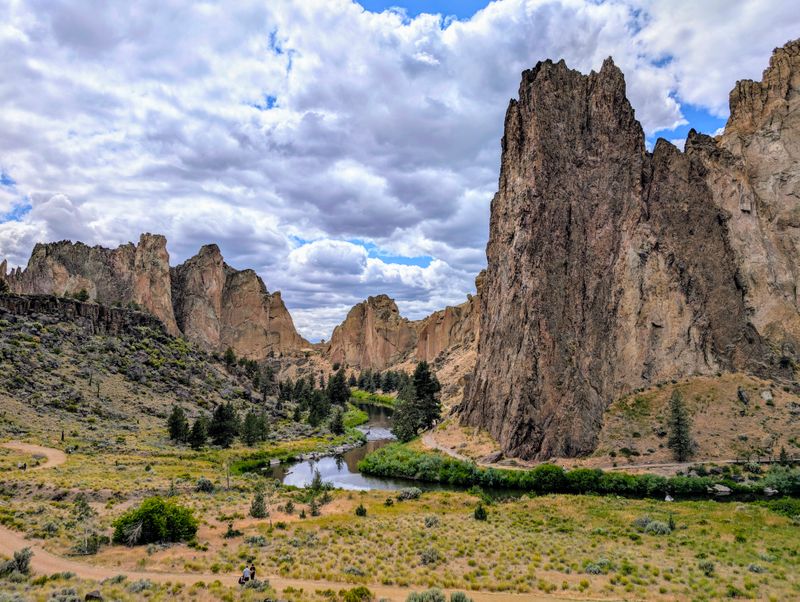
Central Oregon’s high desert landscape erupts skyward at Smith Rock, where towering rock formations create one of America’s premier climbing destinations.
The park’s distinctive orange and red rocks contrast sharply with the brilliant blue sky and the jade-green Crooked River meandering through the canyon below.
Rock climbers from around the globe travel here to test their skills on over 2,000 established routes ranging from beginner-friendly to expert-only challenges.
Even if you’ve never touched a climbing rope, the hiking trails provide spectacular views and close encounters with these ancient volcanic formations.
The Misery Ridge Trail climbs steeply but rewards hikers with sweeping vistas across the Cascade Mountains and the surrounding high desert.
Spring and fall offer ideal visiting conditions, while summer temperatures can soar above 100 degrees, making early morning adventures essential.
Wildlife watchers might spot golden eagles soaring overhead, river otters playing in the water, or mule deer browsing among the sagebrush.
The park’s geological story began millions of years ago with volcanic activity, followed by erosion that sculpted today’s dramatic spires and ridges.
Photography opportunities abound, especially during golden hour when warm light ignites the rocks’ natural colors.
The nearby town of Terrebonne provides basic services, while Bend, just 30 minutes away, offers extensive dining and lodging options.
Day-use facilities include restrooms and picnic areas, though overnight camping isn’t available within the park itself.
Popular climbing routes like Monkey Face, a distinctive 350-foot spire, have become iconic symbols of Oregon’s outdoor culture.
Smith Rock proves that Oregon’s natural wonders extend far beyond its famous forests and coastline into stunning desert landscapes that challenge and inspire visitors year-round.
Oregon Coast Trail
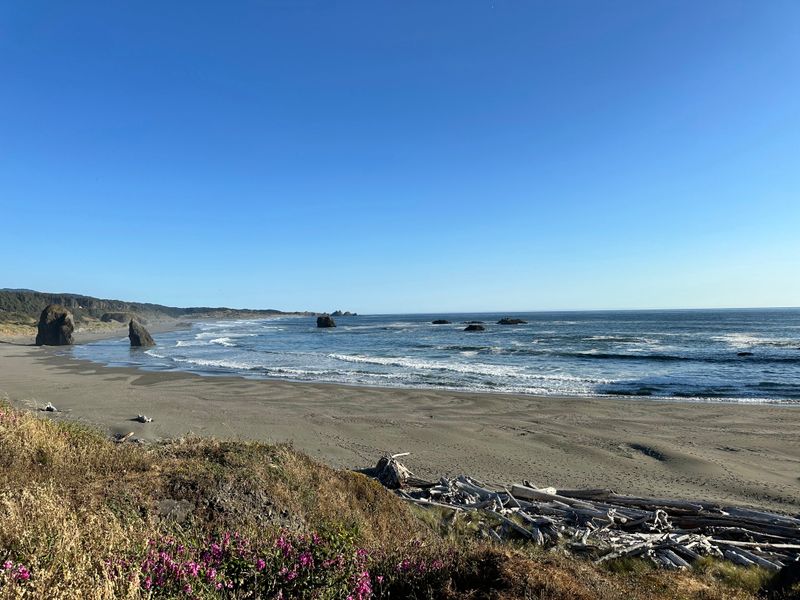
Stretching 382 miles from the Columbia River to California, the Oregon Coast Trail offers an epic journey along one of America’s most spectacular shorelines.
Unlike many coastal states, Oregon law guarantees public access to all beaches, meaning explorers can walk the entire coastline without encountering private property barriers.
The trail weaves between sandy beaches, rocky headlands, coastal forests, and charming seaside towns, creating diverse experiences along its length.
You don’t need to hike the entire trail to appreciate its beauty—countless access points allow for day hikes or weekend adventures tailored to your schedule.
Iconic landmarks along the route include Haystack Rock at Cannon Beach, a 235-foot sea stack that serves as home to nesting seabirds.
Cape Perpetua offers trails through old-growth Sitka spruce forests and viewpoints 800 feet above crashing waves.
Tide pools teeming with starfish, anemones, and hermit crabs provide natural aquariums for curious explorers during low tide.
Gray whales migrate past Oregon’s coast twice yearly, with spring and winter offering the best opportunities to spot these magnificent creatures from shore.
Beach camping is permitted in many areas, allowing overnight adventurers to fall asleep to the sound of surf.
Coastal weather can change rapidly, so layered clothing and rain gear remain essential even during summer months.
Small towns like Yachats, Bandon, and Port Orford provide resupply points with local restaurants serving fresh seafood and regional specialties.
The trail’s southern sections near Samuel H. Boardman State Scenic Corridor showcase dramatic cliffs, natural bridges, and secluded coves.
Whether you tackle a single section or dream of completing the entire route, the Oregon Coast Trail delivers unforgettable encounters with the raw power and beauty of the Pacific Ocean.
Mount Hood National Forest
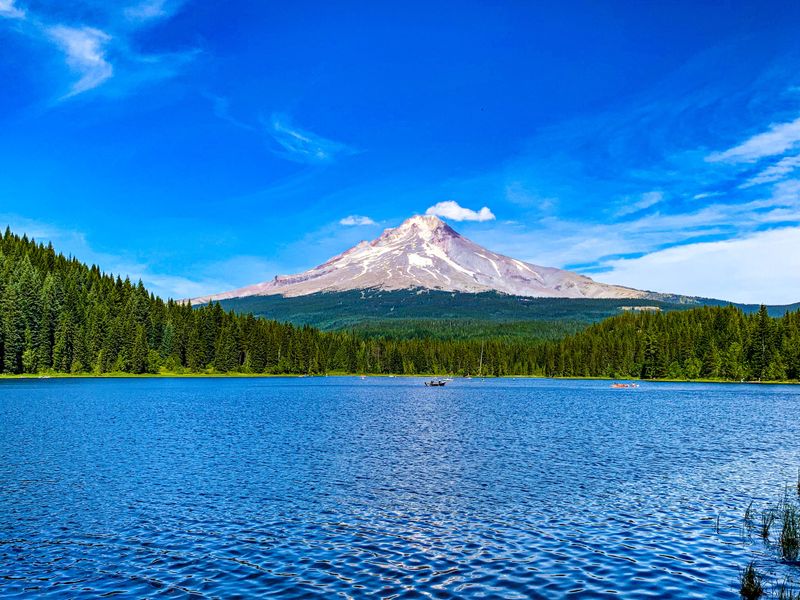
Oregon’s tallest peak dominates the landscape at 11,240 feet, serving as the centerpiece of a vast forest playground that attracts adventurers year-round.
Mount Hood National Forest encompasses over one million acres of wilderness, including pristine alpine lakes, rushing rivers, and dense old-growth forests.
The mountain itself offers year-round skiing and snowboarding at Timberline Lodge, where summer snow sports happen alongside winter powder days.
Hiking trails crisscross the forest, from easy nature walks to challenging summit attempts that require technical climbing skills and proper equipment.
The Timberline Trail circles Mount Hood for 41 miles, crossing glacial streams and traversing alpine meadows exploding with wildflowers during July and August.
Trillium Lake provides a picture-perfect foreground for Mount Hood photographs, with calm morning waters reflecting the mountain’s symmetrical cone.
Fishing enthusiasts cast lines in countless streams and lakes stocked with trout, while whitewater rafting on the Clackamas River offers adrenaline-pumping excitement.
Fall transforms the forest into a painter’s palette of golds, oranges, and reds as vine maple and huckleberry bushes change color.
Winter activities extend beyond downhill skiing to include snowshoeing, cross-country skiing, and sledding at designated snow play areas.
The Pacific Crest Trail passes through the forest, giving long-distance hikers stunning views as they journey from Mexico to Canada.
Campgrounds ranging from developed sites with amenities to primitive backcountry spots accommodate various camping preferences and comfort levels.
Wildlife including black bears, elk, mountain goats, and countless bird species inhabit the forest’s diverse ecosystems.
Mount Hood National Forest represents the perfect blend of accessibility and wilderness, located just an hour from Portland yet offering true escape into nature’s grandeur.
Painted Hills Unit of John Day Fossil Beds
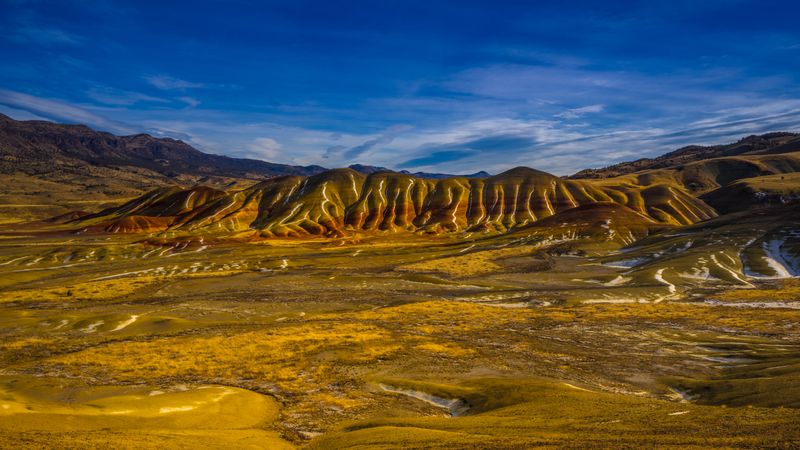
Eastern Oregon hides a geological masterpiece where ancient volcanic ash has weathered into hills striped with impossibly vivid colors.
The Painted Hills reveal 35 million years of history in their layered bands of red, gold, black, and tan, each color representing different climatic conditions.
This otherworldly landscape looks more like Mars than Oregon, with rounded hills devoid of vegetation creating an almost surreal visual experience.
Several short trails allow close examination of the formations, including the half-mile Painted Hills Overlook Trail offering panoramic views.
The colors intensify after rain or during overcast conditions when moisture darkens the volcanic ash and enhances contrast between layers.
Spring brings a brief wildflower display that adds splashes of purple and yellow to the desert palette before summer heat returns.
Fossil discoveries in the broader John Day region have revealed ancient rhinoceroses, saber-toothed cats, and early horses that roamed here millions of years ago.
The Thomas Condon Paleontology Center in nearby Sheep Rock Unit displays remarkable fossil specimens and explains the area’s prehistoric significance.
Photographers find endless inspiration here, especially during golden hour when low-angle light accentuates the hills’ contours and colors.
The remote location means fewer crowds than Oregon’s western attractions, offering peaceful contemplation of geological time scales.
Summer temperatures can exceed 100 degrees with minimal shade, making water, sunscreen, and sun protection absolutely essential.
The nearest services are in the small town of Mitchell, about nine miles away, where a general store and cafe provide basic amenities.
Visiting the Painted Hills feels like stepping onto another planet, reminding us that Oregon’s natural diversity extends far beyond forests and coastlines into landscapes that challenge our expectations and expand our understanding of Earth’s incredible geological history.
Silver Falls State Park
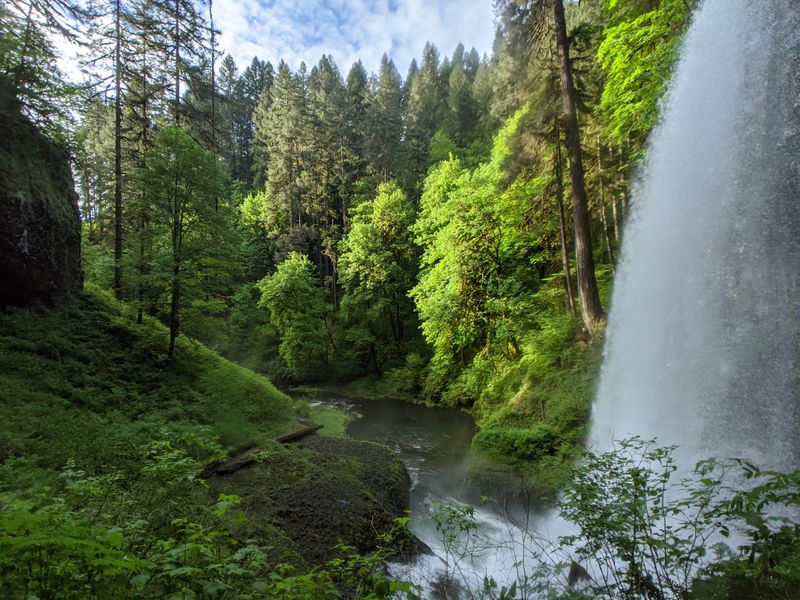
Oregon’s largest state park protects a temperate rainforest canyon where ten major waterfalls create one of the most spectacular hiking experiences in the Pacific Northwest.
The Trail of Ten Falls forms a 7.2-mile loop that passes all ten waterfalls, four of which you can walk behind for a truly immersive experience.
South Falls, the park’s signature cascade, plunges 177 feet over a basalt cliff while a trail carved into the rock allows passage through the amphitheater behind the curtain of water.
The forest surrounding the trail features massive Douglas firs, western hemlocks, and western red cedars draped in moss and ferns.
Spring runoff from March through May creates the most powerful water displays, though the falls flow year-round thanks to consistent Pacific Northwest rainfall.
Shorter trail options accommodate families with young children or anyone seeking a less strenuous outing while still experiencing the park’s highlights.
The park’s 9,200 acres include camping facilities, picnic areas, and even a historic lodge available for group rentals and events.
Wildlife sightings might include Roosevelt elk, black-tailed deer, and various salamander species thriving in the moist environment.
Winter occasionally brings snow to the park, transforming the waterfalls into partially frozen sculptures and creating magical hiking conditions.
The park’s proximity to Salem and Portland makes it accessible for day trips, yet it retains a wilderness character that feels far removed from urban areas.
Photographers appreciate the challenge of capturing waterfalls in varying light conditions, from the soft glow of overcast days to dramatic sunbeams piercing the forest canopy.
Educational signs along the trail explain the geological forces that shaped this landscape over millions of years.
Silver Falls State Park exemplifies Oregon’s commitment to preserving natural treasures while making them accessible, offering world-class scenery without requiring extreme physical fitness or technical skills to enjoy.
Dear Reader: This page may contain affiliate links which may earn a commission if you click through and make a purchase. Our independent journalism is not influenced by any advertiser or commercial initiative unless it is clearly marked as sponsored content. As travel products change, please be sure to reconfirm all details and stay up to date with current events to ensure a safe and successful trip.
