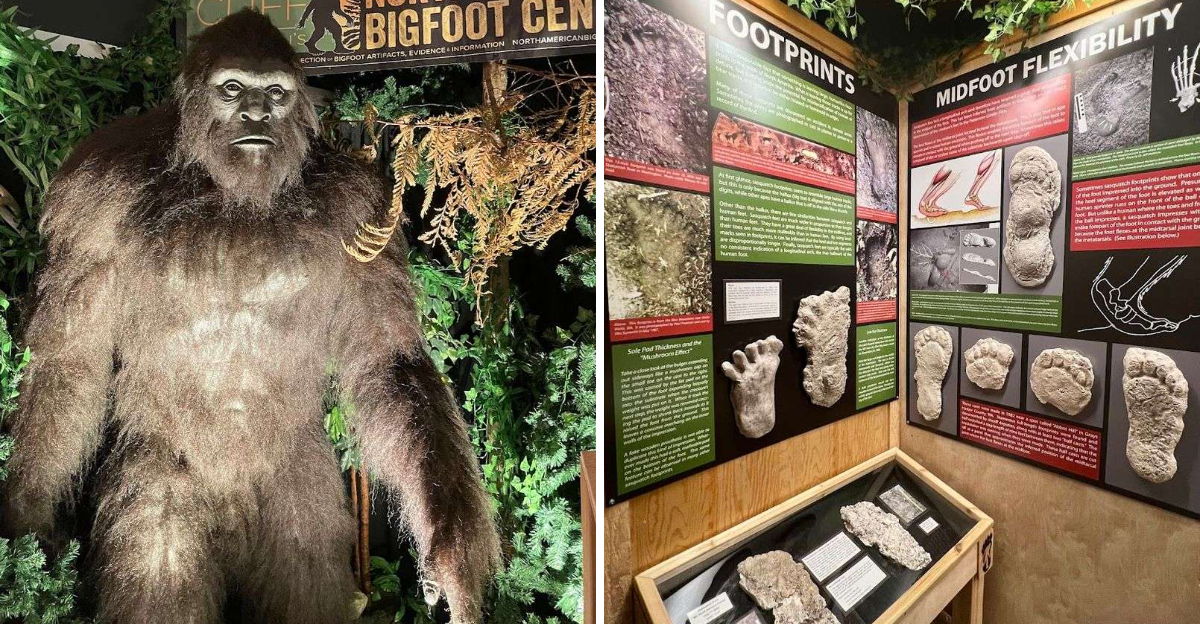
You have driven past the sign a dozen times and always laughed it off. Time to finally pull over.
Oregon is the undisputed capital of weird roadside attractions, and this one might be the weirdest of all. A whole museum dedicated to a creature that may or may not exist.
Footprint casts, blurry photos, and eyewitness accounts told with complete seriousness. The staff does not wink or nudge because they genuinely believe.
That commitment makes everything twice as entertaining. Kids love the life sized replicas hidden in corners.
Adults love the vintage newspaper clippings and old expedition gear. You will leave not entirely sure what you believe, but absolutely sure you had fun.
Perfect for a rainy afternoon or a quick break on a long drive. Just do not be surprised if you start looking at the treeline a little differently afterward.
The Story Behind the North American Bigfoot Center
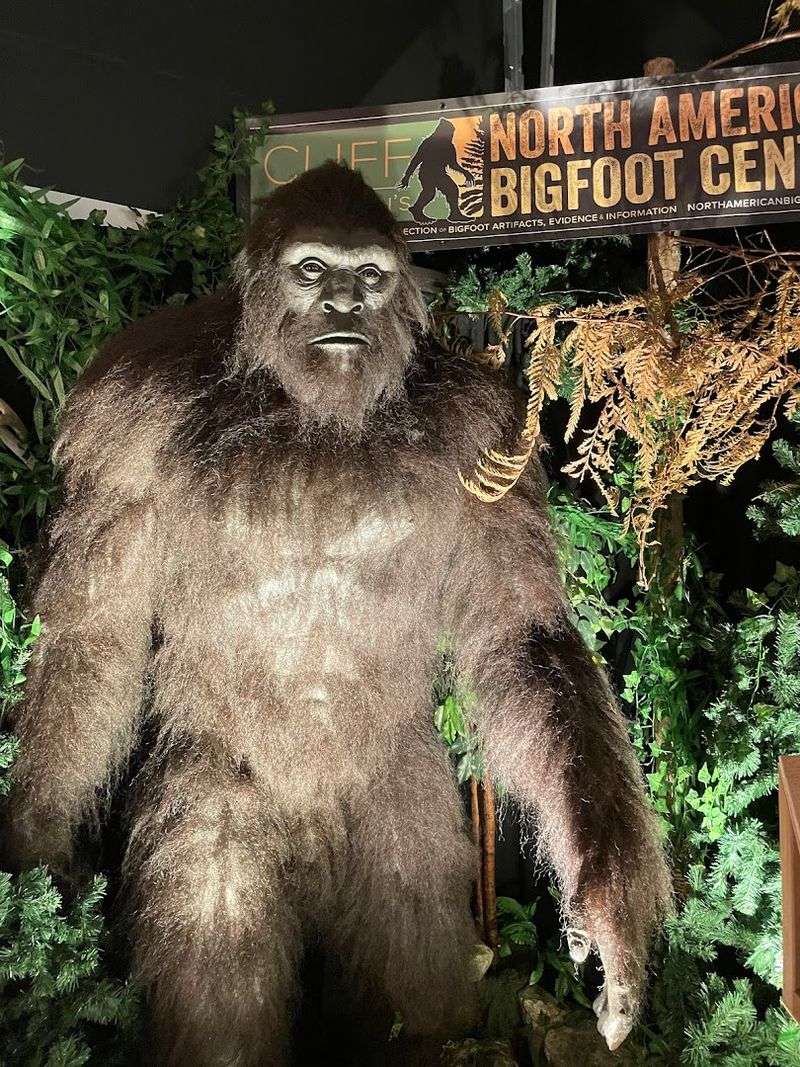
Pulling up to the building for the first time, there is a moment where you wonder if this is real. Spoiler: it absolutely is.
The North American Bigfoot Center was founded by Cliff Barackman, known widely from the Animal Planet series Finding Bigfoot.
Before opening the center, Cliff spent years studying the subject seriously. He appeared on History Channel programs like Monster Quest, building a deep foundation of research and fieldwork.
That background shaped everything inside this museum.
The center sits right on US-26 in Boring, Oregon, making it easy to reach from Portland or the Mount Hood area. It opened with a clear mission: treat Bigfoot as a genuine subject of scientific inquiry.
Not a joke, not a carnival act.
That intention shows in every exhibit. The staff reflects it too.
Visitors consistently mention how knowledgeable and passionate everyone working there seems to be. This is not just a quirky stop.
It is a place built by someone who truly believes the evidence deserves serious attention.
The Life-Size Sasquatch Display That Stops You Cold
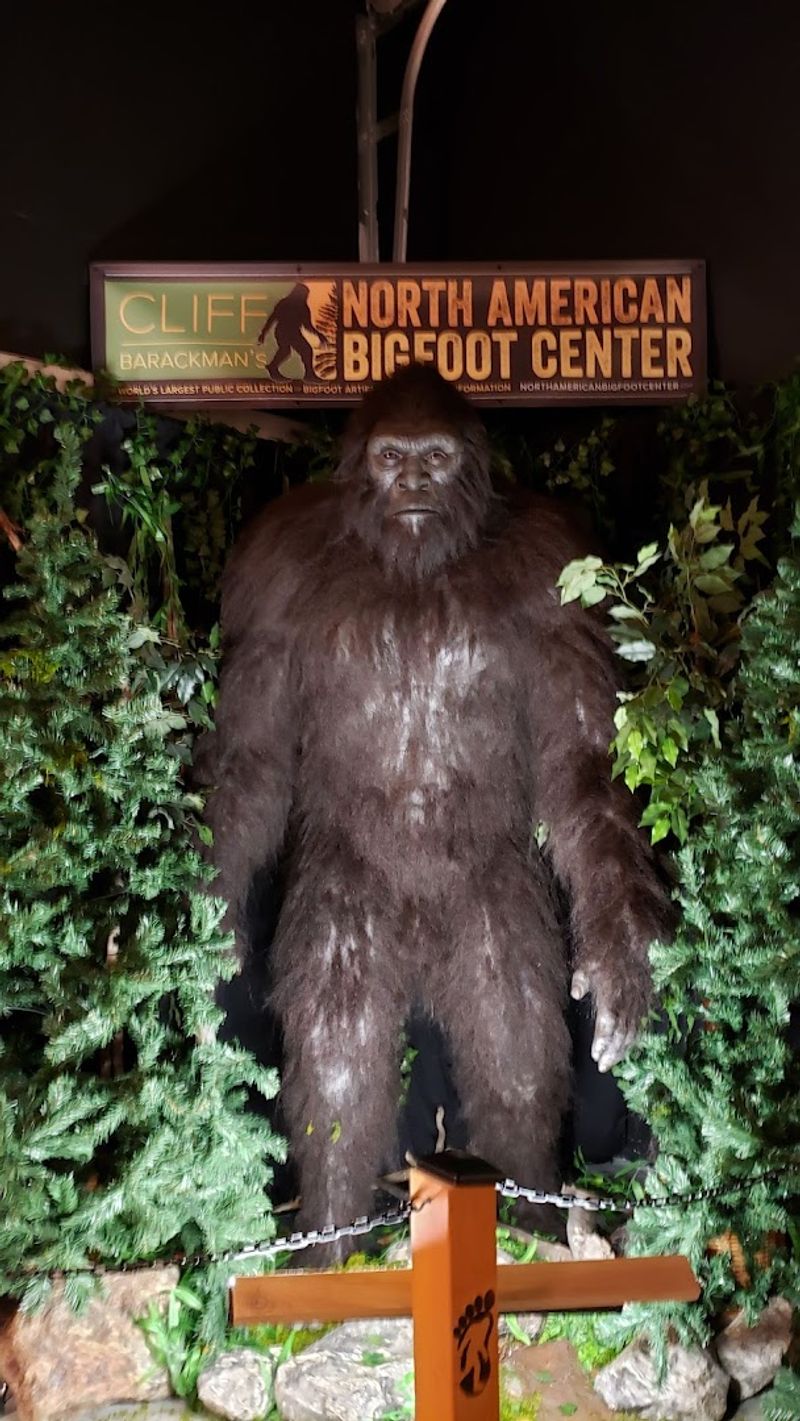
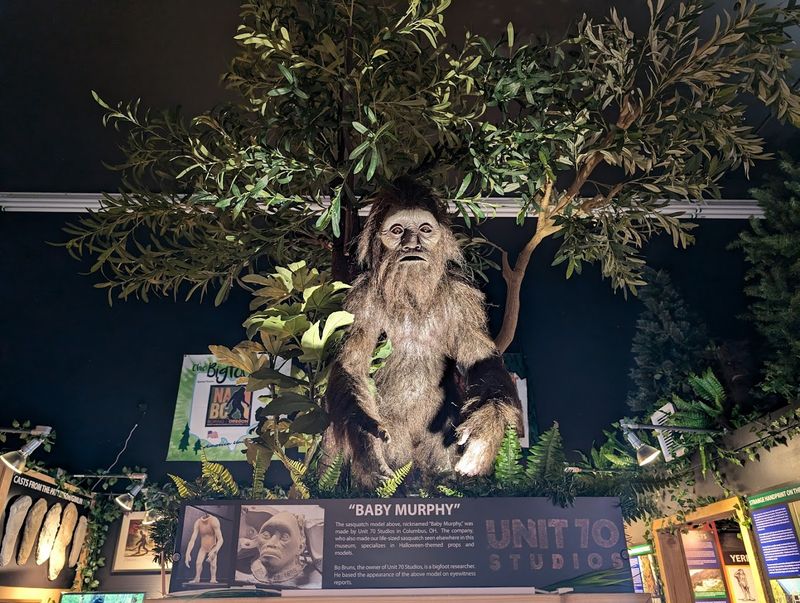
Nothing prepares you for the moment you come face to face with Murphy. That is the name given to the life-size Sasquatch replica standing inside the museum, and the scale of it genuinely catches you off guard.
You realize fast just how large these creatures are reportedly said to be.
The displays are set up thoughtfully, giving each figure and exhibit enough space to breathe. Murphy stands tall and detailed, giving visitors a real sense of proportion.
Alongside the main figure, there is also a smaller Baby Murphy display that kids absolutely love.
Families with young children have noted how engaged even toddlers get inside the museum. One visitor mentioned their four-year-old grandson stayed fascinated the entire visit without getting bored once.
That says a lot about how well the space is designed.
The life-size displays do more than just look impressive. They anchor the whole experience in something physical and tangible.
You stop reading about Bigfoot and start actually feeling the scale of what researchers have been chasing for decades.
Footprint Casts and Physical Evidence That Make You Think
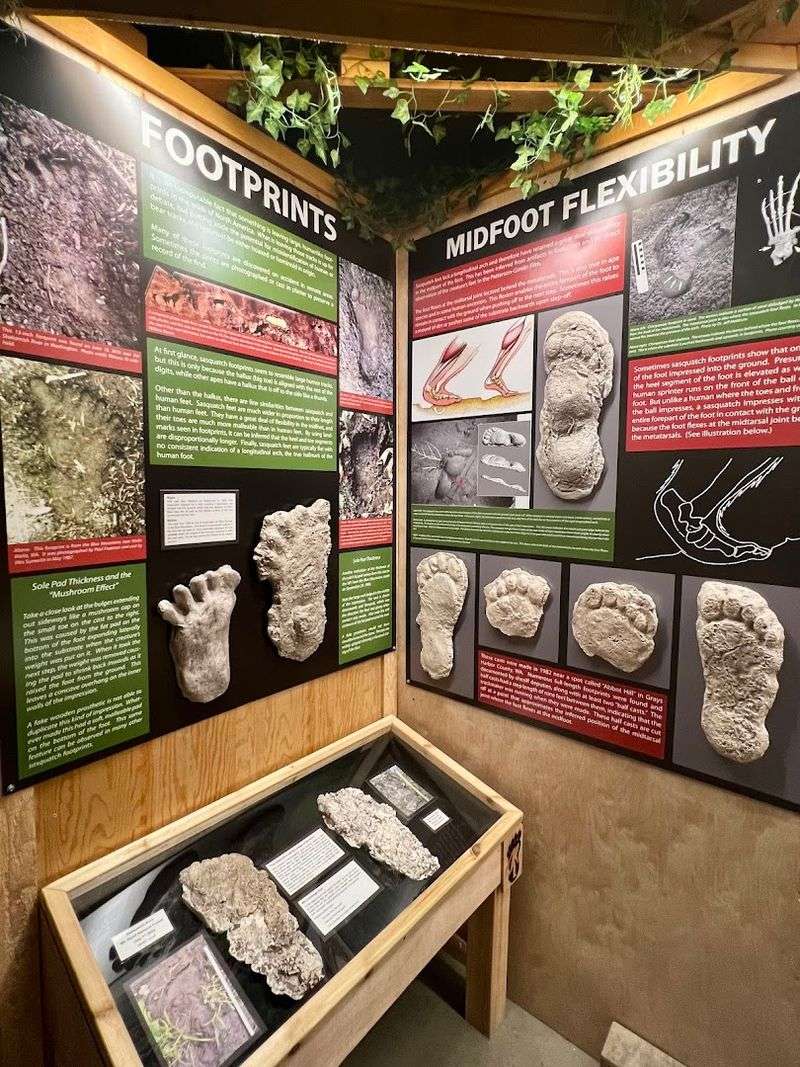
One of the most gripping parts of the museum is the physical evidence section. Rows of plaster footprint casts and handprints are mounted and labeled with care.
Some are enormous, far larger than any human foot.
These casts come from different regions across North America, each with its own story and location attached. Seeing them lined up together creates a strange and compelling picture.
The sheer variety of sizes and shapes is hard to dismiss.
The museum also features items connected to the late Dr. Jeff Meldrum, an American anthropologist from Idaho State University who dedicated years of academic work to studying potential evidence for an undiscovered primate species. His contributions to the field are represented thoughtfully here.
Visitors who come in as skeptics often leave quieter than they arrived. The casts are not presented with drama or exaggeration.
They are simply there, documented and labeled, letting the evidence speak for itself. That restraint makes the whole section feel more credible, not less.
The Patterson-Gimlin Film and Famous Footage on Display
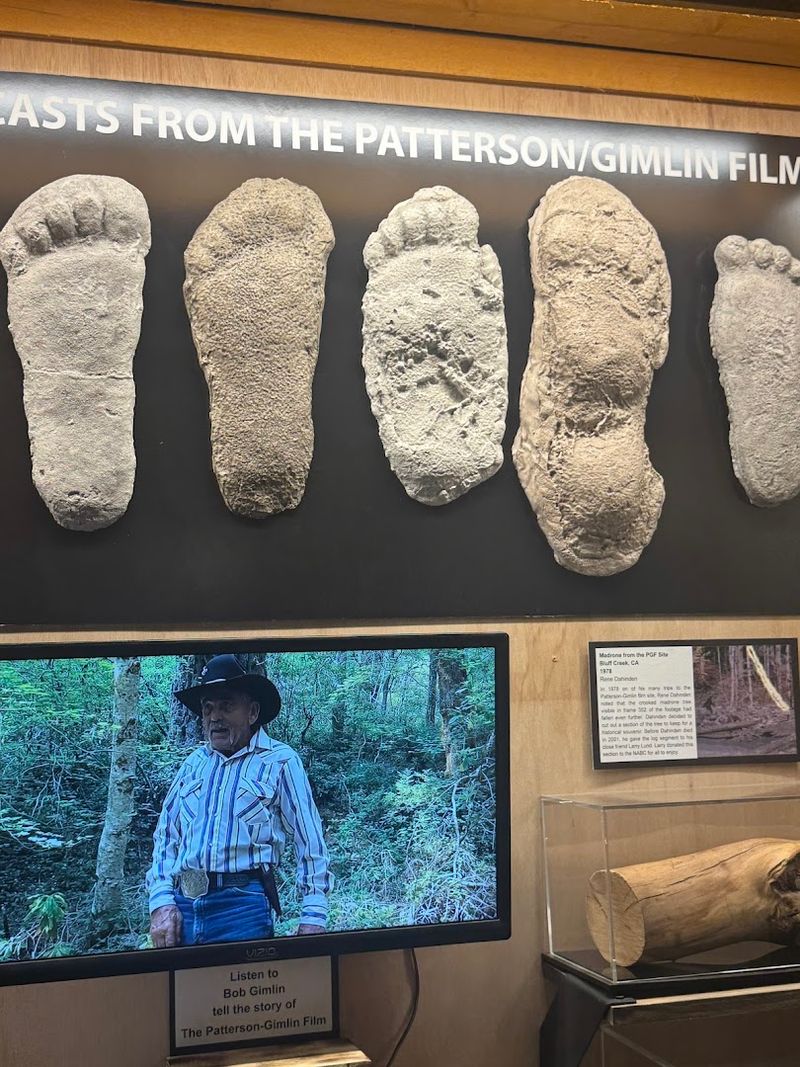
Few things in the Bigfoot world are more recognized than the Patterson-Gimlin film. Shot in 1967 at Bluff Creek in California, it remains one of the most studied and debated pieces of footage in cryptid research.
The museum gives it the spotlight it deserves.
Small television screens throughout the exhibits play various pieces of footage, including sighting recordings and field research videos. The 1980s Paul Freeman footage from Eastern Oregon also gets featured, connecting the museum directly to local history.
Watching these clips inside a dedicated research space feels different from watching them on a phone screen at home. There is context here.
There are maps, notes, and surrounding information that help frame what you are seeing.
The setup invites you to slow down and actually pay attention. Visitors often find themselves standing in front of the screens much longer than planned.
The footage is presented as evidence to evaluate, not entertainment to consume, and that distinction changes how you experience every single clip.
Regional Sighting Maps and the Scope of Sasquatch Reports
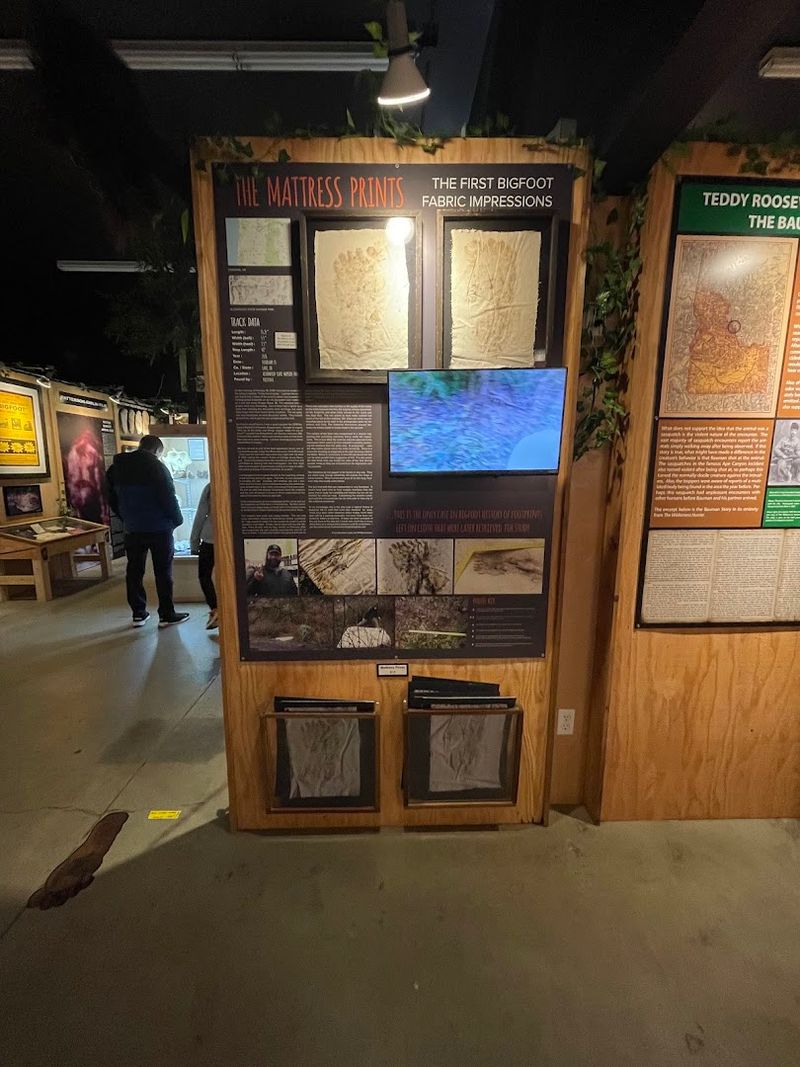
The geographic spread of Bigfoot sightings is genuinely surprising. The museum lays this out clearly with regional information and maps that show just how widespread the reports have been over the decades.
It is not limited to the Pacific Northwest.
Exhibits cover sightings from multiple states and even international locations where similar large unidentified primates have been reported. The museum takes a global view, connecting Sasquatch to similar cryptid traditions around the world.
That broader perspective adds real depth to the whole experience.
Reading through the regional breakdowns is one of those activities where you look up and realize forty minutes have passed. The density of documented accounts is staggering.
Each region has its own specific details, terrain descriptions, and witness notes.
Visitors who plan to spend about an hour often end up staying two. The reading material alone could fill an afternoon.
If you enjoy maps, patterns, and the kind of research that makes you question what you thought you knew, this section will hold your attention completely.
The Ape Canyon Exhibit and Olympic Project Nest Replica
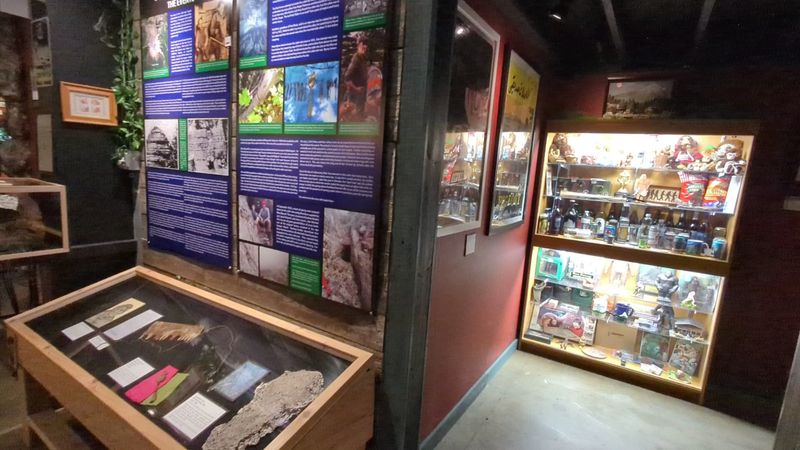
Ape Canyon is one of the most chilling stories in Pacific Northwest history. The exhibit dedicated to it inside the museum gives the event the detailed treatment it has long deserved.
It involves a reported attack on miners in 1924 near Mount St. Helens in Washington State.
The story is presented with historical context and supporting documentation. Standing in front of the display, the region feels suddenly closer and stranger than it did before.
The Cascades outside Portland take on a different character after reading through the account.
Nearby, a replica of a Sasquatch nest from the Olympic Project in Washington State gives visitors a physical sense of what field researchers have documented. The nest replica is detailed and surprisingly large.
Seeing the actual dimensions helps explain why researchers take the physical evidence so seriously.
Together, these two exhibits represent some of the most regionally specific and historically grounded content in the entire museum. They connect the Pacific Northwest’s wild landscapes to a long tradition of reported encounters that locals have been talking about for generations.
The Gift Shop That Deserves Its Own Dedicated Time
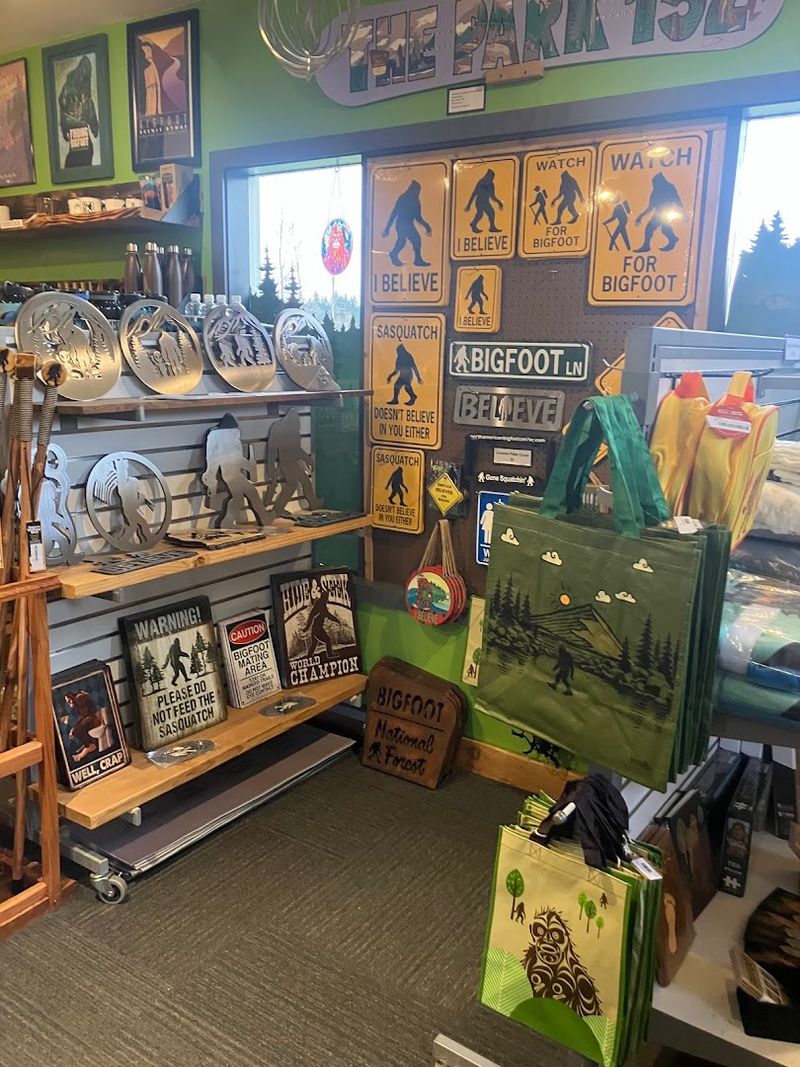
The gift shop at the North American Bigfoot Center has a reputation that travels ahead of it. People who have visited talk about it almost as much as the exhibits themselves.
It is stocked with a range of items that genuinely surprises most visitors.
Books fill a dedicated section, many of them region-specific and covering serious research topics. Signed copies are sometimes available, which makes the section feel more personal than a typical museum shop.
The selection clearly reflects someone who cares about the subject deeply.
Beyond books, the shop carries everything from road signs and doormats to pins, playing cards, Funko Pops, Legos, trading cards, and croc charms. There is Bigfoot merchandise here that you simply cannot find anywhere else.
Visitors consistently mention leaving with more than they planned to buy.
Prices are reasonable for a specialty shop, and the staff is friendly and happy to talk through any item. The shop is free to browse even without a museum ticket, making it a welcoming stop for anyone passing through on US-26.
The Science-First Approach That Sets This Museum Apart
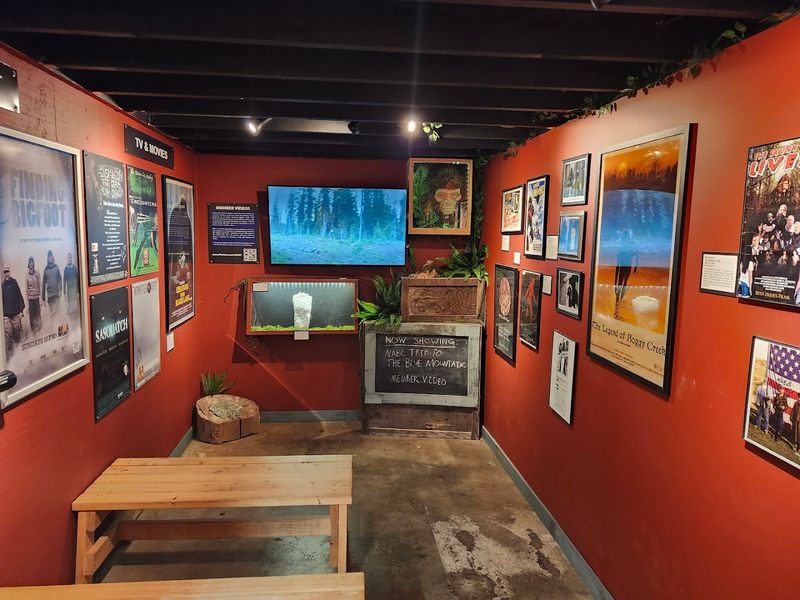
A lot of Bigfoot coverage leans heavily on mystery and spectacle. This museum takes a noticeably different path.
The focus here is on evidence, methodology, and the serious scientific case for an undiscovered large primate species in North America.
Exhibits reference academic work and field research rather than relying on dramatic storytelling. The tone throughout the museum feels grounded and honest.
That approach tends to surprise visitors who come in expecting something more carnival-like.
The connection to researchers like Dr. Jeff Meldrum, whose academic work explored the biological plausibility of Sasquatch, adds a layer of credibility that most roadside attractions cannot claim. The museum treats its subject with genuine intellectual respect.
Visitors who spend time reading through all the panels and watching the footage often leave with a shifted perspective. Not necessarily convinced of anything specific, but genuinely more open than before.
That is the real achievement here. The museum does not tell you what to think.
It gives you enough real information to start thinking more carefully on your own.
A Welcoming Spot for Families, Road-Trippers, and True Believers
Visitors range from hardcore Bigfoot researchers to curious families stopping in on a road trip. The space works well for all of them.
Kids engage with the life-size displays and interactive elements. Adults get absorbed in the research panels and footage.
The staff creates an atmosphere that feels genuinely welcoming rather than performative. Multiple visitors mention how easy it was to strike up a real conversation with the people working there.
The museum is not enormous, but the experience consistently runs around two hours for visitors who take their time. That is a solid return on an afternoon stop.
The location right off US-26 makes it a natural break point on drives toward or away from Mount Hood.
A coffee shop and pizza place are conveniently located nearby, making the whole stop feel like a complete little adventure. Families, solo travelers, and groups all seem to leave with the same general feeling: glad they stopped.
Planning Your Visit to the North American Bigfoot Center
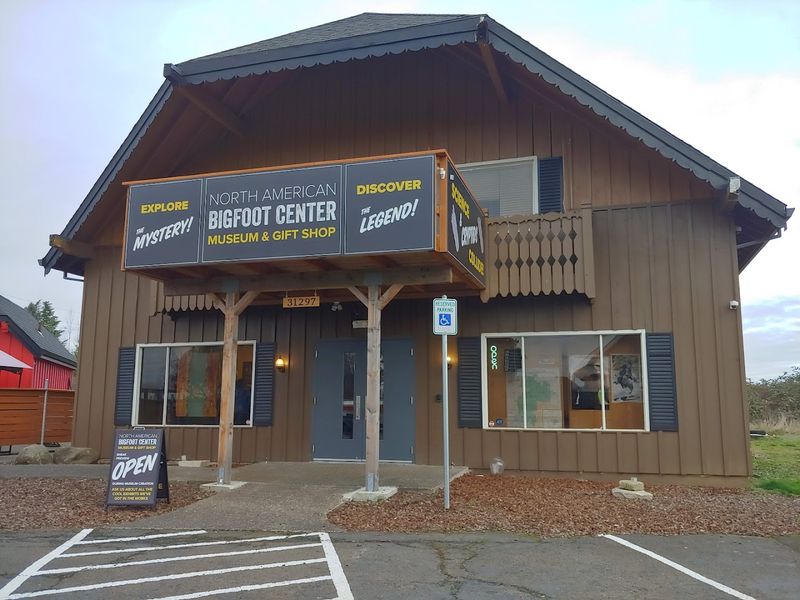
The museum is open every day of the week from 10 AM to 5 PM, which makes it easy to work into almost any travel schedule. Located at 31297 SE US-26 in Boring, Oregon, it sits close enough to Portland to work as a day trip or a quick detour on a longer drive.
Admission is affordable, with discounts available for seniors, veterans, and children. Kids under five get in free.
The gift shop is open to browse without a museum ticket, which is a nice touch for anyone just wanting to peek inside.
Cell service in the area is generally fine, and parking is straightforward. The highway location means you will not need to navigate any tricky back roads to get there.
Just watch for the signage along US-26 and you will spot it easily.
A visit here is genuinely one of those stops that feels small on paper and unexpectedly big in memory.
