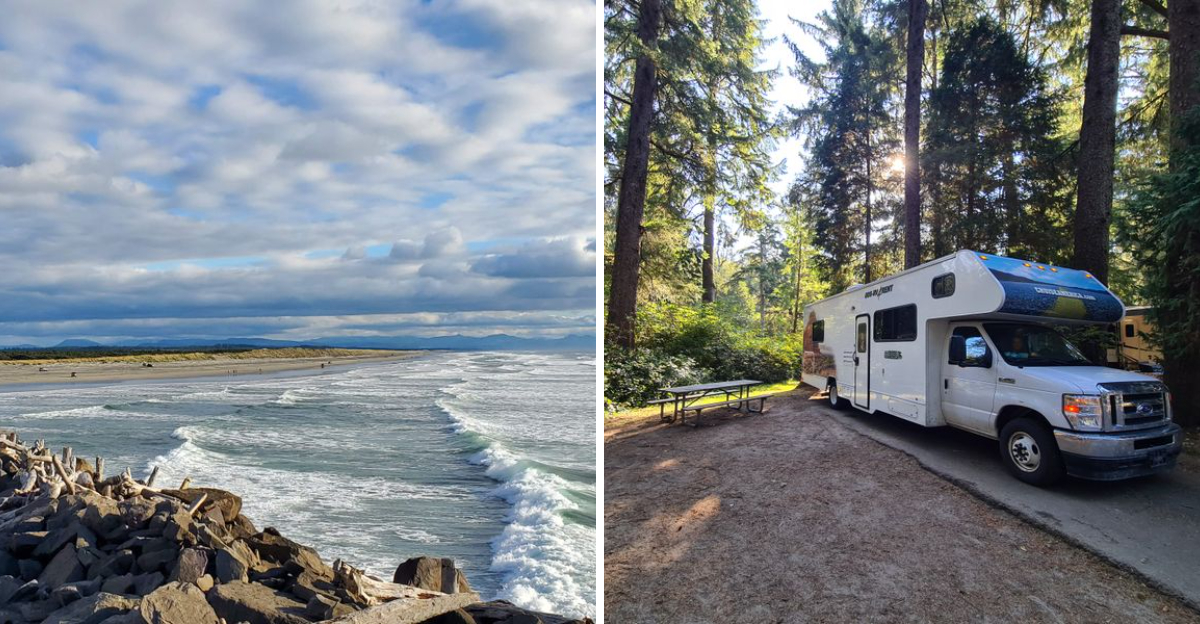
Tucked along Oregon’s rugged coast, Fort Stevens State Park blends history with outdoor adventure.
Visitors can pitch a tent or park an RV at cozy campsites just steps from the ocean breeze.
Miles of trails invite hiking, biking, and wildlife spotting, while sandy beaches are perfect for kite flying or beachcombing.
The park also preserves remnants of a historic military fort, adding a dash of heritage to the natural scenery.
Whether you’re camping, exploring, or simply relaxing, this coastal gem offers plenty of reasons to return again and again.
Cozy Campsites That Feel Like A Forest Hideaway
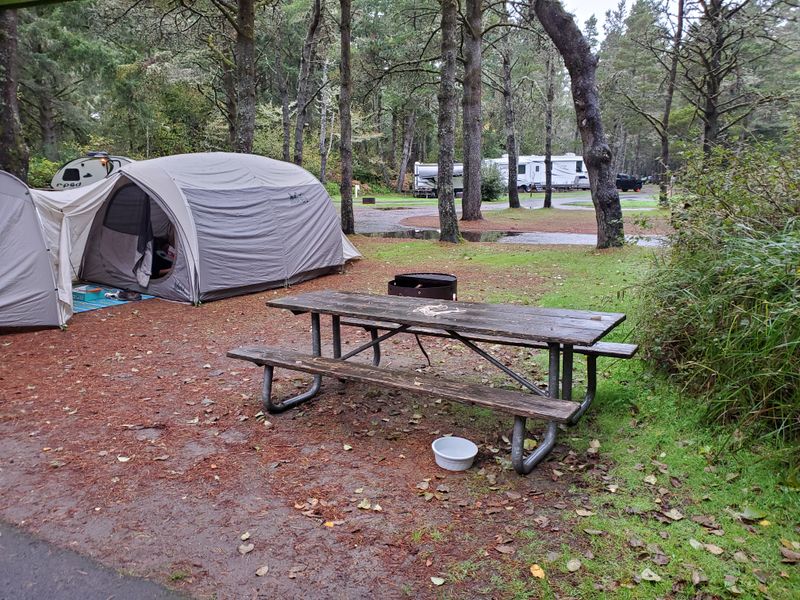
Fort Stevens State Park welcomes campers to a sheltered coastal forest where campsites feel private yet connected to miles of trails and beaches.
You will find loops designed for tents and RVs with hookups available in select sites, and the park’s reservations run through the official Oregon State Parks system online.
Clean restrooms, hot showers, and level pads make settling in simple, while coastal breezes create a quiet soundtrack after sunset.
The campground sits near 1675 Peter Iredale Rd, Hammond, OR 97121, which is the main park address and serves as a reliable point for directions.
Arrive with a plan for campfire safety since seasonal restrictions can change with weather, and always check posted notices at the entrance station.
Night skies can open between the tree canopy, so bring a warm layer for stargazing and a red light for late walks back from the amphitheater.
Biking from your site to the ocean or lake is part of the charm, with paved paths connecting day use areas and historical exhibits.
Family groups appreciate the balance of peaceful mornings and easy activity access, and the sounds of songbirds help start the day right.
Oregon campers value how this location blends coastal scenery with stable amenities that feel dependable in any season.
The park’s layout keeps traffic calm around loops, and speed limits are enforced to preserve the relaxed environment for everyone.
Reservations are highly recommended from late spring through early fall, especially around Oregon school breaks and popular holiday weekends.
Quiet hours are observed so evenings remain restful, and rangers often patrol to answer questions about trails and beach conditions.
Expect moist air and occasional drizzle, which pairs nicely with a warm camp mug and a dry, well pitched tent.
Bring a bike lock and store food securely, since coastal wildlife may wander through and investigate any unattended snacks.
By morning, you can roll out toward the dunes, lakeside trails, and the famous shipwreck, knowing your cozy base is waiting.
The Peter Iredale Shipwreck, A Timeless Beach Icon
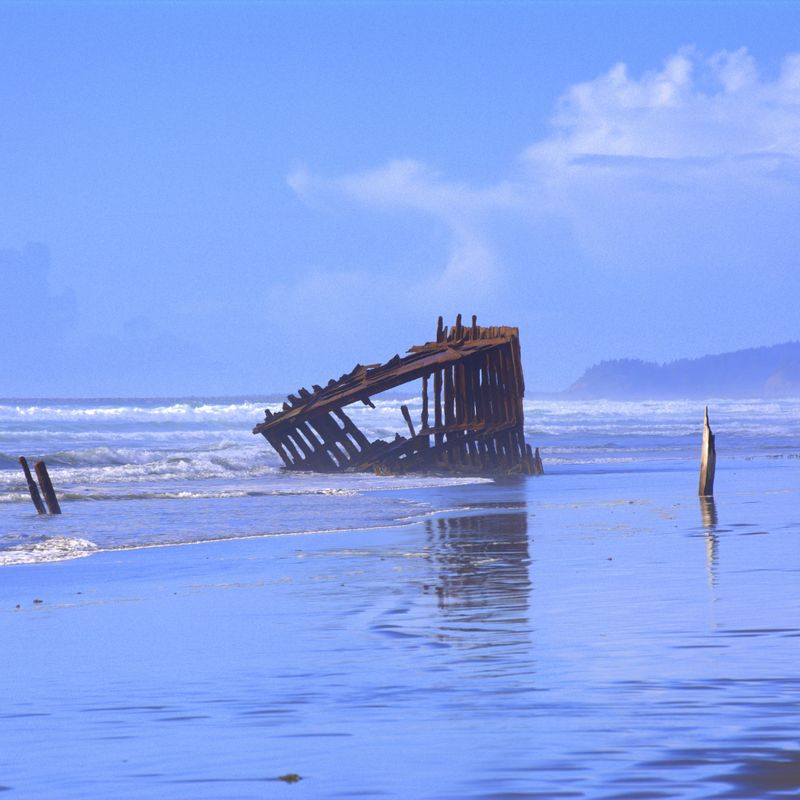
The Peter Iredale shipwreck stands like a rusted sculpture on the sand, drawing you in with its skeletal ribs and ocean patina.
You can walk to the site from nearby parking and feel the salt spray while waves brush the shore and gulls track the breeze.
Morning fog often fades into soft light that reveals textures, and low tide gives the widest view for photos.
This photogenic wreck rests within Fort Stevens State Park at 1675 Peter Iredale Rd, Hammond, OR 97121, which guides you to the general area.
Tides shape the experience, so check current charts to time your visit for safer footing and dramatic reflections in wet sand.
Footwear with traction helps when crossing slick patches, and staying clear of surf zones keeps your camera and backpack dry.
Interpretive signs offer context about the 1906 grounding, and you can imagine the crew’s relief as they stepped ashore.
The wreck’s angles change with each step, and a cloudy day creates soft contrast that flatters detail without harsh glare.
Oregon coast weather can shift quickly, so a light shell and microfiber cloth for lenses will pay off.
Evenings can glow with pastel tones that turn the iron warm, while a long walk returns you to parking under tall trees.
The site remains one of Oregon’s most accessible maritime relics, inspiring curiosity across generations who come to watch the tides.
Please respect posted boundaries, because the structure is unstable and natural erosion continually reshapes the surrounding beach.
Beachcombers often explore nearby stretches for agates or driftwood, keeping an eye on waves and sneaker surges during winter months.
Bring a small tripod if you enjoy slow shutter seascapes, and keep sand out of your gear with a sealed pouch.
As you leave, the silhouette stays in mind, a rugged reminder of navigation, storms, and the enduring draw of the Pacific.
Miles Of Trails For Biking And Walking
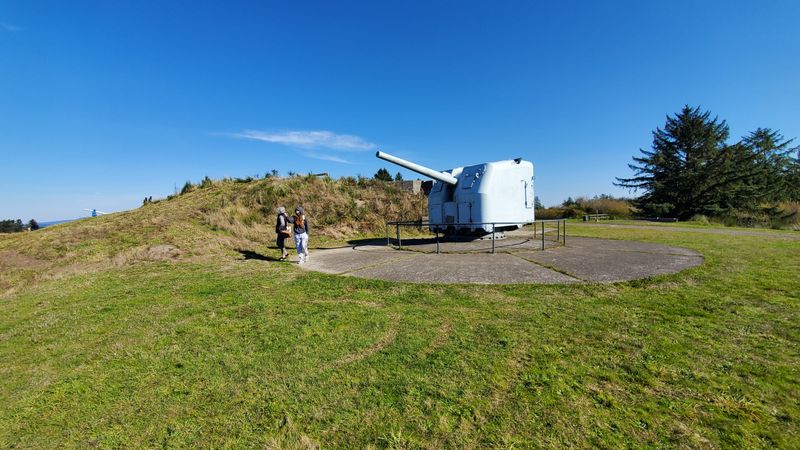
Fort Stevens threads a generous network of paved and packed gravel trails through coastal forest, dunes, lakeshores, and historic battery sites.
You can hop on from campground loops and roll toward the beach, or take calmer spurs that pass wetlands alive with birdsong.
Wayfinding signs identify key junctions, and distance markers help you plan a relaxed loop or a longer, breezier ride.
The main park entrance at 1675 Peter Iredale Rd, Hammond, OR 97121 orients first time visitors, and posted maps show connections clearly.
Expect smooth surfaces on primary routes with occasional root heaves, so wider tires or flexible pressure makes the ride more comfortable.
Helmets are strongly encouraged, and a small bell helps when approaching families strolling or kids wobbling along.
Benches pop up near marsh views where herons hunt, and several wooden bridges curve over tannin stained streams.
Wind on open stretches can be brisk, yet the forest lanes feel protected and scented with spruce and salal.
Oregon’s coastal climate keeps vegetation lush, so morning dew can linger on shaded corners and wooden decking.
Bring a printed map or offline screenshot, because cell coverage dips in a few pockets deeper in the trees.
If you like history, aim for loops that connect to artillery batteries and the military museum for layered exploration.
Families appreciate how most grades are gentle, making it easy to cruise side by side and chat without strain.
Wildlife sightings are common around ponds where swallows skim low, and you might hear frogs in chorus at dusk.
Portable lights extend safe riding near sunset, especially in the shoulder seasons when twilight comes early in Oregon.
Return to camp satisfied, with pine needles tickling your tires and the promise of hot showers just around the bend.
Historic Fortifications And Coastal Defense Stories
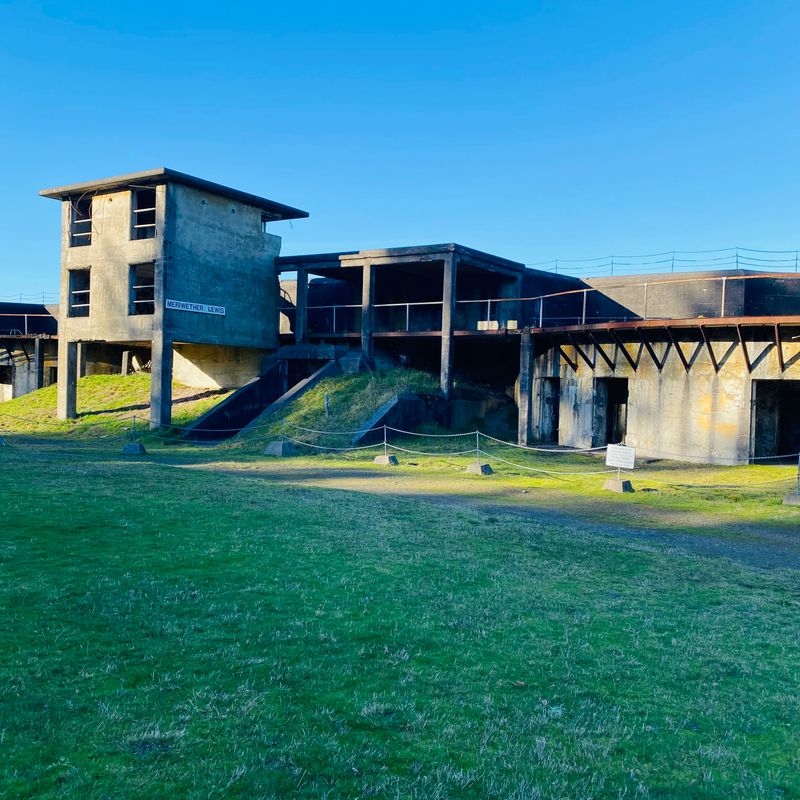
The concrete batteries at Fort Stevens reveal the former Pacific coast defense network that guarded the Columbia River mouth.
You can wander stairways, peek into rooms, and read interpretive panels that outline construction timelines and strategic roles.
The preserved structures feel cinematic up close, with moss softening edges and gulls calling overhead.
Start from park hubs near 1675 Peter Iredale Rd, Hammond, OR 97121, then follow signs toward Battery Russell and other historic points.
Safety railings and marked boundaries exist for good reason, because slick steps and abrupt drops are part of the original design.
Flashlights make dark corridors easier to navigate, and kids enjoy finding echoes while learning about communication posts.
Panels discuss armaments, training routines, and the rare 1942 shelling incident that remains a notable Oregon history footnote.
While the attack caused little physical damage, it sparked preparedness narratives that shape the interpretive storyline today.
The museum opens seasonally with exhibits that add artifacts and photographs to the outdoor exploration you just completed.
Guided programs occasionally run in peak months, so check schedules at the ranger station or the official website before visiting.
Birds nest around edges, so maintain respectful distance and use quiet voices when you spot activity in spring.
Morning light reveals texture on concrete and rebar, while afternoon shadows emphasize geometry for dramatic photos.
Oregon’s coastal humidity deepens the gray tones, giving these structures a moody character without needing filters.
Bring sturdy shoes for uneven surfaces and consider gloves if you plan to grip rails on damp days.
Leave no trace around these fragile sites, and carry curiosity for the layered defense story embedded in every corridor.
Beach Access For Sunsets, Kites, And Long Walks
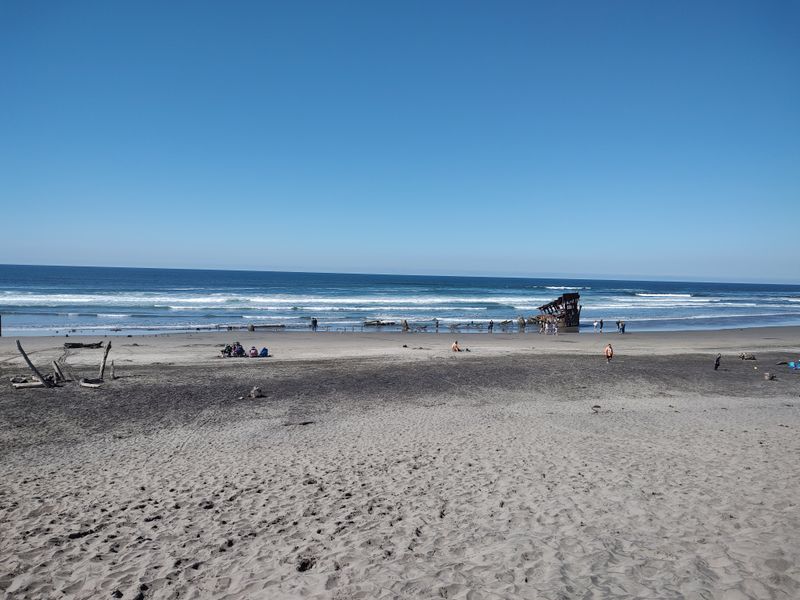
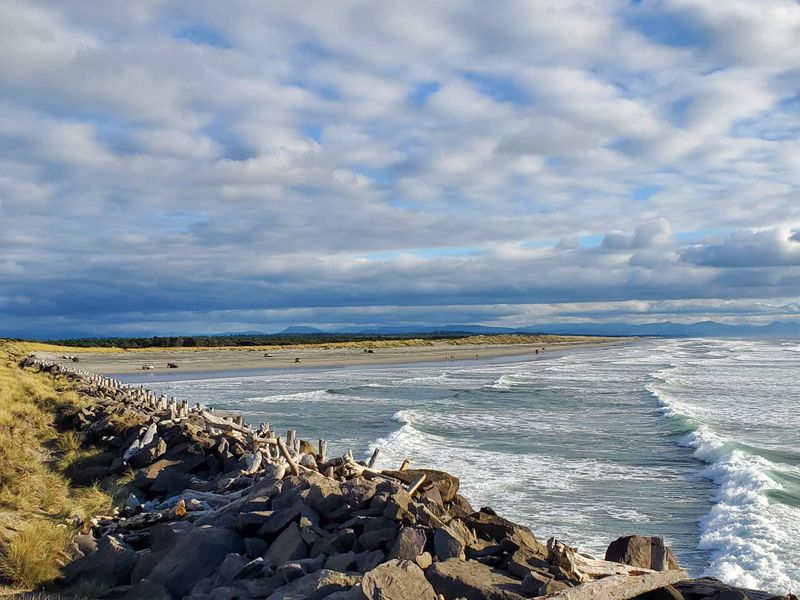
Beaches at Fort Stevens stretch wide and welcoming, offering room to walk, fly kites, and watch a glowing sky sink into the Pacific.
You can drive to designated day use areas, then follow signed paths over dunes where beach grass waves in the steady wind.
Tide lines shift by season, shaping tidepool pockets, driftwood piles, and photo friendly reflections near gentle swash zones.
The main address 1675 Peter Iredale Rd, Hammond, OR 97121 orients visitors to beach turnoffs and parking spurs across the park.
Even summer evenings can feel crisp on the Oregon coast, so a fleece or wind shell keeps the chill at bay.
Sand can be soft near the dunes, and hard packed nearer the water, which makes walking faster as the light fades.
Families like to spread blankets higher up where waves cannot reach, keeping shoes dry for the stroll back.
Kite lines carve arcs overhead, and the open horizon gives you a front row seat for cloud drama after storms.
Leashed dogs are welcome in many areas, with signage clarifying sensitive bird nesting zones that need extra care.
Trash receptacles sit near access points, so you can easily pack out everything and keep the shore pristine.
Photographers often wait for the brief glow right after sunset, when color intensifies for a few quiet minutes.
Winter brings powerful swells that are thrilling to watch from a safe distance on higher, stable sand.
A headlamp helps you navigate dune paths after dark, and reflectors on posts guide your steps back to the car.
The rhythm of waves settles the mind, and steady wind smooths footprints into fresh canvas for tomorrow.
As you leave, the scent of salt and grass lingers, promising one more slow walk the next clear evening.
Lake And Lagoon Time At Coffenbury Lake
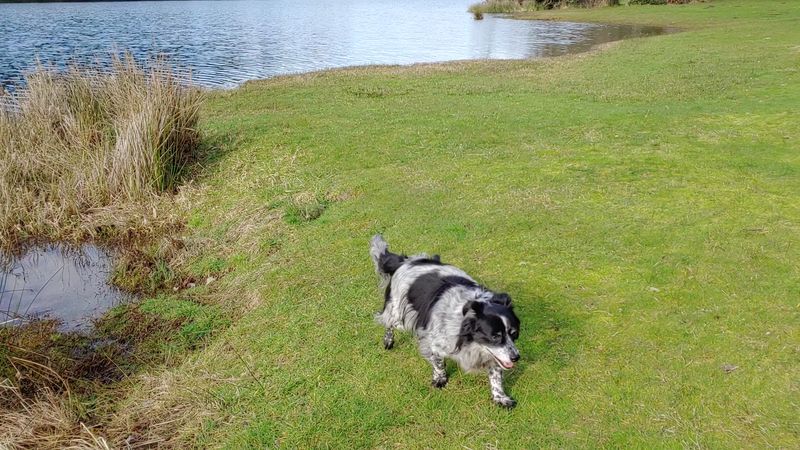
Coffenbury Lake sits behind the dunes with calm water, picnic tables, and an easygoing loop that invites a slow lap on foot.
You can launch small human powered watercraft at designated points and glide through reflections of spruce and alder.
The gentle shoreline welcomes families who prefer mellow water over breaking waves while still hearing the ocean nearby.
Reach the area from routes inside Fort Stevens after entering at 1675 Peter Iredale Rd, Hammond, OR 97121 where signage points the way.
Fishing is popular in season, and you will see anglers quietly working along edges where lily pads drift.
Life jackets are essential for any paddling, and a simple dry bag keeps phones and keys safe if you splash.
Picnic shelters provide shade for gatherings, with charcoal grills in some spots and easy refuse disposal to keep wildlife wild.
Birders scan the treeline for osprey and swallows, and morning mist can deliver atmospheric views across the still surface.
Oregon’s coastal air makes snacks taste better outside, so pack fruit, sandwiches, and an extra layer for sudden breezes.
Bathrooms and parking sit nearby, which helps when you are juggling gear and watching kids explore the shoreline.
Trail sections are mostly flat, and benches appear just when you want to sit and watch ripples catch the light.
Wheel friendly routes make it inclusive, and courteous passing keeps everyone relaxed on narrower spots around the lake.
Consider binoculars for spotting distant perches, and bring a trash bag to ensure you leave the tables tidy.
Quiet afternoons often give way to golden hour, when trees glow and the water turns to liquid copper.
Wrap up with a smooth walk back to the car, feeling refreshed by easy nature time that complements your beach day.
Wildlife Watching Along Wetlands And Forest Edges
Wetlands weave through Fort Stevens, creating habitat for herons, egrets, songbirds, river otters, and the occasional elk moving at dawn.
You can pause at viewing pullouts or wander short paths that edge marshes while keeping respectful distance from nests and dens.
Patience helps, because wildlife reveals itself slowly when you stand quiet and let the landscape calm.
Start with maps from the park entrance at 1675 Peter Iredale Rd, Hammond, OR 97121, then plan loops that pass water and forest.
Binoculars make small movements noticeable, and a lightweight camera with a longer lens captures distant perches without disturbing animals.
Low light is common in Oregon’s coastal zones, so image stabilization and steady posture pay off in sharper shots.
Frogs chorus in spring evenings, and dragonflies pattern the air above sedges when sunlight warms the shallows.
Elk tracks sometimes press into damp sand, and you might glimpse a line of prints threading between shore pines.
Stay on signed routes to protect sensitive vegetation, and keep dogs leashed to prevent wildlife stress.
Seasonal closures may occur to safeguard nesting, and posted notices will tell you where to reroute your stroll.
Early mornings feel magical as mist lifts and calls echo, while afternoons often bring more activity around open water.
Bring layers so you can settle in without shivering, and pack a thermos for a quiet mid trail pause.
A small field guide helps with quick identifications, turning brief sightings into memorable learning moments.
Share the view politely at overlooks, making space for kids who are discovering nature on their first Oregon coast trip.
Leave only footprints on durable paths and return with a fuller appreciation for the park’s living, breathing ecosystems.
Family Friendly Amenities, Programs, And Safety Tips
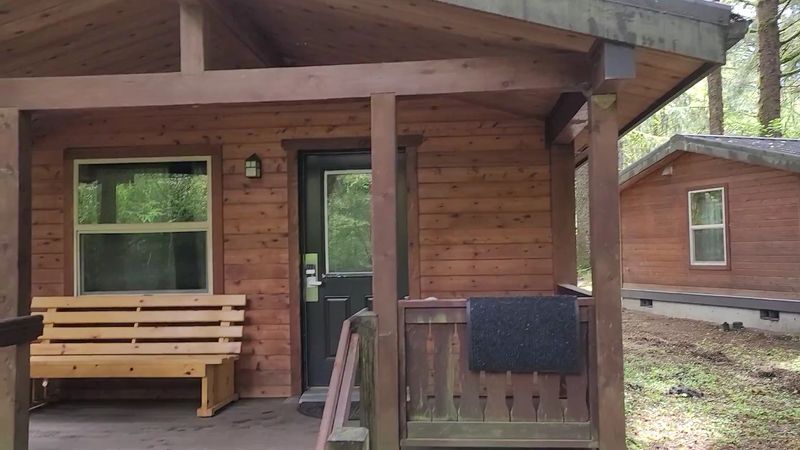
Families find Fort Stevens easy to navigate thanks to clear signage, ranger presence, and thoughtful amenities that reduce stress.
You can look for the amphitheater schedule near summer, when interpretive programs bring local history and nature to life.
Play areas, open fields, and picnic shelters create space to move, rest, and regroup between hikes and beach sessions.
The park headquarters at 1675 Peter Iredale Rd, Hammond, OR 97121 provides maps, rules, and updates on conditions or closures.
Pack a basic first aid kit and sunscreen, since coastal clouds can still reflect enough light to burn skin.
Hydration is easy with refillable bottles, and you can top up at spigots in camping loops and day use zones.
Lost and found assistance is available through staff, and a quick visit to the office solves most logistical hiccups.
Teach kids simple trail etiquette like yielding, staying right, and letting wildlife be wild with quiet observation.
Emergency numbers are posted on kiosks, and cell coverage varies, so note meeting spots in case your group separates.
Oregon weather changes quickly, making rain shells and warm hats surprisingly useful even in the heart of summer.
Bike helmets, bright clothing, and working lights keep rides safe in shaded forest during evening hours.
Accessible facilities help all ages participate, and ramps or paved routes expand options for strollers and wheelchairs.
Food storage is important at camp, with coolers latched and crumbs cleaned to avoid inviting curious critters.
Quiet hours promote restful nights, which in turn fuels happier mornings with time for beachcombing or a lake lap.
By trip’s end, families often feel confident navigating the park’s rhythms, making Fort Stevens a reliable Oregon favorite.
Rainy Day Plans And All Weather Comfort
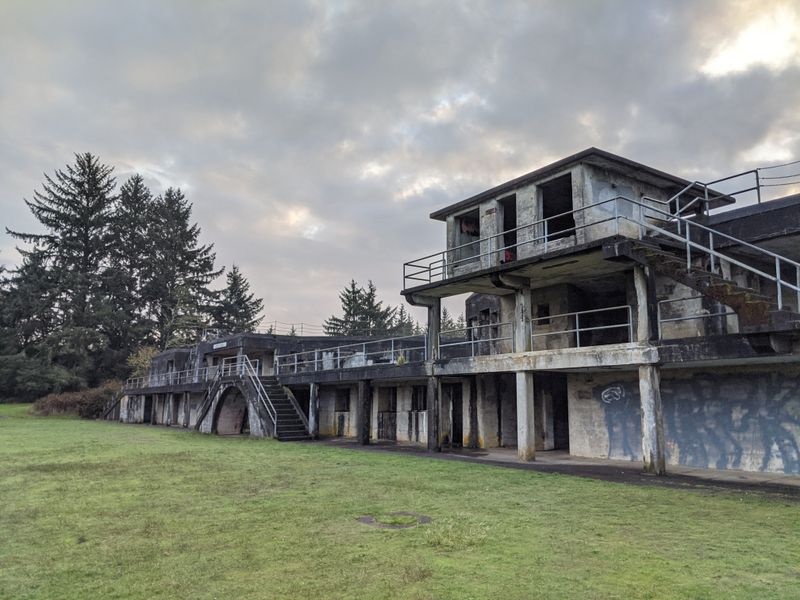
Coastal rain does not end the fun at Fort Stevens, it simply shifts the plan toward comfort and easy exploration.
You can set up a taut tarp over your picnic table and keep gear organized in bins that slide under the bench.
Well drained campsite pads help avoid puddles, and gravel paths reduce mud as you move between loops and facilities.
The park entrance at 1675 Peter Iredale Rd, Hammond, OR 97121 is a good reference for meeting companions between showers.
Visit historic batteries under the shelter of concrete corridors, where drips add atmosphere and footsteps echo quietly.
Museums and interpretive signage offer learning while you wait for a break in the clouds over the beach.
Warm layers, waterproof shoes, and a dry bag turn sprinkles into a minor detail instead of a trip spoiler.
Cooking under a canopy keeps steam off sleeping gear, and a small doormat at the tent door saves your floor.
Oregon trips often deliver mixed forecasts, so plan alternate short walks near wetlands that shine under soft light.
Afternoon skies sometimes part for a golden window, which is perfect for a quick dash to the shipwreck.
Evening brings cozy time with a book or cards, while the sound of rain in trees sets a calm pace.
Keep electronics charged with a battery bank, since outlets may be limited if you skip hookup sites.
Dry gloves and a spare hat feel luxurious, and a microfiber cloth keeps glasses and lenses clear in mist.
By morning, the forest smells renewed, and trails often feel firmer as rain retreats to distant clouds.
Embrace the weather and you will remember this Oregon coast trip for its mood as much as its sunshine.
Practical Logistics, Hours, And How To Plan
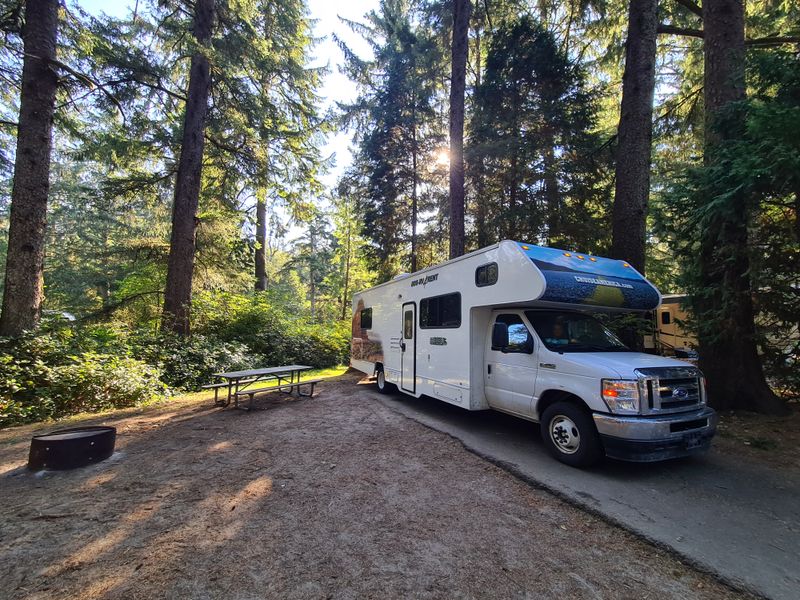
Planning a smooth Fort Stevens trip starts with the official website where you will check fees, hours, and alerts.
The park address is 1675 Peter Iredale Rd, Hammond, OR 97121, with posted hours generally 6 AM to 10 PM year round.
Campground reservations use the Oregon State Parks system, which shows site photos, length limits, and utility details.
Arrive with a printed or downloaded map because coverage can dip, and keep your confirmation handy for the booth.
Bikes make getting around easy, and locking stations near restrooms help when you head to the beach on foot.
Fuel up and gather groceries before arriving since options are broader in nearby towns outside the park boundary.
Pack layers for wind, rain, and cool nights, plus sunglasses for bright, reflective afternoons that sneak up fast.
Check tide tables and sunset times to plan beach walks, shipwreck visits, and photo windows with the best light.
Quiet hours keep nights peaceful, and generators follow time limits that protect the relaxed campground feel.
Pets are welcome on leash, with waste bags and designated trash cans positioned at common trailheads.
Fires depend on seasonal rules, so confirm restrictions at arrival and never leave flames unattended in any loop.
Trash, recycling, and dump stations streamline cleanup, making departures quick when morning checkout arrives.
Respect closures that protect habitat or visitor safety, and use designated paths to minimize erosion on dunes.
For quick questions call +1 503-861-3170, or ask onsite staff who are generous with directions and suggestions.
With these details set, you can focus on the simple joy of Oregon coast time and the park’s easygoing rhythm.
Dear Reader: This page may contain affiliate links which may earn a commission if you click through and make a purchase. Our independent journalism is not influenced by any advertiser or commercial initiative unless it is clearly marked as sponsored content. As travel products change, please be sure to reconfirm all details and stay up to date with current events to ensure a safe and successful trip.
