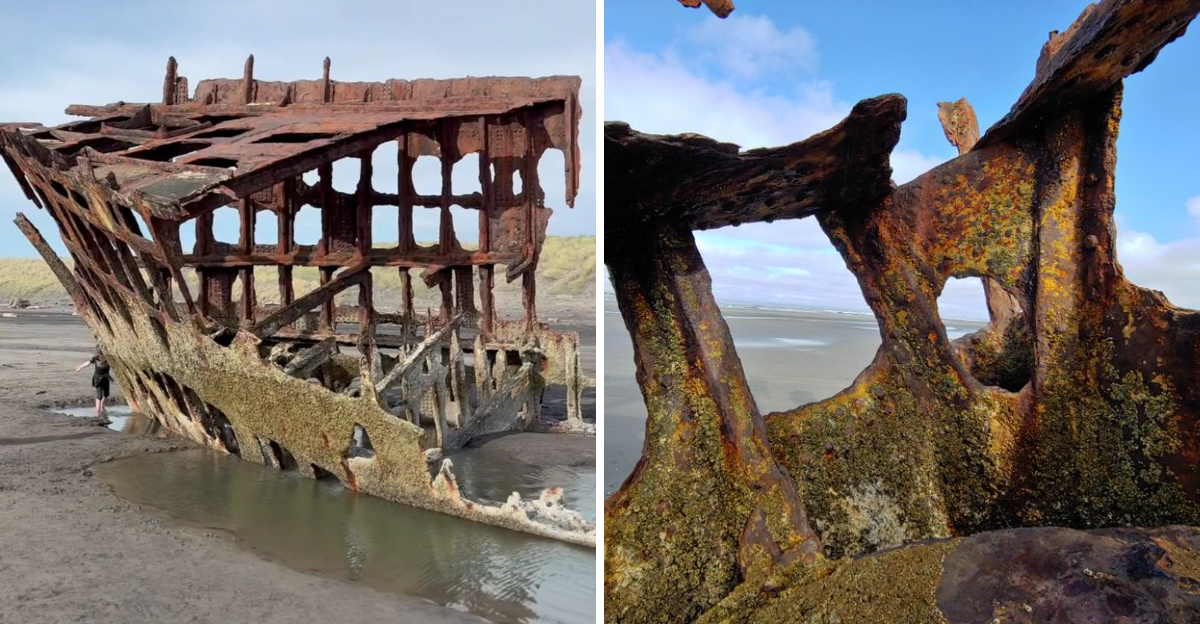
You can feel the salt air change the moment the hulking ribs of the Peter Iredale rise from the sand.
Every visit here reveals new colors on the steel, new tide lines, and new stories whispered by Pacific wind.
I planned a quick stop, then stayed for hours watching light slide across the wreck like a moving spotlight.
Oregon keeps surprising me with places that feel both historic and alive.
This guide makes your time at the wreck easier, richer, and full of awe.
Where to find the wreck with zero guesswork
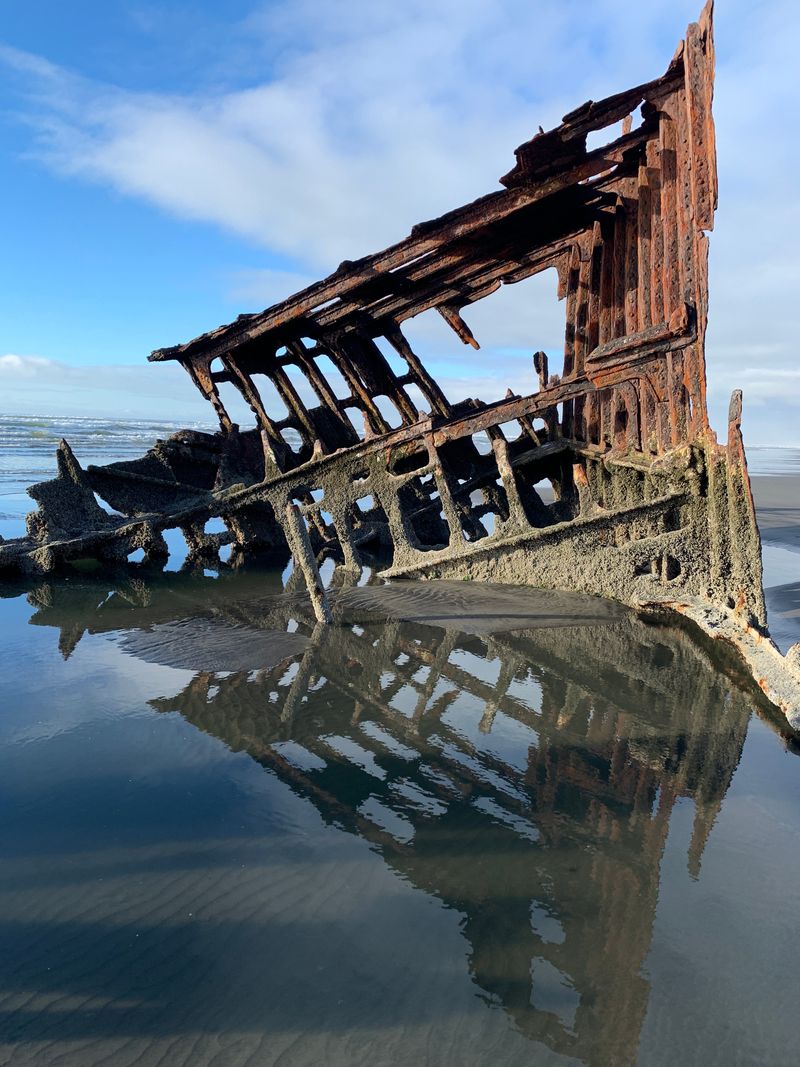
The Wreck of the Peter Iredale sits on the ocean side of Fort Stevens State Park, reached via Peter Iredale Road in Hammond, Oregon.
Google Maps recognizes the place as Wreck of the Peter Iredale, and the coordinates 46.178365, -123.98111 are accurate.
Park hours run 6 AM to 10 PM daily, and Oregon State Parks confirms those times for 2025.
There is a signed day use area with restrooms and beach access that leads straight to the rusted bow and ribs.
Footpaths across the dunes are well worn, and the walk is short on packed sand unless winter storms have reshaped the approach.
Cell coverage is generally reliable near the parking lot, then fades slightly closer to the surf.
Arrive near low tide for the widest beach and the best angles on the exposed skeleton.
High tide will cut your distance to the wreck, but reflections can be beautiful in glossy swash.
Check NOAA tide tables for Hammond Station on the Columbia River Bar for precise timing.
Sunrise and sunset bring soft color that flatters the corroded textures and deepens shadows.
Expect a light breeze that can feel colder than the forecast suggests, especially in shoulder seasons.
Bring a wind layer and shoes that tolerate wet sand, then plan to rinse them later.
The site is popular, yet crowds thin rapidly if you walk a hundred yards north or south.
Weekdays outside summer are the quietest windows, especially during early morning light.
You can combine the wreck with nearby batteries and trails inside Fort Stevens for a half day.
Oregon lovers appreciate how accessible this beach feels without sacrificing wild energy.
Keep an eye on sneaker waves when seas are energetic, which rangers note during storm cycles.
Driftwood piles can shift after heavy weather, changing foregrounds and vantage points.
The wreck is stationary, yet the beach around it redraws itself with every tide and season.
Let that constant change guide a relaxed pace as you explore safely and soak in the view.
A quick history that brings the steel to life
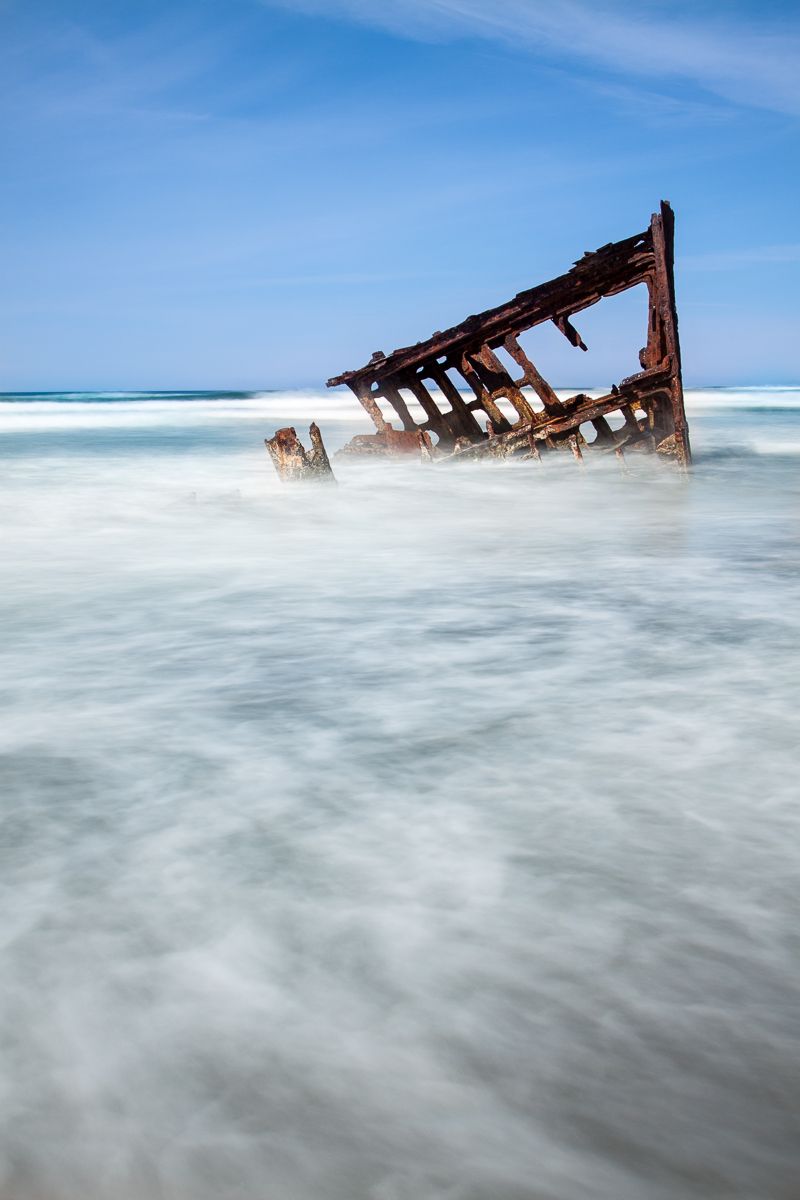
The Peter Iredale was a four masted steel barque launched in 1890, built on the River Mersey to haul cargo across oceans.
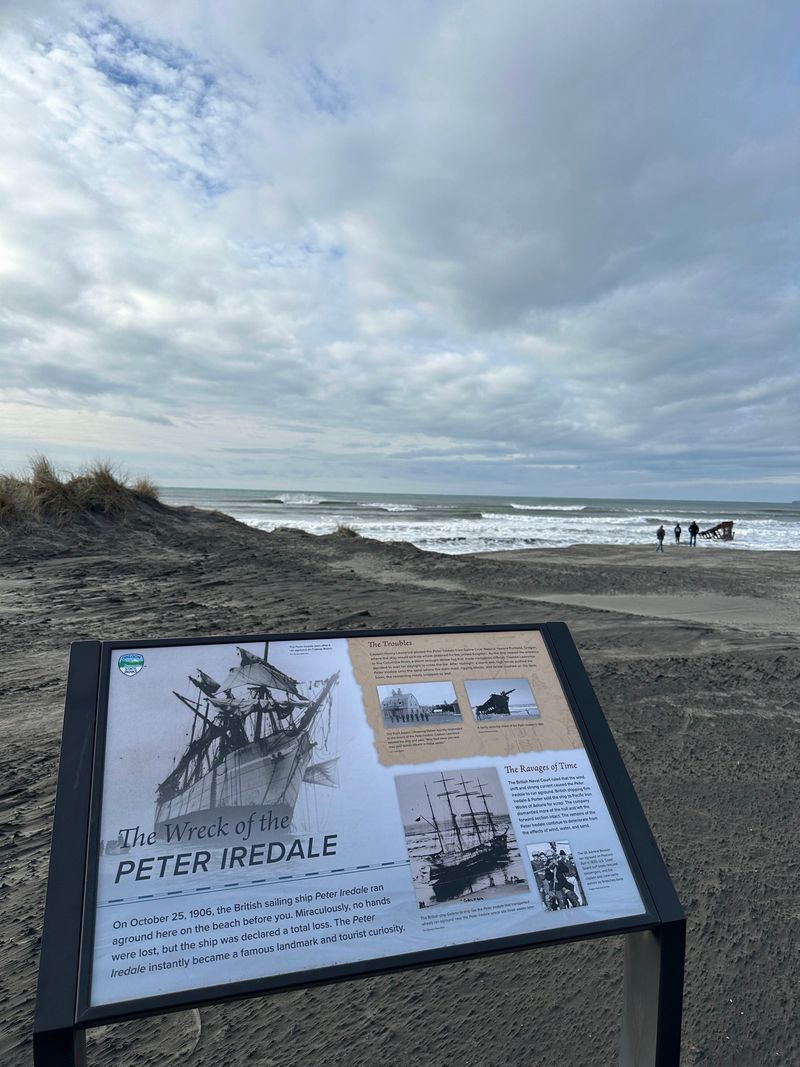
On October 25, 1906, heavy surf and a strong northwest wind pushed the ship toward the Columbia River Bar during a foggy approach.
The captain attempted to anchor and hold position, but the vessel grounded on Clatsop Spit and the crew abandoned ship.
Contemporary reports noted no loss of life, which remains a key reason this wreck is remembered with an almost friendly aura.
Salvage crews removed gear and parts, then storms buried and uncovered the hull repeatedly across decades.
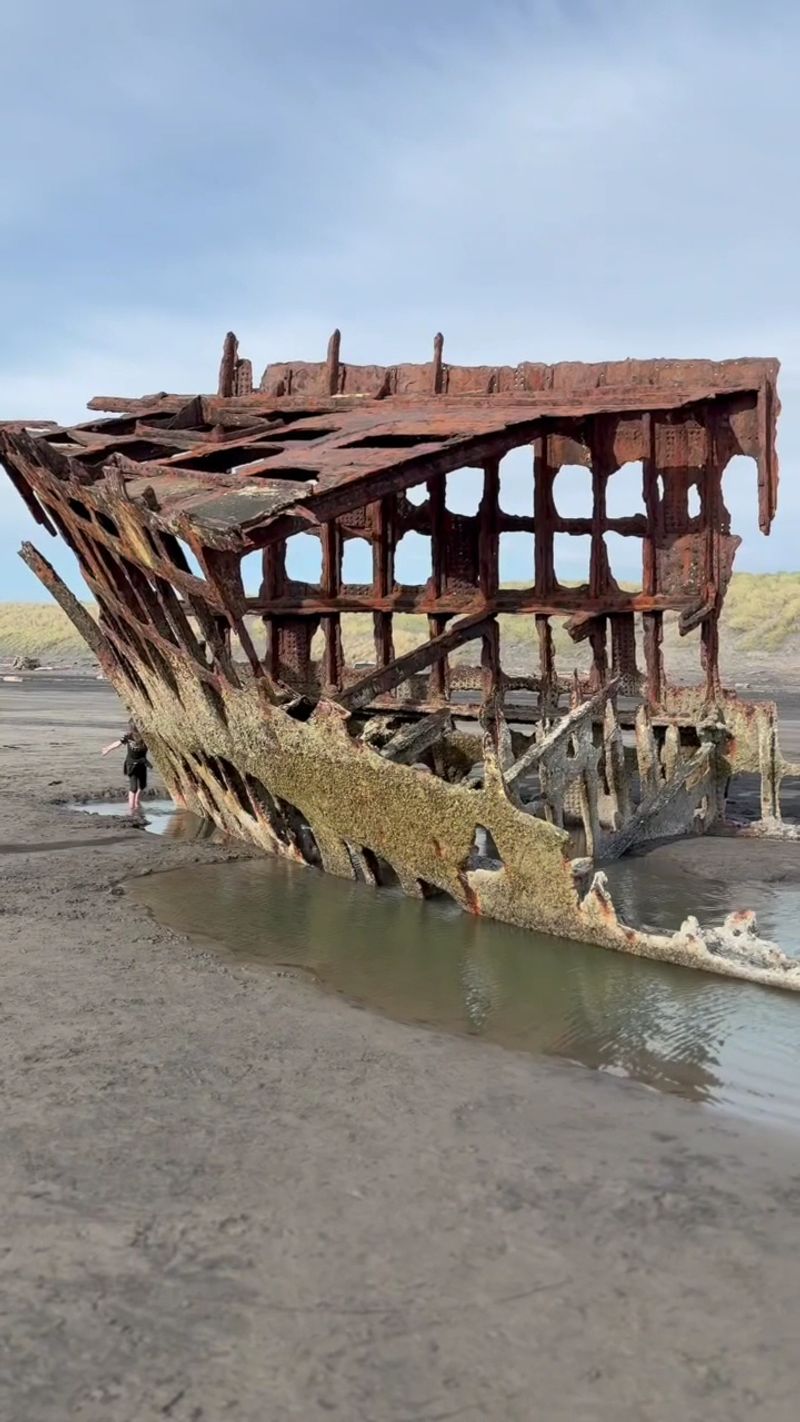
Steel frames and the bow section stayed stubbornly in place, creating the iconic ribs you see today.
Local newspapers described tourists visiting within weeks, which set an early pattern for coastal sightseeing in Oregon.
The ship once sat farther seaward, but shoreline change gradually moved the surf zone landward around it.
Photographs from the 1920s show more plating intact, revealing how corrosion and wave action sculpted the current silhouette.
Interpretive signs at the site summarize these milestones without overwhelming casual visitors.
Maritime historians also connect the wreck to broader stories about the Graveyard of the Pacific and bar pilots.
The Columbia River entrance is notorious for shifting bars, powerful swells, and complex currents that challenge navigation.
Modern engineering, dredging, and pilot protocols improved safety, but winter storms still command respect.
The remaining structure endures because steel frames resist total decay in oxygen rich surf zones.
Saltwater, oxygen, and wave energy create pitted rust that glows orange under certain light.
You can compare archival images with your own photos to see how the form continues to change.
Please remember that this is a memorial to seamanship and endurance, not just a beach sculpture.
Treat it with care and give others space to experience the moment.
The wreck anchors personal memories, class trips, and coastal traditions that stretch across generations.
Standing beside it turns a textbook date into a living story you will not forget.
Best times to visit for light and tides
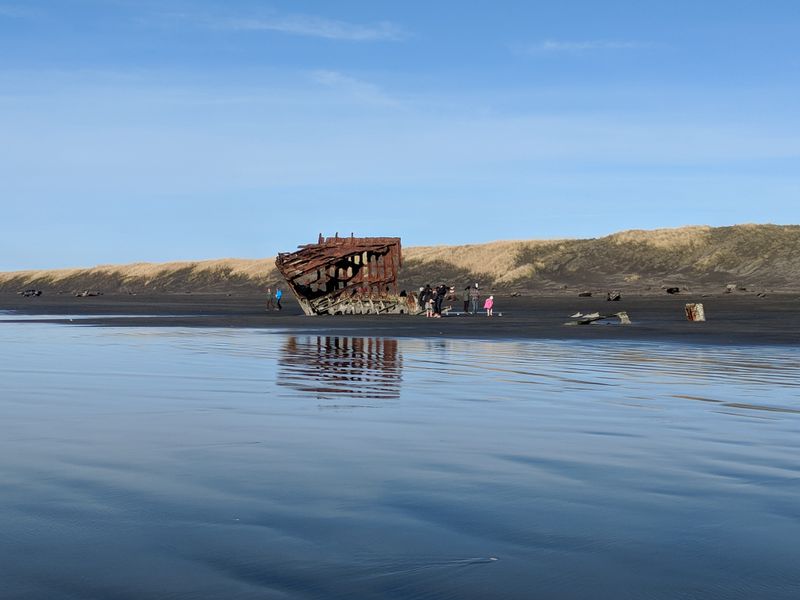
Low tide opens the beach and reveals more of the frames, while mid tide can create mirror like reflections.
I plan around golden hour because side light shapes the ribs with gentle contrast and warm tones.
Winter brings dynamic skies, whereas late spring often delivers calmer mornings with soft haze.
Use NOAA tide predictions for Hammond, then buffer extra minutes for parking and the short walk.
Storm watching can be spectacular from a safe distance when swell forecasts spike.
Rangers sometimes post cautions when sneaker waves and high surf advisories are active.
Summer sunsets attract photographers and families who linger long after the last color fades.
Arrive early to claim a clean composition, or wander down the shoreline for fewer footprints.
Cloud breaks after rain can backlight spray and add drama without harsh glare.
Foggy mornings soften edges and help the wreck feel larger in the quiet air.
Oregon coastal weather changes fast, so carry layers and wrap your camera against mist.
Tripods are allowed, but be mindful of drift logs that may shift under weight.
Footing is generally stable on damp sand, with occasional pools that reflect sky perfectly.
You can scout compositions at midday and return when light improves.
Look for waves peeking through the ribcage to frame horizon lines cleanly.
Take a few steps left or right and the entire mood flips, which rewards patience.
Should clouds break only at the edge, watch for a surprise burst of color.
Night visits are outside posted hours, so plan astro shots for legal windows.
Full moon rises sometimes align with the bow and paint the rust silver.
Every season casts a different personality on this landmark, and that invites repeat trips.
Parking, facilities, and accessibility tips
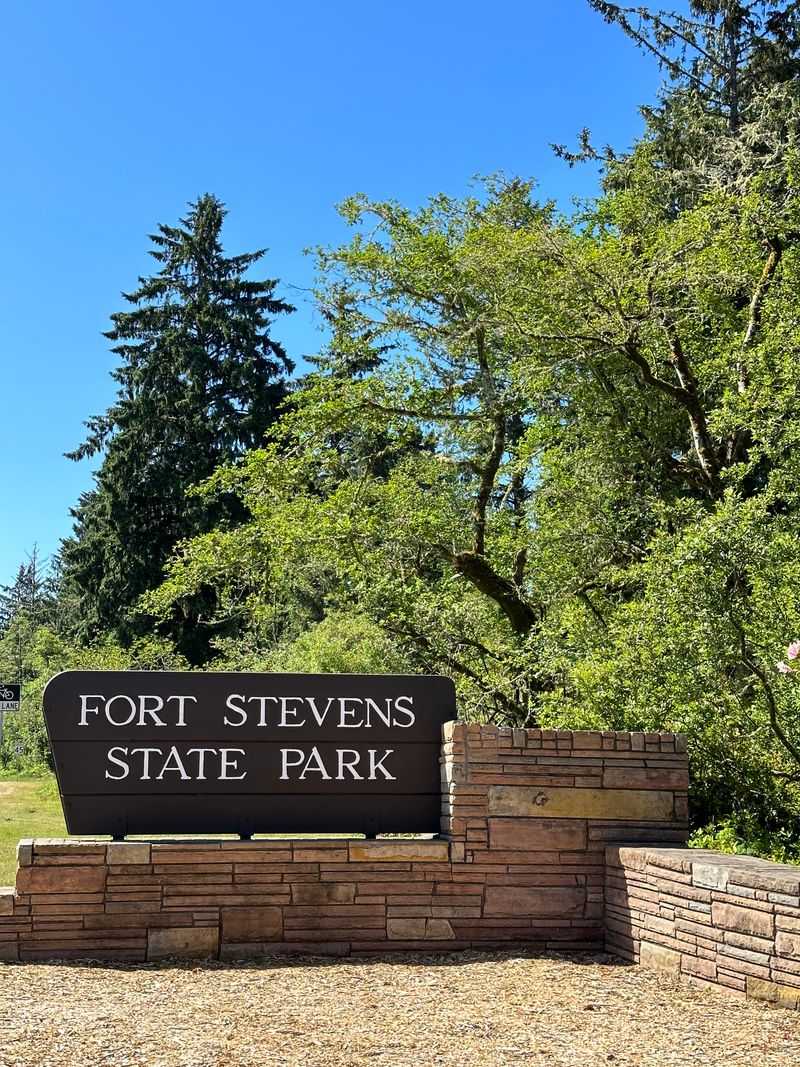
The day use parking area at the end of Peter Iredale Road is paved, marked, and close to the beach path.
Signed restrooms and outdoor rinse stations sit near the lot, which helps after sandy sessions.
There are designated accessible spaces and a firm surface path that transitions to compacted sand.
Beach wheelchairs are sometimes available through Fort Stevens programs, so call ahead to confirm details.
The Oregon State Parks information line at +1 800 551 6949 provides current updates on accessibility.
Arrive early on sunny weekends since turnover slows when families set up for the day.
In winter the lot fills less often, yet wind protection becomes more valuable.
Pack a warm layer, a hat, and a microfiber towel to brush sand from camera gear.
Dogs are welcome on leash, and waste bags are expected near access points.
Trash cans are provided, but consider carrying out recyclables to reduce overflow.
Lighting in the lot is minimal after sunset, which keeps sky views natural.
Bring a small headlamp for the walk back if you plan to stay until the last glow.
Portable restrooms may supplement permanent units during peak periods.
Expect bathrooms to close briefly for cleaning, so plan breaks between photo sessions.
Cell coverage is decent near the lot and improves toward higher dunes.
Download maps beforehand in case signal drops during coastal weather.
Emergency services are coordinated through Clatsop County, and park staff patrol regularly.
Respect cones and barriers after storms when crews assess sand movement.
Storm season can push logs toward the access path, and staff clear them as conditions allow.
Patience and courtesy go a long way here, where shared space keeps the experience relaxing.
Photography ideas that work in all weather
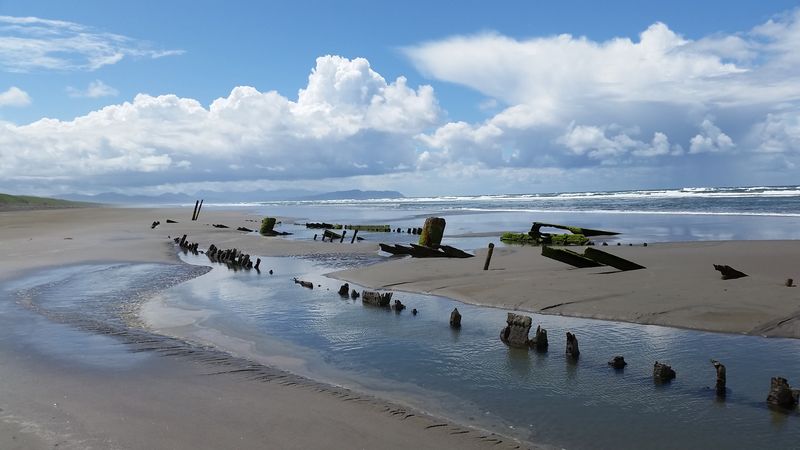
Think of the wreck as a set of geometric frames that welcome simple shapes and leading lines.
Start wide for context, then move closer to capture rivets, pitting, and seaweed textures.
Reflections in wet sand create symmetry that looks clean on mobile screens and prints.
On cloudy days expose for midtones and let the rust glow with gentle saturation.
When sun breaks through, angle slightly off axis to avoid hotspots on wet steel.
Use a circular polarizer sparingly to keep reflections if you want that glassy look.
A ten stop filter calms waves for a misty mood, but watch for people stepping into frames.
Handheld shots are easy with modern stabilization, though wind can nudge focus at longer focal lengths.
Compose with the bow as an anchor and let a person stand for scale near the ribs.
Silhouettes at sunset feel dramatic when the horizon sits straight and the surf line is clean.
Black and white processing suits storm days when texture carries the scene.
On bright mornings the dunes and grasses add color contrast without stealing attention.
Rain adds sheen that deepens tonal range and brings out rivet patterns.
Protect gear with a simple rain cover and a dry cloth in your pocket.
Keep sand out of lens mounts by swapping lenses behind a windbreak.
Check tide charts to anticipate when waves will thread the ribcage for dynamic frames.
Oregon coastal light rewards patience, so linger as clouds evolve and open windows of sun.
Use burst mode when spray peaks to freeze arcs that catch highlights.
Try a low angle with a small tripod to stretch reflections across foreground space.
Leave no trace of props, and let the ship speak with its own weathered voice.
Respectful safety and preservation etiquette
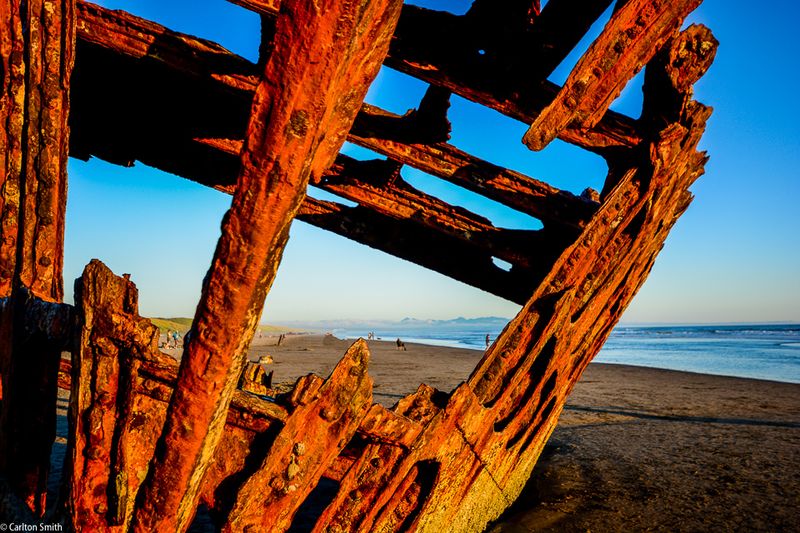
Stay off the sharp edges and avoid climbing, which protects both you and the fragile structure.
Signs on site ask visitors to admire from the sand, and rangers reinforce that guidance politely.
Rust flakes easily, and a slip can turn a photo op into a painful cut.
Foot traffic around the base compacts sand, so spread out and give the wreck breathing room.
Do not wedge rocks or shells into holes, since that accelerates damage to thin sections.
Metal detectors are regulated in state parks, and staff can explain current rules if you are curious.
Keep drones low impact by observing posted restrictions and avoiding flights over people.
Wind can throw a small drone off balance near the ribs, risking collisions and injuries.
Wildlife sometimes forages along the tideline, and quiet behavior keeps the scene calm.
Pack out everything, including broken toys and kite string that can tangle birds.
In Oregon, beach fires are allowed only in designated conditions, and rules change with weather.
Avoid building fires near dune grass or driftwood piles where heat can linger.
Watch toddlers closely during shorebreak surges, which can rise faster than expected.
Set an agreed turnaround point with your group so nobody chases retreating waves too far.
Photographers should call out tripod positions to prevent tripping in low light.
Respect personal space and rotate through prime spots, letting everyone enjoy the view.
If someone needs help crossing a streamlet, offer a steady hand and a friendly smile.
Report hazards to park staff when you see exposed rebar or deep sink holes.
Small courtesies shape the shared mood, and the wreck feels better when visitors cooperate.
Leave the place a little cleaner than you found it, and future trips will thank you.
Family friendly plans without stress
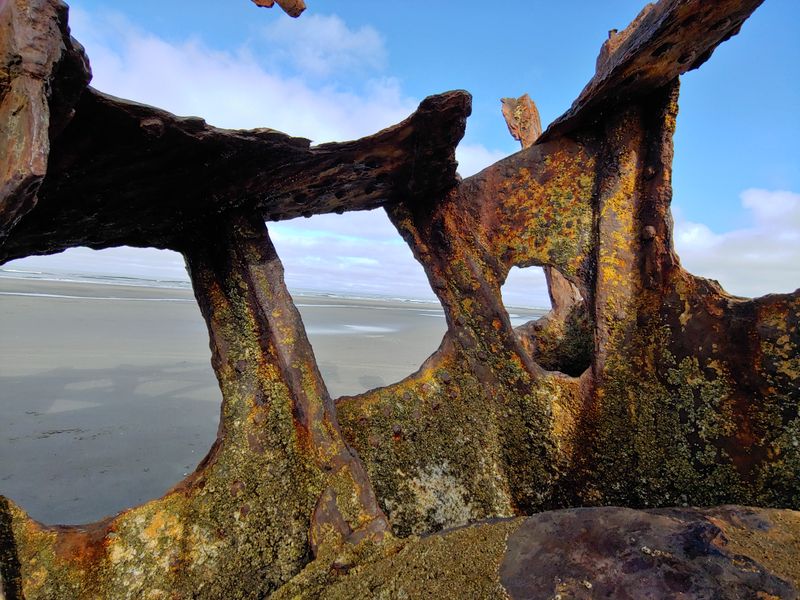
Families love the short walk, the wide sand, and the sense of discovery around the ribs.
Set clear boundaries with kids about wave run up and the no climbing rule on the wreck.
Build simple scavenger hunts that focus on shapes, textures, and colors instead of collecting items.
Windy days work well for kites away from crowds, leaving the area near the wreck open for photos.
Sand toys pack small, and a collapsible bucket doubles as a rinse bin for shells and socks.
Teach kids to spot pilot boats on the horizon and talk about navigation at the river mouth.
Reading the onsite sign together turns the visit into a living history mini lesson.
Plan a snack window near the dunes so hands stay sandy and not on camera gear.
Bathrooms near the lot keep breaks quick, which helps with nap friendly timing.
A compact first aid kit is wise for splinters from driftwood or minor scrapes on shells.
Choose bright jackets that pop in photos and make it easier to track quick movers.
Consider simple games like shadow tag when the sun is low and reflections stretch wide.
Rotate photo turns so everyone gets a portrait without long waits.
Discuss wildlife etiquette and remind kids that birds eat from the tideline, not from snacks.
In Oregon, dogs on leash help keep energy calm and support safe family space.
Bring an extra towel for the car and a small mat to knock sand off shoes.
Set a time to leave before cold tiredness creeps in, then reward with a warm drink nearby.
Make a tradition of a group selfie at the same spot to mark growth across years.
Simple structure keeps the mood light, and the place delivers the wonder naturally.
Everyone heads home with sand in shoes and a story worth retelling.
Nearby park highlights to pair with the wreck
Fort Stevens State Park surrounds the wreck with trails, historic batteries, and wildlife rich wetlands.
Battery Russell offers atmospheric concrete corridors and views over coastal forest and dunes.
The Columbia River South Jetty viewing tower gives sweeping sightlines toward the bar and ocean.
Lake camping, disc golf, and miles of bike paths make this area a full weekend base.
Birders scan for eagles and shorebirds that patrol the tideline and estuary edges.
Interpretive programs run seasonally and cover history, ecology, and coastal safety.
Stop at the park registration area for updated maps and event schedules.
The wreck fits neatly into a loop that samples dunes, forest, and the open beach in a few hours.
Traffic within the park flows smoothly outside major holiday weekends.
Clear signage points to Peter Iredale Road, which keeps navigation simple for first timers.
Bring a bike if you prefer to cruise between sites and save time.
Storm days suit the jetty, while calm evenings shine on the beach around the wreck.
The park setting showcases how Oregon protects access while maintaining natural character.
You will notice volunteers assisting with cleanups and trail maintenance throughout the year.
Pack binoculars to watch ships line up for pilot transfers near the river mouth.
If fog settles in the trees, the batteries turn moody and cinematic for quick portraits.
Allow extra minutes for deer crossings that slow drives near dusk.
Even a short visit delivers variety that keeps everyone engaged.
Pairing landmarks adds context to the wreck and deepens the story of this coast.
End back at the ribs for sunset, which ties the day together with one more glow.
Local lore and facts to share on the sand
Locals sometimes tell a legend that sailors toasted the grounded ship with a bottle found in the surf.
Historians note crew were taken to Hammond and Astoria after rescue, and later debriefed without drama.
A verified fact is that the Peter Iredale was bound for the Columbia River to load cargo after a long Pacific leg.
Another documented detail is the attempted anchoring that failed when surf and wind set the ship onto the spit.
The steel barque design balanced cargo capacity with endurance for global trade.
Weather records from late October 1906 show strong onshore flow and poor visibility along the bar.
Visitors like to quote the captain who reportedly said May God bless you to the ship, which is widely repeated.
That line is best treated as a quote of tradition unless you verify it against primary sources.
Photo comparisons prove how plate sections vanished over decades, leaving the dramatic ribs.
Kids enjoy counting the portholes and guessing how cabins once fit along the deck.
Ship names from passing freighters add a modern soundtrack to this historic backdrop.
Look toward the jetty to spot pilot boats that still guide vessels across the bar.
The site rating on Google sits high for good reason, reflecting easy access and stunning visuals.
Oregon visitors often include this stop on broader coastal road trips that loop through Astoria.
Some families return yearly to take the same group photo as a growing tradition.
Teachers use the wreck to discuss navigation, weather, and coastal geology in one place.
Respectful storytelling keeps the line clear between legend and documented history.
Share the context, then let the wind and rusted steel tell the rest in their own voice.
Stories resonate longer when they pair facts with a sense of wonder and care.
That mix turns a quick stop into a meaningful memory you will carry home.
Dear Reader: This page may contain affiliate links which may earn a commission if you click through and make a purchase. Our independent journalism is not influenced by any advertiser or commercial initiative unless it is clearly marked as sponsored content. As travel products change, please be sure to reconfirm all details and stay up to date with current events to ensure a safe and successful trip.
