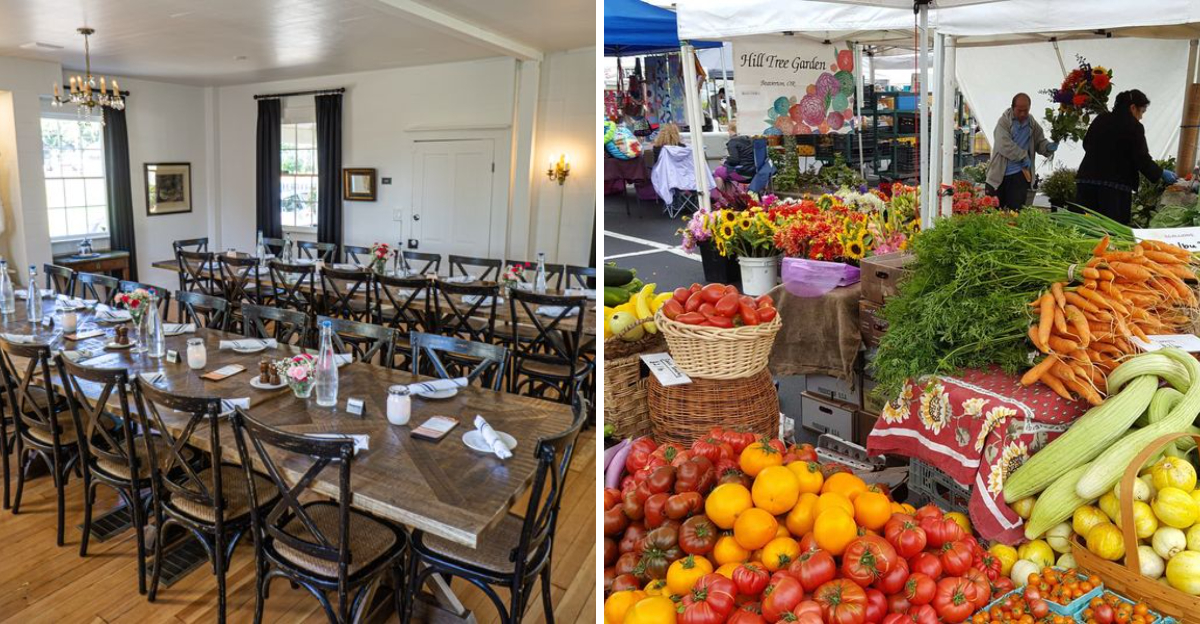
Oregon stands out as a leader in farm-to-table dining, where fresh ingredients and local partnerships define every meal.
The state’s commitment to sustainability runs deep, shaping not just restaurant menus but the entire culinary culture.
Chefs work closely with farmers, fishermen, and ranchers to bring the Pacific Northwest’s bounty straight to your plate.
From the lush Willamette Valley to the rugged coastline, Oregon’s diverse landscape provides an incredible variety of seasonal ingredients year-round.
This movement isn’t just about trendy restaurants or fancy food labels.
It reflects a genuine belief in supporting local communities, protecting the environment, and celebrating the flavors of each season.
Diners here expect transparency, knowing exactly where their meal comes from and who grew it.
Farmers’ markets buzz with activity, connecting growers directly with customers and chefs alike.
Whether you’re enjoying a simple salad or an elaborate tasting menu, you’re experiencing a food philosophy that has become a way of life across Oregon.
The farm-to-table scene here represents more than just good eating.
It’s about building stronger communities, preserving agricultural traditions, and ensuring future generations understand the value of locally sourced food.
1. A Culture of Sustainability and Awareness

Environmental consciousness runs through the veins of Oregon’s dining culture.
Residents prioritize protecting natural resources and supporting their neighbors, values that naturally extend to food choices.
This mindset has made farm-to-table dining a mainstream expectation rather than an exclusive trend.
Restaurants throughout the state embrace sustainable practices as standard operating procedure.
Composting programs, minimal waste initiatives, and energy-efficient kitchens are common features.
Diners actively seek out establishments that share their environmental values.
They ask questions about sourcing, farming methods, and sustainability efforts before choosing where to eat.
This awareness creates accountability for restaurant owners and chefs.
Local economy support matters just as much as environmental stewardship.
Keeping dollars within the community strengthens the entire region.
Farmers receive fair compensation, allowing them to continue their work without relying on industrial agriculture.
The cycle benefits everyone involved, from seed to table.
Educational programs in schools teach children about food systems and sustainable agriculture.
Community workshops and farm tours connect urban residents with rural producers.
This culture didn’t appear overnight but developed through decades of environmental activism and community building.
Oregon’s commitment to sustainability in dining reflects broader values that define life throughout the state.
The result is a food scene where conscious consumption feels completely natural.
2. Direct Farmer and Chef Relationships

Personal connections between chefs and farmers define Oregon’s culinary landscape.
Rather than ordering from large distributors, restaurant owners visit farms personally to select ingredients.
These relationships build trust and ensure quality standards meet expectations on both sides.
Farmers gain reliable customers who understand the challenges of seasonal production.
Chefs receive first access to the finest produce, meats, and specialty items.
Communication happens directly, allowing for custom growing arrangements.
A chef might request a specific heirloom tomato variety, and the farmer plants it knowing there’s a guaranteed buyer.
This collaboration extends beyond simple transactions to genuine partnerships.
Many restaurants feature the names of partner farms prominently on menus and walls.
Diners appreciate knowing exactly who grew their lettuce or raised their chicken.
The transparency creates deeper appreciation for the meal and the work behind it.
Financial benefits flow both ways in these arrangements.
Farmers avoid middleman markups and receive payment more quickly.
Chefs often pay premium prices but gain superior ingredients that elevate their dishes.
The economic model supports small-scale agriculture and keeps family farms viable.
These relationships also foster innovation as chefs and farmers experiment together with new varieties and techniques.
The collaborative spirit strengthens Oregon’s entire food ecosystem.
3. Abundance of Diverse Agriculture
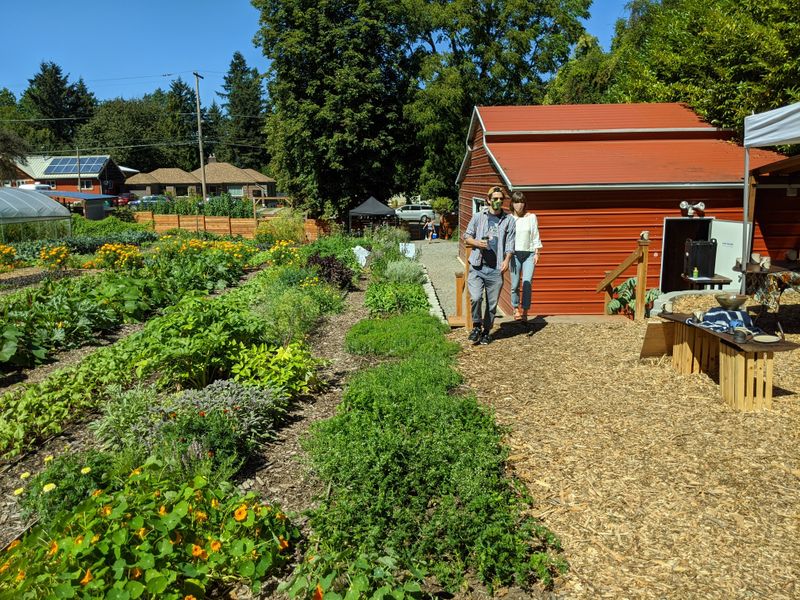
Geography blesses Oregon with remarkable agricultural diversity.
The fertile Willamette Valley produces exceptional fruits, vegetables, and wine grapes.
Coastal regions provide fresh seafood, from salmon to Dungeness crab.
Eastern Oregon’s high desert climate supports livestock ranching and specialty crops.
This variety means restaurants can source almost everything locally year-round.
Spring brings tender greens, asparagus, and early berries to restaurant kitchens.
Summer explodes with tomatoes, stone fruits, peppers, and abundant herbs.
Autumn delivers squashes, mushrooms, apples, and root vegetables perfect for hearty dishes.
Winter offers storage crops, greenhouse greens, and preserved items that maintain quality through cold months.
The Pacific Northwest climate allows for extended growing seasons compared to many regions.
Mild winters mean some crops continue producing when other states experience frozen ground.
Dairy farms scattered throughout provide fresh cheeses, cream, and butter.
Hazelnuts, a signature Oregon crop, appear in both savory and sweet preparations.
Grass-fed beef and lamb from local ranches offer superior flavor.
Poultry operations focus on heritage breeds raised humanely.
This agricultural richness gives chefs an incredible palette of ingredients.
The diversity allows for creative menus that showcase Oregon’s unique terroir.
Every season brings new flavors and possibilities to explore.
4. The Role of Farmers Markets
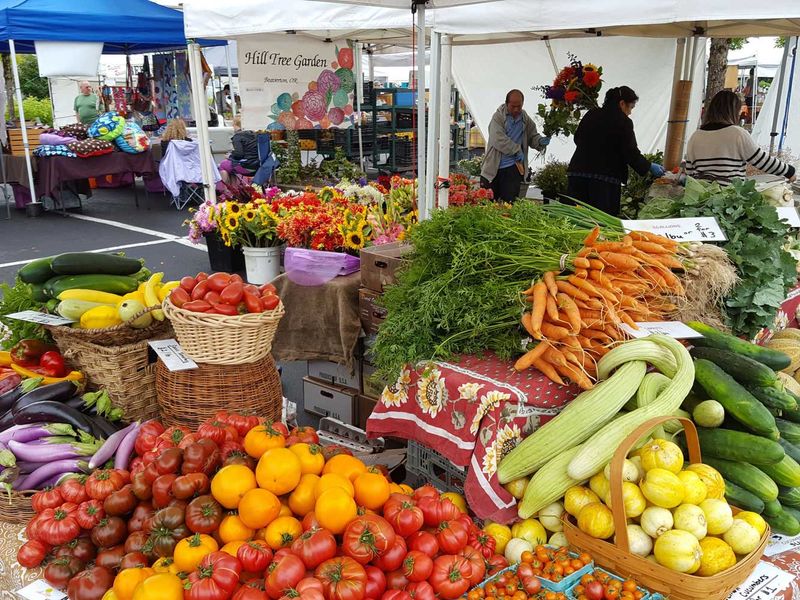
Farmers’ markets pulse with energy throughout Oregon communities.
These weekly gatherings serve as vital connections between those who grow food and those who consume it.
Portland’s markets rank among the largest and most diverse in the nation.
Smaller towns host their own versions, creating social hubs where neighbors meet and shop.
Chefs arrive early to secure the best selection before crowds appear.
They walk through stalls, tasting samples and planning menus based on what looks most appealing.
Home cooks benefit from the same access to ultra-fresh, seasonal ingredients.
Conversations between vendors and customers build understanding about growing practices and seasonal cycles.
Children learn where food actually comes from, connecting carrots to soil rather than grocery stores.
Markets showcase not just produce but also artisan products like fresh-baked bread, handmade cheeses, and preserves.
The economic impact extends beyond individual sales.
Markets strengthen community bonds and support multiple small businesses simultaneously.
They provide low-barrier entry points for new farmers to test products and build customer bases.
Live music and food demonstrations create festive atmospheres that draw diverse crowds.
Many markets operate year-round, adapting offerings to match seasonal availability.
Winter markets feature storage crops, greenhouse greens, and value-added products.
The tradition reinforces Oregon’s farm-to-table culture at the grassroots level.
5. Seasonal Menus Are the Norm

Flexibility defines menu planning across Oregon restaurants.
Printed menus often feel outdated in a dining culture that celebrates constant change.
Chalkboards and daily specials allow chefs to respond immediately to ingredient availability.
What arrives fresh from farms that morning determines the evening’s offerings.
This approach requires skill and creativity from kitchen staff.
Chefs must improvise recipes based on whatever ingredients appear at their door.
The practice keeps cooking exciting and prevents repetitive routines.
Diners return frequently because menus evolve constantly, offering new experiences each visit.
Seasonal eating also means ingredients appear at their absolute peak flavor.
Strawberries in June taste nothing like strawberries shipped from distant locations in winter.
Butternut squash in October carries depth that spring squash cannot match.
Restaurants educate guests about why certain items appear only briefly.
This creates anticipation and appreciation for limited-time specialties.
Some establishments change menus weekly, others daily, and a few even adjust between lunch and dinner service.
The commitment to seasonality extends beyond produce to proteins and dairy.
Lamb appears in spring when young animals reach market size.
Wild mushroom dishes dominate autumn menus when forests produce abundant varieties.
This rhythm connects diners to natural cycles and agricultural realities.
Eating seasonally becomes an adventure rather than a restriction.
6. Emphasis on Local Beverage Pairings

Beverages complete the local dining experience throughout Oregon.
The state’s reputation for exceptional wine, particularly Pinot Noir, influences restaurant programs significantly.
Sommeliers curate lists featuring dozens of Oregon wineries, from famous labels to tiny boutique producers.
Pairing local wines with locally sourced dishes creates harmony on the plate and in the glass.
The Willamette Valley’s cool climate produces elegant, food-friendly wines that complement rather than overpower delicate flavors.
Beyond wine, Oregon’s craft brewing scene ranks among the nation’s most innovative.
Hundreds of breweries operate statewide, producing styles from traditional lagers to experimental sours.
Many restaurants maintain rotating tap lists showcasing nearby breweries.
Chefs collaborate with brewers to create perfect pairings, matching hoppy IPAs with rich dishes or light pilsners with seafood.
Cider production has exploded as apple and pear orchards find new markets.
Hard cider offers another local option for diners seeking alternatives to traditional choices.
Even non-alcoholic options emphasize local sourcing.
Housemade sodas feature Oregon berries and herbs.
Coffee comes from Portland’s renowned roasters.
This comprehensive approach to local beverages reinforces the farm-to-table philosophy.
Every element on the table connects to Oregon’s agricultural landscape.
The integration creates cohesive dining experiences that celebrate regional identity.
Visitors leave understanding Oregon’s complete culinary ecosystem.
7. The Willamette Valley as the Epicenter

The Willamette Valley functions as Oregon’s agricultural heartland.
Stretching from Portland south toward Eugene, this fertile region produces incredible variety.
Vineyards blanket hillsides, creating postcard-perfect landscapes.
Between the vines, farms grow everything from hazelnuts to heritage grains.
Proximity to Portland makes logistics simple for restaurants sourcing ingredients.
A chef can visit a farm in the morning and serve that produce at dinner.
This geographic advantage strengthens the farm-to-table model’s feasibility.
The valley’s climate mirrors famous wine regions in France, particularly Burgundy.
Cool nights and warm days create ideal conditions for Pinot Noir and Chardonnay.
But the same conditions benefit vegetable production, extending growing seasons and intensifying flavors.
Organic farming thrives here, with many operations maintaining certification for decades.
The concentration of quality producers creates a competitive environment that pushes standards higher.
Farmers experiment with unique varieties knowing discriminating chefs will appreciate innovation.
Restaurants throughout the valley offer farm tours and vineyard dinners.
These experiences connect diners directly to agricultural sources.
Visitors can walk through fields in the afternoon and eat those same vegetables that evening.
The valley represents the physical and philosophical center of Oregon’s food movement.
Its success proves that sustainable agriculture and exceptional cuisine can coexist profitably.
8. Pioneering Chefs and Culinary Innovation
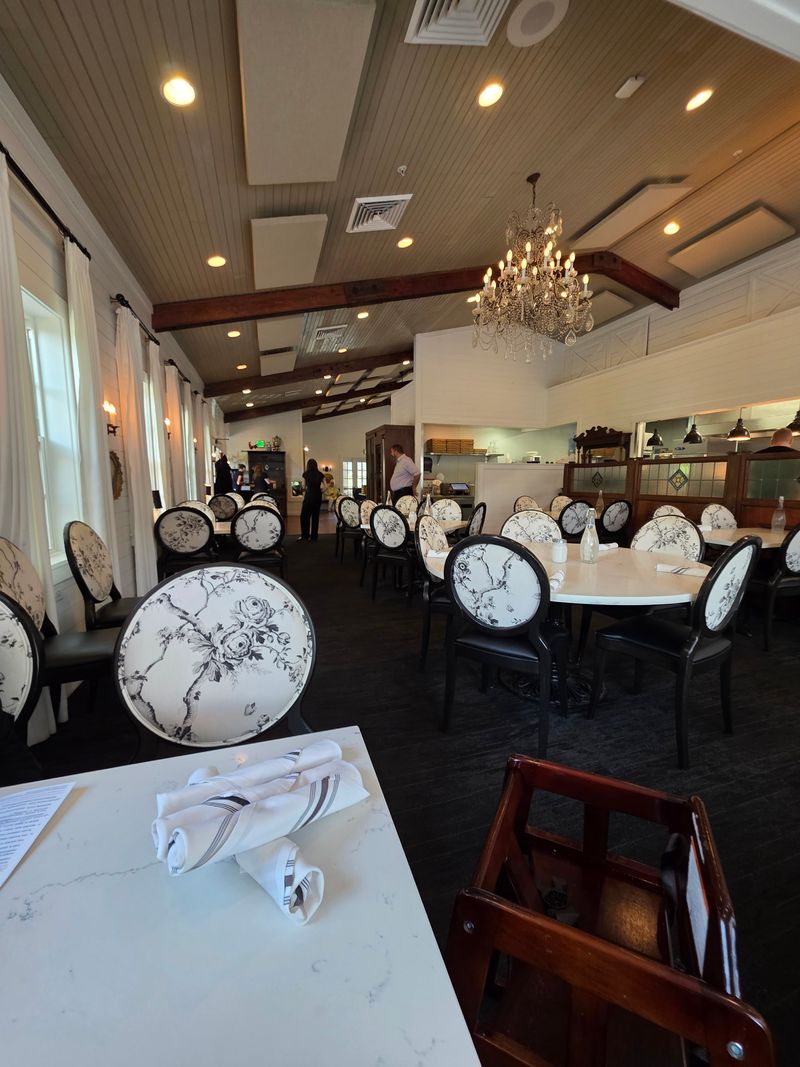
Visionary chefs established Oregon’s reputation decades ago.
These pioneers recognized the potential of local ingredients before farm-to-table became fashionable.
They forged relationships with farmers when most restaurants relied on distributors.
Their persistence and creativity proved that local sourcing could produce world-class cuisine.
Portland emerged as a culinary destination partly due to these early innovators.
Their restaurants became training grounds for the next generation of chefs.
Young cooks learned not just techniques but also the philosophy behind ingredient sourcing.
Many opened their own establishments, spreading the farm-to-table approach throughout the state.
Innovation continues as chefs push boundaries with preservation techniques and fermentation.
Pickling, curing, and smoking extend seasonal ingredients throughout the year.
Root cellars and proper storage allow restaurants to serve local produce even in winter.
Creativity flourishes within the constraints of seasonal availability.
Chefs develop signature dishes around specific ingredients at their peak.
Collaborations between restaurants and farms lead to custom varieties grown specifically for certain preparations.
This innovation attracts national attention and culinary awards.
Food writers and critics recognize Oregon as a leader in sustainable, ingredient-driven cooking.
The state’s culinary identity reflects both respect for tradition and willingness to experiment.
Young chefs continue arriving, drawn by the opportunity to work with exceptional ingredients.
9. A Focus on Transparency and Traceability

Knowing the story behind each ingredient matters deeply to Oregon diners.
Restaurants respond by providing detailed sourcing information.
Menus list specific farms alongside dish descriptions.
Servers can explain where the pork was raised or which orchard provided the apples.
This transparency builds trust between restaurants and customers.
Diners feel confident about food quality and production methods.
They understand that their meal supports specific families and businesses within the community.
Some establishments take transparency further with farm maps and photographs.
Walls display images of partner farms and the people who run them.
This visual connection reinforces the human element behind each plate.
Traceability also addresses food safety concerns.
Short supply chains mean problems can be identified and addressed quickly.
Direct relationships ensure accountability at every step.
Customers appreciate knowing farming practices align with their values.
Organic certification, humane animal treatment, and environmental stewardship become verifiable rather than marketing claims.
This level of detail transforms dining from simple consumption to conscious participation.
Each meal becomes a vote for the kind of food system diners want to support.
The practice influences customer expectations statewide.
Restaurants without clear sourcing information face questions from increasingly educated diners.
Transparency has shifted from novelty to standard practice across Oregon’s dining landscape.
10. Educational Outreach and Community Gardens

Farm-to-table values extend beyond restaurants into broader community initiatives.
Schools incorporate garden programs teaching children about growing food.
Students plant seeds, tend crops, and harvest vegetables they later prepare in cooking classes.
These hands-on experiences create lasting understanding of food systems.
Community gardens flourish in neighborhoods throughout Oregon.
Vacant lots transform into productive spaces where residents grow their own produce.
These gardens strengthen communities while increasing access to fresh vegetables.
Many restaurants support these initiatives through donations and volunteer programs.
Chefs visit schools to demonstrate cooking techniques and discuss ingredient sourcing.
They inspire young people to consider culinary careers and appreciate quality food.
Nonprofit organizations coordinate programs connecting low-income families with fresh produce.
Farm shares and subsidized market vouchers make local food accessible regardless of economic status.
This inclusivity ensures the farm-to-table movement benefits entire communities, not just affluent diners.
Workshops teach preservation techniques like canning and fermentation.
Participants learn to extend seasonal abundance throughout the year.
Educational farms offer tours and classes about sustainable agriculture.
These experiences demystify farming and build appreciation for agricultural work.
The investment in education ensures Oregon’s food culture continues strengthening.
Future generations inherit both knowledge and commitment to local food systems.
Dear Reader: This page may contain affiliate links which may earn a commission if you click through and make a purchase. Our independent journalism is not influenced by any advertiser or commercial initiative unless it is clearly marked as sponsored content. As travel products change, please be sure to reconfirm all details and stay up to date with current events to ensure a safe and successful trip.
