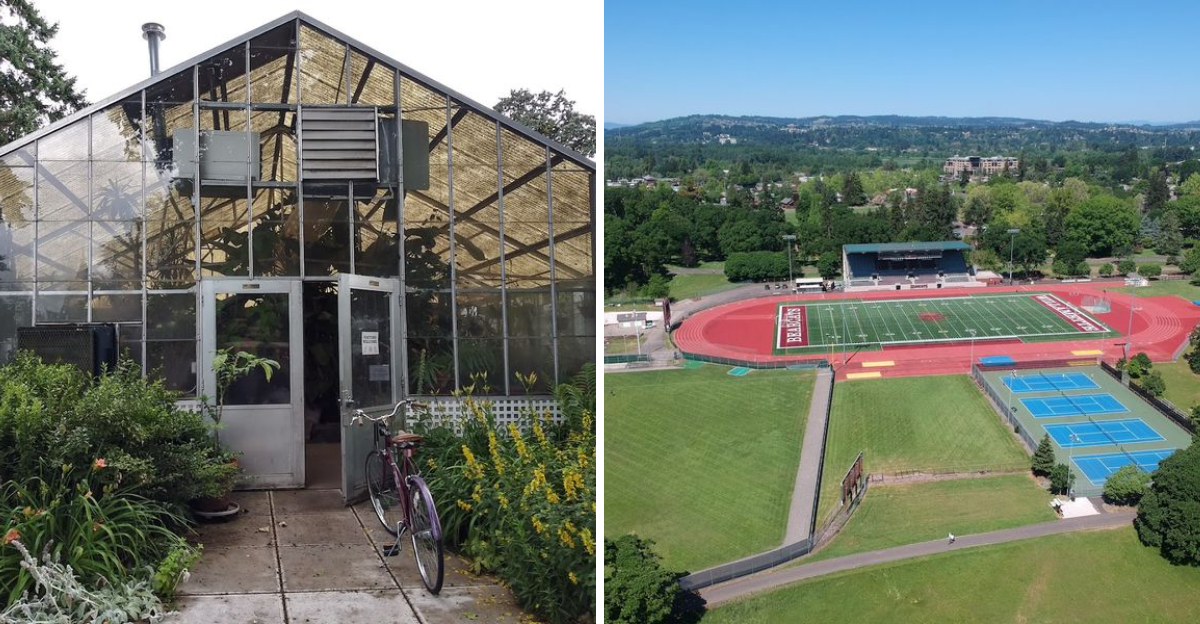
Two unexpected treasures sit quietly on the same stretch of green in an Oregon park. The state’s oldest greenhouse, built in the 1800s, still stands with its original glass walls and Victorian charm intact.
A short walk across the grounds leads to the West Coast’s only official soap box derby track, where gravity powered cars race down a steep hill on race days. The greenhouse was built for the daughters of a prominent local family and later restored to preserve its historical character.
Inside, you will find plants popular in that era, surrounded by the same glass that has stood for well over a century. The derby track offers a different kind of thrill, where momentum takes over and small wooden cars fly down the course.
The park itself spans a generous amount of land, with walking paths, wooded groves, and a rose garden that bursts into color every summer. Locals gather here for picnics, tennis, and quiet afternoons under the oak trees.
Oregon has plenty of parks with playgrounds and open fields, but few offer this kind of unexpected variety. A greenhouse from the 1800s and a race track, all in the same green space, makes for a day that feels like two different adventures rolled into one.
Pack a picnic and take your time exploring.
The Story Behind Bush’s Pasture Park
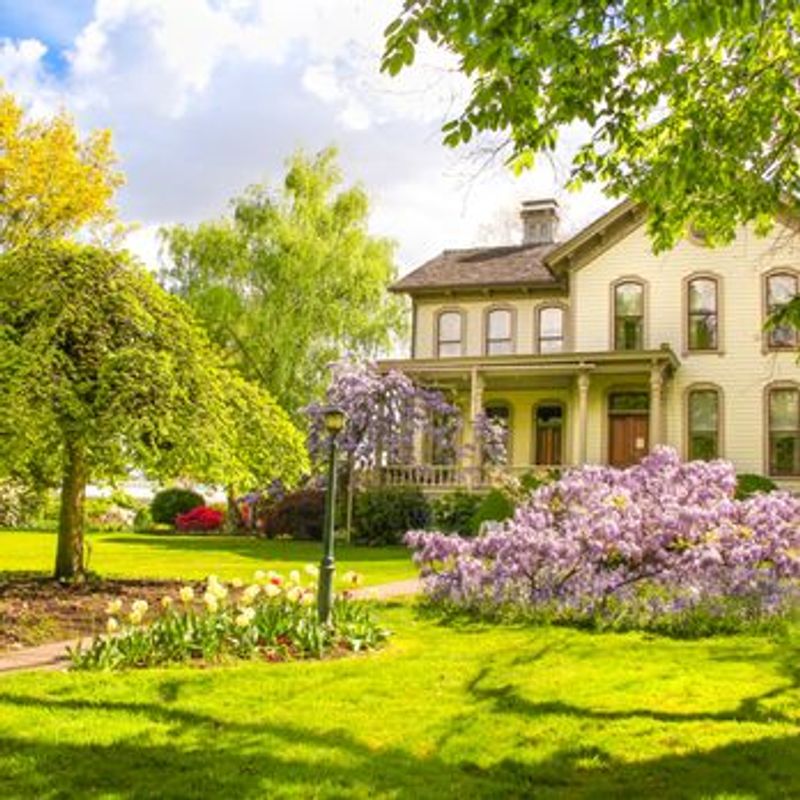
Walking into Bush’s Pasture Park for the first time feels like stepping into a living history book. The park originally belonged to Asahel Bush II, a prominent Oregon banker and newspaper publisher in the 1800s.
His estate eventually became public land, and Salem has been caring for it ever since.
The park spans more than 90 acres right near downtown Salem. That kind of space in an urban setting is genuinely rare and worth appreciating.
You get open fields, wooded trails, a creek, formal gardens, and historic structures all sharing the same address.
What makes it different from a standard city park is the layered history you feel while walking around. The grounds carry a sense of permanence that newer parks simply cannot replicate.
Mature oaks and towering conifers line the paths, creating a canopy that changes beautifully with the seasons. The park is open daily from 5 AM to 9 PM, giving early risers and evening walkers plenty of time to enjoy it.
Address: Bush’s Pasture Park, 890 Mission St SE, Salem, OR 97302.
Bush House Museum and Its Historic Grounds
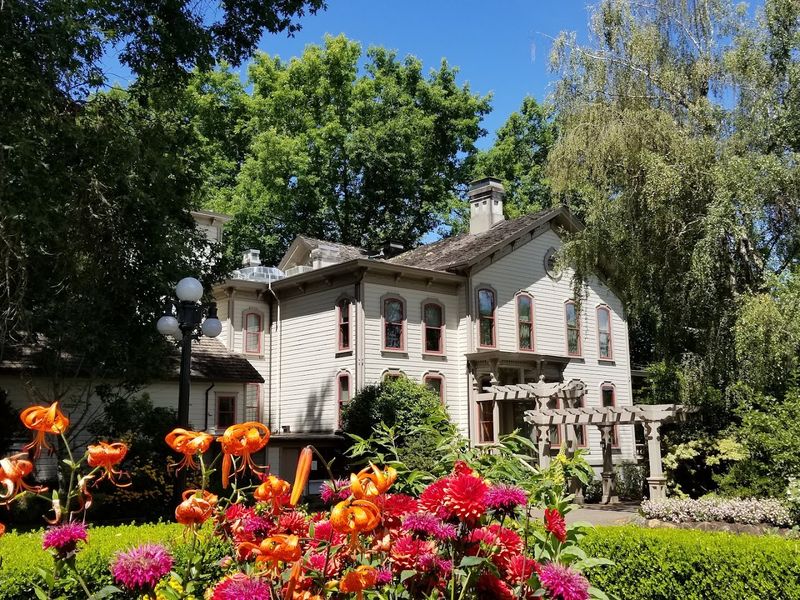
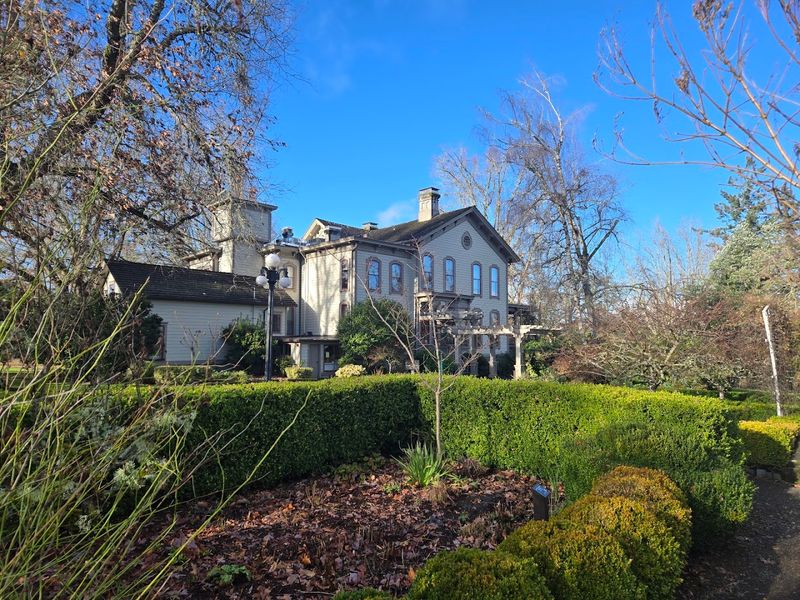
The Bush House sits near the center of the park like a quiet anchor for everything around it. Built in 1878, the Italianate Victorian mansion belonged to Asahel Bush II and his family for decades before becoming a public museum.
The exterior alone is worth a slow walk around, with its tall windows and ornate detailing still intact.
Tours of the interior offer a fascinating look at 19th-century domestic life in Oregon. The house retains much of its original furniture and personal belongings, which gives it a lived-in quality that museum reconstructions often miss.
It opens at noon, so morning visitors can still enjoy the surrounding grounds freely.
The landscape around the house is well-maintained and genuinely picturesque. Large trees provide shade over the lawn, and the transition between the formal garden areas and the wilder park beyond feels natural rather than forced.
Photographers tend to love this corner of the park, especially in autumn when the leaf colors shift dramatically. It is a grounding spot in a park full of unexpected discoveries.
The Rose Garden That Stops You in Your Tracks
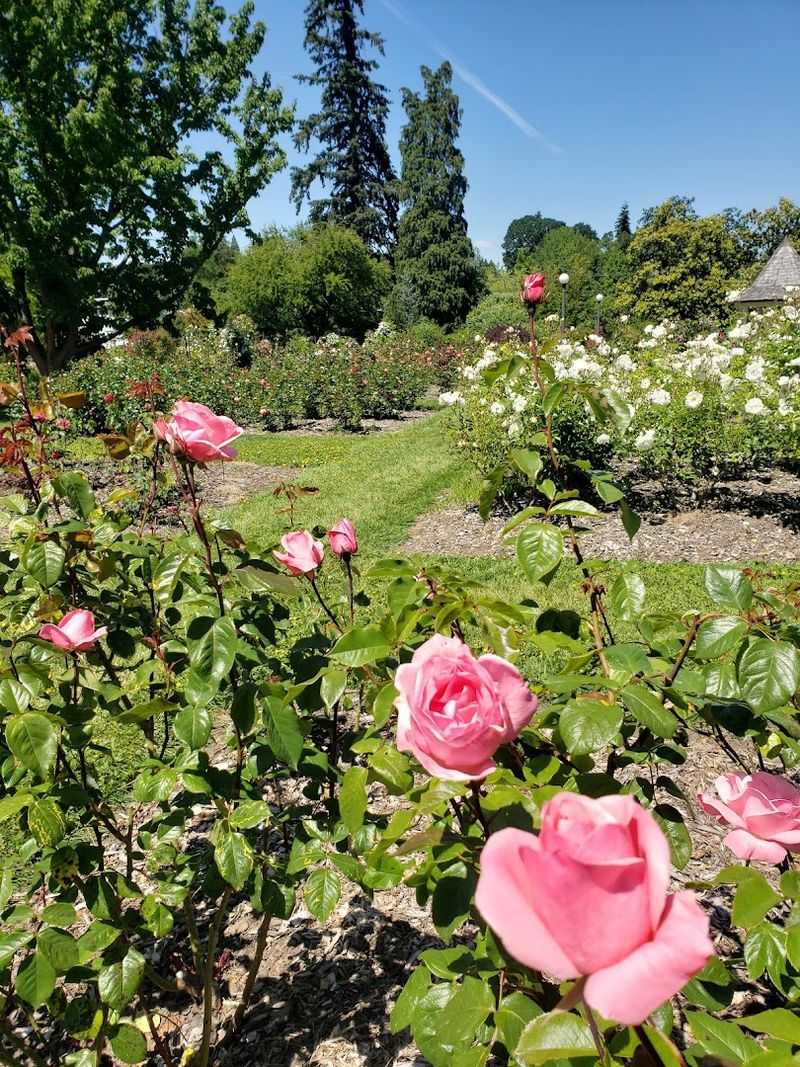
There is a moment in the rose garden when the fragrance becomes impossible to ignore. The roses at Bush’s Pasture Park range from heritage varieties with deep, complex scents to modern cultivars in bold, saturated colors.
Walking through in late spring or early summer is a full sensory experience.
The garden is well-labeled, which makes it easy to identify specific varieties as you move through. Old roses and newer hybrids grow side by side, creating an interesting visual contrast between delicate antique blooms and showier contemporary ones.
Volunteers and dedicated gardeners keep everything in impressive condition throughout the growing season.
There is something genuinely relaxing about sitting near the rose beds on a warm afternoon. Bees move between flowers, the air carries a natural perfume, and the pace of everything around you slows down noticeably.
Benches are positioned nearby, making it easy to just sit and take it all in without rushing. The rose garden is free to visit and remains one of the most beloved features among regular park visitors in Salem.
The Trails, Trees, and Creek That Run Through It All
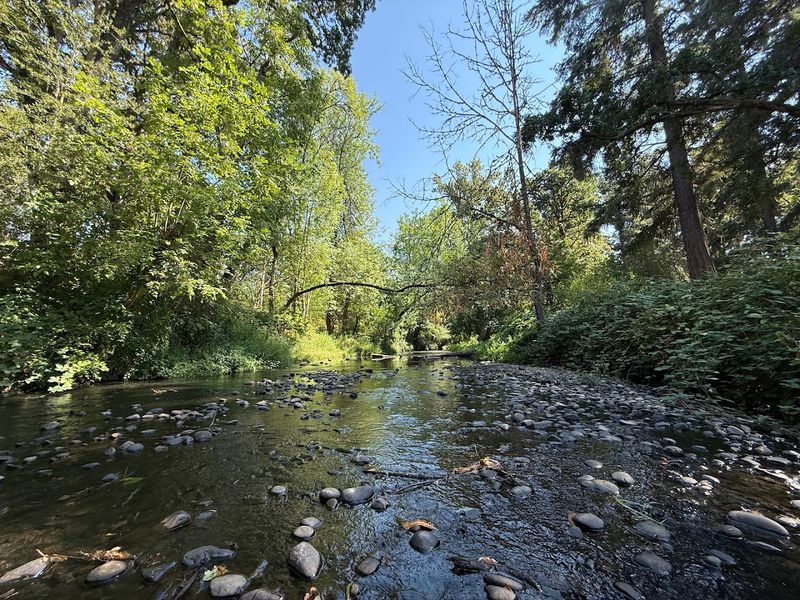
The trail system at Bush’s Pasture Park is one of its most underrated features. Paths range from wide, paved loops to narrow dirt tracks that wind through the forested sections of the park.
The longest trail runs approximately 1.5 miles around the park’s perimeter, passing through several distinct environments along the way.
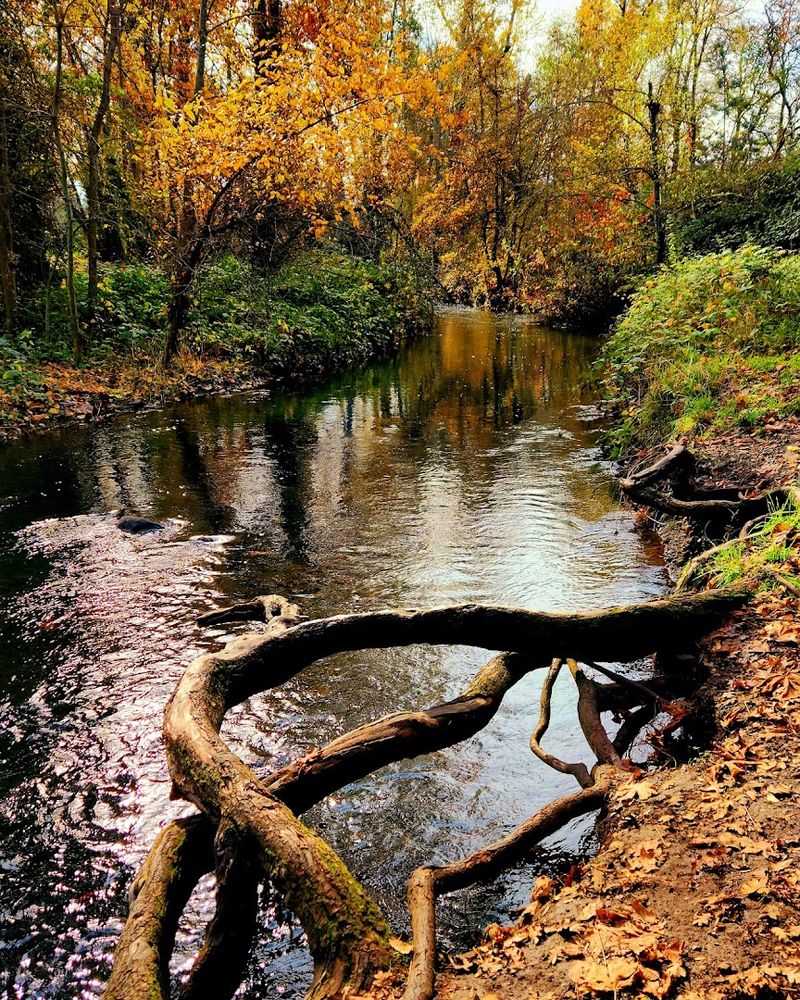
A small creek runs along the park’s eastern edge near the entrance road, and it adds a surprising amount of charm to the experience. The water runs clear, ducks paddle around casually, and the sound of moving water makes the surrounding area feel noticeably calmer.
Squirrels are everywhere in the trees overhead, which tends to entertain dogs and children alike.
The mix of paved and unpaved trails means you can choose your own level of adventure on any given visit. Shaded wooded sections alternate with open grassy stretches, so the walk never becomes monotonous.
Tall, mature trees line much of the path, giving the park a cathedral-like quality in places. It is the kind of trail system you return to repeatedly without getting bored.
Oregon’s Oldest Greenhouse at Deepwood Estate
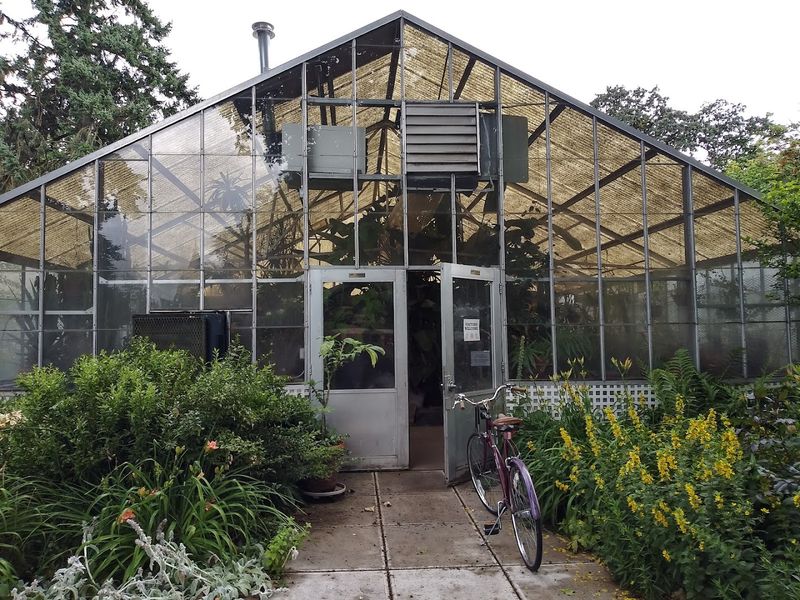
Right at the northeastern edge of the park sits one of Oregon’s most quietly impressive landmarks. The greenhouse at Deepwood Estate is considered Oregon’s oldest surviving greenhouse, and stepping inside feels genuinely special.
Warm, humid air hits you immediately as tropical plants stretch toward the glass ceiling above.
The structure itself dates back to the late 1800s, built to serve the estate’s formal gardens. Visiting it today, you get a real sense of how seriously early Salem residents took horticulture.
The greenhouse contains a fascinating mix of tropical flora that feels completely unexpected in the middle of Oregon.
The surrounding English gardens at Deepwood are equally worth your time. Winding paths move through carefully maintained hedgerows, flower beds, and ornamental plantings that shift with the seasons.
I spent longer here than planned, mostly because each turn revealed something new to look at.
Bush Barn Art Center: Free Gallery Right in the Park
Not many city parks come with a free art gallery attached, but Bush’s Pasture Park manages to pull it off naturally. The Bush Barn Art Center sits near the park’s main parking area and opens at noon on most days.
It hosts rotating exhibitions featuring Oregon artists working across a wide range of mediums.
The gallery space itself is modest but well-curated, with exhibitions that change regularly enough to reward repeat visits. Local and regional artists get meaningful exposure here, and the quality of work on display tends to be genuinely impressive.
Visiting feels like a bonus layer added to an already full afternoon in the park.
The building’s setting adds to the experience considerably. Surrounded by park greenery and positioned near the historic Bush House, the art center feels like a natural extension of the estate rather than an afterthought.
Outdoor art shows are held here periodically as well, spilling out into the park grounds and drawing larger crowds.
The West Coast’s Only Soap Box Derby Track
Most people walk past the concrete track near the park’s south end without fully registering what they are looking at. That steep, narrow strip of poured concrete built into the hillside is actually the only remaining official soap box derby track on the entire West Coast.
That fact alone makes it worth seeking out.
The track was constructed specifically for gravity-powered car racing, a sport that was enormously popular in mid-20th century America. Salem’s version survived when most others were torn down or repurposed.
Today it sits quietly in the park, still connected to the main trail system.
Walkers, joggers, skaters, and scooter riders now use it regularly without necessarily knowing its history. Seeing kids zoom down the slope on bikes while adults stroll past is a funny and charming contrast to its original purpose.
The track has a genuinely cool industrial feel against the backdrop of the park’s natural greenery.
Playgrounds Built for Different Ages and Energy Levels
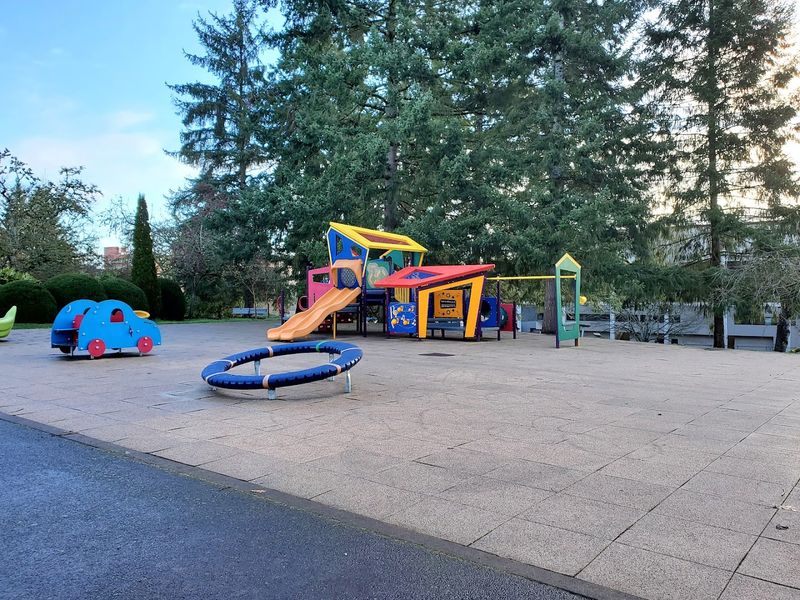
Bush’s Pasture Park has two separate playgrounds, and they are deliberately designed with different age groups in mind. The lower playground near the art gallery caters to younger children, with swings, a small playhouse, and spinning toys including a merry-go-round that gets a lot of use.
The equipment is accessible and thoughtfully laid out.
The upper playground has taller structures and more physically demanding equipment suited for older or more active kids. The two spaces work well together for families with children of different ages, since nobody has to compromise or wait around.
Both playgrounds are shaded by nearby trees, which makes afternoon visits significantly more comfortable in summer.
Parents tend to appreciate how easy it is to keep an eye on kids while still enjoying the park themselves. Benches are positioned nearby, and the open sightlines make supervision feel relaxed rather than stressful.
The surrounding park gives children room to run, climb, and explore beyond the playground equipment as well.
Willamette University’s Field and the Park’s Athletic Side
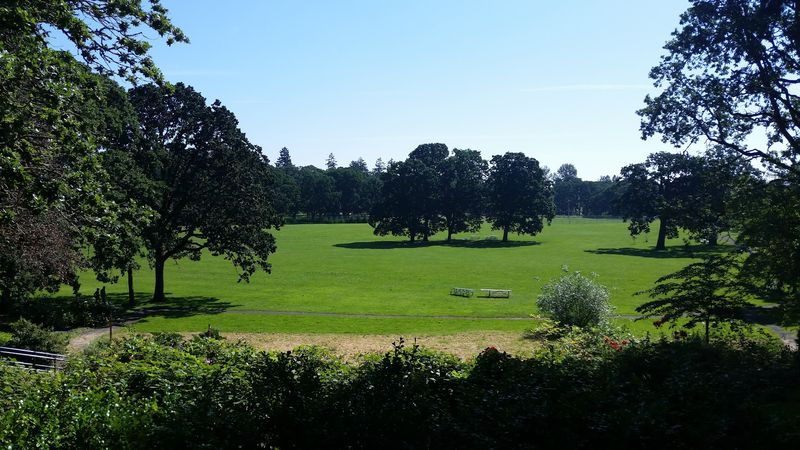
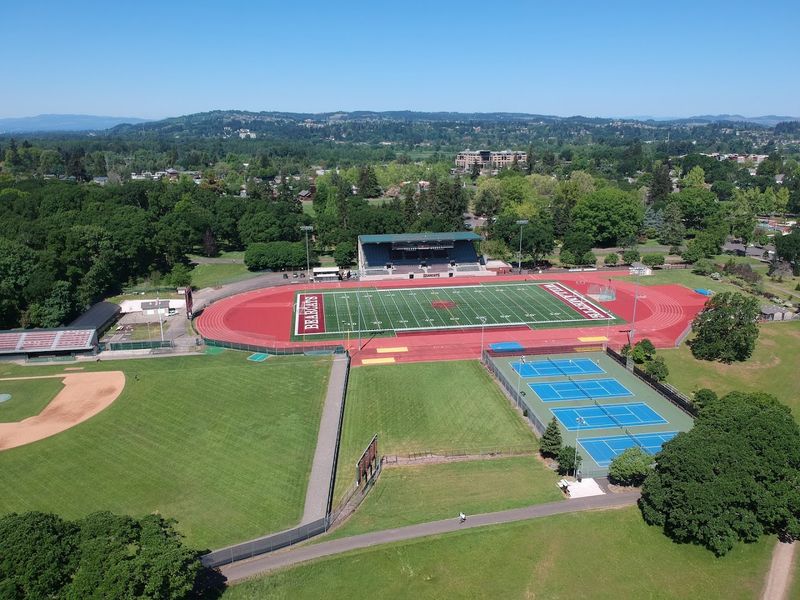
There is an active, athletic energy in one section of the park that feels completely different from the quieter garden areas. A stadium sits near the park’s southern portion and is used by Willamette University for football games and various local sporting events.
Seeing it tucked inside a public park is a genuinely interesting urban design choice.
The open fields around the stadium are large enough to support multiple soccer games simultaneously. On weekends, these spaces fill up with organized groups, pickup games, and families spreading out for picnics and casual sports.
The energy shifts noticeably depending on the day and time you visit.
Tennis courts are also part of the park’s athletic offerings, adding another option for active visitors. The combination of formal sports infrastructure and open recreational space gives the park a democratic quality that feels welcoming to everyone.
You do not need to be attending a university event or organized game to enjoy the fields.
Picnicking, Wildlife, and the Simple Joy of Being There
Some of the best moments at Bush’s Pasture Park happen when you are not actively doing anything. Picnic tables are scattered throughout the grounds, positioned under mature trees that provide reliable shade on warm afternoons.
The park has a rhythm to it that makes sitting still feel like a worthwhile activity rather than wasted time.
Wildlife is a consistent presence throughout the park. Squirrels chase each other through the oaks overhead, birds move through the canopy, and the occasional barred owl has been spotted by sharp-eyed visitors.
Ducks congregate near the creek, and the general sense of wildlife activity adds a lively backdrop to quieter moments in the park.
Dog walkers are a common sight on the trails, and the park maintains doggy bag stations stocked and ready throughout. The overall atmosphere is calm, clean, and genuinely community-oriented in a way that feels earned rather than manufactured.
