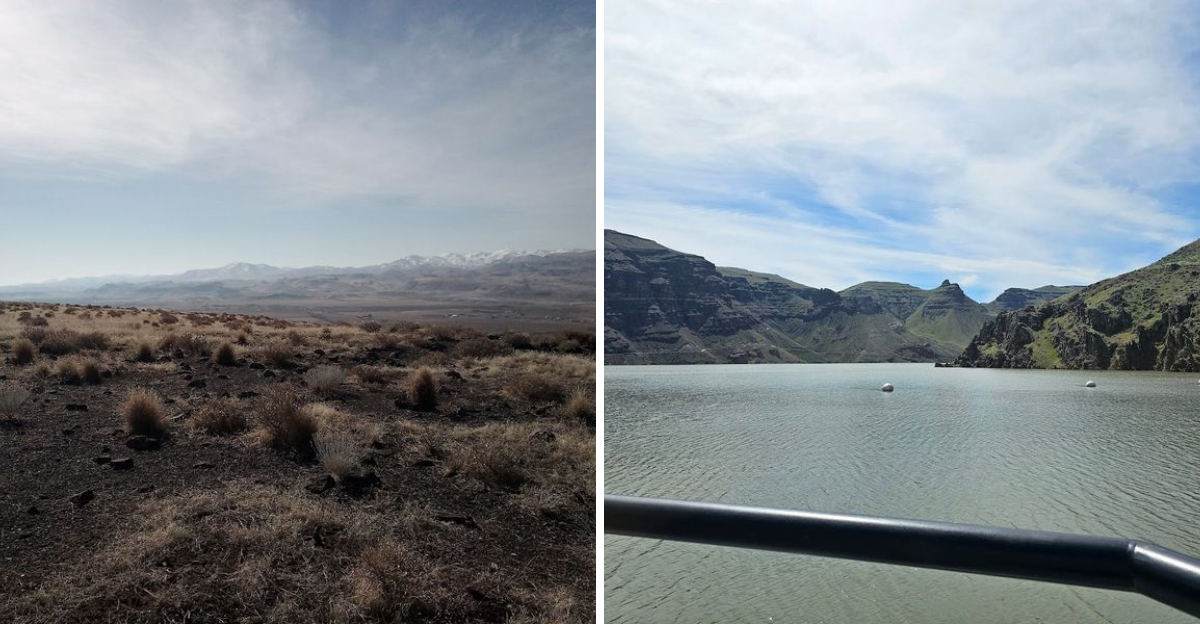
Two and a half million acres of red rock spires, winding rivers, and night skies so dark you can see the Milky Way with your naked eyes. That is the Owyhee Canyonlands and most Oregonians have never even heard of it.
You drive for hours on empty roads before the landscape starts shifting. Green turns to brown, hills turn to jagged cliffs, rivers cut deep through the rock like someone took a giant knife to the earth.
The silence out here is almost loud because your ears are so used to city noise. You can camp for free on public land and wake up to a sunrise that paints everything in shades of orange and purple.
No cell service, no convenience stores, no one telling you what to do next. Oregon hides this massive desert in its remote southeastern corner where only the adventurous bother to explore.
The hiking is rugged and the water is cold, but the views are worth every bit of effort. Bring more gas than you think you need, a paper map because your phone will be useless and a sense of wonder because this place demands it.
Red-Rock Spires and Volcanic Cliff Formations
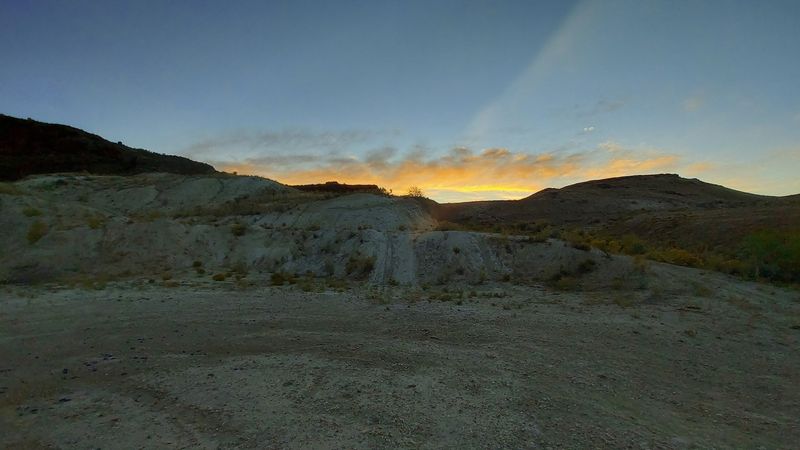
Nothing quite prepares you for the first look at those spires. They rise from the canyon floor in twisted, flame-colored columns that look almost hand-carved.
The geology here is volcanic, ancient, and wildly dramatic.
Layers of rhyolite and basalt tell a story going back millions of years. The colors shift depending on the light.
Early morning turns the cliffs deep amber. Midday bleaches them pale orange.
Sunset sets them absolutely on fire.
These formations were shaped by eruptions, floods, and the slow grind of water over millennia. The Owyhee River carved much of what you see today.
It cut deep into the volcanic plateau, exposing layers that geologists travel from around the world to study.
Photographers tend to go a little quiet when they first see it. I watched one person just stand there, camera forgotten at their side, staring.
Some landscapes just stop you cold. The red-rock spires of Owyhee are exactly that kind of landscape, raw and unforgettable.
Dark Sky Stargazing in the High Desert
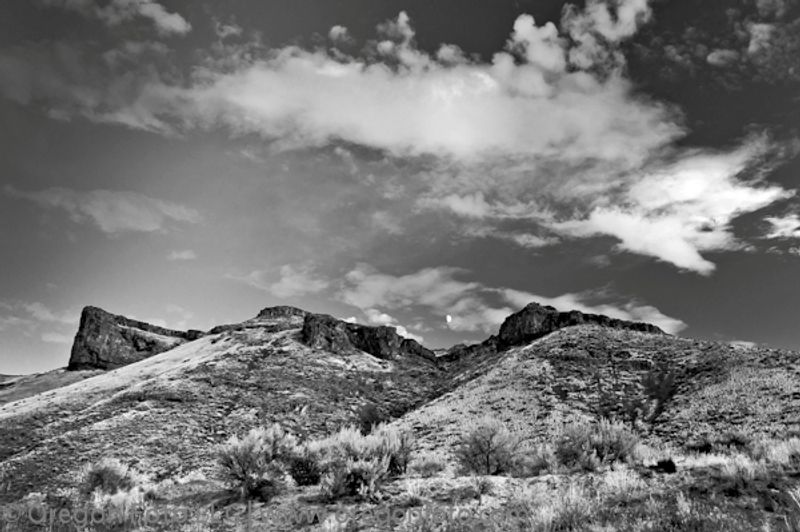
Night falls fast out here. One moment the canyon walls are glowing gold.
The next, the sky cracks open with stars. I had never seen the Milky Way look so thick and close before visiting Owyhee.
There is almost zero light pollution across this entire region. The nearest towns are small and far away.
That makes the darkness here genuinely extraordinary. Stargazers travel specifically to southeastern Oregon for nights like these.
Visitors who have camped here consistently describe the night sky as mesmerizing. That word keeps coming up.
It is not an exaggeration. On a clear night, you can see satellites drifting, shooting stars streaking, and the soft glow of distant galaxies.
Bring a blanket and a reclining chair. Lay back and just look up.
Give yourself at least an hour with no phone screen. Your eyes will slowly adjust, and then the full depth of the sky reveals itself.
It is the kind of moment that quietly resets something inside you. Owyhee nights are genuinely unforgettable.
Primitive Camping and Total Solitude
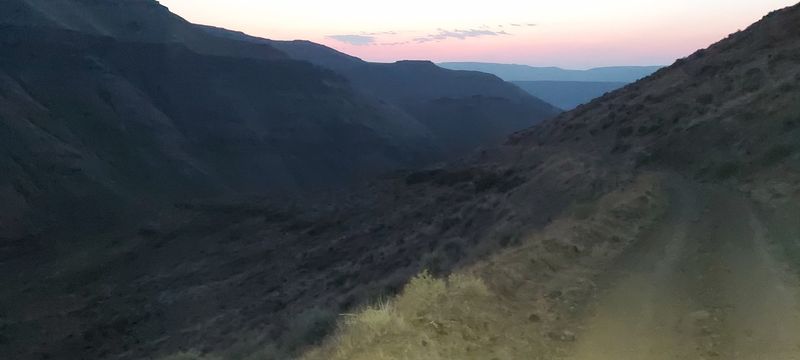
Camping in the Owyhee Canyonlands is not glamping. There are no hookups, no bathrooms, and no camp hosts checking in on you.
Just open BLM land, a flat spot, and the sound of wind moving through sagebrush.
That simplicity is the whole appeal. Setting up camp with a canyon view stretching out for miles in every direction feels like a rare privilege.
Sunrises here are the kind that make you want to wake up early every single day.
Visitors describe finding tucked-away spots completely hidden from any trail or road. Private, quiet, and deeply peaceful.
Coyotes call in the distance at night. Sage grouse wander through camp at dawn.
The wildlife is as unbothered as the landscape itself.
Pack everything in and pack everything out. Leave no trace principles matter enormously in a place this unspoiled.
Water sources are scarce, so carry more than you think you need. Primitive camping here is not for everyone, but for those who embrace it, Owyhee delivers something rare: total, uninterrupted stillness.
The Wild and Winding Owyhee River
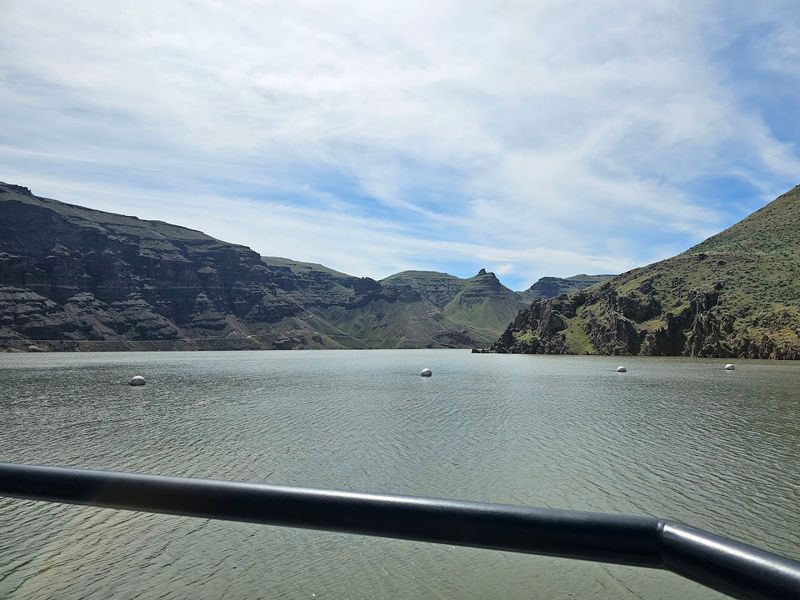
The Owyhee River moves at its own pace. It does not rush.
It curves and bends through canyon corridors so narrow that the walls seem to lean in overhead. Floating this river is one of the most remote rafting experiences in the American West.
The lower Owyhee River canyon stretches for miles with almost no road access. That isolation is exactly the point.
River runners come here for the solitude. They come for the canyon walls that rise hundreds of feet above the waterline.
Wildlife along the river is remarkable. Bighorn sheep pick their way across cliff faces.
Raptors circle overhead. River otters have been spotted slipping through calmer pools near canyon bends.
The river runs best in spring when snowmelt fills it up. By summer, water levels can drop significantly.
Planning your visit around spring conditions gives you the fullest experience. The Owyhee River is not just a water source out here.
It is the heartbeat of the entire canyon system, steady and deeply alive.
The Sheer Scale of 2.5 Million Acres
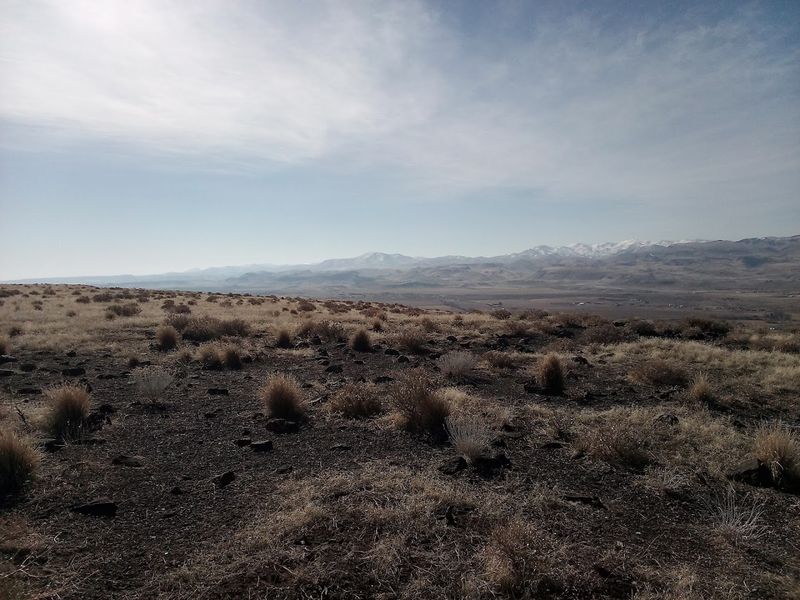
Standing at the canyon rim for the first time, the sheer size of this place hits you like a wall. The Owyhee Canyonlands covers roughly 2.5 million acres of southeastern Oregon.
That is larger than many U.S. states.
Most people have never heard of it. That alone says something powerful about how wild and overlooked this corner of the country truly is.
You will not find crowds here. You will not find visitor centers or gift shops.
What you will find is open space on a scale that feels almost impossible. The landscape just keeps going.
Canyon after canyon, mesa after mesa, all stitched together by silence and wind.
Exploring even a fraction of this terrain takes serious time and planning. Many visitors come back year after year and still feel like beginners.
The Owyhee region rewards patience. It rewards curiosity.
Getting lost here, even just a little, is part of the whole unforgettable experience of being truly somewhere vast and untamed.
Rockhounding for Opals, Jasper, and Thunder Eggs
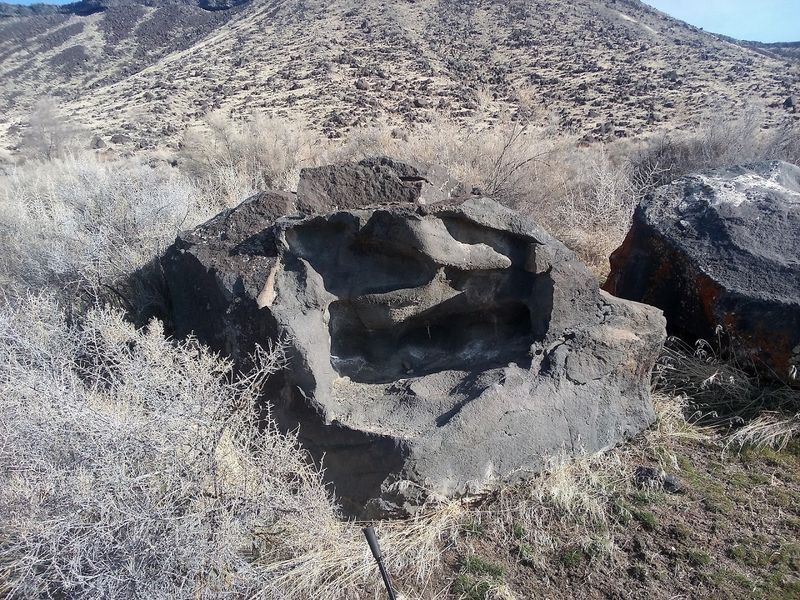
Few places in North America match the Owyhee region for rockhounding. The volcanic geology here produces some genuinely rare and beautiful specimens.
Blue opal is the crown jewel of the hunt.
Owyhee jasper is famous worldwide among collectors. It features swirling patterns of cream, red, brown, and green that look almost like tiny landscape paintings.
Thunder eggs, Oregon’s state rock, turn up here too. Crack one open and the crystalline interior can take your breath away.
Petrified wood also surfaces in certain areas of the canyonlands. Finding a palm-sized piece of ancient wood turned to stone feels like holding deep time in your hand.
It never gets old, no matter how many times you find one.
Always check BLM regulations before collecting. Personal use collecting is generally allowed in limited quantities on open BLM land.
Bring a hand lens, a rock hammer, and sturdy gloves. The ground rewards those who move slowly and look carefully.
Rockhounding in Owyhee is equal parts treasure hunt and geology lesson, and both are fantastic.
Roads, 4x4s, and Real Preparation
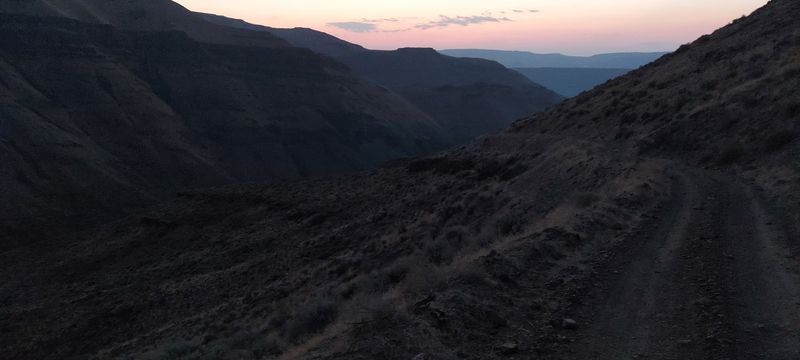
Getting to Owyhee is part of the adventure. The roads are mostly unpaved BLM tracks that wind through open desert.
Some sections are fine for high-clearance vehicles. Others genuinely require four-wheel drive.
Visitors are honest about this. One visitor put it plainly: a standard RAV4 will not cut it on certain routes.
That is not meant to discourage anyone. It is just real information you need before you go.
Rain changes everything out here. Desert clay roads turn into deep, slippery mud traps faster than you expect.
Always check weather conditions before heading out. Cell service disappears almost entirely once you leave the main highway.
Download offline maps before you go. Bring a paper map as a backup.
Tell someone where you are headed and when you plan to return. Carry extra fuel, water, and a basic recovery kit.
The BLM office in Vale, Oregon is a great resource for current road conditions. Owyhee rewards the prepared traveler.
Wildlife of the High Desert Canyons
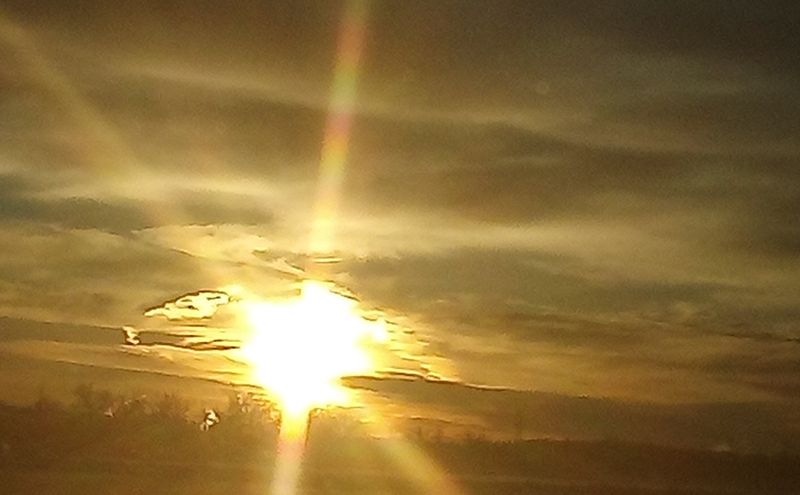
The Owyhee Canyonlands is alive in ways that surprise first-time visitors. The desert looks empty from a distance.
Get closer and you realize how much is moving, watching, and living out here.
Bighorn sheep are one of the most thrilling sightings. They navigate sheer canyon walls with casual ease.
Watching one pick its way across a vertical rock face is genuinely jaw-dropping. Pronghorn antelope sprint across the sagebrush flats at impressive speeds.
Birds of prey rule the skies. Prairie falcons, golden eagles, and ferruginous hawks are common sights.
Sage grouse perform their elaborate spring displays on traditional leks scattered across the plateau. They are loud, dramatic, and completely fascinating to watch.
Mule deer move through the canyon bottoms at dawn and dusk. River otters patrol quieter stretches of the Owyhee River.
Even the insects here are interesting, with species adapted to the harsh high-desert environment. Wildlife watching in Owyhee requires patience and early mornings.
Conservation and the Fight to Protect Owyhee
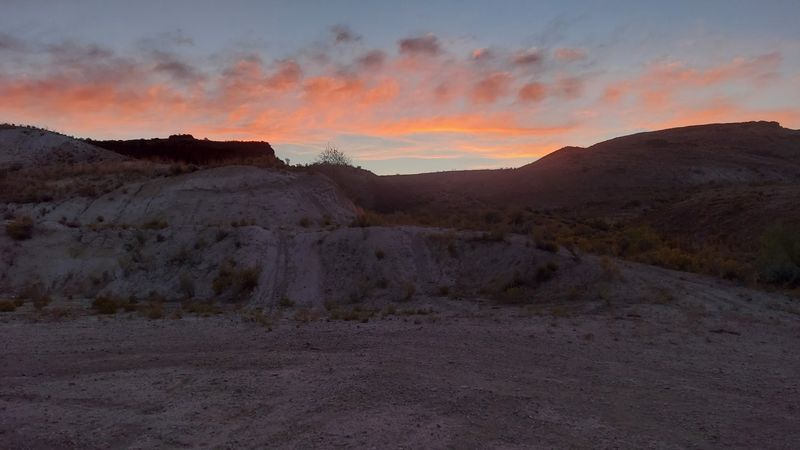
Not everyone who loves Owyhee is just there to explore it. Some are actively fighting to protect it.
The region sits at the center of a real and ongoing debate about land use in the American West.
Concerns include wind energy development and the impact of large-scale ranching on native habitats. Nearby Steens Mountain was nearly changed forever by proposed wind turbine projects.
Owyhee faces similar pressures. The canyon rim and surrounding plateau are vulnerable to industrial development.
Sage grouse habitat has become a key factor in protection efforts. The birds require vast, unbroken sagebrush ecosystems to survive.
Their presence has helped slow certain developments in the region before. Advocates argue the entire canyonlands deserves formal wilderness protection.
Organizations like the Oregon Natural Desert Association work to secure permanent protections for this landscape. Supporting these efforts matters.
Visiting responsibly matters too. Staying on established routes, packing out all waste, and following BLM guidelines all contribute to keeping Owyhee intact.
Planning Your Visit to Owyhee Canyonlands
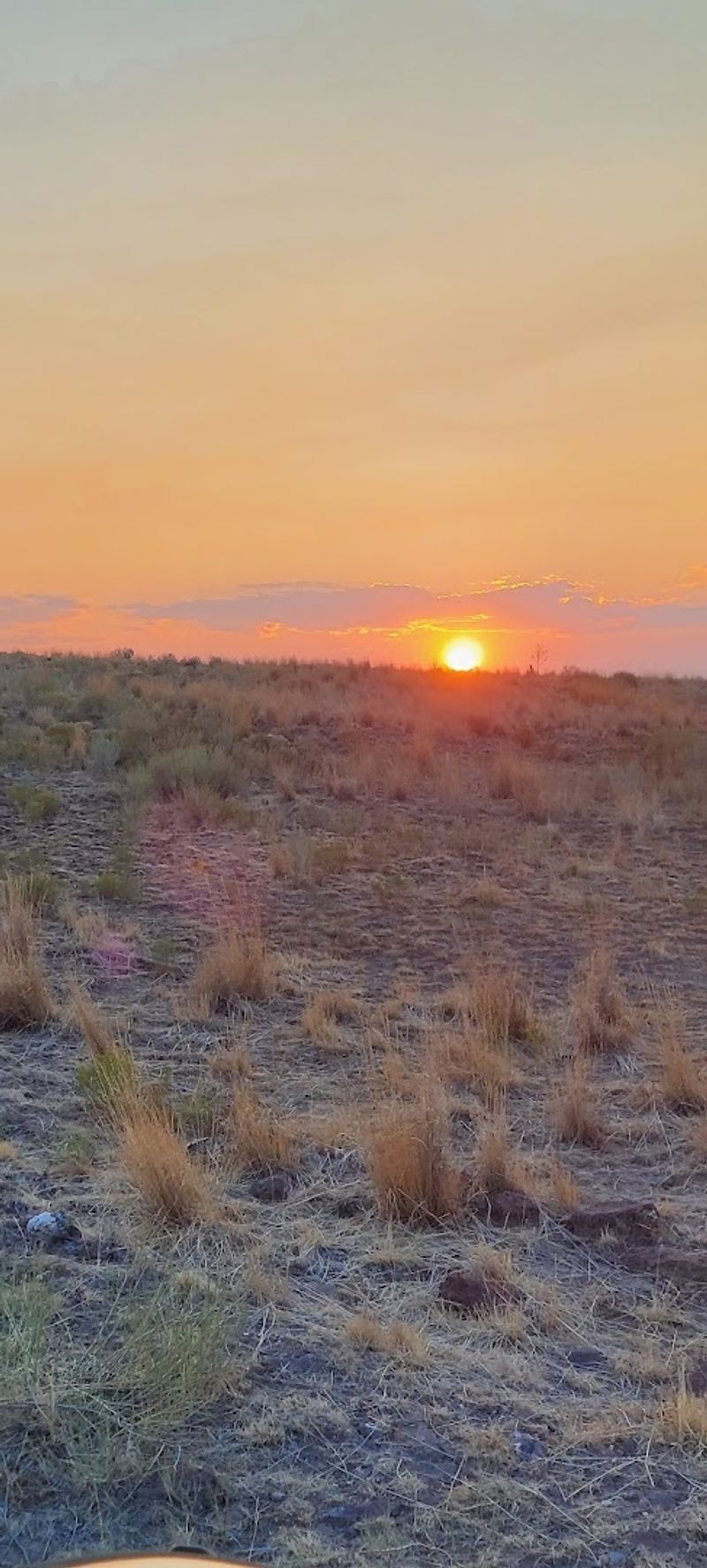
Spring is the best time to visit Owyhee. April through early June brings wildflowers, cooler temperatures, and the highest river levels for paddlers.
The light during those weeks is soft and golden, perfect for photography.
Summer gets extremely hot. Temperatures regularly climb past 100 degrees Fahrenheit in the canyons.
If you visit in summer, plan all activity for early morning and evening. Midday is for shade and rest.
Fall brings a second window of excellent conditions. September and October offer cooler air and dramatic skies.
Winter can bring snow and ice to the plateau, making some roads impassable without chains or specialized vehicles.
The nearest services are in Jordan Valley, Oregon, a small ranching community with basic supplies. Vale, Oregon, further north, has more options.
The BLM Vale District Office can provide maps and current conditions. Owyhee Canyon is located in Oregon 97910.
Plan for at least two to three days minimum.
