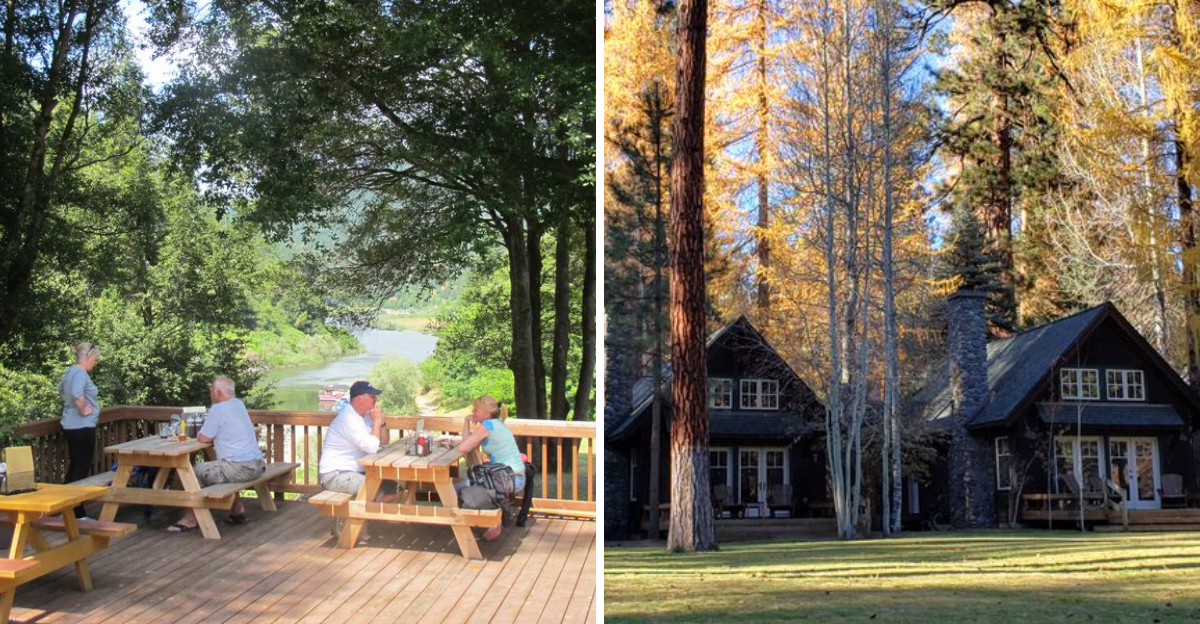
Oregon hides a treasure trove of tiny, forgotten communities that most travelers speed right past without a second glance. These aren’t your typical tourist traps with gift shops and guided tours, but rather authentic, time-capsule settlements where history breathes through weathered wooden buildings and the sound of rushing rivers fills the air.
Many of these mini-villages sit tucked into remote forests, along winding mountain roads, or beside crystal-clear waterways that have witnessed centuries of Oregon’s evolving story.
Visiting these spots feels like stepping into a living museum where every cabin, church, and crumbling storefront whispers tales of gold miners, pioneers, and resilient communities who carved out lives in the wilderness.
Ready to explore Oregon’s best-kept secrets that your GPS probably doesn’t even recognize? We’re talking about places so small they make your hometown look like a bustling metropolis!
Pack your sense of adventure and maybe a good map, because cell service is definitely not guaranteed in these hidden gems. Trust us, your Instagram followers have never seen anything quite like these pint-sized paradises tucked away in the Beaver State’s wildest corners!
1. Agness: The Rogue River’s Rugged Outpost
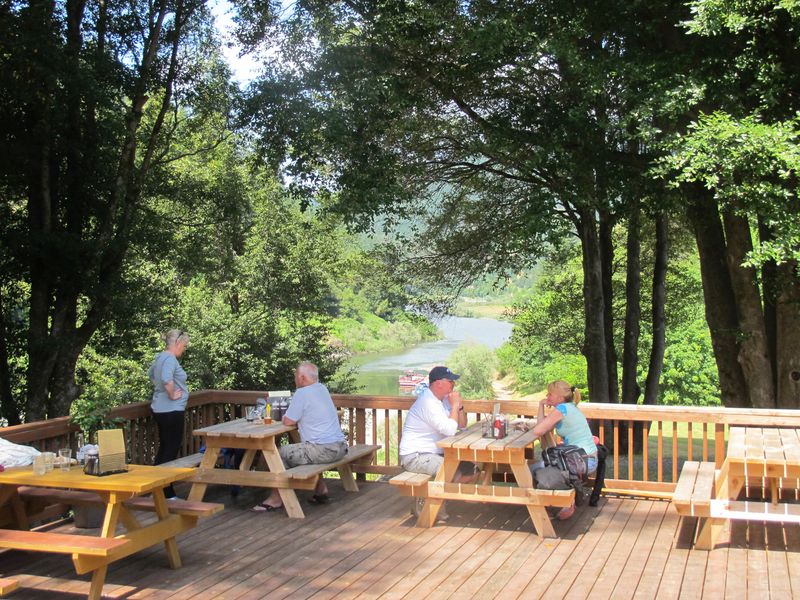
Reaching Agness feels like an adventure in itself, with only one twisting mountain road or a scenic boat ride along the wild Rogue River providing access to this isolated riverside gem. The journey alone rewards travelers with breathtaking canyon views, glimpses of wildlife, and the sense that civilization is truly miles behind.
Once you arrive, you’ll discover a community so tiny it consists mainly of a historic post office, scattered cabins, and a beloved lodge that has welcomed river runners and adventurers for generations.
Life moves at river speed here, where the rushing water sets the rhythm and modern conveniences take a backseat to natural beauty. Fishermen cast their lines hoping for salmon and steelhead, while rafters stop to rest between thrilling rapids that make the Rogue River famous worldwide.
The surrounding Curry County wilderness offers endless hiking opportunities through old-growth forests where Roosevelt elk roam freely.
Agness operates on its own timeline, where mail delivery is an event and neighbors know each other by name. The historic Lucas Pioneer Ranch & Lodge has served travelers since the early 1900s, offering hearty meals and rustic accommodations that transport guests back to simpler times.
Supplies arrive sporadically, so residents have mastered the art of self-sufficiency and creative problem-solving.
Visiting Agness means embracing solitude and disconnecting from the digital world, since cell service is virtually nonexistent and Wi-Fi is a distant dream. Bald eagles soar overhead, black bears occasionally wander through, and the star-filled night sky reminds visitors why Oregon’s remote corners deserve protection.
This riverside outpost represents a vanishing way of life where community bonds run deep and nature still holds all the cards, making it a perfect escape for anyone seeking authentic wilderness experiences far from crowded tourist destinations.
2. Camp Sherman: Metolius River Retreat
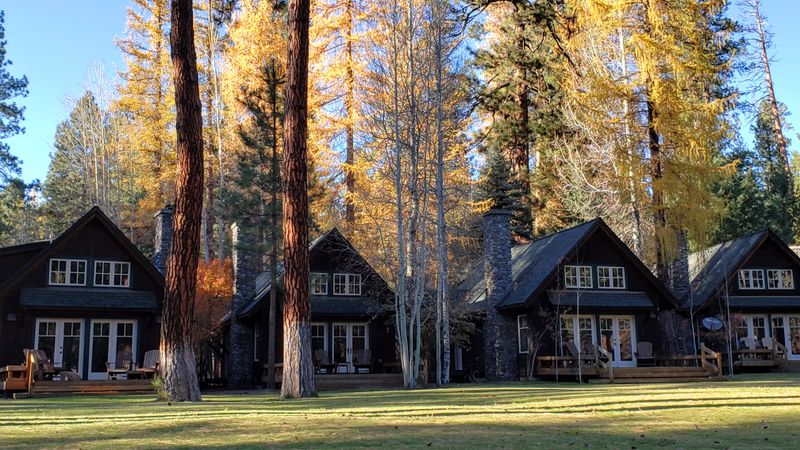
Ponderosa pines tower overhead like natural cathedral columns as you enter Camp Sherman, a peaceful community that has perfected the art of mountain living along the crystal-clear Metolius River. This isn’t your typical campground despite the name, but rather a collection of charming cabins, vacation homes, and a beloved general store that has anchored the community since 1918.
The Metolius River springs directly from the ground just miles upstream, creating water so pure and cold that it supports a thriving population of native trout and draws fly-fishing enthusiasts from across the country.
Deschutes National Forest surrounds this Jefferson County hideaway, offering countless trails that wind through volcanic landscapes and meadows bursting with wildflowers during summer months. The nearby Black Butte rises dramatically from the forest floor, providing a challenging hike with panoramic views that stretch from Mount Jefferson to the Three Sisters.
Birdwatchers delight in spotting osprey diving for fish while great blue herons stalk the shallows with patient determination.
Camp Sherman Store (25551 SW Forest Service Rd 1419, Camp Sherman, OR 97730) serves as the community’s beating heart, offering groceries, fishing supplies, and the kind of homemade pie that becomes legendary among repeat visitors. The store’s front porch functions as an informal gathering spot where locals swap fishing stories and visitors seek advice on the best swimming holes.
Families return year after year, creating multi-generational traditions centered around riverside picnics and evening campfires.
The Metolius River’s constant 48-degree temperature makes summer wading refreshingly bracing, while autumn transforms the surrounding forest into a painter’s palette of gold and orange hues that reflect perfectly in the glassy water.
3. Buncom: Ghost Town in the Applegate
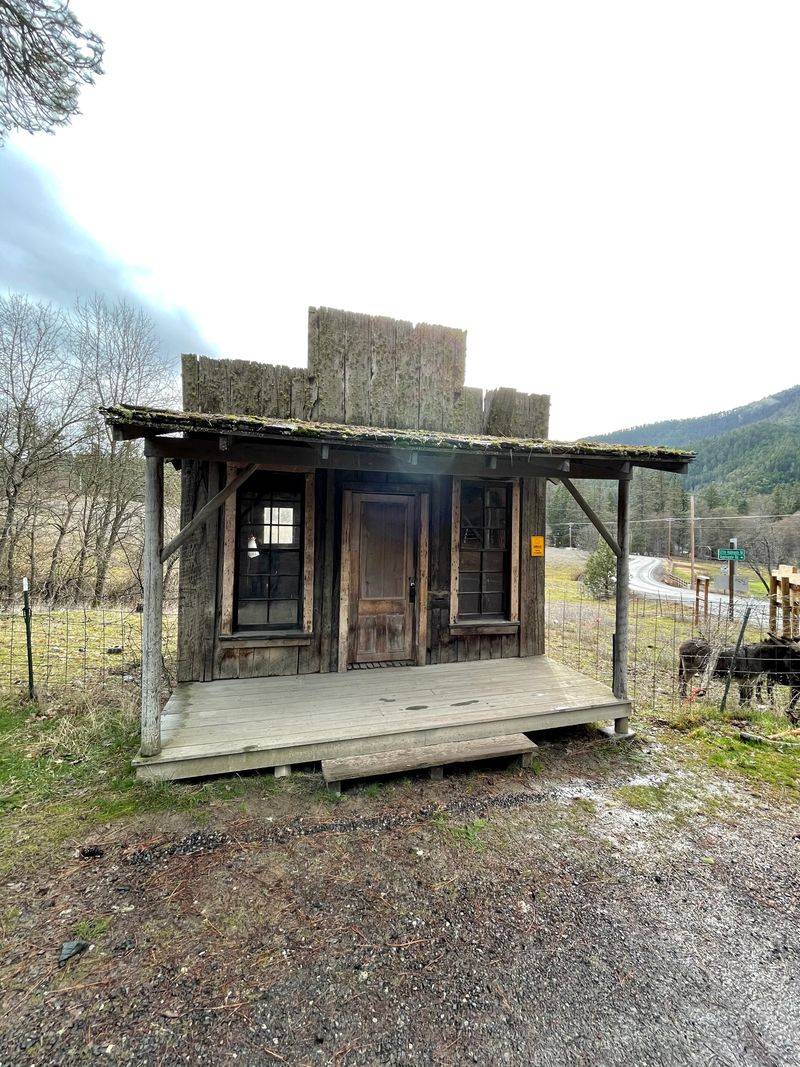
Hidden away in Jackson County’s beautiful Applegate Valley, Buncom represents a fascinating chapter in Oregon’s diverse mining history as a former Chinese settlement that thrived during the gold rush era. Unlike many ghost towns that have completely vanished, Buncom retains several preserved buildings that offer tangible connections to the past, including structures that once housed miners seeking their fortunes in the surrounding hills.
The valley’s isolation helped protect these historic buildings from development pressures that erased similar communities elsewhere.
Chinese miners faced discrimination and harsh treatment throughout Oregon’s gold fields, often working claims that others had abandoned or deemed unprofitable. Their ingenuity and persistence allowed them to extract gold from areas that previous miners had given up on, creating tight-knit communities like Buncom where cultural traditions provided comfort far from their homeland.
The rustic buildings that remain tell stories of resilience, hard work, and the multicultural reality of Oregon’s frontier period that history books sometimes overlook.
Exploring Buncom today requires respectful curiosity, as the preserved structures are fragile reminders of lives lived more than a century ago. The Applegate Valley’s natural beauty surrounds the ghost town, with oak-studded hillsides, seasonal creeks, and the kind of peaceful quiet that allows imagination to fill in the gaps.
Spring brings wildflowers that carpet the valley floor, while autumn transforms the landscape into warm earth tones.
Reaching Buncom involves navigating narrow country roads that wind through the Applegate’s rural character, passing vineyards, ranches, and forests that have reclaimed former mining operations. The journey itself becomes part of the experience, slowing modern life to a pace that matches the ghost town’s timeless atmosphere and encouraging reflection on Oregon’s complex, layered history.
4. Shaniko: The Living Ghost Town
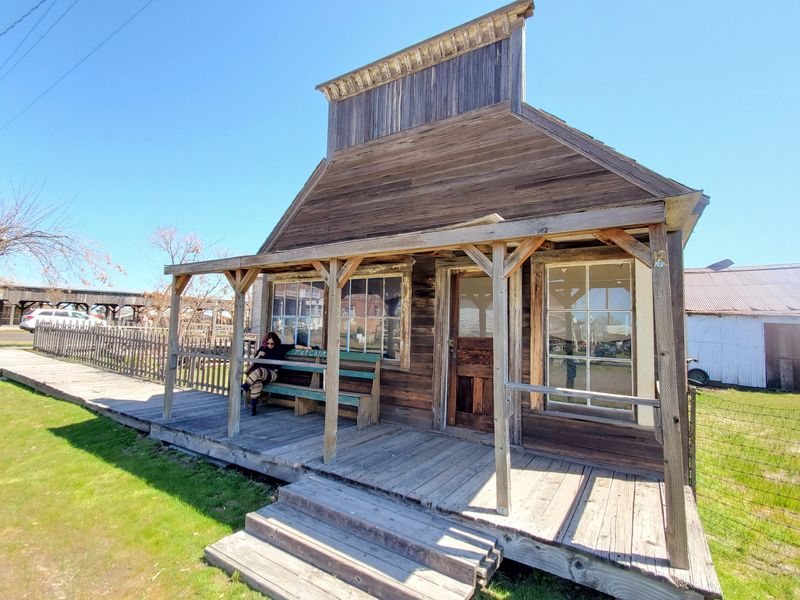
Boardwalks creak underfoot as you wander through Shaniko, a Wasco County town that wears its “living ghost town” designation with weathered pride and carefully preserved historic character. Once celebrated as the “Wool Capital of the World,” this high-desert community shipped millions of pounds of wool to markets worldwide during its early 1900s heyday when railroads made remote locations suddenly accessible.
Today, a few dozen hardy residents maintain the old buildings, operate small businesses, and welcome visitors curious about Oregon’s agricultural and railroad heritage.
The Shaniko Hotel stands as the town’s centerpiece, a beautifully restored landmark that offers glimpses into the elegance that frontier communities aspired to achieve. Walking the quiet streets feels like stepping onto a movie set, with false-front buildings, antique farm equipment, and the kind of vast sky that dominates high-desert landscapes.
The surrounding countryside stretches endlessly in all directions, covered in sagebrush and native grasses that once fed enormous sheep herds.
Photographers adore Shaniko’s authentic Western atmosphere, where peeling paint and weathered wood create visual interest without the artificial staging of theme parks. The town hosts occasional events that bring temporary crowds, but most days maintain a sleepy quality where tumbleweed jokes practically write themselves.
Historic markers throughout town explain the rise and fall of this once-booming railroad hub.
Shaniko’s isolation on Highway 97 between Bend and The Dalles makes it a perfect road trip stop for travelers seeking something beyond typical tourist attractions. The surrounding high desert offers its own stark beauty, with dramatic temperature swings, brilliant star displays, and wildlife adapted to harsh conditions, creating an authentic Oregon experience that commercial destinations cannot replicate.
5. Golden: 1850s Heritage Site
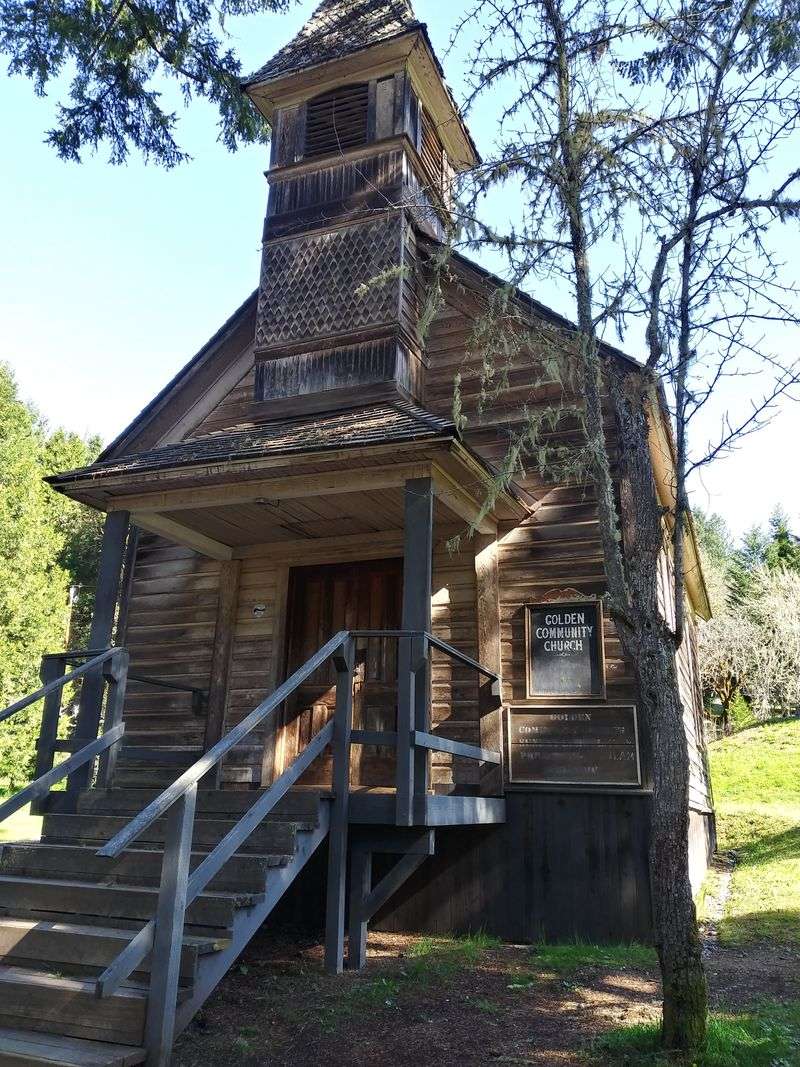
Step back to Oregon’s earliest pioneer days at Golden, a former 1850s gold mining camp in Josephine County that now serves as a state heritage site preserving authentic frontier buildings. Unlike ghost towns left to decay, Golden benefits from careful stewardship that maintains its church, schoolhouse, and period homes in remarkable condition, allowing visitors to genuinely understand how early settlers lived.
The site sits tucked into the forested hills where gold discoveries sparked rushes that brought fortune-seekers streaming into Southern Oregon’s rugged terrain.
The church still stands as a testament to frontier faith, its simple wooden construction reflecting the limited resources and practical mindset of mining camp communities. Nearby, the one-room schoolhouse reminds us that even in rough mining camps, families prioritized education and hoped for better futures for their children.
Period homes showcase the modest living conditions that miners and their families endured, with small rooms, basic furnishings, and ingenious solutions to everyday challenges.
Golden’s preservation allows modern visitors to connect with Oregon’s past in tangible ways that photographs and history books cannot match. Walking between buildings, you can almost hear children’s voices from the schoolhouse, hymns from the church, and the constant activity that characterized a working mining camp.
The surrounding forest has reclaimed much of the original settlement, but the preserved core offers a window into the 1850s.
Josephine County’s rich mining history includes numerous abandoned camps and forgotten settlements, but Golden stands out for its accessibility and interpretive value. The heritage site welcomes visitors who respect its historical significance, offering a free, authentic glimpse into Oregon’s pioneer era without commercialization or artificial staging that diminishes other historic attractions throughout the state.
6. Idanha: Gateway to Wilderness
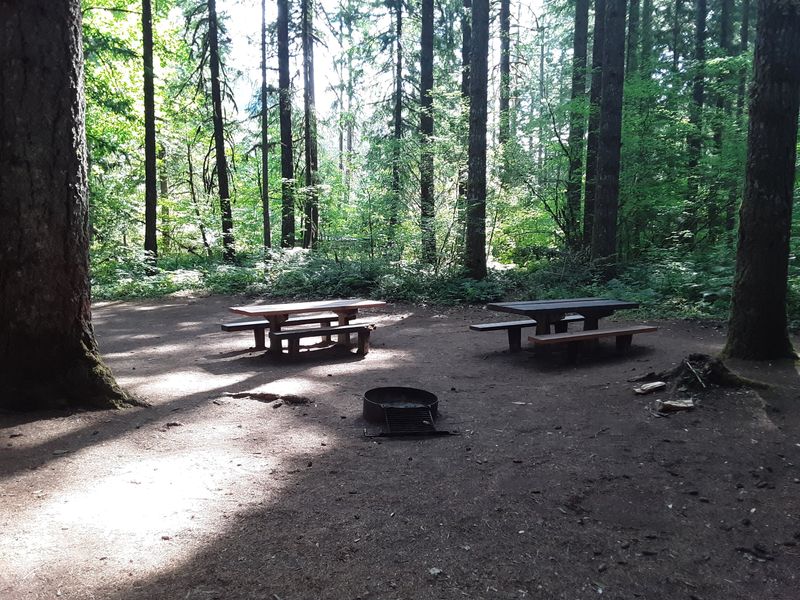
Nestled along the North Santiam River where Marion and Linn Counties meet, Idanha serves as a quiet gateway to the vast Willamette National Forest with a population hovering around 140 residents. This tiny incorporated city benefits from its riverside location, where the sound of rushing water provides a constant soundtrack and fishing opportunities draw anglers seeking native trout.
The North Santiam Highway brings travelers through town en route to mountain recreation areas, but many miss the community’s understated charm by simply passing through.
Idanha’s history connects to the timber industry that shaped much of Western Oregon’s development, with logging operations providing employment for generations of families. Today, the community maintains a quieter existence, with residents embracing small-town life where neighbors help each other and community events bring everyone together.
The surrounding forest offers endless recreation possibilities, from hiking and camping to mushroom foraging and wildlife watching.
The North Santiam River’s clear, cold water attracts kayakers and rafters during spring runoff when snowmelt swells the flow, creating challenging rapids and scenic floats. Summer brings calmer conditions perfect for swimming holes where local kids have splashed for decades, continuing traditions their grandparents established.
Autumn transforms the riverside forest into brilliant displays of color that rival any postcard.
Living in Idanha means accepting remoteness as a feature rather than a drawback, with residents traveling to larger communities for major shopping but finding everything essential within their tight-knit circle. The Willamette National Forest’s proximity provides year-round recreation, from snow sports in winter to berry picking in summer, making this riverside community perfect for outdoor enthusiasts who value access to wilderness over urban conveniences and appreciate Oregon’s natural beauty.
7. Tiller: Deep in the Umpqua
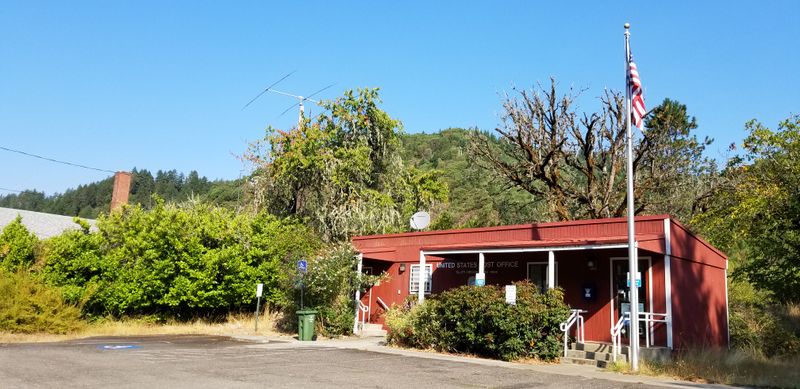
Finding Tiller requires commitment, as this unincorporated Douglas County community sits deep within the Umpqua National Forest, far from major highways and the hurried pace of modern life. The South Umpqua River flows nearby, offering some of Oregon’s finest fishing and most pristine wilderness settings where old-growth forests still dominate the landscape.
Residents and visitors alike cherish the extreme remoteness that keeps crowds away and preserves the area’s wild character.
Tiller serves primarily as a jumping-off point for serious outdoor enthusiasts who come to explore the vast national forest that surrounds this tiny settlement. Hiking trails lead into backcountry areas where you might walk for days without seeing another person, encountering only wildlife and wilderness that has changed little over centuries.
The South Umpqua River supports healthy populations of native fish, making it a destination for anglers who practice catch-and-release and respect the delicate ecosystems.
Life in Tiller moves according to seasons and weather patterns, with winter snows sometimes isolating the community for extended periods. Residents stock up on essentials and embrace the solitude that winter brings, finding beauty in snow-covered forests and frozen waterfalls.
Spring arrives gradually, with wildflowers emerging as snowpack melts and wildlife becoming more active after winter’s dormancy.
The community maintains minimal services, with residents handling most needs through self-sufficiency and neighborly cooperation that urban dwellers might find remarkable. Cell phone coverage remains spotty at best, forcing visitors to disconnect from digital distractions and reconnect with the natural world.
Tiller represents Oregon’s wildest side, where human presence remains minimal and nature still dominates the landscape, offering authentic wilderness experiences increasingly rare in the modern Pacific Northwest.
8. Union Creek: Historic Mountain Village
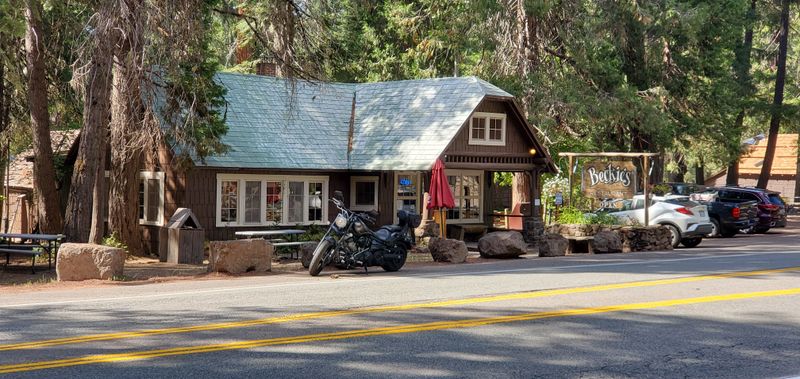
Union Creek occupies a special place in Jackson County’s mountain country, serving as a historic unincorporated village within the stunning Rogue River-Siskiyou National Forest. The community’s rustic resort and historic lodge have welcomed travelers since the early 1900s, offering comfortable accommodations and hearty meals that fuel adventures in the surrounding wilderness.
Crater Lake National Park lies just a scenic drive away, making Union Creek an ideal base for exploring one of Oregon’s most spectacular natural wonders.
The Union Creek Resort (56484 Highway 62, Prospect, OR 97536) maintains the vintage charm that has attracted generations of visitors seeking authentic mountain experiences without excessive modern amenities. Cabins nestle among towering conifers, offering cozy retreats where crackling fireplaces and comfortable beds provide perfect endings to days spent hiking, fishing, or exploring.
The resort’s restaurant serves satisfying comfort food that tastes even better after hours spent in mountain air.
Rogue River headwaters begin in the mountains surrounding Union Creek, eventually flowing westward to the Pacific Ocean through dramatic canyons and pristine wilderness. Hiking trails of varying difficulty levels provide access to waterfalls, volcanic features, and viewpoints that showcase the region’s geological diversity.
Winter brings heavy snowfall that transforms the area into a wonderland for cross-country skiing and snowshoeing.
The historic lodge’s common areas feature stone fireplaces, vintage photographs, and the kind of comfortable, lived-in atmosphere that makes guests feel like they’ve discovered a family secret. Union Creek represents Oregon mountain living at its finest, where natural beauty surrounds you, recreation opportunities abound, and modern stresses fade away, replaced by the simple pleasures of forest sounds, fresh air, and starry nights far from city lights.
9. Deadwood: Coastal Forest Hideaway
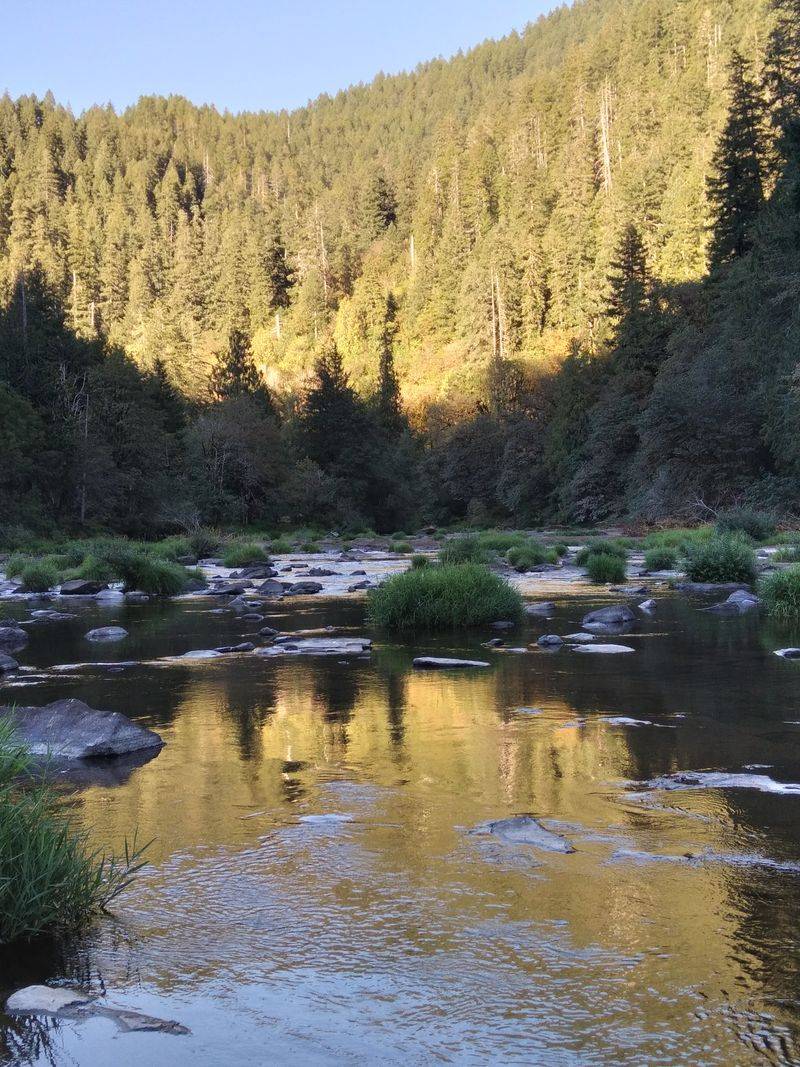
Tucked deep in Lane County’s coastal forest far from major highways, Deadwood offers a secluded, artsy atmosphere that attracts creative souls seeking inspiration and solitude. This small community embraces its remoteness, with residents choosing isolation over convenience and finding richness in the surrounding old-growth forest and tight community bonds.
The journey to Deadwood winds through magnificent coastal mountains where Roosevelt elk graze in misty meadows and waterfalls cascade down moss-covered cliffs.
Artists and craftspeople have discovered Deadwood as a refuge from urban pressures, establishing studios and workshops where creativity flows as freely as the nearby creeks. The community’s artsy vibe manifests in unexpected ways, from hand-painted signs to sculpture gardens that emerge organically from the forest.
Residents gather for potlucks, music sessions, and informal celebrations that strengthen the social fabric of this isolated settlement.
The coastal forest surrounding Deadwood represents some of Oregon’s most productive timberland, with Douglas fir, western hemlock, and Sitka spruce reaching impressive heights in the moisture-rich environment. Ferns carpet the forest floor while moss drapes from branches, creating the lush green cathedral effect that characterizes Pacific Northwest rainforests.
Seasonal creeks swell during winter rains, creating temporary waterfalls and rushing streams that add drama to the landscape.
Living in Deadwood requires embracing rain as a constant companion, with precipitation measuring in feet rather than inches annually. Residents develop strategies for managing moisture, from covered woodpiles to mudrooms that contain wet gear, accepting weather as part of the package.
The reward comes in the form of incredible natural beauty, genuine community connection, and the peaceful satisfaction of living far from crowds in one of Oregon’s most enchanting forest environments.
Dear Reader: This page may contain affiliate links which may earn a commission if you click through and make a purchase. Our independent journalism is not influenced by any advertiser or commercial initiative unless it is clearly marked as sponsored content. As travel products change, please be sure to reconfirm all details and stay up to date with current events to ensure a safe and successful trip.
