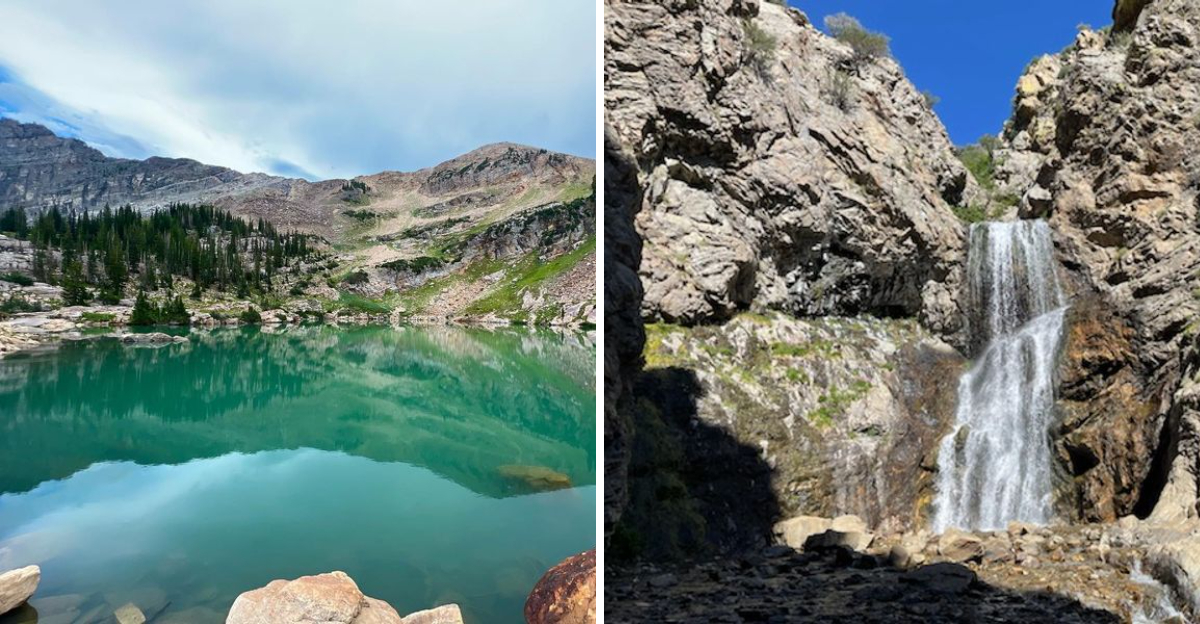
Salt Lake City sits at the base of the stunning Wasatch Mountains, making it a paradise for outdoor lovers.
Whether you want an easy family walk or a challenging mountain climb, this area has something for everyone.
The trails here offer incredible views of snow-capped peaks, alpine lakes, and colorful wildflowers during the warmer months.
With so many options just minutes from downtown, you can escape into nature without traveling far.
Local hikers enjoy year-round access to these beautiful spaces, and visitors are always amazed by how quickly they can go from city streets to mountain trails.
The diverse terrain means you can find adventures suitable for all skill levels and interests.
Getting outside in this region connects you with Utah’s natural beauty in unforgettable ways.
1. Ensign Peak Trail

Early morning light paints the valley below in golden hues as you stand atop Ensign Peak, where pioneers first surveyed their new home in 1847.
This short but rewarding hike takes less than an hour round trip, making it ideal for families with young children or anyone wanting quick mountain access.
The trailhead sits at the north end of Salt Lake City, easily reached from downtown in about ten minutes by car.
Switchbacks guide you up the hillside through scrub oak and sagebrush, gaining about 400 feet in elevation over just under a mile.
Historical markers along the way tell the story of Brigham Young and early settlers who climbed this same path.
Kids love spotting lizards darting between rocks and searching for wildflowers in spring.
Once you reach the summit, panoramic views stretch across the entire Salt Lake Valley, with the Great Salt Lake shimmering to the west.
The Capitol Building and Temple Square stand out prominently below, helping you orient yourself to the city layout.
Many locals come here at sunset to watch the sky turn pink and orange behind the mountains.
The trail stays open year-round, though winter conditions can make it icy and slippery without proper footwear.
Bring water even on this short hike, especially during summer when temperatures climb and shade is minimal.
Dogs on leashes are welcome, and you will often see people bringing their furry friends along for the adventure.
Parking at the trailhead is free but limited to about twenty spaces, so arriving early on weekends is smart.
The neighborhood surrounding the trail is residential, so visitors should be respectful of noise levels.
This quick escape offers big rewards without requiring a full day commitment.
2. Donut Falls Trail
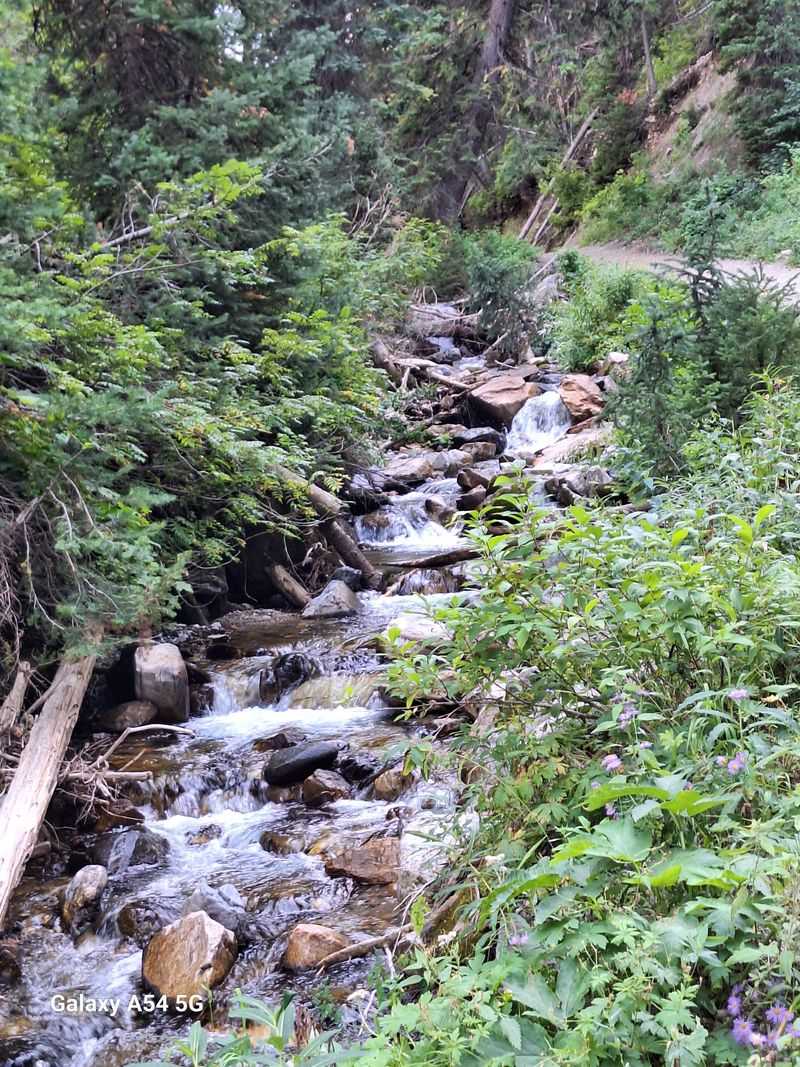
Imagine a waterfall cascading through a hole in the rock, creating a natural donut shape that gives this trail its quirky name.
Donut Falls ranks among the most popular family hikes in the Salt Lake area because of its unique destination and moderate difficulty.
Located up Big Cottonwood Canyon, the trailhead is about a thirty-minute drive from downtown Salt Lake City.
The path follows a gentle creek through a forest of aspen and pine trees, providing plenty of shade on hot summer days.
You will gain roughly 500 feet of elevation over 1.5 miles, making it manageable for most fitness levels.
Children especially enjoy hopping across the small stream crossings and listening to the rushing water.
As you approach the falls, the trail becomes rockier and requires some scrambling over boulders to get the best views.
The waterfall itself flows through a circular opening in the limestone, creating a magical grotto effect.
During spring runoff, the water rushes powerfully through the opening, while late summer offers a gentler trickle.
Because of its popularity, the parking lot fills up quickly on weekends, often by 8 or 9 in the morning.
Arriving early or visiting on weekdays gives you a more peaceful experience without crowds.
The trail can get muddy and slippery near the falls, so wearing shoes with good traction is essential.
Winter transforms this hike into a snowy wonderland, though you will need microspikes or snowshoes depending on conditions.
The frozen waterfall creates stunning ice formations that photographers love capturing.
No matter when you visit, Donut Falls delivers a memorable outdoor experience that feels like discovering a hidden treasure in the mountains.
3. Lake Blanche Trail
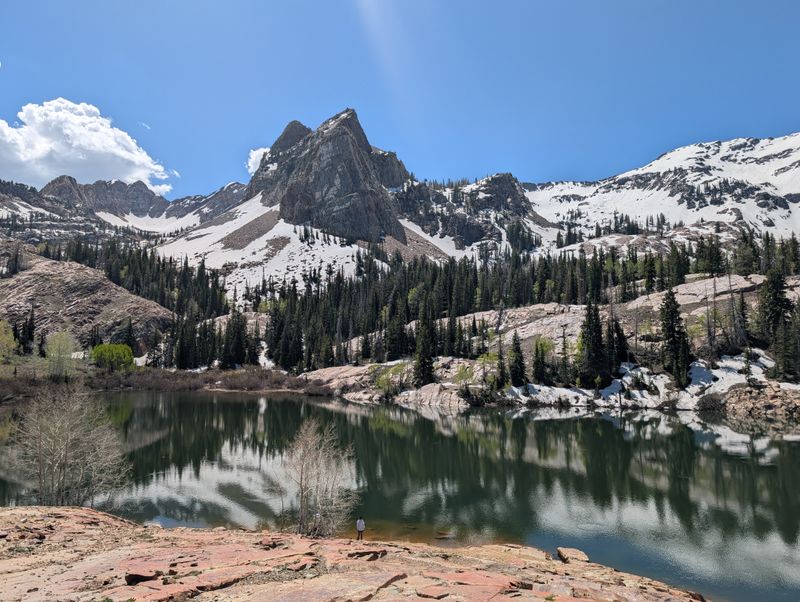
Alpine lakes reflecting jagged peaks create postcard-perfect scenes that make the challenging climb to Lake Blanche absolutely worth every step.
This strenuous hike in Big Cottonwood Canyon demands respect, with 2,700 feet of elevation gain over three miles to reach the stunning lake.
Experienced hikers consider it one of the most rewarding trails near Salt Lake City despite its difficulty.
The journey begins in a shaded forest where the trail climbs steadily through switchbacks and rocky sections.
About halfway up, you will cross several small streams and might spot marmots sunning themselves on boulders.
The trees gradually thin as you gain elevation, offering glimpses of the dramatic cliffs above.
Lake Blanche sits in a glacial cirque surrounded by towering granite walls that seem to touch the sky.
Two smaller lakes, Lake Florence and Lake Lillian, nestle nearby and are worth exploring if you have energy remaining.
The turquoise water contrasts beautifully with the gray rock and patches of snow that linger even in summer.
Most hikers need four to six hours to complete the round trip, depending on pace and time spent at the lakes.
Starting early is crucial because afternoon thunderstorms frequently roll through the high country during summer months.
The exposed terrain near the lakes offers little shelter from lightning, making timing your hike important.
Proper hiking boots are necessary due to the steep, rocky terrain that can be tough on ankles and knees.
Bring plenty of water, snacks, and layers of clothing since temperatures drop significantly at higher elevations.
Dogs can join you on this adventure, though the steep sections and boulder fields might challenge smaller breeds.
4. Living Room Trail
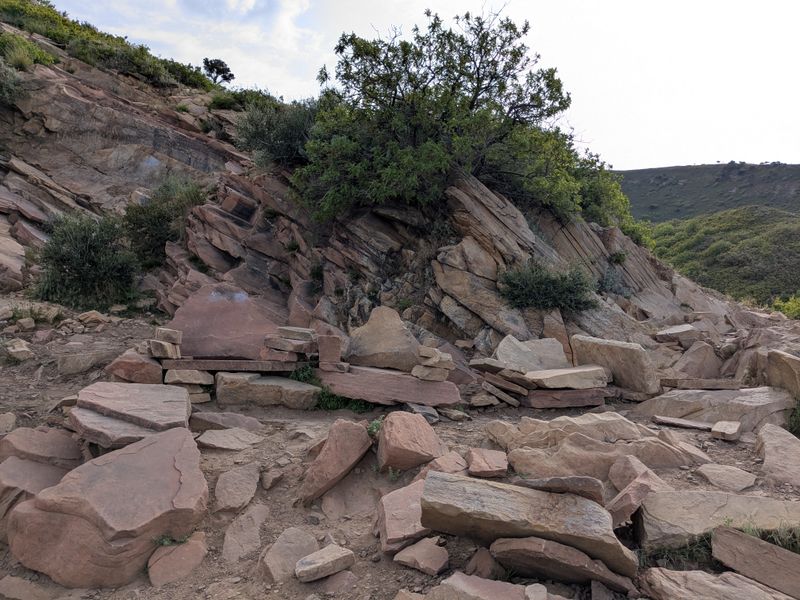
Furniture made from flat rocks arranged like a living room couch awaits you at the top of this cleverly named trail on the foothills above the University of Utah.
Someone years ago decided to create this whimsical seating area, and hikers have maintained it ever since.
The trailhead is easily accessible from the Red Butte Garden area, making it convenient for both students and city residents.
You will climb about 980 feet over 1.2 miles on a well-maintained path that zigzags up the mountainside.
The trail offers little shade, so summer hikers should start early to avoid the intense midday heat.
Spring and fall provide the most comfortable conditions, with wildflowers adding color in April and May.
Views improve with every step upward, revealing the university campus, downtown Salt Lake City, and the valley spreading toward the Great Salt Lake.
Many people bring their dogs along, and the trail sees steady traffic from morning until evening.
The rock furniture at the top provides a fun photo opportunity and a place to rest while enjoying the scenery.
Local college students often hike here between classes or in the evening to watch the sunset over the valley.
The relatively short distance makes it perfect for a quick workout or a casual outing with friends.
You might encounter trail runners using this path for training, as the steady climb builds excellent cardiovascular fitness.
Winter hiking is possible when conditions are dry, though ice can form on shaded sections of the trail.
The open hillside catches strong winds during storms, so checking weather forecasts before heading out is wise.
This trail proves you do not need to travel far from the city to find beautiful mountain views and a satisfying outdoor experience.
5. Cecret Lake Trail
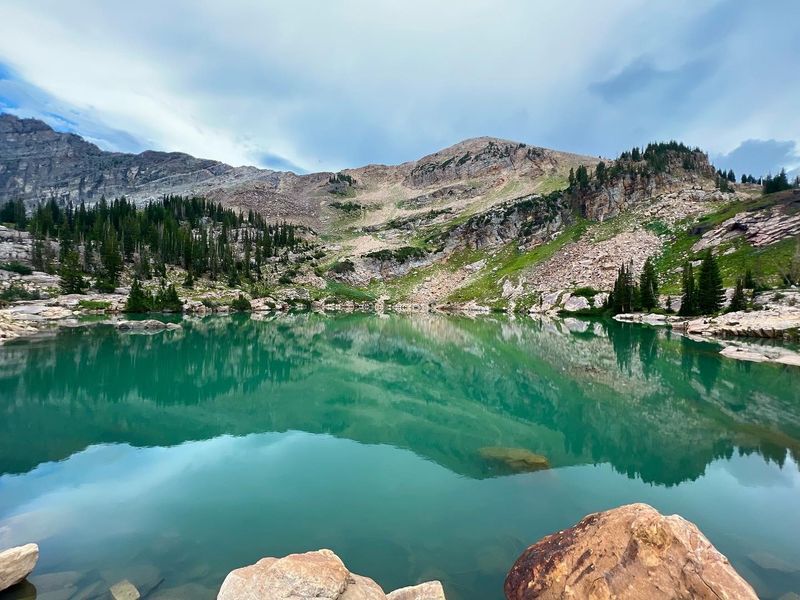
Wildflowers carpet the meadows in July and August, turning the hike to Cecret Lake into a kaleidoscope of color that photographers dream about capturing.
This relatively easy trail in Little Cottonwood Canyon starts from the Albion Basin, already at high elevation, so you begin surrounded by alpine beauty.
The trailhead sits about forty-five minutes from downtown Salt Lake City, tucked up in Alta Ski Resort territory.
Only one mile of hiking separates you from the pristine alpine lake, with just 400 feet of elevation gain along the way.
Families with small children successfully complete this hike regularly, though the high altitude can affect some visitors.
The path winds through wildflower meadows where lupine, Indian paintbrush, and columbine create natural gardens.
Cecret Lake reflects the surrounding peaks in its calm waters, creating mirror images that seem almost too perfect to be real.
The lake remains partially frozen until late June most years, with chunks of ice floating on the surface even in early July.
Many hikers continue beyond the lake to explore the basin or climb higher for even more spectacular views.
Because the road to Albion Basin closes in winter, this trail is only accessible from roughly July through September.
The short hiking season means crowds can be significant on summer weekends, with the parking lot filling by mid-morning.
A shuttle service runs from the base of Little Cottonwood Canyon during peak season to help manage traffic and parking.
The high elevation means weather changes quickly, so bringing warm layers and rain gear is always smart.
Afternoon thunderstorms develop frequently in the mountains, making early starts the safest choice.
This accessible alpine experience gives you a taste of high mountain beauty without requiring advanced hiking skills.
6. Adams Canyon Trail
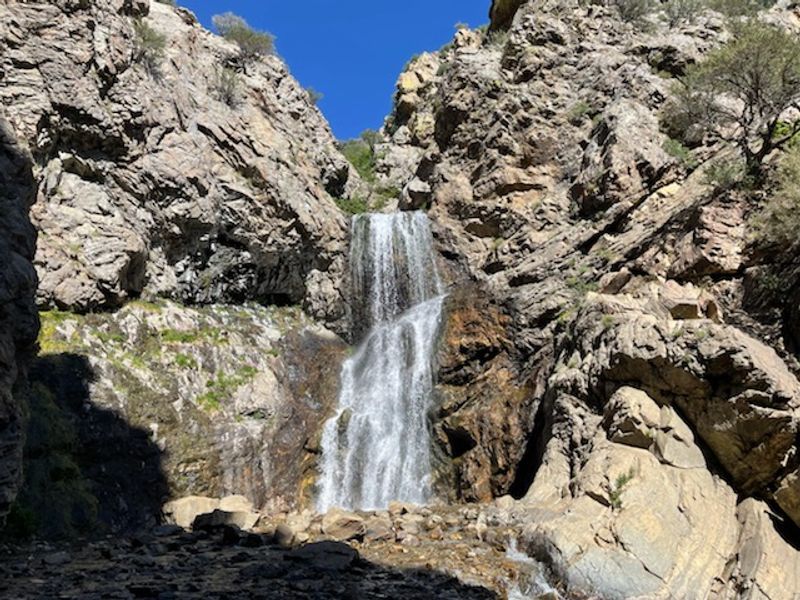
Waterfalls tumbling down moss-covered rocks reward hikers who venture up Adams Canyon, located in Layton just north of Salt Lake City.
This moderately difficult trail climbs about 1,900 feet over 3.8 miles to reach a beautiful 40-foot waterfall in a narrow canyon.
The trailhead sits in a residential neighborhood, so parking respectfully and keeping noise down matters to the local community.
Shade from oak and maple trees provides relief during the steady climb, especially appreciated on warm summer afternoons.
The trail crosses the creek several times, though bridges and stepping stones usually keep your feet dry.
Wildflowers bloom along the path in spring, and fall brings brilliant yellow and orange foliage that transforms the canyon.
As you approach the waterfall, the canyon narrows and the sound of rushing water grows louder.
The falls cascade down a rock face into a pool below, creating a refreshing mist that cools the air.
Some adventurous hikers scramble up beside the falls to explore the upper canyon, though this requires caution on slippery rocks.
The round trip typically takes three to four hours, depending on how long you linger at the waterfall.
Bringing a snack or lunch to enjoy beside the falls makes for a peaceful break before heading back down.
Dogs are allowed on leash, and you will see plenty of four-legged hiking companions on the trail.
Winter and early spring can make this hike treacherous due to ice and snow, especially on the north-facing slopes.
The waterfall freezes into dramatic ice columns during cold snaps, creating a completely different but equally beautiful scene.
This trail offers a wonderful escape into nature without requiring a long drive into the mountains.
7. Mount Olympus Trail
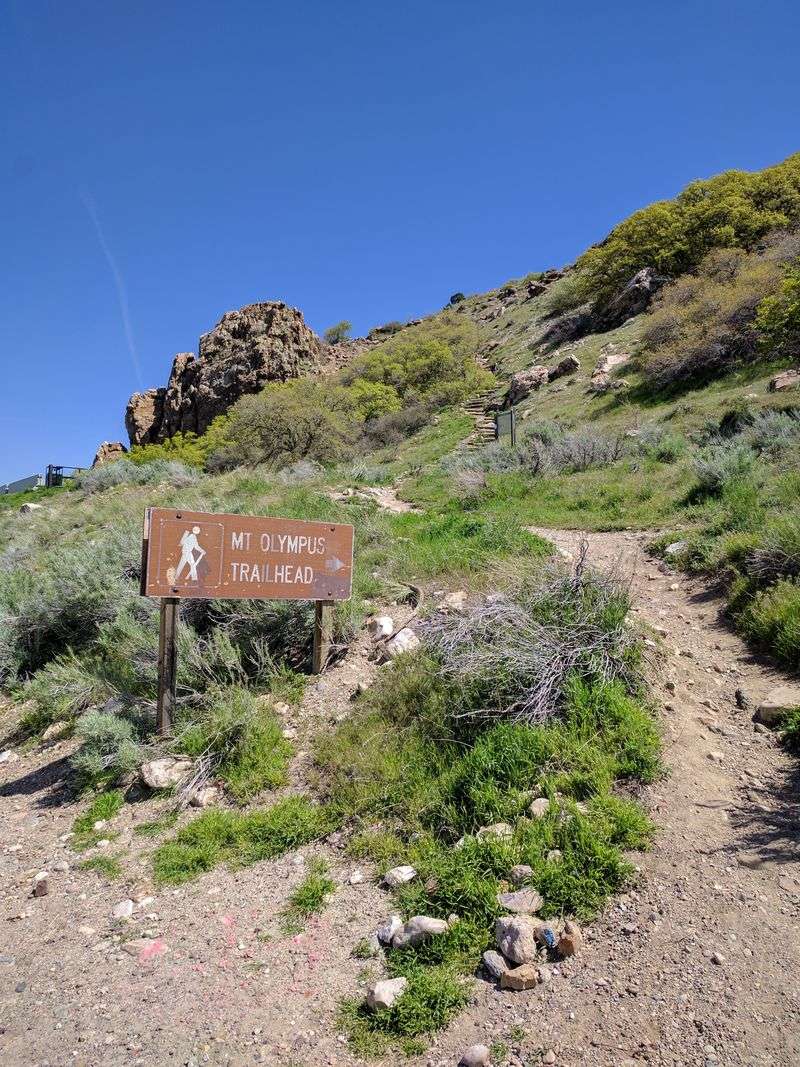
Standing atop Mount Olympus at 9,026 feet feels like conquering a giant, with the entire Salt Lake Valley spread beneath your feet like a detailed map.
This challenging hike tests your endurance with 4,100 feet of elevation gain over just four miles, making it one of the toughest trails near the city.
Experienced hikers seeking a serious workout flock to this trail, which starts in the Wasatch-Cache National Forest on the east side of the valley.
The relentless climb begins immediately, with steep switchbacks that rarely offer flat sections for recovery.
Your legs will burn and your lungs will work hard, especially as you gain elevation and the air thins.
The trail passes through different vegetation zones, starting in scrub oak and eventually reaching alpine conditions near the summit.
About halfway up, the trees open to reveal stunning views that give you a preview of what awaits at the top.
The final approach involves some scrambling over rocks and exposed sections that might make those afraid of heights uncomfortable.
Chains bolted into the rock help with the steepest sections, though sure footing and careful movement remain essential.
Summit views stretch for miles in every direction, with neighboring peaks, distant valleys, and even glimpses of the Great Salt Lake visible on clear days.
Most hikers need six to eight hours for the round trip, and starting at sunrise helps you avoid afternoon thunderstorms.
The exposed ridge and summit offer no protection from lightning, making weather awareness critical for safety.
Proper preparation including plenty of water, food, sun protection, and appropriate footwear makes this challenging hike more enjoyable.
Many locals consider summiting Mount Olympus a rite of passage and a badge of honor among the hiking community.
The sense of accomplishment at the top makes every difficult step worthwhile.
Dear Reader: This page may contain affiliate links which may earn a commission if you click through and make a purchase. Our independent journalism is not influenced by any advertiser or commercial initiative unless it is clearly marked as sponsored content. As travel products change, please be sure to reconfirm all details and stay up to date with current events to ensure a safe and successful trip.
