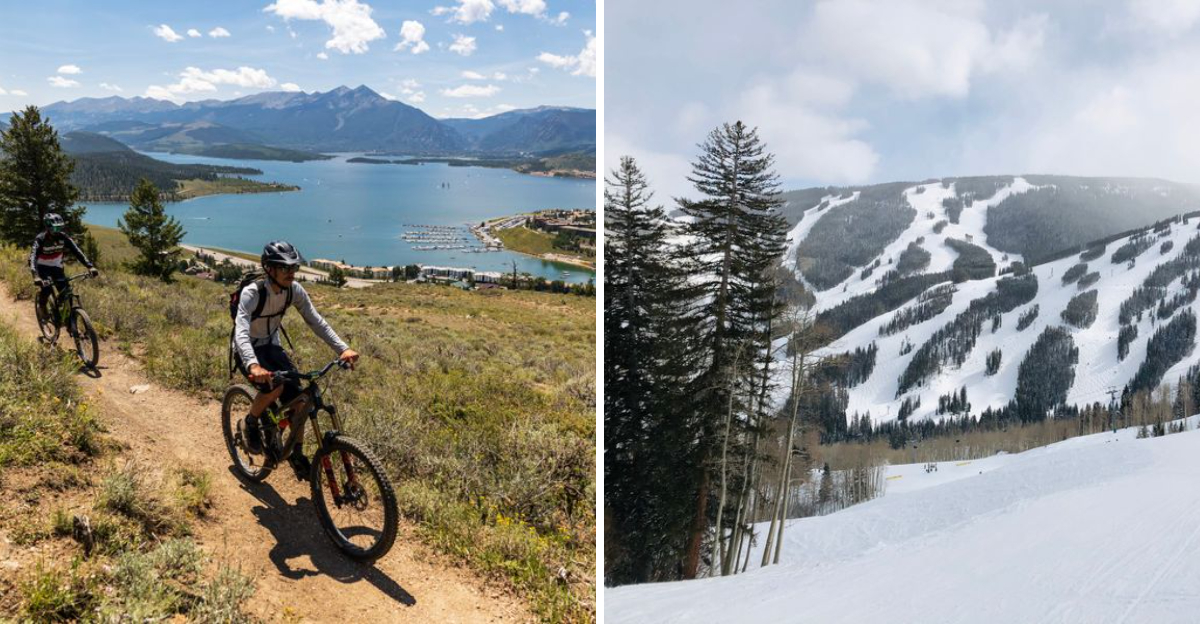
Colorado is a dream destination for anyone who loves the great outdoors.
From towering mountain peaks to rushing rivers and endless trails, this state offers adventures that will leave you breathless in more ways than one.
Whether you’re a seasoned explorer or just starting to discover nature’s wonders, Colorado has something incredible waiting for you.
The Rocky Mountains provide a stunning backdrop for activities that range from heart-pounding thrills to peaceful moments of reflection.
Every season brings new opportunities to explore, with summer hiking giving way to winter skiing and everything in between.
The state’s diverse landscapes mean you can raft through canyons in the morning and climb rocky cliffs by afternoon.
Getting outside in Colorado isn’t just about exercise or checking items off a bucket list.
It’s about connecting with nature, challenging yourself, and creating memories that will last a lifetime.
The fresh mountain air, incredible views, and sense of accomplishment you’ll feel make every adventure worth the effort.
Ready to discover what makes Colorado one of the most exciting outdoor playgrounds in America?
1. Hiking Fourteeners
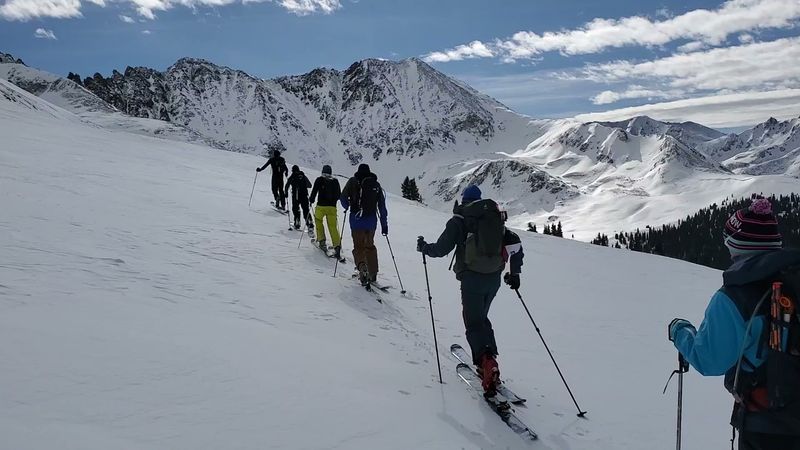
Climbing a fourteener means reaching the summit of a mountain that stands over 14,000 feet above sea level, and Colorado has 58 of them scattered across the state.
These majestic peaks attract thousands of adventurers each year who want to test their endurance and experience views that photographs simply can’t capture.
Standing on top of one of these giants gives you a perspective on the world that few people ever get to experience.
Mount Bierstadt near Georgetown is one of the most popular beginner-friendly fourteeners, with a well-marked trail that takes about six to eight hours round trip.
The trail starts at Guanella Pass and winds through alpine meadows filled with wildflowers during summer months before climbing above the treeline.
Pikes Peak near Colorado Springs offers another option, and you can even drive or take a cog railway to the top if hiking isn’t your style.
Preparation is absolutely essential when tackling these high-altitude adventures because weather can change rapidly and altitude sickness affects many people.
Start your hike before dawn to avoid afternoon thunderstorms that frequently develop over the peaks during summer.
Bring plenty of water, snacks, layers of clothing, and sunscreen because the sun’s rays are much stronger at high elevations.
The sense of accomplishment you’ll feel when reaching the summit makes every challenging step worthwhile.
Many hikers keep a list of fourteeners they’ve climbed, working toward the goal of summiting all 58 peaks over several years.
Whether you climb one or chase them all, fourteener hiking represents the ultimate Colorado mountain experience that connects you with the raw power and beauty of the Rockies.
2. Whitewater Rafting
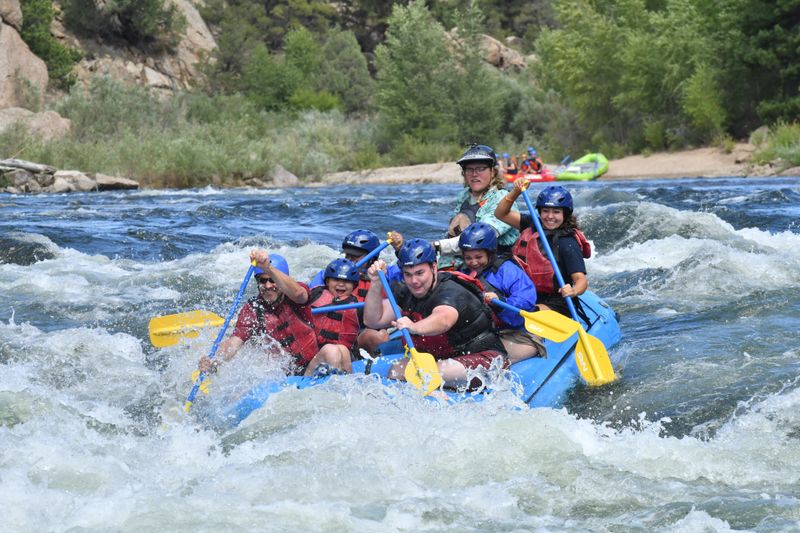
Few experiences get your adrenaline pumping quite like navigating churning rapids while cold mountain water splashes over the sides of your raft.
Colorado’s rivers offer some of the best whitewater rafting in the entire country, with options ranging from gentle floats perfect for families to extreme runs that challenge even experienced rafters.
The combination of stunning scenery and thrilling rapids creates an adventure you’ll be talking about for years to come.
The Arkansas River near Buena Vista and Salida provides the most variety, with sections rated from Class II to Class V depending on water levels and location.
Brown’s Canyon National Monument offers a popular half-day trip through beautiful canyon walls with moderate rapids that are exciting but not overwhelming.
For those seeking serious thrills, the Royal Gorge section features intense Class IV and V rapids that drop through a dramatic 1,000-foot deep gorge.
The Colorado River near Glenwood Springs presents another excellent option, especially for beginners or families with younger children.
Shoshone Rapids provides a fun introduction to whitewater without being too intimidating, and several outfitters in the area offer guided trips with all equipment included.
Most rafting companies provide wetsuits, helmets, life jackets, and experienced guides who know every rock and rapid along the route.
Spring and early summer typically offer the highest water levels and most exciting conditions as snowmelt swells the rivers.
Don’t worry if you’ve never rafted before because guides give thorough safety instructions and teach you proper paddling techniques before launching.
The teamwork required to navigate rapids successfully creates bonding experiences with friends and family while the spectacular Colorado scenery surrounds you at every bend in the river.
3. Rock Climbing in Garden of the Gods
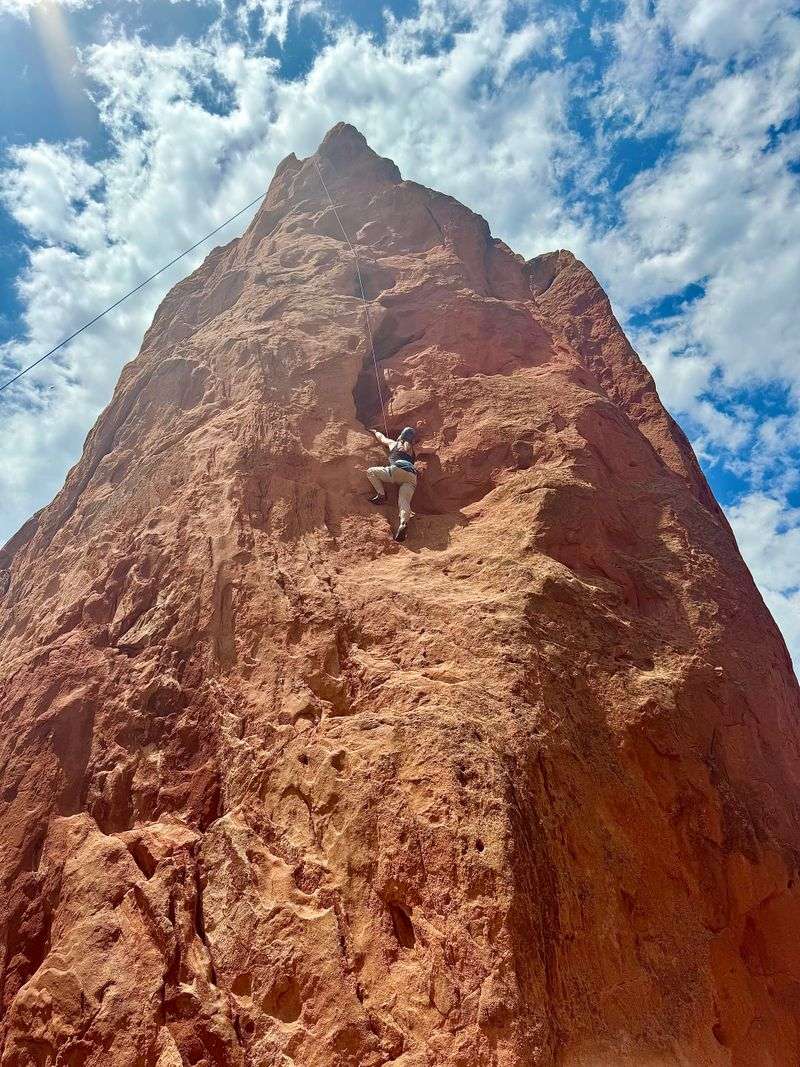
Garden of the Gods in Colorado Springs stands as one of the most visually stunning places to climb in North America, with towering red sandstone formations that glow brilliantly against blue skies.
Registered as a National Natural Landmark, this free public park attracts climbers from around the world who come to test their skills on its unique geology.
The contrast between the ancient red rocks and the snow-capped Pikes Peak in the background creates photographs that look almost too beautiful to be real.
Over 300 climbing routes wind up the park’s various formations, offering challenges for everyone from complete beginners to expert climbers.
The Kissing Camels formation provides moderate routes with incredible exposure and views, while the South Gateway Rock offers easier climbs perfect for learning basic techniques.
Traditional climbing using cams and nuts is the standard here because bolts are not allowed, which preserves the natural character of the rock faces.
If you’re new to climbing, several local guide services offer instruction and lead climbs through the park’s most scenic routes.
Front Range Climbing Company and Mountain Chalet both provide beginner courses that teach rope management, belaying, and climbing techniques in this spectacular setting.
The soft sandstone requires gentle technique and careful placement of protection, making it an excellent place to develop smooth climbing skills rather than relying on brute strength.
Visiting during spring or fall provides the most comfortable temperatures because summer days can get quite hot on the sun-exposed rock faces.
The park also features miles of paved and dirt trails for those who prefer to admire the formations from the ground.
Whether you’re hanging from a cliff face or walking through the towering rocks, Garden of the Gods offers an unforgettable connection with Colorado’s geological wonders.
4. Mountain Biking the Colorado Trail
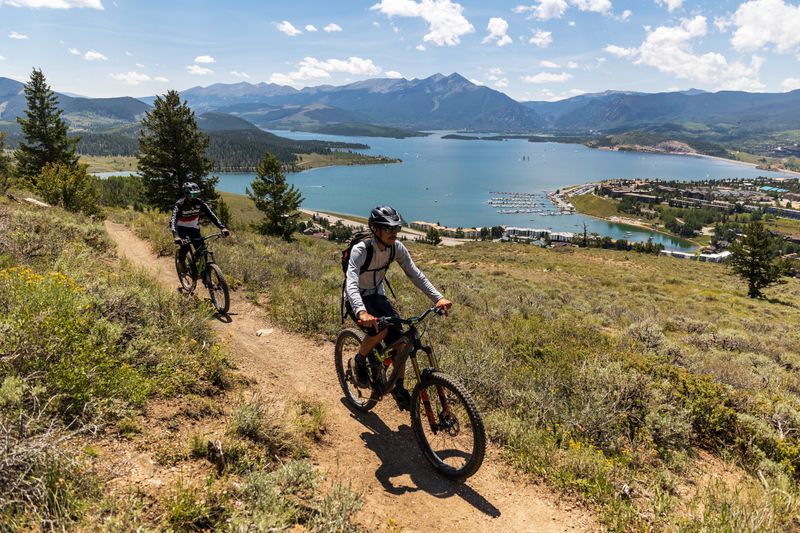
Stretching 486 miles from Denver to Durango, the Colorado Trail represents one of the most epic mountain biking routes in the entire United States.
While few people ride the entire trail in one journey, sections of it provide incredible day trips and multi-day adventures through some of Colorado’s most pristine wilderness.
The trail passes through eight mountain ranges, six national forests, and six wilderness areas, offering constantly changing scenery and challenges.
The segment near Kenosha Pass south of Denver makes an excellent introduction, with rolling terrain through aspen groves and meadows filled with summer wildflowers.
This section sits at high elevation but doesn’t require extreme technical skills, making it accessible for intermediate riders who want to experience the trail’s beauty.
The views of the Continental Divide and South Park basin stretch for miles in every direction on clear days.
More experienced riders often tackle the Collegiate Peaks section near Twin Lakes, which winds through stunning alpine terrain beneath some of Colorado’s highest mountains.
This challenging segment includes steep climbs, rocky descents, and stream crossings that demand both fitness and bike handling skills.
The effort pays off with jaw-dropping scenery and the satisfaction of riding through genuine backcountry far from roads and crowds.
Proper preparation is crucial because many sections of the trail sit above 10,000 feet elevation and weather conditions can change rapidly.
Carry plenty of water, snacks, repair tools, and extra layers even on day rides because help may be far away if problems arise.
The trail is typically rideable from July through September depending on snow conditions and elevation.
Whether you ride ten miles or five hundred, the Colorado Trail offers mountain biking experiences that showcase the very best of the Rocky Mountains.
5. Skiing and Snowboarding World-Class Resorts
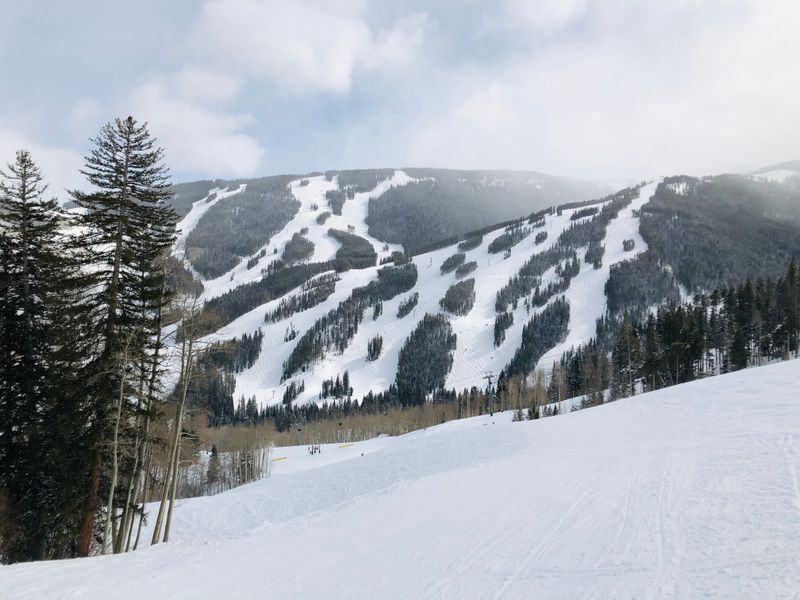
When winter blankets Colorado’s mountains in snow, the state transforms into a paradise for skiers and snowboarders from around the globe.
Colorado boasts 28 ski resorts, many of which consistently rank among the best in North America for snow quality, terrain variety, and overall experience.
The legendary powder snow, abundant sunshine, and high elevation combine to create conditions that keep people coming back season after season.
Vail Ski Resort spans over 5,300 acres across seven back bowls, making it the largest single-mountain ski resort in the United States.
The charming European-style village at the base offers world-class dining, shopping, and lodging that caters to every budget.
Breckenridge provides another excellent option with terrain spread across five peaks and a historic mining town atmosphere that feels authentically Colorado.
Aspen Snowmass actually consists of four separate mountains connected by a free shuttle system, offering incredible variety without needing to move your lodging.
Snowmass Mountain alone features 3,300 acres of skiable terrain with runs that satisfy everyone from first-timers to expert thrill-seekers.
The town of Aspen itself combines outdoor adventure with cultural attractions like art galleries and music festivals that make it more than just a ski destination.
Budget-conscious visitors should consider resorts like Loveland or Arapahoe Basin, which offer excellent skiing without the premium prices of more famous destinations.
Many resorts provide lessons for beginners, so don’t let inexperience stop you from trying these exhilarating winter sports.
The season typically runs from November through April, with January and February usually offering the deepest snow.
Whether you prefer groomed cruisers, challenging moguls, or deep powder bowls, Colorado’s ski resorts deliver winter adventures that justify their world-renowned reputation.
6. Camping in Rocky Mountain National Park
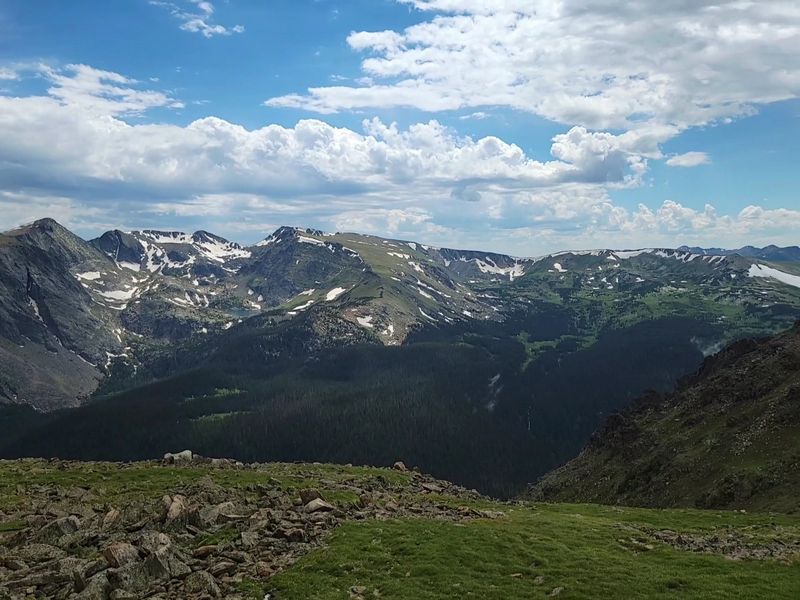
Spending a night under the stars in Rocky Mountain National Park connects you with nature in ways that day visits simply cannot match.
This spectacular park protects 415 square miles of mountain wilderness just 90 minutes from Denver, featuring over 300 miles of hiking trails, abundant wildlife, and scenery that defines the Colorado experience.
Waking up to the sight of elk grazing near your tent or watching sunrise paint the mountain peaks gold creates memories that last forever.
The park operates five established campgrounds with amenities like restrooms, fire rings, and picnic tables that make camping comfortable even for beginners.
Moraine Park Campground sits in a beautiful valley surrounded by mountains and offers easy access to popular trails like Bear Lake and Alberta Falls.
Glacier Basin Campground provides a more intimate setting with sites nestled among pine trees and quick access to the park’s eastern trails.
Reservations are absolutely essential during summer months because campgrounds fill up weeks or even months in advance through the Recreation.gov website.
Backcountry camping offers another option for experienced outdoor enthusiasts willing to hike several miles to more remote locations.
Wilderness permits are required for backcountry camping and can be reserved in advance or obtained at park visitor centers if still available.
Weather in the mountains changes quickly, so bring warm sleeping bags and extra layers even during summer because temperatures can drop significantly at night.
Bear-proof food storage is mandatory throughout the park to protect both wildlife and visitors.
The park’s Trail Ridge Road, which climbs to over 12,000 feet elevation, provides spectacular scenic drives between camping adventures.
Whether you’re roasting marshmallows around a campfire or falling asleep to the sound of a rushing mountain stream, camping in Rocky Mountain National Park delivers the quintessential Colorado outdoor experience.
7. Stand-Up Paddleboarding on Alpine Lakes
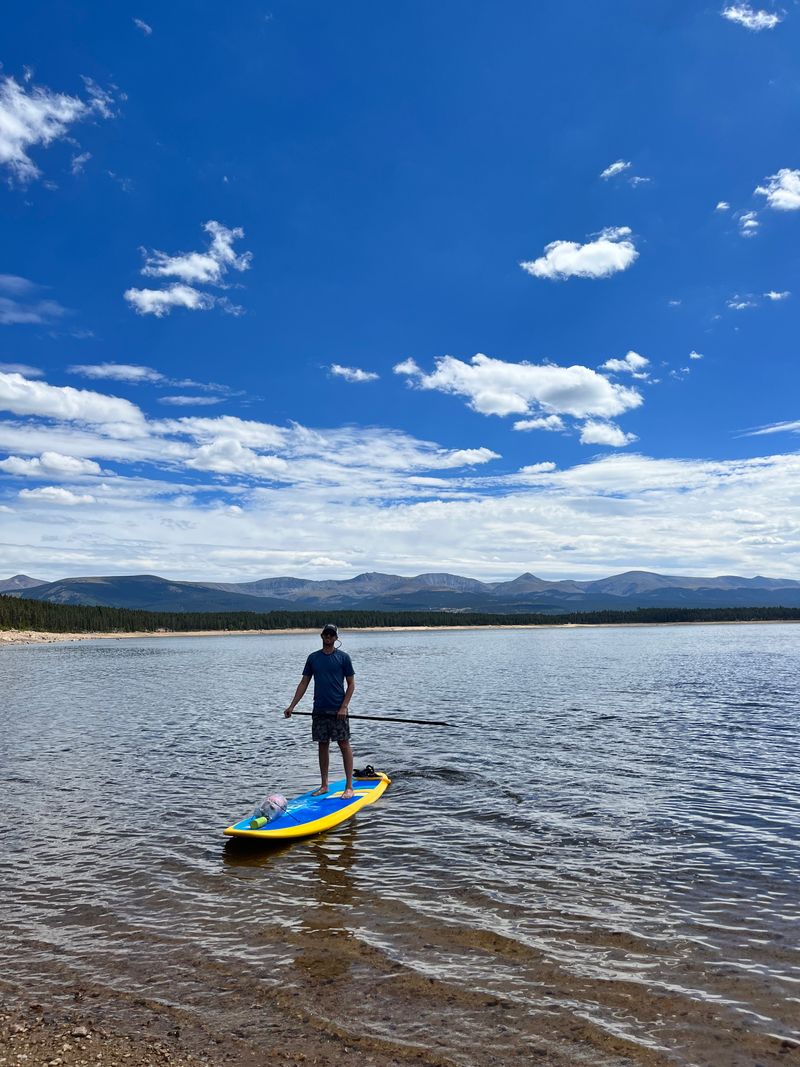
Gliding across the mirror-smooth surface of an alpine lake on a stand-up paddleboard offers a peaceful yet engaging way to experience Colorado’s high-country beauty.
This water sport has exploded in popularity because it’s relatively easy to learn, provides a great full-body workout, and allows you to explore mountain lakes from a unique perspective.
The combination of physical activity and serene natural surroundings creates a meditative experience that refreshes both body and mind.
Grand Lake, located on the western edge of Rocky Mountain National Park, serves as Colorado’s largest natural lake and provides excellent paddleboarding conditions.
The town of Grand Lake sits at 8,369 feet elevation and offers several rental shops where you can get boards and basic instruction if you’re new to the sport.
Paddling across the lake with views of the Continental Divide reflected in the water creates photo opportunities that look like professional postcards.
Dillon Reservoir near Breckenridge presents another fantastic option, with over 3,000 surface acres of water surrounded by mountain peaks.
The reservoir’s size means you can paddle for hours exploring different coves and shorelines without covering the same water twice.
Several marinas around the reservoir rent paddleboards and kayaks during summer months from Memorial Day through Labor Day.
Early morning typically offers the calmest water conditions before afternoon winds pick up across these exposed mountain lakes.
Wear a life jacket even if you’re a strong swimmer because cold water temperatures can quickly sap your strength if you fall in.
Bring sunscreen and a hat because the sun’s intensity increases significantly at high elevations where many of these lakes are located.
Stand-up paddleboarding combines adventure with tranquility, making it perfect for those seeking Colorado experiences that refresh rather than exhaust.
Dear Reader: This page may contain affiliate links which may earn a commission if you click through and make a purchase. Our independent journalism is not influenced by any advertiser or commercial initiative unless it is clearly marked as sponsored content. As travel products change, please be sure to reconfirm all details and stay up to date with current events to ensure a safe and successful trip.
