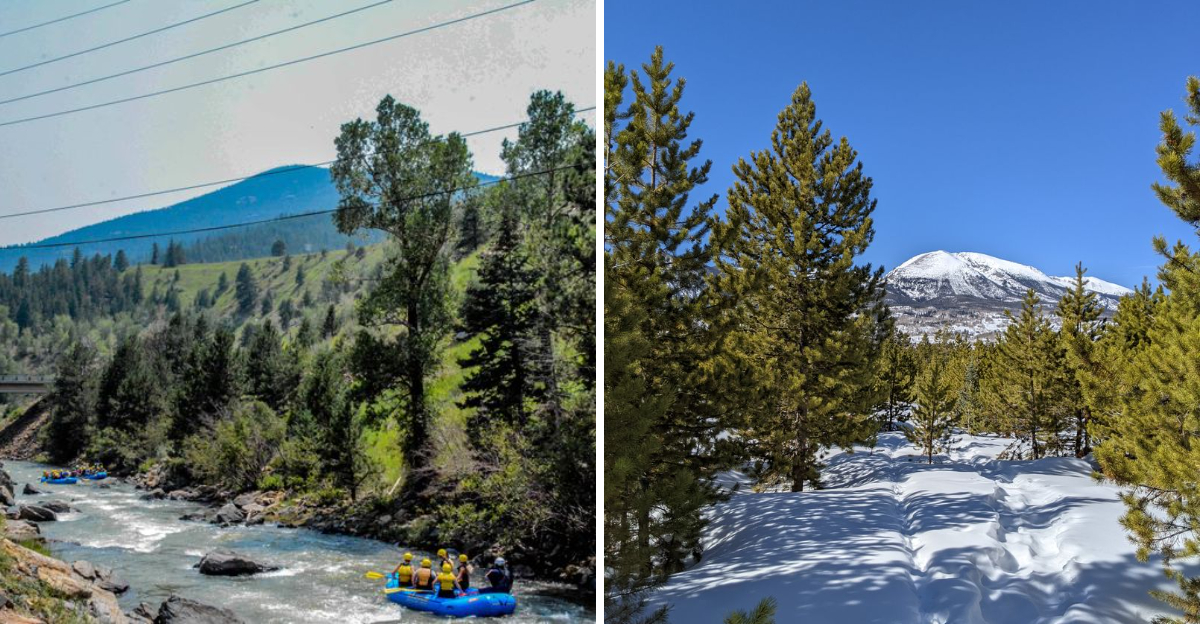
Colorado’s national forests stretch across millions of acres, offering some of the most breathtaking landscapes in the entire country.
From towering mountain peaks to crystal-clear alpine lakes, these protected wilderness areas provide endless opportunities for outdoor enthusiasts of all skill levels.
Whether you’re seeking adrenaline-pumping activities or peaceful nature experiences, the forests scattered throughout the state deliver unforgettable adventures year-round.
Families, solo travelers, and groups of friends can all find something special waiting among the ponderosa pines and aspen groves.
The diverse terrain supports everything from gentle hikes to challenging climbs, making these forests perfect for both beginners and experienced adventurers.
With eleven national forests covering nearly 15 million acres across Colorado, you’ll never run out of new trails to explore or scenic vistas to discover.
Each season transforms these woodlands into entirely different worlds, with wildflower meadows in summer and snow-covered wonderlands in winter.
Getting outside in these natural spaces not only provides exercise and fresh air but also helps you disconnect from daily stress and reconnect with the natural world.
The following adventures represent just a small taste of what awaits in Colorado’s magnificent national forests, where every visit creates lasting memories.
Backpacking the Continental Divide Trail
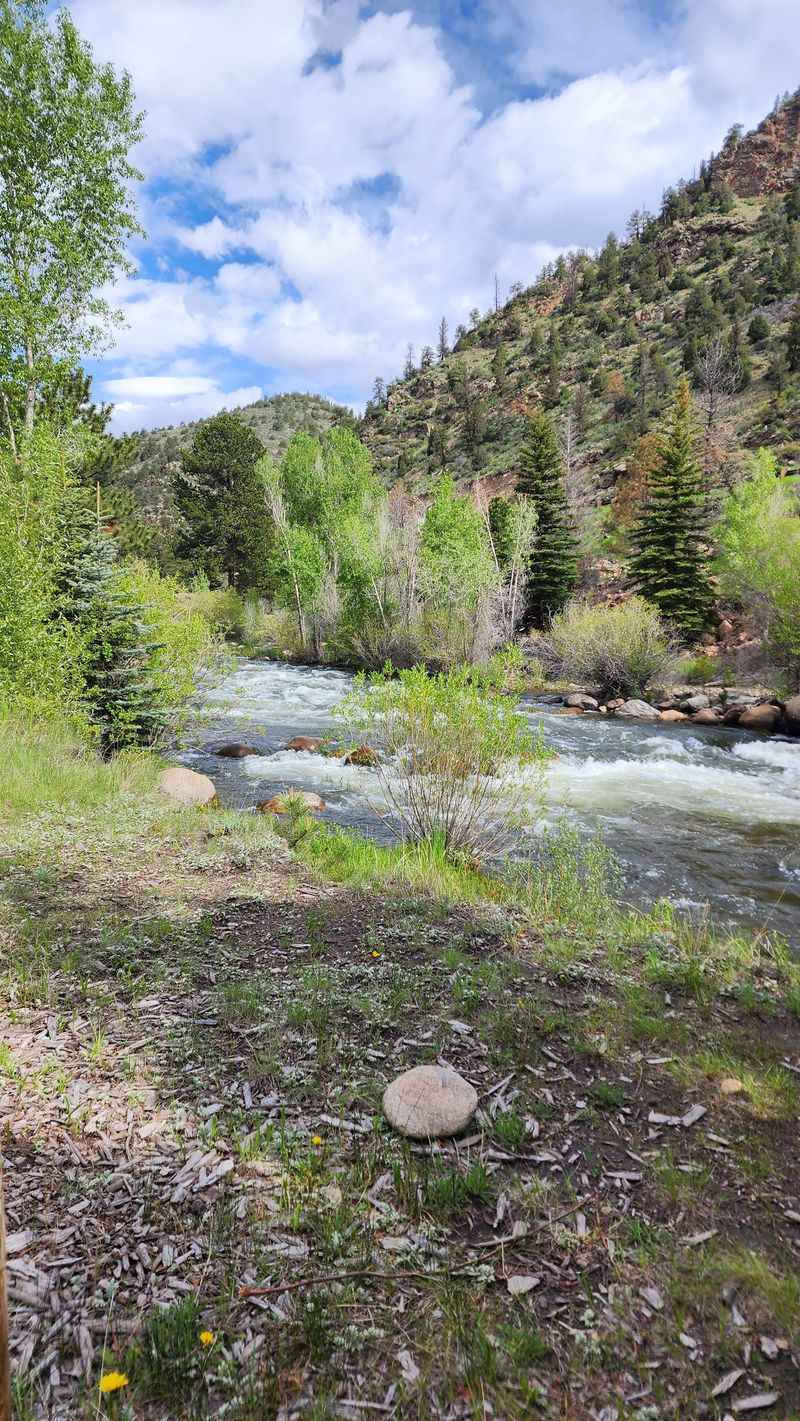
Picture yourself walking along the spine of North America, where water flows either to the Pacific Ocean or the Atlantic.
The Continental Divide Trail passes through several of Colorado’s national forests, offering backpackers an experience unlike any other.
This legendary pathway stretches over 3,000 miles from Mexico to Canada, but you don’t need to hike the whole thing to appreciate its majesty.
Many sections within Colorado’s forests make perfect weekend or week-long backpacking trips for adventurous souls.
The trail winds through the San Juan National Forest, Rio Grande National Forest, and several others, showcasing Colorado’s most dramatic scenery.
You’ll encounter wildflower-filled meadows, rushing mountain streams, and possibly even wildlife like elk, marmots, and mountain goats along the way.
Backpacking requires more preparation than day hiking since you’ll carry everything you need on your back.
Bring a quality tent, sleeping bag rated for mountain temperatures, water filtration system, and enough food for your journey.
Always check trail conditions before heading out, as snow can linger at high elevations well into summer months.
The physical challenge of backpacking builds strength and endurance while teaching valuable wilderness skills.
Navigating with maps and compasses, setting up camp in different locations each night, and cooking meals over a portable stove all become part of the adventure.
Starting with shorter sections helps you build confidence before tackling longer, more remote stretches of this iconic trail.
Remember to practice Leave No Trace principles by packing out all trash, camping at least 200 feet from water sources, and respecting wildlife.
The Continental Divide Trail offers backpackers a genuine wilderness experience that connects them deeply with Colorado’s mountain environment.
Mountain Biking Through Aspen Groves
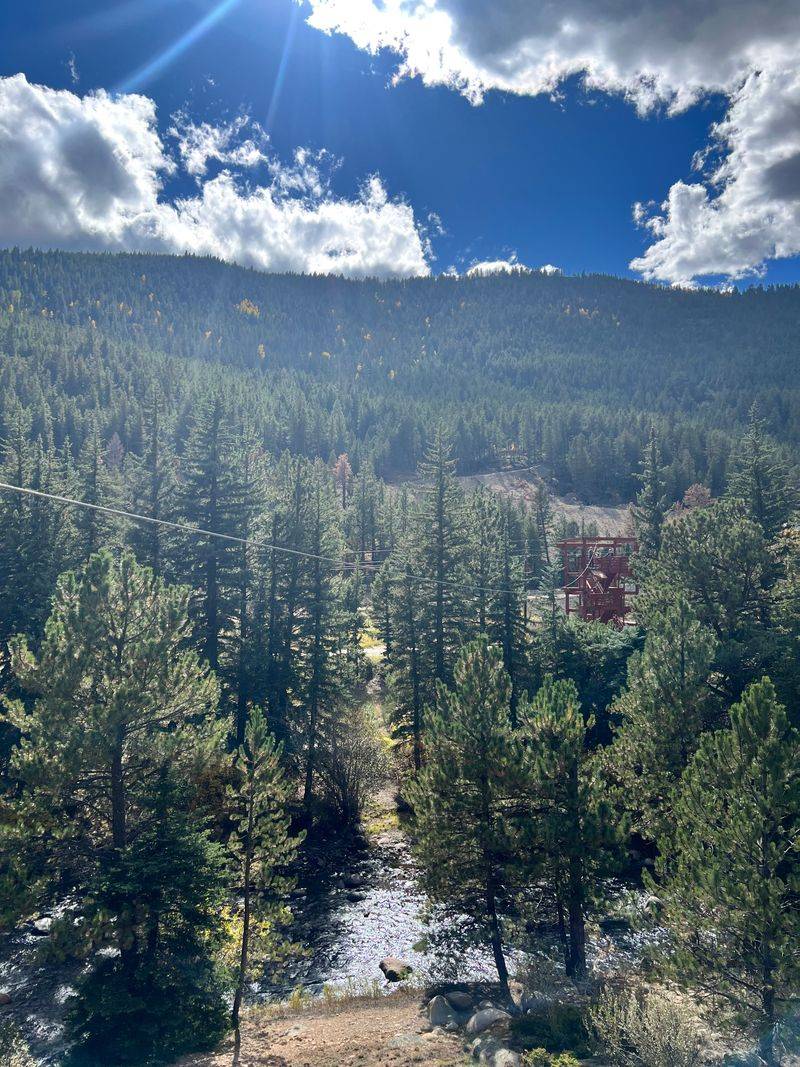
Few experiences compare to pedaling through tunnels of shimmering aspen trees, their leaves rustling like thousands of tiny wind chimes overhead.
Colorado’s national forests contain hundreds of miles of mountain biking trails that wind through these distinctive white-barked forests.
Fall brings the most spectacular displays when aspens transform into brilliant gold, creating scenes that look almost unreal in their beauty.
The White River National Forest near Aspen and the Uncompahgre National Forest both offer exceptional biking opportunities through aspen-dominated landscapes.
Trails range from smooth, flowing paths perfect for families to technical singletrack that challenges even experienced riders.
Many routes follow old mining roads or forest service paths, providing relatively gentle grades with stunning views around every corner.
Mountain biking burns serious calories while building leg strength and improving balance and coordination.
The sport also sharpens your reflexes as you navigate roots, rocks, and sudden turns on forest trails.
Riding with friends or family creates shared memories and encourages everyone to push their limits in a supportive environment.
Before heading out, make sure your bike is in good working condition with properly inflated tires and functioning brakes.
Wearing a helmet is absolutely essential, and gloves plus eye protection make rides more comfortable and safe.
Bring plenty of water, snacks, a basic repair kit, and a trail map since cell service can be unreliable in remote forest areas.
Many Colorado towns near national forests have bike shops that offer rentals, repairs, and trail recommendations from local experts.
Whether you’re cruising gentle paths or conquering challenging descents, mountain biking through aspen groves delivers an unforgettable Colorado adventure that combines exercise with natural beauty.
Fishing in High-Altitude Lakes

Casting a line into crystal-clear mountain water while surrounded by towering peaks creates moments of pure tranquility.
Colorado’s national forests contain thousands of lakes and streams teeming with trout, offering anglers everything from easy roadside access to remote backcountry fishing holes.
Cutthroat, rainbow, and brook trout all thrive in these cold, oxygen-rich waters fed by snowmelt and underground springs.
Some of the best fishing spots require hiking several miles into the wilderness, rewarding your effort with solitude and hungry fish.
The Roosevelt National Forest and Pike National Forest both feature numerous alpine lakes at elevations above 10,000 feet.
These high-altitude waters often freeze until late spring, but once ice melts, fishing can be spectacular throughout summer and early fall.
Fly fishing is particularly popular in Colorado’s mountain streams, where anglers wade into rushing water to present carefully chosen flies to selective trout.
Spin fishing with small lures or bait also works well, especially in lakes where fish aren’t as pressured by other anglers.
Learning to read the water, understanding fish behavior, and matching your approach to conditions all become part of the challenge.
You’ll need a valid Colorado fishing license, which you can purchase online or at sporting goods stores throughout the state.
Check current regulations since some waters have special restrictions, catch-and-release requirements, or seasonal closures to protect fish populations.
Bring appropriate clothing layers since mountain weather changes quickly, even on sunny summer days.
Fishing teaches patience and observation skills while providing a peaceful way to experience nature’s rhythms.
Whether you catch your limit or simply enjoy the surroundings, time spent fishing in Colorado’s high-altitude lakes nourishes both body and soul.
Rock Climbing Granite Walls
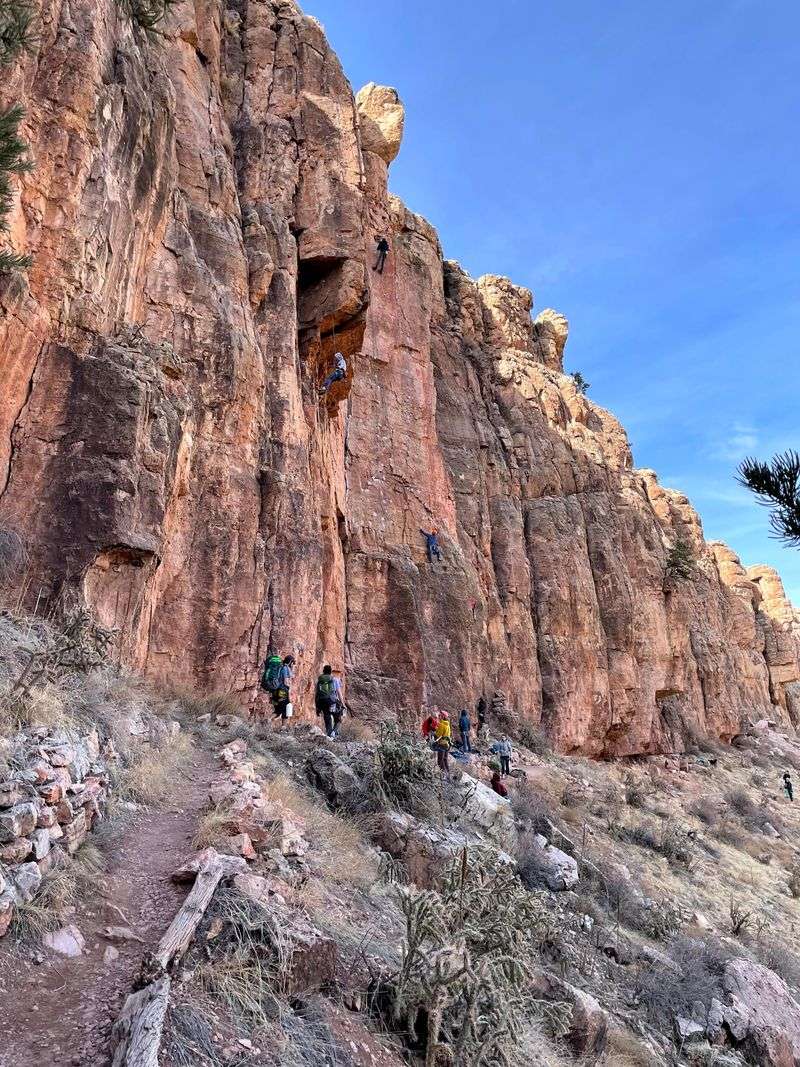
Reaching for the next handhold while your feet balance on tiny edges delivers an incredible rush of focus and accomplishment.
Colorado’s national forests feature world-class rock climbing on granite formations that have attracted climbers for decades.
From beginner-friendly crags to challenging multi-pitch routes, these forests offer vertical adventures for every skill level and climbing style.
The Pike National Forest contains the famous Elevenmile Canyon, where granite walls rise hundreds of feet above the South Platte River.
This area alone has over 500 established climbing routes, with options for sport climbing, traditional climbing, and bouldering.
The Arapaho and Roosevelt National Forests also host numerous climbing areas within easy driving distance of Denver and Boulder.
Rock climbing builds incredible upper body and core strength while improving flexibility, problem-solving abilities, and mental toughness.
Each route presents a unique puzzle that requires reading the rock, planning your sequence of moves, and trusting your abilities.
Climbing with partners creates strong bonds as you literally put your safety in each other’s hands through belaying and communication.
Beginners should take lessons from certified instructors who teach proper techniques, safety systems, and equipment use before attempting outdoor climbs.
Essential gear includes a harness, climbing shoes, helmet, rope, carabiners, and belay device, though many climbers start by visiting outdoor climbing gyms first.
Always check route descriptions and difficulty ratings, and never climb alone until you’ve gained substantial experience.
The climbing community in Colorado is generally welcoming and supportive, with experienced climbers often happy to share beta (information) about routes.
Many climbing areas have established ethics about fixed gear, route development, and environmental protection that visitors should respect.
Whether you’re bouldering close to the ground or scaling towering walls, rock climbing in Colorado’s forests provides thrilling challenges and spectacular views.
Wildlife Watching and Photography
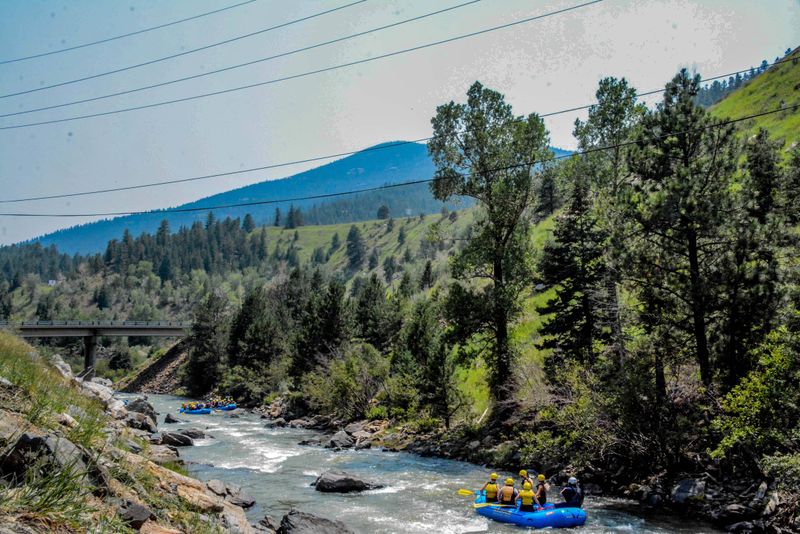
Nothing quite matches the thrill of spotting a majestic elk or watching a family of black bears forage through mountain meadows.
Colorado’s national forests provide habitat for an incredible diversity of wildlife, making them premier destinations for nature watchers and photographers.
Patience and respect for animals’ space lead to encounters that connect you with the wild creatures sharing these mountain ecosystems.
Early morning and late evening offer the best wildlife viewing opportunities when animals are most active and lighting conditions create magical photography moments.
The San Isabel National Forest and Routt National Forest both support healthy populations of elk, deer, moose, and numerous bird species.
Bighorn sheep inhabit rocky high-elevation areas, while beavers build dams in forest streams and ponds throughout lower elevations.
Bringing binoculars or a spotting scope lets you observe animals from safe distances without disturbing their natural behaviors.
A camera with a telephoto lens captures detailed images while maintaining the respectful distance that protects both you and the wildlife.
Field guides help identify different species and learn fascinating facts about their habits, diets, and seasonal patterns.
Never approach, feed, or attempt to touch wild animals, no matter how calm or friendly they appear.
Feeding wildlife creates dangerous situations by habituating animals to humans and altering their natural foraging behaviors.
Stay at least 100 feet from large animals like elk and moose, and even farther from bears or mountain lions if you’re lucky enough to spot them.
Wildlife watching teaches valuable lessons about ecology, animal behavior, and the interconnectedness of forest ecosystems.
Photographing animals in their natural habitat requires developing fieldcraft skills like moving quietly, reading animal body language, and anticipating behavior.
These peaceful pursuits let people of all ages and fitness levels enjoy Colorado’s forests while gaining deeper appreciation for the creatures that call these mountains home.
Snowshoeing Through Winter Wonderlands

When deep snow blankets the forest floor, snowshoes transform impassable terrain into a winter playground accessible to nearly everyone.
This ancient method of travel lets you explore Colorado’s national forests during months when many trails become buried under several feet of snow.
Snowshoeing requires no special skills beyond walking, making it an ideal winter activity for families and beginners seeking snowy adventures.
Modern snowshoes use lightweight materials and clever designs that make them far easier to use than the traditional wooden frames of the past.
You simply strap them onto your winter boots and start walking, with the wide surface area preventing you from sinking into soft snow.
The quiet, rhythmic crunch of snowshoes creates a peaceful soundtrack as you traverse landscapes transformed by winter’s touch.
Many Colorado national forests maintain winter parking areas and marked snowshoe trails, though you can also break your own trail through untracked areas.
The White River National Forest and Gunnison National Forest both offer excellent snowshoeing with stunning winter scenery.
Sunny days showcase brilliant blue skies contrasting with white snow and dark evergreens, while light snowfall creates an almost magical atmosphere.
Snowshoeing provides an excellent cardiovascular workout that burns more calories than regular walking due to the extra effort required to lift snowshoes with each step.
The activity strengthens legs and core muscles while improving balance and coordination on uneven, snow-covered terrain.
Winter exercise also boosts mood and energy levels during months when many people spend too much time indoors.
Dress in layers you can adjust as your body heats up from exertion, and always bring extra clothing in case weather changes suddenly.
Insulated, waterproof boots keep feet warm and dry, while trekking poles provide extra stability and reduce strain on knees during descents.
Snowshoeing opens up Colorado’s forests to winter exploration, revealing a serene beauty that summer visitors never experience.
Camping Under Star-Filled Skies
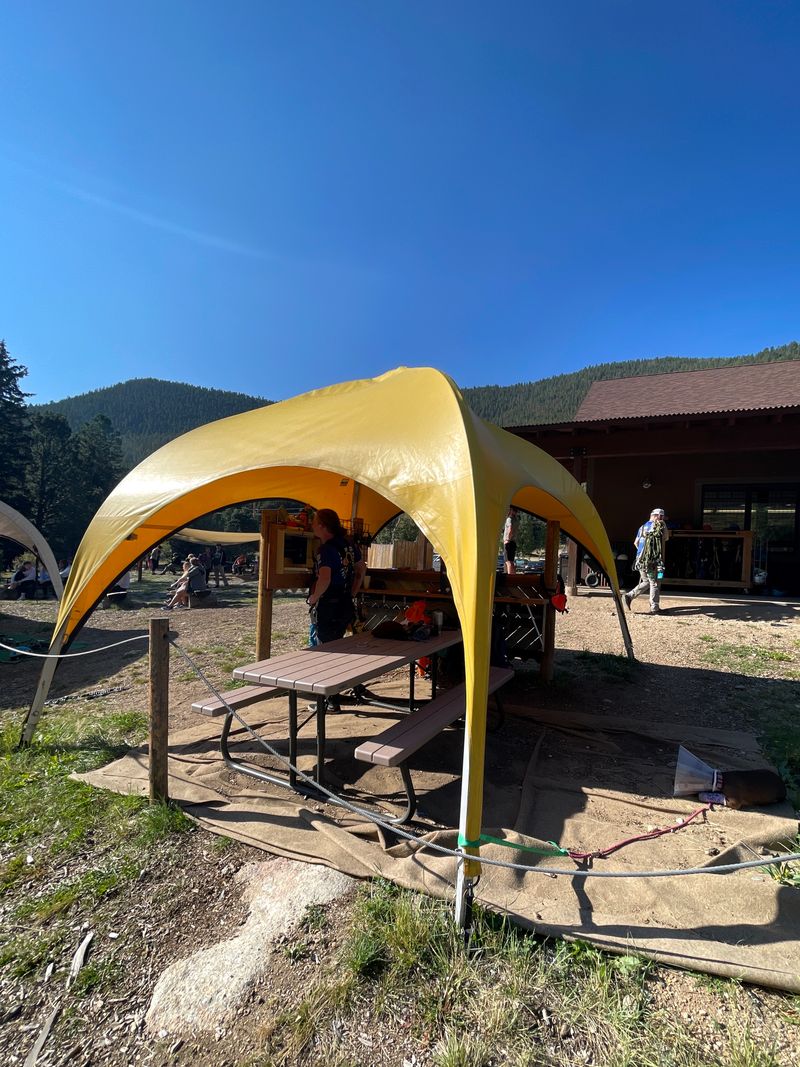
Lying in your sleeping bag while gazing at thousands of stars scattered across the night sky creates profound feelings of wonder and perspective.
Colorado’s national forests offer countless camping opportunities, from developed campgrounds with amenities to primitive backcountry sites miles from the nearest road.
The high elevation and distance from city lights create exceptional stargazing conditions where the Milky Way stretches clearly across the heavens.
Developed campgrounds typically provide picnic tables, fire rings, vault toilets, and sometimes running water, making them perfect for families or first-time campers.
Reservations are often required during peak summer months, especially for popular campgrounds in forests near major cities.
Dispersed camping on national forest land offers more solitude and flexibility, though it requires more self-sufficiency and Leave No Trace knowledge.
Setting up camp before darkness falls makes everything easier and safer, giving you time to gather firewood and organize your campsite.
Bear-proof food storage is essential in many Colorado forests where black bears actively search for easy meals at campsites.
Hanging food bags from tree branches or using bear canisters protects both your supplies and the bears by preventing them from becoming habituated to human food.
Camping teaches valuable outdoor skills like fire building, cooking without modern conveniences, and adapting to changing weather conditions.
Children especially benefit from unplugging from screens and experiencing the simple pleasures of roasting marshmallows and telling stories around a campfire.
The sounds of the forest at night, from hooting owls to rustling nocturnal animals, create a natural symphony you’ll never hear in the city.
Pack appropriate gear including a quality tent, warm sleeping bag, sleeping pad for insulation and comfort, and headlamp for hands-free lighting.
Camping in Colorado’s national forests reconnects people with simpler rhythms of life while creating lasting memories under some of the darkest, most star-filled skies in the country.
Dear Reader: This page may contain affiliate links which may earn a commission if you click through and make a purchase. Our independent journalism is not influenced by any advertiser or commercial initiative unless it is clearly marked as sponsored content. As travel products change, please be sure to reconfirm all details and stay up to date with current events to ensure a safe and successful trip.
