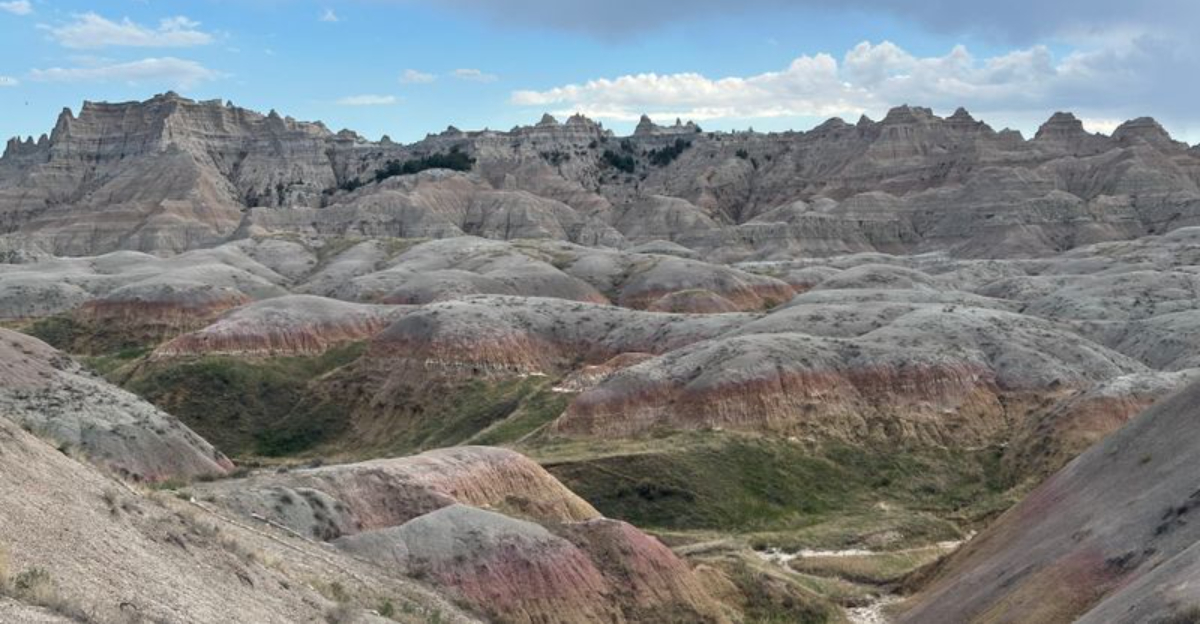
Oklahoma sits right in the heart of America, where prairies meet mountains and red earth stretches as far as the eye can see.
This state offers adventures that cannot be found anywhere else on the planet.
From underground caves to unique rock formations, Oklahoma’s landscape creates opportunities for outdoor enthusiasts seeking something truly special.
Whether you’re a seasoned adventurer or just starting to explore the great outdoors, the Sooner State has something remarkable waiting for you.
The state’s diverse terrain includes everything from rushing rivers to ancient forests, each offering its own set of thrilling experiences.
What makes these adventures so special is that they can only happen here, in this unique corner of the country.
Oklahoma’s natural wonders have been shaped by millions of years of geological activity, creating landscapes that don’t exist anywhere else.
Get ready to discover outdoor experiences that will make your friends back home jealous and give you stories to tell for years to come.
Exploring Alabaster Caverns State Park’s Gypsum Caves
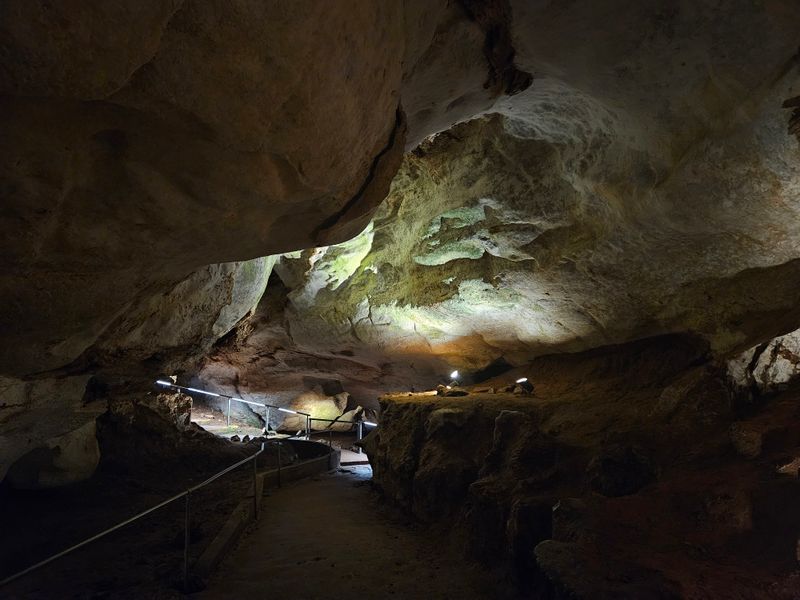
Alabaster Caverns State Park near Freedom, Oklahoma, is home to the largest natural gypsum cave open to the public in the world.
The cave stretches for three-quarters of a mile and features stunning pink and white alabaster formations that seem to glow in the artificial lighting.
Unlike typical limestone caves, this underground wonder was carved through massive gypsum deposits, creating a completely different visual experience.
Visitors can take guided tours that wind through passages filled with selenite crystals, which sparkle like diamonds when light hits them just right.
The temperature inside stays around 55 degrees year-round, making it a refreshing escape during Oklahoma’s hot summers.
Some areas of the cave are large enough to hold a five-story building, while others narrow to passages that require careful maneuvering.
One of the most fascinating aspects is the cave’s resident bat population, which includes several species that hibernate here during winter months.
During certain times of the year, you might spot these flying mammals roosting on the cave ceiling.
The park also offers a rare opportunity to see cave-dwelling wildlife like cave crickets and pseudoscorpions in their natural habitat.
Outside the cave, the park features hiking trails that showcase the unique gypsum landscape, where the white mineral creates an almost otherworldly appearance.
Rock climbers sometimes visit to practice on the gypsum outcroppings, though the soft nature of the rock requires special techniques.
The area around the caverns includes camping facilities, allowing adventurers to spend multiple days exploring this geological treasure.
Photographers particularly love capturing the contrast between the pink and white formations, creating images that look almost surreal.
This adventure combines geology, biology, and pure exploration in a way that simply cannot be replicated anywhere else on Earth.
Climbing the Wichita Mountains’ Ancient Granite Peaks
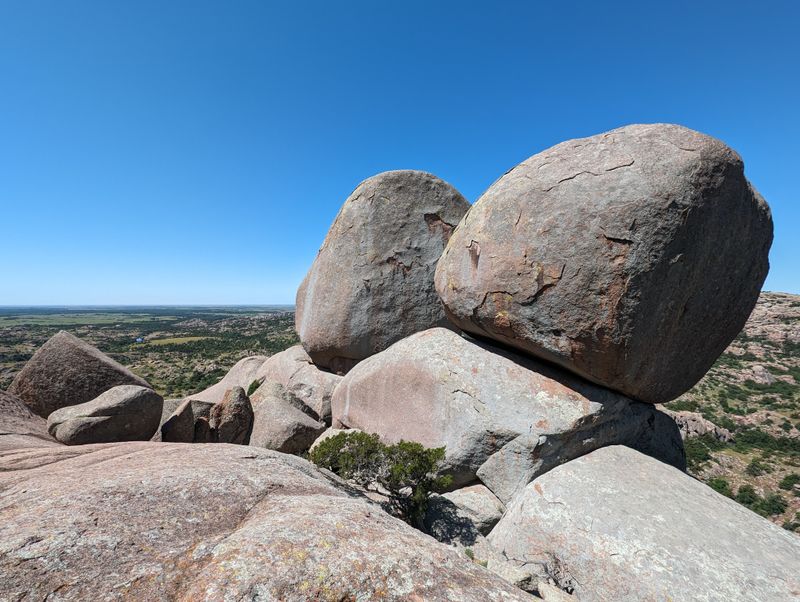
The Wichita Mountains rise dramatically from the prairie floor southwest of Lawton, offering rock climbing opportunities on some of North America’s oldest exposed granite.
These mountains formed over 500 million years ago, making them significantly older than the Rockies or Appalachians.
Their rounded peaks and massive boulder fields create a playground for climbers of all skill levels.
Mount Scott stands as the highest point at 2,464 feet, accessible by both a paved road and hiking trails that challenge your endurance.
From the summit, you can see across three states on clear days, with views stretching over prairies dotted with buffalo herds.
The granite here has a distinctive reddish hue, especially beautiful during sunrise and sunset when the rocks seem to catch fire.
Boulder problems abound throughout the refuge, with names like Crab Eyes and Treasure Island becoming legendary among climbing communities.
The unique texture of Wichita granite provides excellent friction, though the rounded nature of many routes requires creative problem-solving.
Cracks, slabs, and overhangs offer variety that keeps climbers coming back year after year.
What truly sets this adventure apart is climbing while watching free-roaming buffalo, elk, and longhorn cattle graze in the valleys below.
The Wichita Mountains Wildlife Refuge protects these animals and their habitat, creating a scene that looks much like Oklahoma did centuries ago.
Prairie dog towns dot the landscape, and if you’re lucky, you might spot a roadrunner darting between rocks.
Winter climbing here can be particularly special, with crisp air and fewer crowds making for peaceful ascents.
Spring brings wildflowers that carpet the mountain slopes in brilliant colors.
Local climbing guides offer instruction for beginners, while experienced climbers can explore hundreds of established routes or pioneer new ones on the endless granite surfaces.
Paddling the Illinois River Through Scenic Ozark Foothills
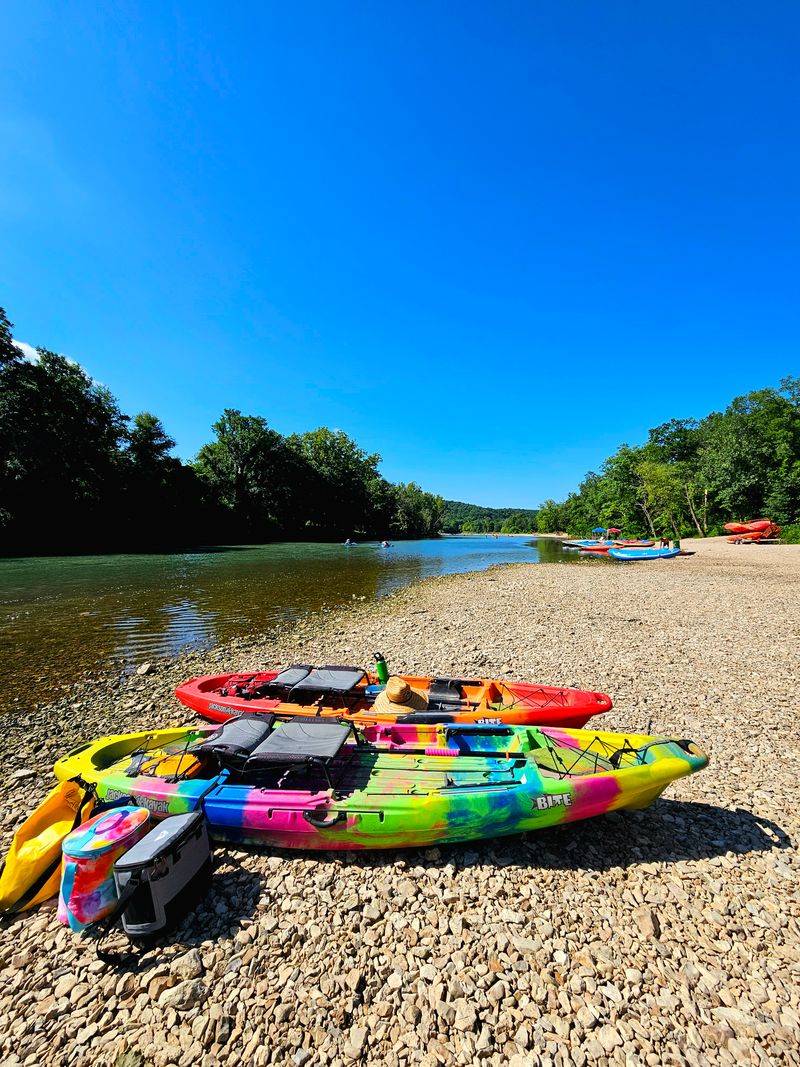
The Illinois River in northeastern Oklahoma offers paddling experiences through some of the most beautiful water in the state.
Crystal-clear springs feed this river, creating turquoise pools that seem almost tropical against the backdrop of Ozark foothills.
The river’s gentle current makes it perfect for beginners, while occasional rapids provide just enough excitement to keep things interesting.
Starting near Tahlequah, the Cherokee Nation’s capital, paddlers can choose from several float trip lengths ranging from a few hours to full-day adventures.
Outfitters line Highway 10, offering canoe and kayak rentals along with shuttle services to put-in and take-out points.
The most popular stretches flow past towering bluffs, swimming holes, and sandbars perfect for picnicking.
Summertime brings crowds of college students and families seeking relief from Oklahoma heat, creating a festive atmosphere on the water.
For a more peaceful experience, try floating during weekdays or in early fall when the leaves turn brilliant shades of red and gold.
The water temperature stays refreshing even in July and August, thanks to those cold spring sources.
Birders love this river for the variety of species that inhabit the riparian zone, including great blue herons, kingfishers, and occasionally bald eagles.
The surrounding forests host deer, wild turkeys, and armadillos that sometimes emerge to drink at the water’s edge.
Underwater, you might spot bass, catfish, and sunfish swimming in the clear pools.
What makes this adventure uniquely Oklahoma is the combination of Ozark scenery with southern hospitality and Cherokee cultural heritage.
Local businesses have been running float trips for generations, and many guides can share stories about the river’s history and ecology.
Camping facilities near the river allow for multi-day adventures, with evenings spent around campfires listening to coyotes howl in the distance.
Whether you’re seeking adventure or relaxation, the Illinois River delivers an experience that captures Oklahoma’s natural beauty perfectly.
Hiking Through Black Mesa’s High Desert Badlands
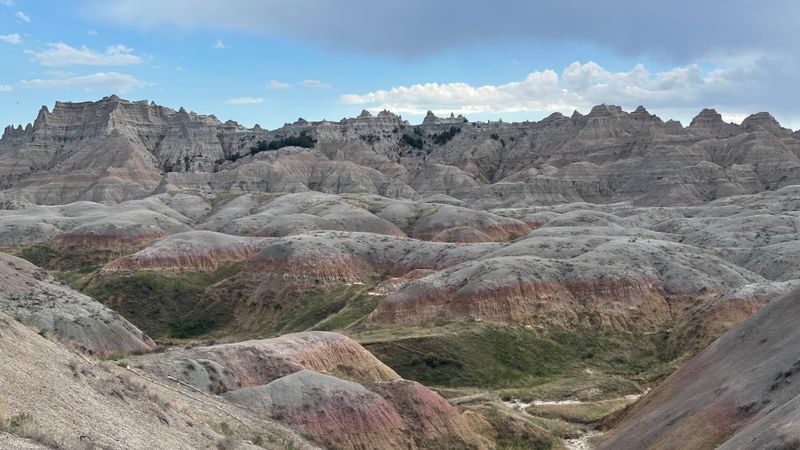
Black Mesa represents Oklahoma’s highest point at 4,973 feet, located in the state’s remote panhandle where three states meet.
Getting here requires driving through seemingly endless high plains, but the journey itself becomes part of the adventure.
The landscape shifts from prairie to high desert as you approach, with sagebrush and yucca replacing the grasses.
A 4.2-mile round-trip trail leads to the summit, crossing terrain that feels more like New Mexico or Colorado than typical Oklahoma.
The path winds through a landscape carved by ancient volcanic activity and millions of years of erosion.
Juniper trees dot the slopes, their twisted trunks testament to the harsh winds that sweep across this exposed terrain.
During the hike, you’ll encounter layers of rock representing different geological periods, each telling part of Earth’s history.
The cap rock at the summit is actually a lava flow from an extinct volcano, creating the flat-topped mesa that gives the formation its name.
From the top, views extend across Oklahoma, Colorado, New Mexico, Kansas, and Texas on exceptionally clear days.
This area hosts wildlife adapted to high desert conditions, including roadrunners, jackrabbits, and occasionally pronghorn antelope.
Rattlesnakes sun themselves on rocks during warmer months, reminding hikers to watch their step.
The night sky here is absolutely spectacular, with minimal light pollution revealing countless stars and the Milky Way in stunning detail.
Many hikers visit at sunrise or sunset when the light transforms the badlands into a painter’s palette of reds, oranges, and purples.
The surrounding Black Mesa State Park offers camping facilities and additional trails for exploring the unique ecosystem.
Spring brings wildflowers that somehow thrive in this seemingly harsh environment, adding unexpected splashes of color.
This adventure showcases Oklahoma’s incredible geological and ecological diversity, proving the state offers far more than just prairies and forests.
Standing at Oklahoma’s rooftop provides a sense of accomplishment and connection to the land’s ancient past.
Rappelling and Caving at Robbers Cave State Park
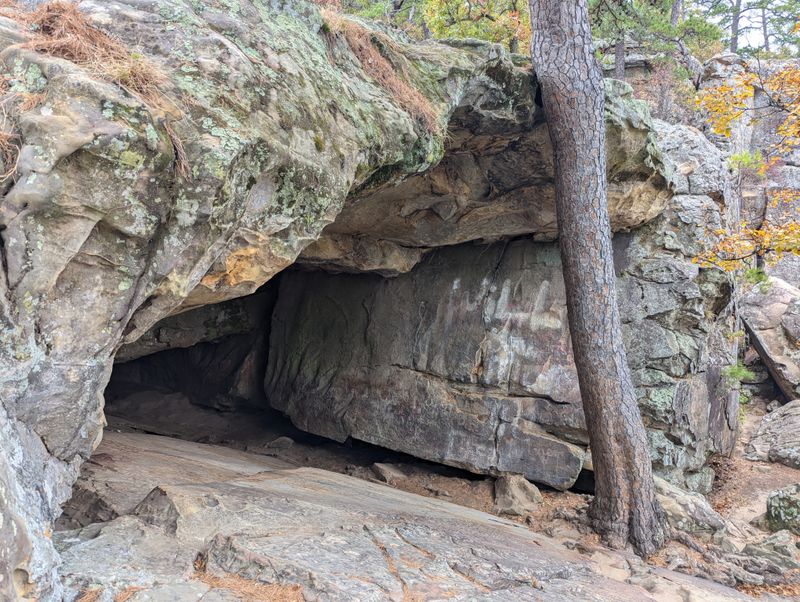
Robbers Cave State Park near Wilburton earned its name from legends of outlaws like Jesse James and Belle Starr hiding in its sandstone caves.
Whether those stories are entirely true remains debatable, but the caves and rock formations are absolutely real and ready for exploration.
The park’s rugged terrain in the San Bois Mountains creates perfect conditions for rappelling, rock climbing, and spelunking.
The main cave sits nestled in a canyon, accessible via hiking trails that wind through dense oak and pine forests.
Inside, the cave opens into chambers where outlaws supposedly stashed stolen goods and evaded law enforcement.
Modern visitors can explore these spaces while imagining life as a 19th-century outlaw on the run.
For adventure seekers, the park offers guided rappelling experiences down sandstone cliffs ranging from 30 to 70 feet high.
Instructors provide all necessary equipment and training, making this accessible even for first-timers.
The feeling of leaning back over the edge and walking down a vertical rock face creates an adrenaline rush that’s hard to match.
Beyond the famous cave, the park contains numerous smaller caves, overhangs, and rock shelters worth exploring.
Some require scrambling over boulders and squeezing through tight passages, adding to the adventurous atmosphere.
The sandstone formations create interesting shapes and colors, particularly beautiful when wet from rain.
Hiking trails throughout the park range from easy nature walks to challenging climbs that test your endurance.
Horseback riding is also popular here, with equestrian trails winding through the mountains.
Two lakes within the park offer fishing, swimming, and paddling opportunities for those wanting water-based activities.
The combination of history, geology, and outdoor recreation makes Robbers Cave unique among Oklahoma destinations.
Cabins and campsites allow for extended stays, giving you time to try multiple activities.
Fall visits are particularly spectacular when the hardwood forests explode in autumn colors, creating a stunning backdrop for your adventures.
This park truly captures the spirit of Oklahoma’s wild past while providing modern outdoor recreation opportunities.
Sandboarding the Little Sahara’s Massive Dunes
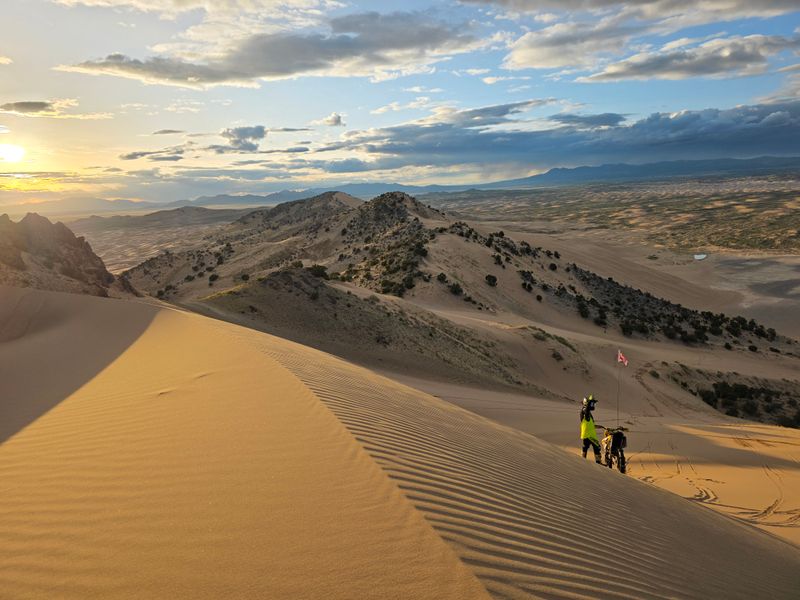
Little Sahara State Park near Waynoka contains over 1,600 acres of sand dunes, some reaching heights of 75 feet.
These dunes formed from an ancient riverbed, and constant winds keep the sand shifting and reshaping the landscape.
The sight of massive sand hills in the middle of Oklahoma surprises most first-time visitors who expect prairies and forests.
Sandboarding here offers thrills similar to snowboarding, except you’re sliding down warm sand instead of cold snow.
Riders wax their boards and carve down the steep dune faces, sometimes reaching impressive speeds.
Wipeouts are common but generally painless, as the soft sand provides a forgiving landing surface.
Many visitors bring sleds, boogie boards, or specially designed sandboards to try their luck on the dunes.
The steepest slopes attract experienced riders looking for maximum speed and air time off natural jumps.
Beginners can practice on smaller dunes before graduating to the giants that dominate the landscape.
Beyond sandboarding, the park is hugely popular with ATV and dirt bike enthusiasts who navigate the challenging terrain.
The sound of engines echoes across the dunes as riders tackle steep climbs and fast descents.
Designated areas separate motorized and non-motorized activities, ensuring everyone can enjoy their preferred adventure safely.
Sunset at Little Sahara creates magical lighting conditions as the low-angle sun highlights every ripple and contour in the sand.
Photographers capture stunning images of shadows stretching across the dunes, creating dramatic patterns.
The sand takes on golden and orange hues that make you feel transported to an actual desert.
Camping facilities allow for overnight stays, and many visitors enjoy stargazing from the dunes after dark.
The open landscape provides unobstructed views of the night sky, revealing constellations clearly visible away from city lights.
Summer visits require sun protection and plenty of water, as the sand reflects heat and temperatures climb quickly.
This unique Oklahoma landscape proves the state’s geography is far more diverse than most people realize, offering adventures found nowhere else in the region.
Bison Watching and Prairie Hiking at Tallgrass Prairie Preserve
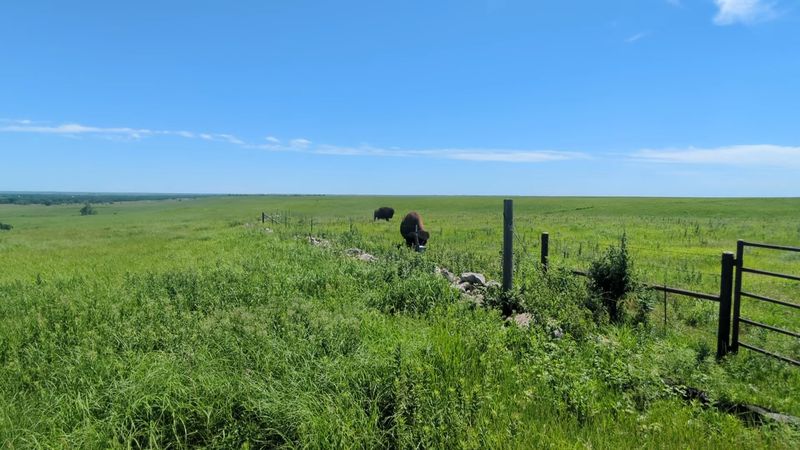
The Tallgrass Prairie Preserve near Pawhuska protects nearly 40,000 acres of native prairie, one of the largest protected tracts remaining in the world.
This ecosystem once covered 170 million acres of North America but now exists in only tiny fragments.
Oklahoma’s preserve gives visitors a window into what the Great Plains looked like before European settlement.
Approximately 2,500 free-roaming bison call this preserve home, managed by The Nature Conservancy to restore ecological balance.
Watching these massive animals move across the prairie in herds creates an almost spiritual connection to America’s past.
Bulls can weigh up to 2,000 pounds, and seeing them up close reminds you of their power and majesty.
Hiking trails wind through the grasslands, offering opportunities to spot bison along with elk, white-tailed deer, and countless bird species.
The preserve is particularly important for grassland birds like greater prairie chickens, whose populations have declined dramatically elsewhere.
Spring mornings bring the unique sound of prairie chicken booming calls during their mating displays.
The tallgrass itself grows impressively high, sometimes reaching eight feet or more by late summer.
Over 750 plant species thrive here, including native wildflowers that bloom in waves throughout the growing season.
Walking through shoulder-high grass gives you a sense of how early settlers must have felt crossing these vast prairies.
Photography opportunities abound, especially during golden hour when the light sets the grasses glowing.
Bison against a backdrop of endless prairie and big Oklahoma sky creates iconic images of the American West.
The preserve also contains historic ranching structures, including the Chapman-Barnard Ranch headquarters.
Autumn brings particularly spectacular scenery as the grasses turn shades of gold, copper, and rust.
Controlled burns conducted by preserve managers create patchwork patterns across the landscape, demonstrating how fire shaped these ecosystems for millennia.
Visiting this preserve offers more than just outdoor recreation; it provides education about conservation and the importance of protecting remaining native landscapes for future generations to experience and appreciate.
Dear Reader: This page may contain affiliate links which may earn a commission if you click through and make a purchase. Our independent journalism is not influenced by any advertiser or commercial initiative unless it is clearly marked as sponsored content. As travel products change, please be sure to reconfirm all details and stay up to date with current events to ensure a safe and successful trip.
