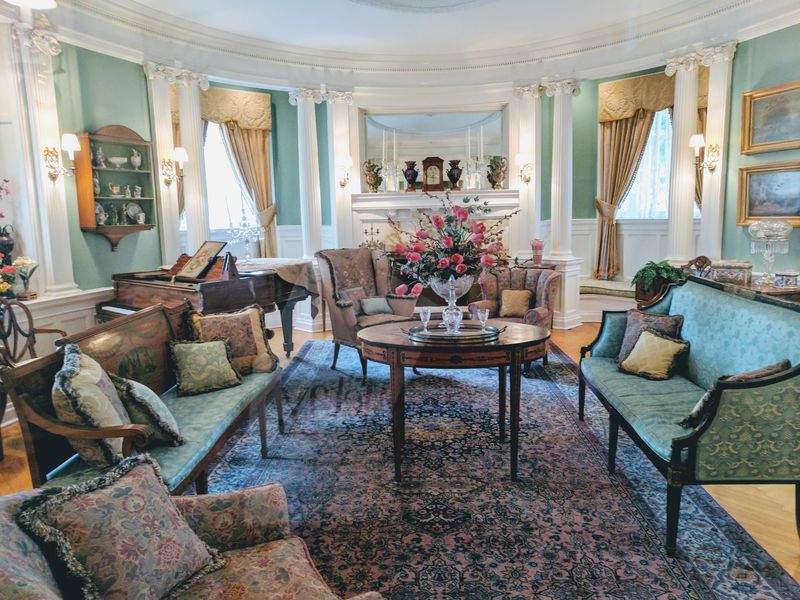
A Pittsburgh businessman put marble mantels in this parlor back in 1856, long before the house was famous. Then a Cleveland industrialist came along and made the whole place even grander.
That house eventually became the first accredited museum in all of West Virginia. It still holds 13 restored period rooms, plus displays from an old general store and a vintage pharmacy.
I like how one hilltop home can tell the story of a whole river city and its people. Grand columns, stained glass, a sweeping staircase and marble floors all share space with letters and family portraits.
I can’t imagine a better rainy-day escape for curious grown-ups who love old houses and older stories. So how did a farmhouse from the 1840s end up as a gift to an entire city?
The Hilltop House That Earned West Virginia’s First Museum Accreditation
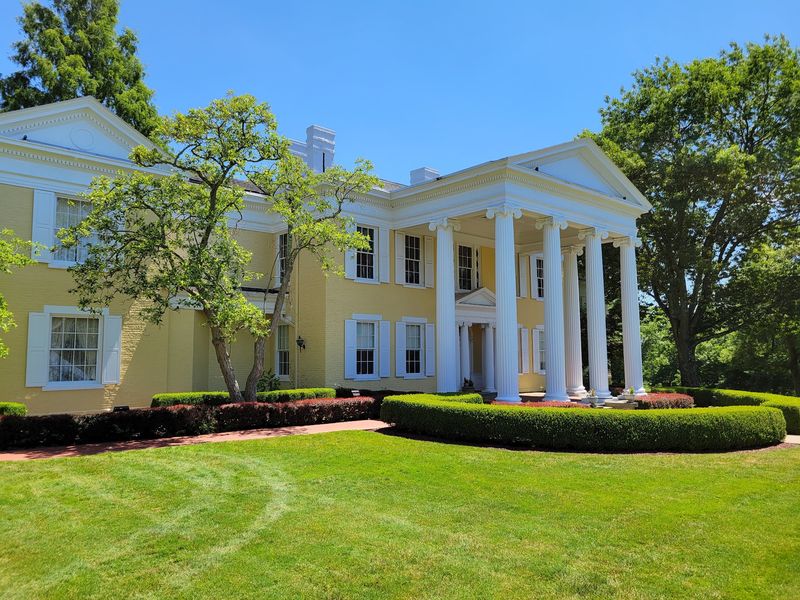
Bragging rights don’t come much bigger for a house museum. The Oglebay Mansion Museum in Wheeling holds the honor of being the first accredited museum in West Virginia.
You’ll find it inside Oglebay Park, the sprawling public estate on the hills above the city. The mansion sits right in the middle of the action, close to gardens, lawns and other park attractions.
Today the house operates under Oglebay Institute, the group that cares for its collections. That means the rooms are more than pretty backdrops.
They’re carefully arranged spaces meant to teach you something about the people who lived here.
I love that the museum isn’t stuffy about it. The tour is self-guided, so you can wander at your own pace and linger wherever your curiosity lands.
Inside, the stories stretch well beyond one wealthy family. Exhibits trace Wheeling from its early settlement days into the early twentieth century, which makes the place feel like a local history book you can actually walk through.
Here’s a nice bonus for planners. The mansion pairs easily with a full day in the park, so it rarely ends up as a lonely, single-stop trip.
Most folks treat it as the elegant centerpiece of a bigger outing.
Long Before The Columns, There Was Waddington Farm
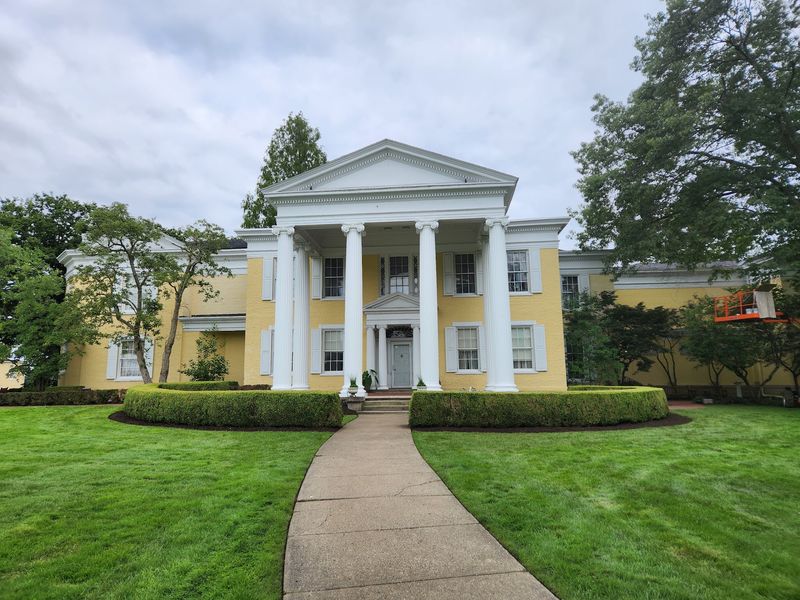
Every grand mansion starts somewhere, and this one began as a farmhouse. Around 1845, Hanson Chapline built the original house on land known as Waddington Farm.
That humble start explains a lot about the building’s bones. It wasn’t designed as a showpiece from day one.
Instead, it grew and changed as each new owner added a fresh layer.
The first big upgrade came in 1856. George W.
Smith, a businessman from Pittsburgh, expanded the property and added a service wing to handle daily household work.
Smith also brought in something fancier. He installed marble mantels in the parlor, giving the farmhouse its first real touch of polish and stone.
I think that early chapter makes the whole visit richer. When you stand in those rooms, you’re seeing more than one era at once.
Farm roots, mid-century improvements and later luxury all overlap under the same roof.
Some guests even describe parts of the home as feeling closer to a giant farmhouse than a palace. Honestly, that’s part of its charm.
The house never fully hid where it came from, and its West Virginia farm beginnings still peek through the elegance.
How A Cleveland Industrialist Gave The Farmhouse Its Glow-Up
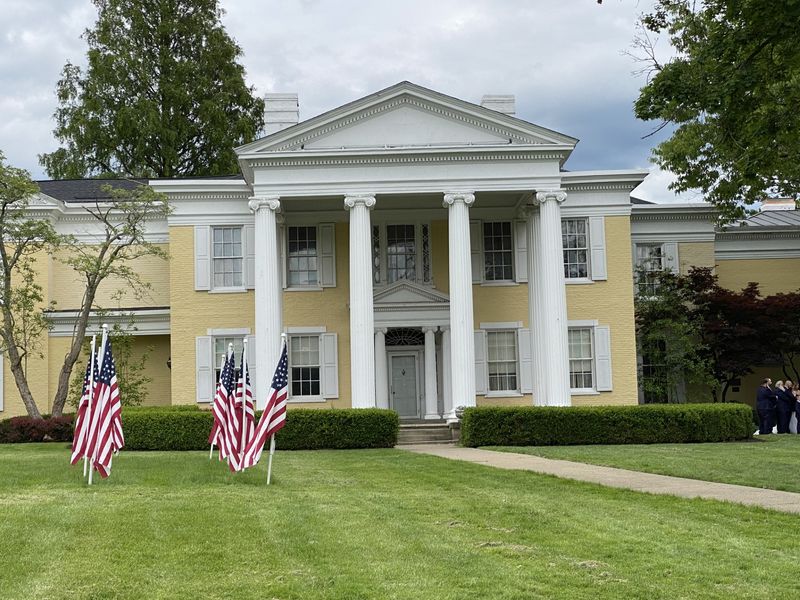
Talk about a makeover. In 1900, Cleveland industrialist Earl W.
Oglebay bought the estate, and the old farmhouse was never quite the same.
Oglebay didn’t just redecorate. From 1901 to 1905, he hired the architects Franzheim and Klieves to renovate the house from top to bottom.
The result is the Neo-Classical Revival look you see today. Grand columns frame the exterior, and the style leans toward the stately and symmetrical.
Inside, the craftsmanship gets even more interesting. Elaborate woodwork, multiple fireplaces and stained-glass windows show how much care went into the transformation.
A grand central staircase anchors the home, too. It’s the kind of feature that makes you slow down and look up, which is exactly what a showpiece staircase should do.
I find it fun to compare the two eras in your head while you tour. One owner built a working farm.
Another turned it into a country retreat fit for one of the busiest business minds of his time.
That four-year renovation is the reason the Oglebay Mansion Museum feels so polished now. Without it, Wheeling would have kept a nice farmhouse instead of a landmark.
All That Marble Deserves A Closer Look
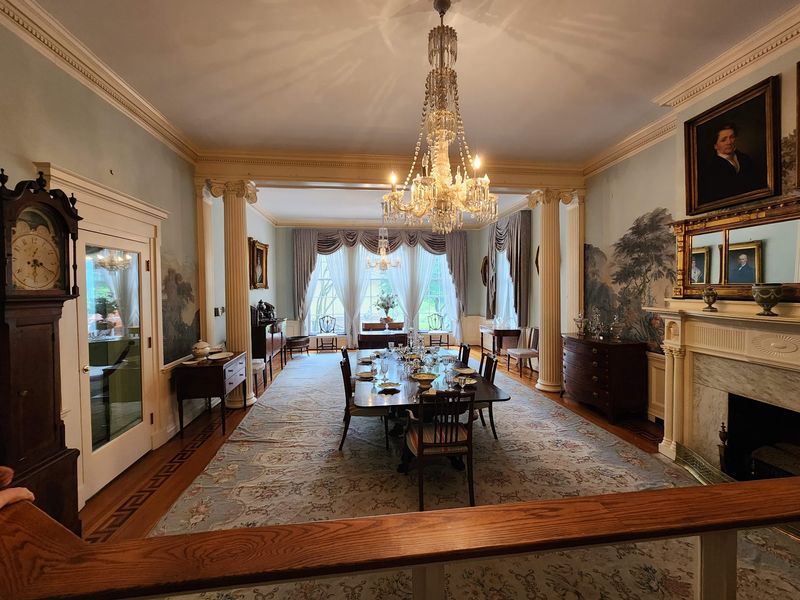
Stone tells you a lot about ambition. At the Oglebay Mansion Museum, marble shows up in places meant to impress, from parlor mantels to the floors underfoot.
The oldest examples date back to the 1856 upgrade. That’s when George W.
Smith added marble mantels to the parlor, long before the Oglebay name was attached to the house.
Later renovations added even more elegance. Marble floors are among the architectural highlights, and they help give the rooms a cool, refined feel.
Counting every slab and tile is tricky work, and exact totals can vary by source. What matters more is how often the material appears once you start paying attention.
Here’s a fun game for your visit. Try spotting each fireplace and comparing its look to the others, since the house has several.
Marble in a home like this was a statement piece, not just a building choice. It signaled wealth, permanence and good taste all at once.
I like that the stone links different owners together, too. Smith’s mantels and Oglebay’s grand improvements now live side by side.
It’s a quiet reminder that this house was shaped by more than one dreamer.
Thirteen Rooms Frozen In The Edwardian Era
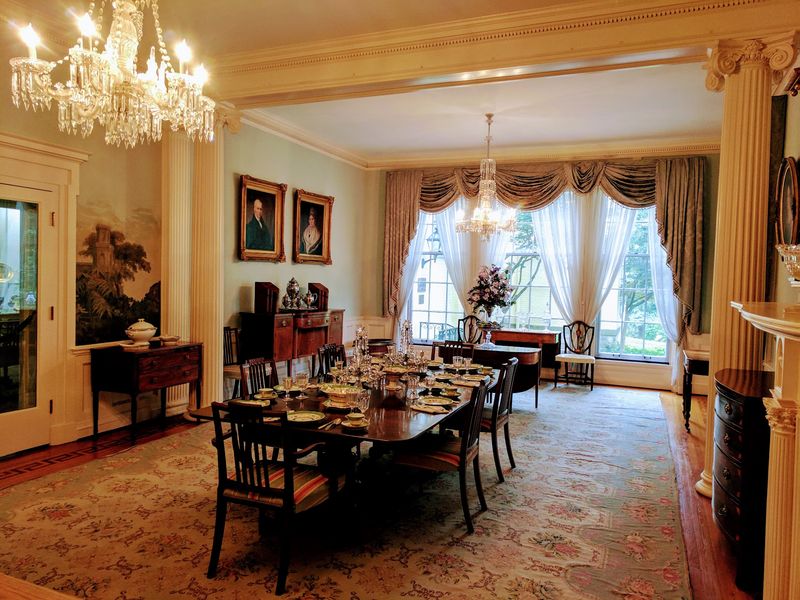
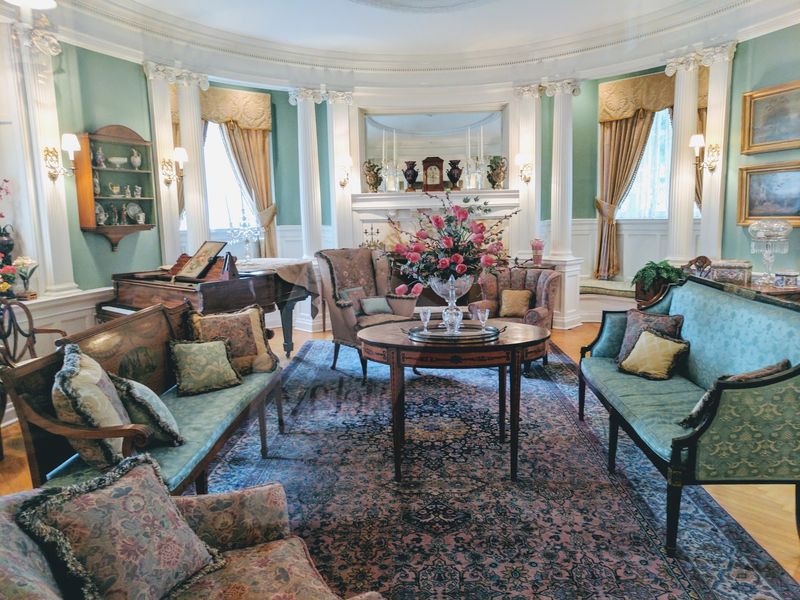
Thirteen rooms is a lot of house to explore. Each one at the Oglebay Mansion Museum has been restored to give you a glimpse of the Edwardian era.
The collections lean heavily on American furniture. You’ll also see fine china and decorative arts, the kind of pieces that once defined a well-run household.
Portraits line the walls in places. They help put faces to the names you keep hearing as you move from room to room.
What I appreciate most is the sense of daily life. These spaces aren’t arranged like a showroom.
They feel like rooms someone might return to after a long afternoon in the garden.
The self-guided format works nicely here. You can study a carved chair for five minutes or breeze through a hallway, and nobody rushes you along.
Fair warning for minimalists: the rooms are full. Many furnishings came from donations over the years, so some spaces look busy with history.
That richness is exactly the point for antique lovers, though. If you enjoy old craftsmanship, family heirlooms and a good dining table, plan extra time.
Thirteen rooms can easily stretch into a slow, happy afternoon.
An Old General Store And Pharmacy Hide Inside The Mansion
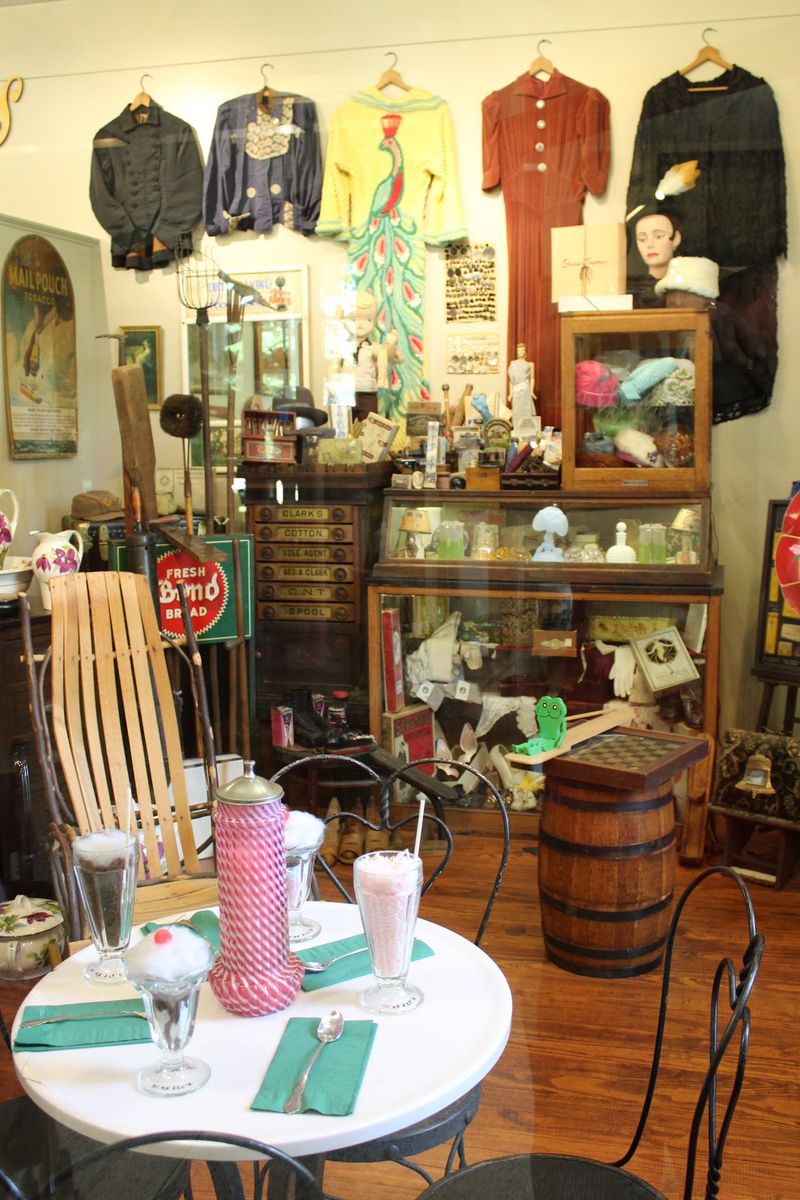
Nobody expects to find a pharmacy inside a mansion. Yet the Oglebay Mansion Museum features exhibits from the Wymer General Store and the Sinclair Pharmacy.
Those displays shift the story from one family to an entire community. Suddenly you’re thinking about everyday shopping, medicine and the small businesses that kept Wheeling running.
For many West Virginia readers, this part may spark a few memories. Old storefront displays have a way of pulling up stories from grandparents and hometown Main Streets.
Okay, scratch that phrase and try this one. Vintage counters and shelves simply make history feel personal, because almost everyone has a family tale about the corner store.
There’s also a room devoted to Wheeling area history. It gives broader context to the city’s growth, from early settlement into the early twentieth century.
The museum also hosts changing exhibits in its Sauder Gallery. That means repeat visits can bring something new, which is great news for locals who swing by more than once.
I think these exhibits are the secret strength of the whole visit. The grand rooms impress you.
The store and pharmacy make you smile and say, I remember something like that.
The Generous Gift That Turned A Private Estate Public
Generosity on this scale is rare. When Earl W.
Oglebay passed in 1926, he left his entire estate to the city of Wheeling for public use.
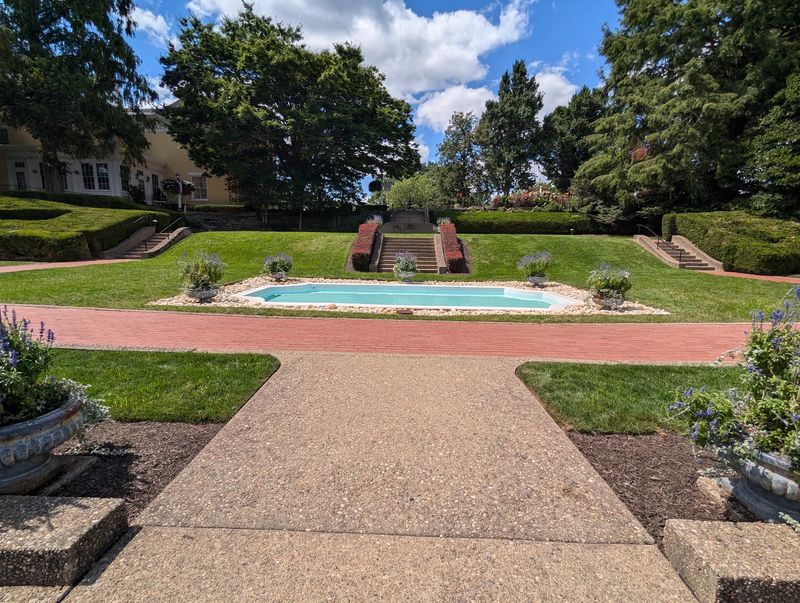
That single decision created Oglebay Park. A private country retreat became a shared space for families, students, gardeners and history fans.
The mansion opened its doors as a museum in 1930. Since then, it has welcomed generations of visitors curious about how the estate once lived and worked.
Recognition followed over the decades. In 1979, the house was listed on the National Register of Historic Places, cementing its place in the state’s story.
Inside, portraits, letters and personal artifacts help explain the Oglebay family and their contributions. You get a sense of how he made his fortune and how much he cared about the area.
I find that gift genuinely moving. So many grand houses stayed private or vanished altogether.
This one became a community treasure instead.
It’s a story West Virginia can be proud of, especially in a city shaped by industry and hard work. Every visitor, in a small way, is enjoying Oglebay’s long-lasting thank-you note to Wheeling.
Holiday Season Turns The House Into A Designer Showcase
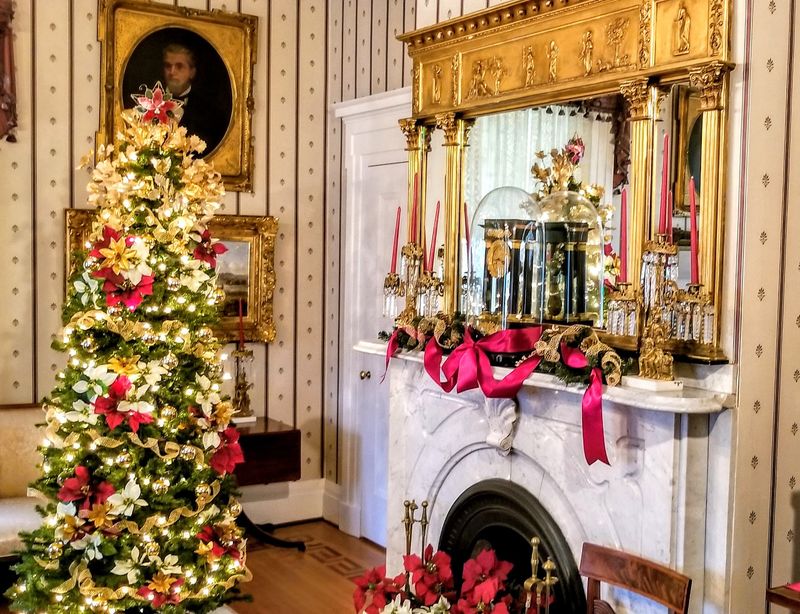
Garland, trees and twinkling lights take over every winter. During Holidays at the Mansion, the historic home gets lavishly decorated for the season.
The decorating isn’t done by one person. Professional and amateur designers each bring their own ideas, so rooms can look wildly different from one another.
Themes may change from year to year. One recent season leaned into Christmas movie inspiration, which surprised folks hoping for strictly period-style decor.
I think that variety is part of the fun. You never quite know what’s waiting behind the next doorway, and that keeps the tour lively.
Christmas decorations come up often when people talk about this place. Many treat the mansion as a must-do stop during the holiday stretch.
The timing works beautifully with the rest of Oglebay Park, too. The park’s famous Festival of Lights makes a natural follow-up once the sun goes down.
Here’s a tip for planners. Head to the mansion in the afternoon, then drive the lights after dark.
That pairing turns a simple museum visit into a full holiday tradition, and it might become your family’s favorite December ritual.
Gardens, Glass And A Zoo Wait Just Outside The Door
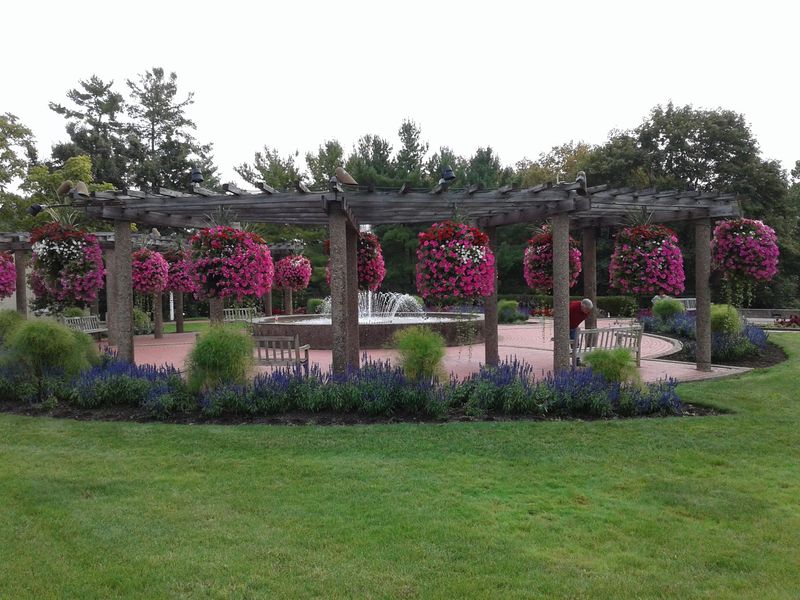
Stepping outside doesn’t end the visit. It just opens the next chapter, because the mansion sits within one of the region’s busiest public parks.
Right nearby, the Carriage House and other outbuildings offer clues about how the estate operated day to day. They show the working side of country living.
The Glass Museum is close by as well. It’s a natural pairing, especially if you enjoy decorative arts after touring the mansion’s china and furnishings.
Flowers deserve their own mention. The botanical gardens around the area are a major draw, and couples often choose them for wedding ceremonies.
Families and grown-ups alike will find more to fill the day. The Oglebay Good Zoo, golf courses and plenty of recreation options all share the same grounds.
Paddle boats even pop up as a favorite warm-weather activity. That’s a nice change of pace after an hour spent admiring mantels and staircases.
I love how easy it is to build a whole day here. Start indoors with history, wander the gardens, then pick an adventure.
Honestly, the toughest part might be deciding what to skip.
Plan Your Visit And Let The Old House Work Its Charm
Good news for flexible schedules: the museum keeps generous hours. The Oglebay Mansion Museum is open daily from 10 a.m. to 5 p.m.
It does close on Christmas Day and New Year’s Day. Plan around those dates if you’re mapping out a holiday trip.
Since schedules can shift, a quick check before you drive is smart. A little planning beats arriving to a locked front door.
You’ll find the museum at 1330 Oglebay Dr, Wheeling, WV 26003. Parking is available on the grounds, which makes the arrival pretty painless.
Give yourself at least an hour for the house itself. Add more time if you plan to explore the store exhibits, the gallery or the gardens.
So, is it worth the trip? I believe it is, especially for anyone who loves old homes, local history or a peaceful afternoon of browsing.
The mansion won’t overwhelm you with flash. Instead, it rewards curiosity with marble, woodwork, family letters and a story of remarkable generosity.
For a farmhouse that became a city’s gift, that’s a pretty wonderful legacy to wander through.
