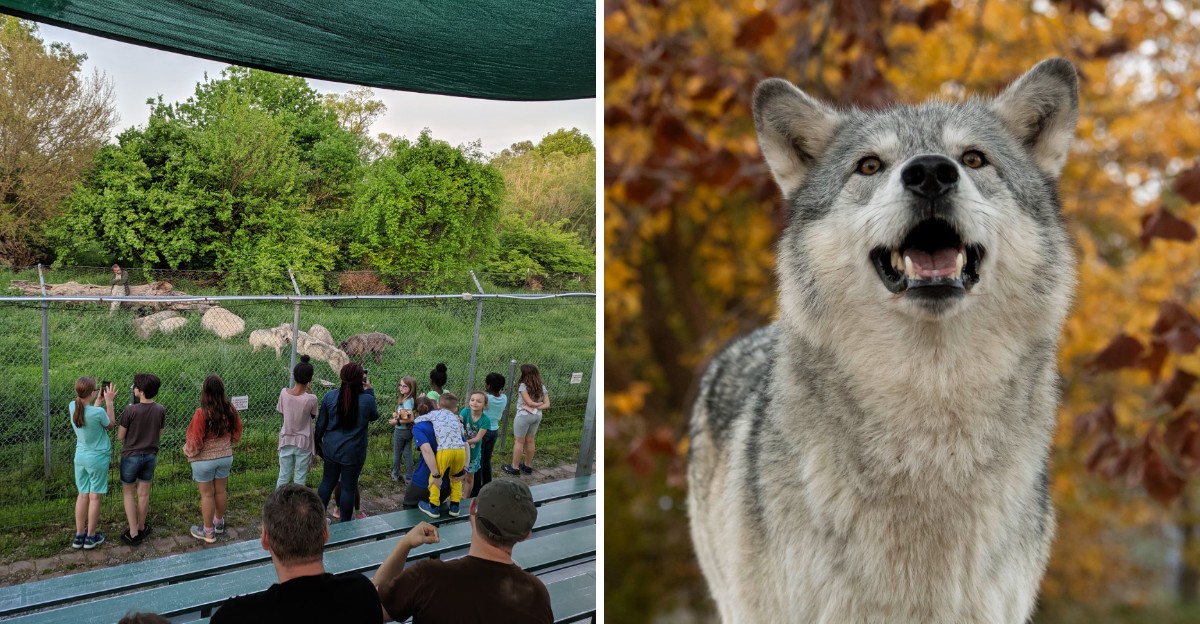
Somewhere in the countryside, a group of strangers tilts their heads back at dusk and howls on purpose. Then a pack of real wolves often howls right back.
That alone would sell me. But this spot also lets you witness those same wolves put their razor-sharp hunting drives to the test.
You can watch up close as they tackle complex behavioral puzzles and feeding routines designed to spark their wild instincts, which is a pretty incredible thing to see.
I like how the whole place runs on curiosity instead of cages. It started as a research project by a university professor who wanted to understand how wolf families actually behave.
Today it sits on rewilded farmland in Indiana, where wolves vanished from the wild over a century ago.
I can’t imagine a better excuse for a road trip.
A Professor’s Big Question Started Everything
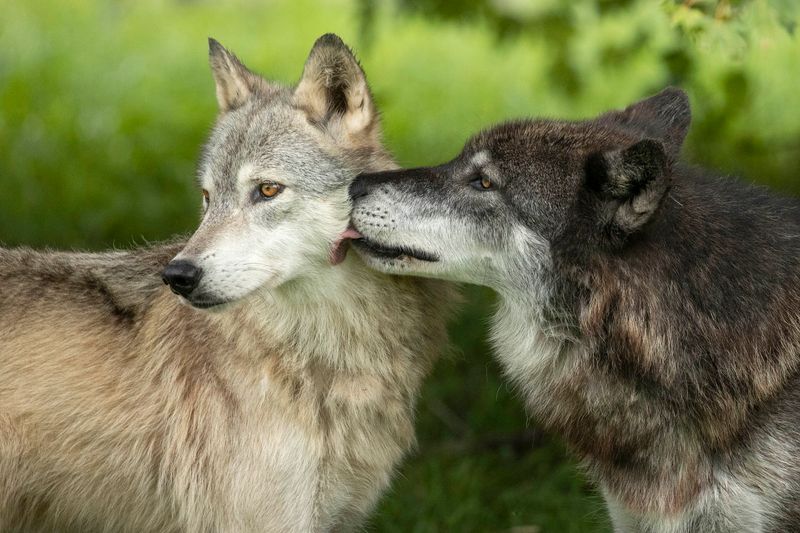
Back in 1972, Purdue University professor Dr. Erich Klinghammer had a problem. Wild wolves were tough to study because they avoided people.
His solution became Wolf Park, first known as the North American Wildlife Park Foundation. Klinghammer specialized in ethology, the science of animal behavior.
He joined Purdue’s Department of Psychological Sciences in 1968. A few years later, he began his wolf research with two wolves named Koko and Cassie.
Those first two came from the Brookfield Zoo in Chicago. From that small start grew a place that changed how people understand wolf families.
Researchers here made early studies of wolf howls. They also developed the Wolf Ethogram, a detailed catalog of wolf behaviors and sounds.
That catalog matters more than it might seem. It gives scientists a shared language for describing what wolves do and why.
The park celebrated its 50th birthday in 2022, which is impressive for any nonprofit. It still operates as a 501(c)(3) focused on research, education, and conservation.
So when you visit, you’re stepping onto ground where serious science happened. Not bad for a project that began with one curious professor and two wolves.
Your Howl Might Actually Get an Answer Here
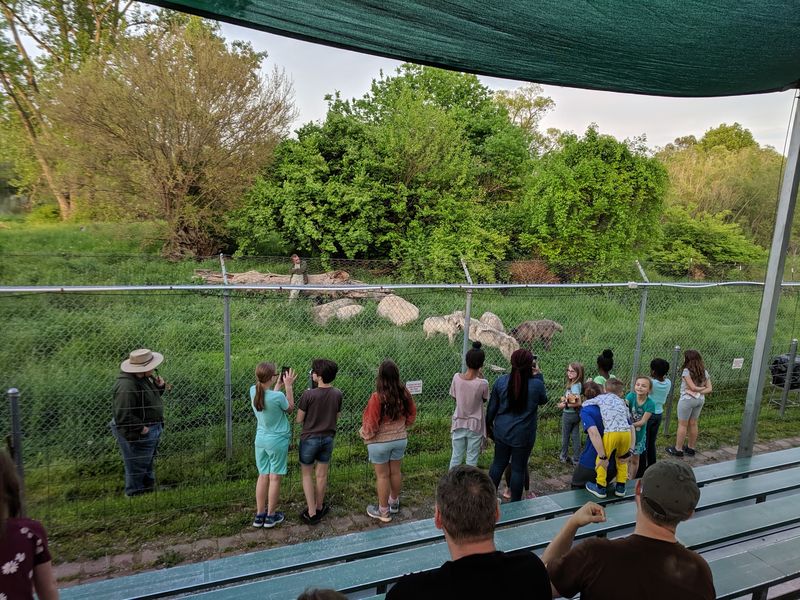
Few evening plans end with wolves talking back to you. At Wolf Park, that happens on a regular basis during the popular Howl Night program.
Guests gather for an up-close look at the resident wolves as the day winds down. Guides explain how wolves communicate, from long howls to body language that says more than words ever could.
Then comes the fun part. Visitors are encouraged to try howling with the pack, and the wolves often respond with a chorus of their own.
Don’t worry about sounding silly. Everyone around you is doing the exact same thing, and the wolves won’t judge your vocal range.
The program also gives you a peek at wolf personalities. Some are bold and curious, while others hang back and watch the crowd with calm interest.
Families love it, and it makes a memorable birthday surprise for any young wolf fan. Kids get to learn real science while making noise, which feels like a parenting win.
Howl Nights fill up, so reserving a spot ahead of time makes sense. Dress for the weather, since programs take place outdoors.
Bring a light jacket on cooler nights. You’ll want to stay put once the howling starts.
Instincts in Action Shows How These Predators Think
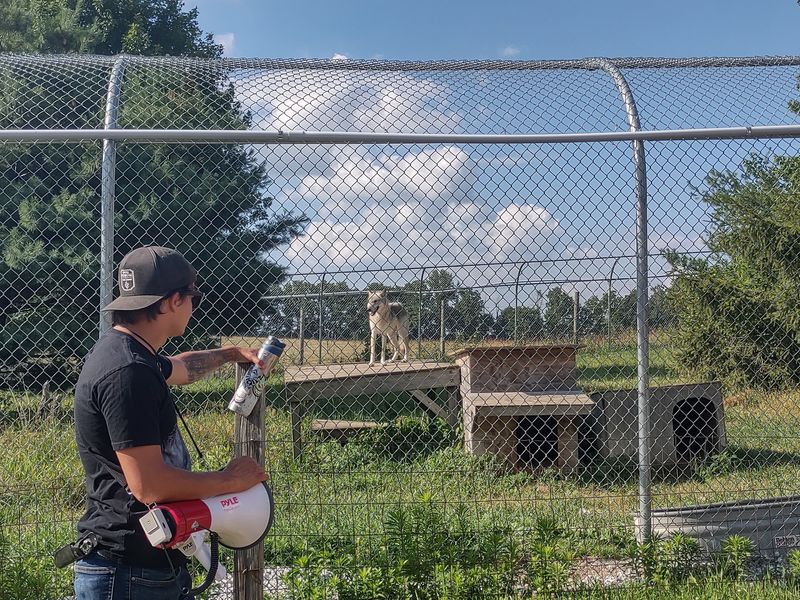
Watching an animal’s natural adaptations spring to life beats reading a textbook any day. At Wolf Park, this happens during the popular Instincts in Action demonstration.
The program typically runs on weekends. Visitors watch closely as the resident gray wolves and foxes tackle dynamic, enriching feeding routines designed by their caretakers.
In the wild, canine predators rely on intense mental strategy and coordination. They size up challenges, solve problems, and work together to access a meal.
That’s exactly what you see here. The animals showcase their natural problem-solving skills, lock into their hunting drives, and navigate their unique pack dynamics.
Here’s a reassuring fact for the animals’ health. These feeding tasks are meticulously structured by expert biologists to perfectly mimic natural wildlife behaviors.
The encounter turns a complex biological concept into a live experience. Kids who glaze over at diagrams usually snap to attention when a wolf interacts with its environment.
It also shows how behavioral enrichment keeps captive carnivores mentally sharp and physically fit. Healthy packs stay thriving because caregivers continuously challenge them.
Check the schedule before you plan your trip around it. Seasonal timing matters, and weekends in the warmer months are your best bet.
Room to Roam Across This Eighty-Acre Home
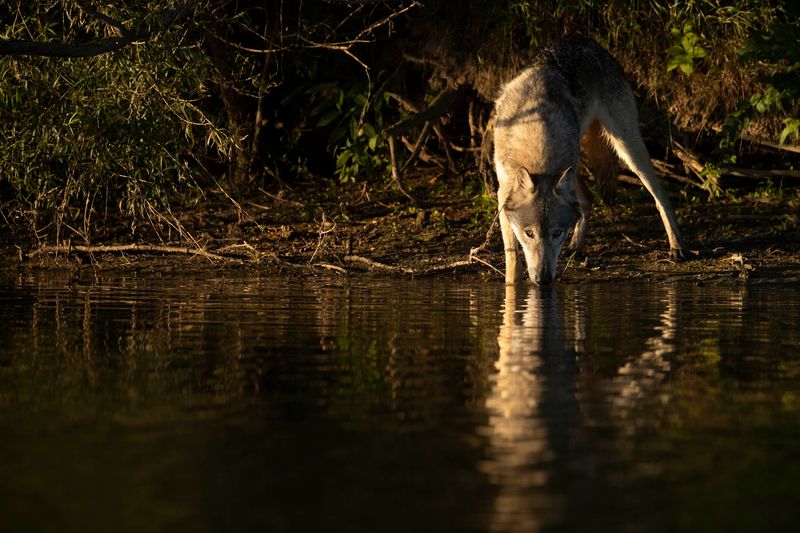
Wolves get bored, just like the rest of us. That’s why staff rotate them between different habitats every few days.
The moves mimic natural roaming and give the animals new places to sniff and explore. Think of it as a wolf version of rearranging the furniture.
Wolf Park covers nearly eighty acres of rewilded farmland. Rolling Indiana prairie surrounds the semi-natural enclosures where the animals live.
The biggest habitat is Turtle Lake, a seven-acre rewilded area. It offers plenty of space, water, and natural cover.
Habitats are designed so animals can step out of public view if they choose. That means you might not see every wolf on every visit.
Honestly, that’s part of the charm. You’re seeing animals living on their own terms, not performing on a schedule.
Hot afternoons often send wolves to the shade for a nap. Cooler days and early or later tour times may bring more movement.
Patience pays off here. Scan the tree lines and tall grass, and you may spot a wolf watching you first.
Foxes, Bison, and a Box Turtle Join the Cast
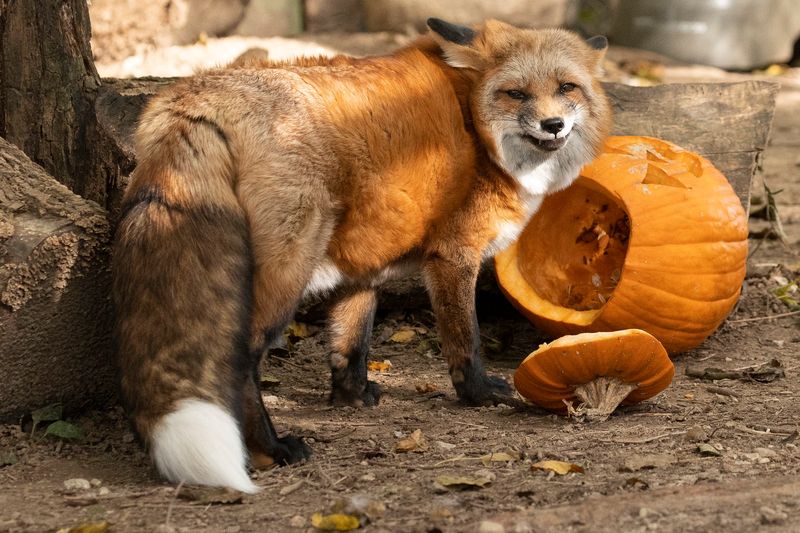
Wolves get top billing, but the supporting cast deserves applause too. Wolf Park also cares for red and gray foxes, American bison, and Eastern box turtles.
Every animal here is currently or historically native to Indiana. That theme ties the whole park together in a smart way.
Wolves haven’t been seen in the wild in the state since 1908. Bison disappeared even earlier, around 1808.
Seeing them on Indiana soil again feels like flipping through a living history book. It’s a reminder of what the land once held.
The foxes bring a quick, clever energy to the tour. Gray foxes are also known for climbing, which surprises plenty of people.
The bison herd moves at its own easygoing pace. On warm days, they may be cooling off in the water.
Then there’s the humble box turtle, quietly stealing hearts. Not every star needs speed or a howl.
Guides share how each species fits into its ecosystem. You’ll leave with a bigger picture of Indiana wildlife, past and present, than you probably expected.
Book the Guided Walk for the Best Views
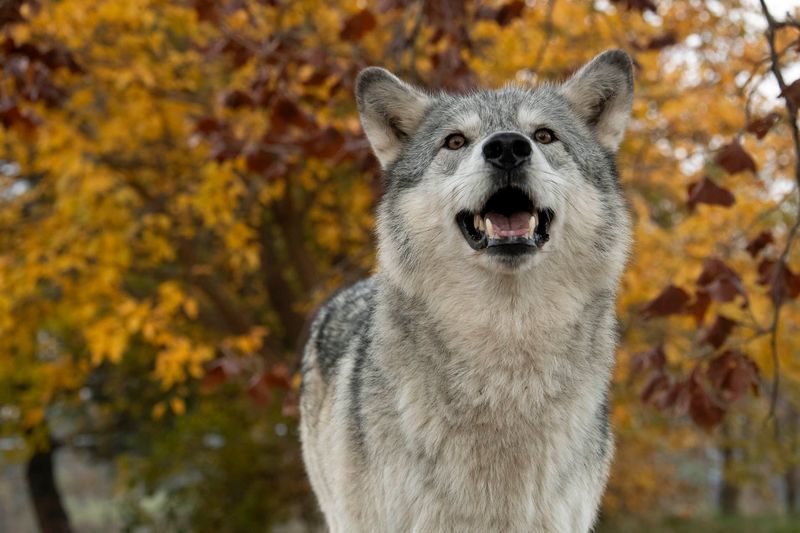
Half a mile doesn’t sound like much. On the Save Wolves Save Wilderness Tour, it packs in a surprising amount.
This guided walk at Wolf Park lasts 45 minutes to an hour. Along the way, you’ll learn about wolves, foxes, bison, and their roles in nature.
Guides blend storytelling with interactive moments. You’ll hear about pack dynamics, communication, and the drama that comes with any big family.
Yes, wolves have family squabbles too. Sometimes certain wolves simply don’t get along and need their own space.
Tours give you closer looks than wandering on your own. You’ll observe animals in naturalistic habitats, though touching or entering habitats isn’t part of regular tours.
Reservations are encouraged because spots can be limited. Check the schedule before heading out.
Wear comfortable walking shoes, since the paths are outdoors. Pack water, sunscreen, bug spray, and a hat for warmer months.
Got questions? Bring them along.
The staff clearly enjoy answering them, and you might walk away knowing more than your science teacher.
Close Bonds Explain Why the Wolves Seem So Calm
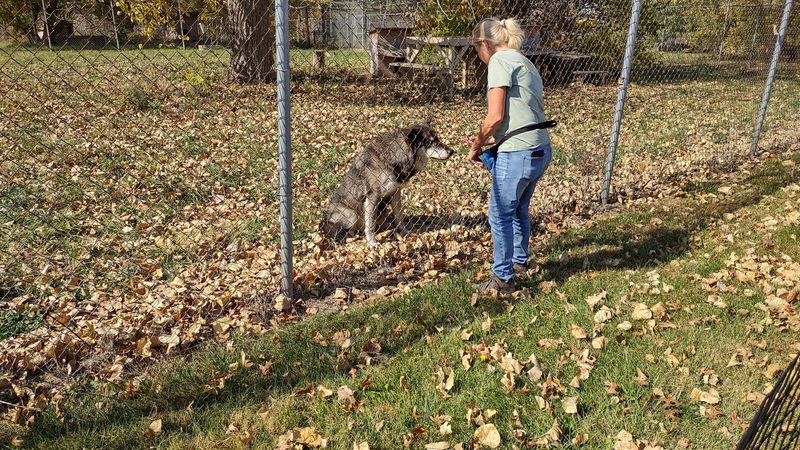
Most wolves keep far away from people. The ones here grew up differently, and that changes everything.
Wolf Park wolves are tamed through an intensive hand-raising process. That early contact helps them stay relaxed around humans.
Why does it matter? Calm wolves act more naturally when people are nearby.
Wild wolves usually hide or flee, so scientists struggle to watch their social lives up close. Here, researchers can observe real pack behavior without wolves panicking.
That approach powered decades of research at the park. It’s a big reason the place earned its reputation in wolf science.
For visitors, it means a rare chance to see caretakers working near wolves. Watching that trust in action is genuinely fascinating.
Just remember the rules. Guests don’t touch the wolves or snap selfies with them, and that keeps everyone safe and comfortable.
The goal is respect, not petting zoo vibes. Admire the bond from your side of the fence, and you’ll still feel remarkably close to a true wild species.
Pumpkins, Turkeys, and Holiday Howls Fill the Calendar
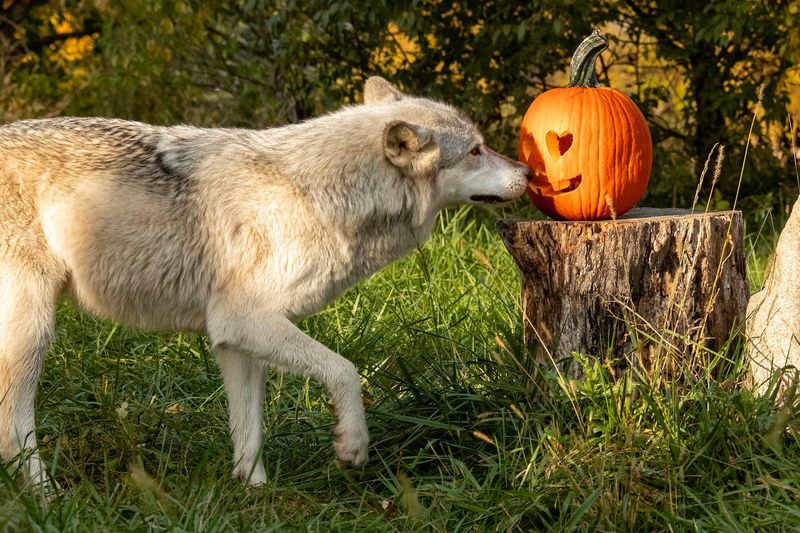
Wolves playing with pumpkins might be the cutest fall tradition in the Midwest. Wolf Park hosts a Pumpkin Party that leans fully into that idea.
The fun doesn’t stop there. Seasonal events include Howl-O-Ween, Turkey Toss, Holiday Howl Nights, and a Birthday Party.
Each one gives you a fresh reason to come back. The same wolves can feel brand new when the season and setting change.
There’s also Picnic with the Pack for anyone who loves eating outdoors. Pack a meal and enjoy the scenery with a wild soundtrack.
Photographers get their own programs too. Some have been led by renowned wolf photographer Monty Sloan.
One tip for camera fans matters a lot. Skip the flash, since it can disturb the animals.
Kids can join summer camps like Art and Enrichment Camp or Junior Keeper. School groups also visit on educational field trips.
Event dates shift from year to year, so check the calendar early. Popular events can fill fast, and nobody wants to miss the pumpkin smashing.
Just a Short Country Drive From Lafayette
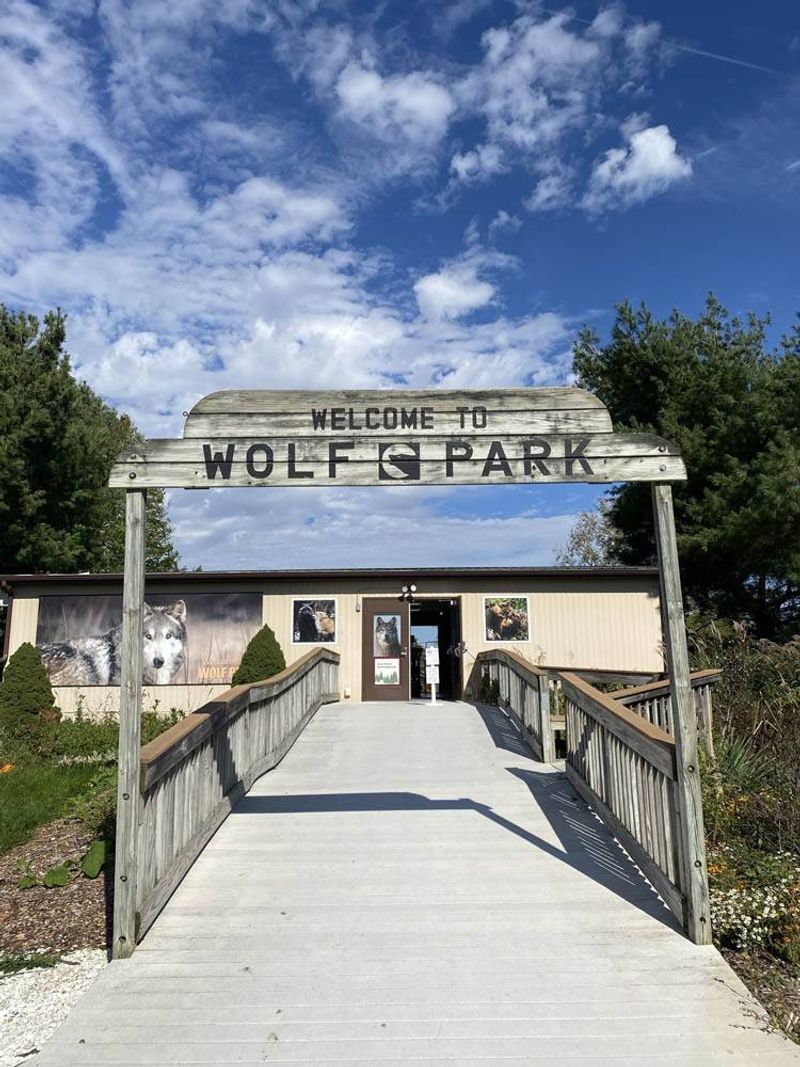
Lafayette and West Lafayette sit only about 15 minutes away. That makes this Indiana wildlife stop an easy add-on to a Purdue visit.
You’ll find Wolf Park at 4004 E 800 N, Battle Ground, IN 47920. The drive takes you into quiet farmland and open prairie.
Once you arrive, there’s more than wolves to enjoy. The grounds include pollinator gardens, picnic areas, a Visitor’s Center, and an Observation Deck.
The pollinator gardens add color and buzz during warmer months. They also reflect the park’s bigger mission of supporting native species.
Hours vary by day, and the park closes on Wednesdays. Saturdays open earlier in the morning, while most other open days start in the afternoon.
Schedules can change with seasons and special events. Always confirm times before you hit the road.
Keep in mind this is a nonprofit, not a zoo. Every visit helps support animal care, research, and education.
So grab some snacks, fill your water bottle, and point the car toward the prairie. A pack of wolves is waiting, probably napping in the shade.
