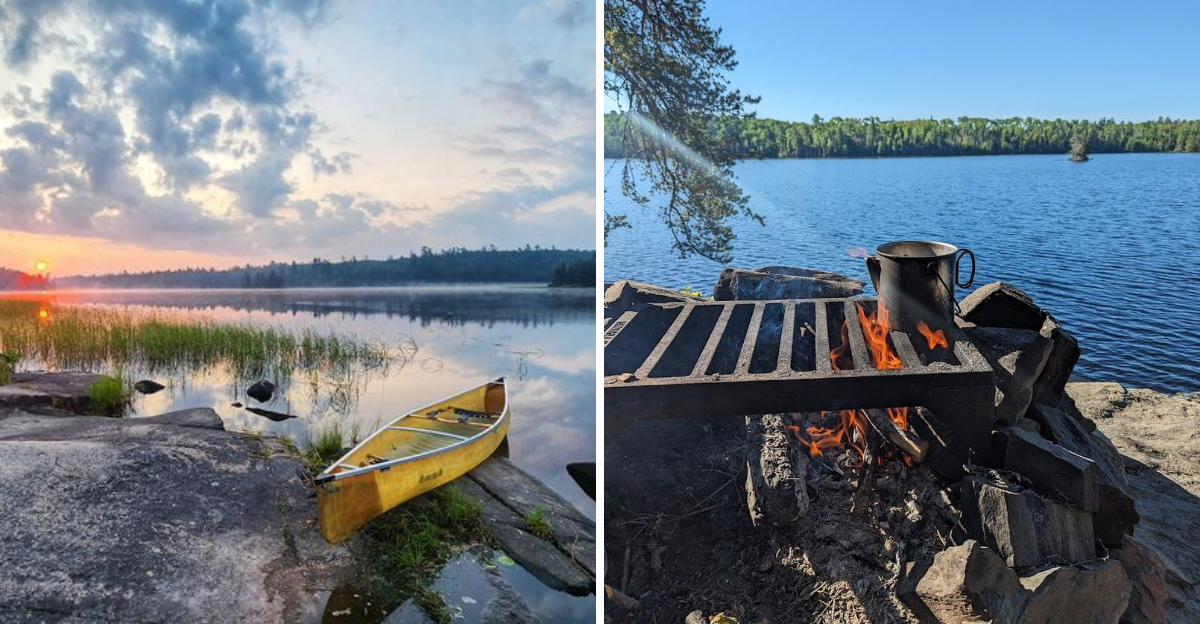
Over one million acres of water trails and more than two thousand backcountry campsites sound like a dream, but this Minnesota wilderness area is very real. You leave your car behind and paddle into a world where motors are not allowed and the only sounds come from loons calling across the lake.
The water trails connect dozens of pristine lakes with short portages between them. You carry your canoe or kayak over land for a few minutes, then drop back into another quiet body of water that feels untouched by time.
The campsites are rugged and simple. A fire grate, a tent pad, and maybe a box for storing food away from curious wildlife.
No running water, no bathrooms, no cell service at all. That is the whole point.
You cook over a fire, filter water from the lake, and fall asleep under stars that look close enough to touch. Minnesota protects this place carefully because once it is gone, you cannot get it back.
Experienced paddlers spend weeks exploring, but first timers can start with a simple weekend loop. Bring a map and a compass because your phone will not help you here.
Paddling Through Over 1,000 Lakes and Streams
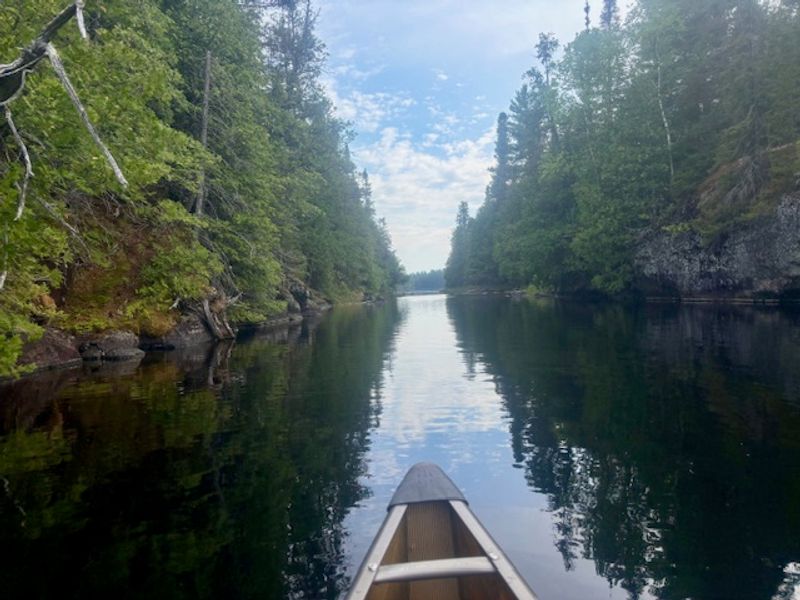
Water is the highway here. The BWCA holds more than 1,000 lakes and streams connected by portage trails, creating a paddling network that rewards patience and curiosity in equal measure.
I remember rounding a bend on one lake and finding another one waiting just beyond a short carry through the trees.
Each lake has its own personality. Some are wide open and wind-swept, demanding strong paddle strokes and a steady course.
Others are narrow and sheltered, so quiet you can hear fish jump near the reeds. The water clarity in many of these lakes is remarkable, with visibility reaching several feet below the surface.
Routes range from easy day trips to multi-week expeditions covering dozens of lakes and portages. Beginners can stick to gentler entry points near Ely, while experienced paddlers can push deeper into remote stretches that see very little traffic.
Planning your route ahead of time makes the experience smoother and far more rewarding.
Sleeping Under a Sky Full of Stars
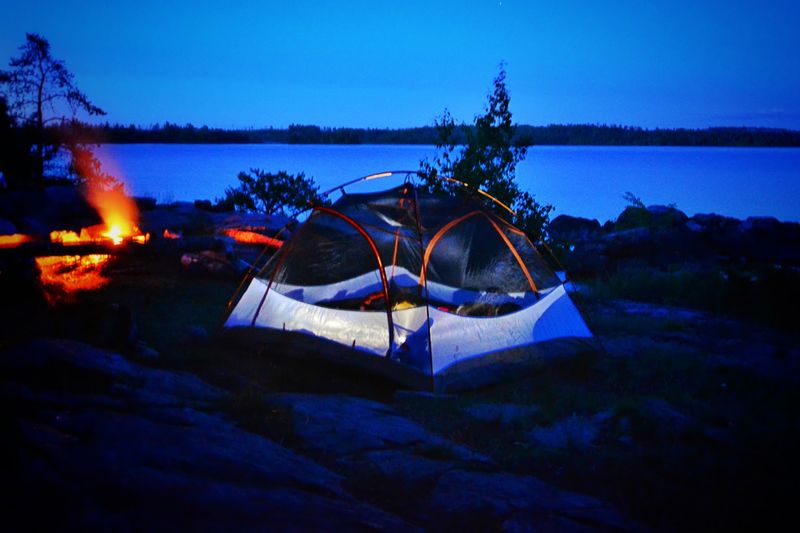
Camping in the Boundary Waters is nothing like pitching a tent in a crowded state park. Each of the more than 2,000 designated campsites sits in its own pocket of wilderness, usually right on the water.
Waking up to a loon calling across a foggy lake is the kind of alarm clock you actually want.
Most sites include a fire grate and a wilderness latrine, keeping the impact on the land as low as possible. Campers are encouraged to follow Leave No Trace principles strictly, and the culture among paddlers here strongly supports that ethic.
The result is a landscape that stays genuinely wild.
Site quality varies a lot. Some offer flat, open tent pads with sweeping lake views.
Others are tucked into the trees, shaded and protected from wind. Checking your map and talking to outfitters before heading out helps you find spots that match your style.
Every site feels earned, and that makes resting there even better.
The Proud Gateway Town to the BWCA
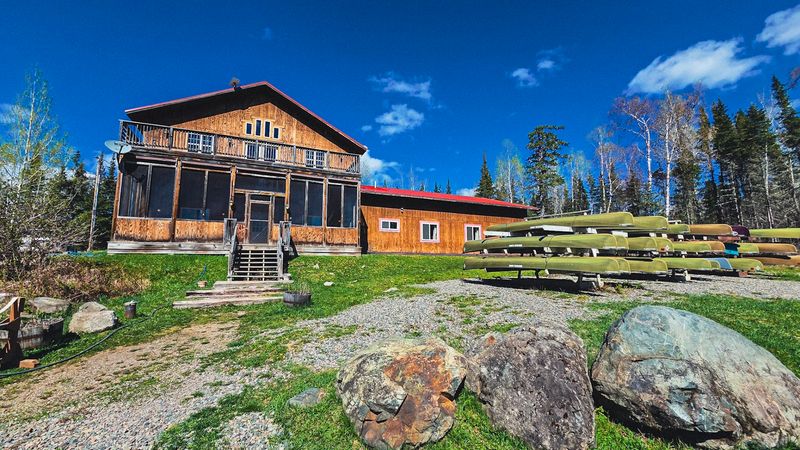
Ely has a personality that is hard not to like immediately. This small town of just a few thousand people has built its entire identity around the wilderness sitting right at its doorstep.
Outfitters, gear shops, local diners, and trail organizations line the main street with an easy, unpretentious energy.
Arriving in Ely the night before a paddle trip feels like a ritual. You stock up on supplies, talk to locals who know the lakes better than most people know their own neighborhoods, and start feeling the anticipation build.
The town holds a genuine pride in protecting the BWCA that comes through in every conversation.
Boundary Waters Outfitters, located at 638 Kawishiwi Trail, is one of the standout options for getting outfitted and oriented before heading in. Peter and his team consistently go above and beyond for both first-timers and seasoned paddlers alike.
Ely is not just a starting point. It is part of the experience itself.
The Art of Carrying Your Canoe Overland
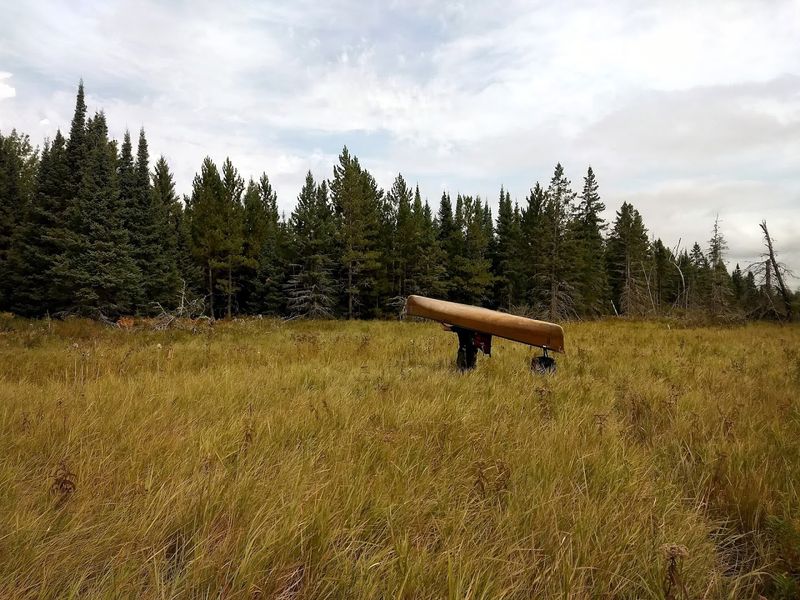
Portaging sounds intimidating until you actually do it. The word simply means carrying your canoe and gear overland between two bodies of water.
It is the skill that unlocks the deeper parts of the BWCA, pushing you past the easy entry lakes into quieter, less-traveled territory.
Portage trails range from a quick hundred-yard carry to challenging hauls of over a mile through rocky, rooted forest paths. The weight of a loaded pack and a canoe overhead builds a specific kind of satisfaction.
When you finally set the boat back on the water, the next lake feels like a reward you genuinely earned.
Kevlar canoes, available through outfitters in Ely, make portaging significantly more manageable due to their light weight. Learning to lift and balance the canoe properly before heading out saves a lot of struggle on the trail.
Outfitters like Boundary Waters Outfitters walk renters through the technique before departure, which makes a real difference out in the field.
1 Million Acres of Pure Nature
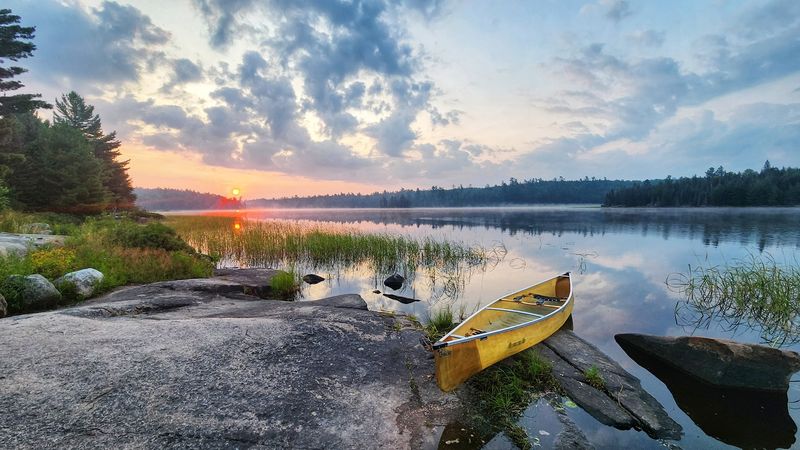
Numbers rarely capture a feeling, but 1.1 million acres starts to tell the story. The Boundary Waters Canoe Area Wilderness is the most visited wilderness area in the entire United States.
That fact always surprises people, because once you are out there, solitude wraps around you like a second skin.
Managed by the Superior National Forest, the BWCA covers a region so large that you could paddle for weeks and never retrace a single stroke. The landscape is a mix of boreal forest, exposed granite ridges, and shimmering water that changes color with the sky.
Wildlife moves freely through this protected land.
Wolves, moose, black bears, and bald eagles all call this place home. The wilderness designation means no motorized vehicles are allowed in most areas, keeping the air and water remarkably clean.
Paddling through this space feels like stepping into a world that has barely changed in centuries. It earns every bit of its reputation.
Wildlife Watching
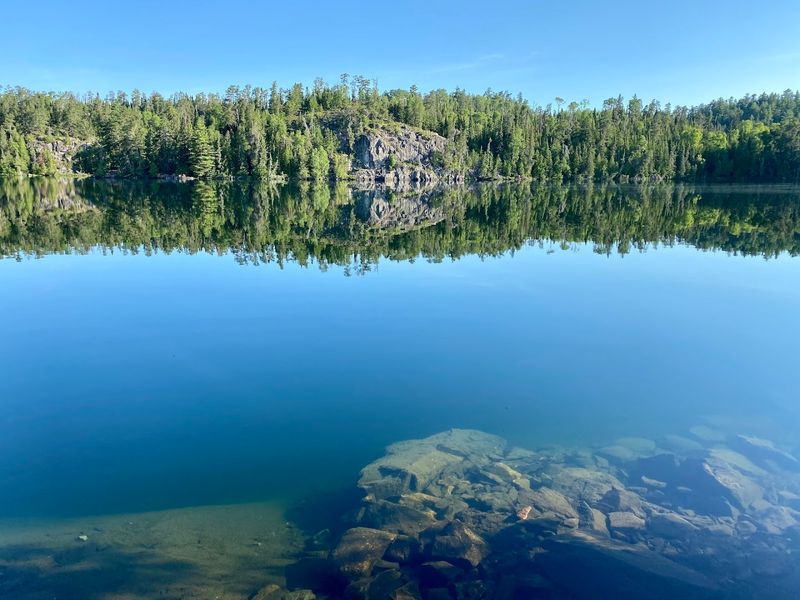
The BWCA is one of the best wildlife-watching destinations in the continental United States, and it earns that status quietly. You are not watching animals through a fence or a tour bus window.
They simply appear, going about their lives as if you are the visitor, which of course you are.
Bald eagles perch on dead trees above the water, watching for fish with sharp, unhurried focus. Moose wade into shallow bays at dawn, pulling up aquatic plants with their enormous, dripping heads.
Common loons fill the evenings with their haunting, echoing calls that carry across every lake in the system.
Beavers, otters, black bears, and timber wolves also live throughout the wilderness. Spotting a wolf crossing a portage trail is the kind of moment that stays with you for years.
Paddling quietly and moving slowly through the water dramatically increases your chances of close encounters. Binoculars are worth every ounce of weight in your pack.
Fishing in the BWCA
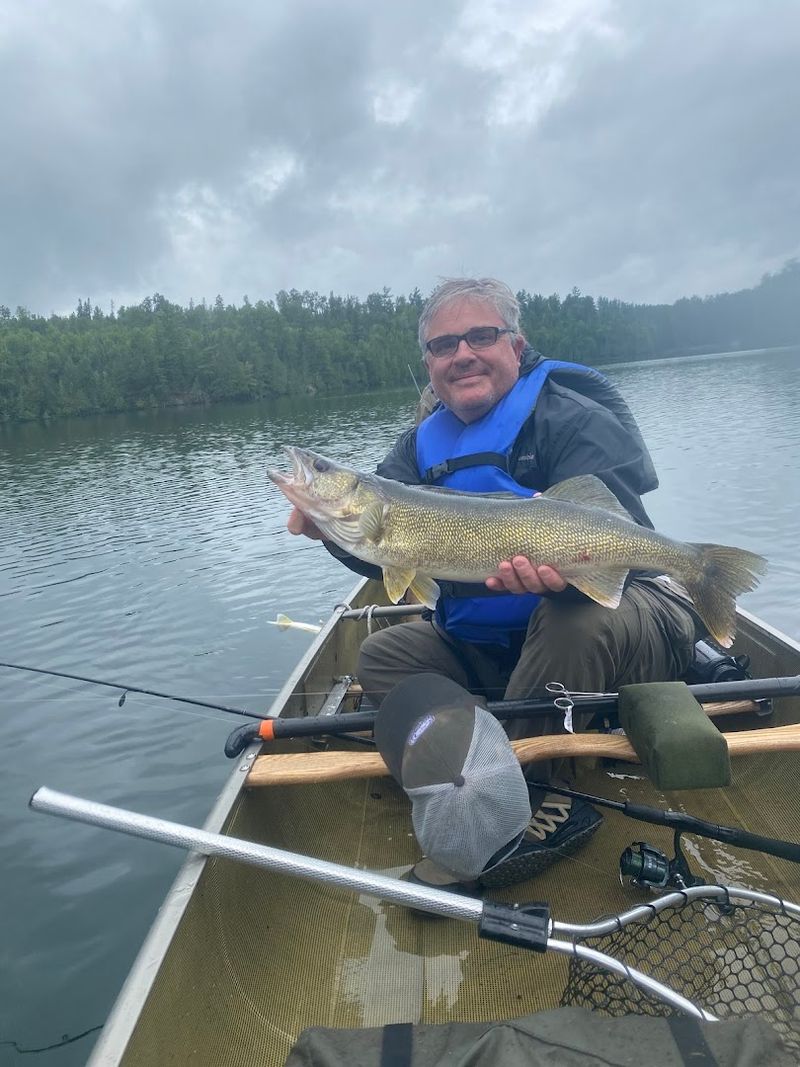
Fishing in the Boundary Waters carries a different feel than fishing at a stocked suburban pond. The lakes here hold walleye, largemouth and smallmouth bass, northern pike, lake trout, and crappie in waters that are cold, clean, and largely undisturbed.
Casting a line from a canoe into a lake you paddled hours to reach hits differently.
A Minnesota fishing license is required, and some lakes have specific regulations worth checking before you drop a line. Many paddlers combine fishing with their camping routes, spending mornings on the water and evenings at the fire with fresh-caught walleye.
The connection between effort and reward is very real here.
Boundary Waters Outfitters stocks a solid selection of tackle, including lure kits suited to the specific fish found in the BWCA lakes. Staff can point you toward productive spots based on current conditions and your planned route.
Fishing adds another layer of purpose to each paddling day, making every campsite feel like a base camp worth returning to.
How to Enter the Boundary Waters
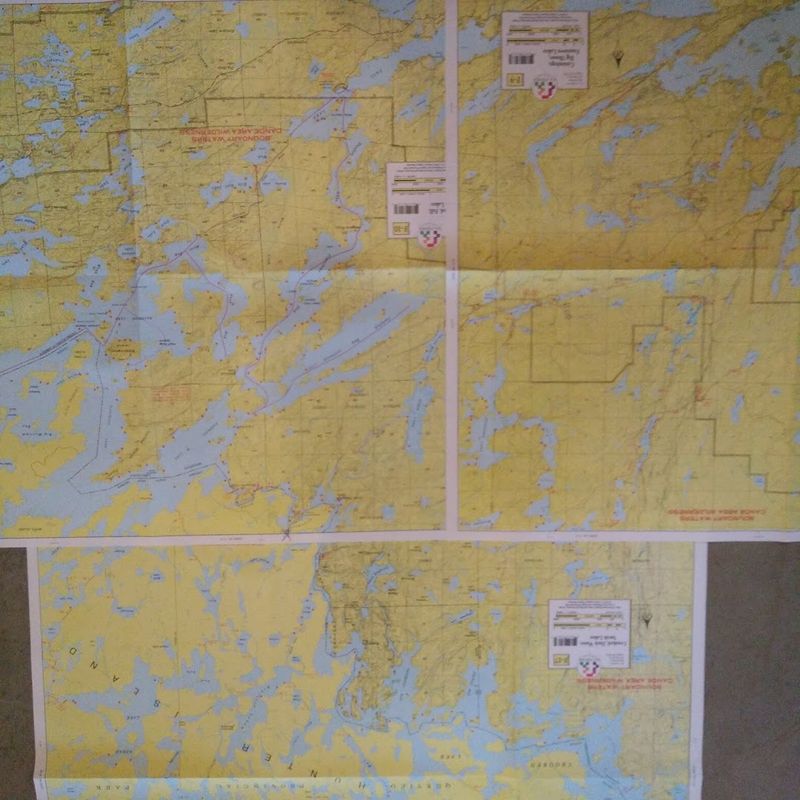
Getting into the BWCA requires a permit, and understanding the system before you go saves a lot of headaches. Quota permits are required for overnight trips during the main season, which runs from early May through late September.
Each entry point has a daily limit on the number of groups allowed in, which is exactly how the wilderness stays so peaceful.
Reservations open in the winter for the following summer season, and popular entry points fill up fast. Booking early is genuinely important, especially for July and August dates.
Day-use entry does not require a permit, but overnight stays absolutely do.
Outfitters in Ely, including Boundary Waters Outfitters, can help navigate the permit process as part of their trip planning services. Peter and his team have handled permits for groups of all sizes, from solo paddlers to large family parties.
Having someone familiar with the system handle the logistics removes a significant source of stress. Arriving prepared makes the whole experience feel effortless from the start.
Seasonal Highlights, When to Visit the BWCA
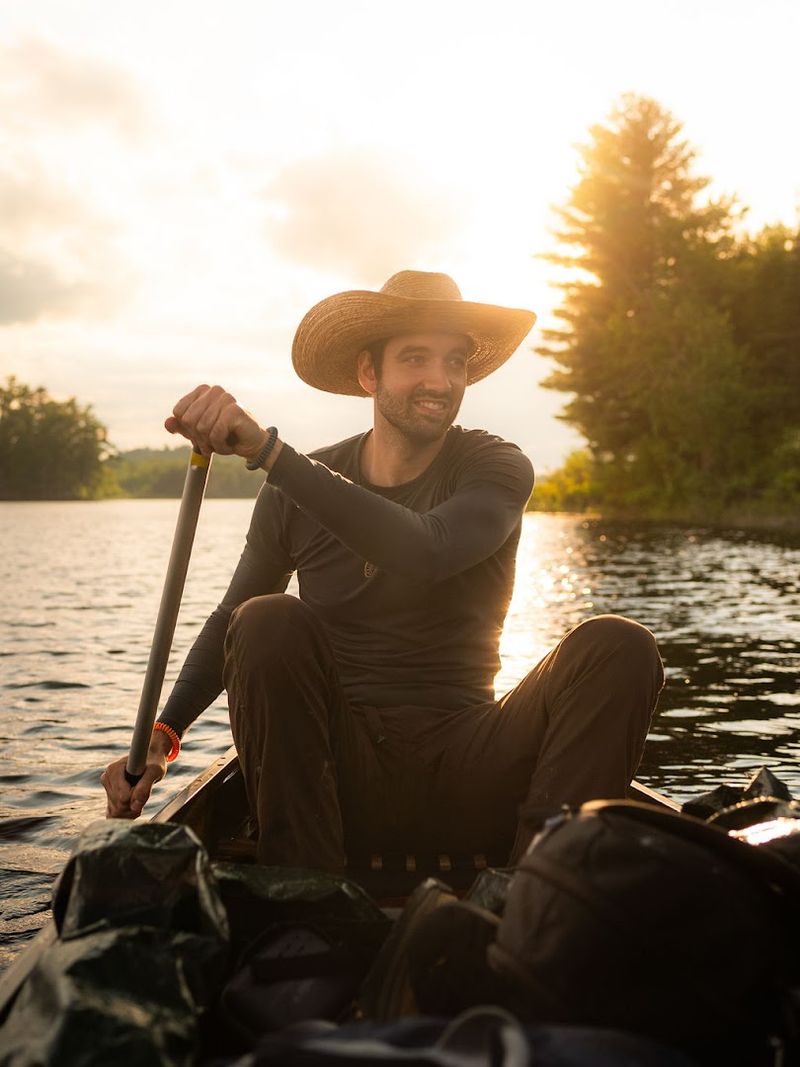
Every season in the BWCA offers something genuinely different, and choosing when to visit shapes the entire character of your trip. Summer brings long days, warm temperatures, and peak wildlife activity.
Bugs can be heavy in June, so packing solid insect repellent is not optional, it is essential.
Fall is the season that surprises most first-time visitors. September and October turn the forest into a vivid mix of red, orange, and gold that reflects off the water in a way that feels almost surreal.
Crowds thin out noticeably, and the cool air makes paddling physically easier and more comfortable.
Winter brings a completely different adventure. Frozen lakes become dogsled and ski routes, and the silence deepens to something almost sacred.
Spring offers ice-out paddling and the arrival of migratory birds, filling the air with sound and movement. Each season has trade-offs, but none of them disappoint.
Protecting the BWCA for Future Paddlers
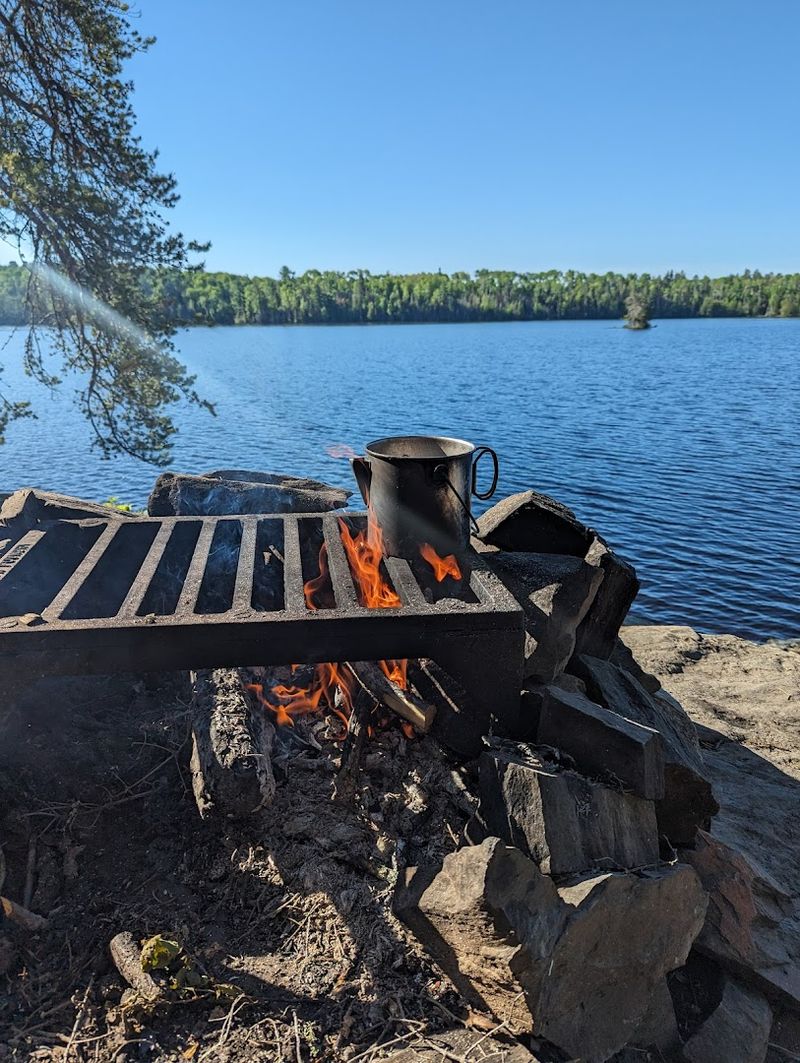
The BWCA stays as beautiful as it is because of the people who paddle through it carefully. Leave No Trace principles are not just suggested here, they are deeply embedded in the culture of everyone who uses this wilderness.
Packing out all trash, using only designated fire rings, and keeping soap and food scraps away from the water are baseline expectations.
Campfire rules shift depending on conditions, and fire bans are sometimes issued during dry stretches. Carrying a camp stove as a backup is always smart.
Washing dishes with biodegradable soap well away from the water edge protects the lake ecosystems that make the fishing and wildlife viewing so remarkable.
Bear canisters or hanging food bags properly at night keeps both campers and wildlife safe. The BWCA wilderness designation depends on continued public support and responsible use.
Every paddler who leaves a campsite cleaner than they found it is doing their part.
